Tag: Cyber Warfare

  • Jay Clayton Confirmed as Director of National Intelligence

    Jay Clayton Confirmed as Director of National Intelligence

    Jay Clayton was confirmed as the Director of National Intelligence (DNI) by the U.S. Senate on Tuesday, July 28, 2026. This appointment places a former Chairman of the U.S. Securities and Exchange Commission (SEC) at the head of America’s 18 intelligence organizations. Clayton’s background in financial regulation and corporate law marks a departure from traditional intelligence community appointments.

    His new role involves advising President Donald Trump and coordinating the vast U.S. intelligence apparatus. The confirmation vote concluded a nomination process that spanned several weeks. Debates in the Senate focused on Clayton’s experience relevant to intelligence gathering and analysis.

    The Director of National Intelligence: A Critical Role

    The Director of National Intelligence holds a Cabinet-level position within the executive branch. The DNI serves as the principal advisor to the President, the National Security Council, and the Homeland Security Council on all intelligence matters. This office was established in 2004.

    The establishment of the DNI was a direct recommendation from the 9/11 Commission. Its purpose was to improve integration and information sharing among disparate intelligence agencies. This structural change aimed to prevent future intelligence failures by creating a central coordinating authority.

    Key responsibilities include overseeing and directing the National Intelligence Program budget. The DNI also establishes objectives and priorities for intelligence collection and analysis across the entire Intelligence Community. This role is central to shaping U.S. national security and foreign policy.

    The DNI’s authority extends to ensuring that intelligence agencies work together effectively. This involves setting strategic direction and fostering collaboration. The position demands a comprehensive understanding of global threats and domestic security concerns.

    The Intelligence Community’s Structure

    The U.S. Intelligence Community (IC) is a federation of 18 separate government agencies. These agencies work independently and collaboratively to gather and analyze intelligence. Their missions range from foreign intelligence to counterterrorism and cybersecurity.

    Agencies within the IC include the Central Intelligence Agency (CIA), the National Security Agency (NSA), the Defense Intelligence Agency (DIA), and components of the Federal Bureau of Investigation (FBI). Other members include intelligence elements from the Departments of State, Energy, and Treasury.

    Each agency has a specialized focus, contributing to the overall intelligence picture. The DNI’s role is to synthesize this diverse information. This ensures a unified and coherent intelligence assessment for policymakers.

    Jay Clayton’s Background and Expectations

    Jay Clayton previously served as the Chairman of the U.S. Securities and Exchange Commission from 2017 to 2020. During his tenure at the SEC, he focused on protecting investors, facilitating capital formation, and ensuring fair markets. He navigated complex financial regulations and oversaw enforcement actions.

    His experience managing a complex federal agency and navigating intricate regulatory landscapes is seen as a key asset for the DNI role. The SEC is a large organization with a broad mandate. Leading it required significant administrative and policy expertise.

    Prior to his government service, Clayton was a partner at Sullivan & Cromwell LLP. He specialized in mergers and acquisitions and capital markets. He advised on numerous high-profile transactions. His legal career provided extensive experience in international financial law and corporate governance.

    Critics of his nomination questioned his lack of direct intelligence operations experience. They argued that the DNI role requires a deep understanding of clandestine operations and intelligence tradecraft. Concerns were raised about his readiness to lead agencies with highly specialized and sensitive missions.

    Supporters emphasized his management acumen and ability to synthesize complex information. They highlighted his track record of leading a major regulatory body. His proponents argued that the DNI role is primarily one of management and coordination, for which Clayton is well-suited.

    From Wall Street to the Intelligence Community

    Clayton’s career trajectory moved from private legal practice to financial regulation. Now, he transitions to the national security sector. This path is unconventional for a DNI appointee. Most previous DNIs have had extensive backgrounds in intelligence or military service.

    His supporters suggest that an outsider’s perspective could be beneficial. A fresh approach might challenge existing paradigms within the intelligence community. This could lead to more innovative solutions for persistent problems.

    His experience in capital markets also provides a unique understanding of global financial systems. These systems are increasingly intertwined with national security concerns. Economic intelligence and financial warfare are growing areas of focus for intelligence agencies.

    Challenges and Priorities for the New DNI

    Clayton steps into the DNI role facing a complex global intelligence landscape. Ongoing geopolitical tensions present significant challenges. Regions like Eastern Europe, the Middle East, and the Indo-Pacific are sources of constant concern. The intelligence community must monitor these areas closely.

    The rise of cyber warfare is another critical issue. State-sponsored cyber attacks and criminal hacking groups pose threats to critical infrastructure, government systems, and private industry. The DNI must prioritize defenses and offensive capabilities in this domain.

    The proliferation of advanced technologies also presents challenges. Artificial intelligence, quantum computing, and biotechnology offer both opportunities and risks. Intelligence agencies must leverage these technologies while guarding against their misuse by adversaries.

    His priorities will likely include enhancing intelligence integration. This means improving how different agencies share information and coordinate operations. Seamless data flow is crucial for effective intelligence gathering and analysis.

    Adapting to evolving threats is another key priority. The nature of global threats changes rapidly. The DNI must ensure that the intelligence community remains agile and responsive. This requires continuous assessment and adjustment of strategies.

    Ensuring the timely delivery of actionable intelligence to President Trump and other policymakers is paramount. Decision-makers rely on accurate and current intelligence. The DNI is responsible for streamlining the intelligence pipeline from collection to presidential brief.

    Oversight and Public Trust

    The DNI is also responsible for overseeing intelligence community reforms. This includes addressing internal challenges within the agencies. Issues of data privacy are a constant concern in a digital age. Balancing national security with individual liberties is a delicate act.

    Ethical intelligence gathering is another area requiring attention. The DNI must ensure that all intelligence activities adhere to legal and ethical standards. This is crucial for maintaining both domestic and international legitimacy.

    Maintaining public trust is vital for the long-term effectiveness of the intelligence community. Transparency, where possible, and accountability are key components. Clayton’s leadership will be tested by the need to balance national security requirements with civil liberties.

    The DNI must also navigate the political environment in Washington D.C. This involves working with Congress on oversight matters and budget allocations. Building consensus and trust across the political spectrum is essential for the intelligence community’s mission.

    The Senate Confirmation Process

    The Senate confirmation process for Jay Clayton involved extensive hearings and deliberations. Senators questioned Clayton on his views regarding intelligence oversight. They probed his understanding of the scope of presidential authority in intelligence matters. His plans for addressing specific threats were also scrutinized.

    The vote was largely along party lines, reflecting the current political climate in Washington D.C. This partisan division is common for high-level executive appointments. It underscores the political nature of national security leadership roles.

    While specific vote counts were not immediately released, the confirmation demonstrates sufficient support in the Senate. This outcome allows the Trump administration to finalize its national security leadership team for the current term. The Intelligence Community now looks to Clayton for strategic direction.

    The confirmation process involves several stages. Nominees first undergo background checks. Then, they participate in hearings before relevant Senate committees, in this case, likely the Senate Intelligence Committee. Following committee approval, the nomination proceeds to a full Senate vote.

    Senators use these hearings to assess a nominee’s qualifications, policy views, and temperament. Public and closed-door sessions allow for detailed questioning. The process ensures a thorough vetting before a nominee can assume office.

    The final Senate vote confirms the President’s choice. This concludes a critical step in staffing the executive branch. It signals the official beginning of the appointee’s tenure.

    The Intelligence Community leadership. The national security apparatus. The oversight committees. The global intelligence landscape. The new Director of National Intelligence. Jay Clayton.
  • President Trump Considers Broader Iranian Strikes Amid Houthi Escalation

    President Trump Considers Broader Iranian Strikes Amid Houthi Escalation

    Former President Trump is reportedly weighing options for wider military attacks against Iran. These considerations come as Houthi forces have intensified their involvement in regional conflicts. The expanded Houthi actions have prompted a strategic reassessment within the former Trump administration regarding stability in the Middle East.

    The potential for direct action against Iran represents a significant shift. Such a move would mark an escalation in U.S. policy towards the Islamic Republic. It underscores the complex and volatile nature of current geopolitical dynamics.

    The Escalating Houthi Involvement

    Houthi forces, based in Yemen, have increasingly played a role in recent Middle East conflicts. Their actions have included missile and drone attacks targeting various regional interests. These operations have been described by U.S. and allied intelligence as destabilizing.

    The Houthis have demonstrated an enhanced capability for long-range strikes. This capacity poses a direct threat to international shipping lanes and regional energy infrastructure. Their involvement is seen as a proxy for Iranian influence in the region.

    Recent Houthi aggressions have prompted a robust response from international coalitions. However, these responses have not fully deterred the group’s activities. The continued Houthi operations are a key factor in the current U.S. policy review.

    Strategic Deliberations in Washington

    Discussions within former President Trump’s national security team have intensified. Senior advisors are examining a range of military options. These options reportedly extend beyond existing retaliatory strikes against Houthi targets.

    The focus has shifted to the source of Houthi capabilities. U.S. intelligence assessments frequently link Houthi armaments and training to Iran. This connection forms the basis for considering direct action against Iranian assets.

    The deliberations involve the Department of Defense, the State Department, and the National Security Council. Former President Trump is receiving regular briefings on the evolving situation. All potential outcomes and regional impacts are being thoroughly analyzed.

    Examining the Scope of Potential Attacks

    The term ‘wider Iranian attacks’ suggests a broad array of targets. These could include Iranian military installations, naval assets, and missile development sites. Cyber warfare capabilities are also likely being considered.

    Any action would aim to degrade Iran’s ability to support proxy groups. It would also seek to limit Iran’s influence in the Middle East. The administration seeks to restore deterrence in a region increasingly marked by volatility.

    Analysts suggest that such strikes would be carefully calibrated. The goal would be to send a strong message without triggering an all-out war. However, the risk of miscalculation remains a significant concern for international observers.

    Historical Context of U.S.-Iran Tensions

    U.S.-Iran relations have been fraught for decades. The 1979 Iranian Revolution severed diplomatic ties. Subsequent events, including the Iran-Contra affair and Iran’s nuclear program, have maintained high tensions.

    President Trump’s first term saw the U.S. withdraw from the Joint Comprehensive Plan of Action (JCPOA) in 2018. This move reimposed sanctions on Iran. It intensified economic pressure and diplomatic isolation.

    The U.S. has consistently accused Iran of state-sponsored terrorism. It has also criticized Iran’s development of ballistic missiles. These long-standing grievances underpin the current policy considerations.

    Previous Military Confrontations and Deterrence

    Direct military confrontations between the U.S. and Iran have been rare but significant. The 1988 Operation Praying Mantis involved U.S. naval forces engaging Iranian naval elements. This action was a response to Iranian mining of international waters.

    In early 2020, the U.S. conducted a drone strike that killed Qasem Soleimani. Soleimani was a prominent Iranian military commander. This event led to immediate retaliatory missile strikes by Iran against U.S. bases in Iraq.

    These past incidents highlight the delicate balance of deterrence. Any new military action would carry the risk of a similar, or greater, retaliatory cycle. The administration is acutely aware of these historical precedents.

    Regional Allies and Their Perspectives

    Key U.S. allies in the Middle East are closely monitoring the situation. Saudi Arabia, Israel, and the United Arab Emirates share concerns about Iranian influence. They have historically advocated for a strong stance against Tehran.

    These allies have also faced direct threats from Iranian-backed groups. This includes missile attacks and maritime disruptions. Their security interests align with U.S. objectives to curb Iranian aggression.

    However, regional partners also express caution about widespread conflict. An all-out war could destabilize the entire region. It could disrupt global oil supplies and trigger humanitarian crises. Balancing these concerns is a critical diplomatic challenge.

    International Reactions and Diplomacy

    The international community is watching developments with apprehension. European powers, signatories to the JCPOA, have consistently pushed for diplomatic solutions. They advocate for de-escalation and dialogue.

    The United Nations has also called for restraint from all parties. Secretary-General António Guterres has urged adherence to international law. He has emphasized the importance of protecting civilian lives.

    Any U.S. military action against Iran would likely draw widespread international condemnation. It could complicate efforts to form a unified front against other global challenges. Diplomacy remains a preferred, though increasingly difficult, path.

    Economic Implications of Escalation

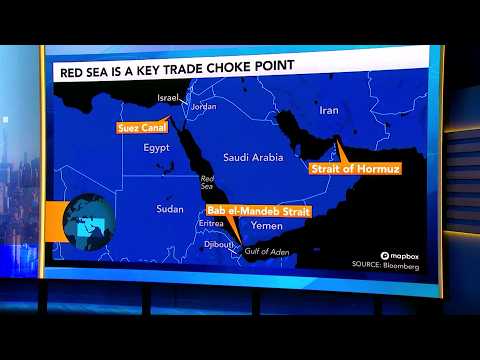
    A wider conflict involving Iran would have significant global economic repercussions. The Strait of Hormuz is a critical chokepoint for oil shipments. Disruptions there could send energy prices soaring worldwide.

    Global financial markets typically react negatively to geopolitical instability. Increased tensions could lead to investor uncertainty. This could trigger sell-offs in equity markets and a flight to safe-haven assets.

    The U.S. economy, while robust, would not be immune. Higher oil prices would impact consumers through increased fuel costs. Businesses would face higher operational expenses. The administration must weigh these economic costs against strategic objectives.

    Cyber Warfare and Hybrid Threats

    Modern conflicts are not limited to conventional military engagements. Cyber warfare is a growing component of state-sponsored aggression. Iran has demonstrated sophisticated cyber capabilities in the past.

    A wider conflict could involve intensified cyberattacks against critical infrastructure. This includes energy grids, financial systems, and communication networks. Such attacks could have far-reaching effects beyond the immediate conflict zone.

    Hybrid threats, combining conventional, unconventional, and cyber tactics, are also a concern. Iran’s use of proxy groups exemplifies this strategy. The U.S. must prepare for a multi-domain response to any escalation.

    The Path Forward for Former President Trump

    President Trump faces a complex decision matrix. He must balance national security interests with the risks of regional destabilization. The desire to deter Iranian aggression confronts the imperative to avoid a protracted war.

    Options range from targeted punitive strikes to a broader campaign aimed at dismantling Iranian capabilities. Each option carries distinct advantages and severe potential drawbacks. The ultimate decision will shape U.S. foreign policy for years.

    The administration’s rhetoric suggests a firm resolve. However, the exact nature of any action remains under wraps. Diplomacy, while challenging, is unlikely to be entirely abandoned, even amidst military considerations.

    The Middle East remains a crucible of geopolitical tension. Houthi actions. Iranian influence. U.S. resolve. A critical juncture.


  • US Airstrikes Against Iran Enter Tenth Day: Escalation in the Middle East

    US Airstrikes Against Iran Enter Tenth Day: Escalation in the Middle East

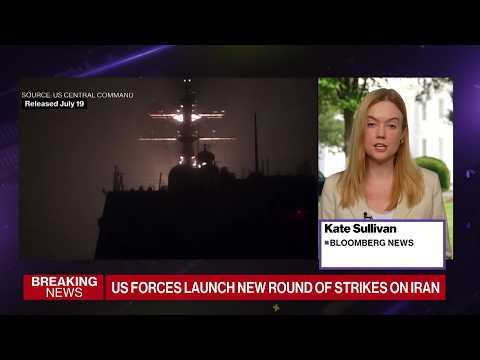
    The United States has not launched airstrikes against targets in Iran as of July 21, 2026. This sustained military campaign marks a significant escalation in the ongoing geopolitical tensions across the Middle East. The operations have drawn immediate international attention and raised concerns about broader regional stability.

    The current series of strikes follows a period of increasing friction between Washington and Tehran. Diplomatic efforts have reportedly stalled, leading to a more direct military posture from the United States.

    The Trajectory of Escalation

    Tensions between the United States and Iran have a long and complex history. Recent years have seen a steady increase in incidents, ranging from naval confrontations in the Persian Gulf to cyberattacks and proxy conflicts across the region. The current wave of airstrikes did not emerge in a vacuum.

    Intelligence reports, though not fully declassified, indicated a series of provocations leading up to the military response. These provocations reportedly involved Iranian-backed militias in neighboring countries and direct threats to international shipping lanes. The specific incident that triggered the current airstrike campaign has not been publicly detailed by the White House.

    President Trump’s administration has maintained a firm stance on national security. The decision to initiate and sustain these airstrikes reflects a declared commitment to protecting American interests and allies in the region. Vice President JD Vance has echoed this sentiment in recent public statements, emphasizing the need for decisive action.

    Defining the Scope of Operations

    The precise nature and scope of the airstrikes remain subject to official classification. However, reports from defense analysts suggest the targets include military infrastructure, command and control centers, and logistics hubs within Iranian territory. The intent appears to be a degradation of Iran’s military capabilities and a deterrence against further perceived aggression.

    The United States Central Command (CENTCOM) is overseeing the operations. Daily briefings have been minimal, citing operational security. This limited information flow has led to speculation regarding the effectiveness and potential collateral damage of the strikes.

    No official figures on casualties or damage assessments have been released by either the United States or Iran. Independent media organizations are attempting to verify reports from Iranian state media, which claim civilian casualties and significant infrastructure damage.

    International Response and Diplomatic Efforts

    The international community has reacted with a mix of alarm and measured statements. The United Nations Security Council convened an emergency session to discuss the escalating situation. Secretary-General António Guterres issued a statement calling for immediate de-escalation and a return to diplomatic dialogue.

    European Union leaders have expressed deep concern. They urged both Washington and Tehran to exercise restraint. Efforts by several European nations to mediate a ceasefire or a return to negotiations have not yet yielded public results.

    Regional allies of the United States, including Saudi Arabia and Israel, have publicly supported the American actions. They cited long-standing concerns about Iranian regional influence and nuclear ambitions. Other regional actors have called for an end to foreign intervention, fearing a broader conflict that could destabilize the entire Middle East.

    The Role of Economic Sanctions

    Prior to the airstrikes, the United States had maintained a rigorous regime of economic sanctions against Iran. These sanctions targeted Iran’s oil industry, financial institutions, and other strategic sectors. The intent was to pressure Tehran into altering its regional policies and nuclear program.

    The effectiveness of these sanctions has been a subject of debate. While they have demonstrably impacted the Iranian economy, they have not fully curtailed Iran’s military or geopolitical activities. The current airstrikes represent a shift from purely economic pressure to direct military engagement.

    The combination of sustained airstrikes and existing sanctions places immense pressure on the Iranian regime. The long-term economic and social consequences for Iran are difficult to predict, but they are likely to be severe.

    Potential Ramifications for Global Stability

    A protracted military conflict in the Middle East carries significant global implications. The region is a vital source of global energy. Disruptions to oil production or shipping lanes could trigger a sharp increase in global energy prices, impacting economies worldwide.

    The Strait of Hormuz, a critical chokepoint for global oil shipments, remains a flashpoint. Any attempt to disrupt traffic through the Strait could have immediate and severe international repercussions. Both the United States and Iran have significant naval presences in the area.

    Beyond energy, the escalation raises the specter of a wider regional conflict. Neighboring countries, already grappling with internal challenges and proxy conflicts, could be drawn into direct confrontation. The humanitarian consequences of such a conflict would be immense.

    Cyber Warfare and Hybrid Threats

    Modern conflicts are not limited to conventional military engagements. Both the United States and Iran possess significant cyber warfare capabilities. Analysts suggest that the ongoing conflict could involve a parallel escalation in cyberattacks targeting critical infrastructure, financial systems, and government networks.

    Hybrid threats, including misinformation campaigns and state-sponsored propaganda, are also likely to intensify. Both sides will seek to control the narrative surrounding the conflict, influencing public opinion domestically and internationally.

    The information space has become a crucial battleground. Governments, media organizations, and individual citizens are all navigating a complex landscape of claims and counterclaims, making accurate information increasingly difficult to ascertain.

    Historical Parallels and Future Outlook

    Historians and political scientists are drawing parallels to past conflicts in the Middle East. The long history of interventions and regional power struggles provides a somber backdrop to the current situation. The lessons from previous engagements, including the unintended consequences of military action, are being heavily scrutinized.

    The current situation presents a unique set of challenges. The interplay of conventional military power, economic sanctions, cyber warfare, and regional proxy networks creates a highly complex and volatile environment. Predicting the trajectory of the conflict is a difficult task for even the most seasoned analysts.

    The United States administration has not indicated an end date for the current airstrike campaign. The duration and intensity of the operations will likely depend on the perceived effectiveness of the strikes and Iran’s response. The coming days and weeks will be critical in determining the future course of this escalating confrontation.

    Governments gathered. Diplomats gathered. Citizens gathered. The world waited.

    Tehran.


  • President Trump Declares Iran Ceasefire ‘Over’ – Global Repercussions Analyzed

    President Trump Declares Iran Ceasefire ‘Over’ – Global Repercussions Analyzed

    President Donald Trump announced on July 8, 2026, that the ceasefire with Iran is “over.” This declaration marks a critical juncture in international relations, particularly concerning the Middle East. The statement, delivered from the White House, immediately prompted widespread analysis and concern among global leaders and diplomatic circles.

    The implications of this pronouncement are far-reaching. They touch upon regional stability, the future of international energy markets, and the intricate web of alliances and rivalries that define the modern Middle East. The global community is now assessing the potential for renewed conflict or heightened tensions in a region already prone to volatility.

    The Context of the Ceasefire

    The ceasefire itself had been a delicate construct. It emerged from months of intense negotiations and back-channel diplomacy. Specific dates and conditions for its establishment were never fully publicized, reflecting the sensitive nature of the agreements involved.

    Various international actors played roles in its formation. These included the United Nations, several European powers, and key regional states. Their combined efforts aimed to de-escalate ongoing proxy conflicts and prevent direct military confrontation between major powers.

    The ceasefire’s primary objective was to halt military actions. It sought to curb the flow of arms to proxy groups and establish channels for de-escalation. Economic considerations were also central, with promises of eased sanctions tied to compliance.

    Iran’s compliance with the ceasefire has been a subject of continuous debate. Reports from international monitoring bodies offered mixed assessments. Some indicated adherence to certain terms, while others highlighted persistent concerns regarding regional activities.

    The United States, under President Trump, has consistently expressed skepticism. U.S. officials frequently cited what they termed Iranian provocations. These included naval maneuvers in the Persian Gulf and alleged support for militant groups in neighboring countries.

    President Trump’s Rationale

    President Trump’s statement on July 8, 2026, provided a direct explanation. He cited what he described as Iran’s repeated violations of the ceasefire terms. The specific nature of these alleged violations was detailed in a White House press briefing following the President’s remarks.

    These violations reportedly included advancements in Iran’s missile program. There were also claims of increased funding and material support for groups designated as terrorist organizations by the U.S. State Department.

    Another key point of contention was Iran’s nuclear activities. Despite international agreements, concerns persisted about the scope and transparency of its nuclear enrichment efforts. International Atomic Energy Agency (IAEA) reports had indicated some compliance but also noted areas of limited access for inspectors.

    The President emphasized the need for decisive action. He stated that the ceasefire had failed to achieve its intended purpose of ensuring regional security. He also underlined the protection of U.S. interests and allies in the Middle East.

    This declaration aligns with a broader foreign policy stance. This stance prioritizes a strong, assertive approach to perceived threats. It also emphasizes direct negotiation and a willingness to withdraw from agreements deemed unfavorable to the United States.

    International Reactions and Concerns

    The global response to President Trump’s announcement has been immediate and varied. Key allies of the United States expressed concern. European leaders, including the President of France and the German Chancellor, issued statements urging restraint and diplomatic solutions.

    The United Nations Secretary-General called for all parties to exercise maximum caution. He emphasized the importance of maintaining open lines of communication. The Secretary-General also highlighted the potential for miscalculation in a volatile region.

    Regional powers reacted with a mix of apprehension and support. Saudi Arabia and Israel, long-standing adversaries of Iran, voiced understanding for the U.S. position. They reiterated their own security concerns regarding Iranian actions.

    Other regional states expressed worry about potential escalation. They fear the destabilizing effects of renewed conflict. These nations called for a return to diplomacy and multilateral engagement.

    Iran’s official response was swift. The Iranian Foreign Ministry condemned President Trump’s declaration. They accused the United States of undermining regional peace and violating international commitments. Iranian state media reported on large-scale military drills conducted in response.

    Economic and Military Implications

    The financial markets reacted sharply to the news. Global oil prices surged following President Trump’s announcement. Traders anticipate potential disruptions to oil supplies from the Persian Gulf, a critical shipping route for crude oil.

    Stock markets in major financial centers experienced declines. Investors showed concern over increased geopolitical risk. Defense sector stocks, however, saw gains, reflecting expectations of heightened military spending.

    Militarily, the declaration opens several possibilities. The U.S. Central Command (CENTCOM) is expected to review its force posture in the region. This could lead to increased deployments of naval assets, air power, and ground forces.

    Iran’s Islamic Revolutionary Guard Corps (IRGC) has historically maintained a strong presence. They operate in the Strait of Hormuz and other strategic waterways. Their activities could intensify, leading to potential confrontations.

    Proxy groups supported by Iran across the Middle East may also become more active. This includes groups in Yemen, Lebanon, and Iraq. Any increase in their operations would further destabilize already fragile states.

    Cyber Warfare Concerns

    Beyond conventional military action, the threat of cyber warfare looms. Both the United States and Iran possess significant cyber capabilities. Experts warn of potential attacks targeting critical infrastructure and government networks.

    Such attacks could have far-reaching consequences. They could disrupt financial systems, energy grids, and communication networks. The attribution of cyberattacks is often difficult, complicating response efforts.

    The Path Forward: Diplomacy or Confrontation?

    The immediate future remains uncertain. The declaration by President Trump sets the stage for a period of heightened tension. Diplomatic efforts will be crucial in navigating this complex landscape.

    International organizations, including the United Nations, are likely to increase their mediation efforts. They will seek to bring both sides back to the negotiating table. The goal would be to de-escalate and prevent direct conflict.

    However, the U.S. administration’s stance suggests a preference for strong deterrence. This approach aims to compel Iran to alter its regional behavior. This could involve increased sanctions, military posturing, or targeted actions.

    Iran, on its part, has shown resilience to external pressure. Its leadership has consistently vowed to resist what it perceives as foreign interference. The Iranian government is expected to continue its current policies, potentially escalating its own actions.

    The role of international alliances will also be critical. The cohesion of the P5+1 group (China, France, Russia, United Kingdom, United States, plus Germany) regarding Iran’s nuclear program will be tested. Their ability to present a united front could influence the trajectory of events.

    Regional dynamics are also in play. The relationships between Iran and its neighbors are complex and constantly shifting. Any major shift in U.S. policy could trigger a realignment of these regional alliances.

    The declaration on July 8, 2026, marks a significant turning point. It closes one chapter of cautious de-escalation. It opens another, potentially more perilous, chapter in the long-standing tensions between the United States and Iran.

    Leaders gathered. Analysts conferred. Markets reacted. The world watched.

    Uncertainty.