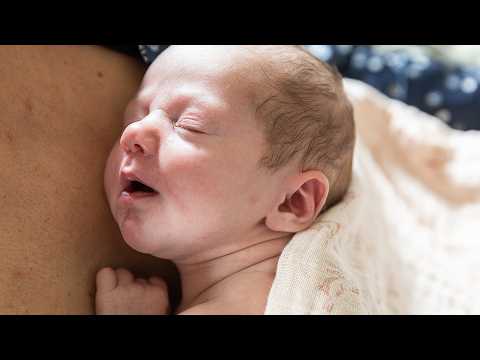
In 2026, a novel trend has gained traction among certain parents: the establishment of ‘Trump Baby Accounts’ for their newborn children. This practice involves creating financial or social media profiles for infants, explicitly aligning them with the political identity and brand of President Donald Trump. This development marks a unique intersection of personal finance, political expression, and generational identity, prompting widespread discussion across various societal sectors.
The concept extends beyond mere political affiliation. It encompasses a deliberate effort to imbue a child’s early existence with a specific ideological framework, often before the child can form independent thoughts or preferences. This preemptive political branding has raised questions about individual autonomy and the role of parents in shaping their children’s future worldviews.
The Genesis of ‘Trump Baby Accounts’
The origins of ‘Trump Baby Accounts’ can be traced to a confluence of factors in the mid-2020s. The enduring cultural and political influence of President Trump, coupled with advancements in digital platforms and financial tools, created fertile ground for such a phenomenon. Supporters often view these accounts as a way to honor their political convictions and to provide a unique legacy for their children.
Early iterations of these accounts appeared informally on social media platforms around 2025. Parents would post pictures of their newborns in Trump-themed attire, often with captions expressing hope for a future aligned with Trump’s political vision. This quickly evolved into more structured approaches.
Financial Instruments and Branding
By 2026, the concept had formalized. Some parents began opening dedicated savings accounts or investment portfolios explicitly named or branded with Trump imagery or slogans. These financial instruments are intended to grow over time, potentially funding the child’s education or future endeavors with a distinct political flavor.
Beyond traditional banking, various financial technology companies have reportedly explored offering specialized products catering to this niche. These products might include investment funds focused on industries perceived to benefit from specific political policies, or even cryptocurrency wallets designed with themed branding.
The branding extends to physical merchandise as well. Custom-designed baby clothes, nursery decor, and even personalized keepsakes bearing Trump’s likeness or political messages have become popular. These items serve as tangible expressions of the parents’ political allegiance and their hopes for their children’s future.
Social Media and Digital Footprints
A significant component of the ‘Trump Baby Account’ trend involves establishing digital footprints for newborns. Parents create social media profiles on platforms like Instagram, X (formerly Twitter), and TikTok, often using handles that incorporate ‘Trump Baby’ or similar phrases.
These profiles typically feature photos and videos of the infant, often dressed in themed clothing or posed with political memorabilia. The content is curated to reflect the parents’ political leanings and to build an early online presence aligned with the Trump brand.
The creation of a digital identity from birth, particularly one tied to a prominent political figure, has generated considerable debate. Critics question the ethics of assigning a political identity to an infant who cannot consent or comprehend such an affiliation. Proponents argue it is a form of parental expression and a way to introduce their children to their values.
Generational Politics and Parental Influence
The ‘Trump Baby Account’ phenomenon highlights the intense nature of contemporary political identity and its influence on family life. For many parents, their political convictions are deeply intertwined with their personal values and aspirations for their children.
This trend can be seen as an extension of parents instilling religious or cultural traditions in their children from a young age. However, the explicit political nature of these accounts, particularly in a highly polarized environment, distinguishes it from more traditional forms of socialization.
Experts in child development have weighed in on the implications. Some express concern that such early and overt political branding could limit a child’s ability to form an independent political identity later in life. Others suggest that children, regardless of early exposure, will ultimately develop their own perspectives based on their experiences and education.
Economic Underpinnings and Market Response
The emergence of ‘Trump Baby Accounts’ has not gone unnoticed by the market. Businesses, both large and small, have responded to the demand for themed products and services. This includes not only direct merchandise but also financial advisory services tailored to families seeking to integrate political values into their long-term financial planning.
The economic impact extends to the creation of specialized e-commerce platforms and niche marketing campaigns. These efforts target parents who are eager to express their political identity through their children’s possessions and financial arrangements.
This market response underscores the significant purchasing power and dedicated consumer base associated with strong political affiliations. It represents a commodification of political identity, where brand loyalty translates into consumer behavior and financial decisions.
The Broader Cultural Conversation
The discussion surrounding ‘Trump Baby Accounts’ transcends financial or social media specifics. It is part of a larger cultural conversation about identity, influence, and the future of political engagement. The phenomenon forces a re-evaluation of how political figures shape not just policy, but also personal and familial narratives.
Commentators have drawn parallels to historical instances where political ideologies deeply permeated family life, though often under different circumstances. The current trend, however, is distinct in its voluntary, consumer-driven nature within a democratic society.
The debate often centers on the balance between parental rights and a child’s eventual right to self-determination. It also touches upon the increasing politicization of everyday life, where even seemingly innocuous decisions can carry political weight.
Looking Ahead: Implications for Future Generations
The long-term implications of ‘Trump Baby Accounts’ remain to be seen. As the first generation of children with these accounts matures, their experiences will provide valuable insights into the effects of early political branding.
Questions arise about how these individuals will navigate their inherited political identities, especially if their personal views diverge from those established for them in infancy. The societal reaction to these emerging adults will also be a key factor in understanding the legacy of this trend.
The phenomenon suggests a future where political identity might be more deeply embedded in personal and financial planning from the earliest stages of life. It points towards a continued evolution in how individuals and families express their political allegiances in an increasingly interconnected and ideologically charged world.
Parents established accounts. Businesses adapted products. Society debated implications. The future of political identity began in the cradle.
Newborns.