Tag: Cryptocurrency

  • President Trump’s Crypto Bonanza: A Hurdle for the Clarity Act

    President Trump’s Crypto Bonanza: A Hurdle for the Clarity Act

    President Donald Trump’s significant engagement with cryptocurrency and Non-Fungible Tokens (NFTs) currently presents the most substantial hurdle to the enactment of the Clarity Act. This proposed legislation aims to provide a definitive regulatory framework for digital assets within the United States. His personal financial stake and public endorsements of various crypto initiatives introduce a unique set of challenges into the ongoing policy discussions surrounding digital asset regulation.

    The intersection of presidential influence and nascent financial markets creates a complex environment. Lawmakers must navigate these new dynamics. The debate over the Clarity Act reflects broader questions about governmental oversight in rapidly evolving technological sectors.

    The Digital Asset Landscape and Presidential Engagement

    The digital asset market has grown exponentially in recent years. Cryptocurrencies like Bitcoin and Ethereum have gained mainstream acceptance. NFTs, unique digital items recorded on a blockchain, have also seen a surge in popularity.

    President Trump has publicly embraced this emerging market. His involvement extends beyond mere observation. He has launched his own series of digital trading cards, known as Trump Digital Trading Cards.

    These NFTs feature images of President Trump in various poses. They have generated considerable revenue. This personal venture places him directly within the digital asset ecosystem.

    Reports indicate President Trump holds a substantial portfolio of various cryptocurrencies. The exact value fluctuates with market conditions. This portfolio represents a notable personal financial interest in the sector.

    Trump Digital Trading Cards: A Case Study

    The Trump Digital Trading Cards launched in December 2022. They quickly sold out the initial series. Subsequent series have also been released, maintaining public interest.

    Each NFT functions as a collectible. They are minted on a blockchain, ensuring verifiable ownership. The project leverages President Trump’s brand recognition.

    The initial price point for these NFTs was set at $99. Secondary market sales have seen significant price variations. This venture highlighted the potential for political figures to engage directly with digital assets.

    Critics raised concerns about the speculative nature of NFTs. Supporters viewed it as an innovative way to connect with a political base. The project generated substantial media attention.

    The Clarity Act: Legislative Goals and Challenges

    The Clarity Act is a bipartisan legislative effort. Its primary goal is to establish clear definitions for digital assets. It seeks to classify them as securities, commodities, or a new category of digital property.

    Current regulatory uncertainty hinders innovation. It also poses risks for investors. The Securities and Exchange Commission (SEC) and the Commodity Futures Trading Commission (CFTC) have often clashed over jurisdiction.

    The Act aims to provide a predictable legal environment. This would allow businesses to innovate with confidence. It would also offer better protection for consumers.

    Key provisions include guidelines for stablecoins. It also addresses the issuance of new tokens. The legislation seeks to create a sandbox approach for certain experimental projects.

    Regulatory Ambiguity: A Persistent Problem

    For years, the digital asset industry has operated in a gray area. Existing laws, designed for traditional finance, do not always fit digital assets. This creates enforcement challenges.

    The SEC has pursued enforcement actions against various crypto projects. They often allege unregistered securities offerings. These actions have been met with criticism from the crypto community.

    The CFTC has asserted jurisdiction over certain cryptocurrencies as commodities. This overlapping authority creates confusion. It makes compliance difficult for companies.

    The Clarity Act intends to resolve these ambiguities. It would assign clear roles to regulatory agencies. This is expected to streamline oversight.

    President Trump’s Influence on Policy Debates

    President Trump’s personal involvement in crypto adds a new layer of complexity. His financial interests are now directly tied to the market’s regulatory future. This raises questions of potential conflict of interest.

    Lawmakers must consider these implications. The debate is no longer purely about economic policy. It now includes considerations of presidential ethics and market integrity.

    Advocates for the Clarity Act emphasize the need for objective policy-making. They argue that personal financial stakes could sway legislative outcomes. This could undermine public trust in the regulatory process.

    The President’s public statements on crypto also carry significant weight. His endorsements can influence market sentiment. They can also shape public perception of digital assets.

    Ethical Considerations and Transparency

    The Office of Government Ethics provides guidance for federal officials. These guidelines address potential conflicts of interest. Digital assets present unique challenges to these established norms.

    President Trump’s financial disclosures include his crypto holdings. These disclosures are publicly available. They provide a window into his digital asset portfolio.

    The sheer scale of his involvement is unprecedented for a sitting President. This necessitates a re-evaluation of existing ethical frameworks. New precedents may be set regarding presidential financial conduct in emerging markets.

    Transparency is a key demand from watchdogs. They seek assurances that policy decisions are made in the public interest. Personal financial gain should not be a driving factor.

    Economic Impact and Market Reaction

    The uncertainty surrounding the Clarity Act impacts the broader crypto market. Investors seek regulatory clarity. This provides stability and fosters growth.

    Delays in legislation can deter institutional investment. It can also push innovation overseas. The United States risks falling behind other nations with clearer crypto regulations.

    President Trump’s crypto ventures, while profitable for him, contribute to this regulatory quagmire. His actions send mixed signals to the market. This creates both excitement and apprehension.

    The crypto industry largely supports clear regulation. They believe it will legitimize the asset class. It will also attract more mainstream adoption.

    Global Regulatory Landscape

    Other countries are moving forward with their own crypto regulations. The European Union’s MiCA (Markets in Crypto Assets) framework is a prominent example. It provides comprehensive rules for digital assets.

    The United Kingdom has also advanced its regulatory agenda. Japan and Singapore have established robust frameworks. These nations are attracting crypto businesses.

    The United States risks losing its competitive edge. Delays in the Clarity Act could lead to a ‘brain drain’ of crypto talent. Businesses may choose to relocate to more favorable jurisdictions.

    International cooperation on crypto regulation is also increasing. Global standards are beginning to emerge. The U.S. role in shaping these standards is critical.

    The Path Forward for the Clarity Act

    The legislative path for the Clarity Act remains uncertain. Bipartisan support exists for some form of regulation. However, the specifics are still being debated.

    President Trump’s stance will likely influence Republican lawmakers. His public comments and private financial interests will be closely watched. This adds another layer of political maneuvering.

    Democrats have also expressed concerns about consumer protection. They seek to prevent market manipulation. They also want to ensure financial stability.

    Compromise will be essential for the Act’s passage. Stakeholders include industry leaders, consumer advocates, and financial regulators. Each group has distinct priorities.

    Future of Digital Asset Regulation

    The 2026 political calendar includes midterm elections. These elections could shift the balance of power in Congress. This would further complicate legislative efforts.

    The regulatory debate extends beyond the Clarity Act. Discussions are ongoing about central bank digital currencies (CBDCs). The future of stablecoins is also a major topic.

    The role of artificial intelligence (AI) in financial markets is another emerging issue. AI could impact trading strategies and market surveillance. Regulators are beginning to explore these intersections.

    The digital transformation of finance is irreversible. Policy makers must adapt to these changes. They must create frameworks that foster innovation while mitigating risks.

    President Trump’s crypto ventures. Lawmakers’ debates. Consumer protections. Market stability. Regulatory frameworks. The future of digital finance.

    Clarity.


  • Tether’s Ascent: Trump Insiders and the Shaping of US Crypto Law

    Tether’s Ascent: Trump Insiders and the Shaping of US Crypto Law

    Tether, a prominent stablecoin, is reported to have benefited significantly from the specific contours of US crypto law. These laws were shaped during President Trump’s administration, influenced by individuals within his inner circle who advocated for a particular regulatory approach. This dynamic highlights the intricate interplay between political power, legislative development, and the burgeoning cryptocurrency market, ultimately creating an environment where Tether could expand its operations and market share.

    The cryptocurrency industry experienced rapid growth and evolving regulatory discussions throughout the 2020s. Stablecoins, in particular, became a significant area of focus due to their purported stability and widespread use in the digital asset ecosystem. Tether, with its USDT token, emerged as a dominant force in this sector, achieving a market capitalization exceeding 110 billion US dollars by 2026.

    The Shifting Sands of Crypto Regulation Under President Trump

    The regulatory landscape for cryptocurrencies in the United States began to take more defined shape during President Trump’s first term (2017-2021). Initially, the approach was characterized by a mix of caution and an openness to innovation. However, as the market matured, the need for clearer guidelines became apparent, though comprehensive stablecoin-specific legislation was notably absent.

    Various government agencies, including the Department of the Treasury, the Securities and Exchange Commission (SEC), and the Commodity Futures Trading Commission (CFTC), each asserted jurisdiction over different aspects of digital assets. This created a fragmented regulatory environment that industry participants often found challenging to navigate. The lack of a unified, proactive legislative stance on stablecoins, in particular, left room for entities like Tether to operate with fewer immediate constraints.

    Stablecoins, designed to maintain a peg to a stable asset like the US dollar, presented unique regulatory questions. Their potential to facilitate payments and their role in the broader financial system led to calls for specific legislation. The debate centered on consumer protection, financial stability, and anti-money laundering (AML) concerns, but these discussions often failed to translate into immediate, binding legislation that would significantly impact Tether’s operational model.

    Early Regulatory Stances and Their Implications

    During President Trump’s administration, the prevailing sentiment among some key advisors leaned towards fostering technological innovation. This often meant a reluctance to impose overly restrictive regulations too early in the development cycle of emerging technologies like blockchain and cryptocurrencies. This ‘wait and see’ approach, while intended to prevent stifling innovation, inadvertently provided a less stringent environment for stablecoin issuers.

    The Treasury Department, under then-Secretary Steven Mnuchin, acknowledged the rise of digital assets but emphasized existing financial regulations rather than proposing entirely new, bespoke frameworks for stablecoins. This reliance on adapting existing laws to a new asset class proved to be a slower and less definitive process than many in the industry or among consumer advocates desired, allowing stablecoins to grow without direct, federal oversight for a period.

    The President’s Working Group on Financial Markets (PWG) did issue a report in November 2021, highlighting risks associated with stablecoins. However, this report was advisory and did not immediately translate into legislative action. The lack of decisive legislative action from 2017 to 2021 meant that stablecoin issuers, including Tether, continued to operate largely under a patchwork of state-level money transmission laws and general financial regulations, rather than a comprehensive federal stablecoin framework.

    Key Figures and Their Influence on Crypto Policy

    Reports indicate that certain individuals connected to President Trump played roles in discussions surrounding cryptocurrency policy. These figures, often with backgrounds in finance or technology, brought their perspectives to the legislative drafting process. Their involvement could have steered policy in directions that inadvertently or intentionally favored specific market participants, particularly those advocating for less immediate regulatory intervention.

    Steven Mnuchin, as Treasury Secretary, was a central figure in economic policy. While expressing caution about cryptocurrencies, his department’s focus often centered on anti-money laundering (AML) and counter-terrorist financing (CTF) issues, rather than comprehensive prudential regulation of stablecoin reserves or issuance. This focus, while important, allowed stablecoin business models to evolve without the deep scrutiny faced by traditional financial institutions.

    Advisory Roles and Industry Connections

    Other advisors and figures within President Trump’s orbit, some with direct ties to the financial technology sector, also contributed to the policy discourse. Their perspectives often emphasized the potential for the US to lead in digital innovation, advocating for regulatory approaches that would not hinder this competitive edge. This advocacy often translated into a preference for self-regulation or light-touch government oversight in the early stages of crypto development.

    The exact nature of these influences is complex. It involved formal consultations, informal discussions, and the advocacy efforts of various industry stakeholders. Lobbying efforts from cryptocurrency companies and advocacy groups intensified as the prospect of comprehensive legislation grew. These efforts often sought to differentiate stablecoins from other, more volatile cryptocurrencies, arguing for a distinct and often less burdensome regulatory path.

    The focus on stablecoins intensified as their market capitalization soared. Policymakers grappled with how to classify them: as securities, commodities, or a new category of financial instrument. The chosen classification would dictate the regulatory body responsible for oversight and the specific rules that would apply. The delay in definitive classification provided operational flexibility for Tether and similar entities.

    Tether’s Position and Operational Advantages

    Tether operates USDT, which became the largest stablecoin by market capitalization. Its widespread adoption made it a critical component of the global cryptocurrency trading infrastructure. The company’s business model relies on maintaining a 1:1 peg with the US dollar, backed by reserves. The lack of early, specific federal stablecoin legislation in the US during President Trump’s term allowed Tether to establish and consolidate this dominant position without the immediate imposition of strict reserve requirements, auditing standards, or capital adequacy rules that might have been applied to traditional financial institutions.

    The composition and transparency of Tether’s reserves have been subjects of ongoing debate and regulatory scrutiny since its inception. Critics have raised concerns about the company’s auditing practices and the potential for systemic risk if its reserves were to prove insufficient during periods of market stress. However, the absence of a clear, overarching federal stablecoin regulatory framework in the US during the formative years of its growth meant these concerns were primarily addressed through state-level actions or international pressure, rather than comprehensive federal mandates.

    Market Dominance Amidst Regulatory Ambiguity

    Despite these transparency concerns, Tether has maintained a dominant position. Its utility in facilitating cross-border transactions and providing liquidity for crypto trading platforms has cemented its importance within the digital asset space. The regulatory ambiguity in the US, particularly concerning stablecoins, allowed Tether to innovate and expand its offerings globally without facing the same level of federal scrutiny or compliance costs that might have been imposed under a more prescriptive regulatory regime.

    Any legislation impacting stablecoins would inevitably have significant implications for Tether. The delay in implementing such legislation during the Trump administration effectively provided a window for Tether to scale its operations and cement its market lead. This period allowed Tether to become deeply embedded in the global crypto ecosystem, making subsequent regulatory efforts more complex due to its systemic importance.

    Legislative Proposals and Outcomes: A Delayed Approach

    Several legislative proposals emerged during the period, aiming to establish a clear framework for digital assets, including stablecoins. These proposals varied in their scope and stringency, reflecting different philosophies on how best to regulate the nascent industry. However, none of these proposals progressed to become comprehensive federal law during President Trump’s tenure.

    Some proposals advocated for a light-touch approach, emphasizing innovation and allowing the market to self-regulate to a certain extent. Others pushed for more robust oversight, treating stablecoins much like traditional financial institutions, with strict capital requirements and transparency mandates. The inability to reconcile these differing views contributed to the legislative inertia.

    The final shape of any enacted legislation would be a product of compromise and political negotiation. The influence of various stakeholders, including financial institutions, technology companies, and cryptocurrency firms, played a role in shaping these outcomes. The resulting laws, or lack thereof, could either constrain or enable the growth of stablecoin issuers like Tether. In the absence of federal legislation, Tether continued to operate under existing frameworks, which were not specifically designed for the unique characteristics of stablecoins.

    The Impact of Legislative Inaction

    The legislative inaction at the federal level regarding stablecoins provided a significant operational advantage to companies like Tether. Without a clear federal mandate for reserve requirements, auditing, or consumer protection specific to stablecoins, these entities could define their own operational standards to a greater degree. This allowed for faster growth and market penetration, as the compliance burden was less onerous than it might have been under a comprehensive federal framework.

    This period also saw the US fall behind some other jurisdictions in establishing clear stablecoin regulations. While other countries began to introduce specific licensing and oversight regimes, the US continued its debate, allowing entities like Tether to leverage this regulatory arbitrage. The global nature of cryptocurrency meant that even without explicit US federal regulation, Tether could continue to serve US-based users through international operations, further solidifying its market position.

    The Regulatory Environment of 2026 and Beyond

    As of 2026, the regulatory environment for cryptocurrencies continues to evolve. While significant strides were made during President Trump’s first term in acknowledging digital assets, the dynamic nature of the technology means that legislative frameworks require constant re-evaluation. The global nature of cryptocurrency further complicates regulatory efforts, as different jurisdictions adopt varying approaches, creating a complex web of compliance for international operators.

    The focus on stablecoin reserves and auditing remains a priority for regulators worldwide. The potential for financial instability, consumer fraud, and illicit activities associated with digital assets drives ongoing legislative and enforcement actions. International cooperation has also become increasingly important in addressing these cross-border challenges, as the lack of a unified global approach can create regulatory gaps.

    The debate surrounding central bank digital currencies (CBDCs) also influences the stablecoin discussion. Governments globally are exploring the development of their own digital currencies, which could impact the role and utility of private stablecoins like Tether. This parallel development adds another layer of complexity to the regulatory future of digital assets, as private stablecoins compete with state-backed digital currencies for market share and user adoption.

    Continuing Scrutiny and Future Prospects

    The US Congress continues to grapple with stablecoin legislation in 2026, with several bills under consideration. These proposals generally aim to establish a clear regulatory framework, often placing stablecoin issuers under the purview of federal banking regulators or creating a new licensing regime. The objective is to ensure stablecoins are fully backed by high-quality, liquid assets, undergo regular audits, and provide transparent reporting, directly addressing the concerns that emerged during Tether’s early growth phases.

    The push for greater transparency and accountability for stablecoins is now a bipartisan effort. The experiences of the early 2020s, including market volatility and concerns over reserve attestations, have underscored the need for robust oversight. Future legislation is likely to impose stricter requirements on issuers, potentially altering the operational landscape for Tether and new entrants alike. The period of less stringent federal oversight, which arguably benefited Tether, is drawing to a close as regulators catch up to the pace of innovation.

    Transparency and Accountability Concerns

    A central theme in the discussions around stablecoin regulation has been transparency. Regulators and consumer advocates have consistently called for greater clarity regarding the assets backing stablecoins. The ability to verify reserves through independent audits is seen as crucial for building trust and ensuring stability. This was a particular point of contention for Tether throughout its history, with critics often citing insufficient transparency regarding its reserve composition.

    Tether, like other stablecoin issuers, has faced pressure to provide more comprehensive and frequent attestations of its reserves. While the company has increased its reporting over time, the debate continues regarding the quality and independence of these attestations. The lack of a clear, federally mandated auditing standard in the US during President Trump’s administration meant that Tether’s disclosures were often driven by market pressure and international regulatory bodies rather than a unified US federal requirement.

    The Evolution of Reserve Reporting

    Initially, Tether’s reserve reports were often criticized for their vagueness and reliance on unaudited attestations. As regulatory scrutiny increased globally, and particularly from the New York Attorney General’s office, Tether began to provide more detailed breakdowns of its reserves. However, the nature of these reserves, which included commercial paper and other less liquid assets, continued to raise questions about the true stability and liquidity of its backing.

    The absence of a definitive US federal regulatory framework for stablecoins during the Trump administration meant that the US did not impose a specific standard for reserve composition, such as requiring 100% backing by cash or short-term US Treasury bills. This allowed Tether flexibility in managing its reserves, a flexibility that some argue contributed to its growth but also generated significant market and regulatory concern about its solvency and systemic risk. The ongoing legislative efforts in 2026 aim to standardize these requirements, ensuring all stablecoin issuers adhere to stringent, federally mandated reserve standards.

    The push for greater accountability extends beyond reserve transparency. It includes calls for clear governance structures, robust risk management frameworks, and mechanisms for consumer redress. The evolving regulatory landscape aims to bring stablecoin issuers into a framework more akin to traditional financial institutions, ensuring the stability of the broader financial system as digital assets become increasingly integrated.

    Policy discussions. Congressional hearings. Industry lobbying. Regulatory proposals. Tether.


  • Carl Rinsch Sentenced to Prison for Netflix Fraud – Director’s $11M Scam

    Carl Rinsch Sentenced to Prison for Netflix Fraud – Director’s $11M Scam

    The Conviction of Carl Erik Rinsch

    Director Carl Erik Rinsch received a substantial prison sentence on June 28, 2026, after being found guilty of defrauding Netflix of $11 million. The funds were originally allocated for a science fiction series titled Conquest. Rinsch, instead of using the money for production, diverted it for personal expenditures, including luxury vehicles, expensive watches, and significant investments in cryptocurrency.

    This conviction concludes a multi-year legal battle. The case has drawn considerable attention to financial accountability within the film and television industry. Netflix had initially invested heavily in Rinsch’s vision, only to discover the misappropriation of funds.

    The Genesis of Conquest and Netflix’s Investment

    The project Conquest began with considerable promise. Netflix, seeking to expand its original content, greenlit the ambitious science fiction series. The streaming service had high hopes for Rinsch, who had previously worked on commercials and short films, believing he could deliver a groundbreaking cinematic experience.

    Netflix initially advanced Rinsch $11 million in production funds. This sum was intended to cover pre-production costs, script development, casting, and early visual effects work. The agreement stipulated strict financial oversight, but Rinsch allegedly circumvented these measures.

    The Diversion of Funds: Luxury and Crypto

    Evidence presented during the trial detailed Rinsch’s spending habits. Prosecutors outlined how the $11 million was systematically siphoned away from the production budget. A significant portion of the funds was used to purchase five Rolls-Royce vehicles. These luxury cars were acquired over several months in 2022.

    Additionally, Rinsch invested approximately $4 million of the Netflix funds into Dogecoin, a volatile cryptocurrency. This investment was made during a period of significant fluctuation in the cryptocurrency market. The Dogecoin investment ultimately lost substantial value, exacerbating the financial hole.

    Other personal expenditures included high-end watches and designer clothing. These purchases were made while the production of Conquest stalled. Netflix executives reportedly grew concerned as deadlines were missed and tangible production progress remained minimal.

    The Unraveling of the Scheme

    Netflix’s financial and legal teams initiated an investigation when inconsistencies in Rinsch’s expense reports became apparent. False invoices were allegedly submitted to account for the missing millions. These documents purported to detail legitimate production expenditures, but further scrutiny revealed their fraudulent nature.

    The investigation uncovered a pattern of misrepresentation. Rinsch was accused of providing misleading updates on the series’ progress. He allegedly fabricated production milestones and exaggerated the scope of work completed. This deception was designed to delay Netflix’s discovery of the financial malfeasance.

    Legal Proceedings and Judge Vance’s Condemnation

    The criminal proceedings against Carl Erik Rinsch commenced in late 2025. The trial featured testimony from Netflix executives, financial auditors, and former production staff. Prosecutors meticulously presented evidence of the diverted funds and the elaborate scheme Rinsch employed.

    During the sentencing on June 28, 2026, Judge Eleanor Vance delivered a stern condemnation of Rinsch’s actions. Judge Vance stated that Rinsch engaged in “money laundering and lies.” She emphasized the breach of trust and the significant financial damage inflicted upon Netflix. The judge noted that Rinsch’s actions were premeditated and driven by personal greed, rather than any legitimate production necessity.

    “Mr. Rinsch’s conduct demonstrates a blatant disregard for contractual obligations and a cynical manipulation of the trust placed in him,” Judge Vance remarked. “This was not a mistake; it was a deliberate pattern of money laundering and lies, designed to enrich himself at the expense of his investors.”

    The sentence imposed reflects the severity of the financial fraud. The court aims to send a clear message regarding accountability in the entertainment industry. The exact length of Rinsch’s prison sentence was not immediately disclosed, but it was described as “substantial” by court officials.

    Impact on Netflix and the Entertainment Industry

    The Carl Rinsch fraud case has had several repercussions. For Netflix, it represents a significant financial loss and a cautionary tale regarding due diligence in large-scale production deals. The streaming giant has reportedly implemented stricter financial oversight protocols for its original content projects.

    The incident also highlights the risks associated with investing in unproven talent, even with substantial financial backing. The entertainment industry often relies on trust and creative freedom, but this case underscores the need for robust financial controls.

    The Broader Implications for Production Financing

    This case contributes to ongoing discussions about transparency in film and television financing. Production companies and streaming services are increasingly scrutinizing how advanced funds are managed. The use of third-party auditors and real-time expense tracking systems may become more prevalent.

    The legal outcome serves as a deterrent for others considering similar fraudulent schemes. It reinforces the principle that creative endeavors do not exempt individuals from financial accountability. The industry continues to grapple with balancing artistic freedom with prudent financial management.

    Carl Rinsch’s Career Trajectory

    Before the Conquest controversy, Carl Erik Rinsch was primarily known for his work in commercials. He directed several high-profile advertisements for major brands. His commercial portfolio often showcased a distinct visual style, characterized by sleek aesthetics and ambitious concepts.

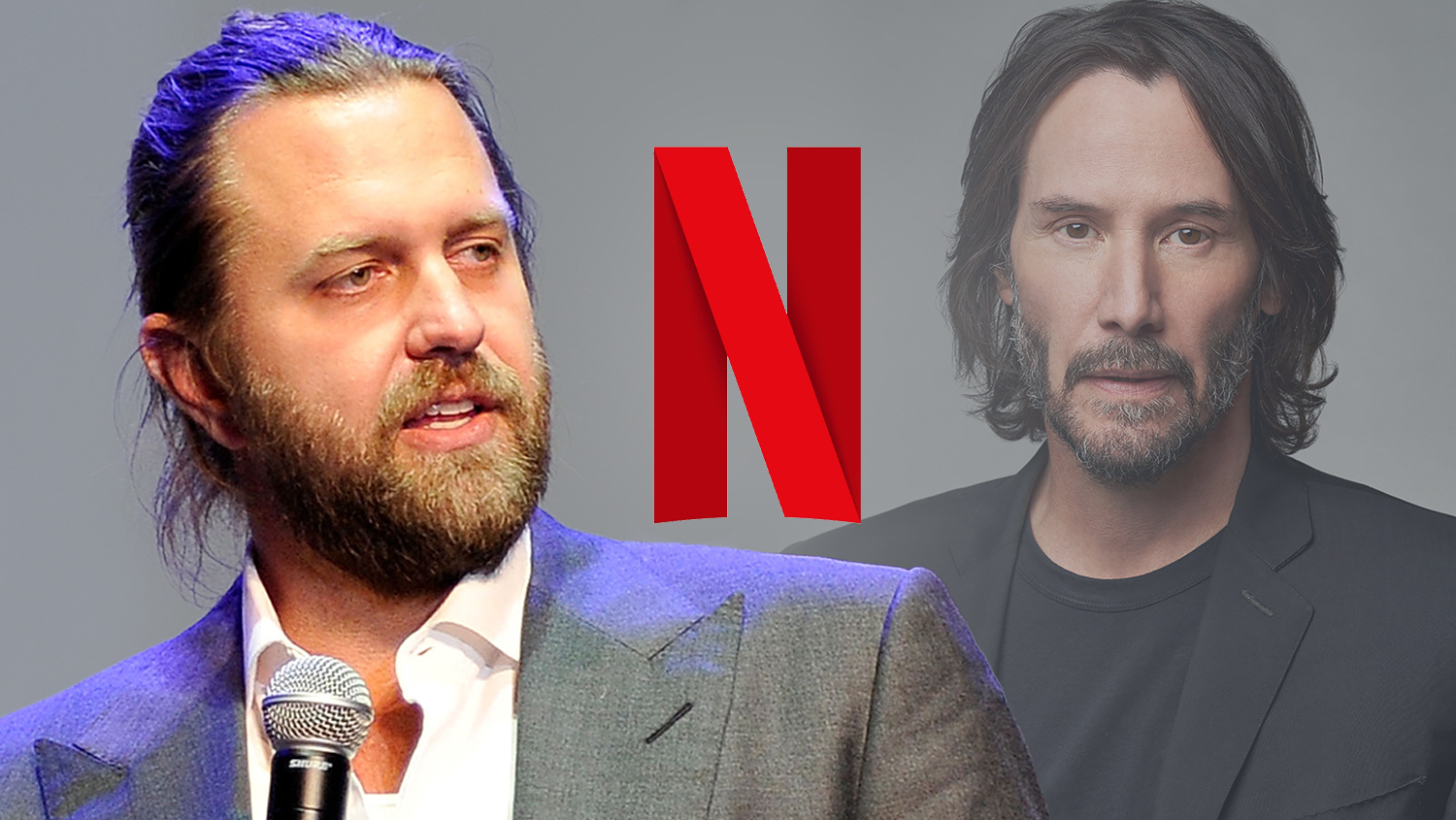
    Rinsch had also directed the 2013 film 47 Ronin, starring Keanu Reeves. The film was a critical and commercial disappointment. Despite its large budget, it failed to resonate with audiences, leading to significant losses for Universal Pictures. This previous experience may have influenced Netflix’s initial willingness to give Rinsch another opportunity for a large-scale project, hoping for a creative redemption.

    The Aftermath and Future Outlook

    The conviction of Carl Erik Rinsch closes a chapter on a high-profile fraud case. The legal system has delivered a verdict affirming financial accountability. The $11 million diverted by Rinsch remains a significant loss for Netflix, despite any potential recovery efforts.

    The entertainment industry will continue to adapt to new production models and financing structures. Cases like Rinsch’s serve as reminders of the inherent risks. Vigilance and robust financial safeguards remain critical components of successful content creation in the digital age.

    Projects are reviewed. Contracts are scrutinized. Financial flows are traced. The industry moves forward, with lessons learned.

  • The 25-Year Gamble: Why Sam Bankman-Fried is Seeking a Trump Pardon

    The 25-Year Gamble: Why Sam Bankman-Fried is Seeking a Trump Pardon

    The Calculus of a Presidential Pardon

    Sam Bankman-Fried wants out.

    The disgraced founder of the FTX cryptocurrency exchange is currently serving a 25-year federal prison sentence for orchestrating one of the largest financial frauds in American history. Now, he is reportedly seeking a presidential pardon from Donald Trump. The strategy relies on Trump’s historical willingness to bypass the traditional Department of Justice pardon process. It also tests the limits of political influence in the aftermath of an $8 billion collapse.

    Bankman-Fried was convicted in November 2023 on seven counts of wire fraud, conspiracy, and money laundering. A federal jury in Manhattan found him guilty of stealing billions of dollars from FTX customers to plug massive losses at his closely held hedge fund, Alameda Research. On March 28, 2024, Judge Lewis A. Kaplan handed down the quarter-century sentence. Federal law abolishes parole. Bankman-Fried must serve at least 85 percent of his time.

    A presidential pardon or commutation represents his only immediate avenue for freedom. The request forces a collision between absolute executive power, white-collar criminal justice, and the complex web of political dark money.

    The Fall of the FTX Empire

    The story of the sentence begins with the scale of the crime.

    In early 2022, FTX was valued at $32 billion. Bankman-Fried operated out of a $30 million penthouse in the Bahamas. He courted politicians, celebrities, and institutional investors. He testified before Congress. He positioned himself as the adult in the room for the volatile cryptocurrency industry.

    Behind the scenes, the foundation was hollow. Alameda Research, run by his former girlfriend Caroline Ellison, was granted a secret line of credit on the FTX platform. This feature allowed Alameda to borrow unlimited funds directly from customer deposits. When the cryptocurrency market crashed in the spring of 2022, Alameda’s lenders called in their loans. Bankman-Fried directed his lieutenants to use FTX customer money to pay Alameda’s debts.

    The scheme unraveled in November 2022. A leaked balance sheet revealed that Alameda’s assets consisted largely of illiquid tokens invented by FTX. Customers panicked. A bank run ensued. FTX halted withdrawals on November 8, 2022. Days later, the company filed for Chapter 11 bankruptcy in Delaware. Eight billion dollars in customer funds had vanished.

    The Manhattan Trial and the Inner Circle

    The Southern District of New York moved swiftly.

    Bankman-Fried was indicted and extradited from the Bahamas in December 2022. While he initially secured a $250 million bail package, Judge Kaplan revoked it in August 2023 after finding probable cause that Bankman-Fried attempted to tamper with witnesses. He was remanded to the Metropolitan Detention Center in Brooklyn.

    The trial lasted four weeks. The prosecution’s case was anchored by the testimony of Bankman-Fried’s closest friends and colleagues. Caroline Ellison, FTX co-founder Gary Wang, and engineering director Nishad Singh all pleaded guilty to fraud charges and cooperated with the government. They took the stand and pointed directly at Bankman-Fried. They testified that he directed them to alter code, falsify balance sheets, and lie to lenders.

    Bankman-Fried took the stand in his own defense. It was a disastrous calculation. Under cross-examination by federal prosecutors, he claimed he could not remember key conversations and decisions over 140 times. The jury deliberated for less than five hours before returning a guilty verdict on all counts.

    The Dark Money Political Machine

    A presidential pardon requires political leverage. Bankman-Fried’s history with political donations is a labyrinth of public posturing and private hedging.

    During the 2022 midterm elections, Bankman-Fried became the second-largest individual donor to Democratic causes, publicly contributing approximately $39 million. He positioned himself as a champion of pandemic preparedness and effective altruism. This public persona infuriated conservative politicians and commentators.

    However, after FTX collapsed, Bankman-Fried admitted in an interview that he was also a massive donor to the Republican Party. He claimed he funneled millions in dark money to conservative candidates to avoid media scrutiny. His co-executive, Ryan Salame, acted as the primary conduit for Republican donations, spending over $24 million to support conservative campaigns in 2022.

    Bankman-Fried’s pardon strategy leans heavily on this hidden ledger. The argument suggests that his public alignment with Democrats was merely a business calculation, and that his private financial support for Republicans should earn him an audience with the incoming Trump administration.

    Donald Trump and the Executive Pardon Power

    Article II, Section 2 of the United States Constitution grants the president the power to grant reprieves and pardons for offenses against the United States. This power is absolute. It cannot be reviewed by Congress or the courts.

    Historically, presidents relied on the Office of the Pardon Attorney within the Department of Justice to vet applications. The process typically required an applicant to wait five years after completing their sentence before applying. Donald Trump fundamentally altered this protocol during his first term.

    Trump frequently bypassed the DOJ. He favored direct appeals from allies, celebrities, and political operators. He demonstrated a specific willingness to pardon high-profile white-collar criminals. He pardoned Michael Milken, the 1980s junk bond king convicted of securities fraud. He pardoned Charles Kushner, a real estate developer convicted of tax evasion and witness tampering. He pardoned Steve Bannon, who was facing federal fraud charges related to a border wall fundraising campaign.

    Bankman-Fried’s legal and public relations teams recognize this pattern. A traditional DOJ petition would be rejected immediately. A direct appeal to a president who views the federal justice system with deep skepticism is the only viable path.

    The Cryptocurrency Industry’s Rejection

    Context matters in Washington. The cryptocurrency lobby has evolved dramatically since FTX collapsed.

    During the 2024 election cycle, the digital asset industry mobilized. Political action committees like Fairshake raised hundreds of millions of dollars to support pro-crypto candidates and defeat skeptics. Donald Trump actively courted this demographic. He spoke at the Bitcoin 2024 conference in Nashville. He promised to fire Securities and Exchange Commission Chair Gary Gensler. He positioned himself as the first crypto president.

    But the industry’s embrace of Trump does not extend to Bankman-Fried. The broader cryptocurrency community views the FTX founder as a toxic liability. His fraud invited aggressive regulatory crackdowns from the SEC and the DOJ. Industry leaders argue that Bankman-Fried was a traditional fraudster who merely used cryptocurrency as his chosen instrument of theft.

    Pardoning Bankman-Fried would yield no political capital for Trump among crypto executives. It would likely provoke fierce backlash from the very industry leaders who funded his campaign. The political calculus weighs heavily against clemency.

    The Reality of Federal Prison

    Without executive intervention, the math is unforgiving.

    Federal sentences do not offer early release for good behavior in the way state systems do. The First Step Act allows for some minor sentence reductions, but the core mandate requires inmates to serve 85 percent of their time. For Bankman-Fried, a 25-year sentence translates to roughly 21 years behind bars.

    He is currently housed at the Metropolitan Detention Center in Brooklyn, a facility notorious for harsh conditions, staffing shortages, and frequent lockdowns. He is awaiting transfer to a permanent federal correctional institution. Given the length of his sentence and the financial nature of his crimes, he will likely be placed in a medium-security facility rather than a minimum-security camp.

    He was 32 years old at the time of his sentencing. Without a pardon or commutation, he will be in his mid-fifties when he is finally released.

    Commutation Versus a Full Pardon

    There is a critical legal distinction in the request for executive clemency.

    A full pardon forgives the crime entirely. It restores civil rights, such as the right to vote and the right to bear arms. It implies a degree of forgiveness or, in some cases, a declaration of wrongful conviction. Given the sheer volume of evidence and the guilty pleas of his co-conspirators, a full pardon for Bankman-Fried would be politically explosive.

    A commutation is a different mechanism. It reduces the severity of the sentence without vacating the conviction itself. The president could commute Bankman-Fried’s 25-year sentence to ten years, or simply to time served. The conviction for wire fraud would remain on his record. The federal restitution orders would remain in effect. But the prison doors would open.

    Legal analysts suggest that if any executive action were to occur, a commutation is far more likely than a full pardon. It allows the executive branch to claim the original sentence was draconian without denying the underlying guilt.

    The Final Avenues of Appeal

    Alongside the political maneuvering, the traditional legal machinery continues to grind.

    Bankman-Fried’s newly appointed appellate lawyers filed a notice of appeal shortly after his sentencing. They will argue before the Second Circuit Court of Appeals. The defense will likely contend that Judge Kaplan was biased, that crucial defense evidence was improperly excluded during the trial, and that the 25-year sentence was disproportionate to the actual financial harm suffered by customers.

    The defense will lean heavily on the fact that the FTX bankruptcy estate has recovered massive amounts of assets. Due to the surging price of Bitcoin and other investments made by Alameda Research, the bankruptcy administrators anticipate repaying customers roughly 118 percent of the dollar value of their accounts at the time of the collapse.

    Judge Kaplan explicitly rejected this argument during sentencing. He stated that a thief who takes his loot to Las Vegas and successfully gambles it back cannot claim he never stole the money in the first place. The crime was complete the moment the funds were misappropriated.

    The Precedent of Marc Rich

    When discussing highly controversial presidential pardons for financial crimes, the historical anchor is Marc Rich.

    On his final day in office in January 2001, President Bill Clinton pardoned Rich, a billionaire commodities trader who had fled to Switzerland to avoid prosecution for massive tax evasion and illegal oil trading. The pardon ignited a firestorm of bipartisan outrage. It was later revealed that Rich’s ex-wife had been a major donor to the Democratic Party and the Clinton Library.

    The Marc Rich pardon established a modern precedent. It proved that a sitting president could absorb intense political damage to protect a wealthy, connected fugitive. Bankman-Fried’s camp is essentially betting that Donald Trump is willing to absorb similar damage for a different set of reasons.

    The difference is isolation. Marc Rich had powerful international allies and a unified lobbying effort. Sam Bankman-Fried is entirely alone. His former friends testified against him. His political allies abandoned him. His industry repudiated him.

    The Long Wait

    The petition for clemency is a desperate maneuver. It requires a perfect alignment of anti-establishment sentiment, political amnesia, and executive whim.

    Until a decision is made, the reality of the Southern District’s conviction remains absolute. The $8 billion hole was real. The altered code was real. The perjury was real. The victims who lost their life savings in November 2022 faced real devastation.

    The trial ended. The appeals began. The political winds shifted. The cell door locked. Silence.