Tag: Crowd Control

  • LAPD Shuts Down Kai Cenat’s Streamer University Graduation Party

    LAPD Shuts Down Kai Cenat’s Streamer University Graduation Party

    The Sudden End to a Celebration

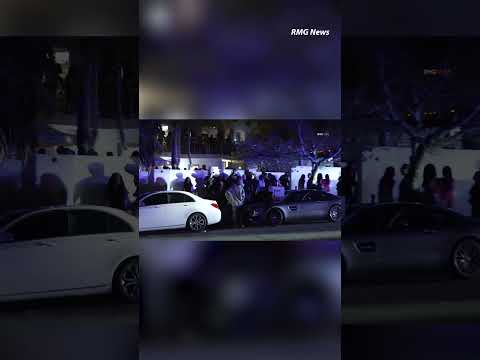
    The Los Angeles Police Department (LAPD) shut down a “Streamer University” graduation party thrown by a couple of streamers from Kai Cenat’s Streamer University. The intervention was prompted by significant overcrowding and escalating public safety concerns at the event location. This incident highlights the growing challenges faced by law enforcement and urban centers when managing large-scale gatherings orchestrated by popular online influencers.

    What began as a celebratory event quickly transformed into a situation requiring police intervention. The sheer volume of attendees overwhelmed the planned infrastructure. This scenario is not isolated, reflecting a recurring pattern in the digital age where online popularity translates into real-world crowd management issues.

    The Rise of Influencer Events

    Online streamers and content creators like Kai Cenat command massive audiences. Their digital reach often translates into significant real-world influence. Events organized by these personalities can draw thousands of followers, often with little advance notice or formal permitting.

    Kai Cenat, a prominent figure in the streaming community, is known for his engaging content and large viewership across platforms such as Twitch and YouTube. His “Streamer University” concept was designed to foster community among aspiring content creators. Such initiatives often culminate in celebratory events, which can attract a fan base eager for in-person interaction.

    Logistical Challenges and Public Safety

    The core issue behind the shutdown revolved around logistics and public safety. Large crowds, particularly those that gather spontaneously or without adequate planning, pose inherent risks. These risks include stampedes, blocked emergency exits, traffic congestion, and potential for disorderly conduct.

    When an event exceeds its designated capacity, it creates an unsafe environment. Emergency services may struggle to access the area. The risk of injury to attendees increases exponentially. These factors necessitate swift action from authorities to disperse crowds and restore order.

    The Role of Social Media in Crowd Formation

    Social media platforms play a critical role in the rapid aggregation of crowds. Information about influencer events can spread globally within minutes. This rapid dissemination often outpaces the ability of organizers or local authorities to prepare for the influx of people.

    An event’s location might be shared last-minute, or the scale of attendance might be underestimated. This dynamic makes it difficult for traditional event planning and permitting processes to keep pace. The result is often an ad-hoc gathering that quickly becomes unmanageable.

    LAPD’s Response and Protocols

    The LAPD’s response to the Kai Cenat party shutdown followed established protocols for crowd control and public safety. Their primary objective is to prevent injury and property damage. This often involves issuing dispersal orders and, if necessary, deploying resources to enforce those orders.

    Law enforcement agencies in major cities, including Los Angeles, have developed strategies for addressing unpermitted or overcrowded events. These strategies prioritize de-escalation where possible. However, the safety of the public and officers remains paramount.

    Legal Ramifications for Organizers

    Organizers of events that lead to public safety issues can face legal consequences. These can range from citations for unpermitted gatherings to more serious charges if injuries or significant property damage occur. Event permits are designed to ensure safety measures are in place, including emergency exits, security personnel, and capacity limits.

    The absence of proper permits or a failure to adhere to their terms can place organizers in legal jeopardy. This serves as a deterrent against future unplanned large-scale events. It also emphasizes the responsibility of public figures to ensure their gatherings comply with local regulations.

    Previous Incidents of Influencer-Led Crowds

    The Kai Cenat incident is not an isolated case. Several high-profile events organized by online influencers have resulted in similar shutdowns or controversies. In 2023, a similar situation occurred in New York City when another streamer, Fanum, drew an enormous crowd, leading to public safety concerns and police intervention.

    These repeated occurrences highlight a systemic challenge. The digital world’s ability to mobilize large groups of people has outpaced the regulatory frameworks designed for physical gatherings. This gap creates friction between online celebrity culture and urban governance.

    The Impact on Local Communities

    Such events can have a significant impact on local communities. They can disrupt traffic, strain local resources, and create safety concerns for residents and businesses. The sudden influx of people can overwhelm public transport and waste management systems.

    Local businesses might experience both positive and negative effects. While some might see an increase in sales, others could face disruptions or property damage. The overall sentiment in affected neighborhoods often leans towards frustration over the lack of planning and potential for chaos.

    The Future of Influencer Events

    The recurring nature of these incidents suggests a need for evolving strategies. Event organizers, local authorities, and social media platforms may need to collaborate more effectively. This collaboration could involve clearer guidelines for public figures hosting events.

    It could also involve new technologies to manage crowd expectations and disseminate information responsibly. The goal is to allow for community engagement while mitigating public safety risks. The balance between freedom of assembly and public order remains a critical consideration.

    Education and Responsibility

    Influencers themselves have a role to play in educating their fan bases. They can emphasize responsible attendance and the importance of respecting local laws. Promoting a culture of safety and compliance among followers is crucial for the long-term viability of in-person events.

    The responsibility extends beyond the initial announcement. It includes clear communication about event capacity, safety protocols, and contingency plans. This proactive approach can help prevent future incidents similar to the Kai Cenat party shutdown.

    Crowds gathered. Traffic snarled. Authorities intervened. An event ended.

    Order.

  • Jay-Z Yankee Stadium Concert Delayed by Security Breach – The Impact on Event Safety

    Jay-Z Yankee Stadium Concert Delayed by Security Breach – The Impact on Event Safety

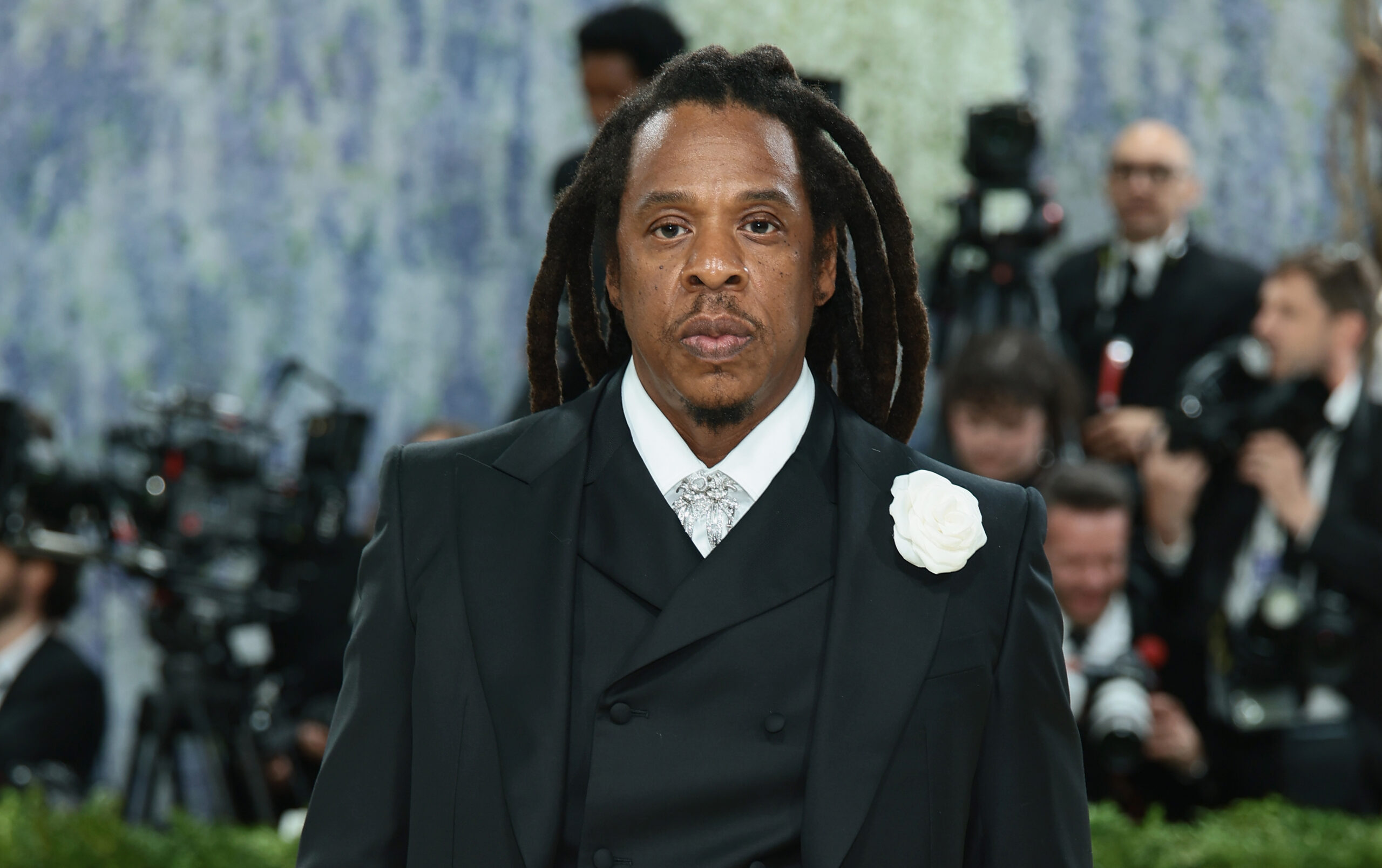
    Jay-Z’s third scheduled concert at Yankee Stadium on 2026-07-12 experienced an hours-long delay following a significant security breach. The incident prompted event organizers to halt audience entry and implement additional screening, citing concerns that attendees could be trampled in a rush. This event has reignited conversations surrounding public safety, crowd control, and the effectiveness of security measures at major entertainment venues.

    But the story of this delay is rooted in the complex logistics of managing massive public gatherings, particularly those featuring high-profile artists like Jay-Z.

    The Evening of 2026-07-12: Awaiting Jay-Z at Yankee Stadium

    The evening began with anticipation. Thousands of fans converged on Yankee Stadium in The Bronx, New York City. They arrived ready to witness Jay-Z’s performance, part of his ongoing tour. The concert was a highly anticipated event, drawing a diverse crowd from across the metropolitan area and beyond.

    Gates were scheduled to open at a specific time. Attendees were expected to pass through standard security checkpoints. These procedures typically include bag checks, metal detectors, and ticket verifications.

    Initial Signs of Disruption

    Reports from early arrivals indicated unusual activity. Entry lines stalled. Security personnel appeared to be in heightened states of alert. Information regarding the delays began to circulate through the crowd, initially as rumors.

    Official communications followed. Announcements over the public address system confirmed a delay. The exact nature of the problem remained unclear to many attendees for a period.

    The Nature of the Security Breach

    Details emerged gradually. The breach involved unauthorized access attempts. Individuals reportedly tried to bypass established entry points. This created a potential risk for both the event and the attendees.

    Security teams responded to these attempts. Their primary objective was to regain control of the perimeter. They also aimed to ensure the safety of those already inside the venue and those waiting to enter.

    Preventing a Catastrophe

    Event organizers issued a public statement. They explicitly mentioned the risk of trampling. This indicated that the breach had escalated to a point where crowd dynamics became a serious concern. The decision to delay was a direct response to this perceived threat.

    “We Didn’t Want People to Get Trampled”

    This quote, attributed to event management, underscored the severity of the situation. It highlighted a proactive measure taken to prioritize human life over the concert schedule.

    The Impact on Attendees and Operations

    The hours-long delay tested the patience of the concertgoers. Thousands remained outside the stadium. Others, already inside, waited for the performance to commence. Concessions and merchandise sales were affected.

    Staff at Yankee Stadium worked to manage the situation. They provided updates when possible. They also directed crowds and reinforced security lines. The delay had a cascading effect on all operational aspects of the event.

    Logistical Challenges

    A prolonged delay at a venue of Yankee Stadium’s size presents significant logistical challenges. These include:

    • Crowd Management: Maintaining order among thousands of waiting fans.
    • Staffing: Extending shifts for security, ushers, and concession workers.
    • Artist Schedule: Adjusting Jay-Z’s performance time and subsequent tour commitments.
    • Public Transportation: Coordinating with MTA services for revised end-of-event transport.
    • Communication: Disseminating accurate and timely information to a large audience.

    Each of these elements required immediate and effective response from event organizers.

    Broader Implications for Event Security

    The incident at Yankee Stadium is not isolated. Security breaches and crowd safety concerns are persistent issues for large-scale events globally. This event brings renewed focus to the protocols in place at major venues.

    Venues such as Yankee Stadium employ extensive security plans. These plans are developed in conjunction with local law enforcement, including the New York City Police Department. They involve layers of security, from perimeter checks to internal surveillance.

    Evolving Threats and Responses

    Security challenges are dynamic. They evolve with new methods of unauthorized access and potential threats. Event organizers must continuously adapt their strategies. This includes:

    • Technological Solutions: Implementing advanced scanning technologies and surveillance systems.
    • Personnel Training: Ensuring security staff are well-trained in crowd control and de-escalation techniques.
    • Emergency Preparedness: Developing robust plans for various scenarios, including medical emergencies and security threats.
    • Intelligence Gathering: Collaborating with law enforcement to assess potential risks before events.

    The incident at the Jay-Z concert will likely lead to a review of existing security practices. It will prompt discussions on how to prevent similar occurrences in the future. This review process is standard after significant disruptions.

    The Role of Fan Behavior

    Fan behavior plays a critical role in event safety. Crowd surges, attempts to bypass security, and general disregard for rules can exacerbate already tense situations. Event organizers often issue guidelines for attendees, emphasizing cooperation with security personnel.

    The desire to gain closer access to a performer or to avoid queues can lead to dangerous situations. This behavior, whether intentional or not, can compromise the safety of everyone present.

    Balancing Access and Control

    Finding a balance between providing an enjoyable fan experience and maintaining strict security is a constant challenge. Venues aim to be welcoming while also ensuring a secure environment. This often involves visible security presence and clear communication of rules.

    The incident highlighted the tension between these two objectives. The decision to delay the concert prioritized safety over immediate entertainment. This decision, though inconvenient, aimed to prevent a more serious outcome.

    Aftermath and Future Considerations

    Following the delay, the concert eventually proceeded. Jay-Z performed for his audience, albeit on a revised schedule. The immediate crisis was averted. However, the long-term implications remain.

    Public discourse will likely focus on accountability. Questions will arise regarding the initial breach. Inquiries into how such an event could occur at a major venue will be common. These discussions are essential for improving future event safety.

    Industry-Wide Impact

    The event serves as a case study for the entire live entertainment industry. Promoters, venue operators, and security firms will analyze the incident. They will seek to identify weaknesses and implement stronger preventative measures. This includes revisiting:

    • Perimeter security designs.
    • Entry point staffing levels.
    • Communication protocols during emergencies.
    • Contingency plans for unexpected delays.

    The incident at Yankee Stadium underscores the continuous effort required to ensure the safety of large gatherings. It reveals the fragility of even the most meticulously planned events when confronted with unforeseen challenges. Fans waited. Security teams responded. Organizers deliberated. Safety prevailed. New York City.