Tag: Criticism

  • Emily Wilson Criticizes Nolan’s ‘Odyssey’ Film: “I Would Be Ashamed”

    Emily Wilson Criticizes Nolan’s ‘Odyssey’ Film: “I Would Be Ashamed”

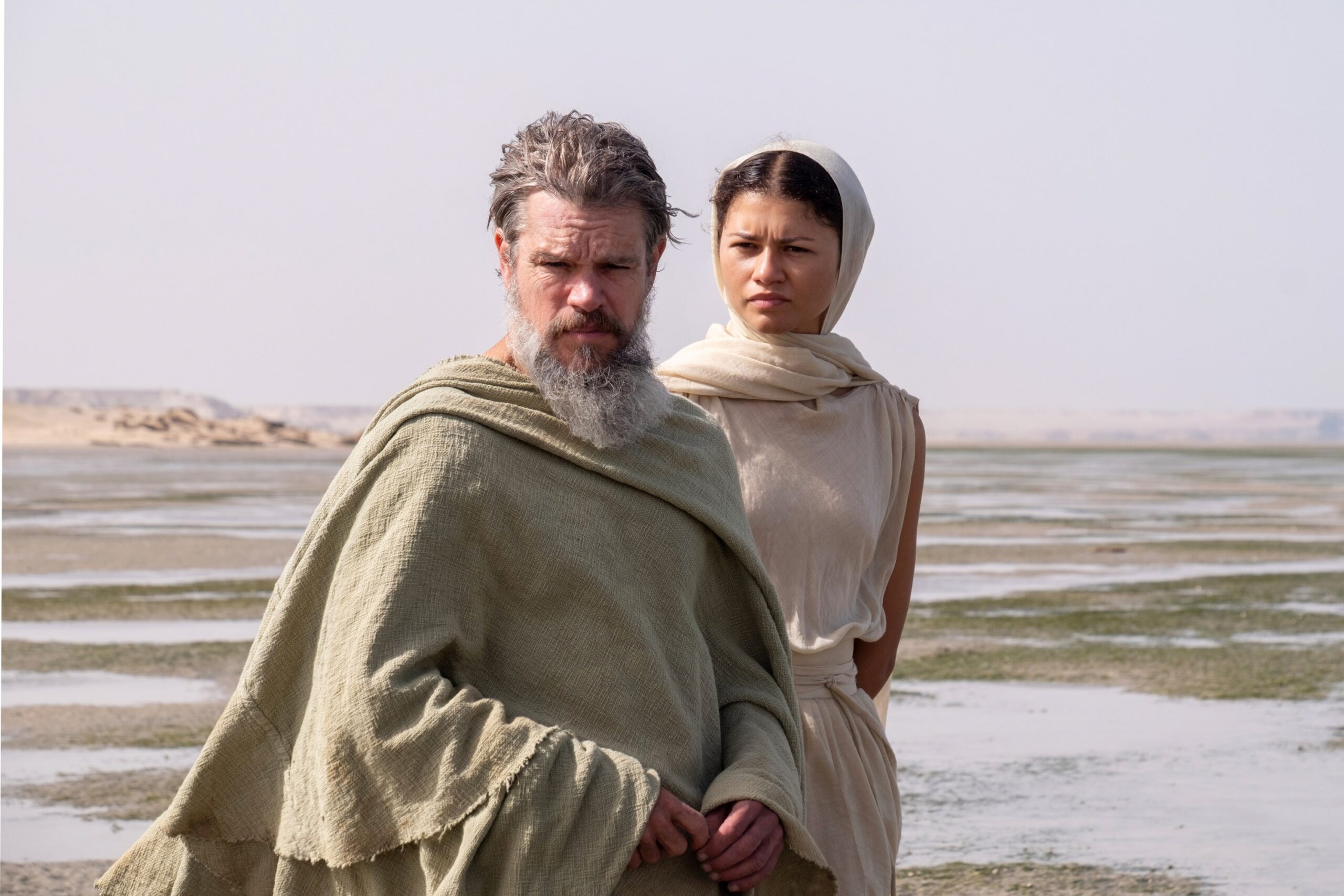
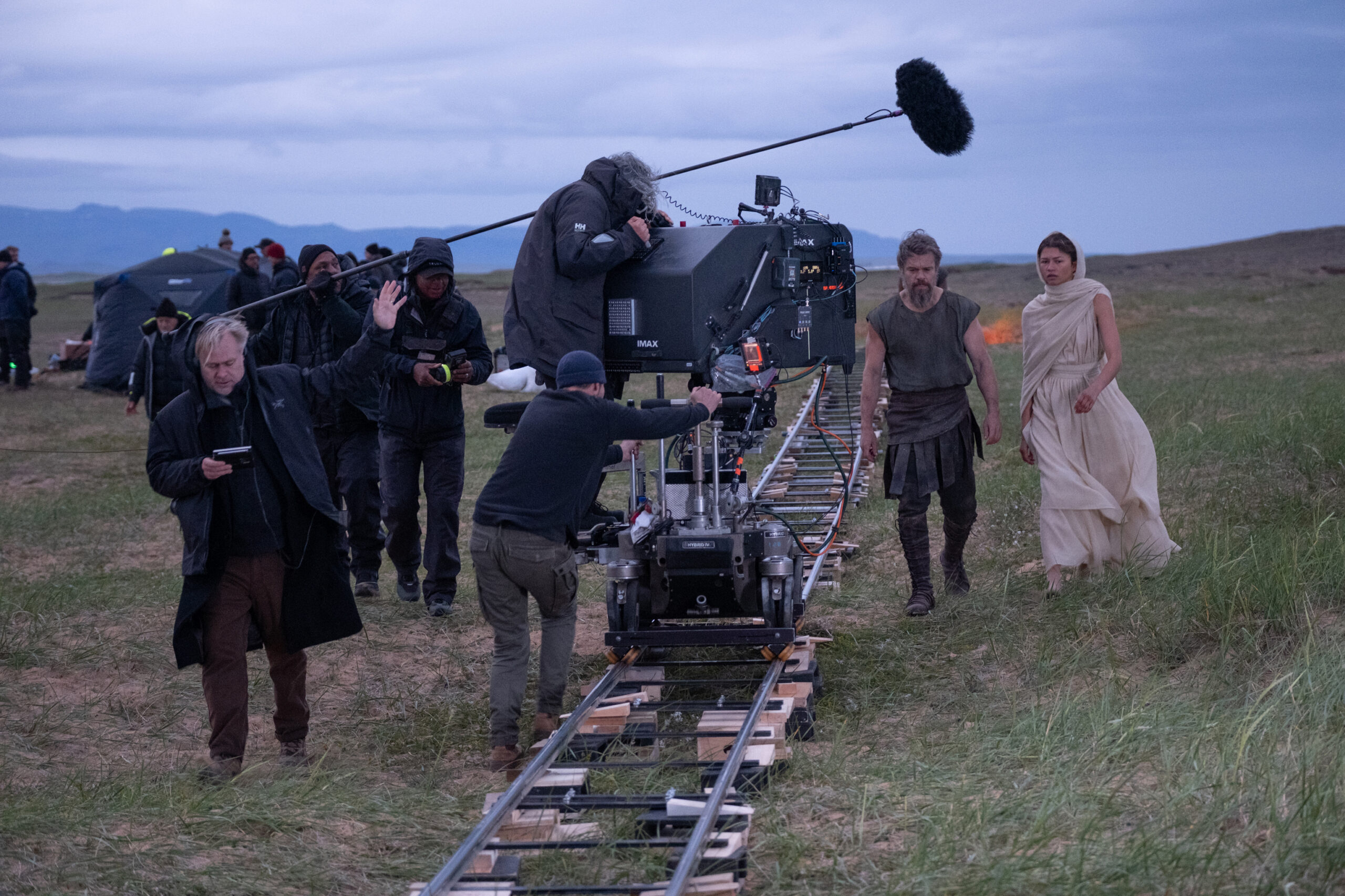
    Emily Wilson, the acclaimed translator of Homer’s ‘The Odyssey,’ has publicly criticized Christopher Nolan’s recent film adaptation of the epic poem. Wilson, whose 2017 translation was the first English version by a woman, reportedly declared, “I would be ashamed” of the film. This strong statement, highlighted in an exclusive report by Deadline, immediately fueled a cultural debate concerning artistic interpretation, fidelity to classic literature, and the boundaries of cinematic adaptation.

    The controversy centers on the perceived departure of Nolan’s vision from the spirit or narrative integrity of Homer’s original work. Such critiques are common when beloved literary classics are translated to the screen. However, a denouncement from a translator of Wilson’s stature, someone whose professional life is dedicated to bridging linguistic and cultural gaps for the text, carries significant weight.

    The Weight of Translation and Adaptation

    Translators of ancient texts like ‘The Odyssey’ invest years, often decades, into understanding every nuance of the original language and cultural context. Their work is an act of scholarly interpretation, aiming to render the source material accurately and evocatively for a modern audience. This deep engagement fosters a profound connection to the text. Emily Wilson, a Professor of Classical Studies at the University of Pennsylvania, spent years meticulously translating Homer’s Greek.

    When a filmmaker like Christopher Nolan, known for his complex narratives and distinctive visual style, takes on such a foundational work, expectations are high. Nolan’s previous successes with intricate plots and grand scales, including ‘Inception,’ ‘Dunkirk,’ and ‘Oppenheimer,’ have set a precedent for ambitious and often cerebral cinematic experiences. His choice to tackle ‘The Odyssey’ was met with both anticipation and skepticism, given the text’s sacred status in literary history.

    The specific points of Wilson’s criticism have not been fully detailed in initial public reports. However, the severity of her statement suggests a fundamental disagreement with Nolan’s approach. It implies that the film may have strayed too far from what Wilson, as a leading Homeric scholar and translator, considers the essential elements or message of Homer’s epic. Her concern likely stems from a perceived misrepresentation of the poem’s core themes or characterizations.

    Emily Wilson’s Impact on Homeric Scholarship

    Emily Wilson’s 2017 translation of ‘The Odyssey’ was groundbreaking. It was the first complete English translation by a woman, offering a fresh, accessible, and often startlingly direct rendition of the ancient Greek epic. Her work challenged centuries of male-dominated interpretations, bringing new perspectives to Odysseus’s character and the roles of women in the narrative.

    Wilson’s translation was praised for its:

    • Clarity and readability: Avoiding archaic language, making the text more approachable for contemporary readers.
    • Rhythmic quality: Employing iambic pentameter to capture the poetic flow of the original.
    • Nuanced characterization: Re-evaluating figures like Penelope, Circe, and the Sirens, often presenting them in a less conventional light.
    • Engagement with ethical questions: Highlighting themes of justice, slavery, and hospitality with modern sensibilities.

    Her work garnered significant critical acclaim, including a longlisting for the National Book Award for Translated Literature and numerous other accolades. This established her as a preeminent voice in classical studies and a significant authority on Homeric texts. Her subsequent translation of ‘The Iliad,’ published in 2023, further solidified her reputation.

    Homer’s ‘The Odyssey’ – A Timeless Narrative

    ‘The Odyssey’ is one of the two major ancient Greek epic poems attributed to Homer. It narrates the ten-year journey home of Odysseus, the king of Ithaca, following the Trojan War. His arduous voyage is fraught with mythical creatures, divine interventions, and profound personal challenges, including encounters with the Cyclops Polyphemus, the sorceress Circe, and the seductive Sirens. The poem also details the struggles of his wife Penelope and son Telemachus as they await his return, besieged by suitors.

    The poem explores themes of:

    • Nostos (homecoming and nostalgia)
    • Xenia (hospitality and guest-friendship)
    • Kleos (glory and reputation)
    • The power of cunning and perseverance
    • The role of fate and free will in human affairs
    • Identity and disguise
    • The nature of justice and revenge

    These themes have resonated with readers for millennia, making ‘The Odyssey’ a cornerstone of Western literature. The narrative structure, character development, and poetic language have ensured its enduring relevance. Any adaptation faces the immense challenge of capturing this depth and breadth for a contemporary audience, while also making it compelling for a new medium.

    Christopher Nolan’s Cinematic Vision

    Christopher Nolan has built a career on crafting films that are both intellectually stimulating and visually spectacular. His work often features non-linear narratives, complex temporal structures, practical effects, and a meticulous attention to detail. This distinctive style has garnered him critical acclaim and a dedicated global fanbase. Films like ‘Memento,’ ‘The Dark Knight,’ and ‘Interstellar’ exemplify his unique storytelling approach.

    The decision to adapt ‘The Odyssey’ suggests Nolan aimed to apply his unique vision to a story of immense scale and philosophical weight. Fans and critics alike would have anticipated a visually stunning and conceptually ambitious take on Odysseus’s journey, perhaps exploring its temporal complexities or psychological depths in a manner characteristic of Nolan. However, Emily Wilson’s critique indicates that ambition may have come at the cost of authenticity, at least from her academic perspective.

    Nolan’s films often delve into themes of memory, identity, and the subjective nature of reality. These themes are certainly present in ‘The Odyssey,’ making it a seemingly fertile ground for his directorial style. The question raised by Wilson’s comments is whether Nolan’s signature style has amplified or distorted the original text’s essence.

    Previous Adaptations and Their Receptions

    The history of adapting ‘The Odyssey’ for screen is varied, ranging from direct retellings to highly stylized interpretations. Each has faced its own set of challenges and criticisms, often sparking debates similar to the current one involving Nolan’s film.

    For example, the 1997 television miniseries directed by Andrei Konchalovsky aimed for a broad, accessible narrative. It garnered mixed reviews, with some praising its scope and visual effects, and others criticizing its simplification of complex themes and characters for a mass audience. More abstract or allegorical interpretations have also emerged over the years, often using Homer’s framework to explore modern ideas or social commentary, such as the Coen Brothers’ 2000 film ‘O Brother, Where Art Thou?,’ which loosely adapts the epic to the American South during the Great Depression.

    The core tension in adaptation often lies between:

    • Fidelity to the source material: How closely should the adaptation adhere to the original plot, characters, and themes, respecting the author’s intent and historical context?
    • Artistic interpretation: How much creative license should the filmmaker take to make the story relevant, compelling, or innovative for a new medium and contemporary audience?

    This latest controversy with Nolan’s film, amplified by a scholar of Emily Wilson’s standing, highlights this perennial conflict in a stark manner. It forces a public examination of what constitutes a ‘good’ adaptation, particularly when dealing with canonical works.

    The Role of the Translator in Cultural Discourse

    Translators like Emily Wilson are often unsung heroes in the world of literature. They are the essential conduits through which ancient or foreign texts become accessible to new generations and cultures. Their work requires not only linguistic mastery but also a deep historical, cultural, and literary understanding. They serve as guardians of the text, ensuring its integrity and meaning are preserved across linguistic and temporal divides.

    When a translator of Wilson’s caliber speaks out against an adaptation, it is often from a place of profound respect and guardianship for the original text. They are not merely interpreting words; they are interpreting entire worlds and philosophical frameworks. Their criticism can serve as a vital check on adaptations that might, in their view, misrepresent, diminish, or fundamentally misunderstand the source material.

    Emily Wilson’s statement, “I would be ashamed,” suggests a perception of significant artistic or thematic betrayal. It implies that Nolan’s film may have fundamentally misunderstood or intentionally distorted the essence of ‘The Odyssey’ as she, and many scholars, understand it. This goes beyond minor plot changes; it suggests a potential failure to grasp the epic’s core philosophical or humanistic messages.

    Public Reaction and Future Implications

    The news of Emily Wilson’s critique has sparked immediate discussion among literary scholars, film critics, and the general public. Social media platforms are abuzz with debates about artistic freedom versus textual integrity, and the responsibilities inherent in adapting foundational texts. Many are now more curious to see the film to form their own opinions, while others are rallying in support of Wilson’s scholarly stance, defending the sanctity of Homer’s original work.

    For Christopher Nolan, this controversy adds another layer to the reception of his film. While strong opinions can sometimes boost a film’s profile by generating publicity, a direct condemnation from an authoritative figure like Emily Wilson could also significantly impact its critical standing and public perception. It forces a conversation about the film’s artistic merits in relation to its origins, rather than solely on its cinematic spectacle. The debate highlights the tension between blockbuster entertainment and academic rigor, a conversation that rarely gets such a prominent spotlight.

    The incident also serves as a potent reminder of the enduring power of classic literature and the deep emotional and intellectual connections people form with these texts. When an artist attempts to reinterpret such a work, they enter a dialogue with centuries of scholarship and interpretation. Wilson’s comments ensure that Nolan’s ‘Odyssey’ will not only be judged as a film but also as an interpretation of one of humanity’s most cherished stories.

    Scholars and cinephiles will continue to dissect the film and Wilson’s comments. The dialogue between the ancient world and contemporary art endures. The challenge of adaptation persists. The legacy of Homer. The vision of Nolan. The critical eye of Wilson.

    The debate continues.

  • Fired ’60 Minutes’ Correspondent Alleges Pressure to Report False Events

    Fired ’60 Minutes’ Correspondent Alleges Pressure to Report False Events

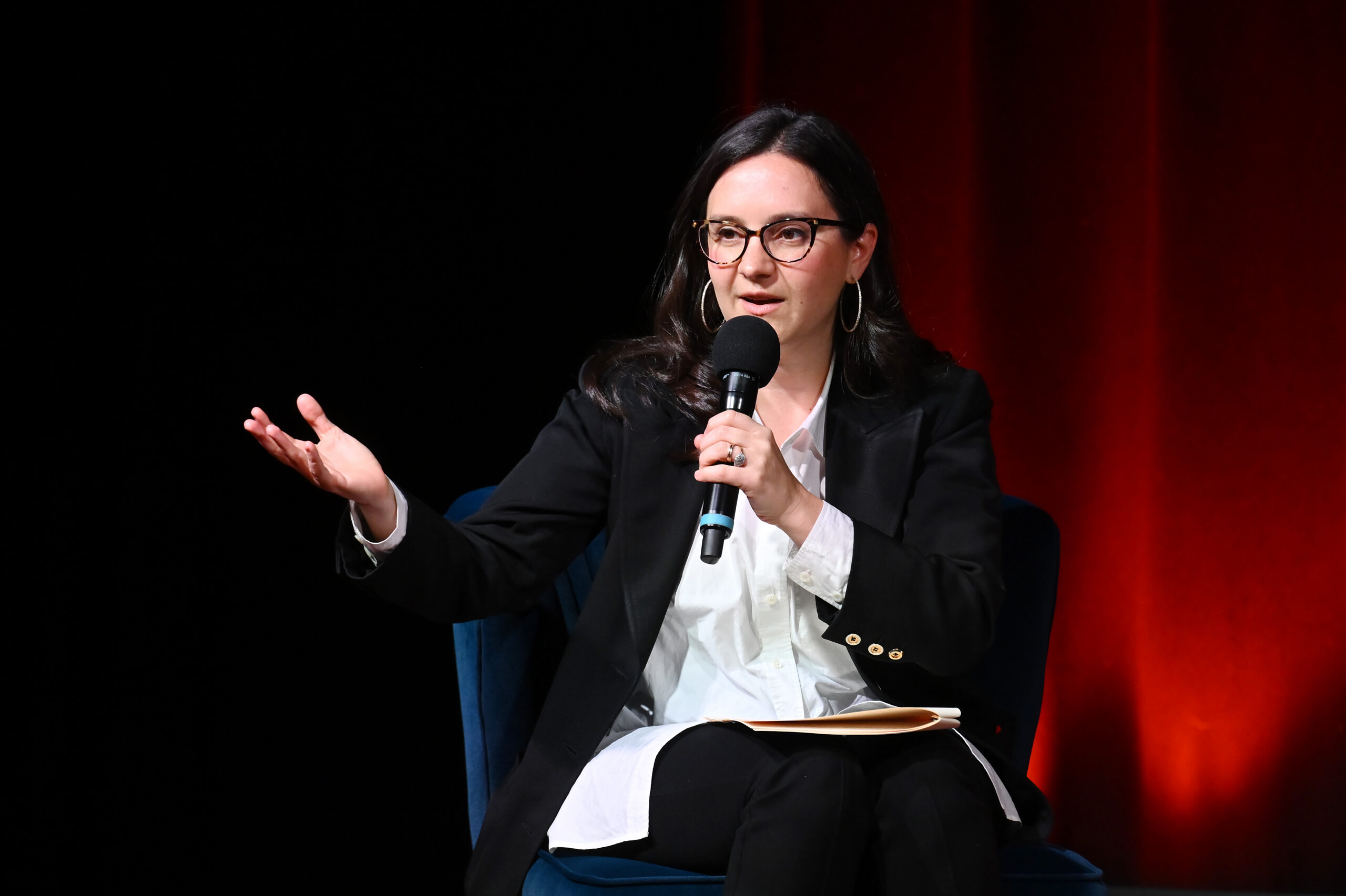
    A former ’60 Minutes’ correspondent has alleged that she was pressured to report on “events that never happened” during Bari Weiss’ leadership at CBS News. This claim, reported by Variety on July 24, 2026, centers on accusations of editorial interference and a push for narratives that lacked factual basis. The correspondent’s dismissal from the program is reportedly linked to her resistance to these alleged directives, bringing the internal workings of one of television’s most respected news programs into public scrutiny.

    The allegations by the unnamed former correspondent suggest a significant departure from established journalistic standards. Such claims, if substantiated, could erode public trust in news institutions. They also highlight ongoing discussions about the pressures faced by journalists in a rapidly evolving media landscape.

    The Allegations Against CBS News Leadership

    The core of the former correspondent’s complaint involves directives she received while working on ’60 Minutes.’ These directives, she claims, pushed her to develop stories around occurrences that had not factually transpired. The correspondent specifically pointed to an environment where certain narratives were prioritized over rigorous verification.

    Bari Weiss, who assumed a leadership position at CBS News, is central to these allegations. The correspondent states that the pressure to report on these non-existent events intensified under Weiss’s direction. This suggests a top-down influence on editorial decisions that allegedly compromised journalistic integrity.

    The Variety report on July 24, 2026, detailed the correspondent’s account. She described a pattern of requests that deviated from traditional fact-finding. Her resistance to these requests, she believes, ultimately led to her termination from ’60 Minutes.’

    This situation presents a conflict between editorial leadership and the reporter’s ethical obligations. Journalists are typically bound by principles of accuracy and truthfulness. Pressure to deviate from these principles constitutes a serious breach of professional conduct.

    Internal Editorial Conflicts

    The internal dynamics at CBS News, particularly within ’60 Minutes,’ are now under examination. The allegations suggest a struggle between those upholding traditional journalistic ethics and those pushing for specific narrative outcomes. This type of conflict can be detrimental to a news organization’s reputation.

    Sources close to the situation, as cited by Variety, indicate that the correspondent’s concerns were raised internally multiple times. These internal complaints reportedly went unaddressed. This lack of response further exacerbated the tensions within the news division.

    The correspondent’s eventual firing is presented as a direct consequence of her refusal to comply with the alleged directives. Her stance reportedly created friction with management. This highlights the potential professional risks journalists face when challenging editorial decisions they deem unethical.

    The impact on ’60 Minutes’ as a program is also a significant concern. Historically, ’60 Minutes’ has been known for its investigative journalism and commitment to factual reporting. These allegations challenge that long-standing reputation.

    Bari Weiss’s Role at CBS News

    Bari Weiss’s appointment to a leadership role at CBS News preceded these allegations. Her background, primarily as an opinion writer and editor, differs from traditional broadcast news leadership. This background has been noted by observers as potentially influencing editorial direction.

    Weiss gained prominence for her critiques of what she termed “wokeness” and “cancel culture.” Her public persona is often associated with challenging mainstream narratives from a particular ideological viewpoint. This perspective, according to the former correspondent, may have informed the alleged editorial pressures.

    The specific nature of Weiss’s leadership style at CBS News is now a subject of intense interest. The allegations imply a hands-on approach to story development, potentially overriding the autonomy of individual correspondents. This raises questions about the balance of power within the news hierarchy.

    It remains unclear whether other ’60 Minutes’ correspondents experienced similar pressures. The Variety report focuses on the account of one individual. However, the nature of the allegations suggests a systemic issue rather than an isolated incident.

    Wider Implications for Media Trust

    These allegations emerge at a time of heightened public skepticism towards media institutions. Trust in news organizations has been a recurring theme in public discourse. Claims of fabricated events or editorial interference can significantly worsen this perception.

    The phrase “events that never happened” resonates with those who already believe that some media outlets manipulate information. This specific phrasing directly addresses concerns about truthfulness and the fabrication of news. It plays into existing anxieties about media credibility.

    For CBS News, the allegations pose a significant challenge to its brand. As a legacy news organization, its reputation is built on decades of reporting. Claims of this nature can quickly undermine that foundation.

    The incident also fuels the broader debate about the role of opinion versus fact in journalism. Weiss’s background in opinion journalism, contrasted with the investigative focus of ’60 Minutes,’ underscores this tension. The line between commentary and objective reporting can become blurred under certain editorial leaderships.

    The Journalist’s Dilemma and Ethical Reporting

    Journalists frequently encounter ethical dilemmas in their careers. The decision to report on potentially false information or to resist editorial pressure is a critical ethical choice. The former ’60 Minutes’ correspondent’s actions exemplify this dilemma.

    The Society of Professional Journalists’ Code of Ethics emphasizes seeking truth and reporting it. It also stresses minimizing harm and acting independently. Pressure to report false information directly violates these core tenets.

    Reporters who refuse to compromise their ethical standards often face professional consequences. These can range from internal disputes to job loss. The former correspondent’s termination underscores the potential cost of upholding journalistic integrity.

    The public relies on journalists to act as watchdogs, providing accurate and unbiased information. When that trust is eroded by allegations of misconduct, the entire democratic process can be affected. Informed decision-making depends on reliable news sources.

    Legal and Reputational Ramifications

    The allegations could lead to various ramifications for CBS News and Bari Weiss. These include potential internal investigations, public relations crises, and scrutiny from media watchdogs. The legal implications, if any, remain to be seen.

    A public relations crisis is almost certainly underway. CBS News will likely need to issue a formal response to the allegations. The nature of that response will be critical in shaping public perception.

    Media critics and industry observers will be closely watching how CBS News addresses these claims. The outcome could set precedents for how major news organizations handle similar internal disputes. It could also influence future editorial policies.

    The reputational damage to ’60 Minutes’ could be significant and long-lasting. Rebuilding trust, once lost, is a difficult and protracted process. It requires demonstrable commitments to transparency and ethical practices.

    The Future of Journalistic Integrity

    The incident involving the former ’60 Minutes’ correspondent highlights ongoing concerns about journalistic integrity in the digital age. The speed of information dissemination and the pressures of the 24/7 news cycle can sometimes compromise thoroughness and accuracy.

    The role of editorial leadership in maintaining ethical standards is paramount. Leaders are responsible for fostering an environment where facts are prioritized and reporters are empowered to resist unethical directives. A failure in this leadership can have far-reaching consequences.

    As audiences increasingly seek out credible news sources, the demand for transparency and accountability from media organizations will only grow. Incidents like this serve as a reminder of the fragility of public trust in journalism.

    The debate sparked by these allegations will likely continue. It will involve journalists, media executives, and the public. The core question remains: how can news organizations ensure the integrity of their reporting in an era of intense scrutiny and ideological polarization?

    Journalism faces constant challenges. It faces economic pressures. It faces political pressures. It faces technological disruption. It faces a crisis of public trust. It faces a moment of reckoning.


  • Frankie Grande Defends ‘Big Brother 28’ Premiere Amidst Criticism

    Frankie Grande Defends ‘Big Brother 28’ Premiere Amidst Criticism

    The Premiere and Immediate Reaction

    The highly anticipated premiere of ‘Big Brother 28’ aired on July 9, 2026. The episode introduced a new cast of houseguests to the iconic ‘Big Brother’ house. As is customary for the long-running reality series, the premiere immediately sparked discussion across social media platforms and entertainment news outlets.

    Public commentary swiftly followed the broadcast. Viewers and critics offered their initial impressions of the season’s tone, casting, and early gameplay. One critic’s remarks, specifically, drew significant attention.

    Frankie Grande Enters the Discussion

    Frankie Grande, a prominent figure in the ‘Big Brother’ community, responded to the criticism. Grande, known for his participation in ‘Big Brother 16’ in 2014, has maintained a public connection to the franchise. His response came on July 11, 2026, two days after the premiere.

    Grande addressed the critique directly. He used his platform to articulate his perspective on the show’s fundamental characteristics. His defense centered on a specific element he believes is intrinsic to ‘Big Brother.’

    The Defense: “Camp Is Part Of Its DNA”

    Grande’s core argument was that “camp is part of its DNA.” This statement served as a direct counterpoint to the critic’s observations. He implied that the perceived ‘campiness’ is not a flaw, but rather a defining and intentional aspect of the show’s appeal.

    The concept of ‘camp’ in entertainment often refers to an aesthetic sensibility that revels in artifice, exaggeration, and theatricality. Grande’s defense suggests that these qualities are not incidental but are foundational to the ‘Big Brother’ experience. He frames them as essential to the show’s identity and its entertainment value for a significant portion of its audience.

    The History of ‘Big Brother’ and Camp

    ‘Big Brother’ first premiered in the United States in July 2000. Over its 28 seasons, the show has cultivated a distinct style. This style often incorporates heightened drama, eccentric personalities, and a self-aware theatricality.

    Many viewers are drawn to the show precisely for these elements. The isolation of the house, the strategic gameplay, and the often over-the-top reactions of contestants contribute to this ‘camp’ aesthetic. Grande’s statement resonates with a long-standing interpretation of the show’s appeal.

    Evolution of the ‘Big Brother’ Format

    The format of ‘Big Brother’ has seen various iterations and twists over the years. However, the core premise of strangers living together under constant surveillance has remained. This environment naturally fosters intense social dynamics and dramatic confrontations.

    Producers often cast individuals with strong personalities. This casting strategy enhances the potential for conflict, humor, and memorable moments. These choices further contribute to the show’s reputation for ‘camp’ entertainment.

    Public and Fan Reactions

    Grande’s defense quickly circulated among the ‘Big Brother’ fan base. Many fans expressed agreement with his sentiment. They view the show’s unique blend of reality competition and theatricality as its primary draw.

    The discussion also highlighted the diverse expectations viewers bring to the series. Some prefer a more straightforward strategic game. Others embrace the comedic and dramatic elements that Grande describes as ‘camp.’

    Social Media Engagement

    Social media platforms became a central arena for this debate. Tweets, posts, and comments proliferated, dissecting Grande’s statement and the initial criticisms. Hashtags related to ‘Big Brother 28’ trended, indicating the high level of public engagement.

    This kind of public discourse is common for ‘Big Brother.’ The show thrives on viewer interaction and strong opinions. Grande’s intervention amplified this season’s early conversations.

    Frankie Grande’s ‘Big Brother’ Legacy

    Frankie Grande competed on ‘Big Brother 16’ in 2014. During his season, he was known for his energetic personality, strategic gameplay, and his open discussion of his celebrity connections, including his sister, pop star Ariana Grande.

    His time in the house was marked by both alliances and controversies. He ultimately placed fifth in the competition. Despite not winning, he became one of the more memorable contestants from his season. He has since remained a vocal supporter and commentator on the show.

    Post-‘Big Brother’ Career

    After his appearance on ‘Big Brother,’ Grande continued his career in entertainment. He has worked as a television personality, actor, and stage performer. His social media presence remains significant, allowing him to engage directly with fans and media.

    His continued involvement in discussions surrounding ‘Big Brother’ underscores his enduring connection to the franchise. He often participates in interviews and fan events related to the show.

    The Role of Critics and Public Opinion

    The exchange between the critic and Frankie Grande illustrates the dynamic between reality television and its audience. Critics often evaluate shows based on traditional artistic or narrative merits. Reality television, however, often operates on different principles.

    Public opinion, particularly from dedicated fan bases, frequently emphasizes entertainment value and emotional engagement. These metrics can sometimes diverge from critical assessments. Grande’s defense bridges this gap by asserting a specific, perhaps unconventional, value proposition for ‘Big Brother.’

    Defining “Good” Reality Television

    The debate raises questions about what constitutes “good” reality television. Is it a show that reflects real-world dynamics, or one that provides escapism and exaggerated drama? Grande’s stance firmly places ‘Big Brother’ in the latter category, suggesting its strength lies in its unique, theatrical nature.

    This discussion also influences how future seasons might be produced and perceived. Producers often monitor public sentiment. Such debates can subtly shape the direction of future casting and narrative choices.

    The Enduring Appeal of ‘Big Brother’

    ‘Big Brother’ has consistently drawn millions of viewers over its nearly quarter-century run. Its longevity is a testament to its ability to adapt while maintaining core elements.

    The show’s format, which combines social experiment, strategic game, and continuous surveillance, creates a compelling viewing experience. The ‘camp’ elements, as Grande suggests, likely contribute significantly to this sustained appeal, offering a blend of genuine human interaction and manufactured spectacle.

    Future of the Franchise

    As ‘Big Brother 28’ continues, the discussions initiated by its premiere and Grande’s defense will likely persist. The show’s ability to generate such passionate responses from both its critics and its champions ensures its continued relevance in the reality television landscape.

    The season will unfold with weekly evictions, challenges, and new twists. Each development will provide further fodder for public debate, reinforcing the show’s position as a cultural touchstone in entertainment.

    Cameras watched. Audiences judged. Critics wrote. Grande responded. Fans debated. The house played. The season continued. The conversation amplified.

    Big Brother.

  • Christopher Nolan on ‘Odyssey’ Backlash: ‘Irrelevant’ After Batman Experience

    Christopher Nolan on ‘Odyssey’ Backlash: ‘Irrelevant’ After Batman Experience

    Christopher Nolan has publicly stated his disregard for the backlash surrounding his latest film, ‘Odyssey.’ Nolan characterized the criticism as ‘irrelevant,’ attributing his perspective to his extensive experience navigating public opinion during his ten years working on the Batman film series. This stance highlights a filmmaker’s approach to creative control amidst contemporary online scrutiny.

    His comments, reported by Variety on July 11, 2026, suggest a seasoned perspective on the often-intense public reaction to high-profile cinematic releases. Nolan’s career spans several decades, marked by both critical acclaim and significant box office success.

    The Weight of Public Opinion in Modern Cinema

    The film industry operates within a complex ecosystem of critical reviews, fan expectations, and social media discourse. Modern filmmakers frequently face immediate and widespread reactions to their creative decisions, sometimes even before a film’s release. These reactions can range from enthusiastic support to intense criticism.

    Nolan’s ‘Odyssey’ has reportedly garnered significant discussion, particularly concerning its casting choices and certain narrative elements. The specific details of the backlash have been a subject of online debate across various platforms since the film’s initial announcements.

    Directors like Nolan, who command substantial creative freedom, often find themselves at the nexus of artistic vision and commercial viability. This tension is particularly pronounced in the era of instant digital feedback.

    Navigating the Batman Legacy

    Christopher Nolan directed three highly successful Batman films: ‘Batman Begins’ (2005), ‘The Dark Knight’ (2008), and ‘The Dark Knight Rises’ (2012). This trilogy is widely regarded as a significant achievement in the superhero genre, redefining its dramatic and thematic potential.

    During his decade-long involvement with the Batman universe, Nolan experienced firsthand the immense scrutiny that accompanies iconic characters. Casting decisions, plot deviations from comic lore, and stylistic choices were all subjects of intense public debate.

    The casting of Heath Ledger as the Joker in ‘The Dark Knight,’ for instance, initially faced considerable skepticism from some fans. Ledger’s performance ultimately earned widespread critical acclaim, including a posthumous Academy Award, demonstrating how initial public reactions can sometimes diverge significantly from a project’s eventual reception.

    Nolan’s reference to his ’10 years dealing with Batman’ underscores a period of sustained public engagement and critique. This experience appears to have forged a resilient approach to external pressures.

    The ‘Odyssey’ Project: Context and Controversies

    ‘Odyssey’ represents Christopher Nolan’s latest directorial effort, following a string of critically and commercially successful films. Details about the film’s plot remain somewhat guarded, a common practice for Nolan’s productions, which often feature intricate narratives and unexpected twists.

    The reported backlash surrounding ‘Odyssey’ highlights contemporary sensitivities within the film-watching community. Issues such as representation, narrative authenticity, and creative interpretation frequently fuel online discussions.

    Specific criticisms of ‘Odyssey’ have not been fully detailed in public reports, but they are understood to encompass various aspects of the film’s production. These often include:

    • Casting decisions for key roles.
    • Departures from expected genre conventions.
    • Thematic elements perceived as controversial.
    • Pacing or structural choices within the narrative.

    Nolan’s dismissal of these concerns suggests a filmmaker prioritizing his artistic vision. He has historically maintained a strong directorial hand in his projects, often working with a consistent team of collaborators.

    Filmmaker Autonomy in the Digital Age

    The concept of filmmaker autonomy has evolved significantly with the rise of social media. Directors now face a more direct and immediate form of audience feedback, often before a film has even been seen by the majority of the public.

    For many established directors, maintaining creative control is paramount. This often means making decisions that may not immediately align with certain audience expectations or online trends.

    Nolan’s statement aligns with a broader sentiment among some veteran filmmakers who believe in the integrity of their artistic process. They argue that constant adaptation to every wave of public opinion can dilute a project’s original vision.

    The balance between audience engagement and creative independence remains a perpetual challenge for the film industry. Nolan’s approach suggests a clear preference for the latter, informed by years of navigating high-stakes productions.

    Lessons from a Decade of Blockbusters

    Christopher Nolan’s filmography is characterized by ambitious storytelling, technical innovation, and a consistent exploration of complex themes. His films often challenge audiences with non-linear narratives and thought-provoking concepts.

    His experience with the Batman films provided a unique education in managing public perception. These were not just standalone movies; they were cultural events with deeply entrenched fan bases and high expectations.

    The pressure to deliver a satisfying conclusion to the Batman trilogy with ‘The Dark Knight Rises’ was immense. Nolan successfully navigated these pressures, delivering a film that, while generating discussion, cemented his reputation as a master storyteller.

    This sustained period of high-profile filmmaking likely instilled in Nolan a durable resistance to transient criticisms. He has seen how initial reactions can shift, and how a film’s legacy often takes time to solidify.

    The Impact of Online Discourse on Creative Works

    Online platforms have democratized film criticism, allowing virtually anyone to share their opinions. While this can foster vibrant communities, it also creates an environment where negative sentiment can quickly amplify.

    For filmmakers, discerning constructive criticism from noise becomes a critical skill. Nolan’s ‘irrelevant’ comment indicates a deliberate filtering process, focusing on the creative goals rather than every public comment.

    The phenomenon of ‘backlash’ itself has become a common feature of the entertainment landscape. It encompasses a wide range of reactions, from genuine critical analysis to more emotionally charged responses, sometimes fueled by a sense of ownership over popular intellectual properties.

    Nolan’s perspective suggests that for a filmmaker with a clear vision, this type of widespread, immediate online reaction can be a distraction rather than a guide. His focus remains on the execution of his artistic intent.

    Filmmakers and the Future of Creative Freedom

    Christopher Nolan’s stance on the ‘Odyssey’ backlash raises questions about the future of creative freedom in Hollywood. As studios become increasingly sensitive to public relations and social media trends, the space for uncompromising artistic vision might shrink.

    However, directors with a proven track record, like Nolan, often retain a stronger bargaining position. Their past successes grant them a certain degree of insulation from immediate commercial or public pressures.

    The debate between artistic integrity and audience satisfaction is perennial. Nolan’s comments contribute to this ongoing dialogue, asserting the importance of a director’s conviction.

    His films have consistently pushed cinematic boundaries, from the dreamscapes of ‘Inception’ to the temporal manipulations of ‘Tenet.’ This history suggests a director who is not afraid to take risks, even if those risks generate discussion.

    The Role of the Audience in Shaping Art

    While Nolan dismisses certain forms of backlash, the audience ultimately plays a crucial role in the success and cultural impact of a film. Box office receipts and long-term critical reception are driven by audience engagement.

    However, the definition of ‘audience engagement’ has become more complex. It now includes not just ticket sales, but also social media metrics, online reviews, and cultural conversations.

    Nolan’s position is not necessarily a rejection of his audience, but rather a distinction between critical feedback that informs the creative process and general public sentiment that may not. He appears to prioritize the former.

    The interaction between creator and audience is a dynamic one. Nolan’s statement is a reminder that while audiences are vital, the final creative authority often rests with the filmmaker, particularly for those with a distinct artistic signature.

    Christopher Nolan directed ‘Batman Begins.’ He directed ‘The Dark Knight.’ He directed ‘The Dark Knight Rises.’ He has now directed ‘Odyssey.’

    He remains resolute.

  • From Screen Antiheroes to President Trump: A Cultural Defense Perspective

    From Screen Antiheroes to President Trump: A Cultural Defense Perspective

    Author David Thomson draws a direct line between the prevalence of screen antiheroes in cinematic history and the political trajectory of President Donald Trump. This connection forms a cultural defense perspective, suggesting that the public’s reception of complex, often morally ambiguous characters on screen prepared a cultural landscape for a leader who defies traditional political norms.

    Thomson, a respected film critic and historian, frequently analyzes the deeper currents flowing between popular culture and real-world phenomena. His work explores how the stories told through film shape collective consciousness and influence societal expectations of leadership and character.

    The Evolution of the Antihero Archetype

    The screen antihero emerged prominently in cinema, challenging established notions of heroism. These characters often possessed charisma and a compelling narrative, despite their flawed moral compass or outright criminal tendencies. Figures like Michael Corleone in “The Godfather” or Travis Bickle in “Taxi Driver” captivated audiences not through their virtue, but through their raw ambition, resilience, and often, their defiance of societal rules.

    Early cinematic heroes were often unambiguous figures of virtue. They represented clear moral uprightness and adherence to societal standards. The shift to antiheroes marked a significant departure, reflecting a growing complexity in storytelling and a changing perception of morality.

    This evolution mirrored a broader cultural trend, where traditional institutions and authority figures faced increasing scrutiny. Audiences became more receptive to narratives that explored the darker aspects of human nature, finding relatability or fascination in characters who operated outside conventional boundaries.

    From Noir to New Hollywood

    Film noir, flourishing in the 1940s and 1950s, introduced morally ambiguous protagonists caught in webs of deceit and corruption. These characters, while not always overtly criminal, often skirted the edges of legality and conventional ethics. Their struggles often highlighted the gray areas of human existence.

    The New Hollywood era of the late 1960s and 1970s further solidified the antihero’s place. Directors like Martin Scorsese, Francis Ford Coppola, and Sidney Lumet presented protagonists who were deeply flawed, alienated, or even destructive. These films often reflected a disillusionment with governmental authority and traditional American values following events like the Vietnam War and Watergate.

    These characters, despite their transgressions, often commanded a strange respect or understanding from audiences. They embodied a certain kind of power, a willingness to break rules, and an unfiltered approach to achieving their goals. This portrayal resonated with a public increasingly wary of polished, inauthentic figures.

    Donald Trump and the Antihero Persona

    David Thomson suggests that President Donald Trump’s public persona shares characteristics with these cinematic antiheroes. His defiance of political conventions, his unfiltered communication style, and his willingness to challenge established norms can be seen as echoes of the antihero archetype.

    President Trump often presented himself as an outsider, a figure willing to disrupt the political establishment. This stance resonated with voters who felt alienated by traditional politics and sought a leader who would challenge the status quo, much like an antihero challenges the narrative of a film.

    His public image often emphasized strength and a disregard for polite political discourse. This directness, while controversial, was perceived by some as authentic, contrasting with the more measured and often perceived as inauthentic language of career politicians.

    The Appeal of Disruption

    The antihero’s appeal often lies in their disruptive nature. They dismantle existing structures, whether through cunning, force, or sheer will. This disruption, in a political context, can be seen as a desire to overturn perceived failures or inefficiencies of the system.

    President Trump’s campaigns and presidency were marked by a consistent theme of disruption. He promised to “drain the swamp” and to challenge global agreements, appealing to a segment of the electorate yearning for radical change, not incremental adjustments.

    This appeal is not necessarily about moral alignment but about effectiveness and a perceived ability to get things done, even if it means breaking from tradition. The antihero, in many narratives, achieves their goals, albeit through unconventional means.

    The Unchanging Dictionary and New Frontiers

    Thomson confirmed that his seminal work, “The Biographical Dictionary of Film,” will not receive further updates. This decision marks the end of an era for a text that has served as a critical reference for film enthusiasts and scholars for decades. The dictionary, first published in 1975, has gone through multiple editions, chronicling the careers and impact of thousands of cinematic figures.

    His refusal to update the dictionary reflects a personal stance on the nature of film history and perhaps a weariness with the constant flux of contemporary cinema. The work remains a testament to his extensive knowledge and critical insight into the medium.

    Instead of revisiting past works, Thomson is focusing on new projects. His next major literary endeavor will center on the iconic Disney character, Mickey Mouse. This choice signals a continued interest in exploring figures that hold significant cultural weight and influence, much like the antiheroes and political figures he has previously analyzed.

    Mickey Mouse: A New Cultural Lens

    The decision to focus on Mickey Mouse is noteworthy. Mickey Mouse, perhaps the most recognizable animated character globally, embodies different aspects of cultural impact than the antihero. Mickey represents innocence, corporate branding, and the evolution of American entertainment over nearly a century.

    Analyzing Mickey Mouse allows Thomson to delve into themes of nostalgia, the commercialization of art, and the enduring power of simple, yet universally recognized, imagery. It is a shift from the morally complex to the culturally pervasive.

    Thomson’s approach to Mickey Mouse will likely explore how the character has adapted through various eras, reflecting changing societal values and technological advancements in animation. He will likely examine Mickey’s role not just as a character, but as a global ambassador for American culture.

    Cinema as a Mirror of Society

    The connection Thomson draws between screen antiheroes and President Trump underscores a fundamental belief: cinema is not merely entertainment; it is a powerful mirror reflecting and shaping societal values. The characters we embrace on screen, whether heroic or antiheroic, reveal much about our collective desires, fears, and aspirations.

    The cultural landscape is constantly evolving. What was once shocking or unconventional on screen can, over time, become normalized or even celebrated. This normalization can extend beyond the realm of fiction, influencing how real-world figures are perceived and accepted.

    Thomson’s analysis serves as a reminder that understanding political phenomena requires looking beyond traditional political science and into the broader cultural currents that inform public sentiment. The stories we tell ourselves, through film and other media, prepare the ground for the leaders we choose.

    Film critics like Thomson illuminate these connections, providing insights into the subtle ways culture permeates politics and vice versa. They offer a framework for understanding how seemingly disparate elements of public life are, in fact, deeply intertwined.

    The antihero’s journey, often one of struggle against an established order, resonates with many who feel disenfranchised. Their success, even if morally compromised, can be seen as a triumph over perceived injustice or stagnation.

    This narrative power, cultivated over decades in cinema, contributes to a public consciousness that is increasingly sophisticated in its consumption of complex characters and narratives. This sophistication, in turn, influences the reception of political figures who embody similar traits.

    The cultural defense perspective suggests that understanding the entertainment we consume is crucial for understanding the political landscape.

    The archetypes on screen. The narratives embraced by millions. The figures who rise to power. The stories we tell. The characters we celebrate. The cultural currents. The societal shifts.

    Trump.

  • President Trump Compliments Nicki Minaj’s Appearance – A Viral Moment

    President Trump Compliments Nicki Minaj’s Appearance – A Viral Moment

    President Trump’s Viral Compliment to Nicki Minaj

    President Donald Trump publicly complimented the appearance of rapper Nicki Minaj during a speech, an interaction that quickly garnered widespread attention and online criticism. This moment underscored the frequent intersection of celebrity culture and political discourse in the contemporary media landscape. The President’s comment became a viral topic across social media platforms, sparking diverse reactions from the public and commentators alike.

    The compliment was delivered during a public address, capturing an unexpected moment between a former President and a prominent music artist. News of the interaction spread rapidly, amplified by various online channels and news organizations. The Hollywood Reporter was among the outlets that documented the event and the subsequent public response.

    The Context of the Remark

    The specific circumstances surrounding President Trump’s compliment to Nicki Minaj involved a public speaking engagement. During this address, President Trump made an unprompted remark regarding Minaj’s looks. The comment was brief but impactful, immediately drawing focus to the rapper.

    Such interactions between political leaders and celebrities often attract heightened scrutiny. Public figures like President Trump and Nicki Minaj command significant media presence. Their exchanges, even seemingly innocuous ones, frequently become subjects of intense public debate and analysis. This particular instance was no exception.

    Online Reaction and Criticism

    Immediately following President Trump’s compliment, social media platforms experienced a surge in discussions. Users on platforms such as X (formerly Twitter), Instagram, and Facebook shared their opinions, ranging from amusement to strong disapproval. The comment was dissected and debated across various online communities.

    A significant portion of the online reaction involved criticism. Many commentators expressed concern over the nature of the compliment, particularly its focus on physical appearance. Critics argued that such remarks, especially from a head of state, could be seen as objectifying or inappropriate. The criticism reflected broader societal discussions about gender, respect, and public conduct.

    Conversely, some individuals defended the President’s comment as a simple, harmless compliment. They argued that it was an off-the-cuff remark not intended to cause offense. These differing viewpoints contributed to the robust and often polarized online conversation that ensued.

    Nicki Minaj’s Public Profile

    Nicki Minaj, born Onika Tanya Maraj-Petty, is a highly influential figure in the music industry. Her career spans multiple decades, marked by numerous chart-topping hits, Grammy nominations, and a significant global fanbase. Her public persona is known for its outspokenness, unique fashion, and artistic versatility.

    Minaj has often been at the center of public discourse, both for her music and her personal life. Her celebrity status ensures that any interaction she has with other prominent individuals, especially political figures, receives considerable media attention. Her past engagements, including social media activities and public statements, have frequently become news items.

    The Intersection of Politics and Celebrity

    The incident involving President Trump and Nicki Minaj is a notable example of the increasing convergence between politics and celebrity culture. In the 21st century, the lines between entertainment and governance have often blurred. Celebrities frequently engage in political activism, endorse candidates, or comment on policy, while politicians increasingly leverage celebrity platforms for outreach.

    This trend has been amplified by the rise of social media, which allows for direct and immediate communication between public figures and their audiences. Casual remarks, once confined to private conversations, now instantly become public spectacles. The incident with Minaj and President Trump illustrates this dynamic perfectly, demonstrating how a brief comment can trigger a national conversation.

    Broader Implications of the Exchange

    The public’s reaction to President Trump’s compliment highlighted several ongoing societal debates. Discussions around the comment touched on the role of women in the public eye, the appropriateness of comments on physical appearance, and the expectations placed upon political leaders.

    The event also served as a reminder of the power of viral content in the digital age. A single statement, made in a public forum, can quickly propagate across platforms, shaping public opinion and generating media narratives. The rapid dissemination of the story by The Hollywood Reporter and other outlets demonstrated the immediate impact of such interactions.

    This specific incident adds to a long history of interactions between President Trump and various celebrities, a pattern that has often drawn significant media attention throughout his public life and political career. These interactions frequently become talking points, reflecting the President’s unique approach to public engagement.

    Media Coverage and Public Perception

    Media outlets, including The Hollywood Reporter, provided extensive coverage of the event. Their reports often detailed the compliment itself, the immediate reactions, and the subsequent online backlash. This coverage played a crucial role in shaping public perception of the incident.

    News articles frequently included excerpts of the President’s speech and examples of social media posts, offering a comprehensive view of the public discourse. The varied interpretations of the compliment, from harmless to inappropriate, were often presented, showcasing the spectrum of public opinion.

    The incident ultimately became a case study in how public figures’ words can be amplified and scrutinized in the modern media environment. It underscored the constant vigilance required of those in the public eye, as even seemingly minor comments can ignite major controversies.

    The Enduring Nature of Viral Moments

    Viral moments like the one involving President Trump and Nicki Minaj tend to have a lasting impact on public memory. They contribute to the broader narrative surrounding the individuals involved and often become reference points in future discussions about celebrity, politics, and social commentary.

    Such events serve as barometers for societal values and the evolving norms of public discourse. They reveal how different segments of the population react to specific types of communication. The compliment, the criticism, the defense, all contributed to a complex tapestry of public response.

    President Trump. Nicki Minaj. The compliment. The backlash. The viral moment. A snapshot.