Tag: Creativity

  • Harvey Keitel and Daphna Kastner’s Film Explores AI’s Impact on Creativity

    Harvey Keitel and Daphna Kastner’s Film Explores AI’s Impact on Creativity

    A Collaborative Artistic Endeavor

    Actor Harvey Keitel is engaged in a new film production. The project features a screenplay penned by his wife, writer and director Daphna Kastner. This collaboration marks another chapter in their shared artistic pursuits.

    The film’s details remain largely under wraps, but its production signifies a continued commitment to human-centric storytelling. Keitel’s involvement alongside Kastner emphasizes a creative partnership rooted in traditional filmmaking methods.

    Concerns Over Artificial Intelligence

    Alongside his work on the new film, Keitel has articulated reservations about the increasing presence of artificial intelligence in creative sectors. He describes AI’s rapid advancement as a potential ‘danger’ to artistic integrity and human roles.

    These sentiments align with a broader dialogue occurring across the entertainment industry. Many artists and creators are evaluating the long-term impact of AI tools on their craft and livelihoods.

    The Michael Caine ‘Odyssey’ Example

    Keitel specifically referenced an AI-narrated audiobook of ‘The Odyssey.’ This particular project utilized an artificial intelligence program to mimic the voice of actor Michael Caine.

    The use of Caine’s AI-generated voice in the audiobook has become a flashpoint for discussions about intellectual property, consent, and the ethical boundaries of AI. Keitel’s mention of it highlights a tangible example of his concerns.

    Such instances raise questions about the future of voice acting, narration, and the authenticity of artistic performance. The distinction between human and synthetic creation becomes increasingly blurred.

    The Broader Landscape of AI in Arts

    The application of artificial intelligence extends beyond voice narration. AI tools are now used in scriptwriting, visual effects, music composition, and even generating entire digital performances.

    While some view these technologies as innovative aids, others perceive them as existential threats. The debate often centers on whether AI can truly replicate human creativity or merely simulate it.

    Ethical and Economic Implications

    The ethical implications of AI in creative fields are profound. Questions arise regarding the ownership of AI-generated content, the fair compensation for artists whose work informs AI models, and the potential for deepfakes and misuse.

    Economically, the widespread adoption of AI could lead to significant shifts in employment within creative industries. Roles traditionally performed by human artists might be automated, leading to job displacement.

    Copyright law is also grappling with the novelty of AI-generated works. Current legal frameworks were not designed to address content created by algorithms, leading to complex disputes over authorship and intellectual property.

    Artists Advocating for Human Creativity

    Keitel is not alone in his advocacy for human creativity. Numerous actors, writers, musicians, and visual artists have voiced similar concerns. They emphasize the irreplaceable value of human experience, emotion, and interpretation in art.

    Organizations representing creative professionals are actively engaging with lawmakers and technology companies. Their goal is to establish guidelines and regulations that protect artists’ rights and ensure ethical AI development.

    The Role of Authenticity

    A central theme in this debate is authenticity. Many argue that the essence of art lies in its human origin, the lived experiences, perspectives, and struggles of the creator.

    AI-generated art, by its nature, lacks this human element. It can mimic, synthesize, and extrapolate, but it does not experience or feel in the same way a human artist does.

    The audience’s perception of authenticity also plays a crucial role. Acknowledging whether a piece of art was created by a human or an AI can significantly alter its reception and perceived value.

    Daphna Kastner’s Artistic Vision

    Daphna Kastner’s work as a writer and director often explores nuanced human conditions. Her approach emphasizes character development and intricate narratives, a stark contrast to the procedural nature of AI content generation.

    Her partnership with Keitel on this new film project reaffirms a dedication to traditional, human-led storytelling. Their collaboration serves as a counterpoint to the growing trend of AI integration in media production.

    Kastner’s filmography reflects a career built on individual vision and collaborative human effort. This background provides a strong foundation for her latest artistic venture with Keitel.

    Navigating the Future of Film

    The film industry, like many others, stands at a crossroads. It must navigate the opportunities and challenges presented by artificial intelligence.

    Decisions made today regarding AI integration will shape the future of cinematic art. These choices will impact how stories are told, how films are produced, and who gets to create them.

    The conversation is not simply about technology versus tradition. It is about defining the boundaries of creativity, preserving artistic integrity, and ensuring a sustainable future for human artists.

    Protecting the Creative Spirit

    The concerns raised by Keitel and others highlight a fundamental desire to protect the unique human element in art. They seek to prevent a future where artistic expression becomes commodified or diluted by algorithms.

    This protection involves advocating for fair use policies, clear attribution for AI-assisted content, and robust intellectual property rights. It also means fostering environments where human talent can continue to thrive.

    The ongoing production of Keitel and Kastner’s film stands as a testament to this enduring human creative spirit. It is a tangible example of artists continuing to craft narratives with intention and human touch.

    Artists gathered. Technologists gathered. Policymakers gathered. Humanity.
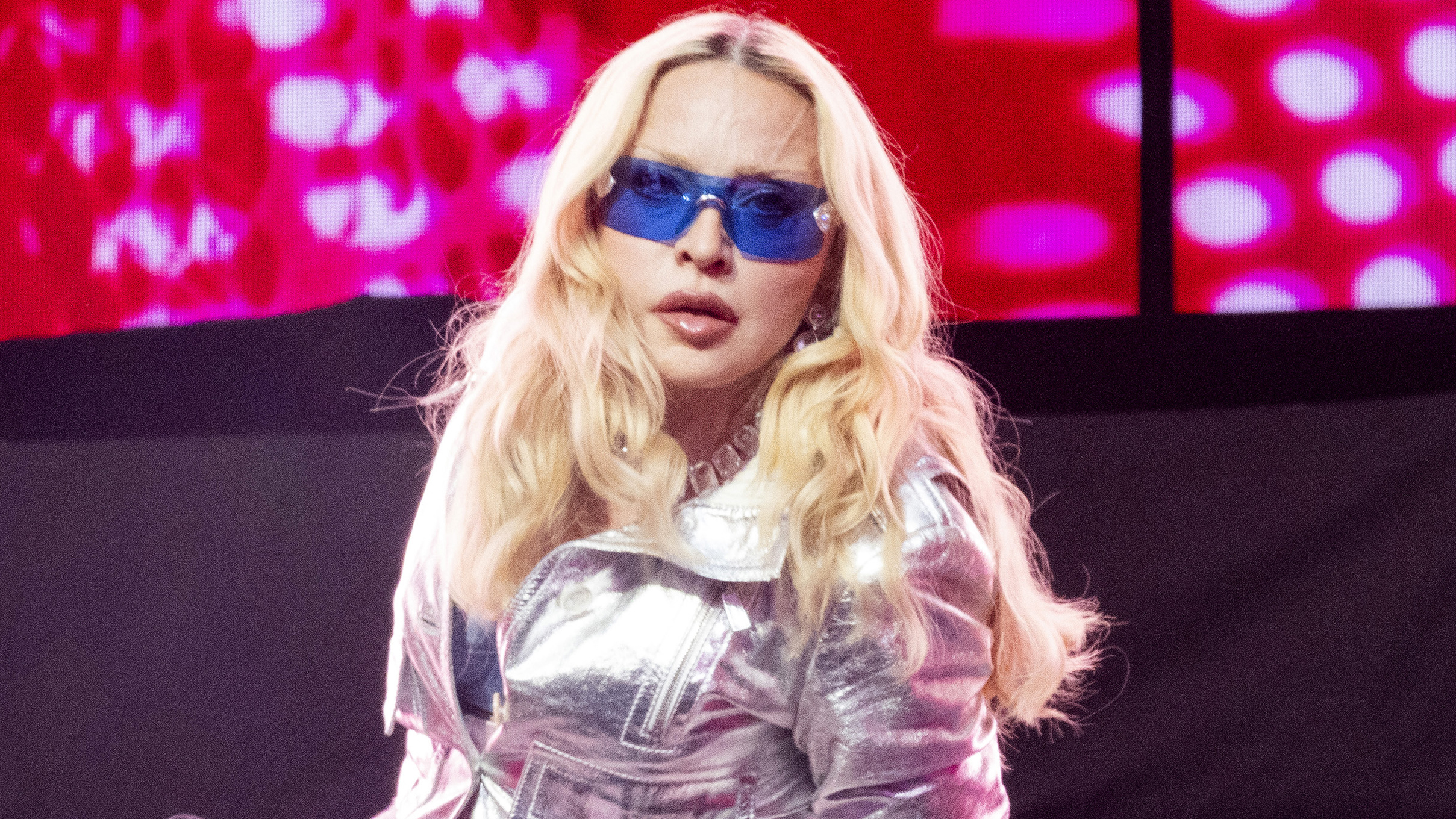
  • Madonna on AI: “Opposite of Making Art,” Prefers Nature Connection

    Madonna on AI: “Opposite of Making Art,” Prefers Nature Connection

    Madonna’s Stance on Artificial Intelligence and Art

    Madonna recently expressed a clear position on artificial intelligence (AI) and its relationship to artistic creation. She articulated that AI represents “the opposite of making art.” This statement underscores a philosophical divide concerning the nature of creativity in an increasingly technological landscape.

    Her perspective emphasizes the intrinsic human element in art. This viewpoint suggests that genuine artistic expression originates from human experience, emotion, and connection, rather than algorithmic generation.

    The Essence of Art: Human Connection and Nature

    The acclaimed artist clarified her preferred sources of inspiration. Madonna stated a preference for “connecting to nature.” This indicates a belief in the organic world as a primary wellspring for creative thought and output.

    Furthermore, her comments imply a value placed on human interaction. This form of connection is often cited by artists as crucial for developing empathy, understanding, and the complex emotional palettes necessary for profound artistic work.

    These sentiments resonate with traditional artistic philosophies. Many historical and contemporary artists champion direct engagement with the physical world and interpersonal relationships as foundational to their craft.

    A Broader Cultural Conversation

    Madonna’s remarks are not isolated. They contribute to a larger, ongoing cultural conversation. This dialogue explores the implications of AI on various creative fields, including music, visual arts, and literature.

    Artists, critics, and technologists are debating the definition of authorship. They also question the value of works generated by machines versus those conceived and executed by human hands.

    Concerns often center on authenticity. The discussion frequently asks whether AI-generated content can possess the same depth, originality, or emotional resonance as human-made art.

    The Role of Technology in Creative Processes

    The integration of technology into creative processes is not new. Throughout history, artists have adopted new tools and methods. Photography, synthesizers, and digital editing software all faced initial skepticism.

    However, AI presents a different challenge. It moves beyond being merely a tool for human artists. AI can generate entire compositions, images, or texts with minimal human input, blurring the lines of creation.

    This capability raises questions about intellectual property. It also prompts reevaluation of the skills and intentions traditionally associated with artistic endeavor.

    Madonna’s Legacy of Innovation and Authenticity

    Madonna’s career has been marked by continuous innovation. She has consistently pushed boundaries in music, performance, and visual presentation. Her work often incorporates new technologies and artistic forms.

    Despite this history of embracing progress, her current stance on AI highlights a specific concern. It suggests that certain technological advancements may fundamentally diverge from what she perceives as authentic artistic practice.

    Her emphasis on nature and human connection can be seen as a return to foundational principles. It contrasts with the synthetic and algorithmic nature of artificial intelligence.

    The Philosophical Divide: Algorithm vs. Emotion

    The core of Madonna’s argument appears to lie in a philosophical distinction. She separates the algorithmic processes of AI from the emotional and experiential wellsprings of human art.

    AI operates based on data, patterns, and computational logic. While it can produce aesthetically pleasing or technically complex results, its creations lack conscious intent or lived experience.

    Human art, conversely, is often seen as an outward expression of an inner world. It is driven by subjective feelings, personal histories, and the unique perspective of the creator.

    Impact on the Music Industry

    The music industry, in particular, has been grappling with AI. Tools for generating melodies, lyrics, and even full instrumental tracks are becoming more sophisticated.

    Some artists and producers view AI as a valuable assistant. They use it for inspiration, to overcome creative blocks, or to automate repetitive tasks.

    Others, like Madonna, express caution. They worry about the potential for AI to dilute the value of human artistry. They also fear it might lead to a proliferation of generic or uninspired content.

    Artists and the Future of Creation

    The discourse surrounding AI in art is likely to intensify. As AI capabilities advance, more artists will be compelled to define their relationship with this technology.

    Some may find ways to integrate AI ethically and creatively, using it as a sophisticated tool. Others may double down on traditional methods, emphasizing the irreplaceable human touch.

    Madonna’s public statement serves as a significant voice in this evolving debate. It challenges the notion that all technological progress automatically equates to artistic advancement.

    The Allure of the Organic

    Madonna’s statement about connecting to nature points to a desire for the organic. This contrasts with the digital and synthetic. In an increasingly virtual world, many seek grounding in the tangible.

    This preference for the natural reflects a broader cultural trend. People are increasingly valuing authenticity, handcrafted goods, and experiences that feel genuinely human.

    Her comments can be interpreted as a call to artists. It suggests they should look to fundamental sources of inspiration rather than relying solely on technological shortcuts.

    Defining “Art” in the AI Era

    Ultimately, Madonna’s position contributes to a fundamental question: What defines “art” in the age of artificial intelligence? If a machine can generate compelling imagery or music, does it qualify as art?

    The answer often hinges on the presence of consciousness, intention, and emotional depth. These are qualities traditionally attributed exclusively to human creators.

    Madonna’s statement reinforces a perspective that art requires a human soul. It suggests that without this soul, creations, however sophisticated, remain mere outputs.

    A Continuing Dialogue

    The debate over AI’s place in art is far from settled. Artists, critics, and audiences will continue to explore these complex questions. Madonna’s recent remarks add a prominent voice to this crucial conversation.

    Her perspective highlights the importance of preserving human-centric values. These values include originality, emotion, and genuine connection, within the rapidly changing landscape of creative expression.

    The discussion extends beyond aesthetics. It touches upon philosophical understandings of creativity, consciousness, and the very definition of humanity’s unique contributions.

    Artists voice opinions. Technologists develop tools. Audiences engage with creations.

    The future of art.