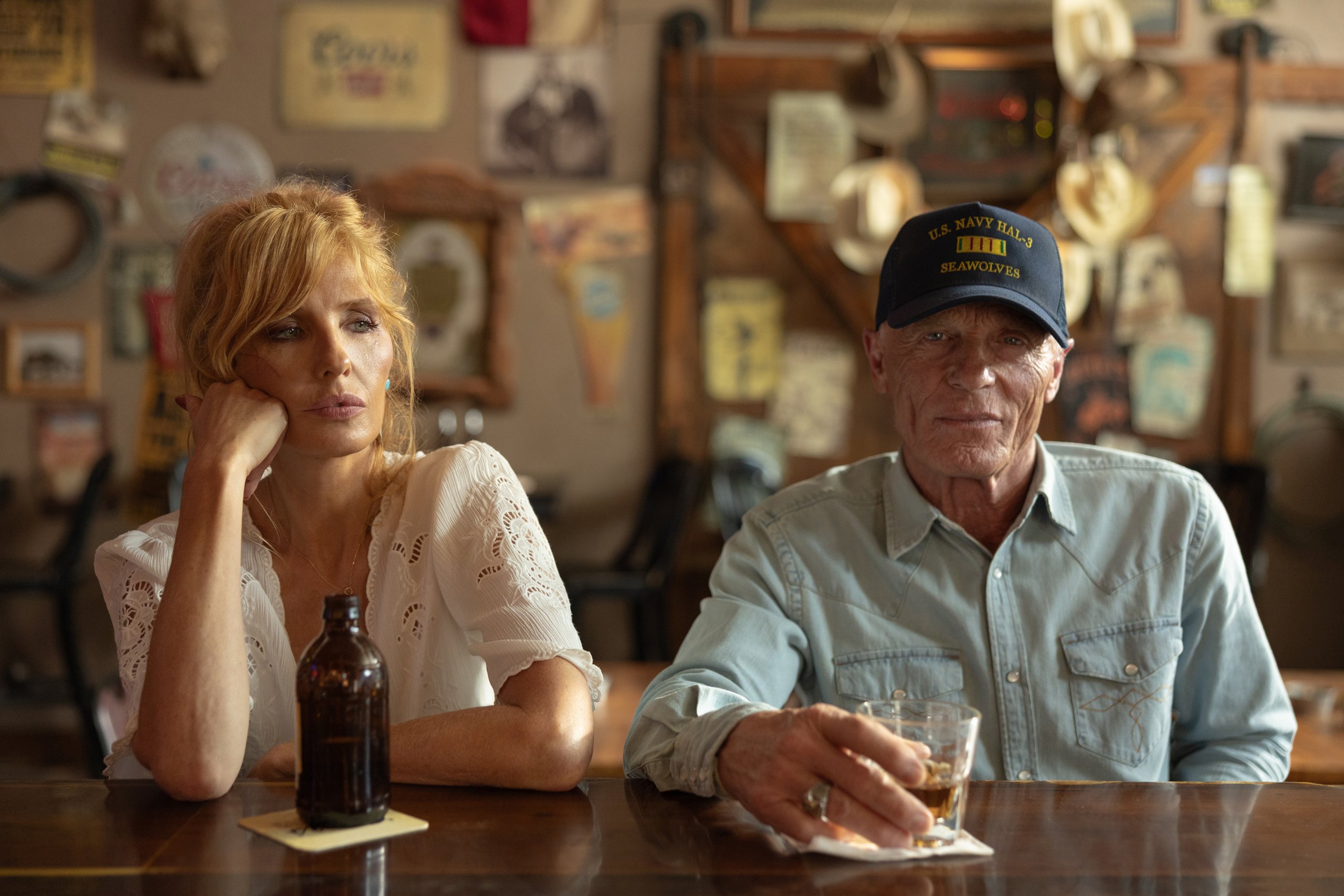
Ed Harris, the acclaimed actor, publicly expressed profound dissatisfaction with his role in the Paramount+ series Dutton Ranch. He stated he felt ‘misled’ about the character’s scope and described the part as ‘inconsequential.’ Harris reportedly declared, ‘Get me the F, Out of Here,’ indicating a strong desire to leave the production. This candid sentiment was detailed in an exclusive report by Variety, highlighting potential tensions behind the scenes of the popular streaming franchise.
Dutton Ranch is a pivotal extension of the highly successful ‘Yellowstone’ universe, created by Taylor Sheridan. Harris’s comments reveal a significant divergence between his initial expectations for the role and the reality of its execution within the series. Such public statements from a veteran actor can carry substantial weight, influencing both industry perceptions and audience engagement with the show.
The Core of Harris’s Discontent: Feeling Misled
Harris’s primary grievance centers on feeling ‘misled’ about his character’s trajectory and importance. Actors often commit to projects based on detailed pitches, script outlines, and discussions with showrunners. These initial conversations are crucial in shaping their understanding of a role’s narrative weight and screen time.
For an actor of Harris’s stature, with a career spanning decades and numerous critically acclaimed performances, the perceived diminishment of a role can be particularly frustrating. The term ‘misled’ suggests a breach of understanding or an unexpected shift in creative direction that directly impacted his character.
The Promise Versus the Reality
Sources close to the Dutton Ranch production indicated that Harris was initially drawn to the project by the promise of a substantial and pivotal role. The character was reportedly presented as integral to a major storyline, implying significant presence across multiple episodes and seasons. This initial vision aligned with Harris’s reputation for portraying complex, impactful characters.
However, as production progressed and scripts were finalized, the character’s involvement reportedly diminished. Dialogue was cut, key scenes were reduced, and the overall influence of Harris’s character on the central plot became less significant than initially conveyed. This evolution from a promised substantial role to a perceived minor one appears to be the root cause of his public dissatisfaction.
An ‘Inconsequential’ Role: A Creative Mismatch
Harris’s description of his role as ‘inconsequential’ is a strong indictment. For a performer known for his intensity and commanding screen presence, an ‘inconsequential’ part can be creatively unfulfilling. It can also be seen as an inefficient use of his talent and time, especially within a demanding production schedule.
This assessment is particularly notable given the high-profile nature of Dutton Ranch. The ‘Yellowstone’ universe attracts top-tier talent with its prestige, expansive storytelling, and large viewership. When an actor’s experience falls short of these expectations, public expressions of frustration are not uncommon.
Impact on Creative Fulfillment and Professional Standing
An actor’s creative fulfillment is often tied to the depth and impact of their roles. Playing a character deemed ‘inconsequential’ can lead to a sense of professional stagnation. For Harris, whose filmography includes powerful performances in films like The Truman Show, Apollo 13, and Pollock, taking on a role that lacks significant narrative weight might feel like a step backward.
Such public comments also send a signal within the industry regarding the creative environment of a production. They can influence how other actors view potential involvement in the ‘Yellowstone’ franchise, potentially impacting future casting decisions for its various spin-offs.
‘Get Me the F, Out of Here’: The Immediate Reaction
The explicit phrase, ‘Get me the F, Out of Here,’ conveys a strong, visceral reaction of frustration and regret. This direct quote, reported by Variety, underscores the depth of Harris’s dissatisfaction. It suggests a point of no return for the actor regarding his current commitment to the series.
Such an emphatic statement from a usually composed professional highlights a critical breaking point. It moves beyond mere creative differences to a desire for immediate disengagement from the project. This level of public candor is rare and typically reserved for situations of extreme professional disillusionment.
Implications for Production Morale and Public Relations
An actor’s public declaration of wanting to leave a show can have immediate and far-reaching implications. It can affect morale among the cast and crew, creating an atmosphere of uncertainty. For the network, Paramount+, and the production company, it creates a significant public relations challenge.
The narrative surrounding Dutton Ranch could shift from anticipation of its storyline to speculation about behind-the-scenes turmoil. Managing this public perception becomes crucial for maintaining audience trust and the overall brand image of the ‘Yellowstone’ universe.
Taylor Sheridan’s Creative Control and Franchise Dynamics
The ‘Yellowstone’ universe, encompassing Dutton Ranch and other spin-offs, is largely the brainchild of Taylor Sheridan. Sheridan is renowned for his distinctive writing, prolific output, and hands-on approach to production, often serving as writer, director, and showrunner. His singular creative vision has been instrumental in the franchise’s immense success.
However, Sheridan’s extensive creative control has also been a subject of discussion within the industry. Reports of creative differences between actors and the showrunner have emerged in the past. Harris’s comments add to this ongoing conversation about the balance of artistic authority within the highly successful, yet tightly controlled, ‘Yellowstone’ ecosystem.
Balancing Vision with Collaboration
The tension between a showrunner’s overarching artistic vision and an actor’s expectations for their character is a perennial challenge in television production. Sheridan’s method, while effective for maintaining a consistent tone and narrative, can sometimes lead to actors feeling their input or their character’s potential is secondary to the larger story arc envisioned by the creator.
When this delicate balance is disrupted, as appears to be the case with Harris, it can result in public friction. This friction underscores the inherent complexities of collaborative artistic endeavors, particularly in franchises where a single creative voice holds significant sway.
Paramount+’s Strategic Investment and Potential Repercussions
Paramount+ has made a substantial strategic investment in the ‘Yellowstone’ universe. Dutton Ranch is a key component of the platform’s content strategy, designed to attract and retain subscribers. The success of these spin-offs is vital for Paramount+’s competitive standing in the streaming landscape.
Public statements of discontent from prominent actors like Ed Harris pose a significant challenge for the network. Such negative publicity risks tarnishing the brand image of a flagship franchise, potentially impacting viewership and subscription numbers. Paramount+ leadership will likely be monitoring this situation closely and considering their response.
Mitigating Damage and Future Talent Relations
Maintaining positive relationships with high-profile talent is essential for any major network and studio. Negative publicity, especially from respected actors, can affect future casting decisions for other projects. It can also impact the overall reputation of the studio and its productions, making it harder to attract top-tier talent.
Paramount+ may need to engage in strategic communication to address the concerns raised by Harris. This could involve direct negotiations, public statements, or internal adjustments to production practices. The goal would be to mitigate any long-term damage to the Dutton Ranch brand and the broader ‘Yellowstone’ universe, ensuring continued success and talent acquisition.
Historical Precedents of Actor Discontent and Departures
Ed Harris’s reported desire to leave Dutton Ranch is not an isolated incident in the history of Hollywood productions. Actors frequently depart series due to creative differences, scheduling conflicts, or profound dissatisfaction with their roles. These departures range from amicable separations to highly publicized disputes, often forcing creative teams to adapt storylines on the fly.
The entertainment industry has numerous examples of prominent actors exiting popular shows. These instances often generate intense media speculation and require significant narrative adjustments. The impact on a series varies based on the actor’s prominence and the centrality of their character to the overall plot.
Notable Departures in Television History
- Mandy Patinkin from Criminal Minds: Patinkin famously left the series early in its third season, citing creative differences and expressing discomfort with the show’s dark themes.
- Charlie Sheen from Two and a Half Men: A highly publicized dispute with creator Chuck Lorre led to Sheen’s termination from the massively popular sitcom.
- Shannen Doherty from Beverly Hills, 90210 and Charmed: Doherty’s departures from both shows were widely reported as stemming from conflicts with cast members and production.
- Harrison Ford from Star Wars (desire to leave): While not a TV series, Ford publicly expressed a desire for Han Solo to die in the original trilogy, illustrating a common actor sentiment regarding character arcs.
Harris’s situation, while perhaps less dramatic than some historical examples, aligns with a pattern of creative friction that can arise in long-running or expanding franchises. The challenge for production teams is to navigate these interpersonal and creative tensions while maintaining the integrity and popularity of the series.
What Lies Ahead for Ed Harris and Dutton Ranch?
The immediate future for Ed Harris and his involvement with Dutton Ranch remains uncertain. His strong public comments suggest a significant rift that will require careful management. The production team and Paramount+ will likely need to address his concerns directly to resolve the situation.
Potential outcomes could include renegotiating his contract, revising his character’s arc to offer more substance, or an eventual formal separation if an amicable resolution cannot be reached. Any decision will have implications for the ongoing narrative of Dutton Ranch and the broader ‘Yellowstone’ universe.
The situation highlights the delicate balance required in managing high-profile talent within expansive, serialized storytelling. The expectations of actors, the vision of creators, and the strategic goals of networks must all align for long-term success.
Expectations. Disappointment. Public statements. Franchise impact.
Uncertainty.