Tag: Controversy

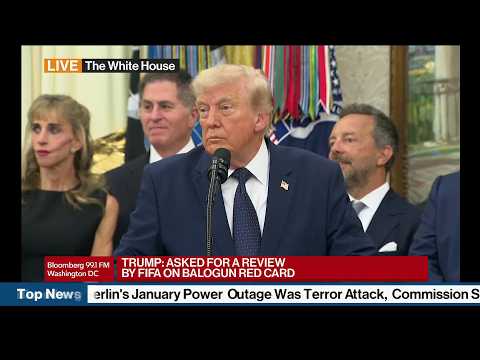
  • Trump’s FIFA Call: Balogun Eligibility Sparks Global Debate

    Trump’s FIFA Call: Balogun Eligibility Sparks Global Debate

    A direct intervention by President Donald Trump with FIFA, the international governing body for soccer, led to a reversal in the eligibility status of footballer Folarin Balogun. This presidential involvement, which reportedly secured Balogun’s ability to play in an upcoming match, sparked a global controversy. The incident highlights the complex and often contentious intersection of sports, national politics, and international organizational autonomy.

    The decision by FIFA, following President Trump’s reported call, immediately became a focal point for discussion across political and sports communities. This unexpected blend of high-level diplomacy and sports regulation raised questions about fairness, the influence of powerful individuals, and the integrity of independent sporting bodies. The event underscored a growing trend of political leaders engaging directly in matters traditionally confined to sports federations.

    Presidential Intervention Alters FIFA Decision

    Folarin Balogun, a prominent footballer, faced an eligibility dispute with FIFA. The specifics of FIFA’s initial stance remain largely undisclosed. However, the situation escalated dramatically with President Trump’s reported direct engagement. This high-level communication marked a significant departure from standard protocols governing international sports disputes.

    Reports indicate that President Trump contacted FIFA directly to advocate for Balogun. While the precise nature of the discussion has not been fully detailed by either the White House or FIFA, the outcome was clear: FIFA’s position on Balogun’s eligibility was altered. This change allowed Balogun to participate, suggesting the President’s intervention carried substantial weight with the international body.

    The Genesis of Balogun’s Eligibility Dispute

    Folarin Balogun’s case involved intricate rules regarding national team representation. Athletes often hold dual citizenships and must choose which nation to represent in international competition. Such decisions are governed by strict FIFA regulations, designed to prevent players from switching allegiances indiscriminately after participating in official competitions for one country.

    Balogun’s specific circumstances, though not fully public, likely involved a request for a change of association or an interpretation of his previous competitive history. FIFA’s initial review of these details presumably led to a provisional ruling or an ongoing assessment that cast doubt on his immediate eligibility. This bureaucratic process typically unfolds without external political input.

    Trump’s Rationale for Intervention

    President Trump’s decision to intervene was likely multifaceted. Supporting an American athlete on the global stage aligns with a broader nationalistic platform. Such an action can be framed as defending American interests and promoting national talent internationally.

    The visibility of such an intervention also offers a political benefit. It demonstrates a President willing to act decisively and directly on behalf of citizens, even in non-traditional diplomatic arenas. This move resonates with a segment of the electorate that values strong, direct leadership and a proactive approach to international affairs, regardless of the specific issue at hand.

    Widespread Political and Public Reactions

    News of President Trump’s intervention quickly permeated media cycles and public discourse. The reactions were immediate and sharply divided, reflecting existing political fault lines within the nation and internationally. The incident became another touchstone in the ongoing debate about the role of politics in every facet of public life.

    Supporters of President Trump largely applauded his actions. They viewed the intervention as a powerful display of leadership and a commitment to national pride. For these individuals, the President’s direct call was a decisive move to ensure an American athlete could compete, a testament to his ability to influence global bodies.

    Criticism Over Undue Influence

    Conversely, critics voiced significant concerns over what they perceived as undue political pressure on an independent sports organization. Questions arose about the integrity of FIFA’s decision-making process when faced with direct communication from a world leader. Many argued that such interventions undermine the autonomy and fairness of international sports governance.

    Concerns were also raised about the precedent this action might set. If heads of state can directly influence eligibility rulings, it could open the door for other powerful nations to exert similar pressure, potentially politicizing every aspect of international sports. This could erode public trust in the impartiality of sporting competitions.

    FIFA’s Official Response and Implications

    FIFA’s official statements regarding the incident have been notably restrained. The organization confirmed its ruling on Balogun’s eligibility but offered minimal comment on the specific nature or impact of the presidential intervention. This reticence has fueled further speculation and public debate, with many interpreting FIFA’s silence as an acknowledgment of the political pressure.

    The long-term implications for FIFA and other international sports federations could be substantial. The incident may force these organizations to re-evaluate their protocols for handling communications from national governments. It could also lead to increased scrutiny over their decision-making processes, especially when high-profile political figures become involved.

    The Blurring Lines of Sports and Politics

    President Trump’s involvement in a FIFA eligibility decision exemplifies a growing trend: the increasing entanglement of political figures with international sports. This trend blurs the traditional boundaries between athletic competition and geopolitical interests. Sports, once often perceived as an apolitical arena, are increasingly becoming a stage for national pride, political maneuvering, and even direct diplomatic intervention.

    This phenomenon is not isolated. Throughout the 20th and 21st centuries, major sporting events have frequently served as backdrops for political statements, boycotts, and diplomatic efforts. The Balogun-FIFA situation represents a more direct and granular form of political influence, impacting a specific regulatory decision rather than just the broader context of an event.

    Historical Precedents of Political Engagement in Sports

    History offers numerous examples of political leaders utilizing sports for national objectives. The 1936 Berlin Olympics, for instance, were infamously exploited by Nazi Germany for propaganda purposes, showcasing a regime’s attempt to legitimize itself through athletic spectacle.

    During the Cold War, sports became a proxy battleground. The United States led a boycott of the 1980 Moscow Olympics, and the Soviet Union retaliated with a boycott of the 1984 Los Angeles Olympics. Both actions were direct responses to geopolitical tensions, demonstrating how national policy could directly impact international sporting events.

    More recently, host nations for major sporting events, such as the FIFA World Cup or the Olympic Games, frequently face intense scrutiny over their human rights records or political policies. These instances, while varying in scale and directness, consistently demonstrate the persistent connection between the world of sports and the realm of politics. President Trump’s call to FIFA adds a contemporary dimension to this enduring dynamic, emphasizing direct executive influence on specific sporting regulations.

    The Interplay of Celebrity, Patriotism, and Influence

    The controversy surrounding Balogun also taps into the powerful currents of celebrity and patriotism. Professional athletes, particularly those who compete on international stages, often transcend their sport to become potent symbols of national identity. Their successes, challenges, and choices can evoke profound emotional responses from the public, fostering a sense of collective pride or disappointment.

    President Trump’s intervention can be understood through this lens. By advocating for an American athlete, he strategically aligned himself with a widespread sense of national pride and a desire to see American talent succeed globally. This move resonates with a segment of the population that perceives such actions as a robust defense of national interests and a celebration of American achievement on the world stage. The celebrity status of both the President and the athlete amplifies the public’s engagement with the issue, transforming a regulatory matter into a widely discussed cultural and political event.

    Dissecting Public Opinion and Future Outlook

    The public’s reaction to the FIFA decision and President Trump’s involvement has been highly polarized. This polarization reflects deeper divisions within the political landscape, where individuals often interpret events through the prism of their pre-existing beliefs about leadership, national identity, and international relations.

    Those who support President Trump often view his actions as decisive, effective, and patriotic. They might interpret the FIFA reversal as a victory for American influence and a testament to his unique negotiating prowess. For these individuals, the outcome demonstrates the tangible power of direct action from the nation’s highest office, showcasing a President who prioritizes national interests and delivers results.

    Concerns Over Due Process and Sporting Integrity

    On the other side, critics have voiced significant outrage and concern over due process. They argue that direct political intervention undermines the established rules and independent governance of international sports. These critics contend that such actions could lead to a system where eligibility is determined by political clout rather than sporting merit and regulation.

    The debate extends to the integrity of sporting competitions themselves. If political leaders can influence outcomes, it raises questions about the fairness of the playing field and whether all athletes are subject to the same impartial rules. This perspective emphasizes the importance of maintaining a clear separation between sports and state to preserve the perceived neutrality and integrity of international athletic bodies.

    The Enduring Legacy of the Intervention

    The Balogun-FIFA incident is likely to have an enduring legacy. It will serve as a case study in the increasing politicization of global sports and the expanding reach of national leaders into international domains. Future discussions about athlete eligibility, sporting regulations, and the independence of federations will undoubtedly reference this event.

    The controversy also highlights the power of individual influence, particularly when wielded by a figure of President Trump’s stature. His ability to reportedly shift the decision of a major international organization underscores the significant impact that high-profile personalities can have on global institutions, further blurring the lines between celebrity, politics, and sports governance.

    A footballer’s eligibility. A President’s phone call. A global sports body’s sudden change. A nation watched. A world debated. The lines blurred.

    Influence.

  • Uwe Boll Defends ‘Citizen Vigilante’ and Armie Hammer Amidst Criticism

    Uwe Boll Defends ‘Citizen Vigilante’ and Armie Hammer Amidst Criticism

    Filmmaker Uwe Boll has issued a public statement defending his latest project, ‘Citizen Vigilante,’ and its lead actor, Armie Hammer. Boll’s defense directly confronted critics, whom he described as people who “love to hate and trash” his work. This response reignited a long-standing debate concerning Boll’s cinematic output and his relationship with film critics and audiences.

    The controversy surrounding ‘Citizen Vigilante’ stems from multiple factors. These include the film’s thematic elements and the casting choice of Armie Hammer, who has faced significant public scrutiny in recent years. Boll’s decision to cast Hammer has been a particular point of contention for many.

    The Director’s History with Criticism

    Uwe Boll’s career has been marked by frequent clashes with critics. His filmography, which often includes adaptations of video games, has consistently drawn strong reactions. Reviewers have often labeled his films as poorly executed, leading to a reputation that precedes many of his releases.

    This history of critical antagonism has shaped Boll’s public persona. He has often adopted a defiant stance, dismissing negative reviews as misinformed or biased. His current defense of ‘Citizen Vigilante’ aligns with this established pattern of confronting his detractors directly.

    In 2006, Boll famously challenged several film critics to boxing matches. This event, dubbed ‘Raging Boll,’ became a highly publicized spectacle. It solidified his image as a filmmaker willing to physically confront those who disparaged his work.

    His previous films, such as ‘House of the Dead’ (2003), ‘Alone in the Dark’ (2005), and ‘BloodRayne’ (2006), all received overwhelmingly negative reviews. These adaptations of popular video games often failed to resonate with both critics and the original game’s fanbase.

    Boll’s persistent production of films despite widespread criticism has also been a point of discussion. His ability to secure funding and continue filmmaking has puzzled many industry observers. This resilience, or perhaps stubbornness, is a hallmark of his career.

    The ‘Citizen Vigilante’ Context

    ‘Citizen Vigilante’ represents Boll’s continued exploration of dark and often controversial themes. The film’s narrative reportedly delves into areas that challenge conventional morality and societal norms. This aligns with some of his earlier, more provocative works.

    The specific plot details of ‘Citizen Vigilante’ have not been widely disseminated, but the title itself suggests a narrative focused on extrajudicial justice. Such themes often elicit strong reactions from audiences and critics alike, especially when handled with Boll’s characteristic bluntness.

    The decision to cast Armie Hammer in a leading role significantly amplified the film’s pre-release scrutiny. Hammer’s public image has been severely impacted by various allegations that emerged in 2021. These allegations led to his removal from several high-profile projects.

    Boll’s choice to work with Hammer has been interpreted in different ways. Some view it as an act of defiance against cancel culture. Others see it as a cynical move designed to generate controversy and attention for the film.

    The director has often expressed a disdain for what he perceives as hypocritical moralizing within the film industry and media. His support for Hammer can be seen through this lens, as an implicit critique of contemporary public judgment.

    Armie Hammer’s Recent Career Trajectory

    Armie Hammer’s career experienced a significant downturn following the allegations that surfaced in 2021. These included accusations of abuse, sexual assault, and cannibalistic fantasies. Hammer denied all non-consensual allegations.

    Prior to 2021, Hammer was a prominent actor with roles in critically acclaimed films. He starred in ‘The Social Network’ (2010), ‘Call Me by Your Name’ (2017), and ‘The Man from U.N.C.L.E.’ (2015). His performances often garnered praise.

    The fallout from the allegations led to Hammer being dropped by his agency, WME, and publicist. He was also replaced in films such as ‘Shotgun Wedding’ and the Broadway play ‘The Minutes.’ His career appeared to be in indefinite hiatus.

    Since 2021, Hammer has maintained a very low public profile. ‘Citizen Vigilante’ marks one of his first significant acting roles since the controversies erupted. His participation in a Uwe Boll film, known for its independent and often provocative nature, is a notable development.

    Boll’s defense of Hammer suggests a belief in the actor’s artistic capabilities, or perhaps a rejection of the public’s judgment. This stance places Boll squarely against a prevailing current in Hollywood regarding accountability and public image.

    Boll’s Artistic Philosophy

    Uwe Boll has consistently articulated an artistic philosophy rooted in independence and a rejection of mainstream commercial pressures. He often funds his films through a complex system involving German tax shelters, which has historically allowed him significant creative control.

    This financial independence has enabled Boll to produce films that might not otherwise find backing in Hollywood. It also means he is less beholden to studio executives or market trends that often dictate casting and thematic choices.

    His films frequently explore themes of violence, corruption, and societal decay. Boll often uses extreme imagery and confrontational narratives to make his points. This approach has alienated many, but it has also garnered a cult following among some viewers.

    Boll views himself as an uncompromising artist. He believes his films offer a raw and unfiltered perspective, contrasting with what he perceives as the sanitized and overly commercialized output of major studios. His defense of ‘Citizen Vigilante’ and Hammer fits this self-perception.

    The director’s comments about critics ‘loving to hate and trash’ him reflect a long-held grievance. He often suggests that critics are either intellectually incapable of understanding his work or are simply prejudiced against him.

    The Broader Debate on ‘Cancel Culture’

    The situation involving Uwe Boll, Armie Hammer, and ‘Citizen Vigilante’ intersects with broader discussions about ‘cancel culture.’ This term refers to the practice of withdrawing support for public figures or companies after they have done or said something considered objectionable.

    Proponents of ‘cancel culture’ argue it holds individuals accountable for harmful behavior. They believe it provides a mechanism for social justice and encourages public figures to act responsibly. The consequences for those ‘canceled’ can include loss of employment, public shaming, and damage to reputation.

    Critics of ‘cancel culture’ argue it can be overly punitive, lacking in due process, and stifle free speech and artistic expression. They contend it can lead to mob mentality and prevent individuals from rehabilitating their public image or careers.

    Uwe Boll’s decision to cast Armie Hammer and his subsequent defense can be seen as a direct challenge to the mechanisms of ‘cancel culture.’ Boll appears to be taking a stand against the idea that past allegations should permanently end a person’s career.

    This debate extends beyond individual cases to the very nature of artistic freedom. It questions whether artists should be judged solely on their work, or if their personal conduct should also factor into their professional opportunities.

    Impact on Film Distribution and Reception

    The controversy surrounding ‘Citizen Vigilante’ is likely to impact its distribution and critical reception. Films associated with significant public figures facing allegations often struggle to find mainstream distributors.

    Independent films like Boll’s often rely on niche markets, film festivals, and direct-to-video or streaming releases. The added layer of controversy with Hammer’s involvement could further limit its reach, or paradoxically, increase its notoriety.

    The film’s reception among critics will undoubtedly be colored by the pre-existing animosity towards Boll and the ongoing discussion around Hammer. Reviews may focus as much on the ethical implications of the film’s existence as on its artistic merits.

    Audience reception will also be polarized. Some viewers might seek out the film precisely because of its controversial elements, while others will actively avoid it. This division is characteristic of projects that touch upon sensitive societal nerves.

    Ultimately, ‘Citizen Vigilante’ is poised to become another chapter in Uwe Boll’s confrontational career. It will likely continue to provoke discussion, not just about the film itself, but about the broader issues of artistic freedom, accountability, and the power of public opinion.

    Directors make choices. Actors make choices. Audiences make choices. Critics make choices. Debate.

  • President Trump Weighs in on US Soccer Red Card Controversy

    President Trump Weighs in on US Soccer Red Card Controversy

    President Trump has entered the public debate surrounding a recent red card incident involving a United States soccer player. His commentary connected the on-field decision to broader discussions of patriotism and American values. This intervention has generated significant public discussion, illustrating the interwoven nature of sports, politics, and national sentiment.

    The specific soccer match and the player involved were not detailed in initial reports. However, the nature of the President’s remarks suggests a perceived injustice or a moment that could be framed within a narrative of national pride. Such engagements by political leaders often elevate sports events beyond mere competition.

    The Intersection of Sports and Politics

    The involvement of high-profile political figures in sports discussions is a recurring phenomenon. Sports often serve as a microcosm of national identity, providing a platform for expressing collective pride or addressing perceived slights. President Trump’s history includes numerous instances where he has commented on athletic events, individual athletes, or sports organizations.

    These comments frequently resonate with specific segments of the population. They can galvanize support for particular viewpoints or draw attention to issues that extend beyond the playing field. The blend of celebrity and political office amplifies the impact of such statements.

    Previous Presidential Engagements with Sports

    Historically, American presidents have often engaged with sports. This engagement typically aims to foster national unity or celebrate athletic achievement. For example, presidents frequently host championship-winning teams at the White House.

    President Trump’s approach has often been more direct and opinionated. His comments have sometimes challenged established sports narratives or criticized athletes for their actions or political stances. This distinguishes his engagement from more traditional, ceremonial presidential interactions with sports.

    One notable instance occurred in 2017, when President Trump publicly criticized NFL players who knelt during the national anthem. He described these actions as disrespectful to the flag and the country. This sparked a nationwide debate on freedom of speech, patriotism, and racial justice within professional sports.

    Another example involved his commentary on specific athletes. He has often used social media platforms to express his views, reaching a wide audience instantly. These direct communications bypass traditional media filters, delivering his message unfiltered to his supporters.

    The Red Card Incident: A Catalyst for Discussion

    The recent red card incident in US soccer provided another opportunity for presidential commentary. While the specifics of the match and player remain unconfirmed, the President’s decision to weigh in suggests the event held significant symbolic weight. A red card, by its nature, is a punitive action that removes a player from the field, often seen as a moment of disgrace or unfairness depending on one’s perspective.

    In the context of international competition, such an incident can quickly become a point of national contention. Fans often perceive decisions against their national team as biased or unjust. A political leader’s endorsement of this sentiment can intensify public reaction.

    Public Reaction and Media Coverage

    News outlets, including Bloomberg Television, quickly picked up on President Trump’s statements. The coverage often highlighted the polarizing nature of his remarks. Some commentators praised his defense of American athletes, while others criticized what they perceived as an unnecessary politicization of sports.

    Social media platforms became immediate arenas for debate. Supporters lauded the President for standing up for the country and its athletes. Critics accused him of distracting from more pressing issues or inflaming divisions.

    The discussion extended beyond the immediate incident. It touched upon broader questions about the role of patriotism in sports. It also questioned the responsibilities of athletes as public figures.

    Patriotism and Sportsmanship

    President Trump’s comments often frame sports controversies within a narrative of patriotism. This approach suggests that actions on the field, or reactions to them, reflect on national character. It implies that athletes carry a responsibility to uphold national honor, even in competitive moments.

    However, the concept of patriotism in sports is complex. For some, it means unwavering support for one’s national team, regardless of individual actions. For others, it involves adherence to principles of fair play and sportsmanship, even when it means accepting unfavorable outcomes.

    The red card incident, therefore, became a flashpoint for these differing interpretations. Was the player’s action, which led to the red card, an act of passion or a lapse in judgment? Did the referee’s decision reflect fairness or bias? The answers often depended on one’s existing political and national allegiances.

    The Role of National Symbols in Sports

    National anthems, flags, and team colors are powerful symbols in sports. They evoke strong emotional responses and connect individual athletes to a broader national identity. When these symbols are perceived to be disrespected, or when national pride is challenged, political figures often step in.

    President Trump’s past comments on national symbols in sports indicate a consistent emphasis on traditional displays of respect. His recent remarks on the soccer red card align with this pattern. He frames such incidents as opportunities to reinforce his vision of American identity and values.

    The Blending of Celebrity, Sports, and Politics

    The contemporary landscape sees an increasing convergence of celebrity, sports, and politics. Athletes are often highly visible public figures, and their actions both on and off the field are scrutinized. Political leaders, in turn, recognize the power of these platforms to reach and influence large audiences.

    President Trump, a figure who has long operated at the intersection of celebrity and politics, often leverages this overlap. His commentary on the soccer red card is a tactical move. It allows him to engage with a popular cultural event while simultaneously reinforcing his political message.

    The Impact on Public Discourse

    This blending affects public discourse in several ways. It can make political issues feel more immediate and personal to sports fans. It can also introduce political divisions into spaces traditionally seen as unifying.

    For some, this politicization of sports is unwelcome. They argue that sports should remain an escape from political strife. For others, it is an inevitable reflection of a society where few areas remain untouched by political debate.

    The President’s remarks ensure that the red card incident will be remembered not just as a moment in a soccer match, but as a point of political discussion. It transforms a referee’s call into a national talking point, debated in living rooms and on news channels alike.

    Athletes find themselves under increased pressure. Their on-field performance is subject to athletic review. Their off-field conduct and even their political views can become national news. The line between athlete and political figure blurs.

    The sports world becomes another arena for ideological battles. Fans, commentators, and politicians all stake claims. Debates rage over loyalty. Debates rage over conduct. Debates rage over what it means to be an American athlete.

    President Trump intervenes. He frames the narrative. He sparks the conversation. He connects the dots between a red card and national pride. The sports world reacts. The political world reacts. The public reacts. A simple game decision becomes a national event.

  • Gabriel Garland Denies Stabbing Allegations After ‘Love Island UK’ Exit

    Gabriel Garland Denies Stabbing Allegations After ‘Love Island UK’ Exit

    Gabriel Garland, a former contestant on ‘Love Island UK’, has publicly addressed the allegations that led to his abrupt removal from the reality television series. Garland unequivocally stated that he does not possess a criminal record, directly refuting implications of his involvement in a stabbing case that surfaced during his time on the show. His statement aims to clarify his legal standing and counter the pervasive narrative that developed following his unexpected exit.

    This public declaration comes amidst significant media scrutiny and public speculation regarding the circumstances of his departure. Garland’s denial marks a pivotal moment in the ongoing discussion surrounding his professional reputation and legal status.

    Garland’s Abrupt Departure from ‘Love Island UK’

    Gabriel Garland’s tenure on ‘Love Island UK’ was cut short unexpectedly. His removal from the series became an immediate subject of widespread public discussion. ‘Love Island UK’ maintains a reputation for stringent vetting processes and swift action regarding any controversies involving its contestants.

    The specific details surrounding the allegations that prompted his removal were not immediately disclosed by the show’s producers. This official silence fueled intense speculation across social media platforms and various entertainment news outlets. Garland’s departure stands as one of the more contentious exits in the recent history of ‘Love Island UK’. The show’s audience often scrutinizes contestant backgrounds, and this scrutiny intensified significantly following Garland’s removal.

    The show’s producers typically issue brief statements concerning contestant exits. In Garland’s case, the brevity of the official communication left ample room for public conjecture. This vacuum was quickly filled by unverified reports and social media discussions.

    The Stabbing Allegations Emerge

    Reports linking Gabriel Garland to a past stabbing incident began to circulate widely following his exit from ‘Love Island UK’. These reports suggested involvement in a serious criminal offense. Such accusations carry significant weight, particularly for public figures associated with mainstream entertainment.

    The alleged incident reportedly predated his appearance on the reality show. However, the timing of its surfacing coincided directly with his televised presence. This synchronicity amplified public interest and the potential damage to his burgeoning public reputation.

    News outlets and social media users extensively speculated about the veracity of these claims. The initial absence of a direct public response from Garland or the show’s producers allowed the narrative to develop largely unchallenged. This period of silence permitted the allegations to gain traction, shaping public perception before any counter-narrative could emerge.

    The specifics of the alleged incident remained largely unconfirmed by official sources. This lack of confirmation contributed to the speculative nature of the reports. The public relied heavily on anonymous sources and social media posts for information.

    Impact on Public Image and Reality TV Vetting

    Public perception is a critical factor for ‘Love Island UK’ contestants. Allegations of criminal behavior can severely impact a contestant’s future career prospects. Potential endorsement deals, media appearances, and public goodwill are often contingent on maintaining a clean public image.

    The ‘Love Island UK’ brand itself is highly sensitive to controversy. The show endeavors to maintain a lighthearted and romantic image. Serious criminal allegations against a contestant can significantly detract from this carefully cultivated brand identity. Producers often act swiftly to mitigate potential reputational damage.

    Reality television shows like ‘Love Island UK’ typically employ extensive background checks for all contestants. These checks are designed to identify any past behaviors or legal issues that could pose a risk to the show or its participants. The surfacing of such serious allegations after a contestant has been cleared raises pertinent questions about the thoroughness and efficacy of these vetting processes.

    Producers frequently utilize third-party companies for these background investigations. The scope of these checks can vary, but they typically include criminal record searches, comprehensive social media reviews, and personal history inquiries. The primary goal is to prevent situations that could lead to negative publicity or legal complications for the show and its network.

    Garland’s Public Denial and Legal Standing

    Gabriel Garland chose to address the allegations directly and publicly. His statement was released to counter the ongoing speculation and narrative. He explicitly denied having a criminal record, establishing this denial as the central point of his defense and public clarification.

    Garland’s statement aimed to clarify his legal status. He sought to assure the public that he has not been convicted of any crime related to the alleged stabbing case. The statement focused primarily on his legal innocence rather than providing extensive details about the incident itself. This strategic focus aimed to shift the public discourse from accusation to legal fact.

    “I want to make it clear that I do not have a criminal record. The allegations circulated are not reflective of my legal standing or my character. I have cooperated with all necessary inquiries and stand by my innocence.”

    This quote, attributed to Garland, encapsulates his main argument. It represents a deliberate attempt to regain control of his public narrative and assert his legal position. The emphasis on ‘no criminal record’ highlights the distinction between allegations and formal convictions.

    The assertion of no criminal record is a key element of Garland’s defense. A criminal record typically indicates a conviction for a crime. The absence of such a record suggests that he has not been found guilty of the alleged offense in a court of law. This distinction is crucial in both legal and public discourse. Allegations differ significantly from convictions. Garland’s statement emphasizes this difference, aiming to separate himself from the serious implications of the initial reports.

    Precedent in Reality Television Controversies

    Other reality shows have faced similar situations involving contestant controversies. Contestants have been removed for various reasons, including past criminal behavior, controversial social media posts, or physical altercations. The rapid response from producers often reflects a desire to protect the show’s image and its broader audience.

    The impact of such removals can be significant for the contestant involved. It can lead to a loss of potential earnings, damage to personal branding, and a tarnished public image. For the show, it can create temporary disruptions but often results in increased viewership due to the dramatic nature of the event itself. This phenomenon highlights the double-edged sword of reality television fame.

    Networks and production companies maintain strict codes of conduct for participants. These codes often extend beyond the duration of filming. Any perceived breach, especially one involving legal or ethical concerns, can trigger immediate action, including removal from the program. The decision-making process often involves legal teams and public relations strategists.

    The scrutiny applied to reality TV participants has intensified in recent years. Social media provides an instantaneous platform for public investigation and judgment. Past actions, even those not resulting in convictions, can be brought to light and extensively debated. This heightened level of public oversight places additional pressure on both contestants and producers.

    Public and Media Scrutiny Following Denial

    The public reaction to Gabriel Garland’s statement has been varied and complex. Some viewers expressed support, choosing to believe his denial and emphasizing the principle of innocence until proven guilty. Others remained skeptical, questioning the origins of the allegations and demanding more detailed explanations. Social media platforms served as the primary arena for these diverse discussions, with hashtags and trending topics reflecting the ongoing debate.

    Media outlets continued to report on the story, analyzing Garland’s statement and its broader implications. The focus remained on the discrepancy between the initial allegations and his subsequent claim of no criminal record. This intense scrutiny is common for high-profile reality TV personalities, whose lives often become subjects of public dissection.

    The incident highlights the immense pressure and public exposure faced by individuals on reality television. Every aspect of their past and present can become subject to widespread public debate and judgment. This environment necessitates careful management of public statements, personal conduct, and legal counsel. The line between private life and public persona becomes increasingly blurred for those in the reality TV spotlight.

    Journalists often seek official records to verify claims made by public figures. In Garland’s case, the absence of a criminal record would lend significant weight to his denials. However, the initial reports themselves created a narrative that required a forceful and public counter-statement.

    The Path Forward for Gabriel Garland

    Gabriel Garland’s future in the public eye remains uncertain. His public denial represents a crucial step in attempting to salvage his reputation and career. The court of public opinion, however, operates differently from a court of law. Overcoming initial negative perceptions often requires sustained effort and consistent messaging.

    For individuals in the entertainment industry, managing a crisis of this nature is paramount. Public relations experts often advise transparency where legally permissible, combined with a clear and consistent message. Garland’s emphasis on the absence of a criminal record aligns with this strategy, focusing on verifiable legal facts.

    The incident may also prompt further discussion within the reality television industry regarding vetting procedures. Production companies constantly refine their background check protocols to prevent similar situations. The balance between finding compelling personalities and mitigating potential risks is an ongoing challenge.

    Garland’s next steps will likely involve careful consideration of his public appearances and statements. Rebuilding trust and redirecting his narrative will be a long-term endeavor. His legal team will undoubtedly monitor any further dissemination of unverified allegations.

    The public. The media. The industry.

    Waits.

  • Beau DeMayo’s ‘X-Men ’97’ Exit – OnlyFans and DEI Claims Spark Debate

    Beau DeMayo’s ‘X-Men ’97’ Exit – OnlyFans and DEI Claims Spark Debate

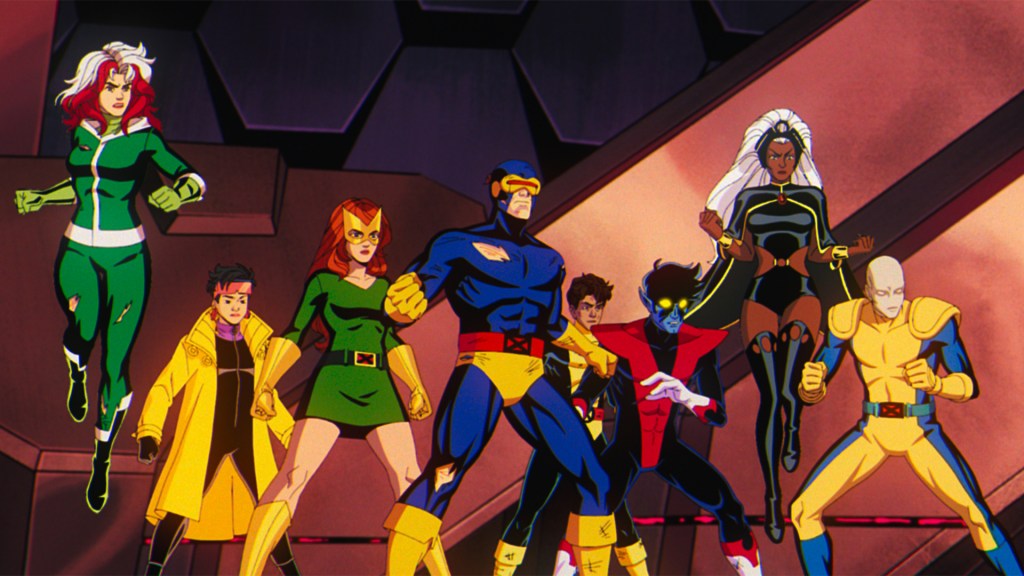
    Beau DeMayo, the creator and former executive producer of the Disney+ animated series ‘X-Men ’97,’ has publicly claimed that he informed Marvel Studios about his OnlyFans account. He also expressed a sentiment that his recruitment for the project was perceived by him as a Diversity, Equity, and Inclusion (DEI) hire. These statements have generated considerable discussion within the entertainment industry and among the public.

    DeMayo’s comments surfaced after his unexpected departure from the series production in early 2024, prior to the show’s premiere. The claims raise questions about transparency, corporate culture, and the evolving landscape of professional conduct in creative fields.

    The Origins of the ‘X-Men ’97’ Controversy

    The animated series ‘X-Men ’97’ was developed as a revival of the popular 1990s ‘X-Men: The Animated Series.’ Beau DeMayo was announced as the head writer and executive producer for the project. The series was highly anticipated by fans of the original show and the broader Marvel universe.

    Reports of DeMayo’s departure from the project emerged in March 2024. The reasons for his exit were not immediately clear, leading to speculation. Marvel Studios and Disney did not provide specific details regarding the separation at the time.

    DeMayo later began to address aspects of his departure through public channels. His statements included references to his personal life and professional experiences at Marvel.

    OnlyFans Disclosure and Professional Transparency

    One core aspect of DeMayo’s claim is his assertion of transparency regarding his OnlyFans account. OnlyFans is a subscription-based content platform, primarily known for adult content. DeMayo stated that he proactively informed Marvel Studios about his involvement with the platform.

    This disclosure reportedly occurred early in his engagement with the studio. The nature of this disclosure and Marvel’s internal response have not been detailed by the studio. DeMayo’s decision to disclose highlights the increasing complexities of personal digital footprints and professional careers.

    The entertainment industry often navigates public perception and brand image. Personal activities, especially those on platforms like OnlyFans, can sometimes intersect with corporate branding. DeMayo’s statement suggests an attempt to manage this intersection proactively.

    The ‘DEI Hire’ Perception

    Another significant claim made by DeMayo is his belief that he was treated as a ‘DEI hire.’ Diversity, Equity, and Inclusion initiatives are widespread across many industries, including entertainment. These programs aim to increase representation and foster inclusive environments.

    DeMayo’s perception suggests a potential tension between the goals of DEI and the individual experience of those hired under such frameworks. He did not elaborate on specific instances or behaviors that led to this feeling. However, the claim itself has resonated within ongoing debates about DEI efficacy and implementation.

    The term ‘DEI hire’ can carry negative connotations in some discussions, implying that merit was secondary to demographic characteristics. DeMayo’s use of the phrase contributes to this broader cultural conversation. It prompts examination of how individuals perceive their roles within diversity initiatives.

    Industry Reactions and Public Discourse

    DeMayo’s statements have generated varied reactions. Some observers have expressed support for his honesty and critique of corporate practices. Others have questioned the timing or nature of his disclosures.

    The controversy has become a talking point in discussions about:

    • Corporate Responsibility: How companies handle employees’ personal lives and online activities.
    • DEI Implementation: The effectiveness and potential pitfalls of diversity initiatives.
    • Creator Autonomy: The balance between a creator’s personal expression and their professional obligations.
    • Workplace Culture: The environment within major studios like Marvel and Disney.

    Social media platforms have been particularly active with discussions. Opinions range from defending DeMayo’s right to privacy and expression to criticizing his public comments as unprofessional.

    Marvel Studios’ Stance and Future Implications

    As of July 2, 2026, Marvel Studios has not issued a formal public response to Beau DeMayo’s specific claims. The studio typically maintains a policy of not commenting on personnel matters.

    The lack of a direct statement means that DeMayo’s account remains the primary public narrative regarding these specific issues. This situation leaves many questions unanswered about the internal dynamics at Marvel Studios.

    The controversy could influence future hiring practices and disclosure policies within the entertainment industry. It may also prompt further scrutiny of how DEI initiatives are communicated and perceived by employees.

    The Broader Context of Creator Relations

    The relationship between creative talent and major studios is often complex. Creators bring unique visions and personal histories to projects. Studios manage large brands and financial investments.

    Instances of public disagreement or disclosure, such as DeMayo’s, highlight potential friction points. These can include creative control, credit, compensation, and personal conduct expectations.

    ‘X-Men ’97’ itself has been critically acclaimed, receiving positive reviews for its animation, storytelling, and faithfulness to the source material. The show’s success has continued despite the behind-the-scenes controversies surrounding its creator.

    The Impact on ‘X-Men ’97’

    Despite DeMayo’s departure and subsequent public comments, ‘X-Men ’97’ premiered successfully on Disney+. The series has been lauded for its quality and nostalgic appeal. This indicates that, for many viewers, the creative product can be separated from production controversies.

    The show’s positive reception may also temper some of the public discourse surrounding DeMayo’s claims. However, the issues he raised, particularly concerning DEI and personal transparency, remain relevant for industry professionals and observers.

    The series is currently slated for a second season. The future creative direction of ‘X-Men ’97’ will proceed without DeMayo’s direct involvement. The long-term impact of these events on Marvel’s talent relations remains to be seen.

    Transparency vs. Corporate Image

    DeMayo’s claims underscore a tension between an individual’s right to transparency and a corporation’s need to maintain a specific public image. In an age where personal information is easily accessible, the boundaries between private and professional lives are constantly being redefined.

    For creators, the decision to disclose personal activities, especially those considered unconventional or potentially controversial, is a strategic one. It involves weighing personal integrity against potential professional repercussions.

    For studios, managing such disclosures involves navigating legal obligations, ethical considerations, and public relations. The outcome of such situations can set precedents for how similar cases are handled in the future.

    The debate surrounding Beau DeMayo’s statements is likely to continue. It will contribute to broader conversations about the evolving standards of professionalism, the role of diversity initiatives, and the intersection of personal identity with corporate employment in the modern entertainment industry.

    Creators revealed. Studios remained silent. Debates unfolded. Publics watched. Industry reconsidered. Transparency demanded. DEI questioned. ‘X-Men ’97’ premiered. Discussion continued. Hollywood.

  • Mel Gibson’s ‘Passion of the Christ’ Returns, ‘Resurrection’ Sneak Peek Included

    Mel Gibson’s ‘Passion of the Christ’ Returns, ‘Resurrection’ Sneak Peek Included

    The Return of ‘The Passion of the Christ’

    Mel Gibson’s 2004 biblical epic, The Passion of the Christ, is slated for a theatrical re-release in 2026. This limited engagement will include an exclusive preview of its long-anticipated sequel, currently referred to as The Resurrection of the Christ. The re-release serves to re-engage the original film’s audience and generate momentum for the upcoming continuation of the narrative.

    The original film, released on February 25, 2004, depicted the final 12 hours of Jesus of Nazareth’s life. It was notable for its use of Aramaic, Latin, and Hebrew dialogue, with subtitles. The film garnered significant box office success and generated considerable discussion upon its initial release.

    A Legacy of Box Office Success and Controversy

    The Passion of the Christ achieved remarkable financial success. It earned over $612 million worldwide against a production budget of approximately $30 million. This made it one of the highest-grossing R-rated films of its time and the highest-grossing non-English language film in U.S. box office history.

    The film’s graphic depiction of the crucifixion and its portrayal of Jewish leaders sparked widespread debate. Critics and religious scholars offered varied perspectives on its historical accuracy and potential for anti-Semitic interpretations. Mel Gibson, who directed, produced, and co-wrote the film, defended its theological and historical basis.

    Despite the controversies, the film resonated deeply with a significant segment of the global audience. Its impact on religious cinema and independent filmmaking was undeniable. The film received three Academy Award nominations, including Best Cinematography, Best Original Score, and Best Makeup.

    The Long Road to ‘The Resurrection of the Christ’

    Discussions about a sequel to The Passion of the Christ have circulated for over a decade. Mel Gibson first confirmed plans for a follow-up in 2016. The sequel is intended to focus on the events surrounding the resurrection of Jesus, moving beyond the crucifixion depicted in the first film.

    Jim Caviezel, who portrayed Jesus in the original movie, has expressed his intention to reprise the role. He has spoken publicly about the script and the direction of the new project. Joe Eszterhas was initially involved in writing a screenplay, but Bill Mechanic and Randall Wallace have also been credited with script development over the years.

    Randall Wallace, who co-wrote Braveheart with Gibson, confirmed his involvement in the sequel’s scriptwriting process in 2016. He indicated that the story would delve into the three days between Jesus’ death and resurrection. The project has faced various delays, including script refinement and securing funding and distribution.

    Anticipation Builds for the Sequel

    The announcement of the theatrical re-release and the sneak peek has reignited interest in the long-awaited sequel. Audiences who found spiritual resonance in the original film are expected to anticipate the continuation of the story. The re-release provides a strategic platform to bridge the gap between the two films.

    The sneak peek is expected to offer early glimpses into the sequel’s production. It may feature concept art, behind-the-scenes footage, or early trailers. This marketing strategy aims to generate buzz and pre-release excitement for The Resurrection of the Christ.

    Impact on Religious Cinema

    The Passion of the Christ significantly influenced the landscape of religious-themed cinema. Its commercial success demonstrated a viable market for films directly addressing biblical narratives. This re-release and sequel further solidify Gibson’s commitment to this genre.

    Other biblical films and television series have emerged in the years since the original film’s release. Many have attempted to capture a similar audience. However, few have matched the cultural impact or financial performance of Gibson’s 2004 production.

    The sequel’s release will be closely watched by industry analysts and religious communities alike. Its reception could further shape future investments in faith-based entertainment. The original film’s legacy continues to be a point of reference for discussions on religious representation in media.

    The Road Ahead for ‘The Resurrection’

    Specific details regarding the production timeline and official release date for The Resurrection of the Christ remain fluid. The sneak peek in 2026 is the most concrete development in the film’s long production history. Fans and critics await further announcements from Gibson and his production team.

    The film’s narrative challenges are significant. Portraying the resurrection event in a cinematic context requires a delicate balance of theological interpretation and visual storytelling. The creative team faces the task of crafting a compelling and respectful depiction of a foundational event in Christian theology.

    The original film’s cast, including Maia Morgenstern as Mary and Monica Bellucci as Mary Magdalene, may also return. However, official casting confirmations for roles beyond Jesus have not been broadly publicized. The scale and scope of the sequel are expected to be substantial, mirroring the ambition of its predecessor.

    What the Re-Release Offers

    For many, the re-release is an opportunity to revisit a film that left a lasting impression. It allows for a communal viewing experience that may have been missed by younger audiences. The 2026 theatrical run brings The Passion of the Christ back to the big screen, where its visual intensity was originally intended to be experienced.

    The added value of the sneak peek acts as a direct incentive for attendance. It connects the past with the future, offering a continuous narrative arc for dedicated viewers. This strategy leverages nostalgia while building anticipation for new content.

    “It will be the biggest film in history. It’s that good.” – Jim Caviezel on ‘The Resurrection of the Christ’ in 2020.

    This statement from Caviezel reflects the high expectations surrounding the sequel. The re-release and sneak peek are critical steps in fulfilling those expectations. They aim to prepare the global audience for a cinematic event of similar magnitude to the original.

    The 2004 film broke ground in its unflinching portrayal and its financial model, largely funded independently. The sequel is expected to follow a similar independent production path. This approach grants Gibson greater creative control over the sensitive subject matter.

    Conversations about faith, film, and artistic interpretation will undoubtedly resurface. The re-release serves as a prelude to these discussions, setting the stage for The Resurrection of the Christ. It brings a powerful and polarizing work back into the public consciousness.

    Audiences will gather. Discussions will ignite. Anticipation will mount. The Resurrection.

  • Musk Boosts Hammer: ‘Citizen Vigilante’ Film on X

    Musk Boosts Hammer: ‘Citizen Vigilante’ Film on X

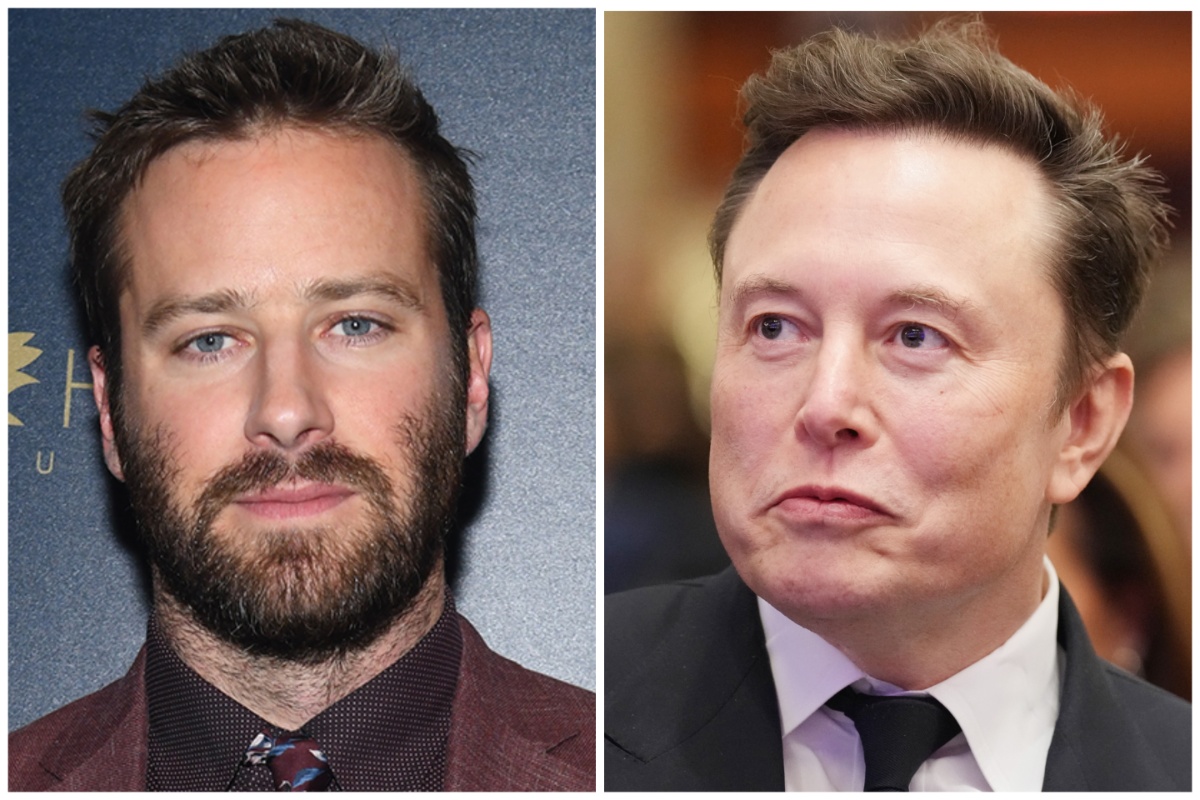
    On June 28, 2026, Elon Musk, the CEO of X, publicly referenced actor Armie Hammer’s new film, ‘Citizen Vigilante,’ on the social media platform. Musk’s post, which did not contain direct promotional links, quickly generated widespread discussion. This action immediately refocused global attention on Hammer’s career, which had been largely inactive since 2021.

    Musk’s specific mention of ‘Citizen Vigilante’ on X has amplified the film’s visibility. It positions the project as a significant moment in Hammer’s professional trajectory, marking a potential return to mainstream acting.

    The Unfolding Narrative: Musk’s Post and Hammer’s Return

    Elon Musk’s post on X has served as an unexpected catalyst for ‘Citizen Vigilante.’ The exact phrasing of Musk’s remarks is under analysis by media outlets and social media users. His involvement brings an unprecedented level of scrutiny and curiosity to the film.

    Armie Hammer’s career entered a period of professional hiatus following a series of highly publicized allegations and controversies that emerged in early 2021. His last major film role prior to this development was in ‘Death on the Nile,’ released in February 2022, though filmed earlier. ‘Citizen Vigilante’ is now prominently featured as his attempt at a professional comeback.

    The Context of Armie Hammer’s Hiatus

    Hammer’s retreat from public life and acting roles began in January 2021. This followed allegations of abuse and non-consensual sexual acts, which he has denied. These claims led to his departure from several high-profile projects, including the film ‘Shotgun Wedding’ and the Paramount+ series ‘The Offer.’

    The actor’s public profile diminished significantly in the subsequent years. Reports in 2022 indicated Hammer was working in other capacities, including timeshare sales in the Cayman Islands. His return to a major acting role in ‘Citizen Vigilante’ signals a deliberate effort to re-engage with the film industry.

    ‘Citizen Vigilante’: Initial Details and Speculation

    As of June 28, 2026, concrete details regarding ‘Citizen Vigilante’ remain limited. The film is confirmed to star Armie Hammer. Its genre is speculated to be a thriller or action-drama, aligning with the

  • Alannah Keyser Fired from ‘Love Island USA’ After N-Word Video Resurfaces

    Alannah Keyser Fired from ‘Love Island USA’ After N-Word Video Resurfaces

    Alannah Keyser, a contestant featured on the reality dating series ‘Love Island USA,’ was removed from the program in June 2026. Her departure was a direct consequence of a video circulating online that depicted Keyser using a racial slur, specifically the N-word.

    The video’s resurfacing prompted immediate public reaction and a swift decision by the show’s production team. Following her termination, Keyser issued a public statement addressing the controversy and apologizing for her actions.

    The Resurfacing Video and Public Reaction

    The video that led to Alannah Keyser’s removal from ‘Love Island USA’ gained traction across social media platforms in early June 2026. The footage showed Keyser in an unspecified setting, audibly using the N-word. The exact date of the video’s original recording was not immediately clear from initial reports.

    Viewers of ‘Love Island USA’ and general social media users quickly condemned Keyser’s language. Calls for her removal from the show intensified rapidly. The public outcry highlighted ongoing discussions about accountability for past actions, particularly for individuals entering the public eye through reality television.

    Social media platforms became a primary arena for these discussions. Hashtags related to Keyser and ‘Love Island USA’ trended, amplifying the demand for a response from the show’s producers. Many users expressed disappointment and anger, emphasizing the offensive nature of the slur.

    ‘Love Island USA’ Producers Respond

    The production team behind ‘Love Island USA’ responded promptly to the controversy surrounding Alannah Keyser. In a statement released to media outlets, the producers confirmed Keyser’s immediate departure from the show. This decision was made to uphold the values and standards associated with the program.

    The statement did not specify the exact date of Keyser’s removal but indicated it occurred shortly after the video gained widespread attention. The show’s swift action was noted by commentators as an example of reality television productions taking decisive steps in response to contestant misconduct.

    This incident is not isolated in the history of reality television. Similar situations have arisen on various programs where contestants’ past or present behaviors have led to their removal. The ‘Love Island’ franchise, both in the USA and its international versions, has previously faced challenges related to contestant conduct.

    Alannah Keyser’s Apology Statement

    Following her removal from ‘Love Island USA,’ Alannah Keyser released a public apology. Her statement was disseminated through her personal social media channels and subsequently reported by various news organizations, including Variety.

    In her apology, Keyser directly addressed the video and her use of the racial slur. She stated, “I am deeply sorry for the pain and offense my past words have caused. I do not support racism, and I am committed to learning and growing from this experience.”

    The statement acknowledged the gravity of her actions and the impact they had on viewers and the broader community. Keyser’s apology was met with mixed reactions online. Some individuals accepted her remorse as genuine, while others remained critical, questioning the sincerity given the context of her actions.

    Public apologies from figures involved in controversies are often scrutinized for their authenticity and completeness. Keyser’s statement became part of this broader public discourse regarding celebrity accountability and the effectiveness of such apologies.

    Broader Context: Racism and Accountability in Media

    The incident involving Alannah Keyser and ‘Love Island USA’ reflects ongoing conversations about racism within media and the entertainment industry. Reality television, in particular, often brings individuals with diverse backgrounds and histories into the public spotlight, sometimes unearthing past behaviors.

    Media organizations and production companies are increasingly expected to address instances of racism and other forms of discrimination directly and decisively. This expectation stems from heightened public awareness and a demand for greater social responsibility from public figures and the platforms that host them.

    The use of racial slurs, regardless of intent or context, is widely recognized as harmful and unacceptable. Educational initiatives and public campaigns continue to raise awareness about the historical and social impact of such language.

    For reality television participants, the transition from private citizen to public personality can be abrupt. This transition often includes intense scrutiny of their digital footprint, including social media posts, videos, and other public records from their past. The Keyser incident underscores the lasting impact of digital content.

    The entertainment industry continues to grapple with how to vet contestants and talent adequately. Balancing privacy concerns with the need to prevent public relations crises and uphold ethical standards remains a complex challenge for producers.

    The ‘Love Island USA’ Franchise and Its Standards

    ‘Love Island USA’ is part of a global franchise known for its dramatic interpersonal relationships and public appeal. The show’s format involves a group of single contestants living in a villa, isolated from the outside world, as they try to find love and win a cash prize.

    The franchise has a history of setting certain conduct standards for its participants. Contestants are typically expected to maintain a positive public image and adhere to guidelines that promote respect and inclusivity. Violations of these standards can lead to disciplinary action, including removal from the show.

    The quick action taken by ‘Love Island USA’ producers in Keyser’s case aligns with a trend in reality television to address controversies proactively. This approach aims to protect the show’s brand integrity and maintain viewer trust.

    The incident reinforces the idea that participation in high-profile reality television comes with significant public responsibility. The audience’s role in holding contestants accountable through social media has also grown substantially, influencing production decisions.

    Ultimately, the episode serves as a reminder of the continuous effort required to foster inclusive environments in media. It also highlights the powerful role of public opinion in shaping the landscape of reality television and celebrity culture.

    Public figures face increased scrutiny. Production companies navigate complex ethical dilemmas. Viewers demand accountability.

    The consequences endure.

  • Alannah Keyser Fired from ‘Love Island USA’ After Racial Slur Controversy

    Alannah Keyser Fired from ‘Love Island USA’ After Racial Slur Controversy

    Alannah Keyser was fired from the reality television series ‘Love Island USA’ in June 2026 after videos showing her using a racial slur resurfaced on social media platforms. The incident led to immediate public condemnation and a swift response from the show’s producers, resulting in her removal from the ongoing season.

    The controversy surrounding Keyser emerged as the current season of ‘Love Island USA’ was underway. Social media users discovered and widely shared old video clips featuring Keyser uttering the offensive term. These videos rapidly gained traction across platforms like X (formerly Twitter) and TikTok.

    The Emergence of the Resurfaced Videos

    The videos featuring Alannah Keyser began circulating online in mid-June 2026. The exact origin point of the clips remains unclear, but they quickly spread across various social media channels. Viewers and fans of ‘Love Island USA’ were among the first to amplify the content, demanding action from the show’s producers.

    The clips showed Keyser in what appeared to be casual settings, using a racial slur during conversations. The context of these videos, including when and where they were filmed, was not immediately detailed in initial reports. However, their content was sufficient to ignite a significant public backlash.

    Public Reaction and Calls for Accountability

    Upon the videos’ widespread dissemination, public reaction was swift and largely negative. Social media users expressed outrage, disappointment, and calls for accountability. Many pointed to the historical and social implications of the language used by Keyser.

    Comment sections and trending topics on platforms like X were flooded with discussions. Users emphasized the responsibility of public figures and reality television contestants to uphold certain standards of conduct. The sentiment was that such language was unacceptable, regardless of when the videos were originally recorded.

    Advocacy groups and cultural commentators also weighed in. They highlighted the broader issue of racial insensitivity and the need for greater awareness, particularly among individuals who gain public platforms through entertainment.

    ‘Love Island USA’ Production Responds

    The producers of ‘Love Island USA’ acknowledged the controversy within hours of the videos gaining significant traction. Public pressure mounted for a decisive response to the situation involving Alannah Keyser. The show, known for its rapid production schedule and responsiveness to public sentiment, acted quickly.

    A statement was released by the show’s official channels, confirming Keyser’s removal from the series. The statement typically cited a commitment to fostering an inclusive and respectful environment. This type of response aligns with previous incidents across various reality television franchises where contestants have been removed due to past controversial behavior or statements.

    Immediate Impact on the Show

    Alannah Keyser’s departure had an immediate impact on the ongoing season of ‘Love Island USA’. Her storyline, which had been developing on screen, was abruptly cut short. The show’s editing team likely had to adjust future episodes to account for her absence, potentially affecting narrative arcs and character interactions.

    The incident also served as a reminder to current and future contestants about the scrutiny that comes with reality television fame. Digital footprints, including past social media posts and videos, are often subject to intense public review once an individual enters the public eye.

    Broader Implications for Reality Television

    The removal of Alannah Keyser from ‘Love Island USA’ is not an isolated incident within the realm of reality television. Over recent years, numerous contestants across various shows have faced similar consequences for past actions or statements that resurfaced during their time in the spotlight.

    This trend underscores a growing expectation from audiences for authenticity and accountability from public figures. Reality television, in particular, often promotes a narrative of relatability, and controversies like Keyser’s challenge that perception when past behavior contradicts presented personas.

    The Role of Social Media in Accountability

    Social media platforms play a critical role in these accountability processes. They serve as archives of personal histories and as powerful tools for collective scrutiny. What might have once remained obscure can now be widely disseminated within minutes, leading to rapid public discourse and demands for consequences.

    For production companies, this means an increased need for thorough vetting processes for contestants. Background checks often extend beyond criminal records to include extensive social media audits. However, as the Keyser incident demonstrates, not all past content is easily discoverable or preventable from resurfacing.

    The power dynamics shift with social media. Audiences, empowered by direct communication channels, can directly influence production decisions. This dynamic creates a more immediate feedback loop between viewers and content creators, often accelerating responses to controversies.

    Previous Incidents on ‘Love Island’ and Other Shows

    The ‘Love Island’ franchise, both in the USA and its international counterparts, has encountered similar issues before. Contestants have been removed or faced criticism for various reasons, including bullying, offensive comments, or problematic past online activity. These precedents establish a clear pattern of zero tolerance for certain behaviors once they come to light.

    Beyond ‘Love Island’, shows like ‘Big Brother’, ‘Vanderpump Rules’, and ‘The Bachelor’ franchise have also seen cast members removed or face significant backlash for similar controversies. These incidents collectively contribute to a broader industry standard regarding contestant conduct and public image.

    Vetting Processes Under Scrutiny

    Following incidents like Keyser’s, the vetting processes employed by reality TV productions often come under renewed scrutiny. Questions arise about the depth of background checks and social media history reviews conducted prior to casting. Producers are tasked with balancing the desire for diverse and compelling personalities with the need to avoid potential public relations crises.

    The challenge lies in the sheer volume of digital content created by individuals over years. Even with sophisticated tools, comprehensive reviews can miss certain elements. Furthermore, what constitutes an ‘acceptable’ past can be a subjective and evolving standard, influenced by cultural shifts and public opinion.

    The Long-Term Impact on Alannah Keyser

    Alannah Keyser’s firing from ‘Love Island USA’ will likely have significant long-term implications for her public career. Reality television often serves as a launchpad for careers in influencing, modeling, or further media appearances. However, controversies of this nature can severely hinder such prospects.

    Brands and public relations firms typically distance themselves from individuals associated with racial controversies. Future opportunities for endorsements, partnerships, or media engagements may be significantly reduced. The incident becomes a permanent part of her public record.

    Navigating Public Perception Post-Controversy

    Navigating public perception after such a controversy requires a carefully managed strategy. Public apologies, genuine displays of remorse, and demonstrable efforts towards education and growth are often expected. However, even with such efforts, rebuilding a public image can be a prolonged and challenging process.

    The court of public opinion, particularly online, can be unforgiving. The immediate consequence of job loss from ‘Love Island USA’ is often just the beginning of a longer period of professional and personal adjustment for individuals involved in such incidents.

    Conclusion

    Alannah Keyser’s removal from ‘Love Island USA’ in June 2026 underscores the immediate and severe consequences that public figures face for past actions, especially when they involve racial slurs. The incident highlights the power of social media in uncovering and amplifying controversial content, leading to swift demands for accountability.

    Production companies continue to navigate the complexities of casting and vetting in an age where digital footprints are extensive and permanent. Audiences expect transparency. Productions deliver consequences. The cycle continues.

    Public figures are held to account. Media companies respond. Social media users demand. Accountability.

  • Karl Stefanovic’s Nine Exit – The ‘Independent’ Aftermath

    Karl Stefanovic’s Nine Exit – The ‘Independent’ Aftermath

    Australian television personality Karl Stefanovic publicly addressed his 2026 exit from Nine Entertainment, describing himself as ‘free’ and ‘truly independent.’ This declaration followed a controversy involving a podcast featuring Tommy Robinson. His departure marked the end of a long tenure with the media conglomerate, initiating a new phase of his career outside traditional network structures.

    Stefanovic’s production company, The Dream Chasers, was involved in the creation of the podcast that featured Robinson. This association generated significant public discussion. It ultimately contributed to the professional separation between Stefanovic and Nine Entertainment. The implications of this split extend beyond individual careers, touching upon broader themes of media independence and content creation.

    The Genesis of the Controversy: A Divisive Podcast

    The controversy originated with a podcast produced by The Dream Chasers, Karl Stefanovic’s independent production company. This podcast featured Tommy Robinson, a figure known for his activism and often divisive public statements. The decision to host Robinson on a platform associated with Stefanovic, a prominent mainstream media figure, quickly drew attention.

    Who is Tommy Robinson?

    Tommy Robinson, whose real name is Stephen Yaxley-Lennon, has been a central figure in various political and social debates. He co-founded the English Defence League. His appearance on a podcast linked to a major Australian media personality sparked immediate public and internal reactions. Media watchdogs and public commentators raised questions about the appropriateness of the platform given Robinson’s history and views.

    Nine Entertainment’s Dilemma

    Nine Entertainment, one of Australia’s largest media companies, found itself in a difficult position. Karl Stefanovic was a high-profile employee, best known for his role on the network’s flagship breakfast program, Today. The association of one of its leading presenters with such content presented a challenge to the network’s public image and editorial policies.

    Internal discussions at Nine Entertainment reportedly commenced soon after the podcast gained traction. The network’s leadership had to weigh its relationship with a star presenter against potential brand damage and public criticism. The situation underscored the evolving landscape of media production and the blurred lines between personal projects and corporate affiliations in the digital age.

    Nine Entertainment’s Stance and Stefanovic’s Departure

    Nine Entertainment maintained a public stance of distance from the controversial podcast. The network emphasized that the podcast was an independent production by The Dream Chasers and not a Nine Entertainment product. This clarification aimed to mitigate the public backlash directed at the network itself.

    Mounting Pressure and Public Scrutiny

    Despite these efforts, the pressure mounted. The public conversation often linked Stefanovic’s actions directly to his employer, given his prominent role. This created an untenable situation for both the presenter and the network. Social media amplified the discussions, drawing widespread attention to the issue.

    Official Confirmation of Departure

    In early 2026, Nine Entertainment officially confirmed Karl Stefanovic’s departure as an employee. The official statements from the network indicated an amicable separation, though the underlying reasons were widely understood to be connected to the Robinson podcast. The network acknowledged Stefanovic’s contributions over many years, including his significant role in the success of the Today show.

    Stefanovic himself remained largely silent during the initial phase of the separation. This period of quiet allowed for speculation to build, further intensifying public interest in the matter. His eventual public comments provided the first direct insight into his perspective on the events.

    The ‘Free’ and ‘Truly Independent’ Declaration

    Following his official exit from Nine Entertainment, Karl Stefanovic chose a public forum to articulate his new professional status. He declared himself ‘free’ and ‘truly independent,’ terms that resonated with many observers of the media industry. These statements marked a clear break from his previous corporate affiliations.

    Breaking from Corporate Constraints

    The declaration suggested a desire to operate without the constraints often associated with large media organizations. For years, Stefanovic had been a fixture of Australian mainstream television, subject to network policies, editorial oversight, and corporate image management. His new position implied a liberation from these structures.

    This sentiment of independence aligns with a broader trend in media. Creators increasingly seek direct engagement with audiences. Podcasts, independent production companies, and direct-to-consumer platforms offer alternatives to traditional broadcasting models. Stefanovic’s move can be seen as an embrace of these new paradigms, favoring direct creator-to-audience relationships.

    Reframing the Narrative

    His comments also hinted at a personal vindication. The controversy and subsequent departure could have been perceived as a professional setback. By framing his new status as one of freedom, Stefanovic reframed the narrative. He presented the outcome as a conscious choice towards greater autonomy rather than a forced exit. This strategic communication shifted public perception of his career trajectory.

    The Dream Chasers: An Independent Venture

    The Dream Chasers, Karl Stefanovic’s production company, played a pivotal role in these events. Established as an independent entity, it provided the vehicle for the controversial podcast. This company represents Stefanovic’s entrepreneurial ambitions outside his network duties.

    Mission and Content Strategy

    The company’s mission, as suggested by its name, appears to be focused on producing content that may not fit within traditional media frameworks. This flexibility allows for exploration of topics and guests that might be deemed too risky or unconventional for mainstream broadcasters. The Dream Chasers aims to push boundaries within the media landscape.

    Blurred Lines: Personal Brand vs. Corporate Brand

    The incident highlighted the complexities when a high-profile employee of a major network also operates an independent production company. The lines between personal brand and corporate brand can become blurred, leading to situations like the one that unfolded with Nine Entertainment. This scenario raises questions about media ethics and corporate responsibility.

    Future of The Dream Chasers

    Moving forward, The Dream Chasers is expected to be the primary platform for Stefanovic’s content creation. His declared independence suggests a focus on developing projects through this entity. These projects will be free from the direct oversight of a media conglomerate. This shift could lead to a more diverse range of content from the presenter, catering to specific niche audiences.

    Implications for the Australian Media Landscape

    Karl Stefanovic’s departure from Nine Entertainment and his subsequent declaration of independence carry broader implications for the Australian media landscape. It underscores the ongoing fragmentation of media consumption and production.

    Rise of Independent Creators

    The incident reflects a growing trend where established media personalities leverage their public profiles to launch independent ventures. These ventures often bypass traditional gatekeepers. This shift is driven by technological advancements, such as podcasting and streaming platforms, which lower the barriers to entry for content creation and distribution.

    Challenges for Traditional Media

    For traditional media organizations like Nine Entertainment, the situation presents a challenge. They must navigate how to retain talent while also managing brand reputation and editorial guidelines in an increasingly complex media environment. The balance between allowing creative freedom and maintaining corporate standards becomes more delicate.

    Audience Engagement and Trust

    The controversy also highlighted the evolving nature of audience engagement and trust. Viewers and listeners are increasingly discerning about their news and entertainment sources. They are often willing to follow personalities to independent platforms, especially if they perceive those platforms as offering more authentic or unfiltered content. The incident with Stefanovic and Robinson illustrated the power of public opinion in shaping media careers.

    The Future of Media Personalities

    The trajectory of Karl Stefanovic’s career post-Nine Entertainment will serve as a case study for other high-profile media personalities contemplating similar independent paths. His success or challenges in this new phase will provide valuable insights into the viability of truly independent media careers in Australia. It will also indicate how audiences respond to content produced outside traditional media structures. The media landscape continues its rapid evolution.