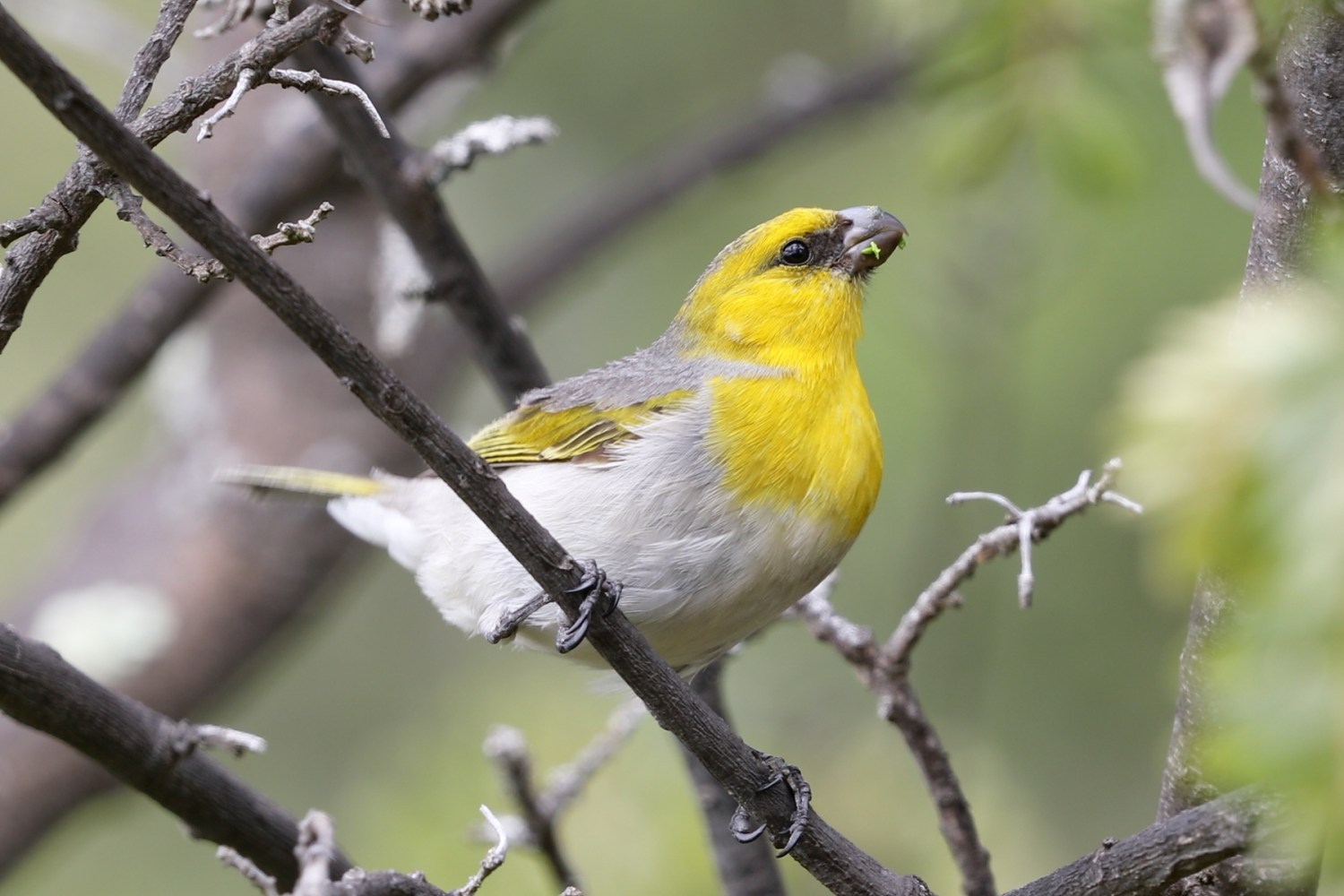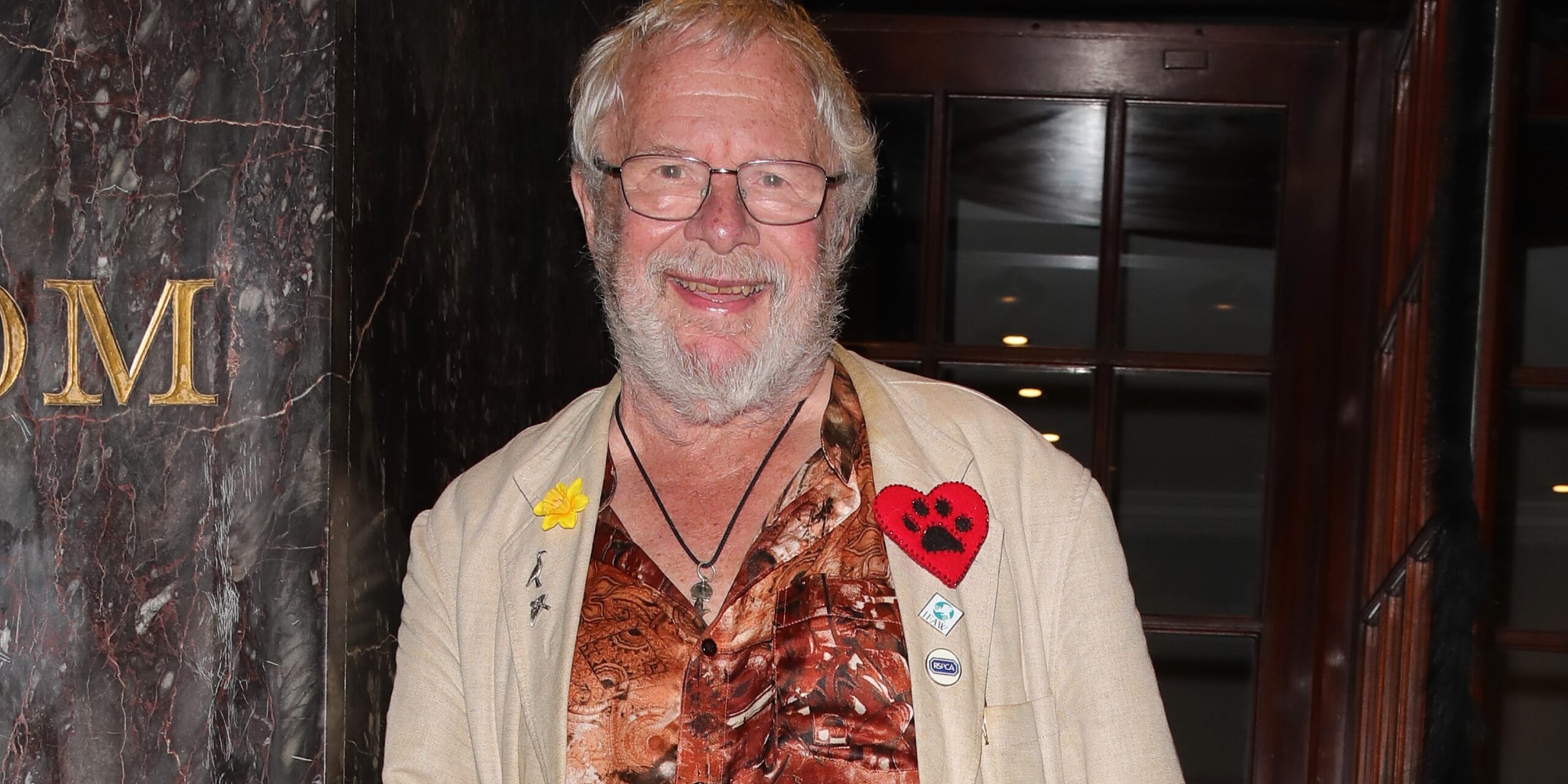
Bill Oddie, the esteemed British television presenter, musician, comedian, and dedicated birdwatcher, has died at the age of 85. His passing on July 25, 2026, marks the end of a remarkable career that blended surreal comedy with a deep passion for natural history, making him a beloved figure across multiple generations in the United Kingdom and beyond.
Oddie’s public life spanned over six decades. He was a familiar face on British television screens, first as a comedic innovator and later as a passionate advocate for the natural world. His distinctive style, characterized by enthusiasm and a touch of eccentricity, endeared him to millions.
Early Life and Education
William Edgar Oddie was born on July 7, 1941, in Rochdale, Lancashire, England. His early years were shaped by the post-war era. The family later moved to Birmingham, where Oddie developed a keen interest in nature, particularly birds. This early fascination would become a defining characteristic of his public persona and private life.
Oddie attended King Edward’s School in Birmingham. His academic path led him to Pembroke College, Cambridge, in 1960. It was at Cambridge University that his comedic talents began to flourish. He became an integral part of the Footlights Revue, a breeding ground for many future stars of British comedy.
The Cambridge Footlights provided a platform for Oddie to collaborate with other emerging talents. His contemporaries included Tim Brooke-Taylor and Graeme Garden, who would later become his co-stars in one of Britain’s most iconic comedy shows. This period was crucial for developing his unique comedic voice, which often incorporated musical elements and observational humor.
The Rise of a Comedian: From ‘I’m Sorry, I’ll Read That Again’ to ‘The Goodies’
After graduating from Cambridge, Oddie quickly established himself in the burgeoning British comedy scene. He contributed to and performed in several radio shows, most notably the BBC Radio 4 satirical sketch show, ‘I’m Sorry, I’ll Read That Again.’
This radio program, which ran from 1964 to 1973, showcased Oddie’s versatility as a writer and performer. He worked alongside Brooke-Taylor and Garden, further solidifying their creative partnership. The show’s success laid the groundwork for their transition to television.
The trio’s most significant collaborative achievement arrived in 1970 with the premiere of ‘The Goodies.’ This surreal sketch comedy series, which aired on BBC Two, quickly became a cultural phenomenon. ‘The Goodies’ was known for its anarchic humor, elaborate stunts, and catchy musical numbers, many of which were written and performed by Oddie.
The show often featured the three characters (played by Oddie, Brooke-Taylor, and Garden) undertaking absurd missions, from saving a giant kitten to building a rocket to the moon. Oddie’s character was often depicted as the more eccentric and animal-loving member of the group, a trait that resonated with his real-life passions. ‘The Goodies’ ran for 12 seasons, concluding in 1982, and garnered a loyal following both in the UK and internationally.
Musical Contributions to Comedy
Bill Oddie’s musical talent was a cornerstone of ‘The Goodies.’ He composed and performed many of the show’s memorable songs, which often satirized popular music genres of the time. Tracks like ‘Funky Gibbon’ and ‘The Inbetweenies’ became hit singles, demonstrating his ability to blend comedy with genuine musicality.
His contributions extended beyond ‘The Goodies.’ Oddie was also involved in other musical projects, often with a comedic or nature-themed twist. His songs were characterized by clever lyrics and an upbeat, often whimsical, style. This musical aspect distinguished his work from many of his comedic peers.
Transition to Nature Presenter: A Second Career
Following the conclusion of ‘The Goodies,’ Bill Oddie embarked on a highly successful second career as a natural history presenter. This transition was a natural progression, given his lifelong passion for ornithology. He leveraged his public profile and engaging personality to bring the wonders of the natural world into millions of homes.
One of his earliest and most influential nature series was ‘Birding with Bill Oddie,’ which first aired in the late 1980s. This program, and others like it, showcased Oddie’s encyclopedic knowledge of birds and his infectious enthusiasm. He traveled across the UK and to various international locations, sharing his observations and insights with viewers.
Oddie possessed a unique ability to make complex ecological topics accessible and entertaining. He combined scientific accuracy with a conversational, often humorous, presenting style. This approach helped to demystify birdwatching and natural history, encouraging a new generation to engage with the environment.
Prominent Nature Programs
- ‘Birding with Bill Oddie’ (1987-1996): This series established Oddie as a leading voice in British natural history broadcasting.
- ‘Bill Oddie’s Gone Wild’ (2002): Explored wildlife in various British locations.
- ‘Springwatch’ (2005-2008): Oddie became a key presenter for the BBC’s flagship live wildlife series, ‘Springwatch,’ alongside Kate Humble and Simon King. His segments were particularly popular, often featuring his trademark excitement and detailed observations of bird behavior. He also co-presented ‘Autumnwatch’ and ‘Winterwatch.’
- ‘Bill Oddie’s How to Watch Wildlife’ (2009): A practical guide for aspiring naturalists.
His work on ‘Springwatch’ brought him renewed prominence. The live format allowed for spontaneous and often humorous interactions with wildlife, which suited Oddie’s presenting style perfectly. He became synonymous with the program, helping to make it one of the BBC’s most successful nature franchises.
Conservation and Advocacy
Beyond his television work, Bill Oddie was a tireless advocate for bird conservation and environmental protection. He used his platform to raise awareness about habitat loss, climate change, and the importance of preserving biodiversity. Oddie was a patron or supporter of numerous wildlife charities and organizations.
He frequently wrote articles for birdwatching magazines and contributed to books on ornithology. His passion was evident in every aspect of his work, inspiring countless individuals to take up birdwatching and become more environmentally conscious. Oddie often spoke about the therapeutic benefits of connecting with nature, particularly for mental well-being.
His advocacy extended to practical efforts, including participating in surveys and campaigning for the protection of specific bird species and their habitats. Oddie’s influence helped to bring mainstream attention to issues that were once considered niche, integrating environmental concerns into popular culture.
Personal Life and Challenges
Bill Oddie’s personal life was largely kept private, though he occasionally spoke about his experiences with mental health. He was open about his struggles with depression, particularly later in life. His candidness helped to destigmatize mental health issues, encouraging others to seek help and speak openly about their own challenges.
He was married twice. His first marriage was to Jean Hart, with whom he had two daughters, Bonnie and Kate. Kate Oddie followed in her father’s footsteps, pursuing a career in acting and comedy. Oddie later married Laura Beaumont-Gant, a writer and illustrator, in 1983. They had one daughter, Rosie.
Despite his public struggles, Oddie maintained his dedication to his passions. Birdwatching remained a constant source of joy and solace throughout his life, providing a connection to the natural world that he cherished deeply.
Legacy and Impact
Bill Oddie’s legacy is multifaceted. He will be remembered as a pioneering figure in British comedy, whose work with ‘The Goodies’ pushed the boundaries of television humor. His unique blend of surrealism, physical comedy, and musical talent left an indelible mark on the entertainment landscape.
Equally significant is his contribution to natural history broadcasting. Oddie transformed the way wildlife was presented on television, making it accessible, engaging, and inspiring. He brought the beauty and fragility of the natural world into millions of homes, fostering a greater appreciation for biodiversity and conservation.
His influence can be seen in subsequent generations of nature presenters and environmental advocates. Oddie demonstrated that it was possible to combine entertainment with education, proving that serious topics could be conveyed with warmth and humor. His work on programs like ‘Springwatch’ helped to establish a format that continues to thrive today.
Beyond the screen, Oddie’s advocacy for conservation had a tangible impact. He helped to raise funds and awareness for numerous wildlife causes, contributing to the protection of endangered species and vital habitats across the UK and beyond. His voice was a powerful one in the environmental movement.
Tributes poured in from across the entertainment and conservation sectors upon the news of his death. Colleagues remembered his wit, his passion, and his unwavering commitment to both comedy and nature. Fans recalled moments of laughter and inspiration, highlighting the broad appeal of his work.
Bill Oddie’s career was a testament to the power of following one’s passions. From the anarchic humor of ‘The Goodies’ to the quiet observation of a rare bird, he approached every endeavor with characteristic enthusiasm and a genuine desire to connect with his audience. His contributions enriched British culture and left a lasting impact on both comedy and conservation.
Comedians mourned. Naturalists mourned. Audiences mourned.
Bill Oddie.
FAQ
Q: Who was Bill Oddie?
A: Bill Oddie was a British television presenter, comedian, musician, and birdwatcher. He was known for his work in the surreal comedy series “The Goodies” and later became a prominent presenter for BBC nature programs like “Springwatch.”
Q: How old was Bill Oddie when he died?
A: Bill Oddie died at the age of 85 on July 25, 2026.
Q: What were Bill Oddie’s most famous comedy shows?
A: Bill Oddie was most famous for his role in the British sketch comedy series “The Goodies,” which aired from 1970 to 1982. He also contributed to the BBC Radio 4 show “I’m Sorry, I’ll Read That Again.”
Q: What nature programs did Bill Oddie present?
A: Bill Oddie presented several popular nature programs, including “Birding with Bill Oddie,” “Bill Oddie’s Gone Wild,” and was a key presenter for the BBC’s “Springwatch,” “Autumnwatch,” and “Winterwatch” series.
Q: What was Bill Oddie’s impact on conservation?
A: Bill Oddie was a dedicated advocate for bird conservation and environmental protection. He used his public platform to raise awareness about habitat loss and biodiversity, supporting numerous wildlife charities and inspiring many to engage with nature and conservation efforts.