Tag: Conquest

  • Carl Rinsch Sentenced to Prison for Netflix Fraud – Director’s $11M Scam

    Carl Rinsch Sentenced to Prison for Netflix Fraud – Director’s $11M Scam

    The Conviction of Carl Erik Rinsch

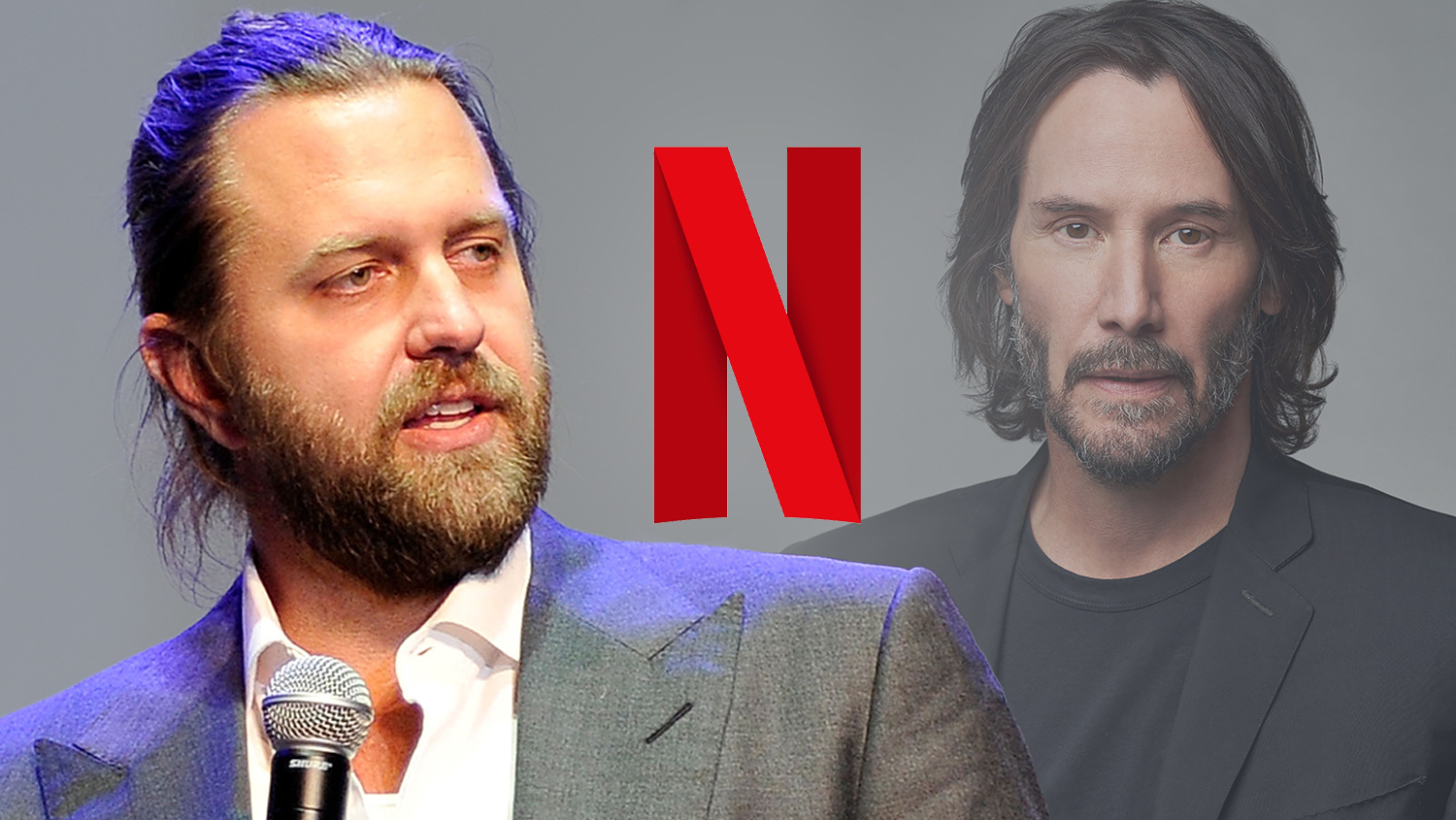
    Director Carl Erik Rinsch received a substantial prison sentence on June 28, 2026, after being found guilty of defrauding Netflix of $11 million. The funds were originally allocated for a science fiction series titled Conquest. Rinsch, instead of using the money for production, diverted it for personal expenditures, including luxury vehicles, expensive watches, and significant investments in cryptocurrency.

    This conviction concludes a multi-year legal battle. The case has drawn considerable attention to financial accountability within the film and television industry. Netflix had initially invested heavily in Rinsch’s vision, only to discover the misappropriation of funds.

    The Genesis of Conquest and Netflix’s Investment

    The project Conquest began with considerable promise. Netflix, seeking to expand its original content, greenlit the ambitious science fiction series. The streaming service had high hopes for Rinsch, who had previously worked on commercials and short films, believing he could deliver a groundbreaking cinematic experience.

    Netflix initially advanced Rinsch $11 million in production funds. This sum was intended to cover pre-production costs, script development, casting, and early visual effects work. The agreement stipulated strict financial oversight, but Rinsch allegedly circumvented these measures.

    The Diversion of Funds: Luxury and Crypto

    Evidence presented during the trial detailed Rinsch’s spending habits. Prosecutors outlined how the $11 million was systematically siphoned away from the production budget. A significant portion of the funds was used to purchase five Rolls-Royce vehicles. These luxury cars were acquired over several months in 2022.

    Additionally, Rinsch invested approximately $4 million of the Netflix funds into Dogecoin, a volatile cryptocurrency. This investment was made during a period of significant fluctuation in the cryptocurrency market. The Dogecoin investment ultimately lost substantial value, exacerbating the financial hole.

    Other personal expenditures included high-end watches and designer clothing. These purchases were made while the production of Conquest stalled. Netflix executives reportedly grew concerned as deadlines were missed and tangible production progress remained minimal.

    The Unraveling of the Scheme

    Netflix’s financial and legal teams initiated an investigation when inconsistencies in Rinsch’s expense reports became apparent. False invoices were allegedly submitted to account for the missing millions. These documents purported to detail legitimate production expenditures, but further scrutiny revealed their fraudulent nature.

    The investigation uncovered a pattern of misrepresentation. Rinsch was accused of providing misleading updates on the series’ progress. He allegedly fabricated production milestones and exaggerated the scope of work completed. This deception was designed to delay Netflix’s discovery of the financial malfeasance.

    Legal Proceedings and Judge Vance’s Condemnation

    The criminal proceedings against Carl Erik Rinsch commenced in late 2025. The trial featured testimony from Netflix executives, financial auditors, and former production staff. Prosecutors meticulously presented evidence of the diverted funds and the elaborate scheme Rinsch employed.

    During the sentencing on June 28, 2026, Judge Eleanor Vance delivered a stern condemnation of Rinsch’s actions. Judge Vance stated that Rinsch engaged in “money laundering and lies.” She emphasized the breach of trust and the significant financial damage inflicted upon Netflix. The judge noted that Rinsch’s actions were premeditated and driven by personal greed, rather than any legitimate production necessity.

    “Mr. Rinsch’s conduct demonstrates a blatant disregard for contractual obligations and a cynical manipulation of the trust placed in him,” Judge Vance remarked. “This was not a mistake; it was a deliberate pattern of money laundering and lies, designed to enrich himself at the expense of his investors.”

    The sentence imposed reflects the severity of the financial fraud. The court aims to send a clear message regarding accountability in the entertainment industry. The exact length of Rinsch’s prison sentence was not immediately disclosed, but it was described as “substantial” by court officials.

    Impact on Netflix and the Entertainment Industry

    The Carl Rinsch fraud case has had several repercussions. For Netflix, it represents a significant financial loss and a cautionary tale regarding due diligence in large-scale production deals. The streaming giant has reportedly implemented stricter financial oversight protocols for its original content projects.

    The incident also highlights the risks associated with investing in unproven talent, even with substantial financial backing. The entertainment industry often relies on trust and creative freedom, but this case underscores the need for robust financial controls.

    The Broader Implications for Production Financing

    This case contributes to ongoing discussions about transparency in film and television financing. Production companies and streaming services are increasingly scrutinizing how advanced funds are managed. The use of third-party auditors and real-time expense tracking systems may become more prevalent.

    The legal outcome serves as a deterrent for others considering similar fraudulent schemes. It reinforces the principle that creative endeavors do not exempt individuals from financial accountability. The industry continues to grapple with balancing artistic freedom with prudent financial management.

    Carl Rinsch’s Career Trajectory

    Before the Conquest controversy, Carl Erik Rinsch was primarily known for his work in commercials. He directed several high-profile advertisements for major brands. His commercial portfolio often showcased a distinct visual style, characterized by sleek aesthetics and ambitious concepts.

    Rinsch had also directed the 2013 film 47 Ronin, starring Keanu Reeves. The film was a critical and commercial disappointment. Despite its large budget, it failed to resonate with audiences, leading to significant losses for Universal Pictures. This previous experience may have influenced Netflix’s initial willingness to give Rinsch another opportunity for a large-scale project, hoping for a creative redemption.

    The Aftermath and Future Outlook

    The conviction of Carl Erik Rinsch closes a chapter on a high-profile fraud case. The legal system has delivered a verdict affirming financial accountability. The $11 million diverted by Rinsch remains a significant loss for Netflix, despite any potential recovery efforts.

    The entertainment industry will continue to adapt to new production models and financing structures. Cases like Rinsch’s serve as reminders of the inherent risks. Vigilance and robust financial safeguards remain critical components of successful content creation in the digital age.

    Projects are reviewed. Contracts are scrutinized. Financial flows are traced. The industry moves forward, with lessons learned.

  • Carl Rinsch Sentenced to 30 Months for Netflix Fraud After Mental Health Pleas

    Carl Rinsch Sentenced to 30 Months for Netflix Fraud After Mental Health Pleas

    Director Carl Rinsch was sentenced to 30 months in federal prison on June 30, 2026. The sentencing followed his conviction on fraud charges. These charges relate to his handling of a $55 million budget provided by Netflix for the science-fiction series ‘Conquest.’ Arguments presented during the proceedings cited Rinsch’s mental health struggles, with actor Keanu Reeves offering support for these claims.

    The legal process concluded after an extensive investigation into the project’s financial disbursements. Rinsch’s defense focused on psychological factors influencing his decisions. The court ultimately determined a custodial sentence was appropriate given the financial irregularities involved.

    The ‘Conquest’ Project and Netflix’s Investment

    Netflix greenlit ‘Conquest’ as a major science-fiction undertaking. The streaming giant committed $55 million to the project. This substantial investment aimed to produce a high-concept series. Carl Rinsch was attached as the director, a role he secured partly due to his previous collaboration with Keanu Reeves.

    The series was intended to be a global production. Locations across multiple continents were scouted. Pre-production began with significant expenditure. Netflix anticipated a groundbreaking visual spectacle.

    Reports indicate that Rinsch received the $55 million in various tranches. These funds were designated for production costs, including crew salaries, equipment rentals, and special effects development. However, the project never progressed beyond early stages of development.

    Allegations of Misappropriation of Funds

    The core of the fraud case involved the alleged misuse of Netflix’s investment. Prosecutors contended that a substantial portion of the $55 million was diverted by Rinsch for personal use. These personal expenditures included luxury items and speculative investments.

    Evidence presented in court detailed purchases of high-end automobiles. Luxury watches and designer clothing were also cited. Furthermore, Rinsch reportedly invested millions in cryptocurrency, experiencing significant losses. These transactions were deemed unrelated to the ‘Conquest’ production budget.

    Netflix initiated an internal review when production stalled and financial discrepancies emerged. This review led to the formal complaint. Federal investigators then launched a full inquiry into Rinsch’s financial activities related to the project.

    Keanu Reeves’ Involvement and Support

    Actor Keanu Reeves played a notable role in the legal proceedings. Reeves had previously worked with Rinsch on other projects, including the 2013 film ’47 Ronin.’ Their professional relationship spanned several years.

    Reeves provided a statement to the court regarding Rinsch’s mental state. He described observations of Rinsch’s behavior over time. The statement aimed to contextualize Rinsch’s actions within a framework of psychological distress.

    The actor’s involvement underscored the gravity of the mental health arguments. His testimony did not dispute the financial facts. Instead, it sought to explain the underlying causes of Rinsch’s conduct. Reeves’s participation highlighted the complex nature of the case.

    The Defense’s Argument: Mental Health Struggles

    Rinsch’s legal defense primarily centered on his deteriorating mental health. Attorneys argued that Rinsch was experiencing a severe psychological breakdown during the period of alleged fraud. They suggested his judgment was significantly impaired.

    Expert witnesses, including psychiatrists, testified on Rinsch’s behalf. They presented assessments detailing conditions such as bipolar disorder and narcissistic personality traits. The defense posited that these conditions contributed to his erratic financial decisions and inability to manage the project effectively.

    The defense team presented extensive medical records. These records aimed to establish a pattern of mental health challenges. The argument was that Rinsch’s actions, while illegal, stemmed from a compromised mental state rather than deliberate malice.

    Court’s Deliberation on Mental Health

    The court acknowledged the evidence of mental health issues. Judge Elaine Thompson presided over the sentencing hearing. She considered the medical reports and expert testimonies carefully.

    However, the court also weighed the substantial financial loss incurred by Netflix. The judge noted the significant amount of money involved. The impact of the fraud on investors and the industry was also a factor.

    Ultimately, the court determined that mental health struggles, while relevant, did not entirely absolve Rinsch of criminal responsibility. The decision aimed to balance the need for accountability with an understanding of mitigating circumstances. A prison sentence was deemed necessary to reflect the seriousness of the financial misconduct.

    Impact on Netflix and Future Productions

    The ‘Conquest’ debacle represents a significant financial loss for Netflix. The $55 million investment yielded no completed series. This incident prompts questions about due diligence in large-scale production funding.

    The case may lead to stricter oversight protocols for Netflix’s future projects. The streaming platform relies on external creators and directors. Ensuring accountability for allocated funds remains paramount.

    The incident also serves as a cautionary tale within the entertainment industry. It highlights the risks associated with high-budget, ambitious projects. The balance between creative freedom and financial responsibility is a constant challenge.

    The Broader Conversation: Accountability in Hollywood

    Carl Rinsch’s sentencing contributes to a larger conversation about accountability in Hollywood. Public figures, including directors and producers, are increasingly scrutinized for their conduct. Financial impropriety carries severe consequences.

    The case also touches upon mental health awareness within demanding industries. The pressures of high-stakes projects can exacerbate existing psychological conditions. Support systems and early intervention are crucial for individuals in such roles.

    This outcome sends a clear message. Financial fraud, regardless of underlying factors, will be met with legal repercussions. The pursuit of justice for corporate and individual victims remains a priority for the legal system.

    Sentencing Details and Future Implications

    Rinsch’s 30-month sentence includes provisions for mental health treatment. The court mandated therapy and counseling during his incarceration. This aspect of the sentence reflects the acknowledgment of his psychological challenges.

    Upon release, Rinsch will face probation. The terms of his probation will include further therapeutic requirements. Financial restitution to Netflix is also a component of the judgment.

    The case sets a precedent for how financial fraud cases are handled when mental health is a significant mitigating factor. It underscores the complexity of such legal battles. The outcome reflects a blend of punitive measures and an attempt at addressing underlying issues.

    Investigators gathered. Lawyers argued. Witnesses testified. Judgment rendered.

    Prison.