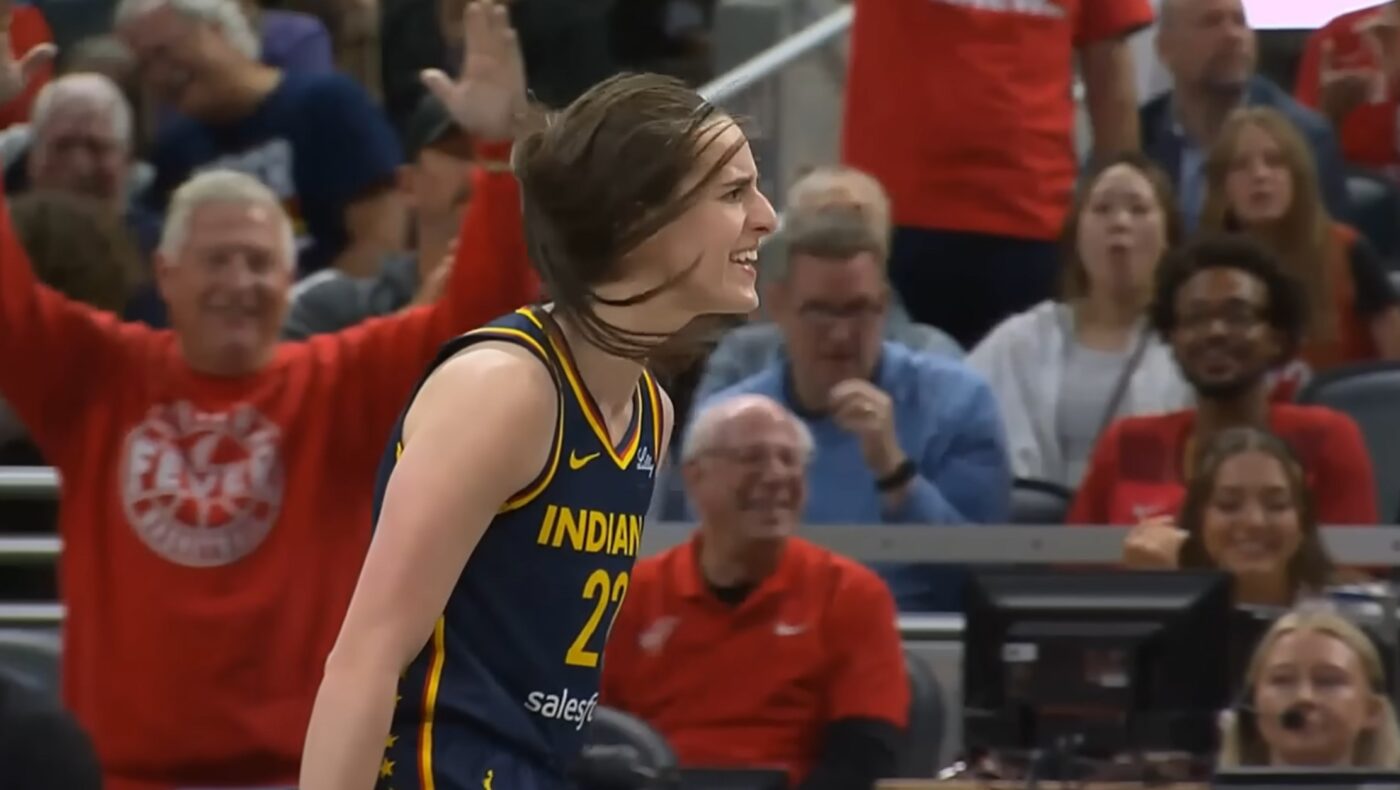
Candace Parker, a three-time WNBA champion and former league MVP, recently voiced strong opinions regarding a WNBA players’ poll. This poll, conducted among active players, controversially ranked Indiana Fever guard Caitlin Clark as the 11th best guard in the league. Parker’s response was direct. She stated that players who voted Clark so low needed therapy to “figure out their childhood issues.” This public commentary has reignited discussions about professional rivalries and player conduct within women’s basketball, drawing attention to underlying psychological factors in competitive environments.
The controversy stems from a perceived disparity between Clark’s public profile and her standing among her peers. Clark entered the WNBA with unprecedented media attention. Her collegiate career at Iowa broke numerous scoring records. She brought a new level of viewership to women’s basketball, generating significant fan engagement and commercial interest.
The Player Poll and Its Aftermath
The WNBA players’ poll has historically served as a barometer of internal league perceptions. Players vote anonymously on various categories, including best players at each position. The results often provide insights into how competitors view each other, offering a unique glimpse into locker room dynamics.
Caitlin Clark’s ranking as the 11th best guard surprised many observers. Her impact on the league, both on and off the court, had been substantial. Her games consistently drew record-breaking television audiences. Merchandise sales featuring her name soared. Yet, the poll suggested a different internal assessment from her peers, prompting questions about the criteria used by voters.
Parker’s comments were not a quiet observation. They were a pointed critique. She implied that the low ranking was less about Clark’s on-court performance and more about underlying personal issues among some voters. This perspective suggested envy or jealousy played a role, challenging the notion of purely objective athletic evaluations.
Parker’s History of Candid Commentary
Candace Parker has a reputation for outspokenness. Throughout her playing career and now in her role as a media analyst, she has not shied away from controversial topics. Her insights are often grounded in her extensive experience as a top-tier athlete, lending weight to her opinions. She played for the Los Angeles Sparks, Chicago Sky, and Las Vegas Aces, securing multiple championships and individual accolades.
Her current remarks align with a pattern of direct communication. Parker has often emphasized the importance of mental fortitude in professional sports. She has also spoken about the pressures faced by athletes, particularly women in high-profile positions. This background provides context for her strong stance on the WNBA poll, positioning her as a voice for athlete well-being.
Parker’s statement resonates with a broader cultural conversation. Professional athletes frequently face scrutiny regarding their emotional responses to competition. The idea that competitive dynamics can expose deeper psychological issues is not new. However, Parker’s direct call for therapy brought this concept to the forefront of sports discourse, normalizing a discussion often avoided in public.
Caitlin Clark’s Rookie Season: A Closer Look
Caitlin Clark’s rookie season in the WNBA has been a whirlwind. She transitioned from college basketball, where she was a dominant force, to the professional ranks. The adjustment period is often challenging for even the most talented players, requiring adaptation to new systems, teammates, and defensive schemes.
Clark’s statistical output during her initial WNBA games showed flashes of her potential. She demonstrated her long-range shooting ability and court vision. However, she also faced increased defensive pressure and physical play, common adjustments for rookies entering a more demanding professional league.
The media spotlight on Clark has been constant. Every game, every shot, and every interaction has been analyzed. This level of attention is unprecedented for a WNBA rookie. It creates unique pressures that few other players have experienced, both on and off the court, impacting personal and professional life.
The Role of Media and Fan Expectations
The media narrative surrounding Clark has often been one of immense expectation. Fans, many new to the WNBA because of Clark, anticipated immediate dominance. This narrative sometimes clashed with the realities of professional sports, where development takes time and success is built incrementally.
The WNBA itself has benefited significantly from Clark’s arrival. Attendance figures have risen across the league. Television ratings have soared, attracting new viewers and sponsors. This commercial success has placed an additional layer of importance on her performance and public image, making her a central figure in the league’s growth.
The player poll results, therefore, can be interpreted in multiple ways. They could reflect genuine assessments of her current professional standing and her initial struggles to adapt. They could also reflect underlying tensions related to her sudden rise to prominence and the attention she commands. Parker’s commentary leaned heavily toward the latter, suggesting a human element beyond pure statistics.
Therapy in Professional Sports: A Growing Acceptance
Parker’s suggestion of therapy highlights a changing landscape in professional sports. Mental health awareness has gained significant traction in recent years. Athletes are increasingly encouraged to seek support for psychological challenges, recognizing that mental well-being is as crucial as physical fitness.
Historically, discussions about mental health in sports were often stigmatized. Athletes were expected to be stoic and resilient, suppressing emotional struggles. This perception has begun to shift. High-profile athletes, including NBA star Kevin Love and Olympic gymnast Simone Biles, have openly discussed their struggles. Their candor has helped normalize seeking professional help, fostering a more supportive environment.
Parker’s call for therapy, while critical in its context, also aligns with this broader movement. It suggests that addressing emotional issues is a legitimate and necessary part of an athlete’s overall well-being. This perspective applies not only to those struggling with diagnosed conditions but also to those navigating complex competitive environments and personal rivalries.
Competitive Dynamics and Player Relationships
Professional sports leagues are inherently competitive. Players are constantly vying for roster spots, playing time, and accolades. This intense environment can foster both camaraderie and rivalry, creating a complex web of relationships.
The WNBA, like other professional leagues, has its own unique player culture. Relationships between players can be complex. They compete fiercely on the court but often share common experiences off it, forming bonds forged through shared challenges. The poll results and Parker’s reaction underscore these intricate dynamics, revealing the human element beneath the professional veneer.
Parker’s use of the phrase “childhood issues” implies a deeper, unresolved psychological component. This suggests that some competitive behaviors might stem from insecurities or past experiences rather than purely objective athletic assessments. Such a perspective encourages introspection among athletes and within the league, prompting a re-evaluation of how rivalries are perceived and managed.
Broader Implications for the WNBA
The controversy surrounding Caitlin Clark and Candace Parker’s comments has broader implications for the WNBA. It brings increased attention to player relations and the league’s public image. The league aims to present a united front while also embracing competitive rivalries, balancing internal dynamics with external perception.
The WNBA has experienced significant growth in recent years, partly due to increased visibility and dynamic personalities. Incidents like the player poll and the subsequent commentary highlight the challenges of managing a rapidly expanding league with diverse personalities and competitive pressures. It underscores the need for ongoing dialogue about player support and mental well-being.
Ultimately, the discussion initiated by Parker contributes to a more nuanced understanding of professional sports. It moves beyond simple win-loss records and delves into the psychological underpinnings of athletic competition. This conversation, while uncomfortable for some, can lead to greater empathy and support for athletes navigating high-pressure careers.
The WNBA continues to evolve. Its players continue to push boundaries. Its narratives continue to captivate audiences.
Basketball.