Tag: Compensation

  • NFL Star Challenges Pat McAfee Over ESPN Layoffs – “Is Everybody Fired To Pay You?”

    NFL Star Challenges Pat McAfee Over ESPN Layoffs – “Is Everybody Fired To Pay You?”

    An unnamed NFL star recently posed a direct challenge to sports media personality Pat McAfee regarding the ongoing layoffs at ESPN. The star’s question, delivered publicly, highlighted a perceived connection between McAfee’s substantial contractual earnings and the job losses experienced by numerous ESPN employees. This public inquiry amplified existing discussions surrounding the financial strategies of major media conglomerates and the compensation structures for high-profile talent.

    The exchange quickly garnered attention across social media platforms and sports news outlets. It brought into sharp relief the difficult balance media companies face between securing top-tier talent and maintaining a stable workforce. The incident serves as a significant marker in the evolving narrative of sports broadcasting economics in 2026.

    The Context of ESPN Layoffs

    ESPN, a subsidiary of The Walt Disney Company, has implemented several rounds of significant layoffs over recent years. These workforce reductions have impacted various departments, including production, editorial, and on-air talent. The stated reasons for these layoffs often cite economic pressures, shifts in consumer viewing habits, and a strategic realignment towards digital platforms.

    In 2023, ESPN announced substantial job cuts affecting hundreds of employees. These reductions were part of a broader cost-cutting initiative across Disney’s entertainment divisions. Further consolidation and workforce adjustments continued into 2024, reflecting a challenging period for traditional media outlets.

    The company has been navigating a complex media landscape characterized by declining cable subscriptions and increasing competition from streaming services. These financial pressures necessitate difficult decisions regarding operational costs and personnel.

    Impact on ESPN Personnel

    The layoffs have led to the departure of many long-tenured and respected individuals. Journalists, producers, and on-air personalities, some with decades of experience at the network, were among those let go. This created a sense of instability and concern among the remaining staff.

    The human cost of these corporate decisions often translates into significant personal and professional disruption for those affected. Many former ESPN employees have publicly shared their experiences, underscoring the emotional and financial toll of job displacement.

    Pat McAfee’s ESPN Deal

    Pat McAfee, a former NFL punter, transitioned into a highly successful career in sports media. His rise to prominence was marked by his engaging personality and unconventional approach to sports commentary. McAfee cultivated a large and dedicated following through his podcast and various media appearances.

    In 2023, McAfee signed a lucrative multi-year deal with ESPN. This agreement brought his popular program, “The Pat McAfee Show,” exclusively to the network. The financial terms of the deal were not officially disclosed but were widely reported to be substantial, reportedly $85 million over five years.

    The acquisition of McAfee was seen as a strategic move by ESPN to attract younger audiences and bolster its presence in the digital sports media space. His show’s integration into ESPN’s programming schedule was a high-profile event.

    Previous Media Engagements

    Before his exclusive ESPN deal, McAfee had established partnerships with other major media entities. He had a notable presence on FanDuel, a prominent sports betting company, and made regular appearances on WWE programming. These earlier ventures showcased his ability to draw significant viewership and engagement.

    His independent production model allowed him considerable creative control and flexibility. The move to ESPN represented a shift towards a more traditional corporate media structure, albeit one that still largely accommodated his unique style.

    The NFL Star’s Public Challenge

    The public challenge to Pat McAfee came from J.J. Watt, a well-known NFL star. The star’s comment was reportedly made on a social media platform, quickly gaining traction and sparking widespread discussion. The directness of the question, “Did they keep anybody, or is everybody fired to pay you?” resonated with many observers.

    This question implied a direct correlation between McAfee’s large contract and the job losses at ESPN. It suggested that the financial resources allocated to securing high-profile talent might be at the expense of other employees’ job security.

    The timing of the comment was particularly impactful, coming amidst ongoing reports of ESPN’s continued workforce adjustments. It tapped into a broader sentiment of frustration regarding corporate priorities and wealth distribution within large organizations.

    Reactions and Interpretations

    The NFL star’s comment elicited a range of reactions. Some praised the star for speaking out and holding a prominent figure accountable. They viewed the question as a legitimate inquiry into the ethics of massive talent contracts during periods of company-wide layoffs.

    Others defended McAfee, arguing that his contract was a reflection of his market value and ability to generate revenue for ESPN. They contended that linking his salary directly to layoffs was an oversimplification of complex corporate financial decisions.

    The incident also highlighted the growing trend of public figures using their platforms to comment on sensitive corporate and economic issues. It underscored the power of social media to amplify such discussions and shape public perception.

    The Broader Debate on Media Economics

    This public exchange is not an isolated incident but rather a symptom of a larger debate concerning the economics of modern media. The traditional broadcast model is undergoing significant transformation, driven by technological advancements and changing consumer behaviors.

    Media companies are grappling with how to remain profitable in an environment where advertising revenue is shifting and subscription models are evolving. The investment in high-profile personalities like Pat McAfee is often seen as a strategy to secure exclusive content and attract new subscribers to streaming platforms.

    However, this strategy also raises questions about sustainability and equity. The perceived disparity between the compensation of top-tier talent and the job security of other employees can create internal tensions and public backlash.

    Talent Compensation vs. Workforce Stability

    The discussion often revolves around the perceived trade-off between investing heavily in star talent and maintaining a stable, well-compensated workforce. Companies argue that securing popular personalities is essential for competitive advantage and revenue generation.

    Critics, however, contend that such large contracts, especially during periods of layoffs, demonstrate a prioritization of short-term gains and celebrity appeal over the welfare of long-serving employees. This tension is not unique to ESPN or the sports media industry but is prevalent across many sectors of the entertainment and technology industries.

    The Role of Social Media in Accountability

    Social media platforms played a crucial role in the dissemination and amplification of the NFL star’s comment. These platforms provide a direct channel for public figures to voice opinions and for the public to engage with those opinions instantaneously. This direct interaction bypasses traditional media filters and can quickly shape narratives.

    The ability for a single tweet or post to ignite a national conversation underscores the power of these digital spaces. It also places a greater onus on public figures to consider the implications of their statements.

    For companies like ESPN, social media serves as a barometer of public sentiment. Negative reactions or criticisms, when widely shared, can impact brand perception and necessitate public responses or clarifications.

    Future Implications for Media Personalities

    The incident may prompt other media personalities and their employers to consider the optics of their contracts and public statements more carefully. In an era of increased scrutiny, the perceived connection between high salaries and job losses can be a potent source of criticism.

    It may also encourage more public figures to use their platforms to address corporate accountability. The willingness of an NFL star to challenge a prominent media personality on such a sensitive issue signals a growing trend of direct engagement on economic and ethical matters.

    The ongoing discussions about media economics, talent compensation, and corporate responsibility will likely continue to evolve. The public challenge to Pat McAfee serves as a potent reminder of the complexities and sensitivities involved in these issues.

    The sports world, the media industry, and the public watched.

    The questions remained.

    The debate continued.

    The financial realities persisted.

    ESPN.


  • WGA Sues to Block Paramount-Warner Bros. Discovery Merger

    WGA Sues to Block Paramount-Warner Bros. Discovery Merger

    The Writers Guild of America Files Lawsuit

    The Writers Guild of America (WGA) has filed a lawsuit seeking to block the proposed merger between Paramount Global and Warner Bros. Discovery. This legal action, initiated in 2026, stems from significant concerns that the consolidation of these two major media entities would detrimentally affect writers’ compensation and employment opportunities across the entertainment industry.

    The WGA’s filing argues that a combined Paramount-Warner Bros. Discovery would create an anti-competitive environment. Such a merger, the Guild contends, would grant the new entity undue market power, enabling it to dictate terms that are less favorable to writers.

    Concerns Over Market Concentration

    The core of the WGA’s argument centers on market concentration. If Paramount Global and Warner Bros. Discovery merge, the number of major buyers for screenplays and television scripts would decrease. This reduction in competition, the WGA asserts, would directly translate into diminished bargaining power for individual writers and the Guild as a whole.

    Historically, a diverse marketplace with multiple studios and distributors has offered writers more options and leverage. The WGA fears that a more concentrated market would allow the merged company to suppress wages and impose less favorable working conditions without significant pushback.

    Impact on Writer Compensation

    A primary concern for the WGA is the potential for reduced writer pay. The Guild’s lawsuit details how a consolidated entity could exert greater control over the rates paid for scripts, series development, and residuals. With fewer studios competing for talent, the pressure to offer competitive compensation packages would lessen.

    This concern is particularly acute for mid-career and emerging writers, who often rely on a competitive market to secure viable projects and fair compensation. The WGA argues that such a scenario could lead to a significant decline in the overall economic well-being of its members.

    Fewer Opportunities for Writers

    Beyond compensation, the WGA’s lawsuit also highlights the risk of fewer job opportunities. Mergers often result in redundancies, not only in corporate structures but also in creative development departments. A combined studio might streamline its content slate, leading to fewer greenlit projects and, consequently, fewer writing assignments.

    This reduction in opportunities could disproportionately affect diverse voices and niche genres, as a larger, more risk-averse entity might prioritize broad appeal projects. The WGA emphasizes that a healthy industry requires a constant influx of new stories and perspectives, which depends on a robust and accessible marketplace for writers.

    The Broader Landscape of Hollywood Mergers

    The WGA’s legal challenge is not an isolated incident but rather a reflection of ongoing anxieties within Hollywood regarding corporate consolidation. The entertainment industry has seen a series of high-profile mergers and acquisitions in recent years, each raising similar questions about market power, competition, and the impact on creative talent.

    Past mergers, such as Disney’s acquisition of 21st Century Fox, have demonstrated the potential for significant shifts in industry dynamics. While proponents argue that such mergers create efficiencies and enable greater investment in content, critics often point to the negative consequences for labor and independent creators.

    Regulatory Scrutiny of Media Mergers

    The proposed Paramount-Warner Bros. Discovery merger is likely to face intense scrutiny from regulatory bodies. Antitrust concerns are central to such reviews, with regulators assessing whether a merger would substantially lessen competition or create a monopoly in any market segment.

    The WGA’s lawsuit provides regulators with a detailed account of how the merger could specifically harm creative labor. This input can be crucial in shaping the regulatory response, potentially leading to conditions being placed on the merger or, in some cases, outright blocking it.

    The WGA’s History of Advocacy

    The Writers Guild of America has a long history of advocating for its members’ rights and interests. The Guild has been instrumental in securing fair wages, residuals, and working conditions for screenwriters and television writers through collective bargaining and, when necessary, legal action.

    The current lawsuit against the Paramount-Warner Bros. Discovery merger aligns with the WGA’s established mission to protect the economic and creative livelihoods of writers. The Guild views this legal challenge as a crucial step in preventing a significant setback for its members and the broader writing community.

    Previous Labor Disputes

    The WGA has engaged in significant labor disputes in recent history, including major strikes. These actions have often centered on issues of compensation, streaming residuals, and the overall economic model of the entertainment industry. The current lawsuit can be seen as an extension of these ongoing efforts to ensure writers receive fair value for their work in an evolving media landscape.

    The legal strategy employed by the WGA in this case draws upon precedents and arguments developed during previous negotiations and disputes, aiming to demonstrate a clear pattern of potential harm to workers from unchecked corporate power.

    Potential Outcomes of the Lawsuit

    The WGA’s lawsuit could lead to several outcomes. The courts might issue an injunction to halt the merger, pending further review or resolution of the Guild’s concerns. Alternatively, the lawsuit could prompt the merging companies to negotiate concessions with the WGA, addressing some of their demands regarding writer compensation and opportunities.

    A less favorable outcome for the WGA would be the court dismissing the lawsuit, allowing the merger to proceed without specific protections for writers. However, even in such a scenario, the lawsuit serves to highlight the issues and could influence public opinion and future regulatory actions.

    Implications for the Entertainment Industry

    The outcome of this lawsuit will have significant implications for the entertainment industry as a whole. A successful challenge by the WGA could set a precedent for other labor unions to intervene in major corporate mergers, asserting the rights of creative professionals in an increasingly consolidated market.

    Conversely, if the merger proceeds despite the WGA’s objections, it could signal a weakening of labor’s ability to influence large-scale corporate decisions, potentially emboldening further consolidation efforts by media giants.

    The Future of Content Creation

    The debate surrounding the Paramount-Warner Bros. Discovery merger and the WGA’s lawsuit touches upon the fundamental question of who controls the creation and distribution of stories. The WGA argues that a highly concentrated industry risks stifling creativity and reducing the diversity of voices.

    The Guild’s vision is one where writers have fair compensation and ample opportunities, leading to a richer and more varied content landscape for audiences. The lawsuit is a direct challenge to the idea that corporate efficiency should supersede the well-being of the creative talent that fuels the industry.

    Writers organize. Unions litigate. Industries consolidate.

    Hollywood.

  • Jermaine Dupri Sues Sony Music for $18 Million Over Unpaid Royalties

    Jermaine Dupri Sues Sony Music for $18 Million Over Unpaid Royalties

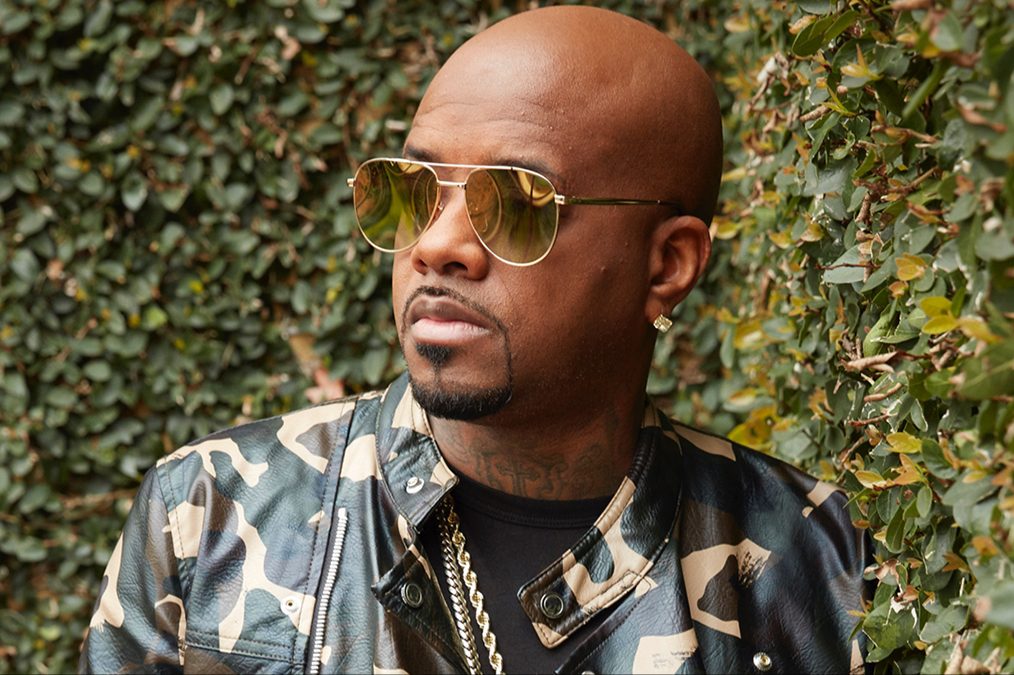
    Jermaine Dupri, the Grammy Award-winning producer and songwriter, has filed an $18 million lawsuit against Sony Music. The legal action, reported on July 7, 2026, centers on claims of unpaid royalties stemming from his extensive catalog of work with prominent artists, including global superstars Mariah Carey and Usher. This dispute brings to light persistent issues surrounding artist and producer compensation within the major record label system.

    The lawsuit was filed in a United States district court. Specific details of the filing were not immediately made public. Industry observers anticipate a protracted legal battle over contract interpretation and accounting practices.

    The Core of the Dispute: Unpaid Royalties

    The legal complaint from Jermaine Dupri alleges that Sony Music has withheld a substantial amount of royalties. These royalties are reportedly due from his contributions to numerous hit songs and albums. Dupri’s career spans decades, marked by significant creative and commercial success.

    His work with Mariah Carey includes co-writing and producing tracks like “We Belong Together” and “Always Be My Baby.” These songs achieved immense commercial success globally. Dupri also played a pivotal role in Usher’s career, producing chart-topping hits such as “Burn” and “Confessions Part II.”

    The suit claims that despite the commercial success of these records, Dupri has not received his contractually obligated share of earnings. This includes royalties from various revenue streams, such as physical sales, digital downloads, streaming, and licensing.

    A History of Collaboration and Success

    Jermaine Dupri’s relationship with Sony Music and its various imprints has been long-standing. He founded So So Def Recordings in 1993, an imprint distributed by Columbia Records, a subsidiary of Sony Music.

    Through So So Def, Dupri discovered and cultivated talent. Artists like Kris Kross, Xscape, and Bow Wow achieved multi-platinum success under his guidance. His production credits extend beyond his own label roster, encompassing a wide array of artists across different Sony-affiliated labels.

    His collaboration with Mariah Carey intensified in the mid-1990s. Dupri was instrumental in her career resurgence in the 2000s, particularly with her critically acclaimed and commercially successful album The Emancipation of Mimi (2005). This album featured several Dupri productions, including the record-breaking single “We Belong Together.”

    Similarly, Dupri’s work with Usher proved transformational. The album Confessions (2004), largely produced by Dupri and his team, became one of the best-selling albums of the 21st century. It solidified Usher’s status as a global R&B icon.

    Industry Precedent and Producer Rights

    This lawsuit is not an isolated incident within the music industry. Disputes over royalty payments between artists, producers, and labels are common. Many creators allege opaque accounting practices and unfair contractual terms.

    Producers, in particular, often face challenges in securing their due compensation. Their contributions are fundamental to a song’s success. However, their royalty structures can be complex and sometimes less favorable than those of the primary recording artist.

    In recent years, there has been a growing movement among producers and songwriters to advocate for greater transparency and fairer terms. Organizations like the Recording Academy have initiated discussions on these issues. The goal is to ensure creators are properly compensated for their intellectual property.

    The digital age has further complicated royalty calculations. Streaming services, while expanding global reach, have introduced new revenue models. These models require complex allocation of royalties to numerous rights holders.

    The Financial Implications

    The $18 million figure cited in Dupri’s lawsuit represents a substantial claim. It reflects the potential magnitude of alleged underpayments over an extended period. This amount could encompass years of back royalties, interest, and potentially damages.

    For Sony Music, a major player in the global music industry, such a lawsuit carries reputational and financial risks. While multi-million dollar lawsuits are not uncommon for large corporations, this case involves a highly respected and influential producer. His public challenge could encourage other creators to scrutinize their own royalty statements.

    The outcome of this case could set a precedent. It might influence how major labels structure their agreements with producers and artists in the future. It could also lead to increased scrutiny of accounting practices across the industry.

    What Happens Next?

    Following the filing of the lawsuit, Sony Music will likely be served with the legal documents. The company will then have a period to respond to the allegations. This response could involve denying the claims, filing counter-claims, or seeking a settlement.

    Legal proceedings in such cases can be lengthy. They often involve extensive discovery, where both parties exchange information and evidence. Negotiations for an out-of-court settlement are also common. These negotiations aim to avoid the costs and uncertainties of a full trial.

    As of July 7, 2026, Sony Music has not issued a public statement regarding the lawsuit. The music industry will be closely watching the developments of this high-profile case. It highlights the ongoing struggle for equitable compensation in the creative economy.

    The Broader Impact on Music Rights

    This legal action by Jermaine Dupri is part of a larger narrative within the music industry. Creators are increasingly asserting their rights and challenging established norms. The digital transformation of music distribution has shifted power dynamics. Artists and producers now have more tools to track their consumption and revenue.

    The push for greater transparency is a consistent theme. Many artists feel that the complex nature of royalty statements makes it difficult to verify payments. Legal actions like Dupri’s aim to simplify these processes and hold labels accountable.

    Furthermore, the value of catalog music has surged in recent years. Older hits, like those produced by Dupri, continue to generate significant revenue through streaming and sync licensing. Ensuring fair compensation for these evergreen assets is a critical concern for creators.

    The dispute also touches upon the concept of intellectual property ownership. Producers often contribute significantly to the creative and commercial value of a musical work. Their rights to a fair share of the proceeds are central to these legal battles.

    Artists challenged. Producers challenged. Labels challenged. Accountability.