Tag: Comedians

  • Leslie Jones’ SNL Frustration: Typecast as ‘Angry and Beating Up People’

    Leslie Jones’ SNL Frustration: Typecast as ‘Angry and Beating Up People’

    Leslie Jones’ ‘SNL’ Experience: A Story of Creative Constraint

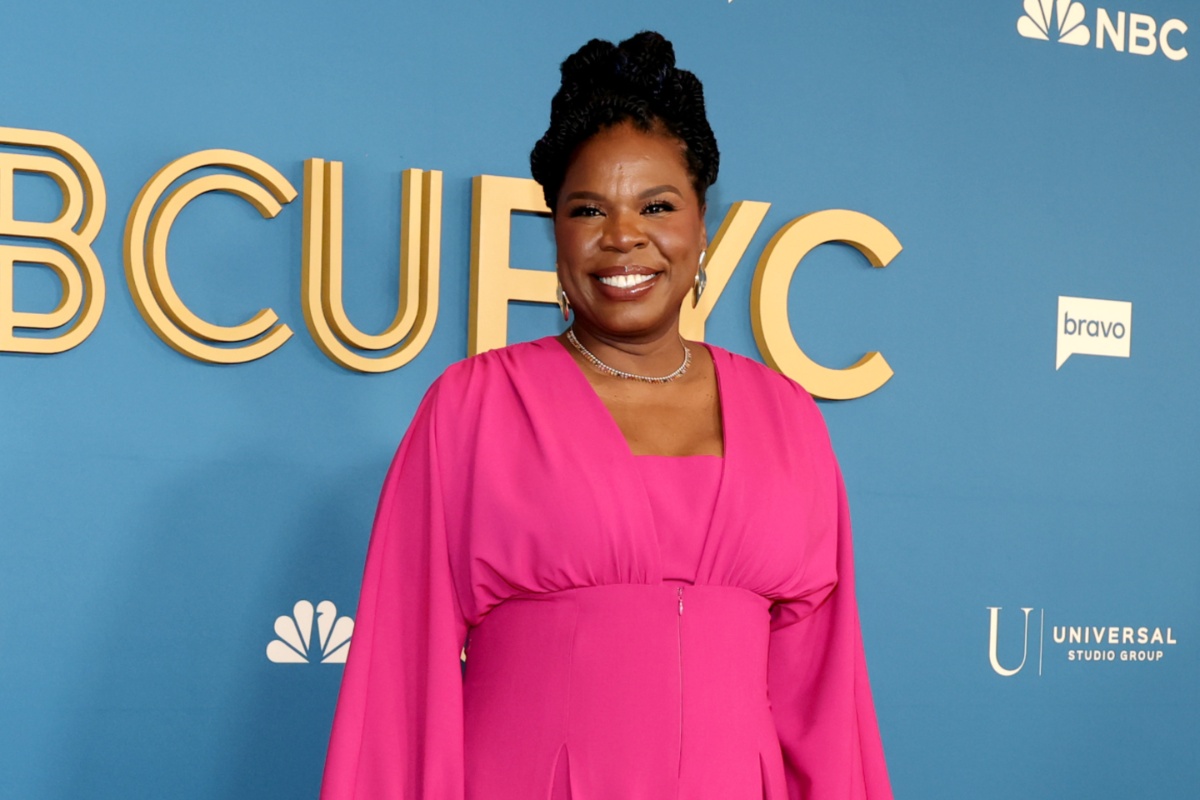
    Leslie Jones, a prominent comedian and actress, recently articulated her frustration regarding her experiences as a cast member on NBC’s Saturday Night Live. Jones stated that during her tenure, she felt consistently typecast into roles that depicted her as an ‘angry’ woman or a character engaged in physical confrontations. This sentiment was shared during an appearance on ‘The Daily Show’, where she elaborated on the creative limitations she faced within the iconic sketch comedy program.

    Her comments resonate with broader discussions about representation and the types of roles offered to Black female performers in the entertainment industry. Jones’s candid remarks underscore a common challenge where performers, particularly those from marginalized groups, are often confined to a narrow range of character types, hindering their artistic versatility.

    Joining the Iconic ‘Saturday Night Live’

    Leslie Jones initially joined Saturday Night Live as a writer in 2014. Her transition to a featured player later that year, and then a full cast member in 2015, marked a significant moment for the show. She was one of the few Black women to join the main cast in the show’s history, bringing a distinct comedic voice and physical presence to the live sketch format.

    Her early appearances, particularly on the ‘Weekend Update’ segment, quickly garnered attention. Jones often delivered personal anecdotes with high energy and unfiltered commentary, establishing a unique rapport with the audience. These segments showcased her stand-up comedy roots and her ability to command a stage.

    The Emergence of Typecasting

    Despite her initial success and popular reception, Jones observed a pattern in the characters she was asked to portray. She reported a recurring theme of being cast as characters who were either overtly angry, aggressive, or involved in physical comedy that often leaned into stereotypes. This trend became a source of significant creative discontent for the comedian.

    The typecasting limited the range of her performances, despite her demonstrated ability to deliver diverse comedic styles. Jones expressed a desire to explore more nuanced characters and situations, moving beyond the confines of what she perceived as a restrictive comedic archetype.

    ‘The Daily Show’ Revelation

    Jones’s public comments on ‘The Daily Show’ in 2026 provided a platform for her to detail these frustrations. She described the recurring nature of the roles, noting that the predictability became a source of irritation. This public discussion brought the issue of typecasting at a major comedic institution into the open.

    Her interview highlighted the internal struggles performers can face when their creative aspirations clash with the perceived expectations or writing tendencies of a production team. Jones’s honesty offered insight into the often-unseen pressures within high-profile entertainment roles.

    Impact on Creative Expression

    Typecasting can significantly impede an artist’s creative growth and public perception. For Jones, being consistently cast as ‘angry’ characters meant that audiences might only associate her with a limited emotional range, potentially overshadowing her broader talents in acting and comedy. This can create a cycle where future roles offered outside of SNL also fall into similar patterns.

    The comedian sought opportunities to break free from these molds, aiming to demonstrate her versatility. Her work in films like Ghostbusters (2016) and her stand-up specials often showcased a wider spectrum of her comedic persona, contrasting with the specific roles she described at SNL.

    The ‘Saturday Night Live’ Writing Process

    Saturday Night Live operates on a demanding schedule, with new sketches written and rehearsed weekly. The writing process involves numerous writers pitching ideas, often tailored to the strengths and public personas of the current cast members. This system, while efficient for weekly production, can inadvertently lead to typecasting if writers consistently lean on established character tropes for individual performers.

    The show’s long history includes instances where cast members have felt their talents were not fully utilized or that they were pigeonholed. These internal dynamics are part of the complex ecosystem of a live sketch comedy show with a large ensemble cast and a rapid production cycle.

    Broader Industry Context: Representation and Stereotypes

    Jones’s experience is not isolated. The entertainment industry has a documented history of typecasting, particularly for actors from underrepresented groups. Black women, for example, have often been relegated to roles that perpetuate stereotypes, such as the ‘sassy Black woman’ or the ‘angry Black woman.’

    These portrayals can have significant cultural implications, reinforcing harmful stereotypes in the public consciousness. Activists and industry professionals continually advocate for more diverse and nuanced character development for all actors, pushing for a broader spectrum of human experience to be represented on screen.

    Leslie Jones’ Post-SNL Career

    Since her departure from Saturday Night Live in 2019, Leslie Jones has pursued a variety of projects, showcasing her range beyond the constraints she described. She has hosted game shows, appeared in dramatic roles, and continued her successful stand-up comedy career.

    Her hosting of the BET Awards and her role in the film Coming 2 America (2021) allowed her to present different facets of her comedic and acting talents. These post-SNL endeavors demonstrate her commitment to diversifying her artistic portfolio and challenging the typecasting she encountered.

    The Ongoing Conversation

    The conversation initiated by Leslie Jones about her SNL experience contributes to an ongoing dialogue within the entertainment industry regarding creative freedom, representation, and the ethical responsibilities of writers and producers. Her willingness to speak openly about these challenges encourages other performers to share their experiences and advocates for greater change.

    The discussion extends beyond individual shows, prompting reflection on how character development and casting decisions are made across television and film. It reinforces the importance of diverse writing rooms and production teams that can offer varied perspectives and break away from conventional, often stereotypical, characterizations.

    Performers speak. Audiences listen. Industry reflects.

    Change occurs.

    FAQ

    • What did Leslie Jones say about her time on Saturday Night Live?
      Leslie Jones stated that she felt frustrated by being consistently typecast into roles that depicted her as an ‘angry’ woman or a character engaged in physical altercations during her tenure on NBC’s Saturday Night Live. She shared these sentiments during an appearance on ‘The Daily Show’ in 2026.
    • When was Leslie Jones a cast member on SNL?
      Leslie Jones joined Saturday Night Live as a writer in 2014, became a featured player later that year, and was promoted to a full cast member in 2015. She departed from the show in 2019.
    • Why is typecasting a problem for comedians like Leslie Jones?
      Typecasting can limit a comedian’s creative expression and artistic growth, forcing them into a narrow range of roles. For Leslie Jones, being consistently portrayed as ‘angry’ characters potentially overshadowed her versatility and reinforced stereotypes, affecting public perception and future career opportunities.
    • Has Leslie Jones worked on other projects since leaving SNL?
      Yes, since leaving Saturday Night Live in 2019, Leslie Jones has undertaken various projects, including hosting game shows, appearing in films such as Coming 2 America (2021), and continuing her stand-up comedy career, all of which demonstrate her diverse talents.
    • What broader issues do Leslie Jones’s comments highlight?
      Leslie Jones’s comments highlight broader industry issues concerning representation, the perpetuation of stereotypes, and the creative limitations faced by performers, particularly Black women, in entertainment. Her experience underscores the need for more nuanced character development and diverse writing teams.
  • Nate Bargatze Faces Backlash for Trump UFC Appearance – The Bell Controversy

    Nate Bargatze Faces Backlash for Trump UFC Appearance – The Bell Controversy

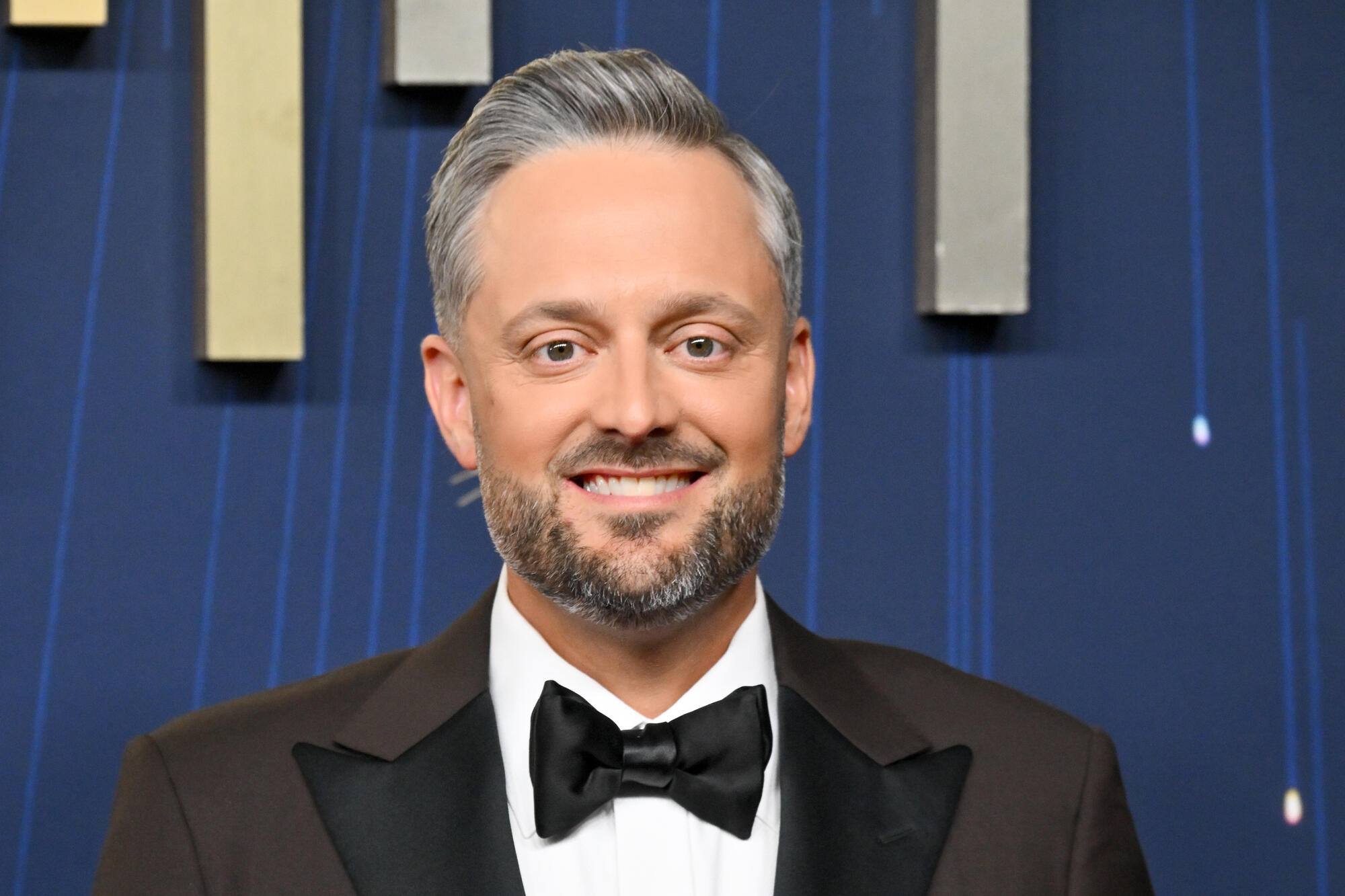
    Comedian Nate Bargatze faced public criticism following his attendance at a UFC event where he was seen and photographed with former President Donald Trump. The controversy intensified after comedian W. Kamau Bell publicly admonished Bargatze, cautioning him against associating with individuals Bell characterized as ‘fascists.’ This interaction fueled a wider discussion within the entertainment industry about comedians’ political stances and public appearances.

    The incident unfolded in the context of a highly polarized political environment. Public figures often navigate scrutiny regarding their associations. Bargatze’s presence at the event became a focal point for this ongoing debate.

    The UFC Event and Political Proximity

    Nate Bargatze, known for his clean, observational comedy style, attended a Ultimate Fighting Championship (UFC) event. These events frequently attract high-profile attendees from various fields. On this particular occasion, former President Donald Trump was also present.

    Photographs and videos quickly circulated across social media platforms. These visuals showed Bargatze in proximity to Trump. The imagery prompted immediate reactions from various online communities.

    The public’s response was swift and divided. Some fans expressed disappointment or anger. Others defended Bargatze’s right to attend any event and associate with anyone. This division mirrored broader societal political cleavages.

    UFC events have become notable venues for political engagement. Public figures often use these platforms for visibility. The presence of political leaders at such events is not uncommon, drawing both supporters and detractors.

    W. Kamau Bell’s Public Admonishment

    The criticism against Bargatze gained significant traction following comments made by comedian W. Kamau Bell. Bell, known for his socially conscious comedy and activism, addressed the situation publicly. His remarks were direct and unambiguous.

    Bell’s statement, delivered through social media, advised Bargatze: ‘Don’t Be in Photos With Fascists.’ This phrase quickly became a central point of the ensuing debate. Bell’s intervention elevated the discussion beyond casual online commentary.

    W. Kamau Bell’s career has often intersected with political and social justice issues. His show, United Shades of America, frequently explores themes of race, culture, and power. His public stance on political association aligns with his established persona.

    Bell’s comments were interpreted by many as a call for accountability. They suggested that public figures, especially comedians, hold a responsibility regarding the optics of their associations. The implication was that proximity to certain political figures could be seen as an endorsement.

    Reactions Across the Comedy Landscape

    The exchange between Bell and Bargatze resonated throughout the comedy world. Many comedians, industry professionals, and fans weighed in. The debate touched upon artistic freedom, moral responsibility, and the role of comedians in a politically charged era.

    Some comedians defended Bargatze, emphasizing the idea that attending an event or being photographed with someone does not equate to political endorsement. They argued for the separation of personal and professional lives, even for public figures.

    Other comedians sided with Bell’s perspective. They contended that in the current political climate, neutrality is increasingly difficult to maintain. They argued that silence or perceived association could be interpreted as complicity or normalization of certain ideologies.

    The discussion highlighted a generational and ideological split within comedy. Older generations of comedians often avoided overt political stances. Younger generations, particularly those influenced by social media, frequently integrate political commentary into their work and public identities.

    Social media platforms amplified the debate. Twitter, Instagram, and Facebook became arenas for passionate arguments. Hashtags related to Bargatze, Trump, and Bell trended, indicating widespread public engagement with the controversy.

    The Nuance of Association

    The core of the controversy lies in the interpretation of ‘association.’ Does a shared space imply shared values? This question has long been debated in public discourse. For comedians, whose craft often relies on observation and commentary, the lines can be particularly blurry.

    Public figures, by virtue of their visibility, are often subjected to intense scrutiny. Every action, every photograph, can be analyzed and interpreted by a vast audience. This reality places unique pressures on entertainers.

    The concept of ‘cancel culture’ also loomed over the discussion. Some worried that criticism could lead to professional repercussions for Bargatze. Others argued that public criticism is a necessary part of democratic discourse and accountability.

    The incident also sparked conversations about the boundaries of comedy itself. Is comedy meant to be purely entertainment, or does it carry a inherent social or political responsibility? These questions have no easy answers and continue to be debated.

    Bargatze’s Public Image and Career Trajectory

    Nate Bargatze has cultivated a public image as a family-friendly, relatable comedian. His humor typically avoids controversial political topics. This approach has garnered him a broad appeal and a significant following.

    His Netflix specials, including The Tennessee Kid (2019) and Hello World (2023), have been highly successful. Bargatze’s style is often described as ‘clean’ and accessible, appealing to audiences who prefer less explicit or politically charged content.

    The controversy potentially challenged this carefully constructed image. Fans who appreciate his non-political stance might have felt conflicted by his perceived political association. Conversely, some might have seen it as a non-issue.

    The long-term impact on Bargatze’s career remains to be seen. In the current climate, public figures often face short-term backlash that eventually subsides. However, such incidents can also lead to lasting shifts in audience perception.

    His touring schedule and future projects will indicate how the public ultimately responds. Comedians often navigate such controversies by either addressing them directly, ignoring them, or subtly incorporating the experience into their material.

    The Broader Context of Political Polarization

    The Bargatze-Bell controversy is not an isolated incident. It reflects a larger trend of increasing political polarization affecting all sectors of society, including entertainment. Artists and entertainers are increasingly expected to take sides or face criticism.

    The 2024 United States presidential election saw heightened political tensions. Public figures’ affiliations became more scrutinized than ever. The pressure to declare allegiances or face condemnation intensified across various industries.

    Social media platforms play a crucial role in this dynamic. They provide immediate avenues for both criticism and defense. Information, and misinformation, spreads rapidly, shaping public opinion in real-time.

    The entertainment industry, traditionally seen as a space for diverse viewpoints, now grapples with these pressures. The expectation for celebrities to act as moral or political compasses has grown. This places them in difficult positions, balancing personal beliefs with public image and career longevity.

    This ongoing cultural shift impacts how artists create, perform, and interact with their audiences. The line between personal and political is increasingly blurred, especially for those in the public eye.

    Looking Ahead: Navigating Public Scrutiny

    For comedians like Nate Bargatze, navigating public scrutiny after such an event becomes a test of resilience and strategic communication. The choices made in the aftermath can significantly shape public perception.

    Some public figures choose to issue statements clarifying their positions. Others may opt for silence, allowing the controversy to fade over time. Each approach carries its own risks and benefits.

    The incident serves as a case study in contemporary celebrity culture. The interconnectedness of social media, political discourse, and entertainment means that public figures operate in a constantly monitored environment.

    The demand for authenticity versus the need for strategic image management creates a complex landscape. Comedians, whose work often thrives on authenticity, face particular challenges in this regard.

    Ultimately, the Bargatze-Bell exchange underscores the ongoing struggle within the entertainment world. It highlights the tension between individual expression, public responsibility, and the unforgiving nature of online judgment.

    Fans considered. Critics analyzed. Comedians debated. The public watched.

    Culture.