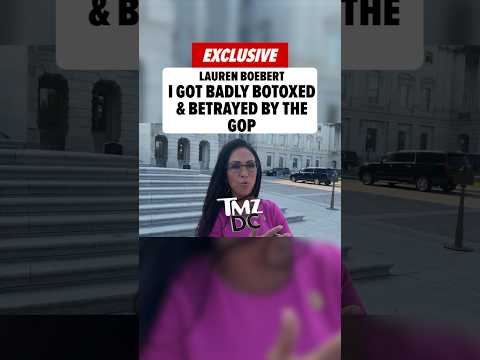
Representative Lauren Boebert, a prominent figure in the Republican party, has publicly stated that ‘bad Botox’ and ‘GOP liars’ have contributed to her public image and political challenges. These claims, made in 2026, have generated considerable discussion across media platforms and political circles. Her statements intertwine personal aesthetic decisions with accusations of political sabotage, offering a unique lens into the pressures faced by elected officials.
The Colorado congresswoman’s remarks have resonated with themes of cultural defense. They touch upon the intense scrutiny public figures endure regarding their appearance and the complex dynamics of intra-party politics. This confluence of personal struggle and political intrigue has captured public imagination, making her statements highly shareable and subject to extensive commentary.
The Intersection of Personal Aesthetics and Public Scrutiny
Public figures, especially those in high-profile political roles, operate under constant observation. Every aspect of their lives, from policy decisions to personal appearance, becomes subject to public and media dissection. Lauren Boebert’s claims about ‘bad Botox’ bring this intense scrutiny into sharp focus.
Cosmetic procedures, while increasingly common, remain a sensitive topic for many. For a political leader, discussing such procedures publicly can be a calculated risk, potentially inviting both sympathy and criticism. Boebert’s decision to cite a cosmetic outcome as a factor in her public presentation highlights the unique pressures on women in politics.
The concept of ‘bad Botox’ implies an unintended or undesirable aesthetic result. This can lead to questions about authenticity, self-perception, and the broader expectations placed on politicians to maintain a certain image. It also opens a dialogue about the commercialization of beauty and its intersection with political life.
This candid admission from Boebert underscores the pervasive nature of image management in contemporary politics. It suggests that even minor aesthetic details can become talking points, influencing public perception and potentially affecting political narratives. The public response to her statement reflects a broader fascination with the private lives of public servants.
Allegations of ‘GOP Liars’ and Intra-Party Dynamics
Beyond personal aesthetic concerns, Lauren Boebert’s allegations of ‘GOP liars’ introduce a significant element of political intrigue. These claims suggest internal conflicts and betrayals within her own party, the Republican Party. Such accusations are not uncommon in the highly competitive world of politics, but when made by a sitting congresswoman, they carry particular weight.
The phrase ‘GOP liars’ is a direct challenge to the integrity of certain individuals or factions within the Republican establishment. It implies a deliberate campaign of misinformation or deception aimed at undermining her political standing. This kind of internal strife can have profound implications for party unity, legislative agendas, and public trust.
Such allegations often emerge during periods of heightened political tension, such as election cycles or significant policy debates. They can be symptomatic of ideological divides, power struggles, or personal animosities that play out behind the scenes of public governance. Boebert’s statements indicate a perceived adversarial environment even within her own political affiliation.
The public reaction to claims of ‘GOP liars’ varies. Some may view it as a candid admission of political realities, while others might interpret it as an attempt to deflect responsibility or sow discord. Regardless of interpretation, these accusations contribute to a narrative of political drama, drawing attention to the often-hidden machinations of party politics.
The Impact on Party Cohesion
Accusations of internal deceit can significantly strain party cohesion. When members of the same party publicly accuse each other of dishonesty, it can weaken the party’s collective message and effectiveness. This is particularly true in an era of intense partisan polarization, where perceived unity is often presented as a strength.
Such claims can also empower political opponents, who may seize upon internal divisions to criticize the party as a whole. The narrative of ‘GOP liars’ provides fodder for external critics and can complicate efforts to present a unified front on key issues. It creates an environment where trust becomes a commodity, easily eroded by public infighting.
For voters, these allegations can be disorienting. They may question the reliability of information coming from within the party and become cynical about political processes. The long-term impact of such public accusations can be a decline in voter confidence and an increase in political apathy.
Cultural Defense and the Public Narrative
Lauren Boebert’s combined claims of ‘bad Botox’ and ‘GOP liars’ tap into a broader cultural defense theme. This theme involves individuals or groups attempting to protect their reputation, narrative, or standing against perceived attacks or misrepresentations. In Boebert’s case, she appears to be constructing a defense against negative public perception and political opposition.
The ‘bad Botox’ claim serves as a potential explanation for any perceived changes in her appearance, offering a personal and somewhat sympathetic reason. It frames any visual discrepancies not as a personal failing, but as an external, medical mishap. This can be seen as an attempt to control the narrative around her physical presentation.
The ‘GOP liars’ claim, conversely, serves as a direct defense against political attacks. By alleging internal dishonesty, she positions herself as a victim of machinations rather than a perpetrator of political missteps. This strategy aims to shift blame and garner support by portraying herself as an underdog fighting against internal adversaries.
Together, these claims form a two-pronged cultural defense strategy. One addresses personal aesthetics, the other addresses political integrity. Both aim to reshape public perception and protect her political capital in the face of challenges. This approach highlights the sophistication and often dramatic nature of modern political communication.
The Role of Media in Amplifying Narratives
Media outlets play a crucial role in amplifying these narratives. TMZ, the source of this information, is known for its focus on celebrity and high-profile personalities, often blending entertainment news with political developments. Its coverage of Boebert’s claims ensures a wide reach, particularly among audiences interested in cultural and personal aspects of public life.
The dramatic appeal of Boebert’s statements is undeniable. The combination of personal vulnerability (‘bad Botox’) and political betrayal (‘GOP liars’) creates a compelling story. This narrative is easily consumed and shared across social media platforms, contributing to its viral spread and extensive discussion.
News cycles thrive on controversy and human interest stories. Boebert’s claims provide both, making them highly attractive to various media outlets. The way these stories are framed and disseminated can significantly influence public opinion and shape the political discourse surrounding the individual.
Historical Context of Political Intrigue and Personal Struggles
The intersection of political intrigue and personal struggles is not new to American politics. Throughout history, public figures have grappled with personal challenges that become intertwined with their political careers. From scandals to health issues, the private lives of politicians often become public fodder.
Accusations of internal party dissent and dishonesty also have a long history. Political parties are rarely monolithic entities; they are often composed of diverse factions with competing interests and ideologies. Disagreements, power struggles, and even accusations of betrayal are inherent to the political process.
For instance, the political landscape of the early 20th century saw numerous instances of party bosses and internal factions clashing over control and policy. The mid-20th century brought televised politics, increasing the visual scrutiny on candidates and their families. The late 20th and early 21st centuries have further intensified this, with social media making personal lives instantly accessible and endlessly debatable.
The current political climate, characterized by hyper-partisanship and constant media attention, only magnifies these dynamics. Personal struggles are quickly politicized, and internal party disputes can become national headlines. Lauren Boebert’s situation is a contemporary example of these enduring political themes playing out in the modern era.
The Evolving Landscape of Public Perception
The public’s perception of politicians is constantly evolving. Factors such as social media, 24/7 news cycles, and the blurring lines between entertainment and news have reshaped how constituents view their representatives. Authenticity and relatability have become increasingly valued traits, yet politicians are also expected to maintain a polished image.
Boebert’s claims can be seen as an attempt to navigate this complex landscape. By addressing personal aesthetic concerns and political challenges head-on, she aims to control her narrative. However, such transparency can also be met with skepticism or further scrutiny, creating a delicate balance for any public figure.
The discussion surrounding her statements reflects a broader societal debate about what constitutes appropriate public discourse for politicians. Should personal cosmetic choices be public knowledge? How much internal party conflict should be aired publicly? These questions underscore the ongoing tension between a politician’s private life and their public role.
Ultimately, the impact of Boebert’s claims will be measured by their effect on her political standing and public support. Whether they foster empathy, generate controversy, or simply fade into the background of the ever-churning news cycle remains to be seen. Her statements, however, offer a vivid snapshot of the current state of political and personal narratives.
The Future of Political Image Management
The incident involving Lauren Boebert and her public statements on ‘bad Botox’ and ‘GOP liars’ provides valuable insights into the future of political image management. As technology advances and media consumption habits shift, politicians will continue to face unprecedented levels of scrutiny.
The strategic use of personal narratives, even those involving cosmetic procedures, may become a more common tactic to connect with voters or deflect criticism. The ability to control or influence one’s public image in a hyper-connected world is a critical skill for any aspiring or incumbent politician.
Moreover, the dynamics of intra-party relations, as highlighted by the ‘GOP liars’ claim, will continue to shape the political landscape. The ability of parties to maintain unity, manage internal dissent, and present a cohesive front to the electorate will be crucial for their success.
Public figures navigate personal struggles. They contend with political adversaries. They manage their public image. This is the reality of modern politics.