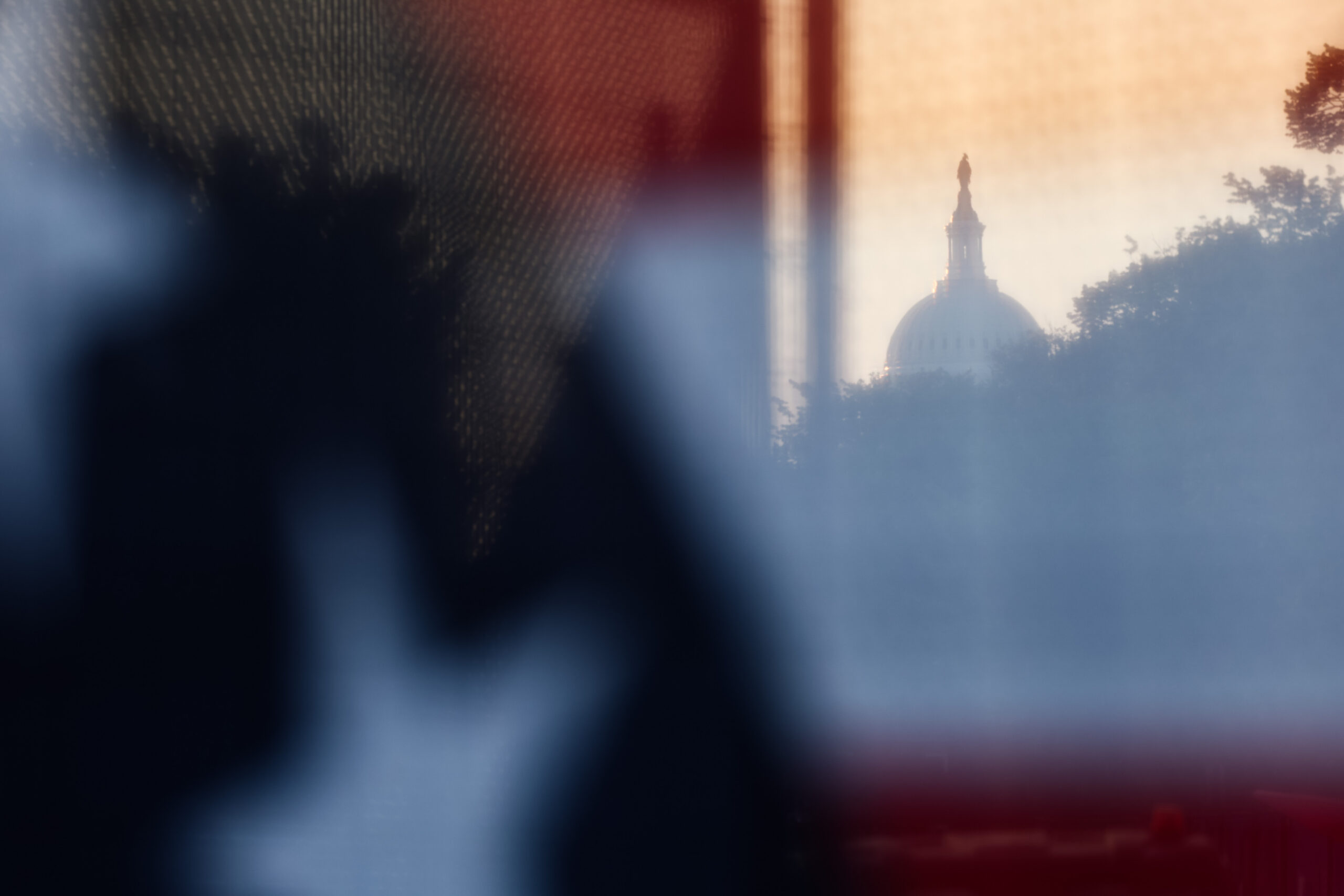
The annual Fourth of July parade in Washington D.C. was canceled on July 4, 2026. This decision was made in response to severe weather forecasts indicating extreme heat conditions for the day. Public safety concerns for participants, staff, and spectators were paramount in the cancellation.
The cancellation represented a significant alteration to the nation’s capital’s Independence Day observances. The parade is a long-standing tradition, drawing thousands of attendees to the National Mall area.
The Decision to Cancel
Officials announced the cancellation of the Washington D.C. Fourth of July parade on July 3, 2026. The announcement came after consultations with meteorologists and public health experts. The National Weather Service had issued an excessive heat warning for the D.C. metropolitan area.
Temperatures were projected to reach well over 100 degrees Fahrenheit, with heat index values potentially even higher. Such conditions present substantial risks, including heatstroke, dehydration, and other heat-related illnesses. Vulnerable populations, including the elderly and young children, were particularly at risk.
The decision was not made lightly. The Fourth of July parade is a cornerstone of the city’s annual events. It typically features marching bands, military units, and patriotic floats.
Public Safety as a Priority
The primary justification for the cancellation was the protection of public health. Organizing a large-scale outdoor event in extreme heat conditions carries inherent dangers. Emergency services could be overwhelmed by heat-related incidents.
Participants in the parade, many of whom wear heavy uniforms or costumes, face heightened risks. Marching for extended periods in direct sunlight under high temperatures can lead to rapid onset of severe symptoms. Spectators, often standing for hours without adequate shade or access to water, are also vulnerable.
City officials emphasized that the safety of residents and visitors was their highest priority. They advised individuals to remain indoors, stay hydrated, and avoid strenuous outdoor activities during the heat wave.
Impact on Independence Day Celebrations
The cancellation of the parade altered the traditional Fourth of July experience in Washington D.C. Many visitors plan their trips specifically to witness the parade and other festivities. Local businesses, particularly those catering to tourists, experienced an impact.
Despite the parade’s cancellation, other Independence Day events were still scheduled, albeit with modifications. The fireworks display over the National Mall was expected to proceed as planned, though organizers advised attendees to take extreme precautions against the heat.
Museums and indoor attractions remained open, offering cooler alternatives for celebration. Various public and private organizations offered virtual events and online programming to commemorate the holiday safely.
Economic and Cultural Repercussions
The economic impact of the cancellation was felt by vendors, performers, and local businesses. Hotels, restaurants, and retail establishments often experience a surge in activity during the Fourth of July weekend. Reduced foot traffic from the parade area meant a decrease in anticipated revenue for some.
Culturally, the absence of the parade was noted by many. The event serves as a symbol of national unity and celebration. Its cancellation, while necessary for safety, highlighted the disruptions that extreme weather events can cause to significant cultural traditions.
Discussions emerged regarding future planning for large outdoor events in the face of increasingly unpredictable weather patterns. Event organizers across the country are grappling with similar challenges.
Historical Context of Cancellations
Cancellations of major events in Washington D.C. are infrequent but not unprecedented. Historically, events have been called off due to severe weather, national security concerns, or public health crises. Each instance typically generates considerable public discussion.
For example, during significant snowstorms, government operations and public events have been curtailed. Security threats have also led to the postponement or cancellation of various gatherings. The COVID-19 pandemic, beginning in 2020, resulted in widespread cancellations of public events for an extended period.
The 2026 Fourth of July parade cancellation due to heat adds to this history. It underscores the growing influence of environmental factors on public life and civic celebrations.
Previous Weather-Related Interruptions
Washington D.C. has experienced other weather-related interruptions to its major events. Thunderstorms and heavy rain have occasionally led to delays or shortenings of outdoor concerts and festivals. High winds have sometimes affected balloon displays or outdoor stage setups.
However, a full cancellation of the Fourth of July parade specifically due to extreme heat is less common. This particular event, with its large scale and patriotic significance, draws particular attention when disrupted. The decision reflects a heightened awareness of climate-related health risks.
Event planners globally are adapting strategies to mitigate risks associated with extreme weather. This includes developing contingency plans for heat waves, floods, and other natural phenomena. The 2026 cancellation serves as a case study for such adaptations.
Community Response and Future Considerations
The public response to the parade’s cancellation was mixed. Many residents and visitors expressed understanding and support for the safety-driven decision. Others voiced disappointment at the disruption of a cherished holiday tradition.
Social media platforms saw discussions about the implications of climate change on public events. There were calls for increased infrastructure to support outdoor gatherings in extreme conditions, such as more shaded areas or cooling stations.
For future Independence Day celebrations, organizers will likely review their protocols for extreme weather. This may involve earlier decision-making processes or alternative formats for portions of the celebration. The goal remains to balance tradition with public well-being.
Looking Ahead: Adapting to New Realities
The 2026 cancellation of the Fourth of July parade in Washington D.C. highlights a broader trend. Cities worldwide are confronting the challenges posed by a changing climate. Extreme weather events are becoming more frequent and intense.
Adaptation strategies for urban environments are crucial. These include improvements in early warning systems, urban planning that incorporates green spaces for cooling, and public health campaigns to educate citizens about heat safety. Events, both large and small, must evolve.
The experience of July 4, 2026, will inform future planning. It will contribute to a growing body of knowledge on how to maintain public life and cultural traditions in the face of environmental shifts. The goal is resilience.
Officials planned. Citizens adjusted. Washington.