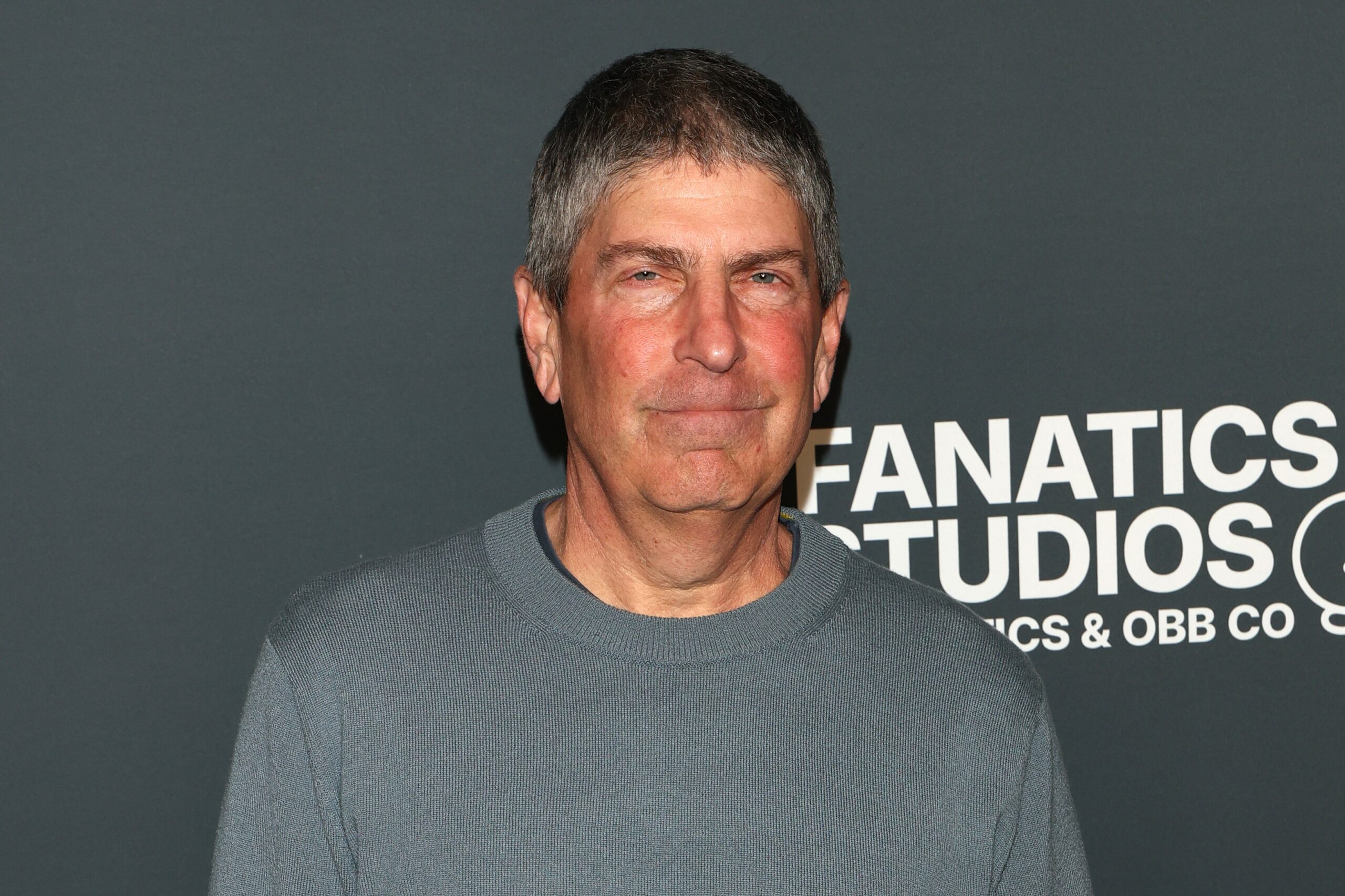
Former NBCUniversal CEO Jeff Shell has officially settled his ongoing litigation with a high-stakes gambler whom Shell accused of orchestrating a financial shakedown. The confidential agreement, finalized in early 2026, dismisses all claims and counterclaims related to a dispute that originated over alleged debts and private encounters at a Cipriani venue. Both parties signed strict non-disclosure agreements. This permanently seals the financial terms of the resolution. It also avoids a highly publicized, potentially damaging trial in Los Angeles Superior Court.
The settlement closes a volatile legal loop. It removes a lingering public relations liability for Shell. In many ways, the courtroom maneuvering was as high-stakes as the gambling itself. But the story of this specific legal battle is not just about personal debt. It is a case study in how corporate titans navigate private vulnerabilities.
The Anatomy of a Shakedown Accusation
Legal definitions matter. In civil litigation, the line between aggressive debt collection and unlawful extortion is often violently contested. Shell’s legal team drew that line early. They framed the opposing party’s financial demands not as a legitimate collection effort, but as a calculated shakedown.
The term carries specific weight. A shakedown implies leverage. It suggests that the demand for money is tied to the threat of reputational destruction rather than the validity of a contract. In filings, Shell’s representatives argued that the gambler weaponized Shell’s status as a high-profile media executive. The strategy was allegedly simple. Threaten public exposure. Demand an exorbitant payout. Force a quiet settlement.
The opposing counsel rejected this narrative entirely. They argued the dispute was a standard breach of contract. They claimed the funds in question were legitimate personal debts accrued during high-stakes gambling sessions. The Cipriani connection added a layer of elite exclusivity to the proceedings. Cipriani venues, known for catering to global billionaires and corporate power brokers, serve as the backdrop for private transactions that rarely see the light of day. When those transactions break down, the fallout is messy.
From NBCUniversal to RedBird Capital
Context is critical to understanding the timing of this settlement. Jeff Shell is not a private citizen operating in a vacuum. He is a major player in the global media landscape. His abrupt exit from NBCUniversal in 2023, following an investigation into an inappropriate relationship with anchor Hadley Gamble, stripped him of his corporate armor. It also cost him tens of millions in unvested stock and severance.
But corporate exile is rarely permanent for top-tier executives. Shell quickly re-emerged. He joined RedBird Capital Partners, the massive private equity firm led by Gerry Cardinale. RedBird is a financial juggernaut. The firm has deep investments in sports, media, and entertainment. By 2024 and 2025, RedBird was deeply entangled in the complex negotiations surrounding the future of Paramount Global.
This corporate reality dictated Shell’s legal strategy. RedBird Capital operates on institutional trust. Sovereign wealth funds, pension boards, and mega-banks back their plays. A prolonged, lurid trial involving high-stakes gambling, Cipriani encounters, and extortion claims is terrible for business. It distracts from dealmaking. It creates unnecessary friction with corporate boards. Settling the litigation was not just a personal relief for Shell. It was a professional necessity.
The Mechanics of High-Stakes Dispute Resolution
Public courts are designed for transparency. Wealthy litigants despise transparency. When high-net-worth individuals clash, the primary objective is moving the dispute out of the public docket and into private arbitration. If arbitration fails, a confidential settlement is the ultimate fail-safe.
- The Initial Filing: Lawsuits are filed publicly to establish leverage. The plaintiff wants the media to notice.
- The Counter-Claim: The defense responds aggressively. They accuse the plaintiff of extortion or bad faith. This is the “shakedown” defense.
- The Discovery Threat: Both sides threaten to subpoena sensitive documents. This is the tipping point.
- The Mediation: A retired judge or elite mediator steps in. A financial figure is reached.
- The NDA: The settlement is bound by an ironclad Non-Disclosure Agreement. Silence is purchased.
The Los Angeles Superior Court system processes thousands of these claims. Most never reach a jury. The system is designed to force settlements. Judges routinely push hostile parties toward mediation. For a figure like Jeff Shell, a jury trial presents an unacceptable level of risk. Juries are unpredictable. They often harbor deep resentment toward corporate executives. A settlement, regardless of the financial cost, buys certainty.
The Threat of Legal Discovery
The true weapon in any civil litigation is discovery. Discovery is the pre-trial phase where both parties can demand access to evidence. It is invasive. It is relentless. It destroys privacy.
If the Shell litigation had proceeded to trial, the discovery process would have been catastrophic for both sides. Shell’s attorneys would have demanded the gambler’s financial records, tax returns, and communications. They would have looked for a pattern of extortion against other high-net-worth individuals.
“In high-stakes civil litigation, the trial is rarely the main event. The threat of discovery is the actual weapon. Litigants settle to protect their inboxes, not their bank accounts.”
Conversely, the gambler’s legal team would have demanded Shell’s private communications. They would have sought text messages, bank transfer records, and geolocation data from the nights in question. They would have subpoenaed witnesses who were present at Cipriani. For a newly minted executive at RedBird Capital, turning over years of private text messages is an existential threat. The settlement neutralized the discovery threat immediately.
The Financial Architecture of Out-of-Court Settlements
How much does a settlement like this cost? The exact figure is locked behind the NDA. But the financial architecture of these deals is well understood in Los Angeles legal circles. It comes down to a brutal calculation of risk versus reward.
Litigating a complex civil case in California costs millions. Elite defense attorneys at top-tier firms charge between $1,500 and $2,500 per hour. A two-year legal battle involving extensive discovery, depositions, and motion practice can easily generate $3 million to $5 million in legal fees alone. That is just the cost of fighting. It does not include the potential cost of losing.
If the disputed debt was, for example, $2 million, fighting it to the bitter end makes no economic sense. A rational actor will settle for a fraction of the disputed amount, pay their lawyers, and close the file. The gambler gets a payout. The executive gets his life back. The lawyers get paid. It is a transactional end to a deeply personal conflict.
The Broader Culture of Celebrity Accountability
This settlement taps into a larger cultural shift. The public appetite for celebrity accountability has never been higher. For decades, executives and public figures operated with a sense of impunity. Their wealth insulated them from the consequences of their private behavior.
That era is over. The democratization of media means that a single lawsuit can generate global headlines in minutes. The “shakedown” dynamic is a direct result of this new reality. Bad actors know that public figures will pay a premium to keep their names out of the press. Legitimate creditors also know that public pressure is their best collection tool.
Jeff Shell’s situation is unique in its specifics but common in its structure. The intersection of wealth, private vices, and public accountability creates a fertile ground for litigation. As long as executives have reputations to protect, there will be individuals willing to test the limits of those reputations.
The Cipriani incident is now legally erased. The court docket will show a simple dismissal. No fault is admitted. No guilt is assigned. The system functioned exactly as it was designed to function for those who can afford it.
Executives protect their equity. Lawyers protect the narrative. The courts process the paperwork. The public moves on to the next scandal.
Settled.