Tag: Christopher Nolan

  • Emily Wilson Criticizes Nolan’s ‘Odyssey’ Film: “I Would Be Ashamed”

    Emily Wilson Criticizes Nolan’s ‘Odyssey’ Film: “I Would Be Ashamed”

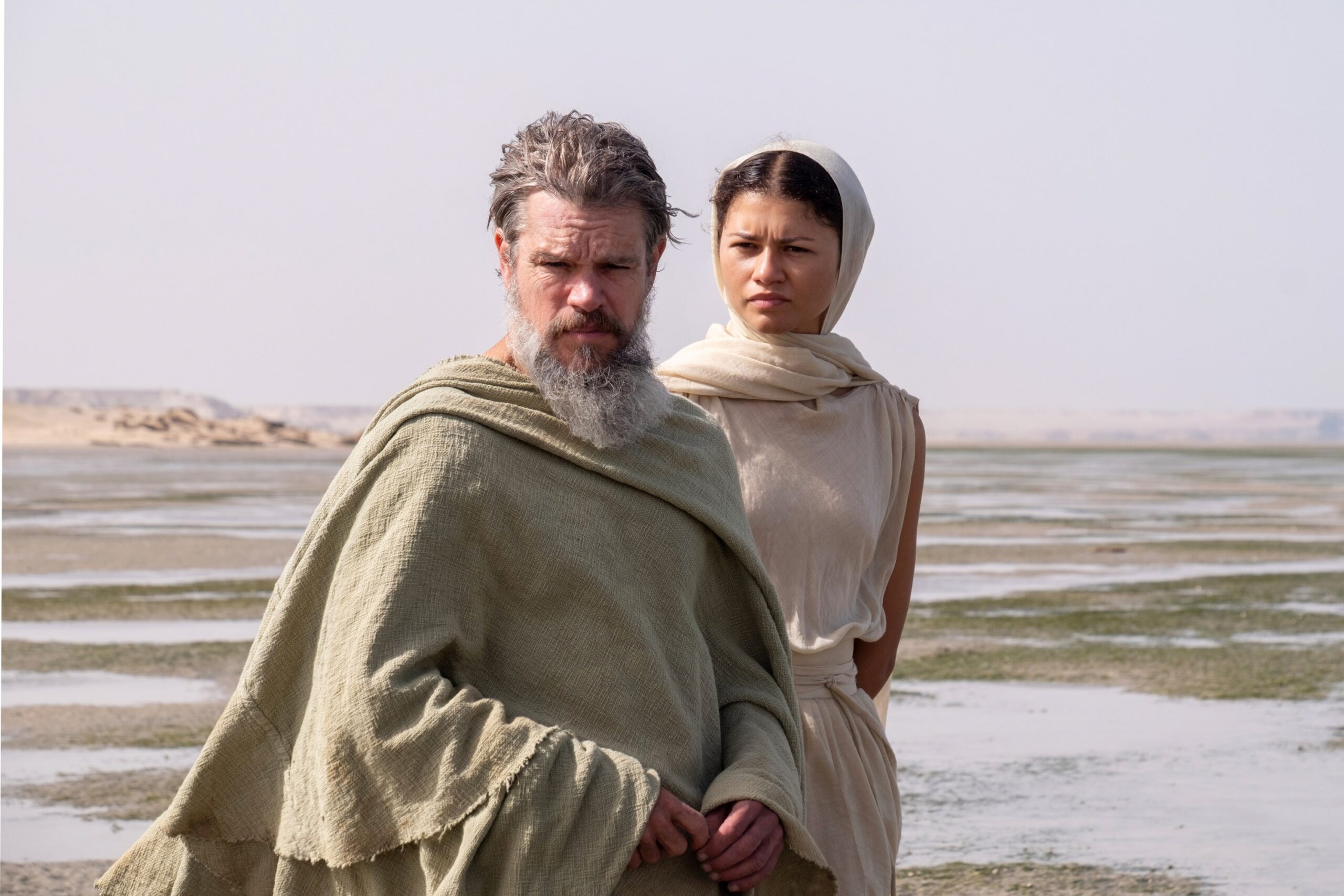
    Emily Wilson, the acclaimed translator of Homer’s ‘The Odyssey,’ has publicly criticized Christopher Nolan’s recent film adaptation of the epic poem. Wilson, whose 2017 translation was the first English version by a woman, reportedly declared, “I would be ashamed” of the film. This strong statement, highlighted in an exclusive report by Deadline, immediately fueled a cultural debate concerning artistic interpretation, fidelity to classic literature, and the boundaries of cinematic adaptation.

    The controversy centers on the perceived departure of Nolan’s vision from the spirit or narrative integrity of Homer’s original work. Such critiques are common when beloved literary classics are translated to the screen. However, a denouncement from a translator of Wilson’s stature, someone whose professional life is dedicated to bridging linguistic and cultural gaps for the text, carries significant weight.

    The Weight of Translation and Adaptation

    Translators of ancient texts like ‘The Odyssey’ invest years, often decades, into understanding every nuance of the original language and cultural context. Their work is an act of scholarly interpretation, aiming to render the source material accurately and evocatively for a modern audience. This deep engagement fosters a profound connection to the text. Emily Wilson, a Professor of Classical Studies at the University of Pennsylvania, spent years meticulously translating Homer’s Greek.

    When a filmmaker like Christopher Nolan, known for his complex narratives and distinctive visual style, takes on such a foundational work, expectations are high. Nolan’s previous successes with intricate plots and grand scales, including ‘Inception,’ ‘Dunkirk,’ and ‘Oppenheimer,’ have set a precedent for ambitious and often cerebral cinematic experiences. His choice to tackle ‘The Odyssey’ was met with both anticipation and skepticism, given the text’s sacred status in literary history.

    The specific points of Wilson’s criticism have not been fully detailed in initial public reports. However, the severity of her statement suggests a fundamental disagreement with Nolan’s approach. It implies that the film may have strayed too far from what Wilson, as a leading Homeric scholar and translator, considers the essential elements or message of Homer’s epic. Her concern likely stems from a perceived misrepresentation of the poem’s core themes or characterizations.

    Emily Wilson’s Impact on Homeric Scholarship

    Emily Wilson’s 2017 translation of ‘The Odyssey’ was groundbreaking. It was the first complete English translation by a woman, offering a fresh, accessible, and often startlingly direct rendition of the ancient Greek epic. Her work challenged centuries of male-dominated interpretations, bringing new perspectives to Odysseus’s character and the roles of women in the narrative.

    Wilson’s translation was praised for its:

    • Clarity and readability: Avoiding archaic language, making the text more approachable for contemporary readers.
    • Rhythmic quality: Employing iambic pentameter to capture the poetic flow of the original.
    • Nuanced characterization: Re-evaluating figures like Penelope, Circe, and the Sirens, often presenting them in a less conventional light.
    • Engagement with ethical questions: Highlighting themes of justice, slavery, and hospitality with modern sensibilities.

    Her work garnered significant critical acclaim, including a longlisting for the National Book Award for Translated Literature and numerous other accolades. This established her as a preeminent voice in classical studies and a significant authority on Homeric texts. Her subsequent translation of ‘The Iliad,’ published in 2023, further solidified her reputation.

    Homer’s ‘The Odyssey’ – A Timeless Narrative

    ‘The Odyssey’ is one of the two major ancient Greek epic poems attributed to Homer. It narrates the ten-year journey home of Odysseus, the king of Ithaca, following the Trojan War. His arduous voyage is fraught with mythical creatures, divine interventions, and profound personal challenges, including encounters with the Cyclops Polyphemus, the sorceress Circe, and the seductive Sirens. The poem also details the struggles of his wife Penelope and son Telemachus as they await his return, besieged by suitors.

    The poem explores themes of:

    • Nostos (homecoming and nostalgia)
    • Xenia (hospitality and guest-friendship)
    • Kleos (glory and reputation)
    • The power of cunning and perseverance
    • The role of fate and free will in human affairs
    • Identity and disguise
    • The nature of justice and revenge

    These themes have resonated with readers for millennia, making ‘The Odyssey’ a cornerstone of Western literature. The narrative structure, character development, and poetic language have ensured its enduring relevance. Any adaptation faces the immense challenge of capturing this depth and breadth for a contemporary audience, while also making it compelling for a new medium.

    Christopher Nolan’s Cinematic Vision

    Christopher Nolan has built a career on crafting films that are both intellectually stimulating and visually spectacular. His work often features non-linear narratives, complex temporal structures, practical effects, and a meticulous attention to detail. This distinctive style has garnered him critical acclaim and a dedicated global fanbase. Films like ‘Memento,’ ‘The Dark Knight,’ and ‘Interstellar’ exemplify his unique storytelling approach.

    The decision to adapt ‘The Odyssey’ suggests Nolan aimed to apply his unique vision to a story of immense scale and philosophical weight. Fans and critics alike would have anticipated a visually stunning and conceptually ambitious take on Odysseus’s journey, perhaps exploring its temporal complexities or psychological depths in a manner characteristic of Nolan. However, Emily Wilson’s critique indicates that ambition may have come at the cost of authenticity, at least from her academic perspective.

    Nolan’s films often delve into themes of memory, identity, and the subjective nature of reality. These themes are certainly present in ‘The Odyssey,’ making it a seemingly fertile ground for his directorial style. The question raised by Wilson’s comments is whether Nolan’s signature style has amplified or distorted the original text’s essence.

    Previous Adaptations and Their Receptions

    The history of adapting ‘The Odyssey’ for screen is varied, ranging from direct retellings to highly stylized interpretations. Each has faced its own set of challenges and criticisms, often sparking debates similar to the current one involving Nolan’s film.

    For example, the 1997 television miniseries directed by Andrei Konchalovsky aimed for a broad, accessible narrative. It garnered mixed reviews, with some praising its scope and visual effects, and others criticizing its simplification of complex themes and characters for a mass audience. More abstract or allegorical interpretations have also emerged over the years, often using Homer’s framework to explore modern ideas or social commentary, such as the Coen Brothers’ 2000 film ‘O Brother, Where Art Thou?,’ which loosely adapts the epic to the American South during the Great Depression.

    The core tension in adaptation often lies between:

    • Fidelity to the source material: How closely should the adaptation adhere to the original plot, characters, and themes, respecting the author’s intent and historical context?
    • Artistic interpretation: How much creative license should the filmmaker take to make the story relevant, compelling, or innovative for a new medium and contemporary audience?

    This latest controversy with Nolan’s film, amplified by a scholar of Emily Wilson’s standing, highlights this perennial conflict in a stark manner. It forces a public examination of what constitutes a ‘good’ adaptation, particularly when dealing with canonical works.

    The Role of the Translator in Cultural Discourse

    Translators like Emily Wilson are often unsung heroes in the world of literature. They are the essential conduits through which ancient or foreign texts become accessible to new generations and cultures. Their work requires not only linguistic mastery but also a deep historical, cultural, and literary understanding. They serve as guardians of the text, ensuring its integrity and meaning are preserved across linguistic and temporal divides.

    When a translator of Wilson’s caliber speaks out against an adaptation, it is often from a place of profound respect and guardianship for the original text. They are not merely interpreting words; they are interpreting entire worlds and philosophical frameworks. Their criticism can serve as a vital check on adaptations that might, in their view, misrepresent, diminish, or fundamentally misunderstand the source material.

    Emily Wilson’s statement, “I would be ashamed,” suggests a perception of significant artistic or thematic betrayal. It implies that Nolan’s film may have fundamentally misunderstood or intentionally distorted the essence of ‘The Odyssey’ as she, and many scholars, understand it. This goes beyond minor plot changes; it suggests a potential failure to grasp the epic’s core philosophical or humanistic messages.

    Public Reaction and Future Implications

    The news of Emily Wilson’s critique has sparked immediate discussion among literary scholars, film critics, and the general public. Social media platforms are abuzz with debates about artistic freedom versus textual integrity, and the responsibilities inherent in adapting foundational texts. Many are now more curious to see the film to form their own opinions, while others are rallying in support of Wilson’s scholarly stance, defending the sanctity of Homer’s original work.

    For Christopher Nolan, this controversy adds another layer to the reception of his film. While strong opinions can sometimes boost a film’s profile by generating publicity, a direct condemnation from an authoritative figure like Emily Wilson could also significantly impact its critical standing and public perception. It forces a conversation about the film’s artistic merits in relation to its origins, rather than solely on its cinematic spectacle. The debate highlights the tension between blockbuster entertainment and academic rigor, a conversation that rarely gets such a prominent spotlight.

    The incident also serves as a potent reminder of the enduring power of classic literature and the deep emotional and intellectual connections people form with these texts. When an artist attempts to reinterpret such a work, they enter a dialogue with centuries of scholarship and interpretation. Wilson’s comments ensure that Nolan’s ‘Odyssey’ will not only be judged as a film but also as an interpretation of one of humanity’s most cherished stories.

    Scholars and cinephiles will continue to dissect the film and Wilson’s comments. The dialogue between the ancient world and contemporary art endures. The challenge of adaptation persists. The legacy of Homer. The vision of Nolan. The critical eye of Wilson.

    The debate continues.


  • The Odyssey’s Billion-Dollar Question – Christopher Nolan’s Next Box Office Hit?

    The Odyssey’s Billion-Dollar Question – Christopher Nolan’s Next Box Office Hit?

    Christopher Nolan’s upcoming film, ‘The Odyssey,’ is being eyed by industry analysts for a potential global box office gross exceeding $1 billion. This early, unofficial projection stems from Nolan’s established reputation for delivering critically acclaimed and commercially successful blockbusters. Media outlets and market observers are closely monitoring the film’s development, anticipating its financial impact.

    The speculation highlights the high expectations placed on Nolan’s projects. His previous films have frequently achieved substantial worldwide revenues, often surpassing initial forecasts. This track record positions ‘The Odyssey’ as a major contender for significant financial success in the global market.

    Christopher Nolan’s Consistent Box Office Performance

    Christopher Nolan has consistently directed films that resonate with both critics and mass audiences. This consistency has led to impressive box office returns throughout his career. His filmography includes multiple titles that have crossed the $500 million mark globally. Several of his films have achieved the coveted $1 billion milestone in worldwide revenue.

    This consistent performance forms the bedrock of current ‘The Odyssey’ predictions. Industry experts analyze past successes to project future outcomes. Nolan’s name has become synonymous with cinematic events that draw large audiences.

    Landmark Films and Their Earnings

    Nolan’s filmography provides concrete examples of his commercial prowess. ‘The Dark Knight,’ released in 2008, earned over $1 billion worldwide. This superhero epic demonstrated his ability to blend critical acclaim with massive commercial appeal. ‘Inception,’ a 2010 science fiction thriller, grossed $839 million worldwide. This original concept film proved Nolan’s ability to attract audiences without relying on pre-existing intellectual property.

    More recently, ‘Oppenheimer,’ released in 2023, exceeded $976 million globally. This historical drama, focusing on J. Robert Oppenheimer, surprised many by its strong performance. It cemented Nolan’s status as a director capable of drawing massive crowds even with non-traditional blockbuster fare. These figures underscore the reliability of Nolan’s audience base.

    The Nolan Brand: Intellectual Storytelling and Visual Spectacle

    This history indicates a reliable audience base that anticipates Nolan’s unique blend of intellectual storytelling and grand visual spectacle. Viewers expect complex narratives and stunning visuals from his work. This expectation has become a core component of his brand recognition.

    ‘The Odyssey’ is expected to continue this trend. The film will leverage Nolan’s established brand to attract a wide demographic. His projects are often seen as essential theatrical experiences.

    Factors Driving Optimistic Projections for ‘The Odyssey’

    Several factors contribute to the optimistic box office outlook for ‘The Odyssey.’ These elements combine to create a favorable environment for the film’s commercial success. Each factor plays a role in the overall financial forecast.

    Genre Alignment and Narrative Scale

    The film’s genre is a significant contributor. ‘The Odyssey’ is rumored to be an epic sci-fi or historical drama. These genres align with themes that have historically performed well for Nolan. Large-scale narratives with intricate plots and stunning visuals are hallmarks of his work. These characteristics appeal to a broad demographic across various markets.

    Nolan’s films often feature complex structures and ambitious scope. This approach differentiates his work in the crowded blockbuster landscape. Audiences are drawn to the intellectual challenge and visual grandeur his films offer.

    Global Market Conditions and Event Film Appeal

    Global market conditions also play a crucial role. The post-pandemic theatrical landscape has shown a strong appetite for event films. Audiences are returning to cinemas for experiences that demand the big screen. Nolan’s movies are often seen as must-see cinematic events. They encourage audiences to experience them on the biggest screens possible.

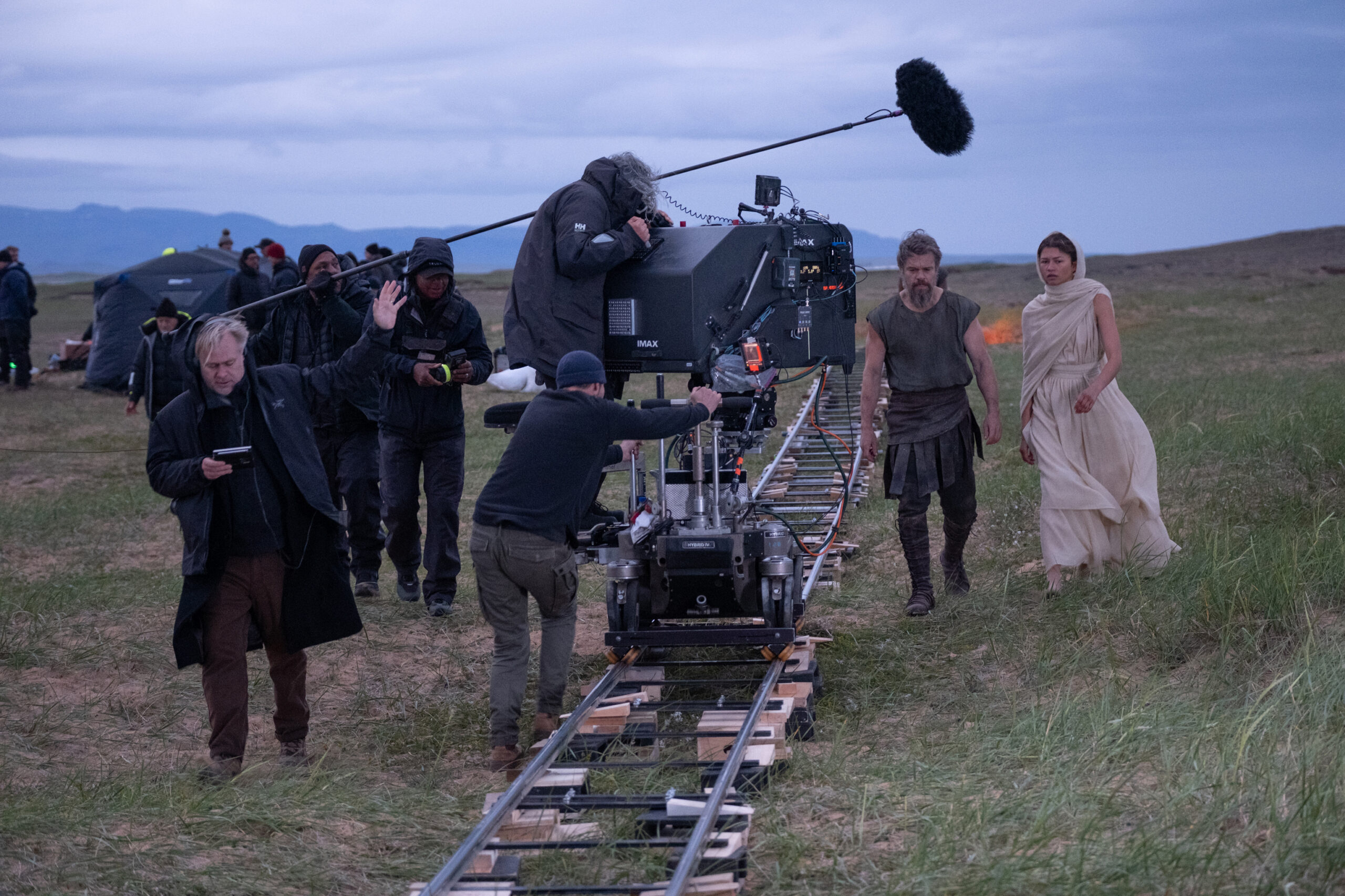
    This preference for premium formats, such as IMAX, further boosts revenue potential. IMAX screenings command higher ticket prices. They also offer an enhanced viewing experience that aligns with Nolan’s visual style. The global reach of these premium formats amplifies their impact on overall gross.

    Strategic Considerations for ‘The Odyssey’s’ Release

    The final box office performance of ‘The Odyssey’ will depend on several strategic considerations. These include its release window, competitive landscape, and marketing approach. Each element requires careful planning to maximize the film’s potential.

    Release Window and Competitive Landscape

    The specific release window for ‘The Odyssey’ will be crucial. Strategic placement during a less crowded period can significantly impact its opening weekend. Counter-programming against other major releases is another tactic. This strategy aims to capture audiences not interested in competing films.

    Studios typically plan Nolan’s releases carefully. The goal is to maximize their reach and minimize direct competition. A well-chosen date can provide significant momentum. It can help the film establish strong legs in the weeks following its debut.

    Marketing and Global Appeal

    Furthermore, the marketing campaign will be instrumental. Early trailers and promotional materials will aim to build anticipation. This process is similar to how previous Nolan films have generated immense buzz. The initial marketing push sets the tone for audience expectations.

    The global appeal of Nolan’s name ensures that ‘The Odyssey’ will receive widespread attention. This attention will span across key international markets. International markets often contribute a substantial portion of a film’s total gross. Effective global marketing is essential for achieving a billion-dollar outcome.

    Industry Analysis and Future Outlook

    Industry analysts continue to refine their models. They use data from past performances and current market trends. Media outlets publish updated forecasts as more information becomes available. These forecasts provide evolving insights into ‘The Odyssey’s’ potential.

    Audiences await the first trailer. The initial glimpse of the film will further shape public perception and anticipation. The financial narrative for ‘The Odyssey’ is just beginning. Its journey to the billion-dollar mark remains a central topic of discussion in the film industry.

    Analysts review data. Studios plan strategies. Audiences wait. The Odyssey.

  • Christopher Nolan on ‘Odyssey’ Backlash: ‘Irrelevant’ After Batman Experience

    Christopher Nolan on ‘Odyssey’ Backlash: ‘Irrelevant’ After Batman Experience

    Christopher Nolan has publicly stated his disregard for the backlash surrounding his latest film, ‘Odyssey.’ Nolan characterized the criticism as ‘irrelevant,’ attributing his perspective to his extensive experience navigating public opinion during his ten years working on the Batman film series. This stance highlights a filmmaker’s approach to creative control amidst contemporary online scrutiny.

    His comments, reported by Variety on July 11, 2026, suggest a seasoned perspective on the often-intense public reaction to high-profile cinematic releases. Nolan’s career spans several decades, marked by both critical acclaim and significant box office success.

    The Weight of Public Opinion in Modern Cinema

    The film industry operates within a complex ecosystem of critical reviews, fan expectations, and social media discourse. Modern filmmakers frequently face immediate and widespread reactions to their creative decisions, sometimes even before a film’s release. These reactions can range from enthusiastic support to intense criticism.

    Nolan’s ‘Odyssey’ has reportedly garnered significant discussion, particularly concerning its casting choices and certain narrative elements. The specific details of the backlash have been a subject of online debate across various platforms since the film’s initial announcements.

    Directors like Nolan, who command substantial creative freedom, often find themselves at the nexus of artistic vision and commercial viability. This tension is particularly pronounced in the era of instant digital feedback.

    Navigating the Batman Legacy

    Christopher Nolan directed three highly successful Batman films: ‘Batman Begins’ (2005), ‘The Dark Knight’ (2008), and ‘The Dark Knight Rises’ (2012). This trilogy is widely regarded as a significant achievement in the superhero genre, redefining its dramatic and thematic potential.

    During his decade-long involvement with the Batman universe, Nolan experienced firsthand the immense scrutiny that accompanies iconic characters. Casting decisions, plot deviations from comic lore, and stylistic choices were all subjects of intense public debate.

    The casting of Heath Ledger as the Joker in ‘The Dark Knight,’ for instance, initially faced considerable skepticism from some fans. Ledger’s performance ultimately earned widespread critical acclaim, including a posthumous Academy Award, demonstrating how initial public reactions can sometimes diverge significantly from a project’s eventual reception.

    Nolan’s reference to his ’10 years dealing with Batman’ underscores a period of sustained public engagement and critique. This experience appears to have forged a resilient approach to external pressures.

    The ‘Odyssey’ Project: Context and Controversies

    ‘Odyssey’ represents Christopher Nolan’s latest directorial effort, following a string of critically and commercially successful films. Details about the film’s plot remain somewhat guarded, a common practice for Nolan’s productions, which often feature intricate narratives and unexpected twists.

    The reported backlash surrounding ‘Odyssey’ highlights contemporary sensitivities within the film-watching community. Issues such as representation, narrative authenticity, and creative interpretation frequently fuel online discussions.

    Specific criticisms of ‘Odyssey’ have not been fully detailed in public reports, but they are understood to encompass various aspects of the film’s production. These often include:

    • Casting decisions for key roles.
    • Departures from expected genre conventions.
    • Thematic elements perceived as controversial.
    • Pacing or structural choices within the narrative.

    Nolan’s dismissal of these concerns suggests a filmmaker prioritizing his artistic vision. He has historically maintained a strong directorial hand in his projects, often working with a consistent team of collaborators.

    Filmmaker Autonomy in the Digital Age

    The concept of filmmaker autonomy has evolved significantly with the rise of social media. Directors now face a more direct and immediate form of audience feedback, often before a film has even been seen by the majority of the public.

    For many established directors, maintaining creative control is paramount. This often means making decisions that may not immediately align with certain audience expectations or online trends.

    Nolan’s statement aligns with a broader sentiment among some veteran filmmakers who believe in the integrity of their artistic process. They argue that constant adaptation to every wave of public opinion can dilute a project’s original vision.

    The balance between audience engagement and creative independence remains a perpetual challenge for the film industry. Nolan’s approach suggests a clear preference for the latter, informed by years of navigating high-stakes productions.

    Lessons from a Decade of Blockbusters

    Christopher Nolan’s filmography is characterized by ambitious storytelling, technical innovation, and a consistent exploration of complex themes. His films often challenge audiences with non-linear narratives and thought-provoking concepts.

    His experience with the Batman films provided a unique education in managing public perception. These were not just standalone movies; they were cultural events with deeply entrenched fan bases and high expectations.

    The pressure to deliver a satisfying conclusion to the Batman trilogy with ‘The Dark Knight Rises’ was immense. Nolan successfully navigated these pressures, delivering a film that, while generating discussion, cemented his reputation as a master storyteller.

    This sustained period of high-profile filmmaking likely instilled in Nolan a durable resistance to transient criticisms. He has seen how initial reactions can shift, and how a film’s legacy often takes time to solidify.

    The Impact of Online Discourse on Creative Works

    Online platforms have democratized film criticism, allowing virtually anyone to share their opinions. While this can foster vibrant communities, it also creates an environment where negative sentiment can quickly amplify.

    For filmmakers, discerning constructive criticism from noise becomes a critical skill. Nolan’s ‘irrelevant’ comment indicates a deliberate filtering process, focusing on the creative goals rather than every public comment.

    The phenomenon of ‘backlash’ itself has become a common feature of the entertainment landscape. It encompasses a wide range of reactions, from genuine critical analysis to more emotionally charged responses, sometimes fueled by a sense of ownership over popular intellectual properties.

    Nolan’s perspective suggests that for a filmmaker with a clear vision, this type of widespread, immediate online reaction can be a distraction rather than a guide. His focus remains on the execution of his artistic intent.

    Filmmakers and the Future of Creative Freedom

    Christopher Nolan’s stance on the ‘Odyssey’ backlash raises questions about the future of creative freedom in Hollywood. As studios become increasingly sensitive to public relations and social media trends, the space for uncompromising artistic vision might shrink.

    However, directors with a proven track record, like Nolan, often retain a stronger bargaining position. Their past successes grant them a certain degree of insulation from immediate commercial or public pressures.

    The debate between artistic integrity and audience satisfaction is perennial. Nolan’s comments contribute to this ongoing dialogue, asserting the importance of a director’s conviction.

    His films have consistently pushed cinematic boundaries, from the dreamscapes of ‘Inception’ to the temporal manipulations of ‘Tenet.’ This history suggests a director who is not afraid to take risks, even if those risks generate discussion.

    The Role of the Audience in Shaping Art

    While Nolan dismisses certain forms of backlash, the audience ultimately plays a crucial role in the success and cultural impact of a film. Box office receipts and long-term critical reception are driven by audience engagement.

    However, the definition of ‘audience engagement’ has become more complex. It now includes not just ticket sales, but also social media metrics, online reviews, and cultural conversations.

    Nolan’s position is not necessarily a rejection of his audience, but rather a distinction between critical feedback that informs the creative process and general public sentiment that may not. He appears to prioritize the former.

    The interaction between creator and audience is a dynamic one. Nolan’s statement is a reminder that while audiences are vital, the final creative authority often rests with the filmmaker, particularly for those with a distinct artistic signature.

    Christopher Nolan directed ‘Batman Begins.’ He directed ‘The Dark Knight.’ He directed ‘The Dark Knight Rises.’ He has now directed ‘Odyssey.’

    He remains resolute.

  • Christopher Nolan Praises Gen Z for Rejecting AI ‘Slop’

    Christopher Nolan Praises Gen Z for Rejecting AI ‘Slop’

    Christopher Nolan, the acclaimed director, has publicly lauded Gen Z filmmakers for their steadfast refusal to embrace artificial intelligence in their creative processes. Nolan specifically praised this generation’s ‘utter rejection’ of what he critically termed ‘AI slop,’ asserting that the current advent of AI technology is ‘hitting at exactly the wrong time’ for the film industry and broader creative sectors.

    This endorsement from Nolan highlights a significant cultural and professional divide concerning AI’s integration into artistic endeavors. His observations point to a generational preference for human-centric creativity over algorithmic generation.

    The Director’s Perspective on AI’s Timing

    Nolan’s comments were not merely an observation but a critical assessment of AI’s timing within the creative landscape. He suggested that the technology’s emergence now presents unique challenges rather than opportunities for genuine artistic expression.

    The director, known for his commitment to practical effects and traditional filmmaking techniques, has consistently voiced concerns about technological advancements that could diminish human agency in art. His filmography, including works like ‘Oppenheimer’ and ‘Interstellar,’ often explores complex human dilemmas through meticulously crafted narratives.

    He believes that the current stage of AI development, particularly in generative capabilities, produces outputs that lack the nuance, intentionality, and soul inherent in human-made art. This perspective aligns with a broader sentiment among traditionalists in Hollywood.

    Gen Z’s Stance: A Rejection of ‘Slop’

    Gen Z, comprising individuals born roughly between the mid-1990s and early 2010s, has demonstrated a notable skepticism towards AI in creative fields. Nolan’s praise underscores what he perceives as a principled stand by this demographic.

    The term ‘AI slop’ used by Nolan vividly describes his view of AI-generated content: something hastily produced, lacking quality, and devoid of artistic merit. This characterization resonates with many artists who fear AI’s potential to devalue human skill and originality.

    This generation, having grown up amidst rapid technological change, appears to be drawing a clear line between tools that assist creativity and those that seek to replace it. Their ‘utter rejection’ suggests a desire to preserve the authenticity of artistic creation.

    Impact on Creative Industries

    The debate surrounding AI extends far beyond filmmaking, touching upon music, literature, visual arts, and journalism. Nolan’s remarks contribute to a growing chorus of voices questioning AI’s ethical and artistic implications.

    The film industry, in particular, has seen significant discussions regarding AI’s potential use in screenwriting, visual effects, and even actor likenesses. These conversations often revolve around intellectual property, compensation, and the very definition of authorship.

    Labor organizations, including the Writers Guild of America (WGA) and the Screen Actors Guild – American Federation of Television and Radio Artists (SAG-AFTRA), have actively negotiated protections against unchecked AI integration. Their recent agreements have included clauses addressing AI’s use, reflecting widespread concern.

    The Authenticity Imperative

    For Gen Z, authenticity often serves as a core value. This generation frequently prioritizes genuine expression and ethical production practices, which may explain their aversion to AI-generated content.

    The perceived inauthenticity of AI outputs, which can often mimic existing styles without true understanding or original thought, clashes with this generational value. They seek to create work that is deeply personal and reflective of human experience.

    This focus on authenticity could shape the future of creative industries, pushing for greater transparency regarding AI’s role in content creation and fostering an appreciation for human craftsmanship.

    Historical Parallels: Technology and Art

    The tension between new technology and established artistic practices is not new. Throughout history, every major technological shift has provoked debate about its impact on art.

    The invention of photography in the 19th century, for example, initially led some to declare the death of painting. Yet, painting evolved, exploring new forms and purposes that photography could not replicate.

    Similarly, the advent of synthesizers and digital music production tools in the 20th century sparked discussions about the ‘purity’ of acoustic music. These tools ultimately expanded musical possibilities, coexisting with traditional methods.

    Nolan’s current stance echoes these historical anxieties, but with a crucial difference: AI’s capacity for autonomous generation raises fundamental questions about human creativity itself.

    The Role of Tools vs. Creators

    A key distinction in the AI debate centers on whether AI functions as a tool for human creators or as a creator itself. Many artists are open to AI as an assistive technology that enhances their workflow.

    However, the concept of AI as an autonomous generator of ‘slop’ suggests a different paradigm, one where the machine bypasses human input to produce final content. This is where Nolan and many Gen Z creators draw the line.

    The discussion shifts from using AI to make art better to AI making art without human artistic intent. This distinction is vital for understanding the ethical and philosophical objections.

    Looking Ahead: The Future of Creativity

    Nolan’s praise for Gen Z signals a potential future where human creativity is actively defended against perceived technological intrusions. This generational pushback could influence how AI is developed and deployed in creative fields.

    The emphasis on human authorship and originality could lead to renewed appreciation for traditional skills and unique artistic visions. It might also foster innovation in areas where AI cannot easily replicate human ingenuity.

    As AI technology continues to evolve, the dialogue between creators, technologists, and audiences will remain critical. The choices made today will undoubtedly shape the artistic landscape for decades to come.

    Filmmakers gathered. Artists gathered. Technologists gathered. A generation gathered.

    Creativity.