
Tag: Child Support

  • David Allan Coe’s Children Seek Unpaid Child Support from Estate

    David Allan Coe’s Children Seek Unpaid Child Support from Estate

    The Challenge to Coe’s Estate

    The children of David Allan Coe, the influential and often controversial figure in outlaw country music, are pursuing legal action against his estate. Their claim centers on allegations of unpaid child support. This development follows reports that Coe’s children were deliberately omitted from his last will and testament.

    The dispute brings into focus the intersection of estate law, familial obligations, and the legacy of a musician known for his unconventional life. Legal experts indicate that child support obligations can sometimes supersede the explicit terms of a will, depending on jurisdiction and established legal precedents.

    Who Was David Allan Coe?

    David Allan Coe emerged as a significant voice in country music during the 1970s. He was born on September 6, 1939, in Akron, Ohio. Coe’s career was marked by his outlaw image, distinctive vocal style, and often provocative lyrics. He spent time in correctional facilities in his youth, experiences that heavily influenced his songwriting.

    His early albums, such as Penitentiary Blues (1970) and Longhaired Redneck (1976), established his persona. Coe’s music frequently explored themes of hardship, rebellion, and personal freedom. He became a central figure in the outlaw country movement alongside artists like Willie Nelson and Waylon Jennings.

    Major Musical Contributions

    Coe’s songwriting prowess extended beyond his own recordings. He penned several hit songs for other artists. One of his most famous compositions, “You Never Even Call Me by My Name,” became a major hit for David Allan Coe in 1975. Coe himself recorded a version of the song on his 1975 album, Once Upon a Rhyme.

    He also wrote “Longhaired Redneck,” which became one of his signature songs. Another notable composition was “Would You Lay with Me (In a Field of Stone),” a number one hit for Tanya Tucker in 1974. These songs showcased his ability to craft narratives that resonated with a wide audience, despite his often confrontational public image.

    The Outlaw Country Movement

    The outlaw country movement of the 1970s represented a rebellion against the polished, Nashville sound. Artists like Coe, Jennings, Nelson, and Kris Kristofferson sought greater creative control over their music. They preferred a grittier, more authentic sound that reflected their personal experiences and independent spirit.

    Coe’s contributions to this movement were significant. His willingness to push boundaries, both lyrically and stylistically, solidified his place as an icon. His albums, while sometimes controversial, were critically acclaimed for their raw honesty and musical integrity. The movement redefined commercial country music, paving the way for future generations of artists.

    Familial Obligations and Estate Planning

    The current legal challenge against David Allan Coe’s estate underscores critical aspects of estate law concerning dependents. Estate planning typically involves a will, which outlines how an individual’s assets are to be distributed after their death. However, certain legal obligations, such as child support, often take precedence over the directives within a will.

    In many jurisdictions, child support is considered a continuing obligation. This means it does not necessarily terminate with the death of the paying parent. Courts may compel an estate to fulfill outstanding child support payments or to establish a trust for ongoing support, regardless of the will’s contents. This legal principle aims to protect the financial well-being of minor children or adult children with specific needs.

    The Role of Intentional Exclusion

    The claim of intentional exclusion from a will complicates matters. While individuals generally have the right to disinherit heirs, this right is not absolute when statutory obligations are involved. If a parent had an existing child support order or a recognized duty of support, the estate may still be liable. This liability can exist even if the will explicitly states that a child should receive no inheritance.

    Legal proceedings in such cases often involve examining the deceased’s financial history, previous support agreements, and the specific laws governing estates and family support in the relevant state. The children’s legal representatives would likely present evidence of past support arrangements or the lack thereof, alongside the terms of Coe’s will.

    Previous Legal Encounters and Controversies

    David Allan Coe’s life was frequently punctuated by legal issues and public controversies. His music often contained explicit language and themes that led to censorship and debate. He released albums, such as Nothing Sacred (1978) and Rebel Meets Rebel (2006), that were particularly polarizing.

    His outspoken nature and anti-establishment stance sometimes led to clashes with music industry figures and critics. These controversies, while defining his outlaw image, also contributed to a complex public perception. His personal life, including multiple marriages and children, was also a subject of public interest and speculation.

    The Financial Landscape of a Music Career

    The financial aspects of a long music career, especially one as independent as Coe’s, can be intricate. Income streams include record sales, publishing royalties from songwriting, touring revenue, and merchandise. Managing these diverse income sources and ensuring proper financial planning, particularly regarding familial obligations, is a significant challenge for many artists.

    The value of an artist’s estate can fluctuate based on ongoing royalty payments, catalog ownership, and intellectual property rights. Disputes over estates often arise when these assets are substantial or when there is ambiguity in financial arrangements made during the artist’s lifetime.

    The Estate’s Response and Legal Process

    The legal process initiated by David Allan Coe’s children will involve several stages. The estate’s representatives will likely review the claims, potentially challenging their validity or the amount sought. This could lead to negotiations, mediation, or, if no agreement is reached, a full court trial.

    The outcome will depend on the strength of the evidence presented by both sides. It will also depend on the interpretation of applicable state laws regarding child support and inheritance. The proceedings will unfold in a public forum, bringing further attention to Coe’s legacy and personal affairs.

    Impact on Coe’s Legacy

    This legal battle adds another layer to the complex legacy of David Allan Coe. His musical contributions remain influential, with many artists citing him as an inspiration. However, the current dispute highlights the personal dimensions of his life that sometimes overshadowed his artistic achievements.

    The resolution of this case will undoubtedly shape how Coe is remembered, particularly concerning his responsibilities as a parent. It underscores that even after death, legal and moral obligations can continue to impact an individual’s estate and public image. The music endures, but the personal story continues to evolve.

    The claims proceed. The estate responds. The courts weigh the evidence. The legacy. Coe.
  • Sami Sheen Claims No Financial Support from Charlie Sheen, Promotes OnlyFans

    Sami Sheen Claims No Financial Support from Charlie Sheen, Promotes OnlyFans

    Sami Sheen’s Public Declaration

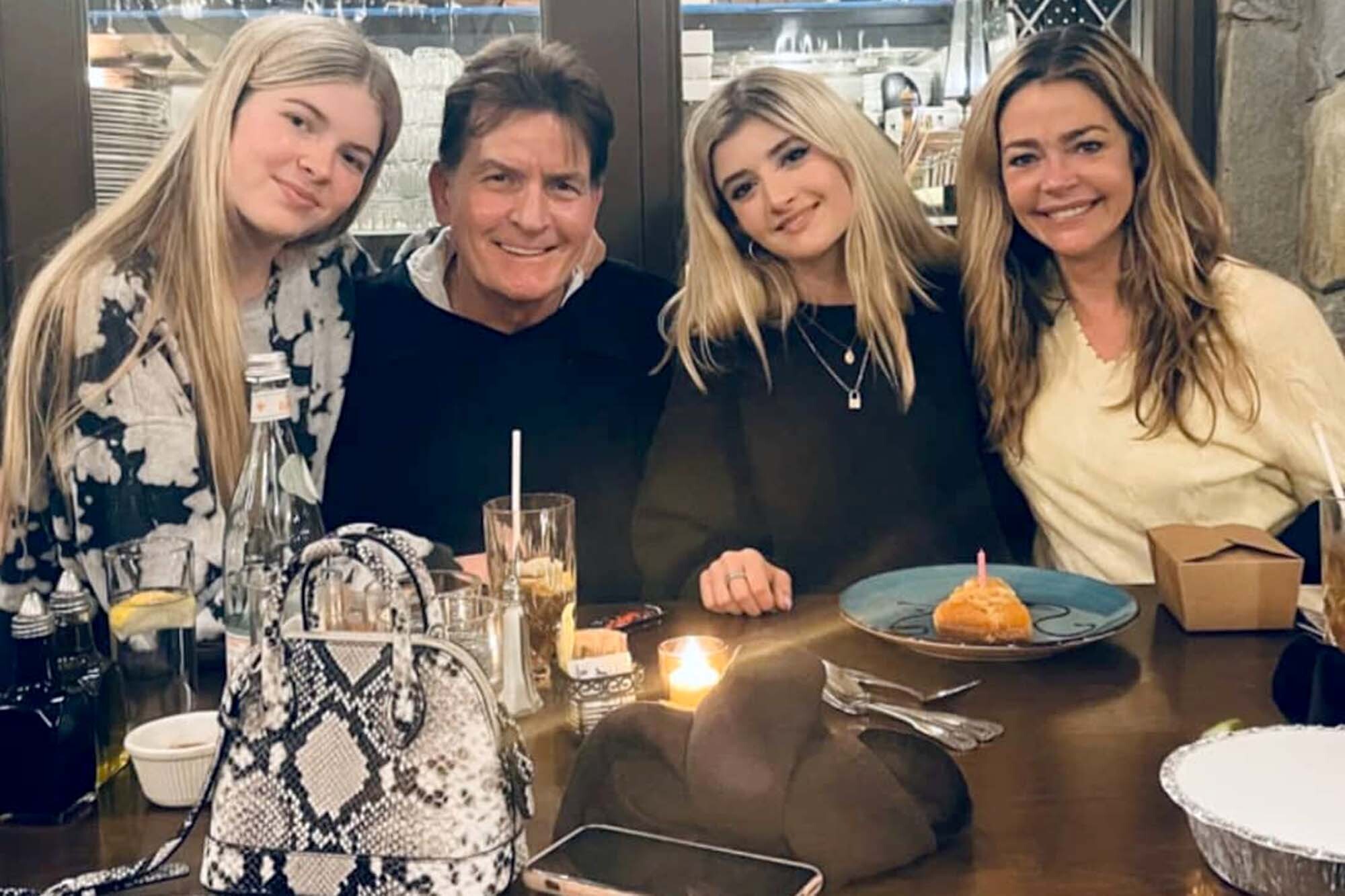
    Sami Sheen, the daughter of prominent actor Charlie Sheen and actress Denise Richards, publicly declared on July 19, 2026, that she receives no financial assistance from her father. She stated that her income is derived solely from her OnlyFans account, a subscription-based content platform. This assertion directly addresses and refutes previous reports and rumors concerning Charlie Sheen’s financial contributions to her upkeep.

    Her statement, made through public channels, included an explicit promotion of her OnlyFans page, urging potential subscribers to engage with her content. This move places her personal financial situation and professional endeavors squarely in the public spotlight, drawing attention to the dynamics within the Sheen-Richards family.

    The History of Parental Disputes

    The relationship between Sami Sheen and her parents, Charlie Sheen and Denise Richards, has been a subject of public interest for several years. Charlie Sheen and Denise Richards married in June 2002. They welcomed Sami in March 2004 and their second daughter, Lola Rose, in June 2005. Richards filed for divorce in March 2005, citing irreconcilable differences. The divorce was finalized in November 2006, initiating a protracted period of public and private disputes over custody, child support, and parental responsibilities.

    Throughout the years, both Sheen and Richards have made various public statements regarding their co-parenting challenges and financial arrangements. These statements often played out in the media, providing a narrative of a family navigating complex personal issues under intense scrutiny. The children, including Sami, were frequently mentioned in these discussions, particularly as they approached adulthood.

    Sami Sheen and OnlyFans

    Sami Sheen first joined OnlyFans in June 2022. At the time, her decision garnered significant media attention and public discussion. Her father, Charlie Sheen, initially expressed disapproval of her choice to join the platform, citing concerns about exploitation. He stated through his publicist, Jeff Ballard, that he did not condone the decision but acknowledged Sami was an adult. He reportedly urged her to keep it “classy and creative.”

    Denise Richards, Sami’s mother, took a different stance. She publicly supported her daughter’s decision, emphasizing the importance of parental support and acknowledging that Sami is an adult capable of making her own choices. Richards herself later joined OnlyFans in June 2022, days after Sami, further highlighting the family’s differing perspectives on the platform and personal autonomy.

    Richards stated that she wanted to understand the platform better and support her daughter, dispelling any notion of judgment. She also indicated that she felt it was important for parents to be open-minded and not dismiss their children’s choices outright, especially when those choices involve modern forms of income generation and self-expression.

    Financial Support and Public Perception

    Sami Sheen’s recent assertion on July 19, 2026, directly challenges a narrative that has circulated in the media. Reports from September 2021 indicated a change in Charlie Sheen’s child support obligations. A Los Angeles court filing from September 2021 reportedly showed that Sheen, with Richards’ consent, requested a modification to his child support payments for Sami and Lola. The filing cited that Sami, then 17, was living with her father and no longer residing with her mother, leading to a reduction in financial obligations to Richards.

    Further reports in October 2021 suggested that Sami was still living with Sheen, having moved back in with Richards much later in 2022. These shifts in living arrangements often coincide with adjustments in financial support arrangements, which are typically determined by court orders based on factors like custody and income.

    The rumor of Charlie Sheen purchasing a beach house for Sami gained traction in various celebrity news outlets. These reports, often unsubstantiated, contributed to the public perception that Sami Sheen was receiving significant financial assistance from her father. Her recent statement explicitly contradicts this, suggesting that any past support or rumored gifts do not translate to ongoing financial dependence.

    The public’s interest in celebrity children’s financial independence and lifestyle choices remains high. The contrast between perceived celebrity wealth and individual financial autonomy often fuels such discussions. Sami Sheen’s statement positions her as an individual who is actively earning her own living, separate from her father’s resources.

    The Broader Context of Celebrity Children

    Children of celebrities often face unique challenges and expectations regarding their personal and professional lives. They are frequently subjected to public scrutiny, with their choices and financial situations becoming fodder for media discussion. The pressure to forge their own paths, sometimes in the shadow of famous parents, can be significant.

    Many celebrity offspring choose to enter the entertainment industry, following in their parents’ footsteps. Others pursue entirely different careers, seeking to establish identities independent of their family name. The decision to use platforms like OnlyFans, while a modern form of income generation, can be particularly polarizing, drawing both support and criticism.

    The discussion around Sami Sheen’s financial independence also touches upon broader themes of generational wealth, parental responsibility, and the evolving nature of work in the digital age. For some, her reliance on OnlyFans represents a modern entrepreneurial spirit. For others, it raises questions about the responsibilities of wealthy parents and the choices available to their children.

    The Sheen-Richards family has a long history of public challenges. Charlie Sheen’s career has been marked by both significant success and highly publicized personal struggles, including legal issues, substance abuse, and health concerns. These events have often had ripple effects on his family, including his children, who have grown up under constant media attention.

    Denise Richards has also maintained a public profile, often addressing the complexities of co-parenting with Sheen. Her efforts to protect her children from the more tumultuous aspects of their father’s life have been documented in various interviews and public appearances. The family’s journey has been a public spectacle, with each new development drawing renewed interest.

    Navigating Public Scrutiny and Personal Choices

    Sami Sheen’s direct declaration about her financial independence and her promotion of OnlyFans underscores a growing trend among younger generations to leverage digital platforms for income and personal branding. This approach allows individuals to directly monetize their content and build an audience without traditional intermediaries.

    Her assertion that she receives no financial aid from her father aims to clarify her current financial standing and potentially to establish a distinct personal and professional identity. This act of public self-definition is a common strategy for individuals seeking to move beyond the shadow of famous relatives.

    The ongoing public discourse surrounding Sami Sheen’s financial status and career choices reflects contemporary attitudes towards celebrity, family dynamics, and the economic opportunities presented by online platforms. Her statement on July 19, 2026, adds a new chapter to the complex narrative of her family’s public life, emphasizing her agency in her own financial future.

    The Evolving Landscape of Digital Entrepreneurship

    OnlyFans, launched in 2016, has grown into a significant platform for content creators to earn revenue directly from their subscribers. It allows creators to post various forms of content, including photos, videos, and live streams, often behind a paywall. The platform is particularly known for its adult content, though it also hosts creators from other genres such as fitness, music, and cooking.

    The rise of platforms like OnlyFans has democratized content creation and monetization, offering an alternative to traditional employment and media structures. For individuals like Sami Sheen, it provides a direct avenue to generate income and build a personal brand, separate from established family connections or traditional career paths.

    This shift in economic models also brings new discussions about labor, privacy, and social perception. While some view it as empowering, others remain critical of the platform’s association with adult content and potential for exploitation. Sami Sheen’s public embrace of OnlyFans and her assertion of financial independence through it contribute to this ongoing societal conversation.

    The decision to promote her OnlyFans account while simultaneously stating her lack of financial support from her father creates a clear narrative: she is self-reliant. This narrative may resonate with audiences who value independence and direct entrepreneurship, especially in an era where traditional career paths are increasingly challenged.

    The family’s public history, combined with Sami’s modern approach to income generation, illustrates the complex interplay between personal choices, celebrity status, and evolving digital economies. Her statement marks a definitive stance on her financial autonomy.

    The media continues to document these developments. The public remains engaged. The narrative of self-sufficiency. The promotion of a platform. The Sheen-Richards family saga continues.