Tag: Cheers

  • Will & Grace Creators Honor James Burrows – A Television Legend Remembered

    Will & Grace Creators Honor James Burrows – A Television Legend Remembered

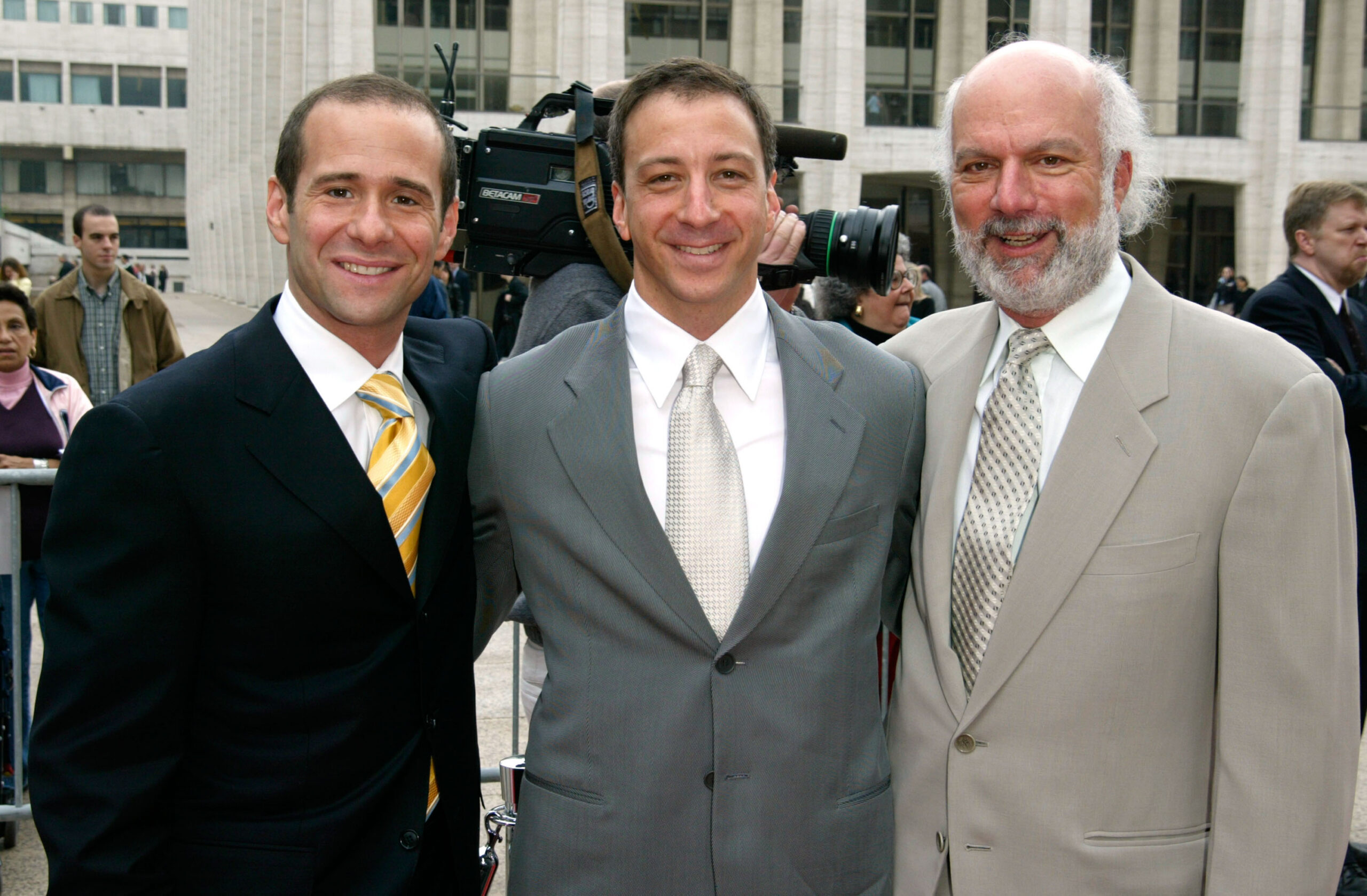
    Max Mutchnick and David Kohan, the acclaimed co-creators of the hit series ‘Will & Grace,’ recently delivered a heartfelt eulogy for legendary television director James Burrows. At a private memorial service held in late 2025, they celebrated Burrows’ profound influence on their careers and his unparalleled contributions to the landscape of television comedy. Their tribute included personal anecdotes and reflections on his meticulous approach to directing, particularly during the formative years of ‘Will & Grace.’

    Burrows, whose career spanned decades, directed episodes for some of the most iconic sitcoms in history, including ‘Taxi,’ ‘Cheers,’ ‘Friends,’ and ‘Will & Grace.’ His distinctive directorial style became synonymous with the multi-camera comedy format. Mutchnick and Kohan’s eulogy offered an intimate perspective from collaborators who witnessed his genius firsthand, detailing his ability to elevate comedic performances and shape the very rhythm of a show.

    The Early Encounters: A Legend’s Influence

    Max Mutchnick and David Kohan first encountered James Burrows as their careers in television writing and producing began to ascend. These initial meetings were more than professional introductions; they were formative experiences that profoundly shaped the creative trajectories of both men. Burrows, already a seasoned veteran, commanded every set with an aura of authority and expertise.

    The creators of ‘Will & Grace’ frequently recounted their initial awe at the prospect of working with a director of Burrows’ stature. He had already helmed pivotal episodes of seminal comedies such as ‘Cheers,’ which ran from 1982 to 1993, and ‘Taxi,’ which aired from 1978 to 1983. This extensive resume positioned him as a living legend within the industry, a figure whose presence could both inspire and, at times, intimidate aspiring talent.

    Mutchnick and Kohan quickly discovered that Burrows’ formidable reputation was entirely justified. His discerning eye for comedic timing, his deep understanding of character dynamics, and his unparalleled ability to orchestrate complex ensemble performances were immediately apparent. These early interactions laid the crucial groundwork for a collaborative relationship that would come to define one of the most successful sitcoms of the late 20th and early 21st centuries.

    Crafting ‘Will & Grace’: Burrows’ Visionary Direction

    James Burrows directed numerous episodes of ‘Will & Grace,’ most notably the pilot episode, which aired in September 1998. He continued his pivotal involvement throughout the show’s original run from 1998 to 2006, and again during its revival from 2017 to 2020. His directorial hand was crucial in establishing the series’ signature fast-paced dialogue, its unique blend of physical comedy, and the undeniable chemistry among its four lead actors: Eric McCormack (Will Truman), Debra Messing (Grace Adler), Megan Mullally (Karen Walker), and Sean Hayes (Jack McFarland).

    Mutchnick and Kohan consistently credited Burrows with helping to define the show’s visual language and its distinctive comedic rhythm. He possessed an innate understanding of how to frame a joke for maximum impact, how to utilize camera blocking to enhance a punchline, and how to create a dynamic and energetic environment for comedic performances. This expertise was particularly vital for a show that relied heavily on verbal sparring, rapid-fire exchanges, and precise physical comedy.

    The collaboration between the creators and Burrows was a testament to his adaptability and unwavering commitment to the material. He was never merely a technician; he functioned as a true creative partner who grasped the intricate nuances of character and story. His directorial decisions frequently amplified the comedic intent of the writers, solidifying ‘Will & Grace’s’ status as a benchmark for modern sitcoms and earning it 18 Primetime Emmy Awards during its initial run.

    A Mentor and a Friend: Personal Tributes from the Eulogy

    Beyond his extensive professional contributions, Max Mutchnick and David Kohan’s eulogy revealed the deep personal connection they shared with James Burrows. They spoke of him not merely as a director, but as a mentor, a trusted guide, and a cherished friend. This deeper, personal relationship underscored the profound impact Burrows had on their lives, both professionally and personally.

    The eulogy included several poignant anecdotes that highlighted Burrows’ generosity with his vast knowledge and his consistent willingness to nurture emerging talent. He was known for his directness and his high standards, but also for his unwavering support of the actors and crew members he worked with. Many within the industry regarded him as a true leader, someone capable of commanding a set with authority while simultaneously fostering a collaborative and highly creative atmosphere.

    Mutchnick and Kohan’s words painted a vivid picture of a man who was deeply passionate about his craft and equally dedicated to the people he collaborated with. The private memorial service, held in late 2025, became an occasion not solely for mourning his passing, but for celebrating a life lived with immense purpose and a career that enriched the lives of millions globally. The mixture of laughter and tears shared at the service reflected the complex emotions evoked by his indelible legacy.

    The Burrows Blueprint: What Defined a Master Director?

    James Burrows developed a directorial style that became instantly recognizable and widely emulated across the television industry. His innovative approach to multi-camera sitcoms was characterized by several key, enduring elements:

    • Precision in Blocking: Burrows was a master at choreographing actors’ movements within a scene, ensuring that every gesture, glance, and physical interaction contributed directly to the comedic effect and advanced the narrative.
    • Rhythm and Pacing: He possessed an exceptional ear for comedic timing, expertly guiding actors to deliver lines with perfect rhythm and pacing. He often accelerated dialogue to heighten humor or used strategic pauses for maximum impact.
    • Ensemble Chemistry: Burrows excelled at fostering strong ensemble chemistry among casts. He allowed each actor to shine individually while meticulously maintaining a cohesive and believable group dynamic. His sets were frequently described as spaces where actors could truly connect and build authentic relationships.
    • The Live Audience Integration: He understood and leveraged the critical importance of the live studio audience. Burrows expertly staged scenes to maximize their reactions, incorporating their laughter and energy directly into the final product, making them an integral part of the show’s comedic success.
    • Subtlety in Performance: Despite the often broad nature of sitcoms, Burrows consistently encouraged subtlety and nuance in performances. He allowed characters to convey complex emotions and humor through understated expressions and reactions, adding depth to the comedic portrayals.

    These elements combined to create a distinctive directorial signature that made his shows not just funny, but enduringly watchable, critically acclaimed, and consistently popular. His remarkable ability to consistently produce hit after hit across different networks and with diverse casts solidified his status as an unparalleled television icon.

    A Pantheon of Comedies: Burrows’ Extensive Filmography and Awards

    James Burrows’ filmography reads like a definitive history of American television comedy. Beyond ‘Will & Grace,’ he directed over 1,000 episodes of television, a record unsurpassed by any other director. His credits include:

    • ‘Taxi’ (1978-1983): Directed 75 episodes, helping to launch the careers of Danny DeVito, Christopher Lloyd, and Andy Kaufman.
    • ‘Cheers’ (1982-1993): Directed 243 episodes, including the pilot, and co-created the series. He was instrumental in establishing its iconic ensemble cast and setting the standard for bar-centric sitcoms.
    • ‘Friends’ (1994-2004): Directed 15 episodes, including the pilot, establishing the visual style and comedic rhythm for one of the most successful sitcoms of all time.
    • ‘Frasier’ (1993-2004): Directed 32 episodes, including the pilot, contributing to its critical acclaim and numerous awards.
    • ‘Mike & Molly’ (2010-2016): Directed all 127 episodes, showcasing his continued relevance and mastery of the multi-camera format well into the 21st century.
    • ‘The Big Bang Theory’ (2007-2019): Directed 14 episodes, including the pilot, helping to define the early tone of the hugely popular series.

    Throughout his illustrious career, Burrows earned 11 Primetime Emmy Awards for Outstanding Directing for a Comedy Series, a testament to his consistent excellence and innovative contributions. His work profoundly influenced generations of directors, writers, and performers, establishing a template for how multi-camera sitcoms are conceived, written, and executed.

    The Lasting Legacy: Burrows’ Imprint on Television

    The eulogy delivered by Max Mutchnick and David Kohan at the late 2025 memorial service underscored the comprehensive and lasting legacy of James Burrows. His impact extended far beyond the individual episodes he directed; he helped to define the very genre of the American sitcom. He was a craftsman who understood the mechanics of laughter and a visionary who could translate written humor into dynamic, memorable television.

    Burrows’ ability to nurture talent, his unwavering commitment to comedic precision, and his unparalleled work ethic created an environment where creativity flourished. Actors thrived under his direction, writers saw their scripts brought to life with enhanced comedic timing, and audiences worldwide found joy and connection in the worlds he helped create.

    His passing marked the end of an era, but his influence continues to resonate throughout television production. Every multi-camera sitcom produced today, whether directly or indirectly, bears the imprint of James Burrows’ pioneering work. His contributions to the art form are immeasurable, ensuring his status as a permanent fixture in the pantheon of television greats. He left behind a body of work that will continue to entertain and inspire for generations.

    Writers gathered. Actors gathered. Directors gathered. A legend.
  • James Burrows, Legendary TV Director Behind ‘Cheers’ and ‘Taxi,’ Dies at 85

    James Burrows, Legendary TV Director Behind ‘Cheers’ and ‘Taxi,’ Dies at 85

    A Legacy of Laughter: The Enduring Impact of James Burrows

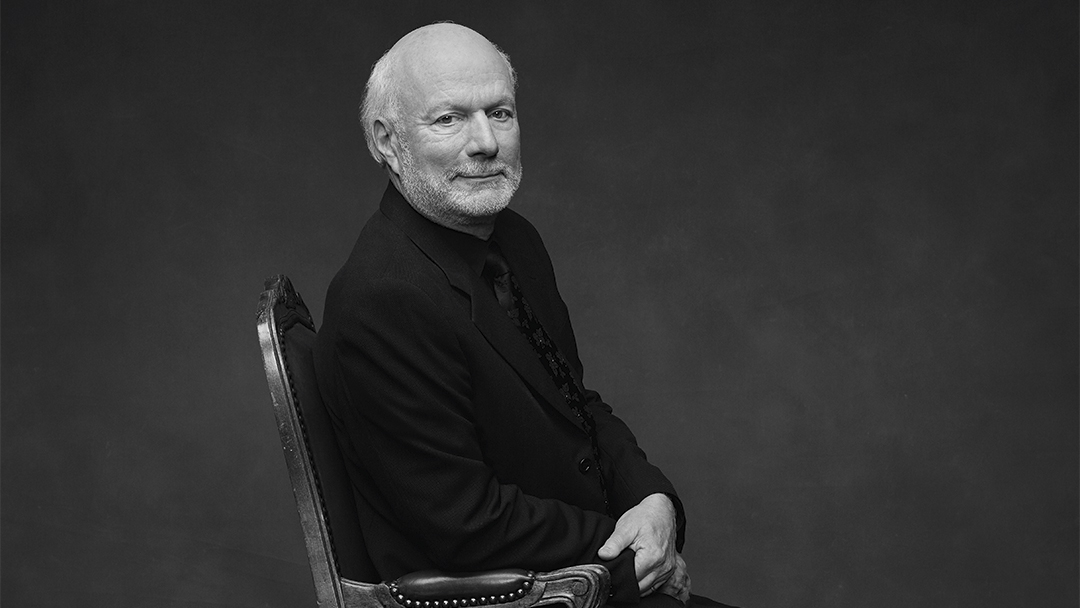
    James Burrows, the acclaimed television director and co-creator of the seminal sitcom ‘Cheers,’ died on June 19, 2026, at the age of 85. His career, spanning more than five decades, profoundly shaped the landscape of American television comedy. Burrows was instrumental in defining the multi-camera sitcom format, directing over 1,000 episodes for dozens of beloved series.

    His work established the visual language and comedic rhythm for many of the most successful and critically praised shows in television history. From the bustling bar of ‘Cheers’ to the iconic apartments of ‘Friends,’ Burrows’s directorial touch was unmistakable. He leaves behind a legacy of laughter, innovation, and enduring cultural impact.

    Early Life and Influences

    James Edward Burrows was born on December 30, 1940, in Los Angeles, California. He was the son of Abe Burrows, a celebrated Broadway playwright, director, and librettist. Abe Burrows co-authored and directed classics such as ‘Guys and Dolls’ and ‘How to Succeed in Business Without Really Trying.’

    Growing up in such a theatrically rich environment provided James with an early immersion in comedic structure and stagecraft. He attended Oberlin College and then the Yale School of Drama, where he honed his skills in directing and performance. This academic background, combined with his practical exposure to Broadway, laid a strong foundation for his future in television.

    Initially, Burrows pursued a career in theater, directing several plays. However, the burgeoning world of television beckoned, offering a new canvas for his talents. He found his entry point into the medium through a connection with a legendary production company.

    From Stage to Screen: The MTM Years

    Burrows began his television career in the early 1970s at MTM Enterprises, a production company renowned for its intelligent, character-driven comedies. MTM was home to groundbreaking shows like ‘The Mary Tyler Moore Show’ and ‘The Bob Newhart Show.’

    His first directorial credit was for an episode of ‘The Mary Tyler Moore Show’ in 1974. This experience proved pivotal, allowing him to learn from some of the best writers, actors, and producers in the business. He observed the meticulous crafting of comedic dialogue and the art of ensemble performance.

    He went on to direct multiple episodes of ‘The Bob Newhart Show,’ ‘Phyllis,’ and ‘Rhoda.’ These early experiences at MTM instilled in him a deep appreciation for strong writing, fully realized characters, and the collaborative nature of television production. The MTM ethos of quality and wit would become hallmarks of Burrows’s own work.

    The Birth of ‘Taxi’ and the Multi-Camera Master

    In 1978, Burrows joined forces with writers and producers James L. Brooks, Stan Daniels, David Davis, and Ed Weinberger to create ‘Taxi.’ This series, set in a New York City taxi garage, became an instant critical darling and a commercial success. Burrows directed the pilot episode, establishing the show’s unique blend of humor and pathos.

    ‘Taxi’ garnered numerous awards, including multiple Primetime Emmy Awards for Outstanding Comedy Series. Burrows himself won his first Emmy for directing an episode of ‘Taxi’ in 1980. The show’s distinctive visual style, often utilizing a single set for extended scenes, became a template for future multi-camera sitcoms.

    His work on ‘Taxi’ solidified his reputation as a master of the multi-camera format. He possessed an uncanny ability to block scenes, choreograph actor movements, and capture comedic beats within the confines of a three-walled set. This skill would become his signature.

    ‘Cheers’: A Cultural Phenomenon

    Perhaps Burrows’s most significant contribution came with the creation of ‘Cheers.’ In 1982, he co-created the series with brothers Glen and Les Charles. Set in a Boston bar where everybody knows your name, ‘Cheers’ became a cultural touchstone.

    Burrows directed all 275 episodes of the series, an unprecedented feat in television history. His consistent presence behind the camera ensured a singular vision and a remarkably cohesive comedic tone throughout its 11-season run. ‘Cheers’ explored themes of community, friendship, and the comfort of routine.

    The show was a critical and commercial juggernaut, winning 28 Primetime Emmy Awards, including four for Outstanding Comedy Series. Burrows personally won four Emmys for his direction on ‘Cheers.’ The series launched the careers of many actors, including Ted Danson, Shelley Long, Rhea Perlman, and Woody Harrelson.

    The Golden Age of Sitcoms: ‘Friends,’ ‘Frasier,’ and ‘Will & Grace’

    Following the immense success of ‘Cheers,’ Burrows continued his prolific career, directing pilots and numerous episodes for many of the most iconic sitcoms of the 1990s and early 2000s. His involvement in a pilot often served as a stamp of quality and a strong indicator of future success.

    • ‘Friends’: Burrows directed the pilot episode of ‘Friends’ in 1994, establishing the dynamic between the six young New Yorkers. He directed 15 episodes of the beloved series, helping to define its rapid-fire comedic style and the chemistry of its ensemble cast.
    • ‘Frasier’: A spin-off of ‘Cheers,’ ‘Frasier’ also benefited from Burrows’s touch. He directed the pilot and several subsequent episodes, ensuring a smooth transition for Kelsey Grammer’s character, Dr. Frasier Crane, to his new life in Seattle.
    • ‘Will & Grace’: Burrows directed every single episode of ‘Will & Grace’ during its original run (1998-2006) and returned for its revival (2017-2020), totaling 246 episodes. This sustained commitment to a single series, much like ‘Cheers,’ demonstrated his dedication and consistent directorial vision. He earned another Emmy for his work on ‘Will & Grace.’

    His ability to cultivate strong ensemble performances and to find the humor in relatable human situations made him the go-to director for network comedies. He had a reputation for working closely with actors, helping them refine their performances and comedic timing.

    A Director’s Touch: The Burrows Style

    James Burrows’s directorial style was characterized by several key elements:

    • Multi-Camera Mastery: He was a virtuoso of the multi-camera format, understanding how to utilize multiple cameras to capture reactions and maintain comedic rhythm.
    • Ensemble Chemistry: Burrows excelled at fostering strong chemistry among cast members, allowing each actor to shine while contributing to the overall group dynamic.
    • Pacing and Timing: His episodes were known for their impeccable comedic timing and brisk pacing, ensuring that jokes landed effectively.
    • Subtle Blocking: He used subtle yet effective blocking to enhance character interactions and visual gags, often without drawing attention to the direction itself.
    • Story-Driven Comedy: Burrows always emphasized the story and characters, believing that genuine humor emerged from well-developed narratives and relatable situations.

    His influence extended beyond the shows he directly worked on. Many directors and showrunners looked to Burrows’s work as a masterclass in sitcom production. He set a standard for quality and consistency in episodic television.

    Later Career and Enduring Influence

    Even in his later years, Burrows remained active and sought after. He directed episodes for a new generation of sitcoms, including ‘Two and a Half Men,’ ‘Mike & Molly,’ ‘The Big Bang Theory,’ and ‘Superior Donuts.’ His ability to adapt to changing comedic sensibilities while maintaining his core principles was remarkable.

    In 2016, a star-studded tribute special, ‘Must See TV: An All-Star Tribute to James Burrows,’ aired on NBC. It brought together casts from ‘Cheers,’ ‘Taxi,’ ‘Friends,’ ‘Frasier,’ ‘Will & Grace,’ and ‘The Big Bang Theory’ to honor his contributions. The event underscored the immense respect and affection he commanded within the industry.

    Burrows’s legacy is not just in the sheer volume of his work, but in the indelible mark he left on popular culture. His shows provided comfort, laughter, and a sense of shared experience for millions of viewers around the world. He was a craftsman who elevated the sitcom to an art form.

    Awards and Accolades

    Throughout his illustrious career, James Burrows was recognized with numerous awards for his directorial excellence. He won 11 Primetime Emmy Awards, making him one of the most awarded directors in television history. His Emmy wins included:

    • Outstanding Directing for a Comedy Series for ‘Taxi’ (1980)
    • Four Emmys for Outstanding Directing for a Comedy Series for ‘Cheers’ (1983, 1984, 1991, 1992)
    • Outstanding Directing for a Comedy Series for ‘Will & Grace’ (2000)

    He was also honored with the Directors Guild of America Award for Outstanding Directorial Achievement in a Comedy Series multiple times. His consistent ability to deliver critically acclaimed and audience-pleasing television set him apart.

    Burrows’s passing marks the end of an era. His vision shaped the genre, his dedication inspired countless professionals, and his work brought joy to generations. The lights of the fictional sets he brought to life may dim, but the laughter he orchestrated will echo for years to come.

    A director. A co-creator. A legend. A craftsman. A visionary. A life.

    Remembered.

  • Kelsey Grammer to Host ‘The Great American Journey’ on NBC – A New Chapter for the Emmy Winner

    Kelsey Grammer to Host ‘The Great American Journey’ on NBC – A New Chapter for the Emmy Winner

    Kelsey Grammer, the acclaimed actor known globally for his portrayal of Dr. Frasier Crane, will host ‘The Great American Journey,’ a new series set to air on NBC. This program, produced by Hearst Television, will embark on an exploration of American historical landmarks, cultural phenomena, and significant national stories.

    The announcement positions Grammer, a veteran of stage and screen, in a central role for a project focused on national heritage. His distinctive voice and commanding presence are expected to guide viewers through various narratives spanning the breadth of U.S. history. The series aims to deliver both educational value and compelling entertainment.

    What looks like a straightforward hosting gig actually represents a continuation of Grammer’s diverse career. His involvement brings a recognizable and respected figure to a program dedicated to exploring the intricacies of the American experience.

    Grammer’s Enduring Legacy: From ‘Cheers’ to ‘Frasier’

    Kelsey Grammer’s career is marked by iconic television roles that have garnered critical acclaim and widespread popularity. Born on February 21, 1955, in Saint Thomas, U.S. Virgin Islands, Grammer developed an early interest in acting. He attended the Juilliard School but left to pursue professional opportunities.

    His breakthrough came in 1984 with the role of Dr. Frasier Crane on the NBC sitcom ‘Cheers.’ What began as a recurring character quickly evolved into a central figure. Frasier Crane was a highly educated, somewhat pompous, but ultimately endearing psychiatrist.

    The character’s popularity led to a spin-off series, ‘Frasier,’ which premiered in 1993. This show, also on NBC, followed Dr. Crane’s return to his hometown of Seattle. There, he became a radio psychiatrist and navigated a complex relationship with his father and brother.

    ‘Frasier’ ran for 11 seasons, concluding in 2004. The series earned Grammer four Emmy Awards for Outstanding Lead Actor in a Comedy Series. This achievement tied him with Carroll O’Connor for the most Emmys won for playing the same character.

    Beyond ‘Frasier,’ Grammer has lent his voice to numerous animated characters, including Sideshow Bob on ‘The Simpsons.’ He has also appeared in films such as ‘Down Periscope’ (1996) and ‘X-Men: The Last Stand’ (2006), where he played Beast.

    Grammer’s stage career is equally distinguished. He has performed in various Broadway productions, earning a Tony Award nomination for his role in ‘La Cage aux Folles’ in 2010. His versatility across different mediums underscores his enduring appeal in the entertainment industry.

    ‘The Great American Journey’: A Hearst Television Production

    ‘The Great American Journey’ is a Hearst Television production. Hearst Television is a prominent American broadcasting company. It owns and operates 35 television stations and two radio stations across 27 media markets.

    The company is known for its local news and investigative journalism. It also produces syndicated programming. Its stations reach approximately 21% of U.S. households.

    The partnership with NBC for ‘The Great American Journey’ signifies a strategic move. It aims to bring high-quality, nationally relevant content to a broad audience. Hearst’s production capabilities will be central to the series’ visual and narrative quality.

    The series will leverage Hearst’s extensive network and resources. This includes potential access to local historical archives and community insights. Such resources can enrich the storytelling of ‘The Great American Journey.’

    What Will ‘The Great American Journey’ Explore?

    The series is designed to be an immersive exploration of American history and culture. It will likely feature visits to iconic landmarks. These could include national parks, historical battlefields, and significant urban centers.

    Beyond geographical locations, the show is expected to delve into specific historical events. It may examine the American Revolution, the Civil Rights Movement, or the westward expansion. The narratives will aim to illuminate the people and ideas that shaped the nation.

    Cultural elements will also be a focus. This might include regional traditions, music, art, and culinary heritage. The goal is to present a multifaceted view of American identity.

    Grammer’s role as host will involve guiding viewers through these explorations. His commentary and interviews with historians, experts, and local residents will provide context. The series intends to make history accessible and engaging for all demographics.

    “America’s story is one of constant evolution, marked by both triumphs and challenges. This series offers a chance to reflect on our shared past and understand its impact on our present.” – A representative from Hearst Television.

    The program’s format will likely blend documentary-style footage with Grammer’s on-location narratives. This approach seeks to create a personal connection between the host, the history, and the audience.

    The Appeal of Nostalgia and New Ventures

    Kelsey Grammer’s continued presence on television taps into a powerful sense of nostalgia for many viewers. His roles as Frasier Crane are deeply ingrained in popular culture. This familiarity provides a built-in audience for his new endeavors.

    For fans of ‘Cheers’ and ‘Frasier,’ seeing Grammer in a new, substantive role offers a comforting continuity. It also presents an opportunity to see a beloved actor explore new creative territory.

    ‘The Great American Journey’ represents a departure from his comedic and dramatic acting roles. As a host, Grammer will rely on his intellectual curiosity and ability to connect with an audience. These qualities were evident in his previous character portrayals.

    The show’s theme of American history aligns with a broader public interest in national identity and heritage. This confluence of a respected host and a resonant topic creates significant anticipation for the series.

    This venture also reflects a trend in television. Established actors are increasingly taking on hosting and documentary roles. This allows them to engage with different subject matters while maintaining a public profile.

    Grammer’s Political Engagements and Public Persona

    Kelsey Grammer has also been publicly vocal about his political views. A registered Republican, he has expressed conservative stances on various issues. This aspect of his public persona has occasionally generated discussion.

    His political engagements include supporting Republican candidates and causes. He has appeared at events and shared his opinions in interviews. This openness about his political leanings distinguishes him from some peers in Hollywood.

    Despite his political affiliations, Grammer’s professional reputation as an actor has largely transcended partisan divides. His performances are widely recognized for their quality, regardless of his personal beliefs.

    For ‘The Great American Journey,’ his role as host will likely emphasize a neutral, inquisitive approach to historical topics. The focus will remain on the narratives of the past, rather than contemporary political discourse.

    His ability to maintain a respected professional standing while holding strong personal convictions speaks to his broad appeal. It also highlights the distinction between an artist’s work and their private life.

    The Future of Historical Programming on Network Television

    ‘The Great American Journey’ joins a landscape of increasing interest in historical and educational programming. Streaming services and cable channels have seen success with similar content. NBC’s entry into this space with a prominent host signifies a network commitment.

    The series has the potential to attract viewers who seek both entertainment and knowledge. It can serve as a counterpoint to reality television and scripted dramas. It offers a different kind of engagement with the screen.

    The success of this program could pave the way for more historical and documentary series on major networks. It could demonstrate the viability of such content in prime-time slots.

    Hearst Television’s production quality, combined with Grammer’s hosting, positions the series for broad appeal. It aims to inspire curiosity and foster a deeper understanding of the United States’ complex past.

    The program represents an investment in educational content. It acknowledges that a significant segment of the audience values learning through television. This move could influence future programming decisions across the industry.

    A Journey Begins

    Anticipation builds for the premiere of ‘The Great American Journey.’ Viewers await the insights. Historians await the narratives. The nation awaits the reflection. Kelsey Grammer embarks.

    America.

    FAQ