Tag: Celebrity

  • Congressman Maxwell Frost’s Musical Ambitions – From Mosh Pits to Policy

    Congressman Maxwell Frost’s Musical Ambitions – From Mosh Pits to Policy

    Representative Maxwell Frost, a Democratic Congressman from Florida, recently disclosed his musical ambitions during an interaction with TMZ. This moment captured by the celebrity news outlet illustrates the evolving landscape where political figures increasingly engage with entertainment media, showcasing personal interests beyond their legislative duties. Frost’s public comments reveal a facet of his personality that connects him to the arts, particularly music, and signal a potential path for future artistic endeavors.

    The encounter with TMZ occurred in Washington D.C., a common location for the outlet to capture candid moments with politicians and other public figures. Frost’s willingness to discuss such personal aspirations on a platform typically associated with celebrity gossip marks a departure from conventional political communication strategies. It suggests a deliberate or organic effort to present a more multifaceted image to the public, blending the roles of legislator and artist.

    The Intersection of Politics and Pop Culture

    The convergence of politics and popular culture is not a new phenomenon, but its manifestation through platforms like TMZ represents a contemporary evolution. Historically, politicians have used various media to connect with constituents, from radio addresses to television appearances. The digital age, however, has amplified the reach and immediacy of these interactions, making personal revelations more accessible.

    Maxwell Frost’s engagement with TMZ is noteworthy because it bypasses traditional political press in favor of an outlet focused on celebrity. This choice or circumstance allows for a more informal and perhaps more authentic portrayal of the individual behind the political office. It also taps into a different audience demographic, potentially reaching voters who might not regularly consume political news through conventional channels.

    This strategy aligns with a broader trend of politicians leveraging social media and entertainment platforms to cultivate a relatable personal brand. By sharing aspects of their lives that extend beyond policy debates, elected officials can foster a deeper connection with the electorate, humanizing their roles in government. Frost’s musical aspirations serve as a prime example of this evolving dynamic.

    Maxwell Frost’s Background in Music

    Maxwell Frost’s connection to music predates his political career. He is known to have a history as a drummer, participating in various bands and exploring different musical genres. This background provides context for his recent comments to TMZ, indicating that his musical interests are not a sudden development but rather a long-standing passion.

    His musical tastes are reportedly diverse, encompassing genres from hardcore punk to jazz. This breadth of appreciation suggests a deep engagement with the art form, beyond a casual hobby. Such a background offers a unique perspective for a member of Congress, potentially influencing his approach to cultural policy or simply adding another dimension to his public persona.

    During his younger years, Frost was involved in the local music scene in Florida. This immersion allowed him to develop skills as a musician and to understand the cultural significance of music within communities. His experience in bands also cultivated a sense of collaboration and performance, traits that can be surprisingly relevant in the political arena.

    Early Activism and Musical Expression

    Before his election to Congress, Frost was a prominent activist. He worked with organizations such as the American Civil Liberties Union (ACLU) and March for Our Lives. His activism often involved organizing and public speaking, skills that resonate with the performative aspects of music.

    The energy and passion often associated with musical performance, particularly in genres like punk, can also be observed in political activism. Frost’s ability to engage crowds and articulate a message, honed through his activist work, may draw parallels to his experiences as a musician. Both fields demand conviction, presence, and the ability to connect with an audience.

    His journey from grassroots organizing to the halls of Congress reflects a dedicated commitment to public service. However, his continued interest in music demonstrates that these two spheres, politics and art, are not mutually exclusive. For Frost, they appear to be complementary expressions of his engagement with the world.

    The Role of TMZ in Political Discourse

    TMZ, originally an acronym for Thirty Mile Zone, is an entertainment news website and syndicated daily television show. It gained prominence for its coverage of celebrity gossip and breaking news in the entertainment industry. Its foray into political figures, while not its primary focus, has become increasingly common.

    The platform’s candid, often ambush-style interviews provide an unfiltered glimpse into the lives of public figures. For politicians, this can be a double-edged sword. It offers an opportunity for direct communication without the mediation of traditional political journalists, but it also carries the risk of unforeseen or off-message comments.

    In Maxwell Frost’s case, the TMZ interaction was seemingly benign, focusing on a personal interest rather than a political controversy. This type of engagement can humanize politicians, making them more approachable and relatable to a broader audience. It presents them as individuals with hobbies and passions, not just policy platforms.

    Shifting Media Landscapes

    The media landscape has undergone significant transformations in the 21st century. The rise of digital platforms, social media, and 24/7 news cycles has fragmented traditional media consumption. This fragmentation has created new avenues for public figures to disseminate information and connect with the public.

    For politicians, adapting to this new landscape means engaging with diverse media outlets, including those traditionally outside the political beat. TMZ, with its vast reach and informal style, offers a unique channel for this engagement. It represents a departure from the formal press conferences and Sunday morning talk shows that once dominated political communication.

    The willingness of a sitting Congressman to share personal aspirations on TMZ signifies an acceptance of this evolving media environment. It suggests that politicians recognize the importance of meeting audiences where they are, even if that means stepping into the realm of celebrity news.

    The Broader Implications for Political Figures

    Maxwell Frost’s open discussion of his musical aspirations carries broader implications for how political figures are perceived and how they interact with the public. It challenges the traditional image of a politician as solely focused on legislative matters, presenting a more holistic view of their lives.

    This approach can contribute to a more authentic and transparent political discourse. When politicians share their personal interests and passions, it can break down barriers between elected officials and their constituents. It allows the public to see them as individuals with diverse interests, similar to themselves.

    Furthermore, such revelations can inspire younger generations to consider careers in public service. By demonstrating that one can pursue both political leadership and artistic expression, Frost offers a model that expands the perception of what a politician can be. This could encourage a more diverse array of individuals to enter politics.

    Connecting with the Electorate

    In an era of increasing political polarization, finding common ground between politicians and the electorate is crucial. Shared interests, such as a love for music, can serve as a bridge, fostering connections that transcend partisan divides. When a politician reveals a personal passion, it can resonate with individuals who share that interest, regardless of their political affiliations.

    Maxwell Frost’s musical background, particularly his involvement in genres like hardcore punk, could appeal to a demographic that might feel disenfranchised by mainstream politics. It demonstrates an understanding of subcultures and an openness to diverse forms of expression, potentially broadening his appeal.

    This strategy of personal revelation is not without its risks. Politicians must carefully navigate the line between authenticity and oversharing. However, when executed genuinely, as appears to be the case with Frost, it can significantly enhance a public figure’s relatability and appeal. It allows for a more human connection in an often-impersonal political landscape.

    Future Endeavors: Music and Policy?

    The question remains whether Maxwell Frost’s musical aspirations will manifest in public performances, recordings, or some other form of artistic endeavor while he serves in Congress. The demands of legislative work are substantial, but many politicians maintain hobbies and interests outside their official duties.

    It is conceivable that Frost could find ways to integrate his passion for music into his public life, perhaps through charity events, cultural initiatives, or even as a means of personal expression to balance the rigors of political life. The history of American politics includes examples of figures who also pursued artistic or athletic careers, demonstrating that these paths are not always mutually exclusive.

    Regardless of how his musical ambitions unfold, Frost’s openness about them signals a potential shift in how politicians engage with their personal lives in the public eye. It suggests a future where authenticity and relatability are increasingly valued, and where the lines between professional and personal identities become more fluid for elected officials.

    The drums still call. The voters still watch. The cameras still roll. TMZ.

  • Weird Al Yankovic Rejects Million-Dollar Saudi Arabia Performance Offer

    Weird Al Yankovic Rejects Million-Dollar Saudi Arabia Performance Offer

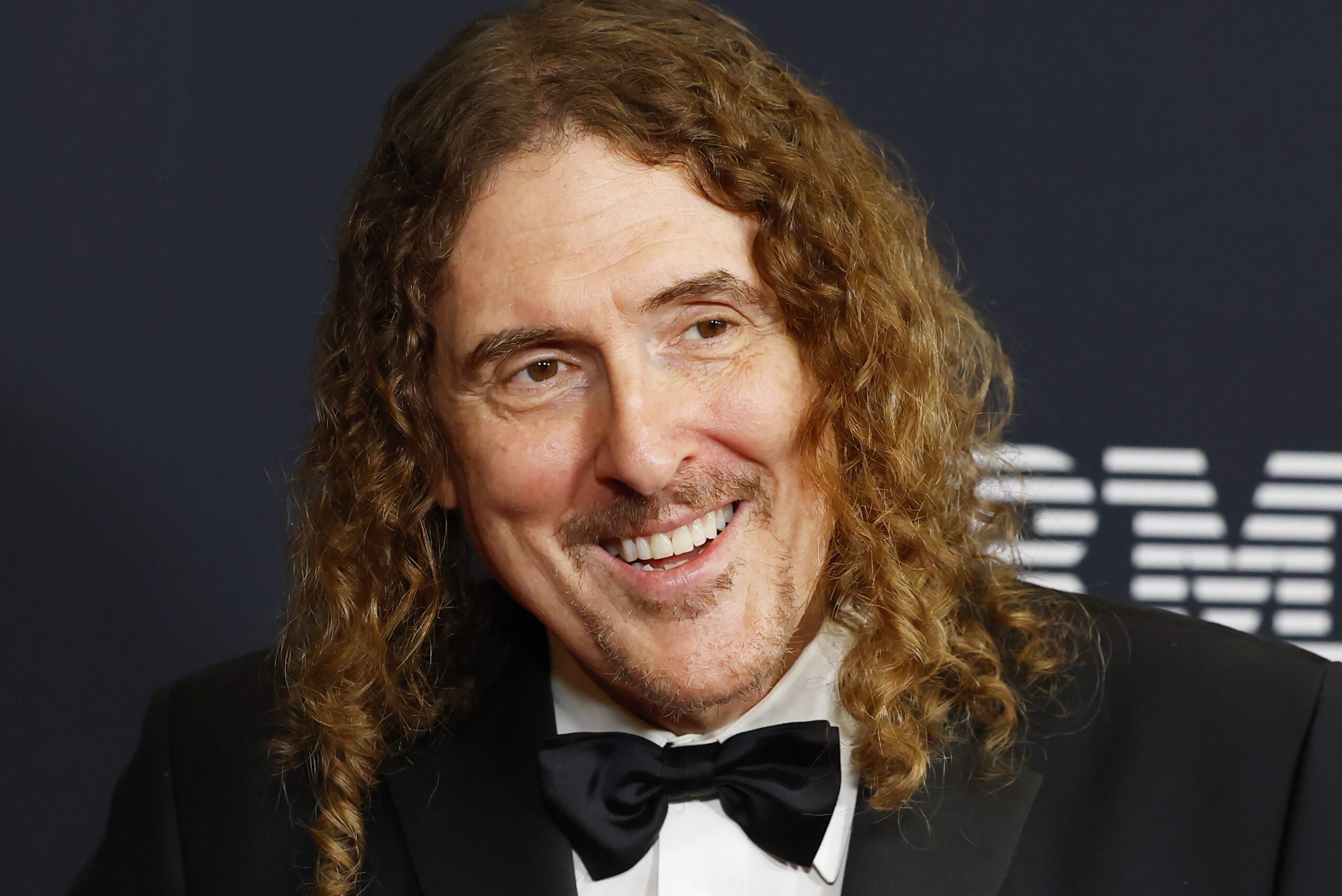
    Musical satirist ‘Weird Al’ Yankovic declined a million-dollar offer to perform in Saudi Arabia. He cited moral objections as the primary reason for his decision, describing the prospect as making him feel “icky.” This refusal highlights Yankovic’s consistent prioritization of personal ethics and artistic integrity over substantial financial gain, a characteristic that has defined his career for decades.

    The Offer and the Refusal

    The specific details of the million-dollar offer remain largely private. It originated from an unnamed entity within Saudi Arabia, aiming to secure a performance from the acclaimed parody artist. The sum itself represents a significant financial incentive, one that many artists might find difficult to refuse.

    Yankovic, however, chose a different path. His public comments on the matter emphasized a personal discomfort. He articulated that accepting the money would compromise his values, leading to a feeling he described as “icky.” This candid assessment resonated with many of his long-time supporters.

    The decision was not made lightly. The financial implications for any artist are considerable. Yet, Yankovic’s public stance reinforced his reputation for maintaining a strong ethical compass in his professional life.

    A History of Integrity

    Alfred Matthew “Weird Al” Yankovic began his career in the late 1970s. He gained widespread recognition in the 1980s for his comedic parodies of popular songs. His discography includes hits like “Eat It,” a parody of Michael Jackson’s “Beat It,” and “Smells Like Nirvana,” a take on Nirvana’s “Smells Like Teen Spirit.”

    Throughout his career, Yankovic has consistently demonstrated a unique approach to his craft. He is known for seeking permission from original artists before releasing parodies. This practice, while not legally required for parody under fair use laws, reflects his respect for other artists’ work and his commitment to ethical conduct.

    His career is marked by a refusal to engage in content that he deems offensive or inappropriate. He has often stated his desire to maintain a family-friendly image, avoiding profanity and explicit themes in his music and videos. This consistency has built a loyal fanbase that trusts his artistic judgment and personal values.

    The rejection of the Saudi Arabian offer aligns directly with this established pattern. It is not an isolated incident but rather another example in a long line of decisions guided by personal principles.

    The Broader Context: Celebrity Engagements and Human Rights

    Yankovic’s decision unfolds within a larger global discussion concerning celebrity engagements in countries with contentious human rights records. Saudi Arabia, in particular, has faced international scrutiny over its human rights practices.

    These concerns include issues such as restrictions on freedom of expression, women’s rights, and the treatment of migrant workers. Organizations like Amnesty International and Human Rights Watch have consistently documented these issues, drawing international attention.

    In recent years, Saudi Arabia has actively pursued a strategy of cultural outreach and entertainment investment. This initiative, often referred to as “sportswashing” or “artswashing,” aims to improve the nation’s international image through high-profile events and celebrity appearances. Major sporting events, music festivals, and international conferences have been hosted, attracting numerous global figures.

    Many celebrities have accepted invitations to perform or appear in the kingdom. Their participation often sparks debate among fans and critics. Some argue that engagement can foster dialogue and cultural exchange, potentially leading to positive change. Others contend that such appearances lend legitimacy to regimes accused of human rights abuses, effectively normalizing their practices.

    Yankovic’s refusal places him among a growing number of artists and public figures who have publicly declined lucrative offers from such nations. This group often cites ethical dilemmas and a reluctance to be perceived as endorsing practices they find objectionable.

    The Impact on ‘Weird Al’s’ Legacy

    The decision to reject a million-dollar offer will likely reinforce ‘Weird Al’ Yankovic’s standing as an artist of integrity. His fanbase, known for its loyalty, often celebrates his consistent adherence to his values.

    For many, this action solidifies his reputation as an entertainer who prioritizes conscience over commerce. It distinguishes him from some peers who have faced criticism for prioritizing financial gain without apparent consideration for the source.

    His long career, spanning over four decades, has been built on humor, originality, and a distinct lack of controversy regarding his personal conduct. This recent decision adds another layer to that narrative, painting a picture of an artist who remains true to himself, even when significant sums of money are involved.

    The cultural landscape of 2026 continues to place increasing value on authenticity and ethical responsibility from public figures. Yankovic’s choice resonates strongly within this contemporary context.

    The Fan Reaction

    Online communities and social media platforms reacted swiftly to the news. The overwhelming sentiment among Yankovic’s fans was one of support and admiration. Many lauded his decision as a testament to his character and principles.

    Comments frequently highlighted his consistent moral compass. Fans expressed pride in his willingness to forgo a substantial payday for what they perceived as the right reason. This further cemented the bond between the artist and his audience.

    Industry Perspective

    Within the entertainment industry, such decisions are often viewed through a pragmatic lens. Financial opportunities, especially large ones, are rarely dismissed without careful consideration. Yankovic’s public refusal serves as a notable counter-example.

    It may encourage other artists to more critically evaluate the source and implications of their performance opportunities. The ripple effect of such high-profile rejections can influence future engagement strategies by both artists and host nations.

    The Principle of “Icky”

    Yankovic’s use of the term “icky” is particularly telling. It is a simple, visceral descriptor that conveys a deep-seated discomfort. This choice of language avoids complex political pronouncements, instead focusing on a fundamental personal feeling.

    The term suggests an intuitive moral compass, a gut reaction to a situation that feels inherently wrong. It speaks to a personal boundary that, for Yankovic, was non-negotiable. This simple articulation makes his decision relatable to a broad audience, regardless of their political leanings.

    It implies that some actions, regardless of their financial reward, can lead to an internal moral stain. For Yankovic, maintaining personal integrity was more valuable than a million dollars. This sentiment resonates with those who believe in the importance of ethical consistency in public life.

    Looking Ahead

    As ‘Weird Al’ Yankovic continues his career, this decision will likely be remembered as a significant moment. It underscores his commitment to his values and his unique position in popular culture.

    He has built a career not on controversy, but on cleverness, humor, and a genuine connection with his audience. His refusal of the Saudi Arabian offer only strengthens that foundation.

    Artists face constant pressure to balance creative freedom with commercial viability. Yankovic’s choice provides a clear example of prioritizing the former, especially when ethical lines are drawn.

    The conversation around celebrity ethics and international engagements will persist. ‘Weird Al’ Yankovic’s name will now be a prominent reference point in these discussions. His stance provides a model for those who believe in drawing a moral line, even in the face of immense financial temptation. It is a testament to integrity. It is a statement of values. It is a million-dollar decision.

    Principles.


  • Nolan Wells Courtroom Photos – The Public Reaction and Legal Implications

    Nolan Wells Courtroom Photos – The Public Reaction and Legal Implications

    The release of courtroom photos in the Nolan Wells case on July 22, 2026, has generated significant public debate, raising questions about justice, privacy, and media ethics in high-profile legal proceedings. These images, disseminated widely, have become a focal point for discussions concerning the balance between public interest and the decorum of the judicial system. The event underscores a recurring tension in contemporary legal reporting, where the visual narrative often shapes public perception as profoundly as textual accounts.

    The Immediate Aftermath of the Release

    The photos appeared across various media platforms shortly after their official release. Social media channels, particularly X (formerly Twitter) and Instagram, became immediate conduits for public discourse. Hashtags related to Nolan Wells and courtroom transparency trended within hours. News organizations, including TMZ, were among the first to report on the availability of the images, amplifying their reach.

    Public reactions ranged from outrage to support for Wells. Comment sections overflowed with analyses of Wells’s demeanor, the expressions of legal counsel, and the general atmosphere of the courtroom. This immediate and widespread dissemination illustrates the accelerated pace of information sharing in 2026. The digital ecosystem ensures that such visual evidence permeates public consciousness almost instantaneously.

    Legal analysts began weighing in on the implications of the photo release. Concerns about potential jury influence, witness intimidation, and the overall sanctity of the trial process were voiced. The American Bar Association (ABA) issued a statement acknowledging the public interest but also emphasizing the importance of fair trial principles. The statement did not directly address the Wells case but served as a general reminder of judicial ethics.

    Historical Context: Cameras in the Courtroom

    The debate surrounding cameras in the courtroom is not new. It dates back to the early 20th century, with significant milestones shaping current policies. The 1935 trial of Bruno Hauptmann, accused of kidnapping the Lindbergh baby, saw a media circus that led to stricter rules. The American Bar Association adopted Canon 35 in 1937, largely banning photographic and broadcast coverage from courtrooms.

    Over the decades, this stance gradually softened. Federal courts generally prohibit cameras, though some exceptions exist for appellate arguments. State courts, however, vary widely. Many states permit cameras, often with specific restrictions on types of cases, judicial discretion, and pooling arrangements. Florida, for example, has been a pioneer in allowing cameras, famously permitting them during the 1991 William Kennedy Smith rape trial and the 1995 O.J. Simpson murder trial.

    The advent of digital photography and the internet has complicated these rules further. Even where cameras are officially banned, leaks and unofficial recordings can occur. The Wells case photos represent a new chapter in this ongoing discussion, demonstrating the power of visual media to shape public opinion and the challenges courts face in controlling the narrative.

    Key Milestones in Courtroom Photography:

    • 1937: ABA adopts Canon 35, largely banning cameras.
    • 1981: U.S. Supreme Court rules in Chandler v. Florida that states can allow cameras without violating due process.
    • 1990s: Many states begin experimenting with expanded camera access.
    • 2000s: Rise of digital media and internet-based news outlets intensifies calls for greater transparency.
    • 2026: Nolan Wells case photos spark renewed debate on media access and judicial integrity.

    The Nolan Wells Case: A Brief Overview

    Nolan Wells, a prominent figure known for his work in the entertainment industry, has been embroiled in legal issues for the past several months. The specific charges against Wells have not been fully disclosed to the public in detail, but they are widely understood to involve serious allegations. The trial began in early 2026, attracting significant media attention from its inception.

    Details regarding the court where the trial is being held, the presiding judge, and the specific legal teams involved have been reported intermittently. The case has been characterized by intense public scrutiny, partially due to Wells’s celebrity status. Public interest has remained high, with daily updates from various news agencies.

    The release of these photos marks a critical juncture in the proceedings. It shifts the public’s engagement from textual reports to direct visual evidence, potentially altering perceptions of the trial’s fairness and the justice system’s impartiality. The photos provide a direct, unfiltered glimpse into the courtroom, a space often shielded from such widespread visual access.

    Ethical Considerations for Media and Public

    The dissemination of courtroom photos, especially in high-profile cases, raises several ethical dilemmas for media organizations. The primary responsibility of journalists is to inform the public accurately. However, this must be balanced against the potential to prejudice a jury, compromise witness safety, or sensationalize serious legal matters.

    Media outlets face pressure to deliver compelling content, and visual evidence is inherently compelling. The decision to publish or broadcast such images involves careful consideration of journalistic ethics codes. Many news organizations adhere to guidelines that prioritize accuracy, fairness, and minimizing harm. The Wells photos challenge these guidelines, forcing editors and producers to make difficult choices under intense public demand.

    For the public, the ethical considerations revolve around responsible consumption and sharing of information. The ease of sharing content on social media means that individuals can inadvertently contribute to the spread of potentially biased or misleading narratives. Critical thinking and source verification become paramount in an environment saturated with visual information.

    Impact on the Judicial Process:

    • Jury Impartiality: Widespread photo dissemination can expose potential jurors to biased narratives, making it difficult to select an impartial jury.
    • Witness Privacy and Safety: Photos can reveal the identities of witnesses, potentially leading to harassment or intimidation.
    • Courtroom Decorum: The presence and distribution of images can detract from the solemnity and seriousness of legal proceedings.
    • Public Trust: While transparency can build trust, sensationalized or miscontextualized photos can erode confidence in the justice system.
    • Appellate Issues: The impact of media coverage, including photos, can become grounds for appeal, leading to retrials or overturned convictions.

    Legal Ramifications and Precedent

    The release of the Nolan Wells courtroom photos may have significant legal ramifications. Depending on the jurisdiction and specific court rules, the unauthorized release of such images could lead to contempt of court charges for those responsible. If the photos were officially released by the court, the focus shifts to the court’s rationale and its adherence to established protocols for media access.

    Attorneys for Nolan Wells could argue that the widespread distribution of these photos has prejudiced the jury pool, potentially leading to a mistrial. Such arguments rely on demonstrating that the media coverage has made it impossible to secure an impartial jury. The defense might cite specific examples of public commentary or media narratives influenced by the images.

    Conversely, proponents of transparency argue that public access to courtroom proceedings, including visual access, is a vital component of a democratic society. They contend that it holds the justice system accountable and educates the public about legal processes. This argument often references the First Amendment rights of free press and speech.

    The Wells case photos could set a new precedent for how high-profile trials are covered visually. Courts may re-evaluate their policies on media access, potentially leading to stricter controls or, conversely, a more formalized system for releasing curated visual content. The ultimate outcome will depend on judicial interpretations and legislative actions in response to this event.

    The Public’s Role in High-Profile Cases

    The public’s engagement with high-profile legal cases has evolved dramatically with digital media. Citizens are no longer passive consumers of news; they are active participants in shaping narratives. Social media platforms provide forums for instant commentary, analysis, and debate, often without the filters or editorial oversight of traditional media.

    In the Nolan Wells case, the public’s reaction to the courtroom photos demonstrates this active role. Discussions about Wells’s guilt or innocence, the fairness of the trial, and the broader implications for celebrity justice have proliferated. This engagement, while promoting transparency, also carries risks. Misinformation, speculation, and emotionally charged opinions can overshadow factual reporting.

    The phenomenon of ‘trial by public opinion’ is a constant concern in such cases. While legal proceedings are designed to be insulated from external pressures, the sheer volume of public discourse can subtly influence various aspects of a trial, from jury selection to the perceived legitimacy of the verdict. The Wells photos amplify this dynamic, making the public an undeniable, if unofficial, participant in the legal narrative.

    Looking Ahead: The Future of Courtroom Transparency

    The Nolan Wells courtroom photo release will likely spark further discussions among legal professionals, media ethicists, and policymakers. Questions about the optimal balance between transparency and trial integrity will persist. The incident may serve as a catalyst for updated guidelines on media access in courtrooms, particularly concerning visual content.

    Technology continues to advance, and the means of capturing and disseminating information become ever more sophisticated. Courts and legal systems must adapt to these changes while upholding the fundamental principles of justice. The Wells case offers a contemporary example of how traditional legal frameworks are challenged by modern media practices.

    The public will continue to demand access to information, especially in cases involving public figures. The media will continue to seek compelling ways to report these stories. The judiciary, in turn, will strive to maintain impartiality and fairness. This ongoing negotiation defines the evolving landscape of justice in the age of instantaneous information. The photos serve as a stark reminder of these complex, intersecting forces.

    Legal scholars will analyze the event. Media organizations will review their policies. The public will continue to engage. The justice system will adapt.

    The debate continues.

  • Adam Thomas’s Transformation: From Health Battle to Men’s Fitness Cover

    Adam Thomas’s Transformation: From Health Battle to Men’s Fitness Cover

    Adam Thomas, the television personality and actor, recently showcased a significant physical transformation on the cover of Men’s Fitness magazine. This reveal follows a challenging period where a debilitating health diagnosis impacted his body confidence. His journey highlights resilience in overcoming personal health struggles and achieving fitness goals.

    Thomas achieved a 19lb weight loss and developed a visible six-pack. This physical change represents a personal victory over the challenges posed by his health condition. The actor has spoken publicly about the emotional and physical toll of his diagnosis.

    The Road to the Cover

    The decision to pursue this fitness transformation was deeply personal. Thomas faced a health diagnosis that left him struggling with his body image. This struggle motivated him to make significant lifestyle changes.

    His regimen included dedicated workout routines and strict dietary adjustments. The process was not without its difficulties, but Thomas maintained his commitment to recovery and physical improvement. His appearance on the Men’s Fitness cover serves as a public declaration of his progress.

    Initial Struggles and Diagnosis

    Before his transformation, Thomas experienced a period of declining health. The specific nature of his debilitating diagnosis has been a central point of his personal narrative. This condition led to significant body confidence issues.

    He described feeling unlike himself, both physically and mentally. The impact extended to his professional life and public appearances. This low point became a catalyst for seeking change and taking control of his health.

    Embracing a New Lifestyle

    The journey involved a comprehensive approach to health and fitness. Thomas worked with trainers and nutrition experts. His diet was carefully managed to support muscle gain and fat loss.

    Workout sessions became a regular and intense part of his schedule. He focused on strength training and cardiovascular exercises. This commitment was essential to achieving the visible results seen on the magazine cover.

    Impact on Body Confidence

    Body confidence is a common struggle for many individuals, including public figures. Thomas’s experience underscores the emotional weight of health challenges on self-perception. His public sharing of this journey resonates with many facing similar issues.

    The physical transformation directly addressed his prior insecurities. Achieving his fitness goals helped restore his self-esteem. This aspect of his story provides inspiration beyond mere aesthetics.

    Public Reaction and Support

    The reveal of Thomas’s transformation garnered significant public attention. Fans and fellow celebrities offered widespread support and commendation. His honesty about his struggles resonated with a broad audience.

    Social media platforms became a space for positive reinforcement. Many shared their own stories of health challenges and fitness achievements. This collective response highlighted the universal nature of body image concerns.

    Beyond the Physical: Mental Well-being

    The benefits of Thomas’s transformation extended beyond physical appearance. Improved mental well-being was a reported outcome. Exercise and healthy eating are known to positively impact mood and reduce stress.

    His dedication to his health regimen provided a sense of control and accomplishment. This mental fortitude was crucial in navigating the challenges of his diagnosis. The journey became a holistic improvement, not just a physical one.

    Adam Thomas’s Career and Public Profile

    Adam Thomas gained prominence through his acting career and reality television appearances. He is widely recognized for his role as Adam Barton in the long-running British soap opera ‘Emmerdale’. This role established him as a familiar face to millions.

    His participation in ‘I’m a Celebrity…Get Me Out of Here!’ further elevated his public profile. The show, known for its challenging conditions, showcased his personality and resilience. These experiences have shaped his public persona and fan base.

    ‘Emmerdale’ Tenure

    Thomas joined ‘Emmerdale’ in 2009. His character, Adam Barton, was involved in numerous high-profile storylines. These included family dramas, romantic entanglements, and criminal accusations.

    His performance earned him a dedicated following. He remained with the show for nearly a decade, departing in 2018. His time on ‘Emmerdale’ solidified his acting credentials and public recognition.

    ‘I’m a Celebrity…Get Me Out of Here!’

    In 2016, Thomas participated in the sixteenth series of ‘I’m a Celebrity…Get Me Out of Here!’. He quickly became a fan favorite due to his humorous nature and willingness to tackle trials.

    He finished in third place, further endearing himself to the British public. The show provided a platform to display his authentic personality. This appearance significantly broadened his appeal beyond soap opera fans.

    Other Ventures and Family Life

    Post-‘Emmerdale’ and ‘I’m a Celebrity’, Thomas has engaged in various other projects. He has appeared in theatrical productions and other television programs. His career continues to evolve with diverse roles.

    He is also a family man, often sharing glimpses of his life with his wife, Caroline Daly, and their children. His personal life often intertwines with his public image, contributing to his relatability.

    The Broader Message of Resilience

    Adam Thomas’s story offers a powerful message about resilience. Facing a debilitating health diagnosis can be an overwhelming experience. His ability to transform this challenge into a journey of self-improvement is noteworthy.

    His public platform allows this message to reach a wide audience. It encourages others to prioritize their health and well-being, even in the face of adversity. The narrative emphasizes the importance of persistence and self-care.

    Inspiration for Others

    Many individuals look to public figures for inspiration. Thomas’s transparency about his struggles and his subsequent triumph provides a relatable narrative. His journey demonstrates that significant change is possible.

    The story encourages open conversations about health issues and body image. It highlights the positive impact of setting and achieving personal goals. This serves as a testament to the human spirit’s capacity for overcoming obstacles.

    The Role of Media in Health Narratives

    Publications like Men’s Fitness play a role in shaping health and fitness narratives. Featuring individuals like Adam Thomas helps to normalize discussions around health challenges. It also promotes achievable fitness goals.

    The media’s portrayal of such journeys can influence public perception of health and body image. By showcasing real transformations, these platforms contribute to a more authentic dialogue. This fosters a community of support and shared experience.

    Thomas’s journey from a debilitating diagnosis to the cover of Men’s Fitness magazine encapsulates a narrative of personal triumph. His dedication to overcoming health challenges resulted in a significant physical transformation. This achievement brought renewed body confidence and inspired many.

    His story became a public testament to resilience. His commitment to well-being was unwavering. His transformation was complete.


  • Lucy Hale Announces Father Preston Hale’s Death – An Emotional Tribute

    Lucy Hale Announces Father Preston Hale’s Death – An Emotional Tribute

    Actress Lucy Hale announced the sudden death of her father, Preston Hale, on July 20, 2026, following his passing on July 17, 2026, at the age of 68. The news broke through an emotional tribute shared on her social media platforms. This public statement served as the initial confirmation of his death, eliciting a significant outpouring of support from fans and industry peers.

    In many ways, this announcement highlights the profound personal grief experienced by public figures. It also underscores the often-private nature of family life, even for those in the public eye. The focus of Hale’s tribute was on the deep personal impact of her father’s life and his foundational support for her career.

    The Announcement and Public Reaction

    Lucy Hale’s social media post on July 20, 2026, conveyed deep personal grief. Her message detailed the significant role her father, Preston Hale, played in her life and professional journey. The tribute resonated widely, prompting an immediate surge of condolences and messages of sympathy from her extensive fan base and numerous colleagues in the entertainment industry.

    As of July 23, 2026, specific details concerning the cause of Preston Hale’s death have not been publicly disclosed. The announcement primarily focused on the emotional weight of the loss. This developing story continues to draw attention, with many awaiting further information out of respect and concern for Hale and her family.

    The family has not issued an official statement beyond Hale’s personal tribute. Public reaction has largely centered on supporting the actress during this difficult period. Many public figures and collaborators have extended their sympathies, demonstrating a collective sense of empathy within the entertainment community.

    The Nature of Grief in the Public Eye

    For celebrities like Lucy Hale, moments of profound personal loss often unfold in the public sphere. This dynamic creates a unique intersection of private mourning and public attention. Fans and media outlets, while generally respectful, often seek details, leading to a delicate balance between privacy and public interest.

    Hale’s decision to share her grief publicly through social media is a common practice for modern celebrities. It allows for direct communication with her audience and provides a space for collective mourning and support. This approach bypasses traditional media intermediaries, offering a more personal and immediate connection.

    The outpouring of support received by Hale reflects the parasocial relationships many fans develop with public figures. These connections, built through years of following an actor’s career, often translate into genuine expressions of sympathy during times of personal hardship.

    Preston Hale’s Influence on Lucy Hale’s Life and Career

    Lucy Hale, born Karen Lucille Hale, has frequently discussed her family in past interviews. She often shared glimpses into her personal life, including her relationships with her parents. Her father’s unwavering support for her acting career was a recurring and significant theme in these discussions, shaping her path from an early age.

    Preston Hale was a constant presence, encouraging his daughter’s aspirations in the demanding world of entertainment. This foundational support system is often cited by Hale as crucial to her ability to navigate the challenges and pressures of Hollywood. His belief in her talent provided a stable anchor throughout her formative years and subsequent rise to prominence.

    The bond between Hale and her father was evident in her public remarks over the years. She often spoke of him with affection and gratitude, highlighting his role not just as a parent, but as a mentor and confidant. This deep connection makes the suddenness of his passing particularly poignant for the actress and her followers.

    Early Career Foundations

    Hale’s career commenced in the early 2000s, gaining initial traction through roles in television series such as Bionic Woman and Privileged. These early experiences laid the groundwork for her future success. During this period, the stability and encouragement from her family, particularly her father, were paramount.

    Her breakthrough arrived with the lead role as Aria Montgomery in the Freeform series Pretty Little Liars. This show aired from 2010 to 2017 and catapulted Hale into widespread recognition. Preston Hale was consistently cited as a foundational influence during these transformative years, providing essential emotional and practical support.

    The journey from aspiring actress to a household name is often fraught with uncertainty. Hale’s ability to maintain her focus and resilience was, in part, attributed to the strong family values instilled by her parents. Preston Hale’s encouragement helped her persevere through auditions, rejections, and the intense scrutiny that accompanies fame.

    Beyond Pretty Little Liars

    Following the conclusion of Pretty Little Liars, Hale continued to diversify her career. She took on various projects, including the CW series Life Sentence and the horror film Truth or Dare. Her versatility as an actress allowed her to explore different genres and roles, expanding her professional repertoire.

    In addition to her acting endeavors, Hale also pursued a music career. She released her debut album, Road Between, in 2014, showcasing another facet of her artistic talent. Throughout her public life, her family, especially her parents, remained a private but crucial support system, offering a refuge from the demands of her career.

    Preston Hale’s pride in his daughter’s achievements was often a quiet but powerful force. Whether attending her premieres, listening to her music, or simply offering a comforting presence, his support underscored the deep familial bond they shared. This consistent backing allowed Hale to take risks and pursue her passions with confidence.

    The Emotional Impact of Sudden Loss

    The sudden nature of Preston Hale’s passing has added a significant layer to the emotional weight of Lucy Hale’s announcement. Unexpected losses often leave individuals and families reeling, with little time to prepare or process the impending grief. This abruptness can intensify feelings of shock, disbelief, and profound sadness.

    For public figures, navigating such a sudden loss means dealing with personal sorrow while also managing the public’s reactions and expectations. The demand for privacy often clashes with the public’s desire for information, creating a complex emotional landscape for the grieving individual.

    The collective empathy from fans and peers highlights the human element of celebrity. Despite their public personas, individuals like Lucy Hale experience personal tragedies in much the same way as anyone else. The shared experience of loss creates a powerful, if sometimes distant, connection between the celebrity and their audience.

    Coping Mechanisms and Support Systems

    In the wake of such a significant and sudden loss, effective coping mechanisms become crucial. For many, leaning on family, close friends, and professional support systems provides essential comfort. These networks offer a safe space to process grief, share memories, and navigate the practicalities that follow a death.

    The public outpouring of support can also serve as a form of collective comfort. Knowing that many people care and are thinking of her can be a source of strength for Lucy Hale. Messages of condolence from fellow actors, directors, and musicians underscore a sense of community within the entertainment industry.

    Privacy, however, remains a paramount concern for grieving families. While public support is appreciated, the space to mourn away from the intense glare of media scrutiny is often vital for healing. The respect for this privacy is a recurring theme in public discourse surrounding celebrity deaths.

    The Legacy of a Supportive Father

    Preston Hale’s legacy is intrinsically linked to his role as a devoted father. His influence on Lucy Hale’s life and career will likely continue to be a source of inspiration and strength for her. The values he imparted and the unwavering support he provided helped shape the successful and resilient woman she is today.

    The memories shared through Hale’s tribute will undoubtedly become a cherished part of her personal narrative. These memories serve as a testament to the enduring bond between a parent and child, even in the face of profound loss. His life, though ended, continues to resonate through the impact he had on his daughter.

    Moving forward, the focus remains on Lucy Hale’s well-being and the privacy of her family during this period of mourning. The entertainment world, along with her global fan base, stands in solidarity, offering a collective embrace as she navigates this challenging chapter. Tributes flowed. Memories were shared. Support surrounded her.

    Grief.


  • Quinton ‘Rampage’ Jackson’s Altercation, Back in ‘Fighter Mode’

    Quinton ‘Rampage’ Jackson’s Altercation, Back in ‘Fighter Mode’

    The Public Altercation of Quinton ‘Rampage’ Jackson

    Former Ultimate Fighting Championship (UFC) star Quinton ‘Rampage’ Jackson was recently observed in a tense public altercation, an incident that quickly garnered attention from media outlets like TMZ. The situation was characterized by observers as Jackson reverting to his ‘fighter mode,’ a descriptor that immediately evokes his storied career in professional mixed martial arts.

    The exact circumstances surrounding the confrontation, including the precise location and the identities of other individuals involved, have not been fully detailed in initial reports. However, the report highlights the public nature of the event and the immediate recognition of Jackson’s aggressive posture.

    A Career Defined by ‘Fighter Mode’

    Quinton Ramone Jackson, widely known by his ring name ‘Rampage,’ built a career on his aggressive fighting style and powerful slams. Born on June 20, 1978, Jackson rose to prominence in the early 2000s, first in the Japanese Pride Fighting Championships before making a significant impact in the UFC.

    His career spanned over two decades, featuring memorable bouts and championships. Jackson’s ‘fighter mode’ was a hallmark of his professional persona, often leading to explosive finishes and fan-favorite performances inside the cage.

    Early Career and Pride FC Dominance

    Jackson began his professional mixed martial arts journey in November 1999. He quickly gained recognition for his athleticism and raw power. His tenure in Pride FC, from 2001 to 2006, established him as one of the most exciting light heavyweights in the world.

    During this period, he faced numerous high-profile opponents, including Kazushi Sakuraba, Chuck Liddell, and Wanderlei Silva. His rivalry with Silva, in particular, produced some of the most brutal fights in Pride’s history, solidifying his reputation for ferocity.

    UFC Championship and Mainstream Recognition

    Jackson transitioned to the UFC in 2007, making an immediate impact. He defeated Chuck Liddell at UFC 71 on May 26, 2007, to win the UFC Light Heavyweight Championship. This victory marked a significant moment in his career, elevating him to a global superstar.

    He successfully defended his title against Dan Henderson at UFC 75 on September 8, 2007, unifying the Pride Middleweight and UFC Light Heavyweight titles. Jackson’s time in the UFC was also notable for his coaching role on ‘The Ultimate Fighter’ reality television series, further increasing his mainstream appeal.

    The Public Eye and Athlete Conduct

    For athletes who have achieved high levels of fame, particularly in combat sports, public appearances often come with intense scrutiny. The line between a professional persona and personal conduct can become blurred, especially when incidents occur in public spaces.

    Jackson’s recent altercation underscores this challenge. The immediate media characterization of his behavior as ‘fighter mode’ reflects how deeply intertwined his public image is with his athletic career. This perception can impact how such incidents are interpreted by the public and media.

    Expectations for Public Figures

    Public figures, including retired athletes, are often held to a higher standard of conduct. Their actions can influence public opinion and shape the image of their sport. Mixed martial arts, in particular, has worked to shed earlier perceptions of being a ‘brutal’ sport, emphasizing discipline and sportsmanship.

    Incidents involving former stars can sometimes complicate these efforts. The media’s focus on an athlete’s past professional role, even in a non-professional context, highlights the enduring legacy of their careers.

    Legal and Reputational Ramifications

    Any public altercation can carry potential legal and reputational consequences. Depending on the specifics of the incident, individuals involved could face legal charges or civil lawsuits. For a public figure like Jackson, the reputational impact can be significant.

    Sponsorship deals, media opportunities, and public perception can all be affected by such events. The details of the TMZ report, while not specifying legal actions, bring the incident into the public discourse, prompting questions about its broader implications.

    The Role of Social Media and Viral Content

    In 2026, the rapid dissemination of information through social media platforms and viral content amplifies the reach of such incidents. A short video or a single report can quickly spread globally, shaping narratives and public opinion within hours.

    For celebrities, this means that every public interaction carries the potential to become a widely discussed event. The TMZ report, likely accompanied by video footage or eyewitness accounts, contributes to this immediate and widespread public engagement.

    Analyzing ‘Fighter Mode’ Outside the Octagon

    The term ‘fighter mode’ implies a reversion to trained instincts and aggressive tendencies developed over years of professional fighting. While these instincts are invaluable in a regulated combat environment, their manifestation in a public, unregulated setting can be problematic.

    Athletes often train for years to control their physical and mental responses under pressure. However, the psychological transition from a competitive environment to everyday life can sometimes be challenging, especially when confronted with stressful situations.

    Psychological Aspects of Retirement for Athletes

    Many professional athletes face significant psychological adjustments upon retirement. The loss of a structured routine, intense competition, and the adrenaline rush of performance can lead to difficulties. For combat athletes, managing ingrained aggressive responses in civilian life is a unique challenge.

    The incident involving Jackson could be viewed through this lens, examining how past training and competitive mindset might surface in unexpected situations, years after active competition has ended.

    Jackson’s Legacy and Future

    Quinton ‘Rampage’ Jackson’s legacy in mixed martial arts is firmly established. He is remembered as a powerful and entertaining fighter who left an indelible mark on both Pride FC and the UFC. His career included an impressive record and numerous highlight-reel moments.

    Beyond fighting, Jackson has also ventured into acting, appearing in films and television shows. His role as B.A. Baracus in the 2010 film adaptation of ‘The A-Team’ brought him further mainstream recognition, showcasing his versatile public persona.

    Continued Public Interest

    Despite his retirement from active competition, public interest in Jackson remains high. His colorful personality and storied career ensure that his actions, both professional and personal, continue to draw attention. This sustained interest is a testament to his impact on the sport and popular culture.

    The recent altercation, while potentially negative, reaffirms his status as a recognizable public figure whose activities are newsworthy. Media outlets continue to follow his life, reflecting a broader fascination with the lives of combat sports legends.

    The Broader Implications for MMA

    Incidents involving prominent mixed martial artists, even those retired, can have broader implications for the sport’s image. Mixed martial arts has evolved significantly, striving for legitimacy and widespread acceptance as a mainstream sport.

    Organizations like the UFC have invested heavily in promoting athlete professionalism and community engagement. Public altercations involving former champions can, at times, complicate these efforts, bringing back older stereotypes about the sport.

    Promoting Positive Role Models

    The promotion of positive role models is a key strategy for sports organizations. Athletes who demonstrate discipline, respect, and positive conduct both inside and outside their competitive arenas help to elevate the sport’s image.

    While individual incidents do not define an entire sport, they do contribute to ongoing public narratives. The discussion surrounding Jackson’s altercation serves as a reminder of the continuous effort required to maintain and enhance the public perception of mixed martial arts.

    Athletes gather. Media gathers. Public opinion gathers.

    Scrutiny.


  • Vivienne Jolie-Pitt Drops ‘Pitt’ Surname – A Family Narrative Unfolds

    Vivienne Jolie-Pitt Drops ‘Pitt’ Surname – A Family Narrative Unfolds

    Vivienne Jolie-Pitt Files to Remove ‘Pitt’

    Vivienne Jolie-Pitt, the youngest daughter of actors Angelina Jolie and Brad Pitt, has reportedly initiated legal proceedings to remove ‘Pitt’ from her last name. This action, reported on July 22, 2026, would result in her being known solely as Vivienne Jolie. This decision marks a significant personal development for Vivienne and adds another chapter to the ongoing public narrative surrounding the family.

    This reported filing aligns with actions taken by several of Vivienne’s older siblings. Their collective choices suggest a consistent pattern within the family regarding the use of their surname. The decisions reflect personal autonomy as the children reach adulthood.

    A Developing Family Narrative

    The report of Vivienne Jolie-Pitt’s filing on July 22, 2026, adds to the public understanding of the family’s dynamics. Angelina Jolie and Brad Pitt’s divorce proceedings have been subject to extensive media coverage for years. The relationship between the former couple has been a focal point of public interest.

    The children’s choices to modify their surnames have become a recurring theme in this narrative. These actions are often viewed in the context of the complex relationship between their parents. Each decision contributes to a broader understanding of the family unit’s evolution.

    The legal proceedings initiated by Vivienne Jolie-Pitt are part of a larger trend. The children of Angelina Jolie and Brad Pitt have, over time, increasingly adopted the ‘Jolie’ surname. This public shift in identity has been observed across multiple siblings.

    The Impact of Public Scrutiny

    The Jolie-Pitt family has been under intense public scrutiny for decades. Their lives, both personal and professional, have been extensively documented by media outlets. This constant attention means that personal decisions, such as a name change, often become public events.

    The media’s focus on the family’s dynamics has shaped public perception. Each report, including the latest concerning Vivienne, contributes to the ongoing narrative. The children’s actions are frequently interpreted through the lens of their parents’ highly publicized separation.

    Sibling Precedent: A Consistent Pattern

    Vivienne’s reported decision aligns with actions previously taken by her older siblings. This pattern indicates a broader trend among the Jolie-Pitt children to adopt their mother’s surname. The collective choices underscore significant shifts within the family unit.

    The individual decisions reflect personal autonomy. As each child reaches adulthood, they appear to be making independent choices regarding their public identity. These choices have become a notable aspect of the family’s story.

    Shiloh Jolie-Pitt’s Decision in 2024

    Shiloh Jolie-Pitt reportedly filed to drop ‘Pitt’ from her name in May 2024. This action occurred around the time of her 18th birthday. Her decision received significant media attention at the time, establishing a precedent for name changes within the family.

    Shiloh’s filing was widely reported across entertainment news outlets. It highlighted the children’s growing independence. Her choice contributed to the public’s understanding of the shifting family dynamics.

    Zahara Jolie-Pitt’s Public Identity

    Zahara Jolie-Pitt has also been publicly using ‘Jolie’ as her sole surname for some time. This was notably observed during her matriculation into Spelman College in 2022. Her public use of the ‘Jolie’ surname predates Vivienne’s recent filing.

    Zahara’s decision to use ‘Jolie’ publicly signaled a clear preference. Her enrollment at Spelman College drew media attention, and her chosen surname became part of that coverage. This established another instance of a child distancing themselves from the ‘Pitt’ surname.

    Maddox and Pax: Earlier Changes

    Maddox Jolie-Pitt, the eldest child, has reportedly used ‘Jolie’ as his surname in non-legal documents for several years. His choice, while not a formal legal filing reported in the same manner as Shiloh’s or Vivienne’s, indicates a consistent preference.

    Pax Jolie-Pitt has also reportedly distanced himself from his father’s surname. While specific legal filings for Pax have not been widely reported, his reported preference aligns with the broader family trend. These individual choices collectively reflect a pattern of identity formation within the family.

    The Significance of a Surname

    A surname carries personal and familial significance. For public figures, a name also holds professional implications. The choices made by the Jolie-Pitt children highlight the weight attached to a family name, especially when parents are globally recognized.

    The decision to change or drop a surname can signify a desire for independence. It can also reflect alignment with one parent over another, particularly in cases of high-profile divorces. These personal choices become public statements in the context of celebrity families.

    For Vivienne Jolie-Pitt, the reported filing on July 22, 2026, represents a personal milestone. It is a declaration of her chosen identity as she navigates adulthood. The action is consistent with the path chosen by her siblings.

    Legal and Public Implications

    Legal proceedings for name changes typically involve specific court filings. Once approved, the new name becomes the individual’s legal identity. For children of celebrities, these legal steps often attract immediate media attention.

    The public implications of such changes are significant. They contribute to the ongoing narrative surrounding the family. For the Jolie-Pitt children, their surname choices are frequently interpreted as statements about their familial relationships.

    The Evolving Landscape of Celebrity Families

    The dynamics of celebrity families are often played out in the public eye. Divorces, child-rearing, and personal decisions become subjects of widespread discussion. The Jolie-Pitt family represents a prominent example of this phenomenon.

    The children’s autonomy in choosing their surnames reflects modern trends. As individuals reach legal adulthood, they gain the right to make such personal decisions. For the Jolie-Pitt children, these decisions carry added weight due to their public profile.

    The collective actions of Vivienne, Shiloh, Zahara, Maddox, and Pax underscore a significant shift. Their choices contribute to an evolving understanding of family identity. The narrative continues to unfold.

    Conclusion: A Pattern of Personal Autonomy

    Vivienne Jolie-Pitt’s reported filing on July 22, 2026, to remove ‘Pitt’ from her surname is a continuation of a pattern. Her older siblings, Shiloh, Zahara, Maddox, and Pax, have similarly distanced themselves from the ‘Pitt’ surname. These individual choices reflect personal autonomy as the children reach adulthood.

    The decisions are frequently interpreted through the lens of their parents’ highly publicized separation. Each name change contributes to the ongoing public narrative surrounding the Jolie-Pitt family. The children are asserting their identities.

    Decisions are made. Identities are shaped. Narratives emerge.

    Family dynamics shift.

    Autonomy.


  • Cam Newton’s ESPN Departure: Analyzing His Future in Broadcasting

    Cam Newton’s ESPN Departure: Analyzing His Future in Broadcasting

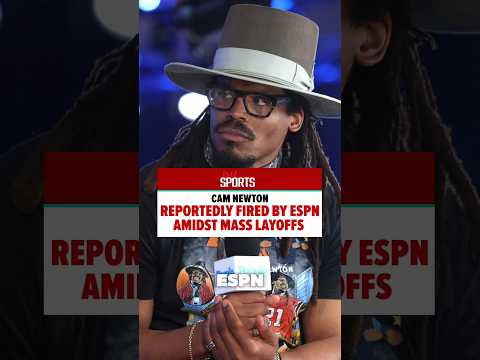
    Cam Newton has officially departed from ESPN as of July 2026, marking the end of his broadcasting tenure with the prominent sports network. This development has triggered widespread discussion across sports media and among fans, who are now speculating about the former NFL Most Valuable Player’s next career move.

    His exit from ESPN represents a significant transition in his post-playing career, opening new possibilities for his involvement in sports analysis, entertainment, or other ventures. The news, initially reported via a TMZ clip, highlights the dynamic nature of celebrity career paths following high-profile athletic careers.

    Newton’s Trajectory: From NFL MVP to Sports Analyst

    Cam Newton’s professional journey began with immense success in the National Football League. He was selected as the first overall pick in the 2011 NFL Draft by the Carolina Panthers. His rookie season immediately showcased his unique dual-threat capabilities as a quarterback.

    Newton quickly established himself as one of the league’s most exciting and dominant players. His career peaked in 2015 when he led the Carolina Panthers to Super Bowl 50 and was named the NFL’s Most Valuable Player. That season, he threw for 3,837 yards and 35 touchdowns, adding 636 rushing yards and 10 rushing touchdowns.

    Following his impactful playing career, which also included a stint with the New England Patriots, Newton transitioned into sports media. His charisma and strong personality made him a natural fit for television analysis, leading to his eventual role at ESPN.

    The ESPN Chapter: Contributions and Challenges

    Newton’s time at ESPN saw him contribute to various programs, offering his unique perspective on football. He appeared on shows such as Sunday NFL Countdown and SportsCenter, providing pre-game analysis, post-game commentary, and general football insights. His experience as a former elite quarterback brought an authentic voice to the network’s coverage.

    His broadcasting style, characterized by directness and often unconventional takes, resonated with a segment of the audience while also drawing scrutiny from others. Newton’s presence at ESPN was part of the network’s strategy to integrate former star athletes into its programming, leveraging their on-field expertise and name recognition.

    The exact duration of Newton’s contract with ESPN and the specific terms of his departure have not been publicly disclosed. However, the announcement confirms that his association with the network has concluded as of July 2026.

    Behind the Scenes: Factors in Media Departures

    Departures from major sports networks like ESPN can stem from a variety of factors. These often include the expiration of contracts, differing creative visions between talent and network executives, or the pursuit of new opportunities by the individual.

    Sometimes, talent seeks a platform that offers more creative control or a different audience demographic. Networks, in turn, continuously evaluate their on-air talent roster to align with evolving programming strategies and audience engagement metrics.

    The competitive landscape of sports broadcasting means that talent and networks are always seeking the best fit. High-profile personalities like Cam Newton often have multiple options for their media careers.

    The Broader Impact: Celebrity Career Transitions

    Cam Newton’s transition from an elite NFL player to a sports analyst, and now his departure from ESPN, mirrors a common trajectory for many high-profile athletes. The shift from the playing field to the broadcast booth is a well-trodden path, but sustaining a long-term media career requires a different set of skills.

    Success in broadcasting often depends on more than just athletic achievement; it requires strong communication skills, the ability to articulate complex ideas clearly, and a compelling on-screen presence. Athletes like Charles Barkley in basketball or Troy Aikman in football have successfully navigated this transition, becoming staples of sports commentary.

    Newton’s ongoing career evolution will be closely watched as he determines his next professional endeavor. His journey highlights the challenges and opportunities that arise when public figures pivot to new industries.

    What’s Next for Cam Newton? Exploring Future Possibilities

    With his ESPN chapter closed, speculation is rampant regarding Cam Newton’s next move. Several avenues could be explored by the former MVP.

    • Other Sports Networks: Major networks like Fox Sports, CBS Sports, or even emerging digital sports platforms could be potential destinations. Newton’s name recognition and analytical insights could be valuable assets.
    • Independent Media Ventures: Newton has previously engaged in independent content creation, including his YouTube channel. He could expand this presence, offering unfiltered commentary and interviews.
    • Coaching or Front Office Roles: While less directly related to broadcasting, a return to football in a coaching or management capacity remains a long-term possibility for many former players.
    • Entrepreneurship: Beyond sports, Newton has demonstrated entrepreneurial interests, particularly in fashion and lifestyle brands. He could further develop these ventures.
    • Entertainment Industry: His charismatic personality could open doors in other areas of the entertainment industry, including acting or reality television.

    Each of these paths presents a different set of challenges and opportunities. Newton’s decision will likely reflect his personal interests, career goals, and the platforms that best align with his vision.

    Fan and Media Reactions to the Departure

    The news of Cam Newton’s departure from ESPN has elicited a wide range of reactions. Many fans expressed surprise, while others voiced support for his future endeavors. Social media platforms became a hub for discussions, with users debating his impact at ESPN and his potential next steps.

    Sports media analysts have also weighed in, offering perspectives on what this means for both Newton and ESPN’s programming strategy. Some emphasize the network’s constant rotation of talent, while others focus on Newton’s unique contributions.

    The strong reactions underscore Newton’s enduring celebrity status and the significant interest people have in the careers of athletes who transcend their sport.

    The Evolving Landscape of Sports Media

    The sports media industry is in constant flux. Traditional broadcast networks like ESPN face competition from streaming services, digital-only platforms, and independent content creators. This evolving landscape creates both challenges and opportunities for talent.

    Athletes with established fan bases and strong personal brands can leverage these assets to create their own media empires, bypassing traditional gatekeepers. This trend has been observed with numerous former players who have launched successful podcasts, YouTube channels, and digital shows.

    Cam Newton’s next move will serve as another example of how high-profile figures adapt and innovate within this dynamic environment. His ability to connect with audiences and offer insightful commentary will remain key to his success, regardless of the platform.

    The professional landscape shifts. Contracts conclude. New opportunities arise.

    Cam Newton.


  • Jennifer Garner’s Paparazzi Ordeal – When Celebrity Privacy Collides with Media Hunger

    Jennifer Garner’s Paparazzi Ordeal – When Celebrity Privacy Collides with Media Hunger

    The Unseen Scrutiny: Jennifer Garner’s Account of Paparazzi Tactics

    Jennifer Garner recently voiced strong criticism regarding the aggressive tactics of paparazzi, specifically recounting incidents where photographers allegedly endangered her children by ‘knocking them over’ in their pursuit of images of her and Ben Affleck. Her comments bring renewed attention to the persistent issues surrounding celebrity privacy and the ethical boundaries of media coverage in 2026.

    Garner’s statements emerged from a broader conversation about the challenges public figures face. The actress detailed a pattern of intrusive behavior. This behavior often escalated during public outings with her family.

    The pursuit by paparazzi is not a new phenomenon. However, Garner’s specific allegations of physical endangerment to her children introduce a more severe dimension to the ongoing debate. This raises significant questions about the industry’s self-regulation.

    The Incidents Described by Garner

    Garner described the photographers’ actions as relentless. She stated they were “so hungry to get at me.” This hunger, she indicated, led to a disregard for safety protocols.

    One particular incident involved her children. She detailed how paparazzi allegedly physically impacted them. This occurred during a scramble for photographs.

    The actress did not specify exact dates or locations for these events. However, her narrative painted a consistent picture of pervasive intrusion. This intrusion affected her daily life and the lives of her family members.

    Ben Affleck, her former husband, has also spoken about paparazzi. He has expressed similar concerns over the years. Their shared experiences highlight a systemic issue within celebrity journalism.

    The Impact on Celebrity Children

    Children of celebrities often bear the brunt of paparazzi attention. They are frequently photographed without their consent. Their images are then widely distributed.

    Garner’s account emphasizes the physical risks involved. Beyond the immediate danger, there is a psychological toll. This constant scrutiny can affect a child’s development and sense of normalcy.

    In 2014, Garner and Halle Berry advocated for stricter laws. They sought protections for celebrity children. California ultimately passed a law limiting paparazzi’s ability to photograph children without parental consent.

    Despite legislative efforts, the problem persists. Garner’s recent statements suggest that some photographers continue to push boundaries. They operate in ways that may violate the spirit, if not the letter, of existing laws.

    A History of Paparazzi and Celebrity Encounters

    The relationship between celebrities and paparazzi has been fraught for decades. The term “paparazzo” originated in Federico Fellini’s 1960 film La Dolce Vita. It quickly became synonymous with aggressive photographers.

    Early incidents involved figures like Elizabeth Taylor and Richard Burton. Their romance was a constant target. Photographers pursued them across continents.

    The 1980s and 1990s saw an escalation. The demand for celebrity images grew. Tabloid magazines and television shows fueled this appetite.

    Princess Diana’s death in 1997 intensified the debate. Her fatal car crash in Paris involved paparazzi pursuit. This event led to global outrage and calls for reform.

    In the aftermath, many media organizations pledged to adopt stricter ethical guidelines. Some publications ceased buying intrusive photographs. However, the market for celebrity images remained robust.

    Technological Advancements and Their Role

    The advent of digital cameras and the internet transformed the industry. Photos could be taken and disseminated almost instantly. This increased the speed and reach of paparazzi operations.

    Social media platforms further complicated matters. Celebrities gained direct access to their audiences. This provided an alternative to traditional media outlets.

    However, social media also created new avenues for public engagement. This, in turn, sometimes amplified the demand for candid, unposed celebrity images. Paparazzi adapted to these new dynamics.

    Long-lens cameras and drones also became more sophisticated. These tools allowed photographers to capture images from greater distances. This made it harder for celebrities to maintain their privacy even in seemingly secure locations.

    The Legal Landscape: Protecting Public Figures and Their Families

    Laws concerning paparazzi vary significantly by jurisdiction. In the United States, the First Amendment protects freedom of the press. This often makes it challenging to restrict photography in public spaces.

    However, certain actions can cross legal lines. Harassment, trespassing, and reckless endangerment are illegal. These actions can lead to civil lawsuits or criminal charges.

    California has been at the forefront of legislative efforts. The state passed Assembly Bill 1667 in 2013. This law increased penalties for harassing children of public figures.

    Jennifer Garner and Halle Berry were instrumental in advocating for this bill. They testified about the emotional and physical impact on their children. The law aimed to create a buffer zone for celebrity families.

    In 2020, California expanded these protections. Senate Bill 1184 made it easier for victims of harassment by paparazzi to sue. It also allowed them to seek restraining orders.

    Challenges in Enforcement

    Enforcing these laws remains a complex issue. Paparazzi often operate at the fringes of legality. They exploit loopholes and jurisdictional differences.

    Defining what constitutes harassment can be subjective. The line between legitimate newsgathering and intrusive behavior is often blurred. This makes legal action difficult and expensive for celebrities.

    Many celebrities opt not to pursue legal action. They fear further escalating the situation. They also worry about drawing more attention to their families.

    The costs associated with litigation can be substantial. This includes legal fees and emotional strain. These factors often deter potential plaintiffs.

    Ethical Debates in Photojournalism and Media Ethics

    Garner’s statements reignite a long-standing ethical debate. This debate centers on the responsibilities of photojournalists. It also questions the role of media organizations.

    The Society of Professional Journalists Code of Ethics emphasizes minimizing harm. It stresses treating sources with respect. This includes children.

    Many argue that paparazzi tactics often violate these principles. The pursuit of a lucrative photograph can overshadow ethical considerations. This creates a moral dilemma for the industry.

    Some media outlets have internal guidelines. These guidelines dictate what types of photos they will purchase or publish. However, these standards are not universally applied.

    The rise of independent photographers and online platforms complicates oversight. It is easier for images obtained through aggressive means to find an audience. This bypasses traditional editorial gatekeepers.

    The Public’s Role and Demand

    The demand side of the equation is also critical. Public appetite for celebrity news fuels the paparazzi industry. Consumers often unknowingly support these practices.

    Celebrity culture thrives on accessibility and perceived intimacy. Fans feel a connection to public figures. This creates a desire for more personal insights into their lives.

    However, Garner’s experience highlights the cost of this demand. It forces a re-evaluation of what constitutes acceptable public access. It also questions the boundaries of entertainment.

    Social media has empowered fans to voice their opinions. Many have expressed solidarity with Garner. They call for greater respect for celebrity families.

    This public pressure can influence media practices. It can encourage outlets to adopt more ethical sourcing policies. It can also shift consumer behavior.

    Future Outlook: Can the Tide Turn for Celebrity Privacy?

    The ongoing struggle for celebrity privacy faces multiple forces. Technological advancements continue to challenge existing boundaries. Legal frameworks struggle to keep pace.

    However, increasing public awareness and advocacy offer some hope. Celebrities like Jennifer Garner continue to speak out. Their voices amplify the need for change.

    Industry self-regulation remains a key component. Major media organizations could collectively commit to stricter ethical standards. This would reduce the market for aggressively obtained images.

    Education about media ethics is also crucial. Both for aspiring journalists and the general public. Understanding the impact of media consumption can foster more responsible choices.

    The conversation around celebrity privacy is evolving. It moves beyond just the famous adults. It now critically includes the well-being of their children.

    Advocacy groups continue to push for stronger legal protections. They aim to safeguard minors from unwanted media attention. They seek to ensure their right to a normal childhood.

    The balance between public interest and individual rights is delicate. It requires continuous re-evaluation. It demands a commitment to ethical practices.

    The challenges persist. The hunger for images remains. The call for respect grows louder.

    Parents speak out. Children are affected. Ethics are debated. Laws are tested. Boundaries are drawn. Media evolves.

    Privacy.


  • Blueface Admits Cheating on Livestream – The Fallout of a Public Confession

    Blueface Admits Cheating on Livestream – The Fallout of a Public Confession

    Rapper Blueface publicly confessed to cheating on his current girlfriend with his ex-girlfriend, Chrisean Rock, during a recent livestream. This admission, made visible to a live online audience, immediately became a focal point of discussion across social media platforms and entertainment news, further detailing the complex and often public nature of the artist’s personal relationships.

    The incident marks another entry in the ongoing narrative surrounding Blueface’s romantic life, which has frequently been documented and debated online. Livestream platforms provide direct access for public figures to communicate with their audience, sometimes leading to unplanned or highly personal disclosures.

    The Livestream Confession

    The admission occurred without prior warning during an active livestream session. Blueface, whose real name is Johnathan Michael Porter, engaged with his audience in real-time. During this interaction, the subject of his relationships arose.

    He directly addressed the allegations and rumors that had circulated previously. The rapper confirmed the infidelity, specifying that Chrisean Rock was involved. This direct confirmation left little room for speculation among viewers.

    The livestream format allowed for immediate reactions from the audience. Comments and questions flooded the chat, reflecting the shock and engagement of those watching. The raw, unfiltered nature of the confession contributed to its rapid spread across the internet.

    The Figures Involved: Blueface and Chrisean Rock

    Blueface established himself in the music industry with his unique style and chart-topping hits. His career began gaining significant traction in 2018. Since then, his personal life, particularly his relationships, has frequently intersected with his public persona.

    Chrisean Rock, a recording artist and television personality, has been a central figure in Blueface’s public narrative for several years. Their on-again, off-again relationship has been characterized by public disputes, collaborations, and shared media appearances.

    Their history includes reality television stints and numerous social media interactions. These interactions often provided candid glimpses into their dynamic. The public has become accustomed to the open nature of their relationship trajectory.

    The confession during the livestream brought their past relationship back into the immediate public discourse. It reignited conversations about the boundaries of celebrity privacy and the impact of public confessions.

    The Impact on Current Relationships

    Blueface’s current girlfriend, whose identity has been part of the ongoing public discussion, was directly impacted by this admission. Public infidelity confessions can create significant strain on personal relationships. The visibility of such events amplifies their emotional toll.

    The immediate aftermath of the livestream saw a surge of commentary directed at all parties involved. Social media users expressed opinions ranging from sympathy to criticism. This public scrutiny adds layers of complexity to private relationship matters.

    Discussions emerged regarding the ethics of public figures disclosing such sensitive information. The decision to reveal infidelity on a live platform raises questions about intent and consequence. These conversations contribute to the broader dialogue around celebrity conduct.

    Social Media Reactions and Public Discourse

    The confession quickly became a trending topic across major social media platforms. Twitter, Instagram, and TikTok users shared clips and discussed the implications. Hashtags related to Blueface and Chrisean Rock surged in popularity.

    Online communities dissected every aspect of the admission. Memes, fan theories, and analytical threads emerged. These reactions demonstrated the intense public interest in celebrity relationships and their dramatic turns.

    Entertainment news outlets and gossip blogs swiftly picked up the story. They provided analysis and commentary, further amplifying the reach of the confession. The narrative surrounding Blueface’s relationships gained renewed momentum.

    The incident also sparked broader conversations about loyalty, trust, and accountability in relationships. The public nature of the confession invited a collective examination of these themes. This scrutiny is a common byproduct of celebrity scandals.

    Previous Relationship Dynamics

    The relationship between Blueface and Chrisean Rock has a well-documented history. Their interactions have often been volatile and public. This history contributes to the context of the recent infidelity admission.

    Their past includes joint musical projects and appearances on reality television. These platforms showcased their dynamic, including arguments and reconciliations. The public became familiar with their unique bond.

    Numerous social media posts from both artists have detailed their evolving relationship. These posts often provided real-time updates on their status. The public has been a consistent witness to their journey.

    This established pattern of public relationship drama means that the recent confession fits within a larger, ongoing narrative. It is not an isolated event but rather another chapter in a long-running public saga.

    The Role of Livestreaming in Celebrity Culture

    Livestreaming has become an increasingly popular tool for celebrities to connect with their fan bases. Platforms like Instagram Live, Twitch, and YouTube Live offer direct, unedited communication channels.

    This direct access allows for authenticity and immediacy. However, it also carries risks, as unscripted moments can lead to unforeseen consequences. Personal revelations, like Blueface’s, are prime examples of these risks.

    The unedited nature of livestreams can blur the lines between private and public life. Celebrities make choices about what to share and what to keep confidential. These decisions often have significant repercussions.

    The Blueface incident highlights the power of livestreams to generate instant headlines and public discussion. It demonstrates how modern digital platforms shape celebrity narratives. The immediacy of the medium accelerates the spread of news and public reaction.

    Ethical Considerations and Public Scrutiny

    The public confession of infidelity raises several ethical questions. These questions pertain to privacy, consent, and the impact on all individuals involved. The nature of celebrity status often means personal lives become subjects of public debate.

    The individuals in these public relationships face intense scrutiny. Their actions are judged by millions of strangers. This judgment can have lasting effects on their personal well-being and professional careers.

    Discussions around accountability are also prominent. When a public figure admits to infidelity, the public often demands a response. This demand for transparency can be overwhelming.

    The incident serves as a case study in the broader implications of celebrity culture. It underscores the challenges public figures face in managing their personal lives under constant observation. The boundaries of what is considered appropriate for public disclosure remain fluid.

    The Long-Term Repercussions

    The short-term impact of Blueface’s confession was immediate and widespread. Social media buzzed with reactions, and news outlets reported extensively. The long-term effects, however, may unfold over time.

    Such admissions can affect an artist’s public image and fan base. Some fans may express disappointment, while others might appreciate the honesty. The perception of the artist can shift based on these personal revelations.

    The relationships involved will also navigate the aftermath. The current girlfriend faces the challenge of a public betrayal. Chrisean Rock’s involvement also brings her back into the immediate spotlight.

    The music industry itself takes note of such public events. An artist’s personal life can sometimes influence their professional trajectory. The intersection of personal drama and career continues to be a defining feature of celebrity.

    The Cycle of Public Relationships

    Blueface and Chrisean Rock’s relationship has been a continuous cycle of public engagement. Their story exemplifies the modern celebrity dynamic. Every development, positive or negative, often plays out online.

    This cycle includes periods of intense public scrutiny, followed by relative quiet. Then, a new event brings their story back to the forefront. The livestream confession is one such event, reigniting interest.

    The public’s appetite for celebrity drama remains strong. Platforms like livestreams feed this appetite directly. This creates a perpetual feedback loop of content and consumption.

    The narrative of their relationship, shaped by these public moments, continues to evolve. The confession adds a significant chapter to this ongoing story. It reinforces the idea that for some celebrities, personal life is inherently public performance.

    Looking Ahead

    The immediate future will likely involve continued discussion and analysis of the confession. Blueface, Chrisean Rock, and the current girlfriend will all navigate the public and private implications.

    Further statements or social media posts from any of the involved parties could emerge. These would likely fuel additional rounds of public commentary. The story remains active and dynamic.

    The incident reinforces the power of digital platforms in shaping contemporary celebrity narratives. It highlights the direct connection between public figures and their audiences. This connection can lead to both profound engagement and significant personal exposure.

    The ongoing saga of Blueface’s relationships continues to capture public attention. His recent admission during a livestream adds another layer to this complex narrative. The event underscores the challenges of navigating personal life in the digital age.

    Arguments gathered. Opinions gathered. Reactions gathered.

    Online.