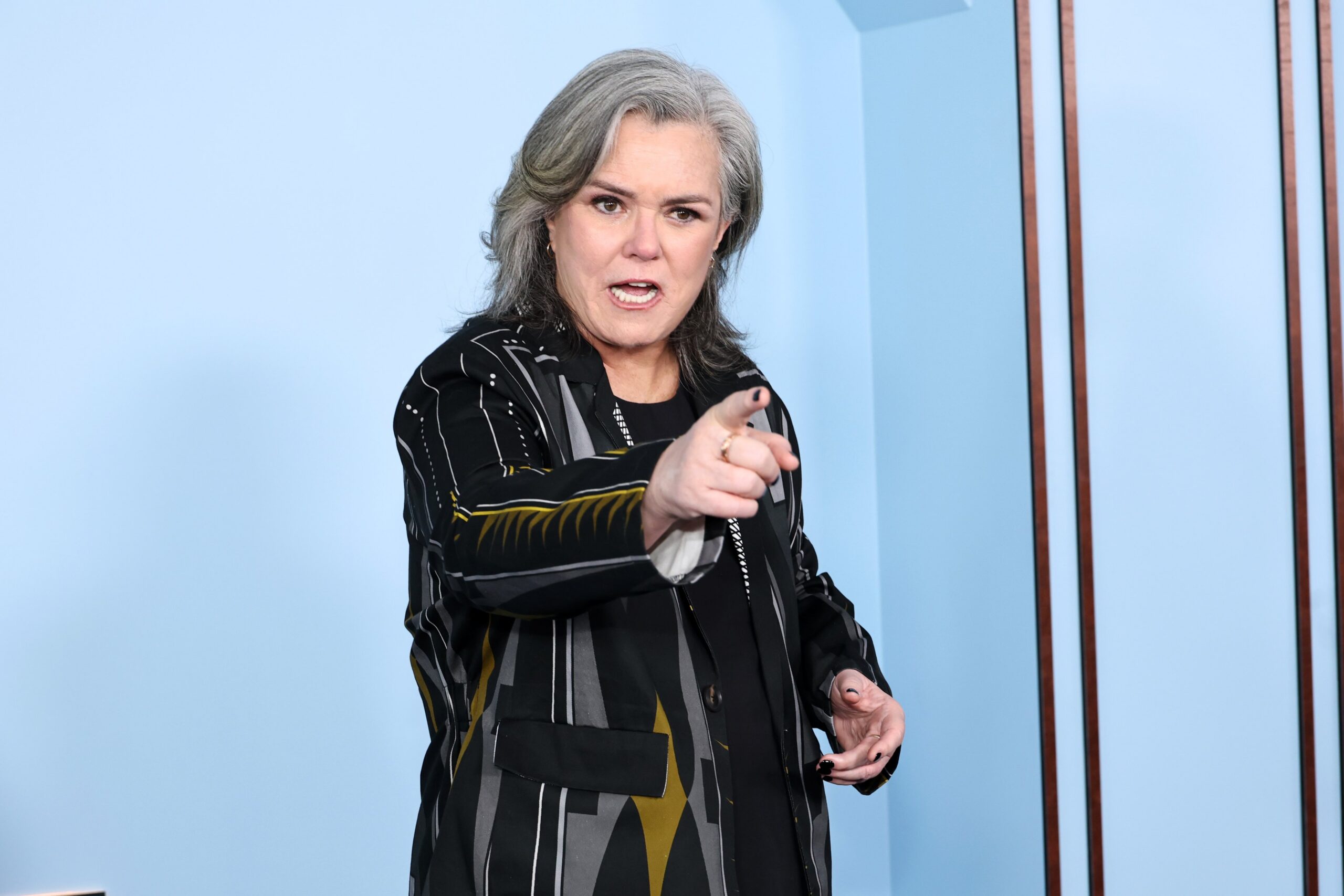
Rosie O’Donnell recently voiced her strong disapproval of President Donald Trump’s perceived intervention in World Cup affairs and a circulating artificial intelligence-generated video featuring her likeness. O’Donnell characterized President Trump as a “failure at everything he’s ever tried,” reflecting ongoing tensions between the entertainer and the President. This incident highlights broader discussions about political commentary in sports and the ethical implications of AI-generated content.
O’Donnell’s remarks emerged as a response to specific events. These events include President Trump’s public statements regarding the World Cup and the dissemination of a deepfake video. The video utilized O’Donnell’s image without her consent.
The World Cup Intervention Controversy
President Trump’s engagement with the World Cup has drawn attention. His public comments often extend beyond traditional political discourse. These statements sometimes touch on cultural and sporting events.
The specific nature of President Trump’s “intervention” in the World Cup was not detailed in the report. However, O’Donnell’s reaction suggests a perceived overreach. Such interventions often spark debate among sports fans and political observers alike.
International sporting events, like the World Cup, frequently become platforms for political expression. National leaders often use these stages. Their involvement can range from ceremonial appearances to policy-related statements.
Critics argue that political figures should maintain a degree of separation. This separation, they contend, should exist between government affairs and global sports. Proponents, however, see such involvement as a natural extension of national interest.
The intersection of politics and sports has a long history. From boycotts to diplomatic gestures, major sporting events rarely occur in a political vacuum. President Trump’s actions are part of this broader pattern.
Rosie O’Donnell’s Critique of President Trump
O’Donnell’s assessment of President Trump was direct. She stated, “He’s a failure at everything he’s ever tried.” This strong language reflects a long-standing public feud between the two figures.
Their public disagreements date back years. These exchanges have often played out across various media platforms. O’Donnell has consistently been a vocal critic of President Trump.
The phrase “failure at everything he’s ever tried” encapsulates a deep-seated opposition. It suggests a comprehensive rejection of President Trump’s career and policies. This sentiment resonates with a segment of the American public.
Such strong political commentary is not new for O’Donnell. She has a history of engaging in public discourse on political matters. Her celebrity status often amplifies these statements.
The timing of these remarks coincided with the World Cup discussion. This juxtaposition drew further attention to both the sporting event and the political critique. It added another layer to the ongoing public narrative.
The Rise of AI Video and Deepfake Concerns
A significant part of O’Donnell’s distress stemmed from an AI-generated video. This video reportedly featured her likeness. The use of artificial intelligence in creating such content raises ethical questions.
Deepfake technology allows for the creation of highly realistic synthetic media. These videos can depict individuals saying or doing things they never did. The technology has advanced rapidly in recent years.
O’Donnell’s experience is not isolated. Many public figures have become targets of deepfake videos. These creations often circulate on social media platforms.
The concerns around AI video are multifaceted. They include issues of consent, defamation, and the spread of misinformation. Legal frameworks are struggling to keep pace with technological advancements.
For individuals like O’Donnell, such videos can be deeply unsettling. They can damage reputations and lead to public confusion. The lack of control over one’s digital image is a growing problem.
Companies developing AI tools are facing increased scrutiny. There are calls for stronger regulations and clearer ethical guidelines. The aim is to prevent misuse of this powerful technology.
Folarin Balogun and the World Cup Context
The Variety article mentioned Folarin Balogun in its headline. Balogun is a notable figure in professional soccer. His name’s inclusion in the headline suggests a connection to the World Cup discussion.
Balogun is an American professional soccer player. He plays as a forward. His career has seen him play for various clubs and the United States men’s national team.
His involvement in the World Cup narrative likely relates to player selection or team performance. President Trump’s comments could have touched upon such aspects. This would naturally draw O’Donnell’s attention.
The presence of prominent athletes like Balogun often brings broader attention to sporting events. Their careers and decisions can become subjects of public and political commentary. This is particularly true during major tournaments.
Discussions around national team rosters and strategies are common. When a President weighs in on these matters, it can create a ripple effect. It can influence public perception and create talking points.
The specific link between Balogun, President Trump’s comments, and O’Donnell’s reaction is implicit. However, it underscores the intertwining nature of sports, politics, and celebrity culture in the current media landscape.
Public Reaction and Media Scrutiny
O’Donnell’s comments and the AI video incident have generated public discussion. Media outlets have covered the story. Social media platforms have seen debates unfold.
The public reaction is often polarized. Supporters of O’Donnell tend to agree with her critique of President Trump. Supporters of President Trump often dismiss O’Donnell’s statements as politically motivated.
The AI video aspect adds another layer of complexity. It brings in conversations about technology ethics. It also highlights the challenges of distinguishing real from fake content online.
Media scrutiny of these events is intense. News organizations analyze the statements made. They also investigate the origins and impact of AI-generated content.
The incident serves as a case study. It illustrates how political rivalries, technological advancements, and major sporting events can converge. This convergence often creates significant public interest and debate.
The Broader Implications of Celebrity Activism
Rosie O’Donnell’s vocal criticism of President Trump is part of a larger trend. Many celebrities use their platforms to engage in political activism. This practice has become increasingly common.
Celebrity endorsements and criticisms can influence public opinion. They can mobilize voters and shape narratives. Their reach often extends beyond traditional political channels.
However, celebrity activism also draws criticism. Some argue that celebrities should stick to entertainment. Others see it as a civic duty to speak out on important issues.
The effectiveness of celebrity activism is a subject of ongoing debate. While it can raise awareness, it can also alienate certain audiences. The impact varies depending on the celebrity and the issue.
O’Donnell’s consistent opposition to President Trump has solidified her public image. She is known for her outspoken political views. This incident reinforces that aspect of her public persona.
Future of AI and Public Figures
The incident involving the AI video raises questions about the future. How will public figures protect their images in an era of advanced AI? What safeguards will be put in place?
Technological solutions are being explored. These include watermarking AI-generated content. There are also efforts to develop tools that detect deepfakes.
Legal challenges are also emerging. Individuals are seeking legal recourse against creators and distributors of unauthorized AI content. Case law in this area is still developing.
Public awareness campaigns are crucial. Educating the public about the existence and dangers of deepfakes is essential. This helps to foster media literacy.
The balance between free speech and protection against digital manipulation is delicate. Policymakers and technologists are grappling with these complex issues. The goal is to create a safer digital environment for everyone.
The O’Donnell incident serves as a reminder. It shows the urgent need for comprehensive solutions. These solutions must address the ethical and legal challenges posed by AI technology.
Continuing Tensions and Public Discourse
The dynamic between Rosie O’Donnell and President Trump remains a consistent feature of political commentary. Their interactions often become focal points for broader discussions about American politics and culture.
These public exchanges contribute to the ongoing national discourse. They highlight differing viewpoints. They also underscore the polarized nature of contemporary society.
The convergence of sports, celebrity, politics, and technology creates a complex media environment. Each element amplifies the others. This leads to widespread attention and commentary.
The incident encapsulates multiple current anxieties. It reflects concerns about political leadership. It also speaks to fears about the unchecked spread of artificial intelligence.
Public figures navigate this landscape with varying degrees of success. Their words and images are subject to constant scrutiny and manipulation. The demand for clear boundaries and ethical guidelines grows louder.
Rosie O’Donnell’s latest comments and the AI video controversy contribute to this ongoing narrative. They invite further examination of these critical issues.
Entertainers spoke. Politicians reacted. Technologists debated. Citizens watched. Society evolved.
Discourse.