Tag: Cdc

  • Trump Threatens Tariffs on Mexico Over Contaminated Lettuce Concerns

    Trump Threatens Tariffs on Mexico Over Contaminated Lettuce Concerns

    President Trump Considers Tariffs on Mexico Over Lettuce Contamination

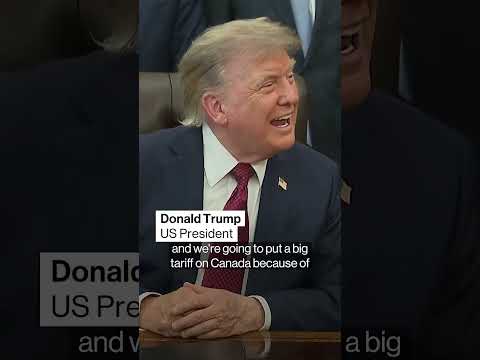
    President Donald Trump has publicly threatened to impose tariffs on imports from Mexico, specifically citing concerns about lettuce originating from the country causing diarrhea among consumers. This declaration, reported on July 27, 2026, from a Bloomberg Television feed, signals a potential escalation in trade relations between the two nations, driven by public health and food safety issues.

    The threat of tariffs represents a significant policy tool. It can alter economic dynamics between trading partners. For Mexico, a major agricultural exporter to the United States, such tariffs could have substantial economic repercussions.

    The Nexus of Food Safety and Trade Policy

    Food safety remains a critical public health issue. Contamination in produce, particularly leafy greens, has been a recurring concern for health authorities in the United States. Bacterial outbreaks linked to imported foods can lead to widespread illness and significant economic losses for affected industries.

    President Trump’s administration has previously utilized tariffs as a key component of its trade strategy. These measures are often employed to exert pressure on other nations to comply with specific demands or to address perceived economic imbalances. The current threat against Mexico over lettuce contamination follows this established pattern.

    Previous Food Safety Incidents and Their Impact

    Concerns about foodborne illnesses linked to produce are not new. In recent years, several outbreaks of E. coli and Salmonella have been traced to various types of fresh produce, including romaine lettuce. These incidents have prompted increased scrutiny of agricultural practices and supply chain management, both domestically and internationally.

    For example, in 2018, a widespread E. coli outbreak linked to romaine lettuce grown in Yuma, Arizona, sickened over 200 people across 36 states and resulted in five deaths. This event led to significant recalls and public health advisories. Such incidents underscore the gravity of food safety concerns and the potential for severe public health consequences.

    The Food and Drug Administration (FDA) and the Centers for Disease Control and Prevention (CDC) are primary federal agencies responsible for monitoring and responding to foodborne illness outbreaks. Their investigations often involve tracing contaminated products back to their source farms or processing facilities, a process that can be complex and time-consuming, especially with international supply chains.

    Agricultural Imports from Mexico: A Significant Volume

    Mexico is a leading supplier of fresh produce to the United States. A wide variety of fruits and vegetables, including tomatoes, avocados, and leafy greens, are imported across the southern border daily. This trade relationship is vital for both economies, supporting agricultural industries and providing consumers with diverse food options.

    In 2025, agricultural imports from Mexico to the United States exceeded tens of billions of dollars. Leafy greens, such as lettuce, constitute a significant portion of these imports. Any disruption to this trade, such as the imposition of tariffs, could affect consumer prices and the availability of certain produce items in American supermarkets.

    Economic Implications of Tariffs

    The imposition of tariffs on Mexican agricultural products, particularly lettuce, would have multifaceted economic consequences. For Mexican farmers and exporters, it would mean increased costs and reduced competitiveness in the U.S. market, potentially leading to financial hardship and job losses.

    In the United States, consumers might face higher prices for fresh produce. Retailers and food service providers would also need to adjust their sourcing strategies, potentially seeking alternative suppliers or absorbing increased costs. The economic ripple effects could extend throughout the agricultural supply chain.

    Economists often debate the effectiveness of tariffs as a policy tool. While proponents argue they can protect domestic industries or compel foreign governments to change policies, critics point to potential negative impacts on consumers, international relations, and global trade stability. The current threat from President Trump reignites these debates.

    The Role of International Regulations and Standards

    International trade agreements often include provisions related to food safety and phytosanitary standards. These agreements aim to ensure that imported foods meet the health and safety requirements of the importing country while facilitating trade. Disputes over these standards can become contentious issues in bilateral and multilateral relations.

    The United States and Mexico are parties to the United States-Mexico-Canada Agreement (USMCA), which replaced NAFTA in 2020. USMCA includes chapters on sanitary and phytosanitary measures, outlining principles for food safety regulations and dispute resolution mechanisms. Any tariff action based on food safety concerns would likely be scrutinized under the terms of this agreement.

    Stakeholder Reactions and Future Steps

    Various stakeholders are monitoring this situation closely. Agricultural industry groups in both the United States and Mexico would likely express concerns over potential tariffs, advocating for solutions that do not disrupt trade flows. Consumer advocacy groups, on the other hand, might emphasize the importance of robust food safety measures.

    Government agencies, including the Department of Agriculture (USDA) and the Office of the U.S. Trade Representative (USTR), would be involved in assessing the feasibility and implications of such tariffs. Their analyses would consider economic data, trade agreements, and public health objectives.

    The precise nature and scope of any potential tariffs remain to be seen. President Trump’s statements often serve as negotiating tactics, indicating a strong stance that may or may not culminate in immediate action. However, the explicit mention of lettuce and diarrhea points to a specific and pressing concern for the administration.

    The Broader Context of U.S.-Mexico Relations

    Trade relations between the United States and Mexico have been a consistent theme throughout President Trump’s presidency. Issues such as border security, immigration, and manufacturing have frequently shaped the bilateral agenda. Food safety now adds another layer to this complex relationship.

    The interdependence of the two economies means that actions taken by one nation often have direct consequences for the other. This latest development underscores the interconnectedness of their agricultural sectors and the shared interest in ensuring safe and efficient cross-border trade.

    Ultimately, the resolution of this issue will likely involve diplomatic negotiations, scientific assessments of food safety protocols, and economic considerations. The threat of tariffs serves as a powerful signal, intended to prompt action and attention to the stated concerns.

    Addressing Food Safety in Global Supply Chains

    Ensuring food safety in global supply chains is a complex challenge. It requires collaboration between governments, industry, and international organizations. Harmonizing standards, improving traceability, and investing in advanced testing technologies are all crucial components of a robust food safety system.

    The current discussion about Mexican lettuce highlights the need for continuous vigilance. It also emphasizes the importance of clear communication channels between regulatory bodies in different countries. These channels are essential for quickly identifying and mitigating risks.

    Agricultural practices, from farm to fork, play a pivotal role. Adherence to Good Agricultural Practices (GAPs) and Good Manufacturing Practices (GMPs) helps minimize contamination risks. These practices are often voluntary but are increasingly becoming standard expectations for producers supplying international markets.

    Consumer Confidence and Public Health

    Public confidence in the safety of the food supply is paramount. When outbreaks occur, consumer trust can erode rapidly. This erosion can lead to decreased demand for certain products and significant losses for businesses. Therefore, governments and industries have a strong incentive to prevent foodborne illnesses.

    Educational campaigns for consumers about safe food handling and preparation are also important. While much of the responsibility lies with producers and regulators, informed consumers can further reduce risks in their own homes. This multi-pronged approach strengthens the overall food safety framework.

    The dialogue surrounding tariffs on Mexican lettuce underscores these broader themes. It brings to the forefront the challenges of managing a global food system. It also highlights the constant need to balance economic interests with public health imperatives.

    Looking Ahead: Potential Outcomes

    Several outcomes are possible regarding President Trump’s tariff threat. Mexico may implement stricter inspection protocols for its lettuce exports. The United States could increase its own inspection efforts at the border. Diplomatic discussions could lead to a mutual agreement on enhanced food safety cooperation.

    Alternatively, tariffs could be imposed, leading to trade disputes and economic disruptions. The situation remains fluid. It will require careful monitoring by all parties involved. The ultimate goal for both nations is to ensure the safety of food consumed by their populations while maintaining a productive trade relationship.

    Consumers watch. Industries watch. Governments watch.

    Washington.

    FAQ Section

    • What is President Trump’s reason for threatening tariffs on Mexico?

      President Trump has threatened tariffs on Mexico due to concerns about imported lettuce causing diarrhea. This indicates a focus on food safety within the broader context of trade relations.

    • How would tariffs on Mexican lettuce impact the U.S. economy?

      Tariffs on Mexican lettuce could lead to higher prices for consumers in the United States and may require retailers to seek alternative, potentially more expensive, suppliers. It could also disrupt established supply chains for fresh produce.

    • What government agencies are involved in addressing food safety concerns in imported produce?

      The Food and Drug Administration (FDA) and the Centers for Disease Control and Prevention (CDC) are key U.S. government agencies involved in monitoring foodborne illnesses and ensuring the safety of imported produce. The Department of Agriculture (USDA) also plays a role in agricultural trade and standards.

    • Has the U.S. previously imposed tariffs on Mexico for similar reasons?

      While President Trump’s administration has previously used tariffs as a trade tool against Mexico for various reasons, including immigration and economic leverage, this specific threat linked directly to food safety concerns about produce contamination is a distinct application of the policy.

    • What measures can be taken to ensure the safety of imported lettuce?

      Ensuring the safety of imported lettuce involves implementing stringent agricultural practices, enhancing inspection and testing protocols at various points in the supply chain, and fostering international cooperation on food safety standards between exporting and importing nations.


  • Taco Bell Removes Lettuce Amid Cyclosporiasis Scare – A Food Safety Deep Dive

    Taco Bell Removes Lettuce Amid Cyclosporiasis Scare – A Food Safety Deep Dive

    Taco Bell removed lettuce from an unspecified number of its restaurant locations in response to a developing cyclosporiasis scare. This proactive measure aims to mitigate potential public health risks associated with the foodborne illness. Cyclosporiasis is an intestinal infection caused by the microscopic parasite Cyclospora cayetanensis, often linked to contaminated fresh produce.

    The fast-food chain’s action aligns with standard food safety protocols. It prioritizes consumer health and safety over standard menu availability. This incident underscores the persistent challenges in maintaining food safety across large-scale food service operations.

    Understanding Cyclosporiasis: The Parasite and Its Effects

    Cyclosporiasis is an infection of the small intestine. It is caused by a single-celled parasite named Cyclospora cayetanensis. This parasite is microscopic, making it invisible to the naked eye.

    Humans become infected by ingesting food or water contaminated with the parasite. The parasite must first mature in the environment after being shed in the feces of an infected person or animal. This maturation process, called sporulation, typically takes days or weeks under favorable conditions.

    Once ingested, the parasite invades the cells lining the small intestine. It then multiplies and causes a range of gastrointestinal and systemic symptoms. The illness can be particularly severe and prolonged if left untreated.

    The incubation period for cyclosporiasis is usually about one week. However, it can range from two to eleven days after exposure. This variable incubation period can make tracing the exact source of an outbreak challenging.

    Common Symptoms of Cyclosporiasis

    Symptoms of cyclosporiasis can vary in intensity. They often include watery diarrhea, which can be frequent and explosive. Other common symptoms are loss of appetite and significant weight loss.

    Abdominal cramps, bloating, and increased gas production are also frequently reported. Patients may experience nausea, vomiting, and low-grade fever.

    Fatigue and general malaise are also characteristic of the infection. These symptoms can wax and wane for weeks or even months if the infection is not treated. Repeated relapses are possible.

    Individuals experiencing these symptoms, especially after consuming potentially contaminated food, should seek medical attention. Diagnosis is typically made through laboratory testing of stool samples.

    The Nature of the Scare: Why Lettuce?

    The specific details regarding the origin or full extent of the current cyclosporiasis scare remain limited. Neither Taco Bell nor public health authorities have released comprehensive information as of July 18, 2026. The removal of lettuce indicates a proactive step to mitigate potential risks to consumers.

    Lettuce and other leafy greens are frequently implicated in foodborne illness outbreaks. This is due to their growing conditions and how they are consumed. They are often eaten raw, without cooking that would kill pathogens.

    Contamination can occur at various stages of production. This includes irrigation with contaminated water, contact with animal feces in fields, or improper handling during harvesting and processing. The intricate surfaces of leafy greens can also make them difficult to clean thoroughly.

    The Cyclospora parasite is known to be endemic in certain regions globally. It can contaminate fresh produce, particularly items consumed raw. Washing produce is important, but it may not always eliminate Cyclospora. The parasite can be difficult to remove from produce surfaces, even with thorough washing.

    Outbreaks linked to fresh produce, particularly leafy greens, are not uncommon. These incidents often lead to widespread product recalls or removals as investigations proceed. The current situation with Taco Bell follows this pattern of immediate response to potential contamination threats.

    Taco Bell’s Corporate Response and Public Health

    Taco Bell’s decision to remove lettuce aligns with established food safety protocols. Companies often act swiftly to pull potentially compromised ingredients from their supply chains. This aims to protect customers and prevent further illness while investigations are underway.

    This is a developing story. Public health officials are actively working to identify the source of contamination. They are likely collaborating with Taco Bell’s internal food safety teams. Their collective efforts focus on assessing the full scope of any potential risk.

    Further updates are anticipated as more information becomes available. These updates will likely come from both Taco Bell and relevant health agencies. The Centers for Disease Control and Prevention (CDC) and local health departments often play key roles in such investigations.

    The swift action taken by Taco Bell demonstrates a commitment to consumer safety. It is a critical step in managing potential public health crises. Such actions help to limit the spread of illness and maintain public trust.

    Previous Cyclospora Outbreaks in the United States

    The United States has experienced multiple cyclosporiasis outbreaks linked to fresh produce. These incidents highlight the ongoing challenge of preventing such foodborne illnesses.

    In 2018, a large multistate outbreak of cyclosporiasis was linked to pre-packaged salads. These salads were sold at various retailers, including McDonald’s. The outbreak affected hundreds of individuals across several states.

    Another significant outbreak occurred in 2013, traced to a salad mix. This incident also impacted a large number of people across multiple states. It led to extensive investigations by public health authorities.

    These past events underscore the seriousness of cyclosporiasis outbreaks. They also demonstrate the necessity of rapid response from both food companies and public health organizations. Each outbreak provides valuable lessons for improving food safety practices.

    Impact on Operations and Consumer Information

    The removal of a staple ingredient like lettuce can significantly impact menu offerings at affected Taco Bell locations. Customers may find certain items temporarily unavailable. Other menu items may be modified to exclude lettuce.

    This operational adjustment prioritizes health and safety over standard menu availability. It reflects a difficult but necessary decision for a food service provider. The absence of a key ingredient can disrupt customer expectations and daily operations.

    Consumers are advised to stay informed through official announcements. These announcements will come from Taco Bell and relevant health agencies. This information will provide the most accurate and up-to-date guidance on the situation.

    Official channels are the most reliable sources for updates. Social media and unofficial reports may contain misinformation. Relying on verified information is crucial during public health concerns.

    Preventing Cyclosporiasis: What Consumers Can Do

    While food companies and health agencies work to ensure safety, consumers also have a role in preventing foodborne illnesses. Understanding how Cyclospora spreads is key.

    Illnesses caused by Cyclospora are not typically transmitted directly from person to person. They primarily occur through the ingestion of contaminated food or water. This means careful handling and preparation of food are important.

    Thoroughly washing all fresh produce under running water is a general recommendation. However, as noted, this may not always eliminate Cyclospora. The parasite can adhere stubbornly to produce surfaces.

    Cross-contamination is another concern. Using separate cutting boards and utensils for raw produce and raw meats can help prevent the spread of pathogens. Handwashing before and after handling food is also critical.

    When traveling to regions where Cyclospora is endemic, extra precautions may be advisable. Avoiding raw produce, unpasteurized dairy products, and untreated water can reduce risk.

    The Broader Implications for Food Supply Chains

    The Taco Bell lettuce scare highlights vulnerabilities within complex global food supply chains. Fresh produce often travels long distances. It passes through numerous hands and environments before reaching the consumer.

    Each step in this chain presents a potential point of contamination. From farming and harvesting to processing, packaging, and distribution, robust safety measures are required. A single lapse can lead to widespread illness.

    Traceability systems are crucial for quickly identifying the source of contamination during an outbreak. These systems allow investigators to track products back to their origin. This helps in isolating affected batches and preventing further illness.

    Continuous monitoring and regular testing of produce are also essential. These measures help to detect pathogens before they reach consumers. Investment in advanced food safety technologies and practices is ongoing.

    The incident reinforces the need for collaboration. Food producers, distributors, retailers, and public health agencies must work together. This collective effort is vital for safeguarding the food supply.

    Food safety regulations are continually evolving. They adapt to new scientific understanding and emerging threats. Compliance with these regulations is a fundamental responsibility for all entities involved in the food industry.

    Consumers rely on these systems to provide safe food. Incidents like the current cyclosporiasis scare erode consumer confidence. They also serve as powerful reminders of the constant vigilance required.

    Farmers gathered. Health officials gathered. Corporate executives gathered. The public waited.

    Safety.

  • Ebola in 2026: ‘America First’ Challenges Global Health Security

    Ebola in 2026: ‘America First’ Challenges Global Health Security

    The 2026 Ebola outbreak in Africa has reignited the global debate surrounding the ‘America First’ health strategy. This policy framework prioritizes domestic interests and national sovereignty in the face of international health crises. The approach gained prominence during the 2017-2021 Trump administration. It emphasizes securing U.S. borders and resources while often scaling back engagement with multilateral health organizations and foreign aid. The current Ebola crisis provides a significant real-world test for the effectiveness and implications of such a nationalistic stance on global public health.

    Public health officials and policymakers have been prompted to re-evaluate the balance between national security and international collaboration in pandemic preparedness. The ‘America First’ doctrine posits that a strong domestic health infrastructure and secure borders are the primary defense against global health threats. This perspective often translates into a focus on internal resource allocation rather than extensive contributions to international disease surveillance and response mechanisms.

    The current Ebola situation in Africa underscores the interconnectedness of global health. No nation, including the United States, can remain entirely insulated from infectious disease outbreaks originating elsewhere. The policy debate now centers on whether a unilateral ‘America First’ approach adequately protects U.S. citizens in a globally integrated world.

    Origins of “America First” in Health Policy

    The ‘America First’ health strategy emerged as a distinct policy during the 2017-2021 Trump administration. Its core tenets involved a re-evaluation of the United States’ role in global institutions, including those dedicated to public health. The administration advocated for a reduction in financial contributions to organizations like the World Health Organization (WHO).

    This shift was often framed as an effort to ensure U.S. taxpayer dollars were spent more efficiently and directly on American citizens. The underlying philosophy suggested that other nations should bear a greater share of the burden for global health initiatives. This approach marked a departure from decades of U.S. leadership in international health diplomacy and funding.

    Key policy actions included proposed budget cuts to the Centers for Disease Control and Prevention (CDC) global health programs and a general skepticism towards international treaties and agreements. The administration’s rhetoric frequently highlighted the importance of national sovereignty in health decision-making. This included decisions regarding vaccine development, pharmaceutical supply chains, and border health controls. The administration also initiated the withdrawal of the United States from the WHO in July 2020, though this decision was later reversed by the Biden administration in January 2021.

    Defining “America First” Health Principles

    The ‘America First’ health strategy was characterized by several key principles. These included prioritizing domestic public health infrastructure, securing national borders against disease transmission, and re-evaluating the financial contributions to international health bodies.

    Another principle was the emphasis on bilateral agreements over multilateral ones, allowing the U.S. to negotiate terms directly with individual nations. This approach aimed to maximize perceived national benefit and control over health aid distribution. The focus remained on what was deemed immediately beneficial to U.S. health and economic interests.

    The strategy also promoted U.S. pharmaceutical innovation and domestic manufacturing capabilities. This was intended to reduce reliance on foreign supply chains for essential medicines and medical equipment. The goal was to ensure American access to critical health resources, especially during a global crisis.

    The Ebola Threat: A 2026 Perspective

    The 2026 Ebola outbreak, centered in a specific region of Africa, presents a critical challenge to global health systems. Ebola virus disease, known for its high fatality rate and rapid spread, requires swift and coordinated international action to contain. The current strain has shown characteristics that necessitate a robust, multi-national response.

    Epidemiologists and infectious disease specialists have underscored the need for rapid diagnostic deployment, contact tracing, and vaccine distribution. The geographical location of the outbreak, coupled with existing healthcare infrastructure challenges in affected areas, complicates containment efforts. International aid organizations and national health agencies are mobilizing resources.

    The World Health Organization has issued urgent calls for global solidarity and financial support. These calls are directed at member states to bolster their contributions to the global response fund. The outbreak’s trajectory remains a subject of intense monitoring by health authorities worldwide.

    Specifics of the 2026 Outbreak

    The 2026 Ebola outbreak was first identified in the Democratic Republic of Congo in March 2026. Initial cases were confirmed in the North Kivu province, a region with a history of Ebola outbreaks and ongoing humanitarian challenges. The specific variant of the Ebola virus detected is still under analysis, but early reports indicate a high transmissibility rate.

    As of June 2026, the outbreak has resulted in over 300 confirmed cases and 150 reported fatalities. Efforts to vaccinate at-risk populations are underway, utilizing the rVSV-ZEBOV vaccine, which has proven effective in previous outbreaks. However, logistical challenges, including cold chain maintenance and community engagement, persist.

    Neighboring countries, including Uganda and Rwanda, have increased border surveillance and preparedness measures. The African Centres for Disease Control and Prevention (Africa CDC) is coordinating regional response efforts, emphasizing cross-border collaboration and data sharing. The international community’s response capacity is being tested by this rapidly evolving situation.

    Impact on Global Health Initiatives

    The ‘America First’ health strategy has demonstrably altered the landscape of global health initiatives. Reduced U.S. financial contributions and diplomatic engagement have created funding gaps for various programs. These programs include disease surveillance, vaccine research, and healthcare infrastructure development in vulnerable nations.

    Organizations dependent on U.S. funding have been forced to seek alternative sources or scale back operations. This has impacted efforts to combat diseases such as HIV/AIDS, tuberculosis, and malaria, in addition to emerging infectious threats. The strategy has also fostered an environment where other nations may be less inclined to commit significant resources, perceiving a retreat from shared responsibility.

    Critics argue that a weakened global health infrastructure ultimately poses a risk to the United States itself. Pathogens do not respect national borders. A robust international surveillance and response system is considered essential for early detection and containment, preventing diseases from reaching American shores. This interconnectedness forms the basis of arguments for sustained U.S. leadership in global health.

    Funding Reductions and Their Consequences

    Specific examples of funding reductions under the ‘America First’ framework included proposed cuts to the President’s Emergency Plan for AIDS Relief (PEPFAR) during the 2017-2021 period. Reduced allocations to the Global Fund to Fight AIDS, Tuberculosis and Malaria were also considered. While some cuts were mitigated by congressional action, the intent to reduce international health spending was clear.

    These reductions have direct consequences for frontline health workers and vulnerable populations. Essential medicines, diagnostic tests, and public health campaigns become harder to sustain. The capacity of local health systems to respond to routine health challenges, let alone an Ebola outbreak, is diminished.

    The long-term effects of such disinvestment can include a resurgence of preventable diseases and a decreased ability to train and retain skilled health professionals in low-income countries. This creates a cycle of vulnerability that is difficult to break. For example, a 2018 report by the Kaiser Family Foundation noted that proposed cuts could impact over 14 million people receiving HIV treatment through PEPFAR.

    “America First” vs. Global Health Security

    The fundamental tension lies between the ‘America First’ emphasis on national health security and the concept of global health security. National health security prioritizes the protection of a nation’s own population through domestic measures. This includes robust healthcare systems, biodefense capabilities, and strict border controls.

    Global health security, conversely, posits that no nation is truly secure from health threats unless all nations are secure. It advocates for cooperative international efforts to prevent, detect, and respond to infectious diseases wherever they emerge. This approach views global health as a shared responsibility requiring coordinated investment and collaboration.

    The debate is not merely philosophical. It has practical implications for how resources are allocated, how international partnerships are formed, and how quickly the world can react to novel pathogens. The 2026 Ebola outbreak serves as a stark reminder of these divergent philosophies in action.

    The Argument for Global Health Security

    Proponents of global health security emphasize that infectious diseases do not recognize national borders. An outbreak in one part of the world can quickly become a threat to another, as demonstrated by the COVID-19 pandemic. Investing in global health initiatives is seen as a proactive measure to protect domestic populations.

    This perspective argues that strong surveillance systems in developing countries can act as an early warning system for new pathogens. Funding for research and development of vaccines and treatments benefits everyone, regardless of where the research takes place. Collaborative efforts also build trust and diplomatic ties, which are crucial during international crises.

    Organizations like the World Health Organization and the Global Fund are critical components of this global health security architecture. Their work involves coordinating responses, setting international health standards, and providing technical assistance to low-resource settings. Reduced engagement with these bodies can create dangerous gaps in the global defense against disease.

    The Argument for “America First” Health Security

    Advocates for the ‘America First’ approach argue that a nation’s primary responsibility is to its own citizens. They contend that domestic investments in healthcare, border security, and biodefense are the most direct and effective ways to protect national health. This strategy aims to ensure self-sufficiency and reduce reliance on potentially unreliable international partners.

    This perspective often highlights concerns about the efficiency and accountability of international organizations. It suggests that funds allocated to global health initiatives might be better spent strengthening U.S. hospitals, laboratories, and emergency response systems. The focus is on building a resilient national capacity that can withstand external shocks.

    Furthermore, proponents argue that a strong U.S. economy, fostered by prioritizing domestic interests, ultimately provides more resources for health security. They believe that by leading through example and focusing on national strength, the U.S. can still contribute to global health indirectly, without extensive financial outlays to multilateral bodies. They emphasize the importance of national sovereignty in making health decisions, especially during times of crisis.

    Future Implications for U.S. Policy

    The 2026 Ebola outbreak will likely continue to shape U.S. health policy debates. The ongoing crisis provides real-time data on the efficacy of various response strategies. Policymakers will be forced to confront the consequences of past decisions regarding international engagement and funding.

    The balance between national interest and global responsibility remains a central theme. Future administrations will need to articulate a clear vision for the U.S. role in global health. This vision will either reaffirm an ‘America First’ stance or pivot towards a more internationally collaborative approach.

    Decisions made today will determine the world’s ability to prevent and respond to future pandemics. The Ebola outbreak serves as a critical case study for these ongoing policy deliberations. The health of the nation, and indeed the world, hangs in the balance.

    Epidemiologists warn. Public health officials collaborate. Governments convene. The world watches.

    Ebola.