Tag: Cbs

  • Mark Harmon’s NCIS: Origins Return – Why Gibbs is Back for Season 3

    Mark Harmon’s NCIS: Origins Return – Why Gibbs is Back for Season 3

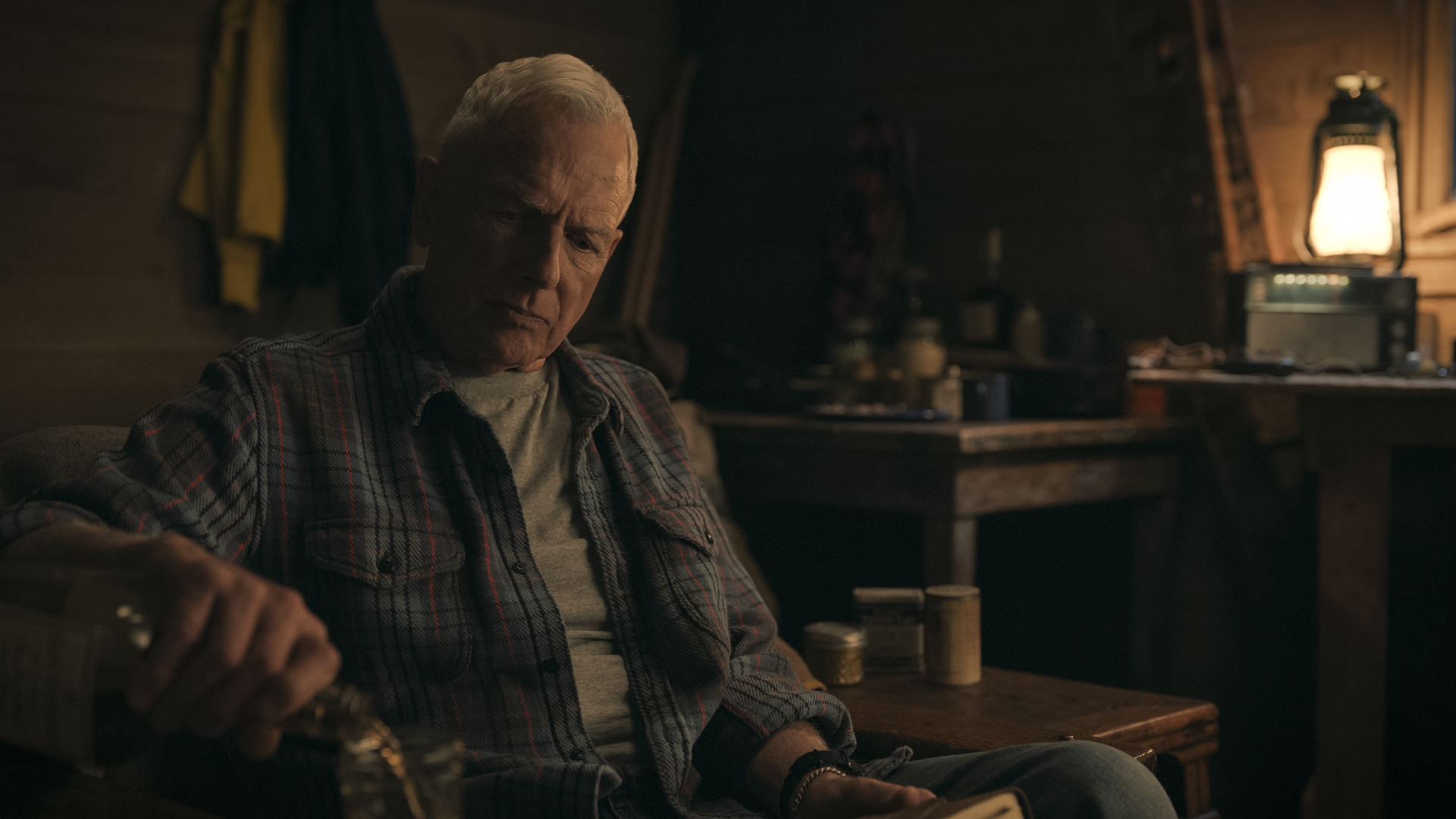
    Mark Harmon will return to the ‘NCIS’ franchise, reprising his role as Leroy Jethro Gibbs for the third season of the prequel series ‘NCIS: Origins’. This return is driven by Harmon’s ongoing commitment as an executive producer for the series, ensuring the authentic portrayal of the character he originated. The announcement on June 30, 2026, by Deadline confirms his continued involvement, reinforcing the narrative connection between Gibbs’ past and present.

    Harmon’s character, Special Agent Leroy Jethro Gibbs, has been a cornerstone of the ‘NCIS’ franchise since its inception. His portrayal defined the stoic, rule-bending leader of the Major Case Response Team for nearly two decades. The decision for Harmon to return to ‘NCIS: Origins’ for a third season highlights the enduring appeal of the Gibbs character and the franchise’s commitment to its foundational elements.

    The Enduring Legacy of Leroy Jethro Gibbs

    Leroy Jethro Gibbs first appeared in the two-part backdoor pilot for ‘NCIS’, which aired as episodes of ‘JAG’ in April 2003. Harmon’s portrayal quickly established Gibbs as a complex figure, a former Marine sniper turned NCIS Special Agent. His character’s backstory, marked by personal tragedy and a strict moral code, became a defining feature of the series.

    Gibbs led the NCIS team for 18 seasons, departing in the fourth episode of season 19, which aired in October 2021. His exit saw the character choose to remain in Alaska, finding peace away from the demands of federal law enforcement. This departure left a significant void for many viewers, making any return to the franchise a notable event.

    ‘NCIS’ itself launched on September 23, 2003, and quickly became one of CBS’s most successful and long-running procedural dramas. The series has spawned multiple spin-offs, including ‘NCIS: Los Angeles’, ‘NCIS: New Orleans’, ‘NCIS: Hawaiʹi’, and ‘NCIS: Sydney’. The creation of ‘NCIS: Origins’ further expands this universe by delving into the past of its most iconic character.

    Gibbs’ Character Evolution and Impact

    The character of Leroy Jethro Gibbs evolved significantly over his nearly two decades on screen. Initially presented as a hardened, no-nonsense agent, layers of his personal history were gradually revealed. These included his four marriages, the tragic deaths of his first wife Shannon and daughter Kelly, and his complex relationships with his father and various proteges.

    His signature ‘Gibbs’ Rules’ became a fan favorite, offering a glimpse into his pragmatic and often unconventional approach to law enforcement. These rules, ranging from ‘Never apologize – it’s a sign of weakness’ to ‘Never screw over your partner’, provided both comic relief and deeper insight into his moral compass. The consistency of these rules contributed to the character’s long-term appeal and predictability within the unpredictable world of crime-solving.

    Harmon’s performance earned him multiple People’s Choice Awards nominations and a loyal fan base. His ability to convey deep emotion with minimal dialogue became a hallmark of the character. This nuanced portrayal cemented Gibbs as one of television’s most memorable procedural drama leads, influencing countless other fictional law enforcement figures.

    ‘NCIS: Origins’ and Gibbs’ Formative Years

    ‘NCIS: Origins’ focuses on the early career of Leroy Jethro Gibbs. The series is set in 1993 and explores Gibbs’ first years as a newly minted special agent at the NCIS Camp Pendleton office. This period predates many of the events and relationships established in the flagship ‘NCIS’ series.

    The prequel aims to fill in the gaps of Gibbs’ professional and personal history, showing how he developed into the agent fans came to know. It details his interactions with early mentors and colleagues, providing context for his later leadership style and operational philosophy.

    Austin Stowell portrays the younger Leroy Jethro Gibbs in ‘NCIS: Origins’. Stowell’s casting was a critical component of the prequel’s development, as he was tasked with embodying a younger version of a character made famous by Harmon. His performance is intended to capture the essence of Gibbs while also showing his evolution.

    Exploring Key Mentors and Early Cases

    ‘NCIS: Origins’ delves into pivotal relationships that shaped Gibbs. One central figure is Mike Franks, portrayed by Robert Patrick in the original series and by Kyle Schmid in the prequel. Franks served as Gibbs’ mentor, guiding him through his initial years as a Special Agent. The prequel explores the genesis of their complex, father-son-like dynamic.

    The series also introduces viewers to other formative colleagues and superiors, such as Special Agent Vera Strickland, played by Diany Rodriguez. These characters help illustrate the environment in which Gibbs learned the ropes of NCIS. Early cases featured in ‘NCIS: Origins’ often highlight the nascent stages of Gibbs’ investigative techniques and his developing moral code, which would later define his leadership.

    The narrative of ‘NCIS: Origins’ also touches upon the political climate and technological limitations of the early 1990s. This setting provides a contrast to the more advanced investigative tools seen in the main ‘NCIS’ series, emphasizing the ingenuity and grit required of agents during that era.

    Harmon’s Dual Role: Actor and Executive Producer

    Mark Harmon’s involvement in ‘NCIS: Origins’ extends beyond his on-screen return. He also serves as an executive producer for the series, a role he has held since the show’s inception. This position allows him to maintain creative oversight and influence over the portrayal of his character’s origins.

    Harmon’s executive producer credit ensures that the narrative direction of ‘NCIS: Origins’ aligns with the established lore and character development of Leroy Jethro Gibbs. This level of involvement is crucial for maintaining continuity and authenticity within a beloved franchise. His intimate knowledge of the character, developed over nearly two decades, provides invaluable guidance to the creative team.

    His contributions as an executive producer likely include guiding story arcs, character interpretations, and overall tone. This dual role provides a direct link between the original series’ star and the prequel’s narrative, ensuring a cohesive vision that respects the character’s history while exploring new territory.

    The Importance of Executive Producer Input

    For a character as iconic as Leroy Jethro Gibbs, the input of the actor who originated the role is paramount. As an executive producer, Harmon can weigh in on scripts, casting decisions, and overall thematic direction. This ensures that the younger Gibbs portrayed by Austin Stowell remains consistent with the essence of the character fans have known for years.

    Harmon’s experience also provides a bridge for the younger cast members, offering insights into Gibbs’ motivations and mannerisms. This collaborative approach helps to maintain the integrity of the character across different timelines and actors. It also provides a level of quality control that reassures long-time fans about the direction of the prequel.

    The Impact of a Returning Icon for Season 3

    The return of Mark Harmon as Gibbs, even in a narrative capacity for a prequel, carries significant weight for the ‘NCIS’ franchise. It signifies a continued connection to its roots and acknowledges the importance of its central figures.

    Fan engagement with the ‘NCIS’ universe remains robust, driven by a loyal viewership that has followed the series for over two decades. The announcement of Harmon’s return for ‘NCIS: Origins’ Season 3 is poised to reignite excitement and draw attention to the prequel series. This strategic move leverages the established popularity of Harmon and the Gibbs character to attract new viewers while satisfying existing ones.

    The decision to feature Harmon in ‘NCIS: Origins’ also reflects a broader trend in television. Franchises often leverage established characters and actors to launch or sustain spin-off projects. This strategy capitalizes on existing fan bases and familiar intellectual property, ensuring a built-in audience from day one.

    Bridging Generations of ‘NCIS’ Fans

    The ‘NCIS’ franchise has cultivated multiple generations of viewers. Some have followed the series since its 2003 debut, while others have discovered it through streaming platforms. ‘NCIS: Origins’ aims to appeal to both groups.

    For long-time fans, the prequel offers a chance to see the genesis of their favorite character, providing answers to questions about his past. For newer viewers, it provides an entry point into the rich history of the NCIS universe, offering context for the flagship series and its spin-offs. This dual appeal strengthens the overall franchise.

    Harmon’s return helps bridge this gap. His presence, even if not in every episode or in a primary acting role, offers a tangible link to the original series. This connection can reinforce the narrative continuity across different timelines and iterations of the ‘NCIS’ story, creating a more cohesive viewing experience.

    The Future of the ‘NCIS’ Universe

    The ‘NCIS’ universe continues to expand and evolve. With multiple active series and the ongoing success of ‘NCIS: Origins’, the franchise demonstrates remarkable longevity and adaptability. This continued growth is a testament to the strong foundational characters and compelling storytelling that define the series.

    The commitment to exploring Gibbs’ past through ‘NCIS: Origins’ indicates a strategic effort to deepen the lore of the franchise. By understanding the character’s beginnings, viewers gain a richer appreciation for his journey and decisions in the original series. This enriches the entire viewing experience, offering new perspectives on established narratives.

    Future seasons of ‘NCIS: Origins’ could explore more pivotal moments in Gibbs’ early career, potentially introducing younger versions of other characters who later played significant roles. This narrative approach allows for both nostalgic appeal and fresh storytelling, keeping the franchise vibrant and engaging for years to come.

    Franchise Expansion and Character Development

    The ‘NCIS’ universe has successfully expanded by focusing on character-driven narratives within the framework of military crime investigation. Each spin-off, from ‘NCIS: Los Angeles’ to ‘NCIS: Sydney’, introduces new teams and settings while maintaining the core themes of duty, loyalty, and justice.

    ‘NCIS: Origins’ specifically enhances this by providing depth to the most central character. Understanding Gibbs’ early struggles, triumphs, and choices adds significant layers to his later persona. This kind of character development, spanning multiple series and decades, is rare in television and contributes to the franchise’s unique appeal.

    The ongoing success of the ‘NCIS’ franchise, bolstered by returns like Harmon’s, suggests a robust future. This future will likely involve continued exploration of its established characters and the introduction of new ones, ensuring the universe remains dynamic and relevant.

    Fans will watch. Critics will analyze. The ‘NCIS’ universe expands.

    Continuity.
  • Scott Pelley Joins CAA: What’s Next for the Veteran CBS Journalist?

    Scott Pelley Joins CAA: What’s Next for the Veteran CBS Journalist?

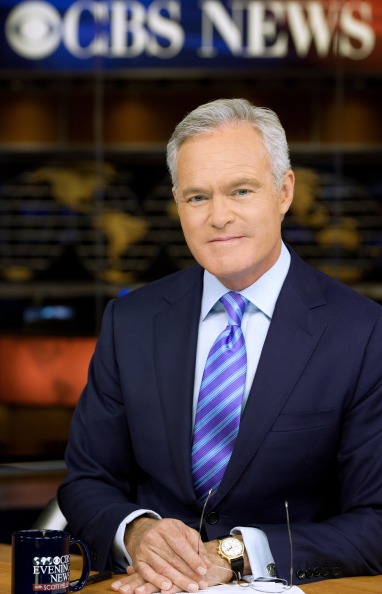
    Veteran journalist Scott Pelley, a prominent figure known for his extensive career at CBS News and his tenure as anchor for ’60 Minutes’, signed with Creative Artists Agency (CAA) in 2026 to explore new opportunities in the media landscape. This strategic move positions Pelley for future projects in documentaries, special reports, and other significant journalistic endeavors, signaling his continued commitment to the field after departing the ’60 Minutes’ primary anchor desk.

    The decision to join a major talent agency like CAA often precedes the announcement of new ventures. These could include long-form investigative series for streaming platforms, independent documentary productions, or high-profile speaking engagements. Pelley’s decades of experience and his established public profile make him a valuable asset in the competitive media environment.

    Pelley’s Distinguished Career at CBS News

    Scott Pelley’s career at CBS News spanned over three decades, establishing him as one of the network’s most recognized and respected journalists. He began his tenure in 1989 as a reporter based in New York, quickly gaining recognition for his coverage of major global events.

    His early assignments included comprehensive reporting on the Persian Gulf War in 1990. He also played a key role in covering the 1992 U.S. presidential campaign, demonstrating his versatility across hard news and political reporting.

    Rising Through the Ranks: From Reporter to Correspondent

    Pelley’s reporting assignments frequently took him to the front lines of significant international events. He covered conflicts in Iraq and Afghanistan, reported on natural disasters across the globe, and documented critical political developments from Washington D.C. to various world capitals. This extensive field experience solidified his reputation as a tenacious and thorough journalist.

    In 1997, Pelley achieved a significant career milestone by becoming a correspondent for ’60 Minutes’. This role placed him on one of television’s most iconic and prestigious news programs. His segments for ’60 Minutes’ consistently earned critical acclaim and garnered him multiple Emmy Awards, recognizing his impactful storytelling and investigative prowess.

    Anchoring the ‘CBS Evening News’

    Scott Pelley’s prominence at CBS News culminated in his appointment as anchor of the ‘CBS Evening News’ in 2011. He also served as the managing editor for the broadcast, a dual role that placed him at the forefront of daily network news operations. His leadership during this period was marked by a commitment to in-depth reporting and contextual analysis.

    During his time as the ‘CBS Evening News’ anchor, Pelley reported on a vast array of national and international stories. These included major U.S. presidential elections, significant economic shifts, and pivotal social movements. He frequently anchored the broadcast from various locations, often reporting directly from the scene of breaking news events, providing live updates and expert analysis.

    Transitioning from ’60 Minutes’

    Pelley’s primary anchor role on ’60 Minutes’ concluded in 2017. He stepped down from the ‘CBS Evening News’ to return to ’60 Minutes’ full-time as a correspondent, a transition he described as a desire to focus exclusively on long-form investigative journalism. This move allowed him to dedicate more time to the in-depth reporting that defines the program.

    His eventual departure from the ’60 Minutes’ correspondent roster marked a significant moment in broadcast journalism. The specifics of his exit were a subject of media discussion at the time, as is common for long-serving, high-profile personalities in network news. Such transitions reflect the evolving dynamics within major news organizations and the careers of veteran journalists.

    The Evolving Landscape of Broadcast Journalism

    The broadcast news industry has experienced profound transformations in recent years. The rise of digital platforms, shifts in audience consumption habits, and economic pressures have all reshaped traditional news operations. Veteran journalists like Pelley navigate this dynamic environment, seeking new avenues for their expertise.

    Many experienced broadcasters are transitioning to new roles or platforms outside of traditional network structures. Some pursue independent documentary work, leveraging their storytelling skills. Others engage in commentary, launch podcasts, or provide consulting services. The move to a talent agency like CAA often facilitates these new directions, connecting journalists with emerging opportunities.

    Creative Artists Agency (CAA): A Strategic Partnership

    Creative Artists Agency (CAA) stands as one of the world’s leading talent and sports agencies. Established in 1975, CAA boasts an expansive roster of clients across film, television, music, sports, and digital media. The agency’s global reach includes offices in major cities worldwide, providing unparalleled access to various industries.

    CAA’s services extend beyond simple representation. They encompass comprehensive career management, strategic marketing, and robust business development for their clients. The agency negotiates complex contracts, secures lucrative endorsements, and identifies innovative new opportunities. For a journalist of Pelley’s stature, CAA can open doors to diverse projects that transcend traditional network news roles.

    The Crucial Role of Talent Agencies in Modern Media

    Talent agencies play an increasingly crucial role in shaping modern media careers. They function as essential intermediaries between talent and production companies, broadcast networks, streaming services, and other content creators. Their expertise in contract negotiation, intellectual property rights, and industry trends is invaluable for high-profile individuals.

    For journalists, an agency can be instrumental in securing book deals, arranging high-profile speaking engagements, and facilitating roles in streaming documentaries or limited series. They also assist in developing personal brands and expanding influence across multiple digital and broadcast platforms. Pelley’s decision to join CAA aligns with this broader industry trend, positioning him strategically for future endeavors.

    Anticipated Future Endeavors for Scott Pelley

    The signing with CAA strongly suggests that Scott Pelley intends to remain a prominent voice in journalism and media. While specific projects have not yet been announced, his distinguished background and past work point to several likely paths. He could contribute to original content for major streaming services, which increasingly invest in high-quality news and documentary programming.

    Independent production companies specializing in non-fiction storytelling represent another probable avenue. Pelley’s extensive experience with in-depth reporting and long-form narratives for ’60 Minutes’ aligns perfectly with the demands of documentary filmmaking. He might also engage in special investigative series for various platforms, or pursue public speaking events that draw on his vast experience.

    Impact on the Broader Media Landscape

    Scott Pelley’s next steps will be closely observed by those tracking the future of broadcast journalism. His career has mirrored many of the significant shifts within the industry over the past three decades. His continued presence, now facilitated by CAA, will contribute to the evolving narrative of how news is produced, distributed, and consumed in the 21st century.

    The media ecosystem continues its rapid diversification. Established journalists are finding new platforms and connecting with new audiences beyond traditional networks. The move to CAA is a strategic and forward-thinking choice in this environment, effectively positioning Pelley for continued relevance and significant impact in the years to come.

    Journalists adapt. Agencies facilitate. Careers evolve.

    The landscape changes.

    Pelley moves forward.

    The Enduring Legacy of ’60 Minutes’

    ’60 Minutes’ remains a foundational pillar of American broadcast journalism. The program, which first debuted in 1968, possesses a long and storied history of impactful, agenda-setting reporting. It has featured numerous legendary correspondents and anchors who have shaped public discourse.

    Pelley’s contributions to the program are an integral part of this enduring legacy. His segments frequently tackled complex and difficult subjects with unwavering journalistic rigor and a commitment to factual accuracy. The show’s unique format, emphasizing in-depth investigations and long-form interviews, provided an ideal platform for his distinctive reporting style.

    ’60 Minutes’ and Its Continuing Influence

    The influence of ’60 Minutes’ extends far beyond its weekly broadcast. Its investigative reports have frequently led to policy changes, legal actions, and heightened public awareness of critical issues. The program has consistently set a high standard for broadcast journalism, influencing generations of reporters and news consumers.

    Pelley’s work on the program upheld this tradition, earning him accolades and solidifying his place in its history. Even as he embarks on new ventures, his contributions to ’60 Minutes’ will remain a significant part of his professional identity. The program continues to be a benchmark for quality in an increasingly fragmented media world.

  • Amy Adams’ Unexpected Heroism: Saving a Life with Canceled Medical Drama Skills

    Amy Adams’ Unexpected Heroism: Saving a Life with Canceled Medical Drama Skills

    Actress Amy Adams provided crucial first aid to a stabbing victim in Los Angeles on Monday, June 22, 2026, applying medical knowledge and techniques she acquired while filming a short-lived CBS medical drama. The incident occurred near the Santa Monica Pier during a charity event for the ‘Heal LA’ foundation. Adams’ quick thinking and direct intervention were credited with stabilizing the individual, a 34-year-old male, until emergency medical services could arrive and take over.

    In many ways, this act of heroism transcends the typical celebrity narrative. It offers a tangible example of how skills developed for fictional portrayals can have profound, life-saving consequences in the real world.

    The Incident Unfolds

    The evening of June 22, 2026, began as a high-profile fundraiser. Numerous celebrities and philanthropists gathered at an exclusive venue overlooking the Pacific Ocean. The ‘Heal LA’ foundation, dedicated to providing mental health services to underserved communities in Southern California, was the beneficiary of the event.

    Around 9:45 PM Pacific Daylight Time, an altercation erupted outside the event perimeter, approximately 200 feet from the main entrance. Initial reports from the Los Angeles Police Department (LAPD) indicated a dispute between two individuals escalated rapidly. One individual, later identified as Marcus Thorne, sustained multiple stab wounds.

    Witnesses described a chaotic scene. Security personnel from the event were the first to respond, quickly apprehending the assailant. However, Mr. Thorne was bleeding profusely, and immediate medical attention was critical. It was at this moment that Amy Adams, having heard the commotion, emerged from the event.

    Adams, known for her roles in films such as ‘Arrival’ (2016) and ‘American Hustle’ (2013), did not hesitate. She reportedly assessed the situation rapidly, instructing bystanders to call 911 and to retrieve any clean cloths available. She then knelt beside Mr. Thorne.

    Skills from ‘The Critical Hour’

    The medical techniques employed by Amy Adams were not from prior medical training. They were acquired during her work on ‘The Critical Hour’, a CBS medical drama that aired briefly in 2023. The series, which focused on the high-stakes environment of an emergency trauma center in New York City, was canceled after just five episodes due to low ratings.

    During the production of ‘The Critical Hour’, Adams underwent extensive training. This included consultations with real emergency room physicians, hands-on workshops with medical equipment, and detailed instruction on basic and advanced first aid procedures. Dr. Evelyn Reed, a trauma surgeon who served as a medical consultant for the series, confirmed Adams’ dedication to accurately portraying her character.

    Dr. Reed, speaking to Variety on June 24, 2026, stated, “Amy was incredibly diligent. She wanted to understand not just the lines, but the ‘why’ behind every medical action. We spent hours on wound packing, tourniquet application, and maintaining airway patency. It’s astonishing to see that commitment pay off in such a profound way.”

    Adams reportedly used techniques such as direct pressure application to the wounds and elevating Mr. Thorne’s legs to prevent shock. She also continuously spoke to him, attempting to keep him conscious and calm. Her actions were precise and confident, according to several eyewitness accounts provided to the LAPD.

    Paramedics Arrive

    Los Angeles Fire Department (LAFD) paramedics arrived on the scene approximately seven minutes after the 911 call was placed. They found Mr. Thorne in a stable condition, largely due to Adams’ intervention. Paramedic Supervisor John Rodriguez praised Adams’ actions.

    “When we got there, the patient had significant blood loss,” Rodriguez told reporters on June 23, 2026. “However, the bleeding was largely controlled, and the patient was conscious and responsive. The individual who provided first aid clearly knew what they were doing. Their actions saved critical time and undoubtedly improved the patient’s prognosis.”

    Mr. Thorne was transported to Cedars-Sinai Medical Center, where he underwent emergency surgery. As of June 25, 2026, he remains in stable condition and is expected to make a full recovery. The assailant, whose name has not yet been released by authorities, is in LAPD custody, facing charges related to assault with a deadly weapon.

    The Unseen Impact of Fictional Roles

    This incident offers a unique perspective on the intersection of entertainment and real-world utility. Actors often immerse themselves deeply in their roles, learning specialized skills that typically remain within the confines of a film set or stage. From learning a new language to mastering a musical instrument, these skills are usually for artistic expression.

    However, instances like Amy Adams’ intervention demonstrate that some of these learned proficiencies can have a tangible, life-altering impact. It raises questions about the broader, often unacknowledged, benefits of rigorous preparation for fictional roles.

    The cancellation of ‘The Critical Hour’ in 2023 was a disappointment for its cast and crew. Yet, the training provided for that series proved to be invaluable years later. It highlights that even projects deemed commercially unsuccessful can leave behind a lasting, positive legacy.

    Celebrity Philanthropy and Public Service

    Amy Adams has a history of involvement with various charitable organizations. Her participation in the ‘Heal LA’ foundation event was consistent with her public image as a supporter of mental health initiatives and community welfare. Her decision to act directly in an emergency aligns with a growing trend of celebrities using their platforms and resources for direct public service, beyond mere donations or endorsements.

    Other examples include actor George Clooney’s advocacy for Darfur, Angelina Jolie’s work as a UNHCR Special Envoy, and Leonardo DiCaprio’s extensive environmental activism. These figures leverage their visibility and influence to draw attention to critical issues and, in Adams’ case, to directly intervene in crisis situations.

    The public reaction to Adams’ actions has been overwhelmingly positive. Social media platforms, including X (formerly Twitter) and Instagram, saw a surge of praise for the actress. Commentators lauded her courage, quick thinking, and the practical application of her skills.

    Beyond the Headlines

    The story of Amy Adams and Marcus Thorne is more than a celebrity anecdote. It is a testament to preparedness, even if that preparedness comes from unexpected sources. It underscores the importance of basic first aid knowledge for everyone, regardless of profession.

    It also serves as a reminder that the skills we cultivate, whether for work or personal interest, can manifest in unforeseen ways. The dedication Adams showed to her craft, even for a short-lived television series, ultimately led to a life being saved.

    Bystanders looked on. Paramedics arrived. A life was saved. Amy Adams.

    FAQ

    What did Amy Adams do to help the stabbing victim?

    Amy Adams provided crucial first aid to a stabbing victim, Marcus Thorne, in Los Angeles on June 22, 2026. She applied direct pressure to his wounds, elevated his legs to prevent shock, and kept him conscious and calm until paramedics arrived. Her actions were credited with stabilizing the victim and controlling significant blood loss.

    Where did Amy Adams learn her medical skills?

    Amy Adams learned the medical skills she used during her role in ‘The Critical Hour’, a CBS medical drama that aired for five episodes in 2023. She received extensive training from medical consultants, including trauma surgeon Dr. Evelyn Reed, to accurately portray her character on the show.

    When and where did this incident involving Amy Adams occur?

    The incident took place on Monday, June 22, 2026, around 9:45 PM Pacific Daylight Time, near the Santa Monica Pier in Los Angeles. It occurred outside a charity event for the ‘Heal LA’ foundation, where Adams was an attendee.

    What was the outcome for the stabbing victim?

    The stabbing victim, Marcus Thorne, was transported to Cedars-Sinai Medical Center after Amy Adams’ intervention. He underwent emergency surgery and, as of June 25, 2026, is in stable condition and expected to make a full recovery. His prognosis was significantly improved by Adams’ quick first aid.

    Has Amy Adams commented on her act of heroism?

    As of June 25, 2026, Amy Adams has not issued a public statement regarding the incident. Her representatives have confirmed her involvement but have indicated she wishes to maintain privacy for all parties involved, particularly the victim and his family.

  • The Vaults at Risk: Why Archival Producers Are Fighting the Paramount-WBD Merger

    The Vaults at Risk: Why Archival Producers Are Fighting the Paramount-WBD Merger

    Archival producer Rochelle Widdowson warned attendees at the June 2026 Bentonville Film Festival that a potential merger between Paramount Global and Warner Bros. Discovery (WBD) would be a “heartbreaking” disaster for the preservation of film and television history. Widdowson argued that corporate consolidation threatens to lock away decades of cultural heritage behind impenetrable corporate walls, making it nearly impossible for documentarians to license historical footage. This is not just a business story about streaming market share. It is a battle for the collective visual memory of the 20th and 21st centuries.

    In many ways, the fight over media mergers has shifted from box office dominance to historical survival. Wall Street analysts view these consolidations through the lens of debt reduction and synergy. Archival producers view them as cultural erasure. When massive media libraries merge under a single conglomerate, access inevitably shrinks.

    The mechanics of this erasure are quiet but devastating. Vaults are closed. Archival staffs are terminated. Licensing fees are standardized at prohibitive rates. What looks like corporate efficiency on a quarterly earnings report translates to a blackout of historical primary sources for independent filmmakers. Widdowson brought this hidden crisis to the main stage in Arkansas.

    The Warning at Bentonville

    Bentonville, Arkansas, usually celebrates independent voices. Founded by Geena Davis in 2015, the Bentonville Film Festival champions inclusion and marginalized narratives. In June 2026, the festival became ground zero for a different conversation. Widdowson took the stage. She did not mince words.

    She called the looming Paramount-WBD consolidation a direct threat to documentary filmmaking. Archival producers rely on access. They dig through vaults. They license the footage that tells historical truths. When vaults merge, the red tape multiplies. Entire libraries get shelved for tax write-offs. Widdowson called the prospect of losing access to the Paramount archive “heartbreaking.”

    Her warning resonated with the independent filmmakers in the audience. Documentaries rely on historical footage to establish facts and context. A film about the civil rights movement requires news broadcasts from the 1960s. A film about the AIDS crisis requires local news footage from the 1980s. When a single corporation controls the rights to that footage, they dictate who gets to tell the story.

    The Invisible Architects of History

    To understand the severity of Widdowson’s warning, one must understand the role of an archival producer. They are the invisible architects of documentary cinema. They do not just search for clips on the internet. They navigate complex legal frameworks, negotiate licensing agreements, and track down lost reels of film.

    • Clearance Negotiation: Archival producers secure the legal right to use copyrighted material in new works.
    • Orphaned Works: They track down the owners of footage where the original copyright holder has died or gone out of business.
    • Fair Use Analysis: They work with legal teams to determine when footage can be used without a license under First Amendment protections.
    • Physical Preservation: They often facilitate the digitization of decaying physical film stock to save it from permanent loss.

    This work requires deep relationships with the librarians and archivists who manage corporate vaults. Corporate consolidation breaks this machinery. When two media giants merge, redundant departments are eliminated. The archival staff is usually the first to go. The people who actually know where the footage lives lose their jobs. The remaining executives view the archive as a line item, not a cultural trust.

    The Warner Bros. Discovery Precedent

    The fear expressed at Bentonville is not hypothetical. The industry watched it happen in 2022. WarnerMedia merged with Discovery in a massive $43 billion deal. David Zaslav took the helm of the newly formed Warner Bros. Discovery. The mandate was aggressive debt reduction. The method was ruthless.

    Completed films like Batgirl were shelved permanently for tax purposes. Decades of HBO Max content vanished overnight. Classic animation archives were purged from streaming platforms to save on residual payments and server costs. Archival producers watched primary sources disappear into a corporate void. Widdowson pointed directly to this track record.

    “We have seen what happens when the bottom line dictates the archive. The history gets boxed up, and the keys are thrown away.”

    If WBD absorbs Paramount, the same playbook applies. The financial pressures are identical. Paramount Global entered 2024 carrying roughly $14 billion in debt. A merger would trigger intense pressure to cut costs immediately. The historical archives would be a prime target for monetization or erasure.

    Inside the Paramount Vault

    Paramount Global holds a century of American history. The Paramount Pictures vault dates back to 1912. It contains the visual record of early Hollywood. But the true value for archival producers lies in the company’s television assets.

    The CBS News archive is arguably the most important collection of broadcast journalism in the world. It contains the definitive visual record of the 20th century, from the assassination of John F. Kennedy to the fall of the Berlin Wall. The MTV and Nickelodeon libraries document the cultural shifts of the 1980s and 1990s. The company also controls the archives of Desilu Productions and Republic Pictures.

    If WBD acquires Paramount, these separate archives merge with the Warner Bros. classic cinema vault, the CNN archives, and the Turner Classic Movies library. A single corporate entity would control an unprecedented share of American visual history. Archival producers fear this monopoly. When one company controls the past, they dictate the price of remembering it.

    The Economics of Erasure

    The immediate impact of a merger is economic. Documentary budgets in 2026 are already strained. Streaming platforms have cut back on unscripted acquisitions. Independent filmmakers rely on grants and private equity. Archival footage is often the largest line item in a documentary budget.

    Before consolidation, archival producers could negotiate rates. They could leverage relationships with different studios. A merger eliminates that competition. When WBD consolidated its holdings, licensing fees for certain historical clips jumped from $50 per second to over $150 per second. Independent documentarians were priced out.

    The footage survives physically, but it becomes culturally invisible. Only heavily funded, studio-backed projects can afford to license the history. The independent filmmakers at the Bentonville Film Festival, the exact people Geena Davis founded the festival to support, are effectively locked out of the archive.

    The Regulatory Battleground of 2026

    The media landscape in 2026 is defined by contraction. Streaming services are bundling. Studios are cutting production slates. The Paramount-WBD merger talks represent the apex of this trend. Regulatory scrutiny in Washington D.C. has intensified, but the corporate drive for scale remains relentless.

    The Federal Trade Commission (FTC) and the Department of Justice (DOJ) typically evaluate mergers based on consumer pricing and market share. Archival producers are pushing for a new metric. They argue that cultural monopolies are just as dangerous as economic monopolies. Widdowson’s alarm at Bentonville serves as a crucial data point for regulators.

    It shifts the argument. The merger is no longer just about who controls the rights to the next blockbuster superhero franchise. It is about the monopolization of historical archives. It is about who owns the footage of the civil rights movement, the Vietnam War, and the cultural revolutions of the 20th century.

    The Margin of Memory

    The mission of the Bentonville Film Festival is to champion inclusion. Marginalized histories are often the first to be purged during corporate restructuring. Archival footage of early LGBTQ+ activism, independent female filmmakers, and minority communities often sits in the margins of these massive corporate vaults.

    These are not the clips that generate millions in licensing revenue. They are not the blockbuster assets. When a conglomerate mandates a 20 percent reduction in archival storage costs, the margins get erased first. The footage that does not immediately justify its existence on a spreadsheet is discarded or locked away indefinitely.

    Widdowson is not just defending her profession. She is defending the raw data of human experience. Archival producers are the last line of defense between corporate efficiency and cultural amnesia. They know that once a vault is closed, it rarely opens again.

    The Final Frame

    The industry watches. The regulators scrutinize. The executives negotiate in boardrooms thousands of miles away. Archival producers keep digging. They keep cataloging. They keep fighting for access to the visual record of the world. The vaults hold the memories. The corporations hold the keys. The past waits in the dark. Silence.

  • Democratic Senators Urge FCC to Halt Paramount-WBD Merger Over Foreign Ownership

    Democratic Senators Urge FCC to Halt Paramount-WBD Merger Over Foreign Ownership

    KEY TAKEAWAYS

    • On June 18, 2026, Democratic senators formally requested the FCC halt the Paramount-Warner Bros. Discovery merger.
    • Lawmakers cited Section 310(b)(4) of the Communications Act, which restricts foreign ownership of U.S. broadcast licenses to 25 percent.
    • The merger would consolidate control of the CBS broadcast network, CNN, HBO, and dozens of local television stations under one corporate umbrella.
    • Senators argue the infusion of foreign capital required to finance the megadeal poses a national security risk to American news broadcasting.
    • The FCC review operates independently of the ongoing antitrust investigations by the Department of Justice and the Federal Trade Commission.

    On June 18, 2026, a coalition of Democratic senators formally petitioned the Federal Communications Commission to halt the pending merger between Paramount Global and Warner Bros. Discovery until a comprehensive review of foreign ownership stakes is completed. The lawmakers argued that the complex financial structuring of the deal introduces unacceptable levels of foreign capital into the American broadcast ecosystem. The letter demands an immediate pause on all regulatory approvals. The demand strikes at the heart of the largest media consolidation effort of the decade.

    The proposed merger seeks to unite two of the oldest and most powerful studios in Hollywood. It also seeks to combine their massive television assets. Warner Bros. Discovery controls CNN, HBO, and a vast portfolio of cable networks. Paramount Global controls the CBS broadcast network, Paramount Pictures, and dozens of local television stations across the United States. Combining them requires massive capital. That capital has drawn the attention of Washington.

    The story of this merger is no longer just about Hollywood scale. It is about federal law. It is about the Communications Act of 1934. And it is about who exactly gets to own the airwaves that transmit the evening news to the American public.

    The Washington Blockade

    Capitol Hill is heavily scrutinizing the mechanics of media consolidation. The letter delivered to the FCC was signed by several prominent Democratic senators known for their aggressive antitrust stances. They directed their concerns to FCC leadership, demanding a strict interpretation of existing broadcast laws.

    The primary weapon in the senators’ arsenal is Section 310(b)(4) of the Communications Act. This specific federal statute dictates that foreign entities cannot own more than 25 percent of a U.S. broadcast license without a special public interest waiver. The rule was designed nearly a century ago. Its purpose was to prevent foreign governments from controlling American radio stations during times of war. Today, it applies to modern television networks.

    Paramount Global holds the licenses for the CBS Television Network. It also holds the licenses for 28 local television stations across major markets like New York, Los Angeles, and Chicago. Because these stations broadcast over public airwaves, they fall directly under the jurisdiction of the FCC. Warner Bros. Discovery does not own a traditional broadcast network, but acquiring Paramount means acquiring CBS. That triggers the FCC review process.

    The senators argue that Warner Bros. Discovery’s financing model relies heavily on sovereign wealth funds and foreign private equity. They claim this indirect foreign investment crosses the 25 percent threshold. If true, the FCC has the authority to block the transfer of the CBS broadcast licenses. Without those licenses, the merger collapses.

    The Foreign Capital Complication

    Megamergers require billions of dollars in liquid capital. Warner Bros. Discovery, led by CEO David Zaslav, already carries a massive debt load from its previous merger in 2022. When Discovery acquired WarnerMedia from AT&T, the new company inherited roughly $40 billion in debt. To finance the acquisition of Paramount Global and buy out Shari Redstone’s National Amusements, Warner Bros. Discovery had to look outside traditional American banking structures.

    Financial disclosures from early 2026 indicate that Warner Bros. Discovery secured backing from a consortium of international investors. This consortium includes entities based in the Middle East and Asia. While these investors are taking passive, non-voting stakes in the combined company, the sheer volume of their capital contribution triggered the alarms in Washington.

    The FCC must now determine how to calculate this foreign ownership. The agency uses a complex formula to trace investment through holding companies and shell corporations. The senators’ letter urges the FCC to look past the corporate structuring and focus on the raw percentage of foreign money funding the deal.

    If the FCC determines the foreign investment exceeds 25 percent, Warner Bros. Discovery must file a petition for a declaratory ruling. They must prove that allowing the foreign ownership serves the public interest. In the political climate of 2026, proving that foreign investment in American news networks serves the public interest is a monumental task.

    The Assets at Stake: CBS and CNN

    The combination of Paramount and Warner Bros. Discovery creates an unprecedented concentration of news media. This is the core of the political anxiety. The merger would place CNN and CBS News under the same corporate roof.

    CBS News is a legacy broadcast institution. It reaches millions of American homes every evening over free, over-the-air television. CNN is a foundational cable news network with massive global reach. Lawmakers on both sides of the aisle have expressed concern about a single chief executive controlling both editorial operations.

    The Democratic senators focused heavily on this dynamic in their FCC petition. They argued that foreign investors, even those with passive stakes, could exert soft power over the newsrooms. They warned of a chilling effect on international reporting. If a foreign sovereign wealth fund holds billions of dollars in Warner Bros. Discovery debt, the senators argue, CNN and CBS News might hesitate to aggressively report on that specific foreign government.

    Corporate representatives for both Paramount and Warner Bros. Discovery have forcefully denied these claims. They issued statements guaranteeing the absolute editorial independence of their news divisions. They pointed to the establishment of independent editorial boards. Washington remains unconvinced.

    David Zaslav and the Push for Scale

    For Warner Bros. Discovery CEO David Zaslav, acquiring Paramount is a matter of survival. The media landscape of 2026 is dominated by massive technology companies. Apple, Amazon, and Alphabet possess market capitalizations in the trillions. They have effectively unlimited resources to spend on live sports and premium entertainment.

    Legacy media companies are fighting a war of attrition. The traditional cable television bundle continues to decline. Streaming services like Max and Paramount+ struggle to achieve the profit margins once generated by cable carriage fees. Zaslav’s strategy is simple. Scale is the only defense.

    By combining the Warner Bros. film library with the Paramount Pictures catalog, the new company would control an unmatched volume of intellectual property. By combining the sports broadcasting rights of TNT and CBS, the company could negotiate aggressively with major sports leagues. But this scale comes at the cost of intense regulatory friction.

    Zaslav has spent much of early 2026 walking the halls of Congress. He has attempted to frame the merger as a necessary step to protect American cultural exports from being entirely dominated by Silicon Valley tech giants. The senators’ letter indicates his lobbying efforts have not pacified his critics.

    The Regulatory Clock in 2026

    The FCC review is only one hurdle. The Paramount-Warner Bros. Discovery merger is also facing a grueling antitrust review. The Department of Justice and the Federal Trade Commission are simultaneously investigating the deal. However, the FCC process is unique.

    Antitrust regulators look at market concentration. They look at consumer pricing and monopoly power. The FCC looks at the “public interest.” The agency has broad, discretionary power to block the transfer of broadcast licenses if they believe the transfer harms the American public. This gives the FCC a veto power that operates entirely outside the standard antitrust framework.

    The timeline is critical. The companies initially projected the deal would close by the fourth quarter of 2026. The senators’ demand for a comprehensive foreign ownership review threatens to delay that timeline indefinitely. A foreign ownership review involves coordination with the “Team Telecom” interagency committee. Team Telecom includes representatives from the Department of Defense, the Department of Homeland Security, and the Department of Justice. Their national security reviews can take months, sometimes years, to complete.

    If the review drags into 2027, the financial markets may lose patience. The debt financing secured by Warner Bros. Discovery has expiration dates. Delay is often a weapon in regulatory battles. The senators know this.

    The Precedent of Past Media Megadeals

    History provides a roadmap for this conflict. The media industry has spent the last three decades consolidating. Each major deal faced its own regulatory crisis.

    When AOL merged with Time Warner in 2000, regulators forced massive concessions regarding internet access. When Comcast acquired NBCUniversal in 2011, the FCC imposed strict conditions on how the company handled competing cable networks. When AT&T attempted to buy Time Warner in 2016, the Department of Justice sued to block the deal entirely, though the government ultimately lost in court.

    The Paramount-Warner Bros. Discovery deal is different. The AT&T deal was a vertical merger, combining a distributor (AT&T) with a content creator (Time Warner). The Paramount-WBD deal is a horizontal merger. It combines two direct competitors. It removes a major studio from the market. It removes a major streaming service from the market.

    This horizontal nature makes the deal inherently vulnerable to regulatory attacks. The introduction of foreign capital simply provides lawmakers with a highly effective lever to pull. By invoking the Communications Act of 1934, the senators have bypassed the complex economic arguments of antitrust law and landed squarely on the emotional and political ground of national security.

    The Election Year Dynamic

    The calendar cannot be ignored. It is the summer of 2026. The midterm elections are approaching. Politicians are highly motivated to demonstrate their commitment to protecting American interests from foreign influence.

    Media consolidation is a rare issue that generates bipartisan skepticism. While Democratic senators authored the June 18 letter, populist Republicans have also expressed deep concern about the power of centralized media corporations. The idea of foreign entities holding sway over CBS and CNN is politically toxic. No regulator wants to be accused of rubber-stamping a deal that compromises American news broadcasting during an election cycle.

    The FCC operates as an independent agency, but its commissioners are appointed by the President and confirmed by the Senate. They are acutely aware of the political winds. The letter from the Democratic senators is not just a legal petition. It is a political warning shot.

    The future of the Paramount-Warner Bros. Discovery merger now rests in the hands of federal bureaucrats reviewing capital structures and holding companies. The Hollywood executives who orchestrated the deal must wait for Washington to process the paperwork. The grand vision of a unified media empire is paused, trapped in the regulatory machinery of the federal government.

    Lawmakers drafted their letters. Regulators opened their files. The executives waited. Washington.

  • The Cost of a Melody – Why CBS Paid for ‘Linus and Lucy’ in the Colbert Finale

    The Cost of a Melody – Why CBS Paid for ‘Linus and Lucy’ in the Colbert Finale

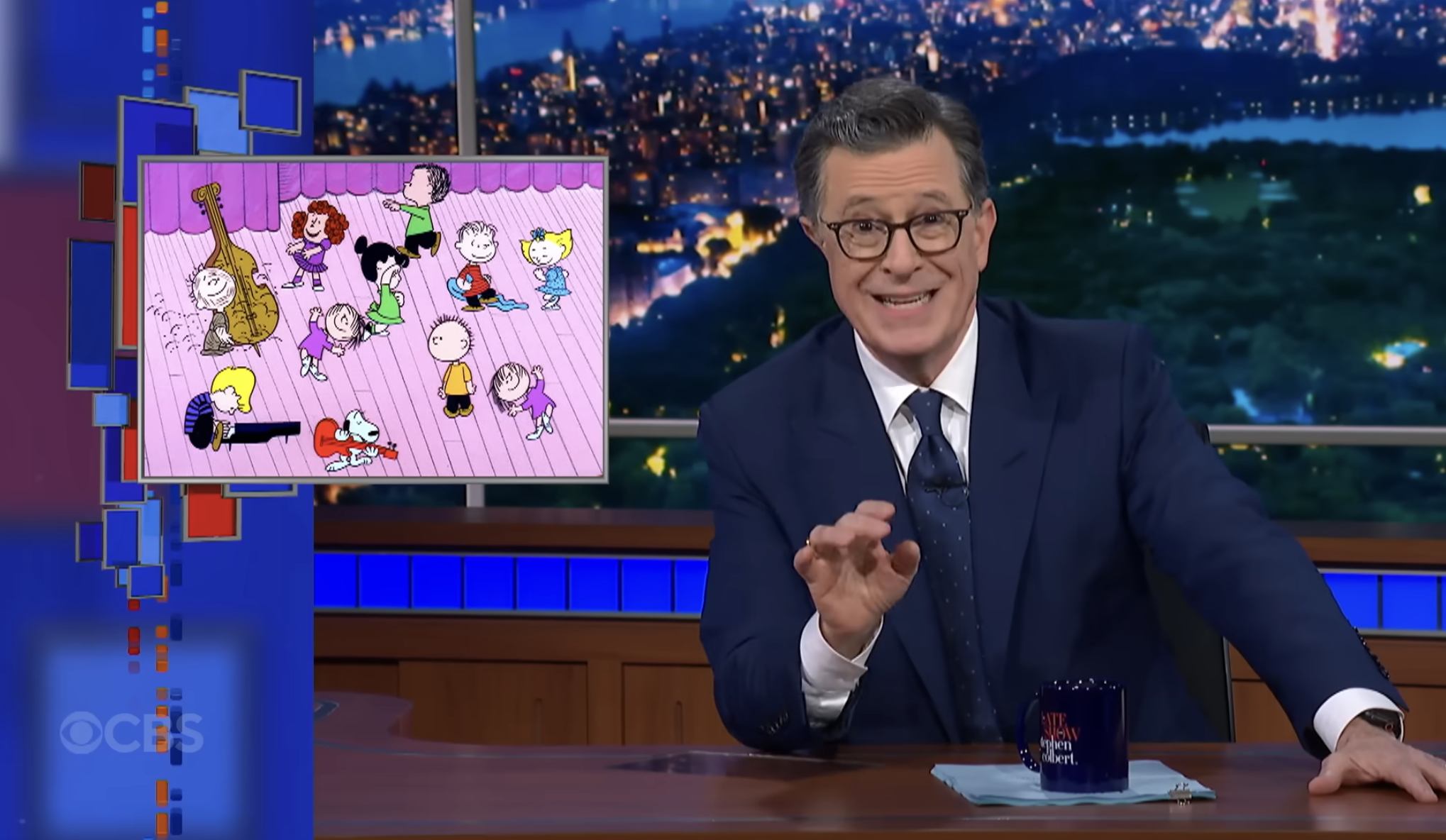
    CBS and Paramount Global agreed to pay an undisclosed retroactive licensing fee and copyright penalty for the unauthorized broadcast of the Vince Guaraldi Trio’s “Linus and Lucy” during the 2026 series finale of The Late Show With Stephen Colbert. Rather than absorbing the penalty as traditional copyright damages, the intellectual property holders and network executives structured a settlement directing all proceeds to José Andrés’ World Central Kitchen. The unauthorized use occurred when the late-night house band spontaneously played the iconic Peanuts theme song during a live transition, triggering a massive synchronization rights violation across both the CBS television network and the Paramount+ streaming platform.

    Live television thrives on spontaneity. Broadcast lawyers do not. The intersection of live musical performance and strict intellectual property law rarely leaves room for error. When a network broadcasts a copyrighted melody to millions of viewers, the legal mechanics of synchronization rights activate immediately. There is no grace period. There is no fair use exemption for a late-night house band feeling the energy of a studio audience. The rights must be cleared in advance. When they are not, the financial penalties scale with the size of the audience.

    The 2026 finale of The Late Show With Stephen Colbert commanded one of the largest late-night television audiences of the decade. The stakes were high. The advertising rates were premium. The legal scrutiny on the broadcast was absolute. Yet, in a fleeting moment of unscripted celebration, a copyright violation slipped past the control room.

    The Anatomy of a Broadcast Finale

    The Ed Sullivan Theater sits at 1697 Broadway in New York City. It is a cathedral of American broadcasting. For decades, it has hosted the most heavily produced live entertainment in television history. The 2026 finale of The Late Show was engineered to be a flawless capstone to Stephen Colbert’s tenure. Network executives planned the run-of-show down to the second. Celebrity guests were vetted. Monologue jokes were legally cleared. Musical acts were contracted months in advance.

    Late-night house bands operate under a unique set of pressures. They must keep the studio audience energized during commercial breaks. They must play guests on and off the stage. They must react in real-time to the host’s comedic pivots. Historically, the bandleader holds a repertoire of hundreds of recognizable riffs and melodies. Under normal circumstances, playing a famous melody inside a theater is covered by a venue’s blanket performance license through organizations like ASCAP or BMI.

    Television broadcasting changes the legal reality. The moment a camera captures that performance and transmits it over public airwaves, the network requires a synchronization license. The moment that broadcast is encoded and uploaded to a streaming server on Paramount+, the network requires digital distribution rights. The house band at the Ed Sullivan Theater struck up the familiar, driving piano riff of “Linus and Lucy.” The audience clapped along. The control room let the audio feed ride. The broadcast went out to millions.

    Paramount Global’s legal department woke up the next morning to an infringement notification. The song had not been cleared.

    The Weight of the Peanuts Catalog

    The copyright surrounding “Linus and Lucy” is one of the most fiercely protected assets in American music publishing. Composed by jazz pianist Vince Guaraldi in 1964, the song first appeared on the album Jazz Impressions of a Boy Named Charlie Brown. It became globally recognized a year later when it anchored the soundtrack to the 1965 television special A Charlie Brown Christmas.

    The song is not public domain. It is not a cheap catalog asset. The publishing rights are tightly managed by Lee Mendelson Film Productions and the estate of Vince Guaraldi. The administrators of this catalog do not grant retroactive clearances lightly. They actively police the unauthorized use of the music in film, television, and digital media. The melody carries the legacy of Charles M. Schulz’s characters. The brand integrity is paramount.

    When the intellectual property monitors detected the unauthorized use of “Linus and Lucy” on the CBS broadcast, the machinery of copyright enforcement engaged. Acoustic fingerprinting software routinely scans broadcast feeds and streaming platforms for unlicensed audio. The match was instantaneous. The cease-and-desist protocol followed shortly after.

    The Mechanics of Synchronization Rights

    Understanding the CBS settlement requires understanding the rigid architecture of music licensing. Music copyright is divided into two main halves. The first is the master recording, the actual audio file of Vince Guaraldi playing the piano in 1964. The second is the composition, the underlying sheet music, the notes, and the melody.

    The Colbert house band did not play the master recording. They played the composition. Therefore, CBS did not infringe on the master rights. However, they directly infringed on the publishing rights. To pair a copyrighted composition with moving images on a screen, a network must obtain a synchronization license. This is known in the industry as a “sync right.”

    Sync rights are entirely negotiable. Unlike mechanical licenses, which have statutory rates set by the government, sync rights operate in a free market. A publisher can demand fifty dollars. A publisher can demand five hundred thousand dollars. A publisher can refuse the license entirely. Because CBS broadcast the song without asking permission first, they forfeited their ability to negotiate. They were caught in a state of active infringement. The copyright holders held all the leverage.

    The Discovery and the Demand

    The legal letters arrived at Paramount Global headquarters in Times Square. The demands were standard for high-profile copyright infringement. The copyright holders required the immediate removal of the infringing audio from all digital replays, video-on-demand services, and Paramount+ streaming archives. They also required financial compensation for the initial live broadcast.

    Editing a live broadcast after the fact is a routine, albeit frustrating, task for network post-production teams. The audio of “Linus and Lucy” was scrubbed from the streaming versions of the finale. A generic, royalty-free jazz track was mixed in to replace it. The digital footprint was erased.

    The financial penalty remained. Paramount Global lawyers recognized the liability. The infringement was undeniable. The broadcast logs proved it. The streaming analytics quantified the exact number of unauthorized impressions. Going to court would be a costly and public defeat. CBS needed a settlement. The Guaraldi estate and Mendelson Productions wanted accountability.

    The Pivot to Philanthropy

    Corporate litigation often ends in quiet, undisclosed wire transfers between corporate bank accounts. This dispute took a different path. Recognizing the cultural weight of both the Peanuts legacy and the historic nature of the Colbert finale, the negotiating parties pivoted away from traditional punitive damages. They engineered a philanthropic settlement.

    CBS agreed to pay the retroactive licensing fee and a substantial penalty. However, the intellectual property holders directed Paramount Global to route the entirety of the settlement funds to World Central Kitchen.

    World Central Kitchen (WCK) was founded in 2010 by chef José Andrés. The non-governmental organization provides meals in the wake of natural disasters, conflicts, and humanitarian crises. By 2026, WCK had scaled into a massive logistical operation, deploying mobile kitchens to frontlines across the globe. They operate on rapid response. They require immense amounts of liquid capital to buy local ingredients and establish supply chains in devastated regions.

    The settlement transformed a corporate legal error into humanitarian funding. For CBS, it mitigated the public relations damage of a copyright violation. For the Guaraldi estate, it enforced the boundaries of their intellectual property without appearing overly litigious against a beloved television finale. For World Central Kitchen, it provided an unexpected influx of operational capital.

    The Precedent for Late-Night Television

    The “Linus and Lucy” settlement sent an immediate ripple through the television industry. Late-night television relies heavily on the illusion of casual spontaneity. The host banter feels off-the-cuff. The musical walk-ons feel organic. The reality is heavily regimented.

    Bandleaders across the major networks took notice of the CBS penalty. The Roots on NBC’s The Tonight Show Starring Jimmy Fallon. The 8G Band on Late Night with Seth Meyers. The house bands for Jimmy Kimmel and the various streaming talk formats. All were reminded of the strict boundaries of broadcast copyright.

    Network legal departments instituted tighter protocols following the Colbert finale. Spontaneous musical tributes are now heavily discouraged unless the song is confirmed to be in the public domain. The risk of triggering a six-figure sync penalty outweighs the comedic value of a recognizable riff. The era of the freewheeling late-night house band, capable of playing any song at any moment, has been severely restricted by the digital tracking of intellectual property.

    The Economics of Accountability

    The exact dollar amount of the CBS settlement remains sealed under non-disclosure agreements. Industry analysts, however, understand the pricing models of premium sync licenses. A prominent feature of a globally recognized song on a network television finale can command a baseline licensing fee in the high five figures. When unauthorized use penalties are applied, the final settlement easily crosses the six-figure threshold.

    This money did not vanish into corporate overhead. It was converted into tangible resources. In the hands of World Central Kitchen, corporate settlement dollars translate directly into logistical power. The funds purchase rice. The funds secure clean water. The funds fuel transport vehicles in crisis zones.

    The legal system functioned exactly as designed. The intellectual property was defended. The infringement was penalized. But the routing of the capital subverted the traditional corporate narrative.

    Lawyers drafted the notices. Executives signed the agreements. Chefs cooked the meals. Accountability.

  • Matlock Writer Sues CBS & Jennie Snyder Urman Over Alleged Racist, Sexual Comments

    Matlock Writer Sues CBS & Jennie Snyder Urman Over Alleged Racist, Sexual Comments

    Legal Action Filed Against CBS and Showrunner Jennie Snyder Urman

    A writer associated with the forthcoming ‘Matlock’ reboot has initiated legal proceedings against CBS and its showrunner, Jennie Snyder Urman. The lawsuit, filed in a Los Angeles Superior Court, details allegations of racial discrimination, sexual discrimination, and the creation of a hostile work environment. These claims assert that Urman engaged in inappropriate behavior and comments, leading to a discriminatory atmosphere on set.

    The legal complaint outlines specific instances of alleged misconduct, including racially insensitive remarks and sexually explicit comments made by Urman. The plaintiff also claims to have faced retaliation after raising concerns about the workplace conditions. This legal action brings renewed attention to issues of accountability and conduct within the entertainment industry.

    The Plaintiff’s Allegations and Specific Incidents

    The lawsuit details a series of alleged incidents that contributed to the hostile work environment. The plaintiff, whose name has been withheld in initial reports to protect their privacy, describes a pattern of behavior from Jennie Snyder Urman that included racially charged statements. These statements reportedly targeted individuals of color and contributed to an environment where the plaintiff felt marginalized and disrespected.

    Beyond racial discrimination, the complaint also enumerates instances of alleged sexual harassment and inappropriate sexual comments. These remarks were reportedly made in professional settings, creating an uncomfortable and unprofessional atmosphere for the plaintiff and potentially other staff members. The lawsuit emphasizes that these comments were not isolated incidents but part of a broader pattern of misconduct.

    One specific allegation involves Urman reportedly making a comment about a Black actor’s appearance, implying a stereotypical association with drug use. Another claim describes Urman making a sexually suggestive comment about a male actor’s body in front of multiple staff members. These examples are presented as evidence of a pervasive culture of insensitivity and unprofessionalism.

    Claims of Retaliation and Workplace Dynamics

    The lawsuit further alleges that the plaintiff experienced retaliation after attempting to address the problematic behavior. Upon raising concerns about the alleged racist and sexual comments, the plaintiff claims to have faced adverse actions, including being sidelined from certain writing assignments and experiencing a reduction in their overall responsibilities. This alleged retaliation created a chilling effect, discouraging others from speaking out.

    The legal filing asserts that the showrunner’s actions created a climate of fear and intimidation. Staff members reportedly felt unable to voice their concerns without fear of professional repercussions. This dynamic contributed to the longevity of the alleged hostile environment, as complaints were suppressed or ignored.

    The plaintiff’s legal team argues that CBS, as the network producing the show, failed in its duty to provide a safe and equitable workplace. The lawsuit suggests that the network either knew or should have known about the alleged misconduct and failed to take appropriate remedial action. This negligence, according to the complaint, directly contributed to the plaintiff’s suffering.

    The Role of Jennie Snyder Urman and Her Production Company

    Jennie Snyder Urman is a prominent figure in television, known for her work on successful series such as ‘Jane the Virgin’. Her involvement as showrunner on the ‘Matlock’ reboot, starring Kathy Bates, placed her in a position of significant authority and influence over the production’s creative and professional environment.

    The lawsuit specifically targets Urman, holding her directly responsible for the alleged comments and the resulting hostile workplace. Her production company, Sutton Street Productions, is also named in the lawsuit, indicating that the legal action extends beyond Urman as an individual to the corporate entities involved in the show’s production.

    The legal document asserts that Urman’s position of power enabled the alleged misconduct to persist without immediate challenge. The plaintiff’s counsel argues that showrunners, as leaders of a production, bear a significant responsibility for fostering an inclusive and respectful environment. The failure to do so, as alleged, constitutes a breach of professional and ethical conduct.

    CBS’s Response and Internal Investigation

    Following the filing of the lawsuit, CBS issued a statement acknowledging the allegations. The network confirmed that it has launched an internal investigation into the claims made by the writer. This investigation is standard procedure for major studios when faced with serious allegations of workplace misconduct.

    The network’s statement emphasized its commitment to maintaining a safe and respectful work environment for all employees. It also indicated cooperation with legal processes to thoroughly review the allegations. The outcome of this internal investigation could have significant implications for the show’s production, Urman’s future with the network, and the broader perception of CBS’s workplace culture.

    The timing of the lawsuit is notable, as the ‘Matlock’ reboot is a highly anticipated series for CBS. Any disruption or negative publicity could impact its reception and future prospects. The network faces the challenge of addressing these serious allegations while simultaneously moving forward with its programming slate.

    Legal Precedents and Industry Context

    This lawsuit emerges within a broader context of increased scrutiny over workplace practices in Hollywood. The #MeToo movement and subsequent initiatives have brought issues of harassment, discrimination, and power dynamics to the forefront of industry discussions. Numerous high-profile cases have led to significant changes in company policies and a greater emphasis on accountability for individuals in positions of power.

    Legal precedents for such cases often involve proving a pattern of discriminatory behavior, the creation of a hostile work environment, and evidence of retaliation. Plaintiffs typically seek damages for emotional distress, lost wages, and, in some cases, punitive damages designed to punish egregious conduct and deter future similar actions.

    The entertainment industry, historically characterized by hierarchical structures and often informal workplace norms, has been undergoing a period of re-evaluation. Networks and studios are increasingly expected to demonstrate proactive measures to prevent and address misconduct, rather than merely reacting to complaints.

    Potential Impact on the ‘Matlock’ Reboot and Kathy Bates

    The ‘Matlock’ reboot is set to star veteran actress Kathy Bates in the titular role. While the lawsuit does not directly involve Bates, the allegations against the showrunner and network could cast a shadow over the production. Public perception of a series can be significantly influenced by controversies surrounding its creation.

    The involvement of a high-profile star like Kathy Bates adds another layer of complexity to the situation. Her reputation and association with the project could be affected, regardless of her direct involvement in the alleged incidents. Networks often strive to protect their talent from negative publicity that could impact a show’s success.

    Future production schedules, promotional efforts, and even the show’s eventual viewership could be influenced by how effectively CBS manages the fallout from this lawsuit. The network’s response and the transparency of its investigation will be critical in shaping public and industry perception.

    Broader Implications for Hollywood Workplace Culture

    This lawsuit serves as another reminder of the ongoing challenges in addressing systemic issues within the entertainment industry. It underscores the importance of clear reporting mechanisms, robust anti-discrimination policies, and a genuine commitment from leadership to enforce those policies without fear of retaliation.

    The outcome of this case could influence how future complaints are handled and the level of accountability expected from showrunners and network executives. It reinforces the idea that individuals in creative leadership roles are not exempt from adhering to professional standards of conduct and fostering inclusive environments.

    The legal battle is expected to be protracted, involving discovery, depositions, and potentially a trial. Each stage will bring further details to light, providing a more complete picture of the alleged events and the responses from the involved parties.

    Moving Forward: Calls for Transparency and Accountability

    As the legal process unfolds, there will likely be increased calls for transparency from CBS regarding its internal investigation and its findings. Industry watchdogs and advocacy groups will monitor the case closely, looking for signals of genuine commitment to addressing workplace issues.

    The plaintiff’s decision to pursue legal action highlights a growing willingness among individuals to challenge powerful figures and institutions in Hollywood. This trend reflects a broader societal shift towards greater accountability and a reduced tolerance for discriminatory or abusive workplace behaviors.

    The entertainment industry continues to evolve, grappling with its past and striving to create more equitable and respectful environments for all who contribute to its productions. Legal actions like this one play a significant role in shaping that ongoing transformation.

    Writers gathered. Executives gathered. Lawyers gathered. Los Angeles.

    FAQ Section

  • William Smithers Dies at 98, The Enduring Legacy of a Character Actor

    William Smithers Dies at 98, The Enduring Legacy of a Character Actor

    William Smithers, the veteran character actor whose face became a familiar presence in living rooms across America, has died at the age of 98. Best known for his recurring role as the calculating Jeremy Wendell on the hit primetime soap opera Dallas, and for his supporting turn in the 1973 prison escape epic Papillon, Smithers built a career defined by steady work and memorable, often authoritative, characters. His passing marks the end of a long chapter in Hollywood history, a reminder of an era when character actors formed the reliable backbone of television and film production.

    The news of his death rippled through the entertainment community, prompting reflections on a career that spanned from the Golden Age of Television through the blockbuster era of the 1970s and 80s. Smithers was not a household name in the manner of the leading men he supported, but he was a recognizable face, a professional who reliably delivered what the script demanded. His longevity in a notoriously fickle industry speaks to a fundamental competence and a screen presence that directors and casting agents valued.

    While the details of his passing remain private, the legacy he leaves behind is etched in the archives of American television and cinema. From the sweeping ranches of Southfork to the brutal penal colonies of French Guiana, Smithers inhabited a diverse array of roles, leaving a quiet but indelible mark on the projects he joined.

    The Face of Corporate Intrigue: Jeremy Wendell on ‘Dallas’

    For a certain generation of television viewers, William Smithers will forever be Jeremy Wendell. Dallas, the CBS juggernaut that defined Friday nights in the late 1970s and 1980s, was a show built on outsized personalities and relentless corporate warfare. Amidst the feuding Ewings and the sprawling drama of the Texas oil industry, Smithers carved out a distinct space.

    Wendell was the head of Westar Oil, a rival corporation that frequently clashed with Ewing Oil. He was not a flamboyant villain like J.R. Ewing (played famously by Larry Hagman), but rather a cold, pragmatic businessman. Smithers played the role with a chilling understatement. He brought a sense of corporate realism to the often melodramatic proceedings, portraying a man who operated not on passion or vendetta, but on the ruthless logic of the balance sheet.

    His appearances on the show, spanning several seasons, often signaled a shift in the narrative stakes. When Jeremy Wendell entered the room, the deals became more complex, the consequences more severe. Smithers’s performance provided a necessary counterweight to the emotional volatility of the core cast, grounding the show’s corporate battles in a recognizable, if dramatized, reality. He was the embodiment of the faceless, powerful forces that the Ewings constantly fought to outmaneuver.

    From the Stage to the Screen: Building a Career

    Before he arrived at Southfork Ranch, William Smithers had already established a substantial resume. Like many actors of his generation, his roots were in the theater. He honed his craft on the stage, developing the vocal control and physical presence that would later serve him well in front of the camera. The transition from stage to television in the 1950s and 60s was a common path, and Smithers navigated it successfully.

    He became a familiar face in the episodic television of the era. The landscape of the 1960s was dominated by Westerns, police procedurals, and anthology series, and Smithers worked steadily across these genres. He appeared in shows like Peyton Place, bringing his characteristic gravity to the soapy drama of the fictional New England town. These early roles, often guest appearances or short arcs, were the building blocks of a career.

    They required an actor to quickly establish a character, hit their marks, and deliver the dialogue efficiently. It was a demanding training ground, and it forged actors who were reliable, adaptable, and professional. Smithers thrived in this environment, earning a reputation as a dependable talent who could elevate a scene without overshadowing the stars.

    A Turn in the Jungle: ‘Papillon’ (1973)

    While television provided the bulk of his work, Smithers also made significant contributions to feature films. His most notable cinematic appearance came in the 1973 film Papillon. Directed by Franklin J. Schaffner and starring Steve McQueen and Dustin Hoffman, the film was a grueling, ambitious adaptation of Henri Charrière’s autobiography detailing his imprisonment and escape from the Devil’s Island penal colony.

    In Papillon, Smithers played Warden Barrot. The role required him to project authority and a callous disregard for the humanity of the prisoners under his control. The film was an arduous production, shot on location in harsh conditions, and it demanded intense performances from its cast. Smithers held his own against the powerhouse presence of McQueen and Hoffman.

    His portrayal of the warden was a crucial element in establishing the oppressive, inescapable atmosphere of the prison. He represented the institutional cruelty that the protagonists were desperate to flee. Papillon was a critical and commercial success, and Smithers’s participation in the film remains a highlight of his filmography, demonstrating his ability to contribute effectively to large-scale, prestige cinema.

    The Architecture of a Character Actor’s Career

    The career of William Smithers is a study in the architecture of the working actor. He was not defined by a single, transcendent role, but by the accumulation of dozens of performances over decades. He was the judge, the doctor, the corporate executive, the military officer. He provided the necessary context and friction for the leading characters to operate against.

    In an industry that often celebrates the meteoric rise and the spectacular fall, the steady, enduring career of a character actor is sometimes overlooked. Yet, the history of television and film is built on the foundation of performers like Smithers. They are the mortar that holds the narrative structure together.

    His work on shows like Dallas and in films like Papillon required a specific skill set: the ability to convey a sense of history and authority immediately upon entering a scene. Viewers needed to believe that Jeremy Wendell ran a massive oil company, or that Warden Barrot controlled a brutal prison, without needing extensive exposition. Smithers possessed that innate credibility.

    The Changing Landscape of Television

    Smithers’s career also serves as a timeline of the evolution of American television. He worked through the era of live broadcasts, the dominance of the three major networks, and the rise of the serialized primetime drama. The structure of television production changed dramatically during his working years, and he adapted to those changes.

    The pacing, the lighting, the very nature of the storytelling shifted from the 1950s to the 1980s. The transition from the self-contained episodes of early television to the sprawling, multi-season arcs of shows like Dallas required actors to adjust their approach. Smithers navigated these shifts, maintaining his relevance and continuing to find work in a medium that was constantly reinventing itself.

    His ability to remain employed across such a long span of time is a testament to his professionalism. Directors knew what they were getting when they cast William Smithers: a prepared, competent actor who would deliver the performance required, on time and on budget. In the high-pressure environment of television production, that reliability was invaluable.

    The Legacy of the Familiar Face

    When an actor like William Smithers passes away, the loss is felt not just by his family and colleagues, but by the audience who grew up watching him. It is a specific kind of nostalgia. We may not remember the character’s name, but we remember the face. We remember the feeling of recognition when he appeared on screen.

    He was a part of the shared cultural experience of watching television in the late 20th century. For fans of Dallas, his presence is inextricably linked to the memories of Friday nights spent waiting to see what J.R. Ewing would do next. His performance as Jeremy Wendell remains a key component of the show’s enduring appeal.

    As the entertainment industry continues to evolve, the space for the traditional character actor is changing. The proliferation of streaming services and the fragmentation of the audience mean that there are fewer shows with the monolithic cultural impact of a Dallas. The shared experience of recognizing a familiar face across multiple, widely-watched programs is becoming less common.

    The Final Act

    The details of William Smithers’s later years have remained largely private, as is often the case with actors who step away from the limelight. His legacy, however, is securely documented on celluloid and videotape. He leaves behind a body of work that will continue to be discovered by new generations of viewers through syndication and streaming.

    His death at the age of 98 marks the end of a long and fruitful life. It is a moment to acknowledge the contribution of the working actor, the professional who shows up, hits their marks, and helps to create the stories that entertain us. He was a craftsman in an industry of stars.

    The cameras stop rolling. The sets are struck. The final credits roll. William Smithers. A familiar face. A reliable presence. A legacy secured.

  • The Collision at CBS: Why FCC Chairman Brendan Carr Called Scott Pelley’s Firing Inevitable

    The Collision at CBS: Why FCC Chairman Brendan Carr Called Scott Pelley’s Firing Inevitable

    FCC Chairman Brendan Carr publicly rebuked former CBS News correspondent Scott Pelley, labeling the veteran broadcaster “completely out of touch” for claiming his termination from 60 Minutes was a sudden surprise. The exchange, which unfolded in early 2026, marks an unprecedented escalation between the head of the Federal Communications Commission and a prominent face of legacy broadcast journalism. When Pelley expressed shock at his dismissal from the network’s flagship newsmagazine, Carr did not mince words. He pointed to years of declining public trust, severe editorial controversies, and a shifting corporate landscape as clear warning signs that the era of untouchable broadcast anchors had ended.

    The Federal Communications Commission operates from 45 L Street NE in Washington. It regulates interstate communications by radio, television, wire, satellite, and cable. For decades, its chairmen avoided commenting on individual personnel decisions at major news networks. Brendan Carr shattered that precedent. His comments were not merely a critique of one journalist. They were a diagnostic assessment of an entire industry.

    To understand the friction, one must examine the timeline of CBS News over the preceding two years. The network had been operating under intense scrutiny, both from regulators and the public. Pelley’s departure was not an isolated corporate restructuring. It was the culmination of a long-brewing storm.

    The Anatomy of a Surprise

    Scott Pelley joined CBS News in 1989. He began contributing to 60 Minutes in 1999. By 2003, he was a full-time correspondent. For decades, he was a defining voice of the network. He anchored the CBS Evening News from 2011 to 2017. He interviewed presidents, dictators, and corporate titans. In the traditional architecture of broadcast journalism, figures with that level of tenure are rarely dismissed outright.

    When the news of his termination broke, Pelley released a statement indicating he was blindsided. He characterized the decision as sudden and unexpected. He suggested that the institutional memory of CBS News was being erased without warning.

    Brendan Carr viewed the situation differently. As the head of the FCC, Carr possessed a unique vantage point on the structural integrity of broadcast networks. He had spent years analyzing the relationship between public airwaves, network licenses, and audience trust.

    Carr’s response was swift and declarative. He stated that anyone claiming surprise at a major shakeup within CBS News was “completely out of touch” with the reality of the modern media landscape. He pointed to a profound disconnect between the journalists operating inside the CBS Broadcast Center in New York City and the audiences consuming their content across the American heartland.

    The Precedent of October 2024

    The animosity between Brendan Carr and CBS News did not begin with Scott Pelley. The foundation was laid in October 2024. The incident fundamentally altered how the FCC viewed the network’s editorial practices.

    During the 2024 presidential campaign, Vice President Kamala Harris sat for a high-profile interview on 60 Minutes. When the network aired a promotional clip on Face the Nation, it featured a specific, winding answer regarding the administration’s policy on Israel. When the full 60 Minutes broadcast aired the following night, that answer was gone. It had been replaced by a shorter, more direct statement from a different part of the interview.

    The editorial edit sparked an immediate backlash. Critics accused CBS News of deceptive editing. They argued the network was actively shielding a political candidate. CBS News cited standard time constraints and routine broadcast editing practices. They refused to release the full, unedited transcript of the interview.

    Brendan Carr intervened. He did not accept the network’s explanation. He formally accused CBS News of violating the FCC’s long-standing news distortion policy. The policy prohibits broadcast licensees from intentionally falsifying the news.

    Carr demanded the release of the full transcript. CBS News refused. The standoff escalated. Former President Donald Trump filed a $10 billion lawsuit against the network in federal court in Texas, citing the same editorial decisions. The incident left a permanent mark on the network’s reputation. It signaled to federal regulators that the internal mechanisms of 60 Minutes were broken.

    The Corporate Reality of CBS News

    Beyond editorial controversies, the financial and corporate structure of CBS was actively collapsing and reforming. The notion that any personnel decision could be a “surprise” ignored the massive tectonic shifts occurring at Paramount Global.

    In 2024, Paramount Global entered a grueling, months-long negotiation to sell itself. Shari Redstone, the controlling shareholder through National Amusements, eventually agreed to an $8 billion merger with Skydance Media, led by David Ellison. The deal was designed to salvage a legacy media conglomerate drowning in debt and declining linear television revenues.

    Skydance executives made their intentions clear early in the process. They planned to cut $2 billion in costs across the newly formed company. CBS News, with its high-priced anchor contracts and expensive production overhead, was an immediate target.

    Legacy anchors earning multi-million-dollar salaries suddenly found themselves justifying their value to a new regime of tech-focused, efficiency-minded executives. The old rules of broadcast tenure no longer applied. The Skydance leadership viewed news as a utility, not a sacred institution.

    When Scott Pelley expressed shock at his dismissal, he was speaking the language of the old CBS. Brendan Carr was speaking the language of the new reality. The business model that supported untouchable, legacy correspondents had evaporated. The balance sheets demanded cuts. The audience demanded accountability. The collision was inevitable.

    The Meaning of “Out of Touch”

    Brendan Carr’s use of the phrase “completely out of touch” struck a specific cultural nerve. It validated a long-standing grievance held by critics of legacy media. For years, audiences had complained that network news correspondents operated in an elite bubble.

    The traditional broadcast model relied on a one-way flow of information. Networks produced the news in New York and Washington. They beamed it into living rooms across the country. The audience had no mechanism for immediate feedback. The correspondents rarely interacted with the consequences of their editorial choices.

    The internet dismantled that model. Social media allowed audiences to fact-check broadcasts in real-time. Independent journalists on platforms like YouTube and Substack began outpacing legacy networks in trust metrics. When a network made an editorial error, the internet amplified it instantly.

    Carr’s critique suggested that figures like Pelley had failed to recognize this shift. They continued to operate as if the ticking stopwatch of 60 Minutes still commanded unquestioned authority. They believed their institutional prestige shielded them from the consequences of declining ratings and editorial scandals.

    The FCC Chairman’s comments were a stark reminder that prestige is not a substitute for trust. When trust erodes, the foundation of the broadcast license itself is threatened.

    The Regulatory Shadow

    The clash between Carr and Pelley also highlighted the unique regulatory pressure facing CBS. Broadcast networks do not own the airwaves. They lease them from the American public. The FCC manages those leases.

    Every broadcast station in the United States must periodically renew its license with the FCC. The renewal process requires stations to demonstrate that they are operating in the “public interest, convenience, and necessity.” Historically, this process was a rubber stamp. Networks submitted the paperwork. The FCC approved it.

    Under Carr’s leadership, the tone changed. The FCC began signaling a willingness to scrutinize the public interest requirement more closely. When a network faces allegations of news distortion, as CBS did in 2024, the license renewal process becomes a potential battleground.

    While the FCC cannot directly fire a news correspondent, the regulatory pressure it exerts forces corporate executives to make difficult decisions. A network facing intense federal scrutiny is less likely to tolerate internal liabilities. It is more likely to clean house, restructure its editorial boards, and dismiss figures associated with past controversies.

    Pelley’s departure was a symptom of this broader regulatory and corporate anxiety. The network needed to demonstrate a commitment to reform. Removing legacy figures is the fastest way a corporation can signal a change in direction to both regulators and shareholders.

    The Future of the Broadcast Newsroom

    The fallout from the Carr-Pelley exchange set a new baseline for the relationship between the government and the press in 2026. It proved that the era of polite distance was over. Regulators were now willing to publicly critique the internal mechanics of news organizations.

    For CBS News, the path forward required a complete reimagining of its flagship programs. 60 Minutes, created by Don Hewitt in 1968, had survived for over half a century by relying on the gravitas of its correspondents. Mike Wallace. Morley Safer. Ed Bradley. Scott Pelley was meant to be the continuation of that lineage.

    But the lineage broke. The audience fractured. The corporate parent was sold. The federal regulators demanded transparency.

    The new iteration of broadcast journalism will require a different kind of correspondent. It will require figures who understand that trust must be earned daily, not inherited from a corporate logo. It will require a willingness to release transcripts, explain editorial decisions, and operate with absolute transparency.

    The ticking clock of 60 Minutes continues to run. But the mechanism behind the dial has been permanently altered. The old guard is gone. The new rules are still being written.

    Network executives drafted statements. Regulators reviewed transcripts. Audiences changed the channel. Silence.

  • The Paranoia of Fame – How Anna Faris Survived Scary Movie, Hollywood Pay Gaps, and Clinical Anxiety

    The Paranoia of Fame – How Anna Faris Survived Scary Movie, Hollywood Pay Gaps, and Clinical Anxiety

    Anna Faris revealed that during the height of her early fame following the 2000 release of Scary Movie, severe anxiety manifested as a clinical paranoia where she was convinced she would be framed for murder. The actress, who built a Hollywood career playing oblivious and cheerfully naive characters, experienced profound psychological distress behind the scenes. She battled imposter syndrome, panic attacks, and a deep distrust of the sudden visibility that accompanied global stardom. What the public saw was a rising comedic genius. What Faris experienced was a terrifying loss of control.

    The contrast between public perception and private reality in Hollywood is rarely so stark. For nearly two decades, Faris operated within a studio system that demanded physical comedy, relentless promotional tours, and a smiling public face. Behind closed doors, the mechanics of fame were quietly dismantling her peace of mind. The transition from a quiet life in Washington state to the center of the Los Angeles entertainment complex triggered a psychological defense mechanism that bordered on the absurd.

    This is not simply a story about the pressures of acting. It is a case study in the economics of early 2000s comedy, the gendered pay disparities of major film studios, and the intense collateral damage of a high-profile Hollywood marriage. The machinery of fame operates without a safety net. For Faris, surviving it meant stepping entirely outside the frame.

    The Cindy Campbell Paradox

    The year 2000 fundamentally altered the trajectory of American comedy. Dimension Films released Scary Movie, directed by Keenen Ivory Wayans. The film was a razor-sharp spoof of the teen slasher genre that had dominated the late 1990s. It was produced on a modest budget of $19 million. It grossed $278 million at the global box office.

    At the center of this financial juggernaut was Anna Faris. Playing the role of Cindy Campbell, Faris anchored the film with a wide-eyed sincerity that made the chaotic, often vulgar humor work. She was twenty-three years old. She had grown up in Edmonds, Washington. Her previous acting experience consisted of local theater and a minor role in an independent slasher film called Lovers Lane. Overnight, she was the face of a massive global franchise.

    The suddenness of the transition was destabilizing. Scary Movie spawned three immediate sequels starring Faris, released in 2001, 2003, and 2006. The franchise generated hundreds of millions of dollars for Miramax and Dimension Films. Faris became a household name. But the financial success of the films did not insulate her from the psychological shock of sudden, inescapable visibility.

    Fame in the early 2000s was intensely invasive. The paparazzi culture was operating at its peak, fueled by the rise of tabloid blogs and aggressive celebrity journalism. Every public appearance was scrutinized. Every physical attribute was commented upon. For a young actress thrust into this ecosystem without a veteran public relations team or a seasoned Hollywood background, the environment was inherently hostile.

    Paranoia and the Mechanics of Fame

    Anxiety rarely manifests in rational ways. For Faris, the pressure of maintaining her position in the Hollywood hierarchy morphed into a specific, clinical paranoia. She developed an overwhelming fear that she was going to be framed for murder.

    This was not a passing thought. It was a persistent, intrusive fear that dictated her behavior. The logic of anxiety dictated that because she had suddenly acquired something valuable, fame, wealth, access, someone would inevitably try to take it away through malicious means. The fear of being framed for a heinous crime was a psychological projection of her profound lack of control over her own life and image.

    ‘I was convinced that I was going to be framed for murder,’ Faris admitted, detailing the darkest periods of her early career. ‘I felt so unmoored by the sudden shift in my reality that my brain created these catastrophic scenarios to try and make sense of the vulnerability.’

    This level of anxiety is often masked by the demands of the profession. Comedic actors, in particular, face a unique burden. The expectation is constant levity. Faris was expected to be funny on talk shows, funny on red carpets, and funny in interviews. The dissonance between her internal terror and her external obligations created a compounding cycle of stress. She was performing both on camera and off.

    The Economics of Comedy and Hollywood Pay Disparities

    The psychological toll was compounded by the financial realities of the industry. While Scary Movie was a massive financial success, the compensation structure for comedic actresses in the 2000s was deeply flawed. Faris navigated an industry that systematically undervalued female comedic leads compared to their male counterparts.

    Even as she carried the Scary Movie franchise, and later anchored films like the 2008 Happy Madison production The House Bunny, which grossed $70 million on a $25 million budget, her compensation rarely matched the box office leverage she provided. The Hollywood pay gap was not an abstract concept; it was a line item on every contract.

    Faris has been increasingly vocal about these disparities. The negotiation process for female stars often involves being labeled “difficult” for requesting parity. The studio leverage relies on the implication that comedic actresses are replaceable. For an actor already battling imposter syndrome, the negotiation table becomes another source of profound anxiety.

    This dynamic shifted slightly when Faris transitioned to network television. In 2013, she partnered with Chuck Lorre to star in the CBS sitcom Mom alongside Allison Janney. Network television offers a different economic model. A successful sitcom provides long-term financial stability and a predictable schedule. Mom ran for eight seasons, producing 152 episodes. It provided Faris with the leverage and the financial security that the feature film world had often denied her.

    Public Marriage, Public Divorce

    The intersection of anxiety and public life reached its apex during Faris’s relationship with actor Chris Pratt. The two met in 2007 on the set of the film Take Me Home Tonight. They married in 2009. At the time of their marriage, Faris was the established star, while Pratt was primarily known for supporting roles.

    The power dynamic shifted dramatically over the next decade. Pratt was cast in the NBC sitcom Parks and Recreation, and subsequently transformed into a global action star with leading roles in the 2014 Marvel film Guardians of the Galaxy and the 2015 blockbuster Jurassic World. They became a Hollywood power couple. Their every move, including the 2012 birth of their son Jack, was documented by the press.

    The pressure of maintaining a marriage under the microscope of global media is immense. When the couple announced their separation in August 2017, the public reaction was intense and invasive. The internet dissected their relationship, projecting narratives onto both actors. The divorce was finalized in 2018.

    For someone who had already battled severe paranoia regarding public perception, the divorce proceedings were a crucible. The end of the marriage forced Faris to reevaluate her relationship with fame, her career choices, and the boundaries she needed to set to protect her mental health. It was a catalyst for a massive professional pivot.

    Unqualified and the Pivot to Audio

    The traditional Hollywood model requires actors to wait for permission. They wait for a script. They wait for a casting director. They wait for a studio green light. In 2015, Faris stopped waiting.

    She launched the podcast Anna Faris is Unqualified. The premise was simple: Faris and celebrity guests would offer unqualified relationship advice to callers. The reality was a strategic masterstroke. Long before every celebrity had a podcast, Faris recognized the power of the medium. Audio offered intimacy without the intense physical scrutiny of film and television.

    The podcast allowed Faris to control her own narrative. She was the producer, the host, and the owner of the intellectual property. When her 2017 memoir, also titled Unqualified, was published, it debuted as a New York Times bestseller. She had built a media ecosystem that did not rely on the approval of studio executives.

    This pivot was essential for her mental health. By stepping away from the relentless grind of feature films and the rigid schedule of network television, she departed Mom prior to its final season, Faris reclaimed her time. She married cinematographer Michael Barrett in 2021. She shifted her focus toward projects that offered creative fulfillment without the collateral damage of global superstardom.

    The Architecture of Survival

    The trajectory of Anna Faris is a blueprint for surviving the modern entertainment complex. It requires acknowledging the toxicity of the environment. It requires recognizing the economic disparities built into the system. It requires the willingness to walk away from the table when the cost becomes too high.

    The paranoia faded. The anxiety was managed. The fear of being framed for murder was replaced by the quiet confidence of an executive producer who owns her own time. She built a new life outside the traditional Hollywood frame. She secured her assets. She protected her peace.

    Survival.