Tag: Casting

  • Trevor Donovan Cast as Time-Traveling Cowboy in ‘The Devil’s Train’

    Trevor Donovan Cast as Time-Traveling Cowboy in ‘The Devil’s Train’

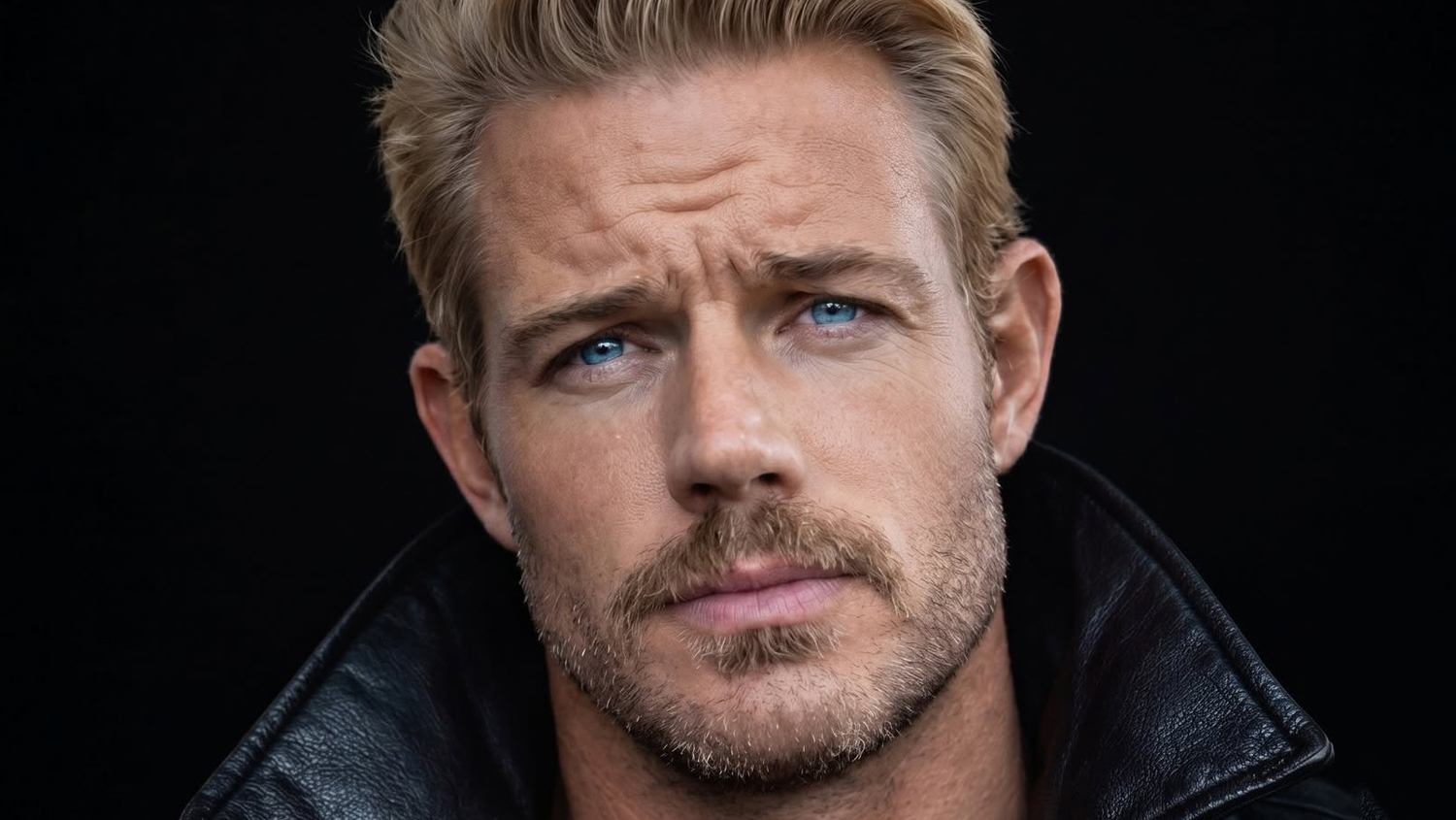
    Trevor Donovan has been cast as a time-traveling cowboy in the upcoming film ‘The Devil’s Train.’ The project, announced by Deadline on June 11, 2026, will see Donovan navigate a narrative that fuses classic Western aesthetics with the complex mechanics of temporal displacement. This unique premise aims to deliver a fresh take on established genres, appealing to viewers who value both tradition and imaginative storytelling.

    The film’s core concept involves a cowboy from a bygone era transported to an unfamiliar time. This displacement creates dramatic tension and opportunities for exploring cultural clashes and enduring human values. Donovan’s involvement signals a production keen on connecting with audiences who appreciate a blend of historical context and speculative adventure.

    Donovan Embodies the Frontier Spirit

    Trevor Donovan has built a career portraying characters often defined by integrity and a strong moral compass. His roles across various film and television projects have frequently showcased an earnest and principled demeanor, resonating with a demographic that values traditional heroic archetypes.

    His selection for ‘The Devil’s Train’ aligns with this established public persona. The cowboy figure, iconic in American mythology, embodies independence, resilience, and a straightforward sense of justice. Donovan’s casting leverages his ability to convey these qualities authentically.

    This role offers Donovan a unique opportunity to expand his artistic range. He will interpret a character rooted in historical ideals, yet forced to confront the challenges of an anachronistic setting. The physical and emotional demands of such a performance are substantial, requiring both grit and adaptability.

    The Western genre itself has experienced consistent periods of cultural relevance. These revivals often reflect a societal yearning for foundational narratives and clear-cut moral frameworks. Donovan’s participation positions him at the forefront of this enduring cinematic tradition, infused with a modern twist.

    The Allure of Time Travel Narratives

    Time travel serves as a powerful narrative device, offering filmmakers extensive creative freedom. It allows for compelling juxtapositions of past and present, generating both humor and profound commentary on societal evolution.

    When combined with the Western genre, time travel introduces a wealth of storytelling possibilities. A cowboy displaced through time could encounter advanced technology, grapple with altered social norms, or bring his unique skillset to a future in need of his particular brand of justice.

    This narrative fusion can explore themes of identity, belonging, and the impact of progress. It allows for an examination of how core human values endure or transform across different historical epochs. The dramatic potential arises from the character’s struggle to adapt while remaining true to their origins.

    Audiences are consistently drawn to stories that bend the rules of reality. Time travel narratives provide an imaginative escape, grounding fantastical elements in relatable human experiences and emotional stakes. ‘The Devil’s Train’ capitalizes on this inherent appeal, promising a journey across time and cultural divides.

    ‘The Devil’s Train’: A Bold Genre Fusion

    The title ‘The Devil’s Train’ itself evokes a potent blend of traditional and supernatural elements. ‘The Devil’ suggests a force of chaos, temptation, or perhaps a malevolent entity driving the narrative. ‘Train’ conjures images of classic Western travel, industrial advancement, and relentless forward momentum.

    This combination hints at a story that is both grounded in historical imagery and propelled by a fantastical, perhaps even sinister, mechanism. The train could be a literal vehicle for temporal displacement, or a metaphorical journey through a landscape fraught with peril and moral ambiguity.

    While specific plot details remain closely guarded, the core concept promises a high-stakes adventure. The time-traveling cowboy must navigate an unfamiliar world, relying on his inherent character and frontier skills to overcome obstacles that span centuries.

    Genre fusion projects like ‘The Devil’s Train’ aim to broaden their audience by combining familiar elements in unexpected ways. They offer novelty within established frameworks, creating a fresh cinematic experience that defies easy categorization.

    The Enduring Appeal of the Western

    The Western genre has been a foundational pillar of American cinema for over a century. It reflects narratives of expansion, conflict, and the forging of a national identity. The archetypal figures – the lone rider, the steadfast lawman, the resilient pioneer – resonate deeply within the cultural consciousness.

    Contemporary interpretations of the Western often deconstruct or recontextualize these classic themes. They might introduce diverse perspectives, challenge historical assumptions, or infuse the genre with elements from other narrative traditions. ‘The Devil’s Train’ exemplifies this modern approach, taking a classic figure and placing him in an anachronistic setting.

    This innovative strategy allows for both homage and forward-thinking storytelling. It respects the genre’s rich history while pushing its boundaries into new, unexplored territories. The film can leverage the inherent drama of the American frontier while simultaneously exploring universal themes through the lens of science fiction.

    The cowboy figure, in particular, remains an iconic symbol globally. He represents independence, a deep connection to the land, and a rugged individualism that transcends specific historical periods. A time-traveling cowboy can carry these archetypal traits into any era, making them relevant to new contexts and challenges.

    Donovan’s Resonance with Traditional Audiences

    Trevor Donovan has cultivated a significant and loyal following throughout his career. His public image often aligns with family-friendly content and an emphasis on traditional values. This audience appreciates narratives that uphold themes of honor, courage, and self-reliance.

    His casting in ‘The Devil’s Train’ is strategically advantageous, as the Western genre itself is deeply associated with these same virtues. The film’s potential to resonate with those who appreciate traditional Western themes is a key aspect of its market appeal. It taps into a desire for narratives that reinforce certain cultural perspectives and enduring moral principles.

    This strategic casting decision could significantly expand the film’s reach. It connects a popular actor, known for his principled roles, with a genre that holds profound and enduring significance for a specific demographic. Donovan’s presence lends an air of authenticity and familiarity to a concept that is otherwise quite fantastical.

    The film aims to provide entertainment that is both thrilling and grounded in recognizable values. It seeks to tell a story where a hero, despite being displaced from his own time, can still embody the virtues that define a classic Western protagonist.

    Production Outlook and Industry Expectations

    Following the initial casting announcement from Deadline, specific production timelines and additional cast members for ‘The Devil’s Train’ are eagerly awaited. The development of a film with such a high-concept premise requires meticulous planning, including script finalization, director selection, and securing appropriate filming locations.

    The success of this project will likely hinge on its ability to expertly balance its disparate elements. The seamless integration of Western grit with time-travel intricacies will be crucial for both critical acclaim and commercial viability. The visual storytelling will need to convey both historical accuracy and speculative wonder.

    Expectations are building within the entertainment industry for ‘The Devil’s Train.’ The unique premise, coupled with Trevor Donovan’s involvement, has generated considerable early interest. This combination suggests a film that could capture the imagination of a broad audience, from Western aficionados to science fiction enthusiasts.

    The project represents a bold venture into genre-bending cinema. Its execution will determine if it becomes a memorable entry in both the Western and time-travel canons. The creative team faces the challenge of delivering a narrative that is both innovative and deeply satisfying.

    The Cultural Impact of Genre Blending in Cinema

    Genre blending has become an increasingly prevalent and celebrated trend in contemporary cinema. This approach allows for immense creative freedom, enabling filmmakers to produce unexpected and often groundbreaking results. It challenges conventional storytelling boundaries and offers audiences novel experiences.

    Films that successfully merge disparate genres often achieve both critical acclaim and significant commercial success. They provide something fresh and innovative while retaining familiar narrative hooks and character archetypes. This fusion caters to a diverse audience, bridging gaps between different fan bases.

    While the combination of Western and science fiction is not entirely unprecedented, ‘The Devil’s Train’ appears poised to offer a distinct and compelling take. It leverages the inherent drama of a hero displaced from his natural environment, forcing him to adapt and redefine his purpose in a new reality.

    This innovative approach reflects a broader evolution in storytelling across various media. Creators are continuously seeking ways to innovate within established narrative traditions, pushing the boundaries of what is possible and engaging audiences with fresh perspectives on classic themes. The film has the potential to contribute significantly to this ongoing cultural conversation.

    Trevor Donovan’s Career Trajectory

    For Trevor Donovan, ‘The Devil’s Train’ represents a significant milestone in his career. It places him at the center of a high-concept project with considerable potential for audience engagement and critical attention. This role is a testament to his growing stature in the industry and his ability to tackle diverse characters.

    The film will allow Donovan to showcase his versatility as an actor, requiring him to convey the complexities of a character living across different timelines and cultural contexts. He will need to embody the stoicism of a cowboy while reacting authentically to the wonders and dangers of an unfamiliar future or past.

    The visibility afforded by a film like ‘The Devil’s Train’ could elevate Donovan’s profile considerably. It offers a platform for him to deliver a memorable performance that combines action, drama, and perhaps even a touch of fish-out-of-water humor. The role presents a substantial opportunity for him to leave a lasting mark on both the Western and science fiction genres.

    His commitment to projects that align with a certain set of values will likely continue to endear him to his established fanbase. This new role, however, also presents a chance to attract a broader audience, drawn in by the intriguing premise and the promise of a compelling performance.

    A cowboy out of time. A journey across eras. A fight for what is right.

    Trevor Donovan.
  • Levi Banks Withdraws from Big Brother Season 28 – Citing ‘Not The Right Fit’

    Levi Banks Withdraws from Big Brother Season 28 – Citing ‘Not The Right Fit’

    Levi Banks Exits Big Brother Season 28

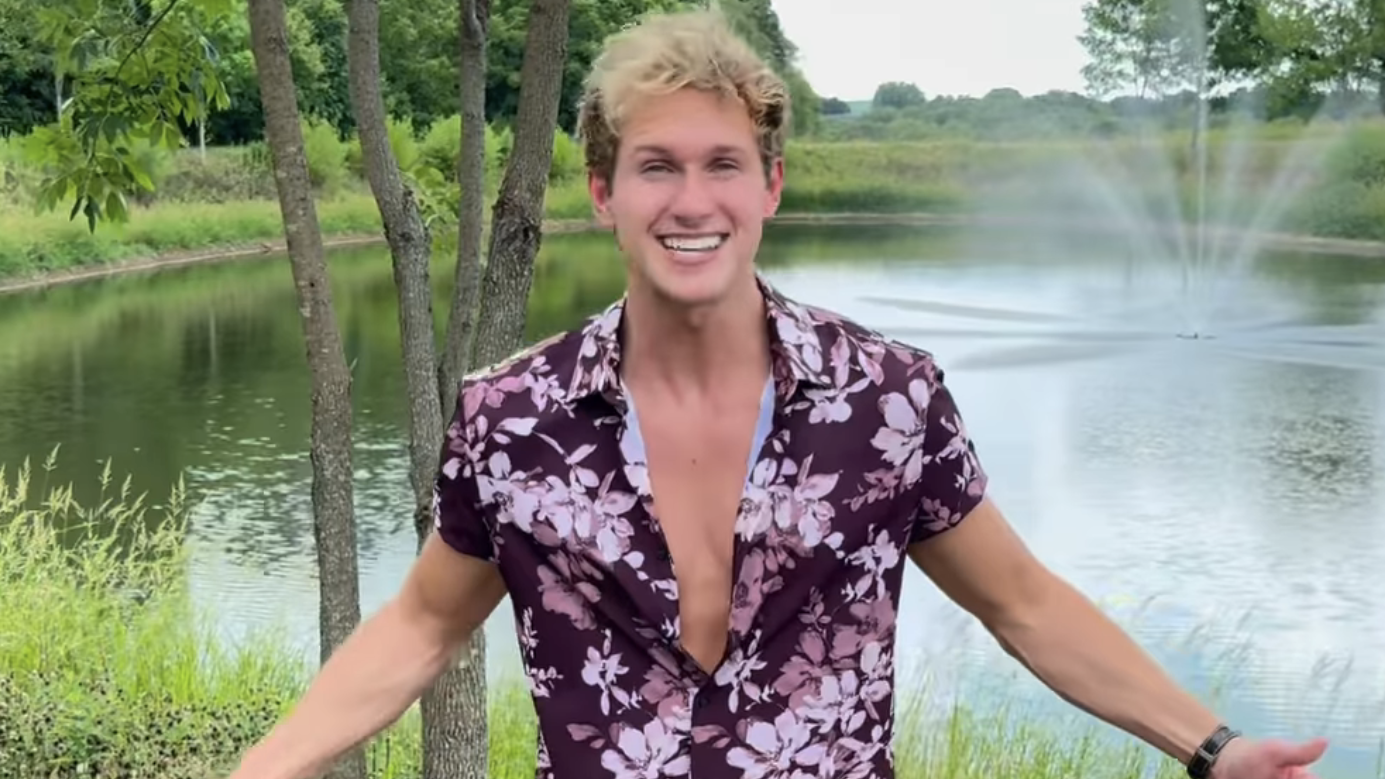
    Levi Banks, a previously announced contestant for Big Brother Season 28, withdrew from the competition before its full launch. Banks communicated his decision, stating publicly that the reality show was “not the right fit” for him. This information was widely reported on July 10, 2026, following the season’s initial premiere, marking an unexpected change in the contestant lineup.

    The specific details surrounding Banks’s determination remain largely private. His statement focused on a personal assessment of his compatibility with the program’s unique format and its intense demands. Pre-season withdrawals, while not common, often generate significant public interest and necessitate adjustments from the production team.

    The Rationale Behind Banks’s Departure

    The announcement of Banks’s departure came directly from his own explanation. He provided the concise reason that the environment and structure of Big Brother did not align with his expectations or personal suitability. This public statement aims to clarify his absence from the forthcoming season without delving into specific personal details.

    Participating in Big Brother involves living under constant surveillance. Contestants are isolated from the outside world and engage in strategic gameplay. The psychological and emotional toll can be significant for many. Banks’s statement suggests a proactive decision to avoid a situation he anticipated would be incompatible with his well-being or public persona.

    Pre-Season Decisions and Contestant Expectations

    Contestants often undergo extensive interviews and psychological evaluations before entering the Big Brother house. Despite these preparations, the full reality of the experience can differ significantly from initial expectations. A pre-season withdrawal, while rare, indicates a substantial mismatch perceived by the contestant before full commitment to the live-in environment.

    The rigorous selection process aims to identify individuals who can withstand the unique pressures of the show. However, personal insights gained during the pre-show period can lead to such decisions. Banks’s withdrawal highlights the complex nature of preparing for and participating in high-stakes reality television.

    The Psychological Demands of Reality TV

    Reality television, particularly formats like Big Brother, places extraordinary demands on participants. Constant camera surveillance, strategic alliances, and isolation from external support systems contribute to a highly pressurized environment. Contestants must navigate these conditions while maintaining their public image and competing for a grand prize.

    The decision to withdraw reflects a personal assessment of these demands. It underscores the importance of mental and emotional preparedness for such an immersive experience. Banks’s choice prioritizes personal compatibility over participation in a widely watched program.

    Immediate Impact on Big Brother Season 28

    As of July 10, 2026, further details regarding a potential replacement contestant have not been released. It is also unclear how this withdrawal might impact the overall cast composition for Big Brother Season 28. The production team for Big Brother has not yet issued an official comment on Banks’s withdrawal, maintaining typical protocol for such situations.

    The show’s producers are accustomed to managing unforeseen circumstances. The Big Brother format is designed with inherent flexibility to accommodate such changes. This adaptability helps maintain the integrity of the competition and its broadcast schedule.

    Casting Adjustments and Alternate Houseguests

    The sudden withdrawal of a confirmed houseguest typically necessitates immediate adjustments to production plans. Casting directors often prepare a roster of alternate selections for such contingencies. These alternates are thoroughly vetted and kept ready to step in if an original cast member cannot participate for any reason, including last-minute withdrawals.

    This system ensures that the show can proceed with a full cast, minimizing disruption. The process of integrating an alternate houseguest is a well-established part of reality television production. It allows for continuity despite unexpected personnel changes.

    Maintaining Production Schedules

    The Big Brother franchise is known for its ability to adapt to unexpected developments. It often does so with minimal disruption to its broadcast schedule. Producers are skilled at integrating new elements or adjusting narratives to account for changes in the cast. The show’s live format and dynamic nature allow for flexibility in handling unforeseen events, ensuring the season continues as planned.

    This operational resilience is a hallmark of long-running reality series. It reflects years of experience in managing the unpredictable nature of live and near-live television production. The show’s audience expects seamless continuity, and production teams work to deliver it.

    Historical Context of Reality TV Withdrawals

    While uncommon, contestants have withdrawn from major reality shows both before and during seasons. Reasons for these withdrawals vary significantly. They can range from personal emergencies, such as family illness, to a profound realization that the environment is simply not suitable for them. These instances often generate significant audience discussion and highlight the intense pressures inherent in reality television.

    Past instances in reality programming demonstrate a pattern of discreet handling by production. Public statements are typically kept brief. This approach aims to protect the privacy of the individuals involved and maintain the integrity of the competition. The focus remains on the show’s progression rather than extensive commentary on individual departures.

    Notable Reality Show Departures

    Numerous reality programs, including other long-running competition series, have experienced contestant withdrawals. These situations are often managed with a degree of discretion by production. The reasons are diverse, sometimes involving health issues, personal conflicts, or a simple change of heart regarding the commitment required.

    Each instance provides insight into the human element of reality television. It underscores that while the shows are entertainment, they involve real people facing real challenges under public scrutiny. The decision to withdraw, therefore, is often a deeply personal one, made after careful consideration of individual circumstances.

    The impact of such withdrawals on the show itself is usually temporary. Production teams are adept at adjusting storylines and integrating new participants if necessary. The show’s overarching narrative typically continues, with the focus shifting to the remaining contestants and their journey.

    The Audience Reaction and Speculation

    News of a contestant withdrawal often sparks considerable discussion among the show’s fanbase. Viewers engage in speculation regarding the underlying reasons, even when public statements are clear. This engagement reflects the deep connection many viewers feel to their favorite reality programs and their participants.

    Social media platforms become hubs for these discussions. Fans analyze every detail, attempting to piece together the full story. This collective curiosity is a testament to the immersive nature of reality television and its ability to captivate audiences.

    However, the official narrative typically remains consistent with the statements provided. Production teams rarely elaborate beyond initial announcements, respecting the privacy of the individuals involved. This approach helps to manage public perception and focus attention back on the competition.

    The Future of Big Brother Season 28

    Big Brother Season 28 will proceed despite the withdrawal of Levi Banks. The show’s production team will ensure a complete and competitive season. Any adjustments made will uphold the integrity of the game and the entertainment value for its audience.

    The structure of Big Brother is robust enough to absorb such changes. The focus will now shift to the remaining houseguests and their strategic play. The competition continues. The alliances form. The drama unfolds. The season moves forward.

  • Rob Reiner as George Washington: A ‘Last Laugh’ in Larry David’s HBO Show

    Rob Reiner as George Washington: A ‘Last Laugh’ in Larry David’s HBO Show

    Rob Reiner is slated to portray George Washington in an upcoming HBO series. The show is a creation of Larry David. This role has been characterized as Reiner’s ‘secret final role’ within his acting career.

    The casting has generated considerable public discussion. This discussion often centers on perceptions of Hollywood’s political leanings. It also touches upon the interpretation of historical figures in contemporary media.

    The Intersection of History and Comedy

    Larry David, known for his distinctive comedic style in shows like Seinfeld and Curb Your Enthusiasm, is at the helm of this new HBO project. His involvement suggests that the portrayal of George Washington may deviate from traditional historical dramas. It could incorporate elements of satire or unconventional humor.

    The specific premise of the series remains largely undisclosed. However, the combination of David’s comedic vision and Reiner’s casting points towards a provocative take on American history. This approach could challenge conventional narratives.

    Rob Reiner’s Extensive Career

    Rob Reiner possesses a long and varied career in Hollywood. He is recognized for his acting roles, including Michael Stivic in All in the Family. He is also a celebrated director, having helmed films such as Stand by Me, The Princess Bride, and A Few Good Men.

    His career spans several decades. It encompasses both comedic and dramatic works. His public persona is often associated with his political activism and outspoken views. These views have frequently generated public discourse.

    George Washington: A Foundational Figure

    George Washington served as the first President of the United States. He led the Continental Army during the American Revolutionary War. His legacy is deeply embedded in American history and national identity.

    Portrayals of Washington typically emphasize his leadership, integrity, and foundational role in the nation’s establishment. These portrayals often maintain a reverential tone. Any departure from this tradition can attract significant attention.

    Public Reaction and Anticipation

    The news of Reiner’s casting as Washington has elicited a range of reactions. Some viewers express anticipation for a fresh, potentially comedic, interpretation of history. They see it as an opportunity for new perspectives.

    Others voice concerns about the potential for historical revisionism or political commentary. They question whether the casting aligns with their understanding of the historical figure. These discussions often reflect broader cultural debates about historical accuracy and artistic license.

    “The decision to cast Rob Reiner as George Washington in a Larry David series is a bold move that signals a deliberate reimagining of America’s past. It’s designed to provoke.”

    This statement, from a Variety report, highlights the intentional nature of the casting. It suggests a clear objective to elicit a strong response from audiences.

    Hollywood and Political Expression

    Hollywood has a long history of intertwining entertainment with political commentary. Actors and directors often use their platforms to express their views. This practice frequently leads to public debate.

    Rob Reiner is a prominent example of a figure who has consistently used his public platform for political expression. His casting in such a historically significant role amplifies these discussions. It raises questions about the perceived political leanings of the entertainment industry.

    The ‘Last Laugh’ Narrative

    The phrase ‘last laugh’ in relation to Reiner’s role implies a specific context. It suggests a triumphant or vindictive element to the casting. This framing often appears in discussions surrounding political differences and cultural clashes.

    This narrative resonates with segments of the audience who interpret the casting as a statement. It is seen as a response to contemporary political discourse. The show’s eventual content will clarify the extent to which this interpretation holds true.

    The Legacy of Historical Portrayals

    Historical figures are frequently reinterpreted through various artistic lenses. These reinterpretations can range from strictly factual accounts to highly fictionalized or satirical versions. Each approach serves different artistic and cultural purposes.

    The impact of such portrayals can be significant. They can shape public perception of historical events and figures. They can also contribute to ongoing cultural conversations about national identity and values.

    The Role of HBO in Premium Content

    HBO has a reputation for producing premium, often boundary-pushing, content. The network is known for its dramatic series and willingness to explore complex or controversial themes. This track record makes it a suitable platform for a project that aims to challenge traditional historical narratives.

    Larry David’s previous successes with HBO further solidify this fit. His unique brand of humor and social commentary has found a receptive audience on the platform. The new series is expected to continue this tradition of distinctive programming.

    The Broader Cultural Conversation

    The casting of Rob Reiner as George Washington feeds into a broader cultural conversation. This conversation concerns the role of art in society. It also addresses the intersection of entertainment, politics, and historical memory.

    Audiences are increasingly engaged in discussions about representation. They also debate the political messages embedded in media. This project is positioned directly within these ongoing dialogues.

    Anticipated Release and Impact

    Details regarding the release date and full cast of the series are yet to be widely announced. However, the initial report has already generated significant buzz. This early attention suggests a high level of public interest.

    The series debuted in June 2026. Its impact on cultural discourse will likely be substantial. It will contribute to the ongoing debate about how history is interpreted and presented in popular culture.

    Actors portrayed figures. Directors shaped narratives. Audiences debated intentions.

    Hollywood.

  • Why Anne Hathaway Quit ‘Knocked Up’ – The Graphic Birthing Scene Controversy

    Why Anne Hathaway Quit ‘Knocked Up’ – The Graphic Birthing Scene Controversy

    Anne Hathaway’s departure from the 2007 Judd Apatow comedy Knocked Up was directly related to her discomfort with a graphic birthing scene depicted in the film. Seth Rogen, the movie’s co-star and one of its producers, confirmed this detail recently, stating that Hathaway felt the scene was ‘not her brand.’

    This explanation resolves a long-standing mystery surrounding the casting change that ultimately brought Katherine Heigl into the lead role of Alison Scott.

    The Initial Casting and Subsequent Exit

    Judd Apatow, known for his comedic style that often blends humor with raw, relatable human experiences, initially cast Anne Hathaway in the pivotal role of Alison Scott. The character navigates an unplanned pregnancy and the complexities of a new relationship.

    Hathaway, at the time, was building a diverse career, moving between romantic comedies and more dramatic roles. Her filmography included projects like The Princess Diaries (2001) and Brokeback Mountain (2005).

    Pre-production for Knocked Up was underway when Hathaway decided to step down. The exact reasons remained largely unconfirmed by those involved for many years, leading to various rumors within the entertainment industry.

    The role required a significant commitment to portraying the physical and emotional aspects of pregnancy, including the climactic birthing scene.

    Seth Rogen’s Confirmation

    Seth Rogen, who played the lead male character Ben Stone, provided clarity on Hathaway’s exit in a recent interview. He stated that Hathaway had expressed reservations about the intensity and graphic nature of the birthing scene as written in the script.

    Rogen’s comments indicated that Hathaway felt the scene was too explicit and did not align with her personal or professional image at that point in her career.

    The phrase ‘not her brand’ suggests a strategic decision on Hathaway’s part to maintain a certain public persona and career trajectory.

    This confirmation from a primary source involved in the production of Knocked Up provides a definitive answer to a question that has lingered for nearly two decades.

    The Birthing Scene in Question

    The birthing scene in Knocked Up became a memorable and often-discussed sequence in the final cut of the film. It depicts Alison Scott’s labor in a realistic and at times visceral manner.

    The scene includes graphic details, pain, and moments of comedic relief intertwined with the intense physical process of childbirth.

    For some viewers, the scene was lauded for its authenticity and groundbreaking portrayal of a typically sanitized cinematic event. For others, it was considered overly explicit.

    Hathaway’s reported discomfort likely stemmed from the unvarnished depiction, which contrasted with the more polished and less confrontational roles she had often undertaken.

    Katherine Heigl Steps In

    Following Hathaway’s departure, Katherine Heigl was cast as Alison Scott. Heigl, then known for her role in the television series Grey’s Anatomy, took on the role and delivered a performance that resonated with audiences.

    Heigl’s portrayal contributed significantly to the film’s commercial success and critical reception. Knocked Up went on to gross over $219 million worldwide against a production budget of $33 million.

    The film’s success cemented Apatow’s reputation for smart, adult comedies and launched the careers of several comedic actors.

    Heigl’s career received a significant boost from the film, though she later expressed some critical views on the movie’s gender dynamics, particularly regarding her character’s portrayal.

    Career Trajectories Post-Knocked Up

    Anne Hathaway continued to build a highly successful career, starring in acclaimed films such as The Devil Wears Prada (2006), Rachel Getting Married (2008), and Les Misérables (2012), for which she won an Academy Award for Best Supporting Actress.

    Her choices consistently demonstrated a preference for roles that offered a range of emotional depth and often avoided overtly graphic content.

    Katherine Heigl, after Knocked Up, starred in several romantic comedies like 27 Dresses (2008) and The Ugly Truth (2009). Her public comments about Knocked Up and Grey’s Anatomy created some industry controversy, affecting her career trajectory in the years that followed.

    Judd Apatow continued to direct and produce a string of successful comedies, often featuring a recurring ensemble of actors. His work consistently explores themes of relationships, maturity, and societal expectations with a distinctive blend of humor and realism.

    The Evolution of ‘Brand’ in Hollywood

    The concept of an actor’s ‘brand’ has become increasingly significant in Hollywood. It encompasses the types of roles they accept, their public image, and the messages they convey through their work.

    For Anne Hathaway, her brand has largely been associated with elegance, intelligence, and a certain level of sophisticated charm. A graphic birthing scene, while potentially lauded for realism, might have been perceived as a departure from that established image.

    Actors often make career decisions based on how a role will impact their long-term public perception and the kinds of projects they wish to attract in the future.

    This strategic approach to career management is a common practice in an industry where public image can be as crucial as acting talent.

    Creative Differences and Artistic Vision

    Hathaway’s decision also highlights the common occurrence of creative differences in film production. Actors and directors may have differing visions for a character or a scene.

    In this case, Apatow’s vision for a raw and unflinching birthing scene clashed with Hathaway’s comfort level and artistic boundaries.

    Such disagreements are a natural part of the collaborative filmmaking process and can sometimes lead to casting changes, even late in pre-production.

    The incident serves as an example of how artistic integrity and personal boundaries play a role in an actor’s professional choices.

    Impact on Film and Audience Expectations

    Knocked Up, with its candid portrayal of an unplanned pregnancy, pushed boundaries for mainstream romantic comedies. Its success demonstrated an audience appetite for more realistic and less idealized depictions of life events.

    The film’s birthing scene, in particular, became a benchmark for how such moments could be shown on screen, influencing subsequent productions.

    Hathaway’s initial reluctance, now understood, underscores the tension between artistic realism and an actor’s personal comfort or public image.

    The incident remains a notable footnote in the history of a successful and influential comedy, shedding light on the intricate decisions made behind the scenes.

    Looking Back: A Decade and a Half Later

    More than a decade and a half after its release, Knocked Up is still discussed for its humor, its characters, and its impact on the romantic comedy genre. Seth Rogen’s recent comments bring new context to one of the film’s early production challenges.

    The clarity provided by Rogen allows for a fuller understanding of the choices made by the talents involved.

    It emphasizes that even for major Hollywood productions, personal boundaries and brand considerations can significantly shape the final product.

    The film’s legacy endures, now with a clearer picture of its developmental path.

    Actors make choices. Directors make choices. Producers make choices. Hollywood.

  • Liz McGraw Exits ‘The Real Housewives Of Rhode Island’ After One Season

    Liz McGraw Exits ‘The Real Housewives Of Rhode Island’ After One Season

    Liz McGraw has exited the cast of ‘The Real Housewives Of Rhode Island’ after only one season, a development confirmed on July 1, 2026. This departure marks a significant change for the Bravo reality television franchise, impacting its future direction after its recent premiere.

    The announcement has generated considerable discussion among fans and media outlets. Such cast changes are common within the ‘Real Housewives’ universe, often signaling evolving production strategies or individual participant decisions.

    The Launch of ‘The Real Housewives Of Rhode Island’

    ‘The Real Housewives Of Rhode Island’ premiered earlier in 2026, introducing a new group of women to the long-running Bravo franchise. The show aimed to capture the unique social dynamics and affluent lifestyles prevalent in various parts of Rhode Island.

    Liz McGraw was presented as one of the central figures in this new ensemble. Her initial casting was met with anticipation, as is typical for any new ‘Real Housewives’ series.

    The inaugural season focused on establishing the core relationships and conflicts among the cast members. Viewers were introduced to the personal lives, professional endeavors, and social circles of the Rhode Island women.

    McGraw’s Role in the Inaugural Season

    During her single season on ‘The Real Housewives Of Rhode Island,’ Liz McGraw featured prominently in several storylines. Her interactions with other cast members contributed to the season’s narrative arc.

    Reality television often thrives on interpersonal drama and conflict. McGraw’s presence was part of this dynamic, engaging in both alliances and disagreements with her co-stars.

    The show’s production team works to curate specific narratives for each season. McGraw’s contributions were integrated into the broader story that unfolded for viewers throughout the initial episodes.

    Factors Influencing Cast Departures

    Departures from ‘The Real Housewives’ franchise can stem from a variety of reasons. These include personal choices by cast members, decisions made by the network or production company, or a combination of both.

    Sometimes, a cast member may find the demands of reality television incompatible with their personal life or other commitments. The intense scrutiny and public exposure can be challenging.

    Network and production decisions are often based on audience reception, storyline potential, and the overall chemistry of the cast. Ratings performance and social media engagement also play a role.

    Audience Reception and Narrative Impact

    The reception of a new cast member by the audience is a crucial factor. Viewers often form strong opinions about individuals on these shows, influencing their popularity and perceived value to the franchise.

    Producers also evaluate how each cast member contributes to the overall narrative. A lack of compelling storylines or an inability to integrate into the group dynamic can lead to a cast change.

    Social media platforms provide immediate feedback on audience sentiment. This data can inform future casting decisions, although it is not the sole determinant.

    The Trajectory of ‘The Real Housewives’ Franchise

    The ‘Real Housewives’ franchise, created by Scott Dunlop and produced by Bravo, began with ‘The Real Housewives of Orange County’ in 2006. It has since expanded to numerous cities across the United States and internationally.

    Over its nearly two-decade history, the franchise has seen countless cast member changes. This constant evolution is a hallmark of its longevity and ability to adapt.

    Each iteration of the show aims to capture a specific regional flavor and social milieu. ‘The Real Housewives Of Rhode Island’ was the latest expansion in this successful formula.

    Notable Departures in Franchise History

    Many prominent figures have left ‘The Real Housewives’ shows after varying periods. Some have departed after one season, while others have remained for many years.

    These exits often generate significant media coverage and fan speculation. They become part of the ongoing narrative of the franchise itself.

    The reasons for these departures are diverse, ranging from contract disputes to personal scandals to a desire for a different career path. Each situation is unique.

    Impact on ‘The Real Housewives Of Rhode Island’ Future

    Liz McGraw’s departure will necessitate adjustments for the second season of ‘The Real Housewives Of Rhode Island,’ assuming its renewal. Production will likely seek a new cast member to fill the vacancy.

    The addition of a new personality can significantly alter the group dynamic and introduce fresh storylines. This is a common strategy to maintain audience interest.

    The remaining cast members will also need to adapt to the absence of McGraw. Their relationships and alliances may shift as a result of this change.

    The Reality Television Landscape in 2026

    In 2026, reality television continues to be a dominant force in entertainment. Shows like ‘The Real Housewives’ maintain strong viewership and cultural relevance.

    The genre constantly evolves, with new formats and franchises emerging regularly. However, established brands like Bravo’s ‘Real Housewives’ continue to be foundational.

    Audience expectations for authenticity and drama remain high. Producers strive to deliver compelling content that resonates with their target demographics.

    Behind-the-Scenes Decisions

    The decisions regarding cast members are complex and involve multiple stakeholders. Network executives, showrunners, and production companies all play a role.

    Contract negotiations are a significant component of this process. These agreements outline the terms of participation, including compensation and duration.

    The creative vision for upcoming seasons also influences casting. Producers seek individuals who can contribute to specific narrative arcs or bring new energy to the show.

    The Viewer’s Perspective on Cast Changes

    Viewers often develop strong attachments to specific cast members. News of a departure can evoke a range of reactions, from disappointment to excitement for new additions.

    Online fan communities actively discuss and speculate about cast changes. These discussions contribute to the show’s ongoing publicity and engagement.

    The ability of a show to successfully integrate new cast members is crucial for its long-term viability. A smooth transition helps maintain audience loyalty.

    The Business of Reality Television

    Reality television is a multi-billion dollar industry. Franchises like ‘The Real Housewives’ generate substantial revenue through advertising, syndication, and streaming rights.

    Casting decisions are directly linked to the financial success of these programs. A compelling cast can drive ratings and attract advertisers.

    The strategic management of talent, both in front of and behind the camera, is essential for maintaining a profitable reality television enterprise.

    Bravo, as the network behind ‘The Real Housewives,’ invests significantly in these productions. The network’s portfolio of reality shows forms a core part of its programming strategy.

    The departure of a cast member like Liz McGraw is an operational decision within this larger business framework. It reflects the ongoing effort to optimize the show’s appeal and commercial viability.

    Contractual obligations. Production demands. Viewer expectations. Network strategy. McGraw.

  • Monica Barbaro Joins ‘Ocean’s Prequel’ Alongside Robbie and Cooper

    Monica Barbaro Joins ‘Ocean’s Prequel’ Alongside Robbie and Cooper

    Monica Barbaro has reportedly joined the cast of the upcoming “Ocean’s Prequel” film. The actress is set to star opposite Margot Robbie and Bradley Cooper. This news places Barbaro in a prominent role within a high-profile Hollywood production.

    The “Ocean’s Prequel” is an anticipated addition to the long-running “Ocean’s” franchise. Details surrounding the film’s plot and specific character roles remain under wraps. Production is expected to commence in the near future.

    Casting Details Emerge

    The casting of Monica Barbaro follows earlier reports confirming Margot Robbie and Bradley Cooper’s involvement. Robbie is also attached as a producer through her company, LuckyChap Entertainment. This marks a significant ensemble for the prequel.

    Barbaro’s career has seen a rise in recent years. Her previous roles have established her as a notable talent in Hollywood. Her inclusion suggests a key role in the ensemble heist film.

    The ‘Ocean’s’ Franchise History

    The original “Ocean’s 11” film was released in 1960, starring Frank Sinatra and the Rat Pack. The franchise was rebooted in 2001 with “Ocean’s Eleven,” directed by Steven Soderbergh and starring George Clooney, Brad Pitt, and Julia Roberts. This successful film led to two sequels, “Ocean’s Twelve” (2004) and “Ocean’s Thirteen” (2007).

    A female-led spin-off, “Ocean’s 8,” was released in 2018. It starred Sandra Bullock, Cate Blanchett, and Anne Hathaway. The upcoming prequel aims to expand the universe further, exploring earlier events within the criminal underworld.

    What to Expect from the Prequel

    The “Ocean’s Prequel” is expected to delve into the origins of the franchise’s intricate heist narratives. Specific plot points are not yet public. The film is currently in a developing stage.

    Director and production details beyond Robbie’s producing role have not been fully disclosed. Further announcements are anticipated as the project moves closer to principal photography. This developing story will be updated as more information becomes available.

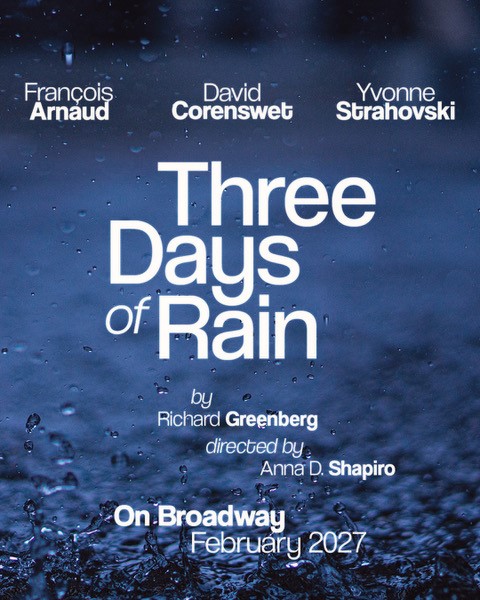
  • François Arnaud, David Corenswet, Yvonne Strahovski Join Broadway’s ‘Three Days of Rain’ Revival

    François Arnaud, David Corenswet, Yvonne Strahovski Join Broadway’s ‘Three Days of Rain’ Revival

    François Arnaud, David Corenswet, and Yvonne Strahovski are slated to star in the 2027 Broadway revival of Richard Greenberg’s play, ‘Three Days of Rain’. This marks a significant theatrical event, bringing a new interpretation to the acclaimed drama. The production will feature the trio in the dual roles central to Greenberg’s narrative.

    Their involvement signals a notable moment for Broadway. The play explores themes of inherited narratives and the selective nature of memory. It examines how past events shape future generations.

    The Play’s Enduring Appeal

    ‘Three Days of Rain’ first premiered Off-Broadway in 1997 at the Manhattan Theatre Club. The original cast included Patricia Clarkson, John Slattery, and Bradley Whitford. It received critical acclaim for its intricate structure and poignant exploration of family dynamics.

    Richard Greenberg’s writing often delves into the complexities of human relationships. His plays frequently feature sharp dialogue and emotionally resonant themes. ‘Three Days of Rain’ is considered one of his most significant works.

    The narrative unfolds in two acts. The first act is set in 1995. It focuses on the adult children of two prominent architects. They gather to divide their parents’ estate.

    The second act transports the audience to 1960. The same actors portray the parents and their friend during a pivotal three-day period. This period is believed to have defined their lives and the lives of their children.

    Themes of Memory and Legacy

    The play’s central mystery revolves around a diary. The children discover this diary, which belonged to their father. Its contents challenge their preconceived notions about their parents’ lives.

    Memory is presented as a subjective and often unreliable construct. Each character holds a different version of the past. These versions clash and converge, revealing deeper truths.

    Legacy is another crucial theme. The children grapple with the professional and personal legacies left by their parents. These legacies often feel like burdens rather than gifts.

    The play questions how much of our identity is truly our own. It asks how much is inherited from those who came before us. This exploration resonates with contemporary audiences.

    The 2006 Broadway Revival

    The last major Broadway revival of ‘Three Days of Rain’ occurred in 2006. That production garnered significant media attention due to its star-studded cast.

    Julia Roberts made her Broadway debut in the 2006 revival. She starred alongside Paul Rudd and Bradley Cooper. This casting decision drew large audiences to the Bernard B. Jacobs Theatre.

    Despite the high-profile cast, critical reception was mixed. Some critics praised the actors’ performances. Others found the production itself somewhat uneven.

    The 2006 revival ran for 70 performances. It demonstrated the play’s capacity to attract major talent. It also highlighted the challenges of staging such an intricate work.

    The play’s structure requires significant versatility from its actors. They must convincingly portray two distinct characters in different time periods. This presents a unique acting challenge.

    The New Cast: François Arnaud

    François Arnaud is a Canadian actor known for his diverse roles. He gained international recognition for his portrayal of Cesare Borgia in Showtime’s ‘The Borgias’.

    Arnaud has appeared in various films and television series. His film credits include ‘I Killed My Mother’ and ‘The Dark Tower’. On television, he has featured in ‘Blindspot’ and ‘Midnight, Texas’.

    His stage experience includes productions in Canada. His move to Broadway for ‘Three Days of Rain’ marks a significant step in his career. He is expected to bring a nuanced performance to the dual roles.

    Arnaud’s previous roles often showcase characters with complex inner lives. This aligns well with the psychological depth required by Greenberg’s script. His casting suggests a powerful dramatic interpretation.

    David Corenswet’s Broadway Debut

    David Corenswet is an American actor whose profile has risen steadily. He is perhaps best known for his work in Netflix productions.

    Corenswet starred in Ryan Murphy’s limited series ‘The Politician’ and ‘Hollywood’. These roles established him as a compelling screen presence. He has also appeared in films like ‘Look Both Ways’ and ‘Pearl’.

    His casting as the new Superman in James Gunn’s upcoming DC Universe film, ‘Superman’, has further elevated his status. This role is highly anticipated by fans and critics alike. It positions him as a major leading man in Hollywood.

    The 2027 production of ‘Three Days of Rain’ will mark Corenswet’s Broadway debut. This transition to the stage will allow audiences to see his range in a live performance setting. His participation is expected to generate considerable buzz.

    Yvonne Strahovski’s Return to the Stage

    Yvonne Strahovski is an Australian actress with a strong background in both television and film. She is widely recognized for her roles in ‘Chuck’ and ‘Dexter’.

    Strahovski received critical acclaim for her portrayal of Serena Joy Waterford in Hulu’s ‘The Handmaid’s Tale’. Her performance earned her Emmy nominations. This role showcased her ability to embody complex and often morally ambiguous characters.

    She has prior stage experience, including a 2012 Broadway debut. She starred in the revival of Clifford Odets’ ‘Golden Boy’. Her performance in ‘Golden Boy’ earned positive reviews, demonstrating her theatrical capabilities.

    Her return to Broadway in ‘Three Days of Rain’ is highly anticipated. Strahovski’s intensity and emotional depth are well-suited to the demands of Greenberg’s play. She will likely bring a powerful presence to the stage.

    Anticipated Impact on Broadway

    The combined star power of Arnaud, Corenswet, and Strahovski is expected to make the 2027 ‘Three Days of Rain’ revival a major draw. Broadway producers often rely on recognizable names to attract audiences.

    The play itself holds significant artistic merit. Its themes remain relevant to contemporary society. The exploration of family secrets and the construction of identity resonates deeply.

    This revival offers an opportunity for a new generation of theatergoers to experience Greenberg’s work. It also allows established fans to revisit a beloved play with fresh interpretations.

    The production team will face the challenge of distinguishing this revival from its predecessors. They will need to honor the original text while bringing a contemporary sensibility to the staging.

    Casting choices are paramount in this play. The success hinges on the actors’ ability to create distinct characterizations for two sets of roles. Their performances must bridge the gap between 1995 and 1960 convincingly.

    Richard Greenberg’s Legacy in Theater

    Richard Greenberg is a Pulitzer Prize-nominated playwright. His other notable works include ‘Take Me Out’, which won the Tony Award for Best Play in 2003. He is known for his witty dialogue and keen observations of human nature.

    Greenberg’s plays frequently explore themes of identity, sexuality, and the search for meaning. His writing often blends humor with profound emotional depth. This creates a unique theatrical experience.

    ‘Three Days of Rain’ is a testament to his skill as a dramatist. It continues to be produced in regional theaters worldwide. Its enduring popularity speaks to its universal themes.

    The 2027 Broadway revival will further solidify Greenberg’s place in American theater. It will introduce his work to a new audience. It will also remind seasoned theatergoers of his significant contributions.

    The production will face the scrutiny of critics and audiences. Expectations will be high for the cast and creative team. The challenge lies in delivering a memorable and impactful theatrical experience.

    Broadway stages prepare. Audiences anticipate. Critics observe. Actors rehearse. The 2027 revival of ‘Three Days of Rain’ approaches.

    New York City.

  • Alec Baldwin’s ‘Panic Button’ Casting – Hollywood’s Second Chance Debate

    Alec Baldwin’s ‘Panic Button’ Casting – Hollywood’s Second Chance Debate

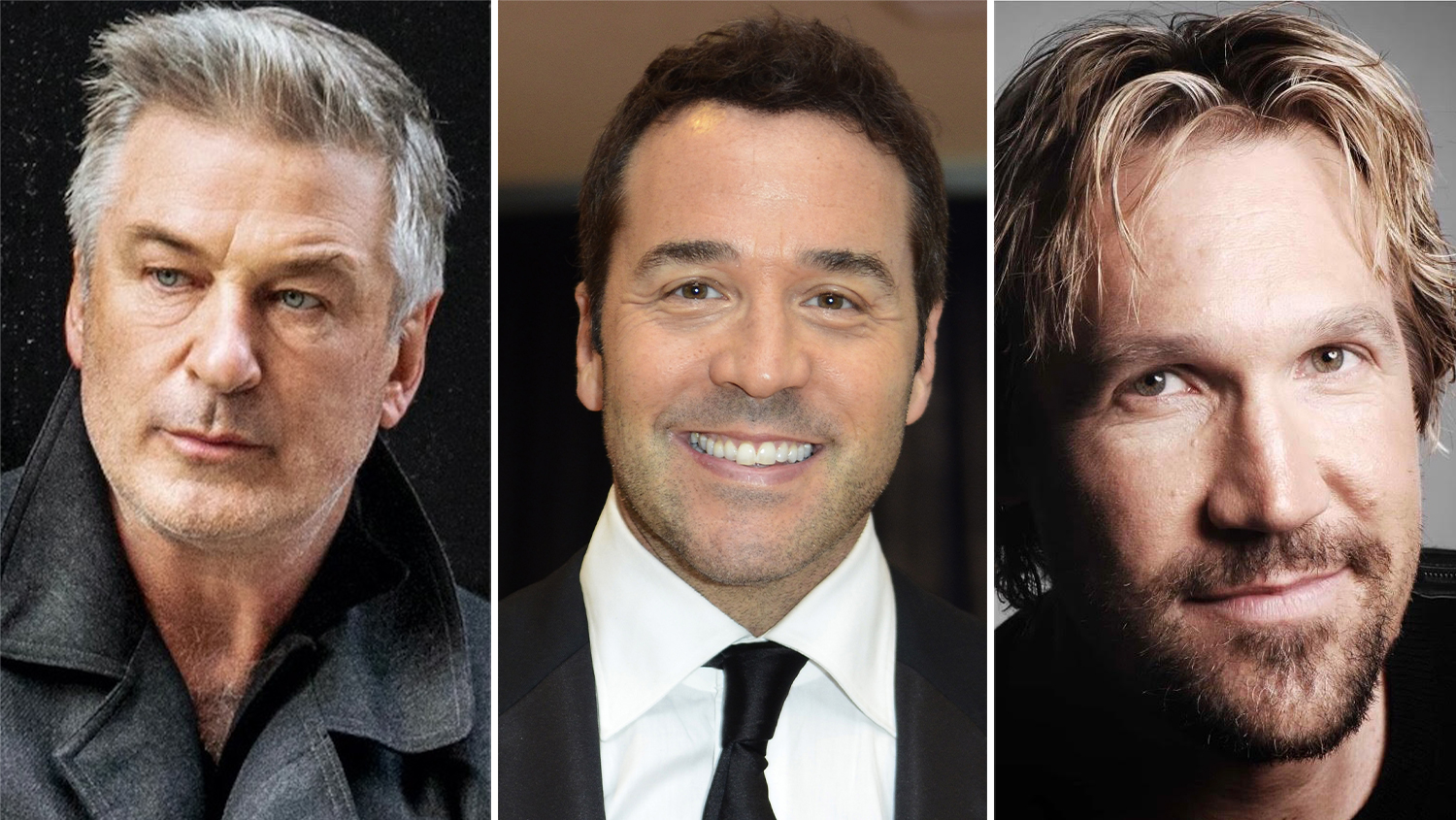
    Alec Baldwin has been cast in the upcoming action thriller ‘Panic Button’, alongside Jeremy Piven and David A.R. White. This decision, announced on June 24, 2026, immediately reignited public discussion regarding celebrity accountability and the entertainment industry’s approach to second chances for actors following significant controversies.

    The film’s production is set to move forward with a cast that includes figures who have faced considerable public scrutiny. Their involvement prompts a closer look at how Hollywood navigates the careers of individuals whose public images have been impacted by past events.

    The ‘Panic Button’ Project: A High-Stakes Thriller

    ‘Panic Button’ is described as an action thriller. This genre often relies on high-stakes narratives and compelling performances to captivate audiences. Specific plot details remain largely under wraps following the initial announcement. However, the confirmed cast members suggest a project aiming for a broad audience and significant box office appeal.

    The film’s premise, while undisclosed, is expected to leverage the dramatic tension inherent in its genre. Action thrillers frequently explore themes of survival, moral dilemmas, and rapid decision-making under pressure. The casting choices for ‘Panic Button’ indicate an intent to deliver a powerful and engaging cinematic experience.

    The Ensemble Cast: Baldwin, Piven, and White

    Alec Baldwin’s career spans decades. It is marked by critically acclaimed roles in film and television. His filmography includes iconic performances in ‘The Hunt for Red October’ (1990), ‘Glengarry Glen Ross’ (1992), and an Emmy-winning portrayal of Donald Trump on ‘Saturday Night Live’ from 2016 to 2020. Baldwin’s recent years have been dominated by legal proceedings and public debate surrounding the 2021 ‘Rust’ shooting incident. This incident resulted in the death of cinematographer Halyna Hutchins.

    Jeremy Piven is another seasoned actor joining the ‘Panic Button’ ensemble. Piven is widely recognized for his role as Ari Gold in the HBO series ‘Entourage’ (2004-2011). This role earned him multiple Emmy Awards and a Golden Globe. His career also features significant film credits such as ‘Serendipity’ (2001) and ‘Smokin’ Aces’ (2006). Piven also faced allegations of misconduct in the past, which impacted his career trajectory.

    David A.R. White brings a background rooted in faith-based cinema to the project. White is known for co-founding Pure Flix, a prominent streaming service and production company specializing in Christian films. His acting credits include films like ‘God’s Not Dead’ (2014) and ‘Revelation Road’ (2013). His involvement in an action thriller like ‘Panic Button’ signals a potential expansion of his typical genre work, moving into more mainstream or secular productions.

    Celebrity Accountability and Public Scrutiny

    The casting of actors like Alec Baldwin and Jeremy Piven in a new high-profile project inevitably reopens conversations about accountability. Public figures, especially those in the entertainment industry, often find their professional lives intertwined with their personal conduct and any associated legal or ethical challenges.

    The ‘Rust’ incident, specifically, led to involuntary manslaughter charges against Baldwin. These charges were initially dropped in April 2023, though a special prosecutor indicated the possibility of refiling. Further charges were refiled in January 2024. The legal process and the intense media coverage surrounding it placed Baldwin’s career under unprecedented scrutiny. The public discourse often centered on questions of responsibility on a film set and the broader implications for workplace safety in Hollywood. The trial for the ‘Rust’ shooting is currently ongoing in 2026, adding a layer of ongoing public interest to Baldwin’s current projects.

    Jeremy Piven’s career also experienced a period of disruption. This followed multiple allegations of sexual misconduct in late 2017. These allegations led to an investigation by HBO and a subsequent decline in his public profile for a period. Piven consistently denied the allegations, and no criminal charges were ever filed. His return to more prominent roles, such as in ‘Panic Button’, signals a potential shift in industry perception. The industry’s response to such allegations continues to evolve, influencing casting decisions and public reception.

    The Impact of Public Opinion on Careers

    Public opinion plays a critical role in the careers of celebrities. Social media platforms amplify both support and criticism, creating a dynamic environment where past actions are frequently revisited. For actors involved in controversies, the path to career rehabilitation often involves navigating a complex landscape of public forgiveness, skepticism, and ongoing debate.

    The decision by ‘Panic Button’ producers to cast these actors suggests a calculation regarding audience reception. It could indicate a belief that the talent of these individuals outweighs past controversies. Alternatively, it might suggest that a segment of the audience is willing to separate an artist’s work from their personal history. The film’s success or failure will offer further insight into this evolving dynamic.

    Online discussions surrounding the casting have been varied. Some social media users express support for the actors’ continued work. Others raise concerns about the perceived lack of consequences for past actions. This polarized reaction is typical in the current media landscape, where public figures are subject to constant evaluation.

    Hollywood’s Evolving View on Second Chances

    The concept of a ‘second chance’ is a recurring theme in Hollywood. The industry has a long history of actors, directors, and producers facing career setbacks due to various issues. These range from legal troubles to public relations disasters. Many have returned to prominence years later.

    Examples abound, from Robert Downey Jr.’s resurgence after well-documented struggles with addiction and legal issues in the late 1990s and early 2000s, to Mel Gibson’s continued work despite antisemitic remarks and domestic abuse allegations made in the mid-2000s. Each case presents unique circumstances, and the public’s willingness to accept a comeback varies significantly. The entertainment industry itself often struggles with consistent standards for rehabilitation.

    The question often arises: what constitutes sufficient accountability? Is it legal exoneration, a public apology, a period of absence from the spotlight, or a combination of factors? There is no universal standard. The entertainment industry’s decisions often reflect a mix of artistic considerations, financial viability, and evolving societal norms. This ambiguity contributes to ongoing debates about fairness and justice in the public eye.

    Industry Perspectives on Casting Decisions

    Producers and casting directors often weigh multiple factors when making casting choices. Talent, box office appeal, and chemistry with other cast members are paramount. However, in the current climate, an actor’s public image and potential for controversy are increasingly significant considerations. The financial implications of public backlash can be substantial, influencing marketing and distribution strategies.

    The ‘Panic Button’ casting could be interpreted in several ways:

    • Focus on Talent: The producers may prioritize the proven acting abilities of Baldwin and Piven. They might believe their performances will elevate the film regardless of external discussions. This approach values artistic contribution above all else.
    • Strategic Risk: The casting could be a calculated risk. Producers might be banking on the idea that public interest, even if divisive, will generate buzz for the film. Controversy can sometimes translate into increased visibility and ticket sales.
    • Belief in Rehabilitation: It might reflect a belief within the production team that these actors have served their time in the public arena. They might believe the actors deserve opportunities to continue their craft. This perspective emphasizes a more forgiving stance.
    • Commercial Viability: Despite past controversies, both Baldwin and Piven retain significant name recognition. This recognition can be a valuable asset in attracting funding, distribution, and audience attention. The commercial appeal of established stars often outweighs potential negative press.

    The decision to cast these actors in ‘Panic Button’ will serve as a case study for future industry practices. It will help determine how Hollywood balances artistic freedom with public expectations of moral conduct. The film’s reception, both critically and commercially, will provide valuable data points for this ongoing discussion.

    The Broader Conversation: Ethics and Entertainment

    The casting news for ‘Panic Button’ extends beyond individual careers. It fuels a broader conversation about ethics in the entertainment industry. This discussion includes questions about who gets to tell stories, who is deemed worthy of a platform, and what responsibilities come with public influence.

    Film productions operate as complex businesses. They balance creative vision with financial imperatives. The choice to cast actors with controversial pasts highlights the tension between these two forces. Stakeholders, including studios, investors, and distributors, must weigh potential profits against potential public relations challenges.

    The role of the audience in this equation is also significant. Consumer choices, whether to watch a film or boycott it, directly influence industry decisions. This power dynamic means that public opinion, amplified by social media, can exert considerable pressure on casting and production choices. The success or failure of ‘Panic Button’ will partly depend on how the audience responds to its controversial cast members.

    Navigating a Changing Cultural Landscape

    The cultural landscape of 2026 is significantly different from previous decades. Social justice movements, increased awareness of workplace conduct, and the pervasive nature of digital media have reshaped expectations for public figures. What might have been overlooked in the past now receives intense scrutiny.

    Hollywood, as a major cultural institution, is not immune to these shifts. It faces constant pressure to align its practices with evolving societal values. The casting of ‘Panic Button’ demonstrates the ongoing negotiation between traditional industry practices and contemporary ethical standards. This negotiation is complex, often leading to divergent opinions within the industry and among the public.

    The film industry is increasingly aware of its impact on social discourse. Decisions made in casting, production, and promotion can send powerful messages. ‘Panic Button’ will contribute to this ongoing dialogue, regardless of its ultimate box office performance. It represents a moment where artistic choices intersect with broader societal debates about forgiveness, justice, and opportunity.

    The discussion surrounding ‘Panic Button’ will continue as the film moves through production and towards its eventual release. Filmmakers gathered. Audiences gathered. Critics gathered. Hollywood.

  • The Cost of a Bad Room – Olivia Cooke’s Failed Audition for Star Wars

    The Cost of a Bad Room – Olivia Cooke’s Failed Audition for Star Wars

    Olivia Cooke auditioned for the role of Rey in the 2015 blockbuster Star Wars: The Force Awakens but ultimately delivered what she now describes as a “really bad” performance. The House of the Dragon star recently revealed the misstep, admitting she “was s, ” during the high-stakes reading for Lucasfilm. The confession pulls back the curtain on the secretive, high-pressure machinery of franchise casting.

    Hollywood operates on a hidden economy of near-misses. Every iconic role carries a shadow cast of actors who walked into a room, read the lines, and failed. Cooke is now part of that shadow history for the Star Wars sequel trilogy.

    In many ways, the admission offers a rare glimpse into the vulnerability of the working actor. The polished PR machine of modern entertainment rarely allows for stories of outright failure. But Cooke’s willingness to own her disastrous read highlights a shifting cultural appetite for authenticity.

    What looks like a missed opportunity actually reveals the complex, sliding-doors nature of the entertainment industry. A bad day in a casting office closed the door to a galaxy far, far away. It eventually opened a door to Westeros.

    The Lucasfilm Mandate of 2013

    The search for Rey began under unprecedented industry pressure. In October 2012, The Walt Disney Company acquired Lucasfilm from George Lucas for $4.05 billion. The immediate mandate was clear. Disney needed a new trilogy. They needed a new generation of heroes.

    Director J.J. Abrams and Lucasfilm President Kathleen Kennedy launched a global casting search in 2013. The directive was specific. They wanted relative unknowns to anchor the new films, mirroring the casting strategy Lucas used for Mark Hamill, Carrie Fisher, and Harrison Ford in 1977.

    The character of Rey was the linchpin of the new narrative. She was an orphaned scavenger on the desert planet Jakku. She needed to convey vulnerability, physical capability, and a latent connection to the Force. The casting call went out across London, Los Angeles, and beyond. Thousands of young women submitted tapes. Hundreds were brought in to read.

    Olivia Cooke was among them. At the time, Cooke was a rising talent. She was gaining recognition for her role as Emma Decody on the A&E thriller series Bates Motel. She had the requisite industry momentum to secure a room with the Star Wars casting directors. Getting the room is the first hurdle. Surviving the room is the second.

    The Pressure of the Room

    Auditioning for a property like Star Wars is not a standard acting exercise. It is an exercise in extreme secrecy and high-stakes imagination.

    Actors are rarely given the actual script. They are given “dummy sides”, fake scenes written specifically for the audition to prevent plot leaks. The scenes are often stripped of context. An actor might be asked to talk about repairing a generic engine while reacting to an invisible alien threat. They must generate absolute emotional reality inside a sterile casting office in Santa Monica or Soho.

    Cooke walked into this environment. By her own admission, the alchemy did not work. The connection to the material failed to materialize. The performance flatlined.

    She did not sugarcoat the memory. Her blunt assessment, “I was s, “, strips away the usual diplomatic language actors use to describe lost roles. There is no claim of “creative differences.” There is no mention of “scheduling conflicts.” There is only the raw reality of choking under pressure.

    The Daisy Ridley Variable

    While Cooke struggled in the room, another young British actress found the exact frequency J.J. Abrams was looking for.

    Daisy Ridley was a true unknown at the time. Her resume consisted of minor guest spots on British television shows like Casualty and Silent Witness. When Ridley walked into the audition room, she was handed a scene involving a brutal interrogation. Abrams asked her to access a deep, terrifying vulnerability. She was asked to cry on command.

    The behind-the-scenes footage of Ridley’s audition has since become a famous piece of Star Wars lore. She delivered a raw, tear-streaked performance that instantly secured her the role. She understood the assignment. She became Rey.

    Star Wars: The Force Awakens premiered in December 2015. It shattered box office records, eventually grossing over $2.07 billion worldwide. Ridley was instantly catapulted from total obscurity to global superstardom. Her face was printed on action figures, lunchboxes, and billboards across the globe.

    For an actor who missed out on the role, watching that level of cultural saturation can be a complex psychological burden. Cooke had to watch the movie she failed to book become the biggest cinematic event of the decade.

    The Road to Westeros

    A failed audition is rarely fatal. For Cooke, the Star Wars rejection was simply a data point on a longer trajectory.

    She continued to build a formidable resume. She starred in the 2015 indie hit Me and Earl and the Dying Girl. She caught the eye of Steven Spielberg, who cast her as Art3mis in the 2018 science fiction blockbuster Ready Player One. She proved she could handle heavy visual effects, massive budgets, and intense fandom scrutiny.

    Then came the call from HBO.

    Following the controversial conclusion of Game of Thrones, HBO needed a massive hit to justify its continued investment in George R.R. Martin’s fantasy universe. Showrunner Ryan Condal was developing House of the Dragon, a prequel series focused on the bloody civil war of the Targaryen dynasty.

    The show needed an anchor. It needed an actress who could play Queen Alicent Hightower, a complex, politically ruthless, deeply traumatized monarch. The role required immense subtlety. Alicent is not a clear-cut hero like Rey. She is a woman navigating a violently patriarchal system, making terrible compromises for the sake of her family’s survival.

    Cooke landed the part. When House of the Dragon premiered in August 2022, it was a massive critical and commercial success. Cooke’s portrayal of the adult Alicent Hightower was universally praised. She brought a rigid, suffocating tension to the character. She became the face of the “Green” faction in the show’s central conflict.

    The Star Wars miss had paved the way for a darker, more complex triumph. If Cooke had spent 2015 to 2019 locked into the grueling production schedule of the Star Wars sequel trilogy, her availability for the early development of House of the Dragon would have been non-existent.

    The Currency of Celebrity Vulnerability

    Cooke’s decision to share this story in 2026 speaks to a broader shift in how celebrities manage their public narratives.

    In previous decades, the Hollywood publicity machine demanded perfection. Actors were presented as infallible artists who only ever made the right choices. Rejections were hidden. Failures were buried. The narrative was always one of inevitable ascent.

    The modern audience rejects this pristine image. Social media has accelerated the demand for relatability. Audiences want to know that the people on their screens experience the same crushing self-doubt, the same embarrassing failures, and the same bad days at work that they do.

    When Cooke admits she gave a “really bad” audition, she generates a powerful sense of schadenfreude. There is a dark, human comfort in knowing that even a famous, wealthy, successful actress can walk into a room and completely choke.

    But the schadenfreude quickly gives way to empathy. Everyone has bombed a job interview. Everyone has walked out of a room knowing they failed to present the best version of themselves. Cooke’s Star Wars story bridges the gap between the untouchable elite and the everyday worker.

    It also reframes her current success. Her performance as Alicent Hightower is not the result of inevitable, effortless genius. It is the result of an actor who learned how to survive the brutal, rejection-heavy reality of the industry. She took the hits. She improved. She found the right room.

    The Shadow Casts of Hollywood

    Cooke is not alone in the shadow cast of the Star Wars sequel trilogy. Hollywood history is littered with famous near-misses.

    Tom Selleck famously had to turn down the role of Indiana Jones because of his commitment to Magnum, P.I. Will Smith turned down the role of Neo in The Matrix to star in the critical disaster Wild Wild West. John Krasinski made it all the way to a screen test in the Captain America suit before realizing he was not right for the Marvel Cinematic Universe.

    These stories endure because they highlight the chaotic, unpredictable nature of success. Talent is required, but timing is everything. A career is defined just as much by the roles an actor does not get as by the roles they do.

    For Olivia Cooke, the Star Wars audition remains a humorous, humbling footnote. She does not need the lightsaber. She has the Iron Throne.

    Scripts were printed. NDAs were signed. Actors walked into the room.

    Some found a galaxy far, far away. Others found a different kind of throne.

    Failure.