
Tag: Cancer

  • Chris Anne Affleck Dead at 82 After Pancreatic Cancer Battle – Mother of Ben Affleck

    Chris Anne Affleck Dead at 82 After Pancreatic Cancer Battle – Mother of Ben Affleck

    Chris Anne Affleck, the mother of Academy Award-winning actors Ben Affleck and Casey Affleck, died on June 2, 2026, at the age of 83. Her passing followed a battle with pancreatic cancer. Ms. Affleck was a prominent figure in her sons’ lives, known for her steadfast support and for instilling in them a love for education and the arts.

    Her family announced the news, requesting privacy during this difficult time. The announcement did not provide further details regarding her passing or memorial arrangements. The Mail Online first reported the information, citing the family’s statement.

    A Life of Support and Influence

    Chris Anne Affleck, born Christine Ann Boldt, played a pivotal role in shaping the lives and careers of her sons, Ben and Casey Affleck. She worked as an elementary school teacher, a profession that underscored her dedication to education. She raised both Ben and Casey in Cambridge, Massachusetts.

    Her influence extended beyond their childhood. She instilled a love of learning and creativity in both her children. This foundation contributed significantly to their future success in the film industry.

    Ben Affleck has frequently spoken about his mother’s impact. He credits her with fostering his early interests and providing unwavering encouragement. Her role as a supportive parent was consistently acknowledged by both brothers throughout their public lives.

    Ms. Affleck was often seen attending premieres and awards ceremonies with her sons. Her presence at these high-profile events was a visible testament to the close bond she shared with them. This public support highlighted her role as a foundational figure in their personal and professional journeys.

    The Affleck Family’s Public Presence

    The Affleck brothers, Ben and Casey, have achieved significant recognition in Hollywood. Ben Affleck is known for his roles in films such as Good Will Hunting, which earned him an Academy Award for Best Original Screenplay alongside Matt Damon. He also directed and starred in Argo, which won the Academy Award for Best Picture.

    Casey Affleck has also achieved critical acclaim, including an Academy Award for Best Actor for his role in Manchester by the Sea. Both brothers have consistently acknowledged their mother’s influence on their creative paths. Their careers represent a diverse body of work, spanning acting, directing, and screenwriting.

    The family’s public presence has often included Chris Anne Affleck. She was a familiar face at various Hollywood events, always there to celebrate her sons’ achievements. This consistent visibility underscored the strong family unit.

    Her support was not just ceremonial. It reflected a deep personal investment in their well-being and professional endeavors. The bond between Chris Anne and her sons was frequently noted by observers and the media.

    Pancreatic Cancer: An Aggressive Disease

    The disease that claimed Ms. Affleck’s life, pancreatic cancer, is widely recognized as one of the most challenging cancers to treat. It is an aggressive form of cancer with a high mortality rate.

    One of the primary difficulties lies in its early detection. Pancreatic cancer often presents with vague symptoms in its initial stages, making diagnosis challenging. By the time symptoms become pronounced, the cancer has frequently advanced to later stages.

    Common symptoms can include abdominal pain, unexplained weight loss, jaundice, and changes in stool. However, these symptoms are often subtle and can be attributed to other, less serious conditions, delaying accurate diagnosis.

    Research continues into earlier diagnostic methods. Scientists are exploring biomarkers and advanced imaging techniques to identify the disease at a more treatable stage. These efforts are crucial for improving patient outcomes.

    Treatment Challenges and Advances

    Treatment options for pancreatic cancer typically include surgery, chemotherapy, radiation therapy, and targeted therapy. Surgical removal of the tumor offers the best chance for a cure, but it is only feasible for a small percentage of patients whose cancer is detected early and has not spread.

    For patients with more advanced disease, chemotherapy and radiation therapy are used to control tumor growth and manage symptoms. Newer targeted therapies and immunotherapies are also being investigated, offering some hope for improved treatments.

    Despite these advances, the prognosis for pancreatic cancer remains guarded. The aggressive nature of the disease and its resistance to many conventional treatments contribute to its high fatality rate. The five-year survival rate for pancreatic cancer is significantly lower than for many other common cancers.

    Awareness and Advocacy Efforts

    The death of public figures from pancreatic cancer often brings renewed attention to the disease. Organizations dedicated to pancreatic cancer awareness and research work tirelessly to improve understanding and support for patients.

    The Pancreatic Cancer Action Network (PanCAN) is one such organization. PanCAN advocates for increased federal funding for research, provides patient support services, and promotes early detection initiatives. They aim to improve outcomes for patients and their families by accelerating progress in research and treatment.

    Public awareness campaigns play a vital role in educating the public about symptoms and risk factors. These campaigns encourage individuals to seek medical attention if they experience persistent, unexplained symptoms. Early consultation with a healthcare provider can sometimes lead to earlier diagnosis, potentially expanding treatment options.

    The collective efforts of researchers, healthcare providers, and advocacy groups are essential. They strive to transform the landscape of pancreatic cancer, working towards a future where early detection and effective treatments are more common.

    A Family’s Loss and Legacy

    The loss of Chris Anne Affleck marks a significant moment for the Affleck family. Her passing leaves a void in the lives of her children, Ben and Casey, and her grandchildren. The entertainment community has extended its condolences to the family during this period of mourning.

    Her legacy extends beyond her role as a mother to two celebrated actors. It encompasses her career as an educator and her consistent dedication to her family. She provided a stable and nurturing environment that allowed her sons to pursue their passions.

    The family has requested privacy. This period allows them to grieve and reflect on her life away from public scrutiny. Tributes and messages of support are expected to emerge as the news reaches a wider audience.

    Chris Anne Affleck’s life embodied the quiet strength and profound influence of a supportive parent. Her contributions to her family’s success were immeasurable. Her memory will be cherished by those who knew her and those who witnessed her unwavering support.

    Families mourn. Communities reflect. Legacies endure.

    Affleck.
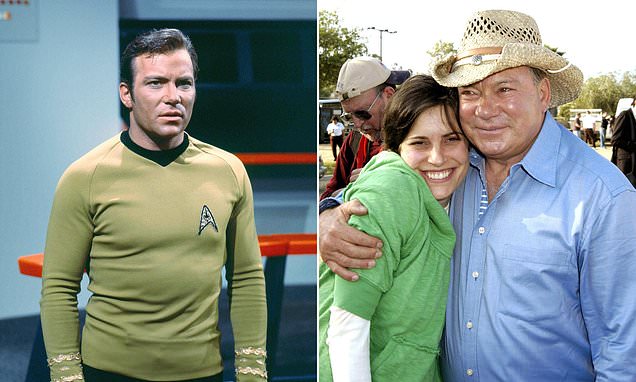

  • William Shatner and Daughter Melanie Face Stage 4 Cancer Simultaneously

    William Shatner and Daughter Melanie Face Stage 4 Cancer Simultaneously

    A Shared Health Crisis: The Shatner Family’s Cancer Battle

    William Shatner, the acclaimed actor celebrated for his portrayal of Captain James T. Kirk in ‘Star Trek,’ and his daughter, Melanie Shatner, reportedly confronted simultaneous diagnoses of stage 4 cancer. This shared health challenge, though not fully detailed publicly, represents a significant and difficult period for the Shatner family. Both individuals were reportedly diagnosed with advanced forms of the disease. Stage 4 cancer signifies that the malignancy has spread from its primary site to distant organs or tissues. This stage often requires aggressive and complex treatment strategies.

    The dual nature of these advanced diagnoses for a father and daughter is an unusual and poignant aspect of the story. Public interest in the health of prominent figures remains high. The Shatner family has navigated their personal health matters under public scrutiny.

    The Dual Diagnoses: An Unfolding Narrative

    The precise timeline of these diagnoses has not been officially disclosed. The specific types of cancer involved also remain unconfirmed publicly. Information regarding the full scope of their medical journeys remains scarce as of July 2026. This lack of detail has fueled public speculation and concern.

    Reports suggest the diagnoses occurred concurrently, presenting a unique and challenging situation for the family. The emotional and physical toll of such a diagnosis, particularly when shared by close family members, can be immense. Support systems, both medical and personal, become critical during these periods of intense health challenges.

    Melanie Shatner: A Career in the Public Eye

    Melanie Shatner, born in 1964, is William Shatner’s daughter from his first marriage to Gloria Rand. She is one of three daughters from that union. Like her father, Melanie Shatner has pursued a career in acting. Her filmography includes various television and film productions.

    Her public profile, while not as extensive as her father’s, has placed her within the public eye for decades. She has appeared in projects such as ‘Star Trek V: The Final Frontier’ (1989), ‘The First Turn-On!’ (1983), and ‘Blood Harvest’ (1987). Her acting career has spanned several decades, connecting her to the entertainment industry.

    Melanie Shatner’s connection to her father’s iconic status has often been noted. She has attended public events alongside him. Her own contributions to acting have established her presence in Hollywood.

    William Shatner: An Enduring Legacy

    William Shatner, at 95 years old in 2026, continues to be a prominent figure in popular culture. His career spans over 70 years, marked by memorable roles and significant cultural impact. His most iconic role remains Captain James T. Kirk in the ‘Star Trek’ franchise, which began in 1966.

    Shatner’s career extends far beyond ‘Star Trek.’ He starred as attorney Denny Crane in the television series ‘Boston Legal’ from 2004 to 2008, earning an Emmy Award for his performance. He has released several music albums, including ‘The Transformed Man’ (1968) and ‘Has Been’ (2004).

    In 2021, Shatner became the oldest person to travel to space. He participated in a suborbital flight aboard Jeff Bezos’ Blue Origin New Shepard spacecraft. This event garnered significant global attention, further cementing his status as a cultural icon. His autobiography, ‘Live Long and…: What I Learned Along the Way,’ was published in 2018.

    His public persona has consistently evolved, from a science fiction hero to a respected dramatic actor and an adventurous nonagenarian. The news of a severe health challenge for both him and his daughter adds a deeply personal dimension to his public life.

    Understanding Stage 4 Cancer

    Stage 4 cancer, also known as metastatic cancer, signifies that the disease has spread from its original site to distant parts of the body. This advanced stage often presents complex medical challenges. Treatment goals for stage 4 cancer may shift from seeking a complete cure to focusing on managing the disease and improving the patient’s quality of life.

    Metastasis occurs when cancer cells break away from the primary tumor. These cells then travel through the bloodstream or lymphatic system to form new tumors in other organs. Common sites for metastasis include the bones, liver, lungs, and brain.

    Treatment Approaches for Advanced Cancer

    Treatment options for stage 4 cancer are highly individualized. They depend on the specific type of cancer, its location, the extent of its spread, and the patient’s overall health. Available treatments can include:

    • Chemotherapy: Uses drugs to kill fast-growing cancer cells throughout the body.
    • Radiation Therapy: Uses high-energy rays to kill cancer cells and shrink tumors.
    • Targeted Therapy: Drugs that specifically target cancer cells with certain genetic mutations, minimizing harm to healthy cells.
    • Immunotherapy: Helps the body’s immune system fight cancer.
    • Surgery: May be used to remove tumors, relieve symptoms, or prevent complications, though less common as a curative option in stage 4.
    • Palliative Care: Focuses on providing relief from the symptoms and stress of a serious illness, improving quality of life for both the patient and their family.

    The specific regimen chosen for William and Melanie Shatner, if any details emerge, would be tailored to their individual conditions. Medical teams would consider various factors to optimize their care and manage their symptoms effectively.

    The Impact of Public Scrutiny

    The health of public figures consistently attracts significant media and public attention. The Shatner family, accustomed to life in the public eye, now navigates a deeply personal health matter under this intense scrutiny. This public interest can add an additional layer of stress to an already challenging situation.

    Celebrities often face a delicate balance between privacy and public transparency regarding personal health issues. Public statements or detailed reports from reputable sources would provide more comprehensive insight into the specific health conditions, treatments, and current well-being of William and Melanie Shatner. The public awaits further information.

    The family endures. The narrative unfolds. The world watches.

    Frequently Asked Questions About William and Melanie Shatner’s Health

    What type of cancer do William and Melanie Shatner have?

    As of July 2026, the specific types of cancer affecting William Shatner and his daughter Melanie Shatner have not been officially disclosed to the public. Reports indicate both are battling stage 4 cancer, meaning the disease has spread from its primary site.

    What does stage 4 cancer mean?

    Stage 4 cancer, also known as metastatic cancer, is the most advanced stage of the disease. It means the cancer has spread from where it started to distant parts of the body, such as other organs or bones. Treatment at this stage often focuses on managing the disease and improving quality of life.

    How old are William and Melanie Shatner in 2026?

    William Shatner is 95 years old in 2026. His daughter, Melanie Shatner, born in 1964, is 61 years old in 2026.

    Has William Shatner commented on his and his daughter’s health?

    Public information regarding specific comments from William Shatner or his family about their simultaneous stage 4 cancer diagnoses remains limited as of July 2026. The family has largely maintained privacy regarding the details of their medical journeys.

    What is Melanie Shatner known for?

    Melanie Shatner is an actress, known for her roles in films such as ‘Star Trek V: The Final Frontier’ (1989), ‘The First Turn-On!’ (1983), and ‘Blood Harvest’ (1987). She is the daughter of William Shatner from his first marriage to Gloria Rand.