Tag: Business

  • StubHub CEO Faces Lawsuit Over Alleged Ticket Scalping Hedge Fund Ownership

    StubHub CEO Faces Lawsuit Over Alleged Ticket Scalping Hedge Fund Ownership

    StubHub’s CEO is facing a significant lawsuit alleging direct ownership and active involvement in a ticket scalping hedge fund. This legal challenge, emerging in mid-July 2026, has thrust the executive and the prominent secondary ticketing platform into a controversy concerning market manipulation and ethical business conduct.

    The allegations suggest a profound conflict of interest. A leader of a platform facilitating ticket resale is accused of simultaneously profiting from practices that inflate ticket prices through speculative purchasing and reselling.

    The Nature of the Allegations

    The lawsuit centers on the premise that the CEO’s personal financial interests are directly tied to a hedge fund engaged in ticket scalping. This fund reportedly acquires large blocks of tickets for high-demand events, then resells them at significantly marked-up prices.

    Such practices are commonly associated with ‘scalping,’ a term describing the reselling of tickets for profit, often drawing criticism for making events inaccessible to general consumers at face value.

    For a CEO of a major secondary ticket marketplace to be implicated in such an operation raises serious questions about the fairness and transparency of the entire system. It implies a potential internal advantage or privileged information being used for personal gain.

    Impact on Consumer Trust and Market Integrity

    The news has generated strong negative reactions from consumers. Many feel betrayed, believing that the platforms they use to buy and sell tickets should act as neutral facilitators, not as entities that might secretly benefit from price gouging.

    Ticket prices have been a long-standing point of contention for event-goers. The perception that a major player’s CEO is directly involved in practices that exacerbate these issues could severely erode public trust in StubHub and similar services.

    Industry analysts suggest that this lawsuit could trigger broader scrutiny of the secondary ticket market. Regulators and consumer advocacy groups may intensify their focus on the financial structures and executive holdings within these companies.

    Legal Ramifications and Potential Outcomes

    Details of the lawsuit, including the specific plaintiffs and the exact legal claims, are still emerging. However, such cases typically involve allegations of unfair business practices, breach of fiduciary duty, and potentially market manipulation.

    If the allegations are proven true, the consequences for StubHub’s CEO could be severe, ranging from substantial financial penalties to significant damage to personal and professional reputation. The company itself could face class-action lawsuits, regulatory fines, and a considerable loss of market share.

    The legal battle is expected to be complex, involving extensive discovery into financial records, corporate governance, and the operational links between the CEO, StubHub, and the alleged hedge fund. The outcome could set new legal precedents for executive accountability in digital marketplaces.

    The Broader Context of Ticket Scalping

    Ticket scalping has been a contentious issue for decades, evolving with technology from street corners to sophisticated online operations. The advent of digital platforms like StubHub was initially seen by some as a way to legitimize and regulate the secondary market.

    However, critics argue that these platforms, while providing a legitimate resale avenue, also enable and sometimes amplify scalping by providing infrastructure for rapid, large-scale transactions.

    The alleged involvement of a CEO from a major platform in a scalping hedge fund blurs the lines between legitimate secondary market operations and predatory pricing strategies. It highlights the ongoing tension between profit motives and consumer access to live events.

    Technological Facilitators

    Modern ticket scalping often leverages advanced technology. Bots are used to rapidly purchase tickets the moment they go on sale, often before human buyers have a chance.

    These tickets are then quickly listed on secondary markets at inflated prices. The alleged hedge fund likely employs similar technological advantages to maximize its profits.

    The lawsuit may shed light on how these technological tools are deployed and whether there are any internal advantages that could have been exploited by an executive with intimate knowledge of the ticketing ecosystem.

    Industry Response and Future Outlook

    Other players in the ticketing industry are likely observing this situation closely. Competitors may seek to distance themselves from such practices, emphasizing their own commitment to fair play and consumer protection.

    The incident could accelerate calls for stricter regulations on ticket resale markets globally. Lawmakers have previously debated legislation aimed at curbing scalping, and this lawsuit may provide new impetus for such efforts.

    For consumers, the immediate impact could be increased skepticism about ticket prices and the platforms used to purchase them. There may be a shift towards more direct primary market purchases or a preference for platforms with demonstrably transparent business models.

    The Road Ahead for StubHub

    StubHub faces a significant challenge in managing the fallout from these allegations. The company’s public relations team will likely work to reassure customers and partners of its commitment to ethical standards and market integrity.

    Internally, the organization may need to review its corporate governance policies, executive oversight, and internal controls to prevent future conflicts of interest. The lawsuit could trigger a reevaluation of the company’s entire operational philosophy.

    The long-term success of StubHub, and indeed the entire secondary ticketing industry, hinges on maintaining public trust. Allegations of executive involvement in scalping directly undermine this critical foundation.

    Legal Precedent and Market Regulation

    This lawsuit has the potential to establish important legal precedents regarding executive responsibility in the digital economy. It could define new boundaries for what constitutes an acceptable conflict of interest for leaders of marketplace platforms.

    The case may also influence future regulatory frameworks for the live events industry, pushing for more stringent rules on ticket allocation, resale pricing, and the transparency of secondary market operations.

    Consumer advocates are expected to closely monitor the proceedings, using any insights gained to press for greater protections for ticket buyers. The outcome could empower consumers with more rights and safeguards against predatory pricing.

    The Call for Transparency

    The core demand emerging from this controversy is for greater transparency. Consumers want to know that the prices they pay are a result of genuine market demand, not artificial inflation driven by those who stand to profit from both sides of the transaction.

    The lawsuit underscores the complex ethical landscape of modern digital commerce, where the lines between platform operator, market participant, and investor can become increasingly blurred. This blurring often comes at the expense of the end consumer.

    The legal system will now weigh these allegations. The public awaits the facts. The industry prepares for potential change.

    Consumers demand fairness. Regulators seek clarity. Executives face scrutiny.

    Accountability.

  • Banijay and All3Media Complete Merger, A New $8BN Entertainment Giant

    Banijay and All3Media Complete Merger, A New $8BN Entertainment Giant

    Banijay and All3Media officially completed their merger in July 2026, creating an $8 billion production and distribution giant that significantly reshapes the global entertainment industry. This consolidation brings together two major players, forming one of the largest independent content powerhouses worldwide.

    The deal impacts the landscape of television production, content rights, and distribution strategies. It signals a continued trend of aggregation within the media sector, driven by the demand for scale and diversified intellectual property portfolios.

    The Road to Consolidation

    Discussions regarding a potential merger between Banijay and All3Media had been ongoing for an extended period. Industry analysts tracked the negotiations closely, recognizing the transformative potential of such a union. Regulatory approvals were a critical hurdle, requiring scrutiny from various international bodies to ensure fair competition.

    The finalization in July 2026 marks the culmination of these efforts. It solidifies a strategic vision to create a dominant force capable of competing with major studios and streaming platforms.

    Strategic Drivers Behind the Merger

    Several key factors propelled the merger forward. The global demand for original content continues to escalate, fueled by the proliferation of streaming services and diverse broadcast platforms. Scale in production and distribution offers significant advantages in this environment.

    A larger entity can command better negotiating power for content licensing. It can also optimize resources across a broader portfolio of productions. The ability to cross-pollinate formats and intellectual property across different territories becomes more robust.

    An $8 Billion Entertainment Powerhouse

    The combined valuation of the merged entity stands at $8 billion. This figure underscores the immense asset base and revenue-generating potential of the new company. It reflects the value of extensive content libraries, global production infrastructure, and established distribution networks.

    This financial scale positions the merged company as a formidable player. It can invest in high-budget productions and acquire new intellectual property more aggressively.

    Portfolio of Productions and Formats

    Banijay is known for a vast catalog of reality television, including global hits like MasterChef, Big Brother, and Survivor. All3Media brings a strong roster of scripted dramas, factual programming, and formats such as Gogglebox and Fleabag. The combined portfolio is exceptionally diverse.

    This breadth of content spans multiple genres and caters to a wide range of international audiences. The synergy between their offerings creates opportunities for new co-productions and format adaptations.

    Impact on the Global Entertainment Industry

    The completion of this merger sends ripples across the entire entertainment industry. Competitors will face a more consolidated and powerful entity. Content buyers, including broadcasters and streaming services, will engage with a supplier that offers unparalleled breadth and depth.

    Independent production companies may find increased competition for talent and commissions. However, the larger entity might also seek out strategic partnerships with smaller, innovative creators.

    Consolidation Trends in Media

    This merger is part of a broader trend of consolidation observed in the media and entertainment sectors over the past decade. Companies are seeking scale to navigate a rapidly evolving market. The rise of global streaming platforms has intensified competition for audience attention and content ownership.

    Mergers and acquisitions allow companies to achieve greater efficiencies. They can also diversify revenue streams and expand their geographical reach. This strategic move by Banijay and All3Media aligns with this overarching industry dynamic.

    Challenges and Opportunities Ahead

    Integrating two large companies presents inherent challenges. Cultural differences between organizations, operational redundancies, and the harmonization of business processes require careful management. The success of the merger will depend on effective post-merger integration strategies.

    However, the opportunities are substantial. The combined entity can leverage its increased scale to innovate in content creation. It can explore new distribution channels and expand into emerging markets. The $8 billion valuation provides a strong foundation for future growth and strategic investments.

    Future of Content Creation and Distribution

    The new production-distribution giant will play a significant role in shaping the future of content. Its extensive reach and diverse catalog will influence what audiences watch globally. The focus will likely be on developing new, compelling intellectual property that can travel across borders and platforms.

    The emphasis on both production and distribution capabilities positions the company for end-to-end control over its content. This vertical integration can lead to greater profitability and strategic flexibility in a competitive market.

    The Competitive Landscape

    The merger creates a new top-tier competitor in the independent production and distribution space. Other large independent players will need to adapt their strategies. Major studios, which often have their own production arms, will also monitor the new entity’s moves.

    The battle for talent, compelling stories, and audience engagement will intensify. This newly formed giant has the resources to attract leading creators and invest in high-quality productions. The industry watches to see how this new power dynamic unfolds.

    The global entertainment industry witnessed a significant transformation. Two major players joined forces. An $8 billion entity emerged. Content creation, distribution, and competition will never be the same. The future of entertainment is being rewritten.

    Globally.

  • Country Opener Claims Tour Removal Over ‘Satanic Imagery’

    Country Opener Claims Tour Removal Over ‘Satanic Imagery’

    A country music opening act has reportedly been removed from an upcoming tour with a prominent headliner. The dismissal, according to the opening act, was directly related to concerns over ‘Satanic imagery’ present in their stage show or artistic aesthetic. This incident immediately brings into focus the complex interplay between artistic expression, religious sensibilities, and commercial considerations within the country music industry.

    The situation underscores a recurring tension. Artists often push creative boundaries. Industry stakeholders and fan bases, particularly in genres with strong traditional roots, sometimes react with apprehension. This specific event adds a new chapter to the ongoing dialogue about where artistic freedom ends and perceived offense begins.

    Allegations of ‘Satanic Imagery’ Spark Controversy

    The core of the dispute centers on the opening act’s claim that their performance elements were labeled ‘Satanic.’ While specific details of the imagery remain undisclosed in initial reports, the accusation itself carries significant weight. Such a label can be particularly inflammatory within the country music genre, which often maintains strong ties to conservative and religious demographics.

    The perception of ‘Satanic imagery’ can vary widely. For some, it might involve overt symbols or themes. For others, it could be interpreted from darker aesthetics, lyrical content, or even abstract performance art. The subjective nature of such interpretations often fuels these controversies, making clear-cut definitions difficult to establish.

    Country Music’s Cultural Context

    Country music has historically been associated with themes of faith, family, and traditional American values. Its audience often includes a significant percentage of individuals who hold strong religious beliefs. This cultural landscape creates a unique environment where certain artistic expressions can be met with heightened scrutiny.

    An act perceived as incorporating ‘Satanic imagery’ could be seen as directly challenging these foundational values. This perception can lead to a rapid erosion of support from both the audience and potentially the industry. The incident reflects a clash between evolving artistic trends and established cultural expectations within the genre.

    Artistic Freedom Versus Commercial Reality

    Artists frequently employ symbolism and provocative themes to explore complex ideas or to cultivate a distinct brand. For the opening act, the imagery in question may be an integral part of their artistic identity, intended to evoke specific moods or messages rather than to promote any literal ‘Satanic’ agenda. Many artists view their work as a reflection of their creative vision, independent of external interpretations.

    However, the music industry operates within commercial realities. Tours are significant financial undertakings. Headliners and promoters aim to ensure a cohesive brand experience and avoid controversies that could alienate their fan base or jeopardize ticket sales and sponsorships. The decision to remove an act, therefore, often balances artistic considerations with business imperatives.

    The Headliner’s Perspective and Brand Protection

    While the opening act’s perspective is central to the controversy, the headliner’s position is also critical. A headliner’s brand is meticulously built over years. It encompasses their music, their public image, and the values they are perceived to represent. Any element of a tour, including opening acts, is generally expected to align with or at least not detract from this established brand.

    Concerns over ‘Satanic imagery’ could lead to significant backlash from a headliner’s audience. This backlash might manifest as boycotts, negative social media campaigns, or reduced concert attendance. For tour organizers, mitigating such risks becomes a priority. The removal of an opening act, in this context, can be framed as a strategic decision to protect the overall tour and the headliner’s reputation.

    Historical Parallels: Music and Moral Panics

    The history of music is replete with instances of moral panics and accusations of ‘Satanic’ or otherwise objectionable content. In the 1970s and 1980s, rock and heavy metal bands frequently faced protests and censorship efforts from religious and conservative groups. Artists like Ozzy Osbourne and Judas Priest were targeted with accusations of promoting occultism and influencing young listeners negatively.

    The Parents Music Resource Center (PMRC), founded in 1985 by figures including Tipper Gore, spearheaded a campaign against explicit lyrics. This led to the implementation of parental advisory labels on albums. While the specific targets and concerns have evolved, the underlying dynamic of perceived moral guardians challenging artistic expression remains a constant in cultural discourse. Each generation witnesses its own version of this conflict.

    The Role of Interpretation and Perception

    What one person perceives as benign artistic expression, another might interpret as deeply offensive or even dangerous. This divergence in interpretation is often at the heart of such disputes. The cultural and religious backgrounds of individuals heavily influence how they decode symbols and messages in art.

    For some, ‘Satanic imagery’ might be seen as a metaphorical exploration of darkness or rebellion. For others, it is a literal endorsement of evil. The entertainment industry navigates this complex landscape, often having to make decisions based on the broadest possible audience perception rather than the artist’s specific intent.

    Impact on the Opening Act’s Career Trajectory

    For the opening act, removal from a high-profile tour can have significant career repercussions. Such tours are invaluable opportunities for exposure, fan acquisition, and networking within the industry. Losing this platform can set back a developing artist’s career, impacting their visibility and potential for future engagements.

    The controversy itself can be a double-edged sword. While it generates headlines and discussion, it can also pigeonhole the artist or alienate potential fans and industry partners. Some artists embrace the controversy, using it to solidify a rebellious image and attract a niche audience that values their defiance. Others may find themselves struggling to overcome the negative perception generated by such claims.

    The Broader Debate on Artistic Freedom

    The incident reignites the perennial debate surrounding artistic freedom. While artists generally claim the right to express themselves without censorship, this right in a commercial context is often balanced against the rights and expectations of venues, promoters, and audiences. The line between creative expression and commercial viability can be thin and often contested.

    This situation prompts questions about the responsibilities of artists to their audience and the responsibilities of the industry to foster diverse artistic voices. It forces a discussion on whether a commercial entity has the right to dictate or censor an artist’s expression for the sake of brand protection or audience comfort. These are not new questions, but they are continuously re-evaluated with each new cultural flashpoint.

    Social Media’s Amplifying Effect

    In the present digital age, such disputes are rarely confined to private discussions. Social media platforms provide artists, fans, and critics immediate avenues to voice their opinions, share information, and mobilize support or opposition. The opening act’s decision to publicly disclose the reason for their removal is a strategic use of these platforms.

    Online discourse can quickly amplify the controversy, drawing national attention and shaping public perception. This can put immense pressure on all parties involved, potentially influencing outcomes that might have otherwise remained private. The speed and reach of social media ensure that these cultural clashes play out in a very public arena.

    Future Implications for Industry Practices

    This event may lead to increased scrutiny of opening acts and their stage presentations during the booking process. Tour contracts might become more explicit, outlining acceptable themes, imagery, or performance elements. Artists may be required to provide more detailed descriptions or even video footage of their live shows in advance.

    Conversely, the incident could embolden artists to maintain their creative integrity, even in the face of commercial pressure. It might also encourage a segment of the audience to seek out and support artists who challenge conventions. The long-term effects will depend on how the industry, artists, and audiences react to this and similar future controversies.

    Artists create. Industries promote. Audiences consume. Values collide.

    Music.

  • Brittany Schaffer Named New CEO of Country Music Association

    Brittany Schaffer Named New CEO of Country Music Association

    Brittany Schaffer has been named the new Chief Executive Officer of the Country Music Association (CMA). This appointment positions Schaffer at the helm of the leading trade organization for the country music industry. She succeeds Sarah Trahern, who previously served as CEO.

    The transition underscores a commitment to sustained growth and strategic leadership within the genre. The CMA’s role involves promoting country music globally and supporting its artists, songwriters, and business professionals.

    A New Chapter for CMA Leadership

    The Country Music Association announced the leadership change on July 8, 2026. The decision followed an extensive search process, identifying Schaffer as the ideal candidate to guide the organization forward. Her background in the music industry has been cited as a key factor in her selection.

    Schaffer will join the organization on Sept. 8 as part of a strategic transition plan and will officially assume the CEO role on Jan. 1, 2027. She assumes responsibilities previously managed by Sarah Trahern. Trahern’s departure concludes a significant chapter in the CMA’s history.

    The Legacy of Sarah Trahern

    Sarah Trahern’s tenure as CEO of the CMA began in 2014. During her leadership, the organization experienced notable developments. These included expanded international initiatives and adaptations to evolving music consumption trends.

    Trahern oversaw the growth of flagship events like the CMA Awards and CMA Fest. She also navigated the industry through periods of significant technological change. Her focus often centered on broadening country music’s appeal and ensuring its relevance in a global market.

    Under Trahern, the CMA also addressed issues of diversity and inclusion within the genre. Her efforts aimed to foster a more representative and equitable industry landscape. She is credited with modernizing many of the CMA’s operational frameworks.

    Brittany Schaffer’s Industry Background

    Brittany Schaffer brings a diverse and extensive background to her new role. Her career has spanned various facets of the music business. This includes experience in legal, management, and executive positions.

    Prior to joining the CMA, Schaffer held prominent roles at major music companies. These positions provided her with a comprehensive understanding of artist development, marketing, and distribution strategies.

    Previous Roles and Contributions

    Schaffer’s career trajectory includes work in artist representation. She has been involved in negotiating significant deals for country music artists. Her legal background provided a foundation for understanding complex industry contracts and intellectual property.

    She has also held executive roles focusing on business development and strategic partnerships. These experiences honed her ability to forge collaborations and identify new revenue streams. Her expertise extends to digital platforms and emerging technologies within music.

    Her work often involved advocating for artists’ rights and fair compensation. This advocacy aligns with the CMA’s mission to support the country music community. Schaffer’s appointment is seen as a move to leverage her broad industry knowledge.

    The CMA’s Mission and Future Direction

    The Country Music Association was founded in 1958. It was the first trade organization formed to promote a specific genre of music. Its core mission remains to advance country music around the world.

    The CMA achieves this through various initiatives. These include educational programs, industry research, and philanthropic efforts. The organization also produces major awards shows and festivals.

    Key Strategic Priorities

    Under Schaffer’s leadership, the CMA is expected to continue its focus on global expansion. Country music has seen increasing international interest. The organization aims to capitalize on this trend.

    Another priority will likely be engaging with new technologies. Digital streaming and social media platforms are crucial for artist discovery and fan engagement. The CMA will seek to optimize these channels for country music.

    Diversity and inclusion will also remain central to the CMA’s agenda. Efforts to support artists from underrepresented groups are ongoing. The goal is to ensure the genre reflects a broad range of voices and experiences.

    Impact on the Country Music Industry

    The appointment of Brittany Schaffer is anticipated to have a positive impact on the country music industry. Her leadership is expected to bring fresh perspectives while maintaining the CMA’s foundational values.

    Industry stakeholders, including artists, record labels, and publishers, will look to Schaffer for guidance. Her role involves fostering collaboration across these various segments. The aim is to strengthen the overall ecosystem of country music.

    Challenges and Opportunities

    Schaffer will face both challenges and opportunities in her new role. The evolving landscape of music consumption presents a constant need for adaptation. Competition from other genres also requires strategic positioning.

    Opportunities include leveraging country music’s loyal fanbase. Expanding into new markets, both domestically and internationally, offers significant growth potential. The integration of new media formats also provides avenues for innovation.

    The CMA’s leadership plays a critical role in shaping the genre’s future. Schaffer’s vision will influence how country music artists connect with audiences. It will also impact how industry professionals navigate a dynamic marketplace.

    Historical Context of CMA Leadership

    The CMA has a history of strong leadership since its inception. Previous CEOs have each contributed to the organization’s evolution. Their tenures often coincided with significant periods in country music history.

    From its early days, the CMA worked to legitimize country music as a mainstream genre. It sought to elevate its cultural standing and economic impact. The organization’s efforts helped establish Nashville as a global music hub.

    Evolution of the Organization

    In the 1960s and 1970s, the CMA focused on broadcast media. It worked closely with radio stations and television networks to promote country artists. The CMA Awards became a nationally televised event, increasing the genre’s visibility.

    The 1980s and 1990s saw an expansion into international markets. The CMA began organizing events and partnerships abroad. This laid the groundwork for country music’s global appeal today.

    The 2000s and 2010s brought the digital revolution. The CMA adapted its strategies to include online platforms and streaming services. It invested in digital marketing and analytics to understand fan behavior.

    Each leader has built upon the work of their predecessors. The CMA’s continuous adaptation has been key to its enduring influence. Brittany Schaffer now takes on this legacy, tasked with guiding the association into its next phase of growth and relevance.

    The country music industry observes this leadership transition with interest. The future of its premier trade organization rests on Schaffer’s strategic direction. Her appointment signals a fresh perspective.

    A new era begins. New challenges. New opportunities. Nashville.

  • Jermaine Dupri Sues Sony Music for $18 Million Over Unpaid Royalties

    Jermaine Dupri Sues Sony Music for $18 Million Over Unpaid Royalties

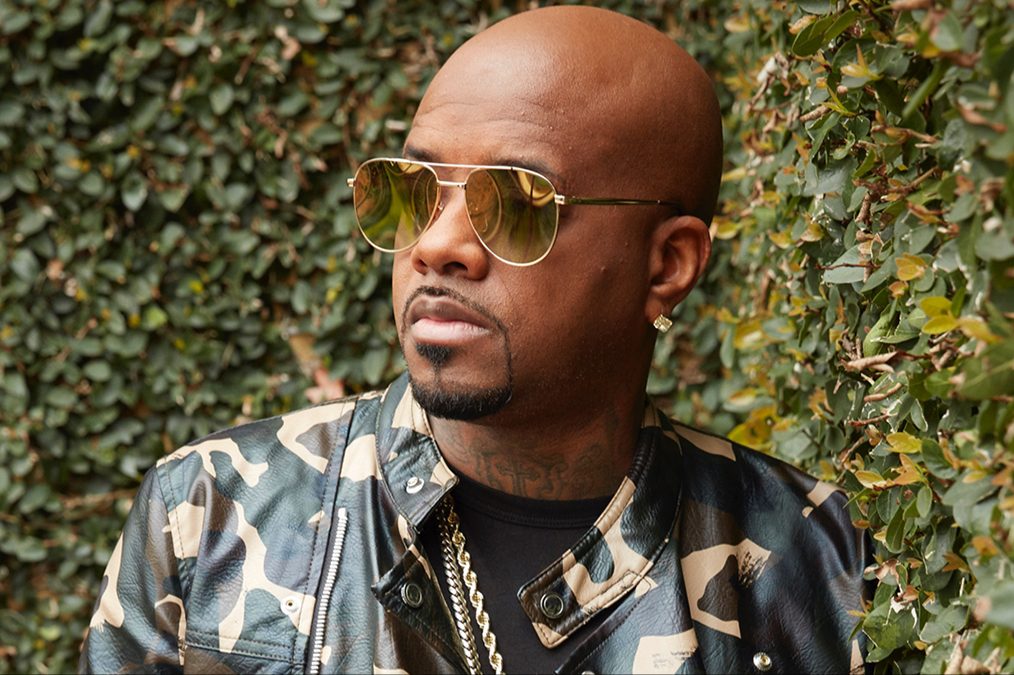
    Jermaine Dupri, the Grammy Award-winning producer and songwriter, has filed an $18 million lawsuit against Sony Music. The legal action, reported on July 7, 2026, centers on claims of unpaid royalties stemming from his extensive catalog of work with prominent artists, including global superstars Mariah Carey and Usher. This dispute brings to light persistent issues surrounding artist and producer compensation within the major record label system.

    The lawsuit was filed in a United States district court. Specific details of the filing were not immediately made public. Industry observers anticipate a protracted legal battle over contract interpretation and accounting practices.

    The Core of the Dispute: Unpaid Royalties

    The legal complaint from Jermaine Dupri alleges that Sony Music has withheld a substantial amount of royalties. These royalties are reportedly due from his contributions to numerous hit songs and albums. Dupri’s career spans decades, marked by significant creative and commercial success.

    His work with Mariah Carey includes co-writing and producing tracks like “We Belong Together” and “Always Be My Baby.” These songs achieved immense commercial success globally. Dupri also played a pivotal role in Usher’s career, producing chart-topping hits such as “Burn” and “Confessions Part II.”

    The suit claims that despite the commercial success of these records, Dupri has not received his contractually obligated share of earnings. This includes royalties from various revenue streams, such as physical sales, digital downloads, streaming, and licensing.

    A History of Collaboration and Success

    Jermaine Dupri’s relationship with Sony Music and its various imprints has been long-standing. He founded So So Def Recordings in 1993, an imprint distributed by Columbia Records, a subsidiary of Sony Music.

    Through So So Def, Dupri discovered and cultivated talent. Artists like Kris Kross, Xscape, and Bow Wow achieved multi-platinum success under his guidance. His production credits extend beyond his own label roster, encompassing a wide array of artists across different Sony-affiliated labels.

    His collaboration with Mariah Carey intensified in the mid-1990s. Dupri was instrumental in her career resurgence in the 2000s, particularly with her critically acclaimed and commercially successful album The Emancipation of Mimi (2005). This album featured several Dupri productions, including the record-breaking single “We Belong Together.”

    Similarly, Dupri’s work with Usher proved transformational. The album Confessions (2004), largely produced by Dupri and his team, became one of the best-selling albums of the 21st century. It solidified Usher’s status as a global R&B icon.

    Industry Precedent and Producer Rights

    This lawsuit is not an isolated incident within the music industry. Disputes over royalty payments between artists, producers, and labels are common. Many creators allege opaque accounting practices and unfair contractual terms.

    Producers, in particular, often face challenges in securing their due compensation. Their contributions are fundamental to a song’s success. However, their royalty structures can be complex and sometimes less favorable than those of the primary recording artist.

    In recent years, there has been a growing movement among producers and songwriters to advocate for greater transparency and fairer terms. Organizations like the Recording Academy have initiated discussions on these issues. The goal is to ensure creators are properly compensated for their intellectual property.

    The digital age has further complicated royalty calculations. Streaming services, while expanding global reach, have introduced new revenue models. These models require complex allocation of royalties to numerous rights holders.

    The Financial Implications

    The $18 million figure cited in Dupri’s lawsuit represents a substantial claim. It reflects the potential magnitude of alleged underpayments over an extended period. This amount could encompass years of back royalties, interest, and potentially damages.

    For Sony Music, a major player in the global music industry, such a lawsuit carries reputational and financial risks. While multi-million dollar lawsuits are not uncommon for large corporations, this case involves a highly respected and influential producer. His public challenge could encourage other creators to scrutinize their own royalty statements.

    The outcome of this case could set a precedent. It might influence how major labels structure their agreements with producers and artists in the future. It could also lead to increased scrutiny of accounting practices across the industry.

    What Happens Next?

    Following the filing of the lawsuit, Sony Music will likely be served with the legal documents. The company will then have a period to respond to the allegations. This response could involve denying the claims, filing counter-claims, or seeking a settlement.

    Legal proceedings in such cases can be lengthy. They often involve extensive discovery, where both parties exchange information and evidence. Negotiations for an out-of-court settlement are also common. These negotiations aim to avoid the costs and uncertainties of a full trial.

    As of July 7, 2026, Sony Music has not issued a public statement regarding the lawsuit. The music industry will be closely watching the developments of this high-profile case. It highlights the ongoing struggle for equitable compensation in the creative economy.

    The Broader Impact on Music Rights

    This legal action by Jermaine Dupri is part of a larger narrative within the music industry. Creators are increasingly asserting their rights and challenging established norms. The digital transformation of music distribution has shifted power dynamics. Artists and producers now have more tools to track their consumption and revenue.

    The push for greater transparency is a consistent theme. Many artists feel that the complex nature of royalty statements makes it difficult to verify payments. Legal actions like Dupri’s aim to simplify these processes and hold labels accountable.

    Furthermore, the value of catalog music has surged in recent years. Older hits, like those produced by Dupri, continue to generate significant revenue through streaming and sync licensing. Ensuring fair compensation for these evergreen assets is a critical concern for creators.

    The dispute also touches upon the concept of intellectual property ownership. Producers often contribute significantly to the creative and commercial value of a musical work. Their rights to a fair share of the proceeds are central to these legal battles.

    Artists challenged. Producers challenged. Labels challenged. Accountability.

  • Kane Brown: The Industry Outsider – Why Nashville Friendships Remain Elusive

    Kane Brown: The Industry Outsider – Why Nashville Friendships Remain Elusive

    Kane Brown and the Nashville Social Landscape

    Kane Brown, a leading figure in contemporary country music, stated in 2026 that he does not have close friendships within the country music industry. This public acknowledgment from Brown offers a rare glimpse into the social dynamics of Nashville’s music scene, suggesting a professional environment where deep personal bonds can be challenging to cultivate, even for artists who achieve significant commercial success.

    Brown’s career has seen a rapid ascent, marked by numerous hit singles, platinum albums, and sold-out tours. Despite this widespread recognition and collaboration with various artists, his recent comments indicate a level of social distance from his peers in the genre. This perspective contrasts with the common perception of Nashville as a tight-knit community, often depicted as a supportive network of musicians and songwriters.

    The Nature of Industry Relationships

    The music industry, particularly country music centered in Nashville, Tennessee, is a complex ecosystem. It involves a delicate balance of artistic collaboration, intense competition, and strategic networking. Artists frequently work together on songs, tours, and media appearances, fostering professional relationships that are essential for career advancement.

    These interactions, while often cordial and productive, do not always translate into genuine personal friendships. The high stakes of the entertainment business can create an environment where professional interests take precedence. Every collaboration, every shared stage, and every public endorsement carries implications for brand, market share, and public perception.

    Competition and Professional Distance

    The competitive nature of country music contributes significantly to the formation of professional distance. Artists vie for radio airplay, chart positions, award nominations, and fan attention. This constant competition can make it difficult for genuine camaraderie to flourish, as success for one artist might be perceived as a challenge to another.

    Brown’s experience is not unique. Throughout the history of country music, various artists have spoken about the challenges of forming lasting friendships within the industry. The demanding schedules of touring, recording, and promotion also limit opportunities for artists to spend casual time together, which is often crucial for developing deeper personal connections.

    The Role of Collaborations

    Kane Brown has engaged in numerous high-profile collaborations throughout his career. These include partnerships with artists from various genres, such as Marshmello on “One Thing Right” and Khalid on “Saturday Nights” (Remix). Within country music, he has worked with artists like Lauren Alaina on “What Ifs” and Chris Young on “Famous Friends.”

    These collaborations are often seen as strategic moves, designed to expand an artist’s audience and musical reach. While they require a degree of professional rapport and mutual respect, they do not necessarily signify a deep personal friendship. The focus remains on the creative output and commercial potential of the joint project.

    Nashville’s Social Circles

    Nashville’s country music scene is often characterized by various social circles. These circles can be based on record labels, management teams, songwriting camps, or even shared musical influences. Artists often find their closest connections within their immediate teams, band members, producers, and managers, who share the daily grind and personal sacrifices of a music career.

    For artists like Brown, who have achieved mainstream success and crossed over into pop territories, their social circles might extend beyond traditional country music boundaries. This diversification can further separate them from the more insular social dynamics of the Nashville country establishment, leading to a feeling of being an outsider.

    The Evolution of Country Music Identity

    Kane Brown’s music frequently blends elements of country, R&B, pop, and hip-hop. This genre-bending approach has broadened his appeal but has also placed him somewhat outside the traditional definitions of country music. Artists who challenge genre conventions sometimes face a different set of social dynamics within the established industry structure.

    The traditional country music community has historically been very protective of its identity and sound. While this has evolved significantly, artists who push boundaries may find themselves navigating a different social landscape than those who adhere more closely to established norms. Brown’s comments resonate with a broader discussion about the evolving identity of country music and who belongs within its inner circles.

    Public Perception vs. Reality

    The public often perceives the country music industry as a large, supportive family. This image is frequently reinforced by televised award shows and charity events where artists appear together, smiling and embracing. However, the reality behind the scenes can be far more complex, driven by business imperatives and individual career aspirations.

    Brown’s candidness serves to demystify some of these public perceptions. His statement suggests that while professional courtesy and occasional collaboration are common, deep, personal friendships are not a given. This distinction between professional collegiality and genuine personal connection is crucial for understanding the social fabric of any competitive industry.

    The Impact on Artists

    For artists, a lack of close industry friendships can lead to feelings of isolation, despite being surrounded by people. The pressures of fame, constant travel, and public scrutiny can be immense. Having a strong personal support system, whether inside or outside the industry, is often vital for mental well-being.

    Brown’s statement does not necessarily imply a negative experience but rather a realistic assessment of his social landscape within country music. It highlights the importance for artists to cultivate support networks that extend beyond their professional sphere, finding genuine connections in their personal lives or with those who understand the unique challenges of their career.

    Looking Ahead

    The discussion initiated by Kane Brown’s comments will likely continue to evolve. As the country music industry itself changes, with new artists, sounds, and business models emerging, the social dynamics within Nashville will also adapt. The balance between collaboration and competition, and between professional relationships and personal friendships, remains a perennial challenge for artists navigating this demanding world.

    Artists rise. Stars shine. Careers are built. Connections are made. Friendships, however, remain a choice.

    Nashville.

    FAQ

    • Does Kane Brown have friends in the country music industry?
      Kane Brown stated in 2026 that he does not have close friendships within the country music industry, indicating a professional rather than personal relationship with many of his peers.
    • Why do some artists struggle to form friendships in country music?
      Artists may struggle to form close friendships in country music due to intense competition for airplay and awards, demanding touring and recording schedules, and the strategic nature of industry collaborations.
    • What are the social dynamics like in the Nashville music scene?
      The Nashville music scene is characterized by a mix of professional collaboration and competition, with artists often forming strong bonds within their immediate teams but finding broader industry friendships more challenging to cultivate.
    • Has Kane Brown collaborated with other country artists?
      Yes, Kane Brown has collaborated with several country artists, including Lauren Alaina and Chris Young, in addition to artists from other genres, demonstrating professional working relationships within the industry.
    • What does Kane Brown’s statement reveal about the country music industry?
      Kane Brown’s statement reveals that despite public perceptions of a close-knit community, the country music industry can be a highly professional and competitive environment where deep personal friendships among peers are not always a given.

  • Saks Exits Bankruptcy – A $500M Luxury Pivot for the Iconic Retailer

    Saks Exits Bankruptcy – A $500M Luxury Pivot for the Iconic Retailer

    The Turnaround: Saks Exits Bankruptcy

    Saks Fifth Avenue, a prominent name in luxury retail, has officially emerged from bankruptcy protection as of 2026. This significant development follows a period of financial restructuring and strategic re-evaluation. The retailer announced a substantial infusion of $500 million in new financing, a critical component of its plan for future stability and growth.

    This financial injection is paired with a strategic pivot. Saks intends to refine its business model, placing an intensified focus on the high-end luxury market segment. This decision marks a deliberate effort to distinguish the brand and cater more specifically to affluent consumers.

    The Road to Restructuring: Financial Challenges and Solutions

    The journey to bankruptcy exit for Saks was complex, rooted in several years of shifting retail dynamics and increasing competition. Like many traditional department stores, Saks faced headwinds from the rise of e-commerce, changing consumer preferences, and the economic impacts of recent global events.

    The company initially filed for bankruptcy protection to address its debt obligations and streamline operations. This legal process allowed Saks to renegotiate terms with creditors, shed unprofitable assets, and develop a viable path forward. The $500 million in new financing was secured from a consortium of investors, underscoring confidence in the brand’s potential for recovery and its strategic direction.

    Investment and Support

    Key financial institutions and private equity firms participated in the financing round. Their commitment provides Saks with the necessary capital to invest in inventory, enhance its digital presence, and upgrade its physical store experiences. This investment is crucial for supporting the brand’s luxury pivot and operational improvements.

    Operational Efficiencies

    During its bankruptcy proceedings, Saks undertook several initiatives to improve operational efficiency. These included optimizing its supply chain, re-evaluating its store footprint, and implementing cost-saving measures across various departments. These internal adjustments were designed to create a leaner, more agile organization capable of responding quickly to market changes.

    The Luxury Pivot: A New Direction for Saks

    The core of Saks’ post-bankruptcy strategy is a pronounced shift towards an exclusive luxury focus. This pivot is not merely an adjustment but a fundamental redefinition of the brand’s market positioning. The company aims to curate an even more elevated assortment of high-end fashion, accessories, and beauty products.

    This strategy involves strengthening relationships with top-tier luxury brands and designers. Saks plans to offer exclusive collections, personalized shopping experiences, and enhanced customer service tailored to the discerning luxury consumer. The goal is to solidify its reputation as a premier destination for high-end goods.

    Enhanced Customer Experience

    Part of the luxury pivot includes a significant investment in the customer experience, both online and in-store. This means revamping store layouts, offering more personalized styling services, and integrating advanced technology to create seamless shopping journeys. The emphasis is on exclusivity, convenience, and an unparalleled level of service.

    Digital Transformation

    While brick-and-mortar stores remain vital for luxury retail, Saks is also accelerating its digital transformation efforts. The company is investing in its e-commerce platform to provide a sophisticated online shopping experience that mirrors the luxury of its physical locations. This includes improved navigation, high-quality product imagery, and personalized digital recommendations.

    Market Implications: What This Means for Retail

    Saks’ strategic repositioning has broader implications for the retail sector. The move reflects a growing trend among traditional retailers to specialize and differentiate themselves in an increasingly fragmented market. By focusing on luxury, Saks aims to carve out a distinct niche that is less susceptible to mass-market competition and price wars.

    The department store model has been under scrutiny for years, with many struggling to adapt to modern consumer habits. Saks’ pivot suggests a potential blueprint for other legacy retailers: identify a core strength, double down on it, and create a unique value proposition. This strategy acknowledges that a one-size-fits-all approach is no longer sustainable.

    Competition in the Luxury Space

    The luxury retail market is highly competitive, with established players like Neiman Marcus, Nordstrom, and various independent boutiques. Saks’ success in this redefined space will depend on its ability to execute its strategy effectively, differentiate its offerings, and maintain strong relationships with both luxury brands and high-net-worth customers.

    The Role of Exclusivity

    Exclusivity will be a key differentiator for Saks. This includes securing unique product lines, hosting exclusive events, and offering bespoke services. The brand’s ability to provide items and experiences not readily available elsewhere will be crucial in attracting and retaining its target demographic.

    Looking Ahead: The Future of Saks

    The exit from bankruptcy and the $500 million financing provide Saks Fifth Avenue with a fresh start. The luxury pivot is a bold strategic move designed to secure the brand’s relevance and profitability in the long term. The company’s leadership team is focused on rigorous execution of this new vision.

    Analysts will closely monitor Saks’ performance in the coming quarters to assess the effectiveness of its luxury-focused strategy. Key metrics will include sales growth in high-end categories, customer acquisition and retention rates, and overall financial health. The retail landscape continues to evolve, but Saks has charted a clear course for its future.

    Financial restructuring. Strategic redefinition. Market adaptation. Revitalization.

    Saks.

  • Dave Portnoy’s Sexual Harassment Claims Against ‘Call Her Daddy’ Co-Hosts

    Dave Portnoy’s Sexual Harassment Claims Against ‘Call Her Daddy’ Co-Hosts

    The Allegation Emerges

    Dave Portnoy, founder of Barstool Sports, made a significant public claim in 2020 regarding the co-hosts of the popular podcast ‘Call Her Daddy.’ Portnoy alleged that Alexandra Cooper and Sofia Franklyn had planned to accuse Barstool Sports of sexual harassment. This purported strategy was, according to Portnoy, designed to enable their departure from the company.

    The accusation surfaced during a period of intense contractual disagreement. The podcast, which had gained substantial traction since its launch, found itself at the center of a public business dispute. This dispute involved not only the hosts and Barstool Sports but also external management.

    The ‘Call Her Daddy’ Phenomenon

    ‘Call Her Daddy’ launched in 2018, quickly gaining a substantial following. The podcast, hosted by Alexandra Cooper and Sofia Franklyn, focused on candid discussions about sex, relationships, and daily life. Its raw and unfiltered approach resonated with a young audience, particularly women.

    Barstool Sports, known for its irreverent and often controversial content, provided the platform for the podcast’s initial growth. The show rapidly became one of Barstool’s most successful intellectual properties. It generated significant revenue through advertising, merchandise sales, and subscriptions.

    Early Success and Contractual Structures

    The podcast’s immediate success led to increased scrutiny of its financial arrangements. Cooper and Franklyn, as content creators, operated under contracts with Barstool Sports. These agreements typically outline revenue splits, intellectual property ownership, and duration of service.

    The exact terms of their initial contracts were not publicly disclosed. However, the rapid escalation of their popularity created leverage for renegotiation. This leverage became a central factor in the subsequent dispute.

    The 2020 Contract Dispute

    In early 2020, reports surfaced of a major rift between Cooper, Franklyn, and Barstool Sports. The co-hosts reportedly sought new terms for their contracts, including higher salaries and greater control over the podcast’s intellectual property. Negotiations stalled, leading to a temporary hiatus in new episodes.

    This period of silence fueled speculation among listeners and the media. The hosts’ absence from the airwaves suggested a significant internal conflict. Barstool Sports, accustomed to public disputes, found itself in a high-profile standoff with two of its most valuable talents.

    Portnoy’s Public Intervention

    Dave Portnoy, known for his direct and often confrontational communication style, addressed the situation publicly. He released a podcast episode titled ‘Daddy Speaks’ on May 17, 2020. In this episode, Portnoy detailed Barstool’s perspective on the dispute.

    Portnoy outlined the financial offers made to Cooper and Franklyn. He stated that Barstool had offered each host a base salary of $500,000, along with bonuses and intellectual property rights. He characterized these offers as generous, given the existing contractual obligations.

    The Sexual Harassment Allegation Claim

    It was during the ‘Daddy Speaks’ episode that Portnoy made the specific claim about the sexual harassment accusations. He stated that he had been informed of a plan by Cooper and Franklyn to allege sexual harassment against Barstool Sports. This tactic, he claimed, was intended to nullify their contracts and allow them to depart without legal repercussions.

    Portnoy did not specify the nature of the alleged harassment or the individuals involved. He presented the claim as a strategy employed by the hosts’ new management. This management team reportedly advised Cooper and Franklyn during their contract renegotiations.

    Reactions to the Claim

    The allegation by Portnoy generated immediate and widespread discussion. It added a serious dimension to what was already a high-stakes business negotiation. The claim cast a shadow over the motivations of the ‘Call Her Daddy’ co-hosts.

    Neither Alexandra Cooper nor Sofia Franklyn publicly confirmed or denied Portnoy’s specific claim about planning sexual harassment accusations. Their public statements at the time focused on issues of creative control, financial compensation, and their desire for a fair deal.

    “I knew that I was going to lose money but I knew that I had to do what was right for myself and for my future,” Sofia Franklyn stated in a 2020 Instagram video, referencing her decision to leave.

    The Resolution and Aftermath

    The dispute ultimately led to a split between the ‘Call Her Daddy’ co-hosts. Sofia Franklyn departed from the podcast and Barstool Sports. She subsequently launched her own podcast, ‘Sofia with an F,’ in 2020.

    Alexandra Cooper remained with Barstool Sports. She signed a new deal in 2020, taking over as the sole host of ‘Call Her Daddy.’ The podcast continued its success under her leadership, maintaining its strong listenership.

    Cooper’s New Ventures

    In 2021, Alexandra Cooper signed an exclusive deal with Spotify for ‘Call Her Daddy.’ The reported value of this deal was $60 million over three years. This move further solidified her position as a prominent figure in the podcasting industry. The Spotify deal marked a significant milestone for both Cooper and the podcast.

    The transition demonstrated the immense value of intellectual property in the digital content landscape. It also highlighted the evolving relationship between creators and media companies.

    The Broader Implications

    The ‘Call Her Daddy’ saga, including Portnoy’s sexual harassment claim, offered insights into modern media contracts. It showcased the complexities of talent retention, intellectual property rights, and revenue sharing in the podcasting world. The public nature of the dispute meant that many of these issues were debated openly.

    The incident also touched upon the serious implications of sexual harassment allegations. Such claims, whether made or merely alleged to be planned, carry significant weight. They can impact reputations, legal proceedings, and company valuations.

    Transparency in Content Creation

    The events of 2020 prompted discussions about transparency between content creators and their parent companies. The ‘Call Her Daddy’ situation became a case study in how quickly successful digital ventures can lead to high-stakes conflicts. It emphasized the importance of clear contractual terms and open communication.

    The entertainment industry continues to grapple with these issues. The rise of independent creators and the power of direct-to-consumer platforms contribute to a constantly shifting landscape. Barstool Sports, Dave Portnoy, Alexandra Cooper, and Sofia Franklyn all navigated this landscape, leaving a notable mark.

    Companies negotiate. Creators demand. Audiences watch.

    Barstool.

  • Comcast’s Strategic Shift: Separating NBCU and Cable Operations

    Comcast’s Strategic Shift: Separating NBCU and Cable Operations

    Comcast Corporation is separating its NBCUniversal (NBCU) content and cable communications businesses, a strategic decision that company leaders state is not primarily designed to pursue merger and acquisition (M&A) deals. This move marks a significant pivot from Comcast’s previous stance that the integrated operations of these two distinct segments were mutually beneficial. The restructuring reflects a re-evaluation of corporate strategy in response to evolving market dynamics and the distinct challenges and opportunities faced by each business.

    The announcement underscores a shift in how large media conglomerates are approaching their diverse portfolios. Traditional vertical integration models are being re-examined. Companies are seeking greater agility and specialized focus for their core assets.

    The Rationale Behind the Separation

    Comcast executives articulated that the decision to separate NBCU and the cable division stems from a re-assessment of their operational synergies. For years, Comcast maintained that the combined entity offered competitive advantages, including cross-promotional opportunities and shared infrastructure. This perspective has now evolved.

    The media landscape has undergone rapid transformation. Streaming services have reshaped content distribution. Broadband connectivity has become an essential utility. These changes have created divergent paths for content creation and distribution businesses.

    The cable division, primarily Xfinity, focuses on broadband internet, video, voice, and wireless services. It operates in a mature market with increasing competition from fiber providers and fixed wireless access (FWA).

    NBCUniversal encompasses a vast array of assets. These include film studios (Universal Pictures), television networks (NBC, Telemundo, Bravo), theme parks (Universal Studios), and the Peacock streaming service. These operations are capital-intensive and subject to volatile consumer preferences and global market trends.

    The distinct operational requirements and growth trajectories of these segments may benefit from independent strategic planning. This autonomy could allow each business to pursue tailored investment strategies and partnerships.

    Not an M&A Play, According to Leadership

    Company leadership explicitly addressed speculation regarding the separation’s purpose. They affirmed that the primary driver is not to position either NBCU or the cable business for an immediate sale or major acquisition.

    This statement aims to manage investor and market expectations. It suggests a focus on internal optimization rather than external deal-making. However, such corporate restructurings often precede future strategic options, even if not immediately intended.

    The media industry has seen numerous large-scale M&A transactions in recent years. Companies like Warner Bros. Discovery and Paramount Global have undergone significant consolidations. These deals highlight the pressure on traditional media companies to achieve scale and adapt to changing consumption habits.

    Comcast’s current strategy, as articulated, prioritizes operational efficiency and market responsiveness. This approach seeks to unlock value by allowing each segment to operate with greater focus. It aims to eliminate potential conflicts of interest or resource allocation challenges inherent in a highly diversified structure.

    Historical Context of Comcast’s Diversification

    Comcast’s journey into media content ownership began in earnest with its acquisition of a controlling stake in NBCUniversal from General Electric (GE) in 2011. The deal, valued at approximately $30 billion, created a powerful vertically integrated media and technology company.

    The full acquisition of NBCUniversal by Comcast was completed in 2013. This brought an extensive portfolio of broadcast, cable, film, and theme park assets under Comcast’s direct control. The rationale at the time was to leverage content ownership to strengthen its distribution platforms and vice-versa.

    This vertical integration model was prevalent among media giants. It aimed to control the entire value chain from content creation to delivery. The belief was that owning both the pipes and the programming would create a resilient and dominant market position.

    Over the past decade, Comcast invested heavily in NBCUniversal. It expanded its theme park presence globally. It launched the Peacock streaming service in 2020. These investments reflected a commitment to the integrated model.

    Challenges and Opportunities for Each Segment

    The Cable Communications Business

    Comcast’s cable division, primarily Xfinity, faces evolving market conditions. The rise of fiber-optic networks from competitors like AT&T and Verizon presents a significant challenge. These networks often offer higher speeds and more reliable connections.

    Fixed wireless access (FWA) from T-Mobile and Verizon also offers an alternative for some consumers. This competition puts pressure on subscriber growth and pricing power for traditional cable internet providers.

    The decline of linear television subscriptions, or ‘cord-cutting,’ continues to impact the video services provided by the cable segment. While broadband remains strong, the traditional bundle is eroding.

    Opportunities for the cable business lie in further expansion of its broadband footprint. It also includes the development of smart home services and the continued growth of its mobile virtual network operator (MVNO) service. Increased independence could allow more focused investment in next-generation network technologies and customer experience enhancements.

    NBCUniversal’s Content and Entertainment Portfolio

    NBCUniversal navigates a highly competitive global entertainment market. The streaming wars have escalated, requiring massive investment in original content. Peacock, while growing, competes with established players like Netflix, Disney+, and Max.

    The film studio business is recovering from pandemic-era disruptions. It faces continued challenges from shifting theatrical release windows and the direct-to-streaming model. Theme parks, a significant revenue driver, are subject to travel trends and economic conditions.

    Increased autonomy for NBCUniversal could enable more aggressive pursuit of strategic partnerships. It could also facilitate faster decision-making regarding content investments and global expansion. This separation might empower NBCU to better adapt to the rapid changes in media consumption and monetization models.

    Investor and Market Implications

    The market often reacts positively to corporate restructurings that promise greater focus and potential for value creation. Investors may view the separation as a move to unlock value that was previously obscured within the larger conglomerate structure.

    Analysts will scrutinize the financial implications. This includes how assets and liabilities are allocated. They will also examine the new reporting structures for each entity.

    The move could lead to a re-rating of both the cable and content businesses. Specialized investors, who previously avoided Comcast due to its diversified nature, might now find one of the segments more appealing.

    Long-term, the separation could pave the way for more distinct capital allocation strategies. Each business could raise capital and pursue growth initiatives independently. This could lead to more efficient use of resources tailored to their specific market environments.

    The Broader Industry Trend of De-Integration

    Comcast’s decision aligns with a broader trend of de-integration in the corporate world. Conglomerates are increasingly shedding non-core assets to streamline operations and focus on their most profitable segments. This strategy aims to enhance shareholder value by creating more nimble and specialized companies.

    Other examples include the spin-offs seen in various industries. Companies are recognizing that the sum of the parts can sometimes be greater than the whole, especially when market conditions demand specialized attention for distinct business units.

    The media industry, in particular, has been prone to cycles of integration and de-integration. Periods of consolidation are often followed by phases where companies divest assets to focus on core competencies or respond to regulatory pressures.

    This strategic shift by Comcast underscores the dynamic nature of corporate strategy. It highlights the continuous need for large organizations to adapt their structures to remain competitive and relevant in rapidly changing markets.

    Looking Ahead: The Future of Both Entities

    The separation is not an immediate event but a strategic direction. The implementation will involve complex operational and financial considerations. These include legal structures, executive appointments, and shareholder approvals.

    NBCUniversal will continue its focus on content creation, distribution, and theme park experiences. Its success will hinge on its ability to produce compelling content, grow its streaming audience, and innovate in the entertainment space.

    The cable communications business will concentrate on delivering high-speed internet and related services. Its future will depend on network upgrades, competitive pricing, and expanding its customer base in a challenging broadband market.

    The strategic pivot by Comcast’s leadership indicates a proactive approach to future-proofing its core businesses. It aims to ensure both NBCU and the cable division are optimally positioned for long-term growth and profitability.

    Investors watched. Analysts speculated. Executives deliberated. The market shifted.

    Comcast.

  • Shadowcast Pictures Shuts Down – Hollywood Grapples with Production Shifts

    Shadowcast Pictures Shuts Down – Hollywood Grapples with Production Shifts

    Shadowcast Pictures, an independent film and television production company, announced its immediate closure on June 27, 2026. The shuttering is attributed to a confluence of severe industry challenges, including escalating production costs, intense competition for audience attention, and fundamental shifts in how content is consumed. This development impacts over 100 employees and signifies a challenging period for mid-sized players in the Hollywood landscape.

    The company’s dissolution follows 15 years of operation, during which it carved out a niche in both feature films and episodic content. Its closure serves as a stark indicator of the economic pressures and strategic reevaluations currently underway across the entertainment sector.

    The Trajectory of Shadowcast Pictures

    Shadowcast Pictures was founded in 2011 by producers Elena Rodriguez and David Chen. Their initial vision was to create a studio that prioritized creator-driven content with a focus on compelling narratives and diverse voices. The company quickly gained traction with its first independent feature film, Echoes in the Dark, released in 2012, which earned critical acclaim at several film festivals.

    Over the next decade, Shadowcast Pictures expanded its portfolio. It produced a range of projects, including the indie darling Desert Bloom (2015) and the moderately successful streaming series City of Whispers (2019-2021). The company often partnered with larger distributors for theatrical releases and with various streaming platforms for episodic content, navigating the complex distribution ecosystem.

    By 2023, Shadowcast Pictures had an active slate of five projects in various stages of development and production. This included two feature films slated for 2025 and 2026 releases and a new limited series. The company maintained offices in Burbank, California, employing a core staff of approximately 40 individuals, with project-based hires often swelling its workforce to over 100 during peak production cycles.

    Escalating Production Costs and Market Volatility

    A primary factor cited in Shadowcast’s closure is the dramatic increase in production costs. Over the past five years, the average budget for a mid-tier feature film has risen by an estimated 30-40%. This surge is driven by several elements, including increased talent fees, rising labor costs, and the demand for higher production values to compete in a visually saturated market.

    The cost of securing top-tier writers, directors, and actors has become prohibitive for many independent entities. Furthermore, the global supply chain issues that emerged in 2020 and 2021 impacted equipment and post-production services, adding further financial strain. Insurance costs for productions also saw significant increases, particularly for projects involving international travel or complex stunts.

    The streaming wars also contributed to market volatility. While initial demand from new streaming services created opportunities, it also inflated prices for content acquisition and talent. As streaming platforms have matured, many have shifted strategies, becoming more selective and often prioritizing in-house productions or established franchises. This change reduced the number of buyers for independent content, creating a bottleneck for companies like Shadowcast Pictures.

    The Impact of Industry Consolidation

    The entertainment industry has experienced significant consolidation in recent years. Major studios and tech giants have acquired smaller companies, leading to fewer independent players with significant market leverage. This trend has made it increasingly difficult for mid-sized production houses to compete for financing, distribution deals, and audience attention.

    The mergers of major media conglomerates have reshaped the landscape, creating vertically integrated entities that control production, distribution, and exhibition. Independent producers often find themselves at a disadvantage when negotiating for screen time or streaming slots against the in-house content of these larger entities. This consolidation limits the pathways for independent films and series to reach broad audiences.

    Shifting Audience Consumption Habits

    Audience behavior has undergone a profound transformation. The proliferation of streaming services, short-form video content, and interactive media has fragmented viewership. Audiences now have an unprecedented array of choices, making it challenging for any single piece of content to capture significant attention.

    The traditional theatrical release model has been particularly affected. While blockbusters continue to draw crowds, mid-budget films often struggle to find an audience in cinemas, frequently moving to streaming platforms much sooner than in previous years. This shift impacts revenue streams for production companies, as theatrical box office returns historically provided a crucial component of a film’s profitability.

    Furthermore, the rise of subscription fatigue has led many consumers to be more selective about their streaming subscriptions. This selectivity means that even content placed on a major platform might struggle to be discovered and watched without significant marketing investment, an expense often beyond the reach of independent studios.

    The Ripple Effect on Independent Filmmaking

    The closure of Shadowcast Pictures is not an isolated incident. Several smaller and mid-sized production companies have either scaled back operations, merged with larger entities, or ceased to exist in the last two years. This trend raises concerns about the future of independent filmmaking, which has historically been a vital source of innovation and diverse storytelling.

    Independent studios often serve as incubators for new talent, writers, directors, and actors, who may not initially fit into the mainstream studio system. The shrinking number of these independent avenues could lead to a more homogenized content landscape, with fewer risks taken on unconventional projects or emerging voices.

    Industry analysts suggest that the current environment favors either very large, well-capitalized studios capable of producing tentpole blockbusters, or micro-budget independent productions that can achieve profitability with minimal distribution costs. The space for mid-sized, moderately budgeted films and series has become increasingly squeezed, struggling to find its economic footing.

    Looking Ahead: The Future of Production

    The dissolution of Shadowcast Pictures prompts a broader discussion about sustainability in the independent production sector. Industry leaders are exploring new models, including co-production agreements with international partners, direct-to-consumer distribution strategies, and innovative financing mechanisms.

    Technology also plays a role. Advances in virtual production, AI-assisted content creation, and more efficient post-production workflows offer potential avenues for cost reduction. However, the adoption of these technologies requires significant upfront investment, which can be a barrier for smaller companies.

    The entertainment landscape is in a constant state of flux. Production companies, distributors, and creators are all adapting to new economic realities and technological advancements. The closure of Shadowcast Pictures represents a significant moment of re-evaluation.

    Costs escalated. Audiences fragmented. Competition intensified. Shadowcast Pictures shuttered.

    Hollywood.