Tag: Broadcasting

  • McGregor vs. Holloway: Primetime Special on CBS Precedes Paramount+ Bout

    McGregor vs. Holloway: Primetime Special on CBS Precedes Paramount+ Bout

    CBS is set to air a live primetime special in advance of the highly anticipated fight between Conor McGregor and Max Holloway, with the main event scheduled for exclusive streaming on Paramount+.

    This strategic move integrates a traditional broadcast network with a modern streaming platform. It aims to maximize audience engagement and build national excitement for the combat sports spectacle.

    The Primetime Special on CBS

    The decision to air a live primetime special on CBS underscores the importance of this particular fight. Network television provides a broad reach, extending beyond the typical combat sports audience.

    A primetime slot on a major network guarantees significant exposure. This exposure is crucial for generating buzz and attracting new viewers to the sport.

    The special is expected to feature fighter profiles, training camp footage, and expert analysis. It will provide a narrative build-up to the main event.

    This pre-fight programming is a common tactic in major sporting events. It creates a sense of anticipation and investment among potential viewers.

    Paramount+ as the Exclusive Streaming Home

    The main event, McGregor vs. Holloway, will be exclusively available on Paramount+. This highlights the shift in content distribution for high-profile events.

    Paramount+ has been actively expanding its live sports offerings. Exclusive fights like this are key to attracting and retaining subscribers.

    Streaming platforms offer flexibility and accessibility for viewers. They can watch the event on various devices, often with additional features.

    The exclusivity on Paramount+ also represents a significant revenue opportunity for the platform. Pay-per-view models continue to be a lucrative aspect of combat sports.

    Conor McGregor: A Global Icon

    Conor McGregor remains one of the most recognizable figures in combat sports. His fights consistently draw massive viewership and generate substantial media attention.

    McGregor’s charisma and fighting style have cultivated a global fanbase. His presence alone elevates the profile of any event he participates in.

    His return to the octagon is always a major story. Fans and media outlets closely follow his every move and announcement.

    The anticipation around a McGregor fight contributes directly to the success of associated broadcasts and streaming events.

    Max Holloway: The Resilient Contender

    Max Holloway is a highly respected and skilled competitor. He has a history of engaging fights and a reputation for durability.

    Holloway’s fighting style, characterized by high volume and relentless pressure, makes him a formidable opponent. He consistently delivers exciting performances.

    His previous encounters with top-tier fighters have solidified his status. He is a legitimate threat in any matchup.

    The pairing of Holloway with McGregor promises an action-packed contest. It pits two of the sport’s most dynamic strikers against each other.

    The Undercard and Supporting Events

    While the focus is on the main event, the undercard fights also contribute to the overall appeal. These matches often feature rising stars and established contenders.

    Details regarding the full fight card are typically released closer to the event date. These announcements further fuel fan excitement.

    Promotional events, such as press conferences and weigh-ins, precede the fight night. These events are often streamed live and covered extensively by sports media.

    The entire fight week generates a continuous stream of content. This content keeps the event in the public consciousness leading up to the main bout.

    The Business of Combat Sports

    The collaboration between CBS and Paramount+ illustrates the evolving business model in combat sports. It combines free-to-air promotion with premium streaming content.

    This hybrid approach seeks to capture both casual viewers and dedicated fans. It maximizes both reach and direct revenue.

    Major networks like CBS benefit from the increased viewership during the special. This viewership can translate into higher advertising rates.

    Streaming platforms like Paramount+ gain new subscribers and reinforce their position in the competitive sports streaming market.

    The financial implications for both fighters are substantial. High-profile fights lead to significant paydays, often including a share of the pay-per-view revenue.

    National Pride and Cultural Impact

    Major sporting events like McGregor vs. Holloway often evoke a sense of national pride. Fans rally behind their preferred fighters, especially those representing their home countries.

    The spectacle transcends mere competition. It becomes a cultural event, discussed in homes, workplaces, and social media.

    The narratives surrounding the fighters, their journeys, their rivalries, their personal stories, resonate with a broad audience. These stories contribute to the event’s cultural impact.

    Such events can temporarily unite diverse groups of people. They offer a shared experience and a common topic of discussion.

    Technological Advancements in Broadcasting

    Modern broadcasting techniques enhance the viewing experience. High-definition cameras, advanced graphics, and immersive sound contribute to the spectacle.

    The integration of social media during live broadcasts allows for real-time interaction. Viewers can share their reactions and opinions instantly.

    Streaming platforms also offer features like multi-angle views and on-demand replays. These features were not available in traditional linear television broadcasts.

    These technological advancements make the viewing experience more dynamic and engaging for the audience.

    The Future of Sports Entertainment

    The partnership between CBS and Paramount+ for McGregor vs. Holloway provides a glimpse into the future of sports entertainment.

    More major events are likely to adopt similar hybrid distribution models. This model leverages both traditional reach and digital exclusivity.

    Content creators and distributors are constantly seeking innovative ways to reach audiences. They aim to monetize premium sports content effectively.

    The landscape of sports broadcasting continues to evolve. It adapts to changing consumer habits and technological progress.

    Fighters train. Promoters strategize. Networks broadcast. Paramount+ streams. Millions watch.

    The fight.

  • Sky to Acquire ITV’s Media & Entertainment Division for approximately $2.1 Billion, Reshaping British Television

    Sky to Acquire ITV’s Media & Entertainment Division for approximately $2.1 Billion, Reshaping British Television

    Sky has reportedly begun the process of acquiring ITV’s Media & Entertainment division in a deal valued at approximately $2.1 billion. This significant transaction, announced today, July 6, 2026, is poised to dramatically alter the structure of British television. The takeover would bring a vast array of ITV’s popular programming and broadcasting assets under the Sky umbrella.

    This breaking news indicates a major consolidation within the UK media sector. ITV operates several free-to-air channels and holds a strong position in content production, including globally recognized formats.

    The Scope of the Acquisition

    The reported $2.1 billion valuation underscores the scale of this potential acquisition. ITV’s portfolio includes popular entertainment, drama, and news programming. Its reach extends across various demographics in the United Kingdom.

    Key ITV properties, such as the hit reality series ‘Love Island,’ would become part of Sky’s extensive content library. This integration could lead to new distribution strategies and content synergies between the two entities.

    Impact on British Television

    The proposed takeover by Sky, a major pay-TV broadcaster and content producer, could significantly reshape competition in the British television market. Sky already holds a dominant position in satellite broadcasting and streaming services.

    The acquisition of ITV would strengthen Sky’s hold on both content creation and delivery. This could influence advertising markets, content commissioning, and consumer viewing habits across the UK.

    Developing Details

    Details surrounding the full terms of the deal, regulatory approvals, and the timeline for completion are still emerging. Such a large-scale merger typically undergoes scrutiny from competition authorities.

    The announcement has already generated considerable discussion within the media industry. Analysts are beginning to assess the potential long-term effects on employment, content diversity, and consumer pricing.

    This is a developing story. Further information is expected to be released as negotiations proceed and official statements are made.

  • iHeartMedia Layoffs Begin – The Restructuring Plan and $50 Million in Cost Savings

    iHeartMedia Layoffs Begin – The Restructuring Plan and $50 Million in Cost Savings

    iHeartMedia Initiates Restructuring and Workforce Reductions

    iHeartMedia has commenced layoffs across its organization as part of a significant restructuring plan. This strategic initiative is designed to achieve $50 million in annualized cost savings. The reductions are a response to evolving market conditions and the company’s efforts to streamline operations and enhance financial efficiency. These actions affect various segments of the company’s extensive radio and digital audio empire.

    The move follows a period of significant transformation within the media industry. Traditional radio broadcasters, including iHeartMedia, have been navigating shifts in advertising revenue, listener habits, and the rise of digital platforms. The company’s restructuring aims to position it for long-term sustainability in this dynamic environment.

    The Scope of the Restructuring Plan

    The restructuring at iHeartMedia is comprehensive, targeting operational efficiencies across multiple departments and markets. The company, which operates over 850 radio stations across the United States, is one of the largest audio content providers globally. The layoffs are not concentrated in a single area but are distributed to optimize the company’s overall cost structure.

    Sources indicate that the reductions are part of a broader effort to adapt to changing media consumption patterns. Listeners have increasingly shifted to digital streaming services and podcasts. This requires radio companies to innovate their content delivery and business models. The $50 million in targeted annual savings represents a substantial financial adjustment for the company.

    Financial Objectives and Market Pressures

    Achieving $50 million in annualized cost savings is a key financial objective for iHeartMedia. This figure underscores the company’s commitment to improving its fiscal health. The media landscape has been characterized by intense competition for advertising dollars, particularly from digital platforms like Google and Meta.

    For traditional media outlets, this competition necessitates a re-evaluation of operational expenditures. iHeartMedia’s strategy involves consolidating functions and reallocating resources to areas with higher growth potential, such as its podcasting and digital audio divisions. The company has invested heavily in its digital presence, aiming to capture a larger share of the digital audio market.

    Impact on Employees and Operations

    The layoffs at iHeartMedia have directly impacted a number of employees across the organization. While specific numbers were not immediately disclosed, such restructuring efforts typically affect various roles, from on-air talent to administrative and technical staff. The company has stated that these decisions are difficult but necessary for its future success.

    Operational changes are expected to accompany the workforce reductions. These may include the consolidation of certain programming functions, increased automation in some areas, and a greater emphasis on centralized content creation. The goal is to maintain the quality of content while reducing the overall cost footprint.

    Historical Context of iHeartMedia’s Evolution

    iHeartMedia, formerly known as Clear Channel Communications, has a long history of expansion and adaptation. The company was founded in 1972 and grew significantly through acquisitions in the 1980s and 1990s. Its vast portfolio includes local radio stations, national networks, and digital platforms.

    In recent decades, iHeartMedia has faced financial challenges, including a significant debt load. The company underwent a major financial restructuring in 2018, emerging from Chapter 11 bankruptcy in 2019. This history highlights a continuous effort to manage its financial structure while remaining a dominant force in the audio industry. The current restructuring is another chapter in this ongoing evolution.

    The company’s strategic moves often reflect broader trends in the media industry. As advertising markets shift and new technologies emerge, large media conglomerates must frequently reassess their business models. The current actions by iHeartMedia are consistent with similar adjustments seen across other media sectors.

    The Rise of Digital Audio and Podcasting

    The growth of digital audio and podcasting has significantly altered the media landscape. iHeartMedia has recognized this shift and has made substantial investments in its iHeartRadio digital platform and podcast network. The company now hosts a vast library of podcasts and offers streaming access to its radio stations.

    This dual strategy allows iHeartMedia to maintain its traditional radio audience while also attracting new listeners through digital channels. The restructuring may involve reallocating resources to further bolster these digital initiatives. The goal is to ensure that the company remains competitive in a market increasingly dominated by on-demand content.

    Podcasting, in particular, has seen exponential growth in recent years. Advertisers are increasingly turning to podcasts as a way to reach engaged audiences. iHeartMedia’s investment in this area is a strategic response to these market opportunities, aiming to diversify its revenue streams beyond traditional broadcast radio advertising.

    Industry Trends and Future Outlook

    The media industry continues to experience rapid transformation. Consolidation, technological innovation, and changing consumer habits are constant factors. iHeartMedia’s restructuring is indicative of these broader trends, as companies seek to optimize their operations for a digital-first future.

    Analysts suggest that media companies will continue to prioritize efficiency and diversification of revenue. This often involves difficult decisions regarding staffing and operational models. The long-term outlook for iHeartMedia will depend on its ability to successfully execute its restructuring plan and adapt to ongoing market shifts.

    The company’s focus on $50 million in annual cost savings is a clear signal of its commitment to financial prudence. This financial discipline, combined with strategic investments in digital audio, will be crucial for its sustained presence in the competitive media landscape. The future of audio content remains dynamic, with both challenges and opportunities for established players like iHeartMedia.

    Executives at iHeartMedia have emphasized the importance of these strategic adjustments. They aim to create a more agile and financially resilient organization. The company’s leadership must balance the immediate need for cost reduction with the long-term imperative of innovation and growth in new media formats.

    Navigating the Evolving Media Ecosystem

    The media ecosystem of 2026 is characterized by fragmentation and intense competition. Consumers have more choices for audio content than ever before, from satellite radio to music streaming services and an endless array of podcasts. Traditional radio, while still influential, must continually redefine its value proposition.

    iHeartMedia’s restructuring is an attempt to navigate this complex environment. By reducing costs and investing in digital, the company aims to strengthen its position as a leading audio content provider. This involves not only financial adjustments but also a cultural shift towards greater innovation and responsiveness to listener demands.

    The success of these changes will be measured by the company’s ability to maintain its audience base, attract new listeners, and generate sustainable revenue in the coming years. The $50 million in cost savings is a foundational step in this ongoing strategic journey.

    Companies across the media spectrum are making similar adjustments. Television broadcasters are investing in streaming platforms. Print publishers are focusing on digital subscriptions. The common thread is adaptation to a world where content is increasingly consumed on demand and through personalized digital channels.

    The Path Forward for iHeartMedia

    iHeartMedia’s path forward involves a delicate balance of cost management and strategic growth. The layoffs represent the cost management component. Investments in podcasting, digital platforms, and innovative content represent the growth component.

    The company’s extensive reach and brand recognition remain significant assets. Its ability to leverage these assets in the digital age will be critical. The restructuring is not merely about cutting expenses; it is about re-engineering the company for future success in a rapidly changing audio landscape.

    The media industry watches. Advertisers observe. Listeners continue to tune in.

    iHeartMedia adapts.

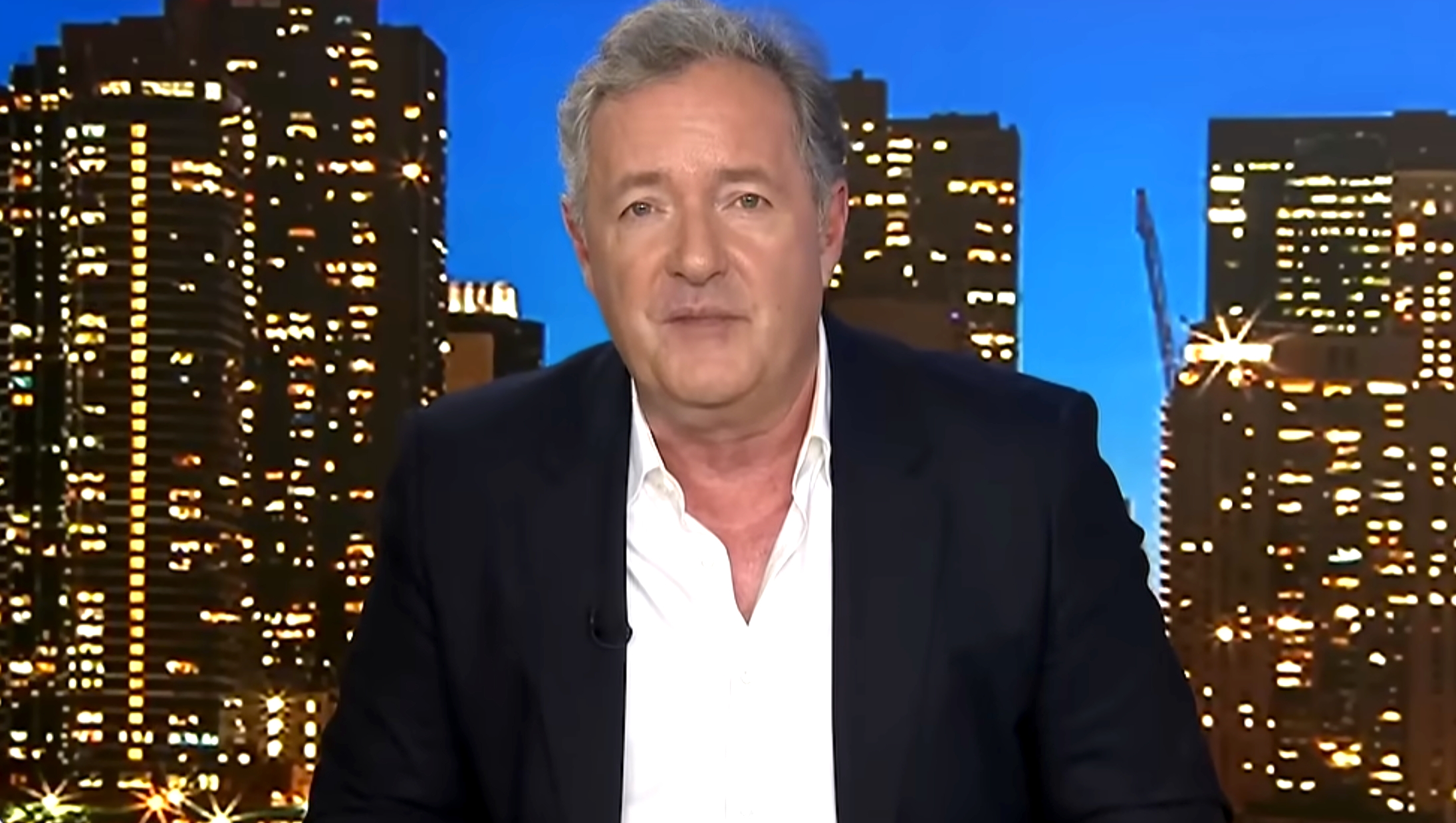
  • Piers Morgan Secures $27M to Scale Uncensored Media

    Piers Morgan Secures $27M to Scale Uncensored Media

    Piers Morgan closed a $27 million funding round for his independent media company, Uncensored, in June 2026. Media executive Liz Murdoch emerged as the primary institutional backer for the venture. The capital injection provides the financial infrastructure to transition Uncensored from a standalone digital broadcast into a diversified global media network. The funding represents a calculated bet on the future of news distribution.

    In previous decades, television talent operated entirely within the boundaries of legacy networks. Broadcasters relied on corporate infrastructure for distribution, legal protection, and advertising sales. But the operational mechanics of the broadcasting industry have fractured. Audiences migrated to digital platforms. High-profile anchors began building direct relationships with their viewership.

    The June 2026 raise formalized this shift. The $27 million allocation demonstrates that institutional investors now view independent, personality-driven broadcasting as a primary growth sector. The infrastructure of traditional television is being rebuilt outside of the legacy cable bundle.

    The Mechanics of the $27 Million Raise

    Twenty-seven million dollars provides operational runway. It funds physical infrastructure. Most importantly, it buys distribution independence. Independent broadcasters frequently encounter distribution ceilings when relying solely on third-party video platforms. This capital injection reconfigures the operational model for Uncensored.

    The company will allocate a significant portion of the funds to physical expansion. Broadcasting at a global standard requires high-fidelity studios, satellite uplinks, and dedicated control rooms. Uncensored currently operates primarily out of London. The new capital allows for the construction of permanent broadcast hubs in New York and Dubai.

    Capital at this scale also funds human resources. A daily global news and interview program requires dedicated investigative teams, field producers, and legal review boards. The $27 million raise provides the capacity to hire secondary on-air talent. Uncensored is building out a roster of contributors to fill programming hours beyond Morgan’s flagship daily broadcast.

    Building Proprietary Infrastructure

    The digital media landscape of 2026 is heavily reliant on algorithmic distribution. Platforms like YouTube and X dictate visibility. Uncensored will use the Murdoch-backed capital to build proprietary technology stacks.

    • Direct-to-Consumer Applications: The company is developing standalone mobile and connected-TV applications to bypass traditional app store gatekeepers.
    • First-Party Data Collection: Moving audiences from rented platforms to owned platforms allows for direct email communication and targeted subscription offers.
    • Independent Hosting: Investing in private server infrastructure mitigates the risk of sudden deplatforming by major tech conglomerates.

    This technological independence requires massive upfront capital. The $27 million raise covers these initial development costs.

    Liz Murdoch and Institutional Validation

    The involvement of Liz Murdoch provides a specific type of market validation. The Murdoch family name carries extensive weight in the global media sector. Her participation in the June 2026 funding round brings institutional credibility to the independent creator economy.

    Liz Murdoch built her career operating at the intersection of traditional television and digital media. She founded Shine Group in 2001. She built it into a transatlantic television production powerhouse responsible for major unscripted formats. She sold Shine to 21st Century Fox in 2011 for roughly $673 million. In 2019, she co-founded Sister, a global entertainment company that backed critically acclaimed projects like the HBO miniseries Chernobyl.

    Her investment strategies are highly calculated. By backing Uncensored, Murdoch is directing capital toward the untethered broadcaster model. Legacy cable networks face declining linear viewership and aging demographics. Institutional investors are seeking new avenues for media growth. Murdoch’s $27 million commitment signals that the financial sector views independent, direct-to-consumer broadcasting as a stable asset class.

    The Evolution of Uncensored

    The Uncensored brand originated from a highly publicized departure from legacy media. Piers Morgan left his co-hosting position on ITV’s Good Morning Britain in March 2021 following a dispute over editorial independence. He subsequently launched Piers Morgan Uncensored in April 2022.

    The initial iteration of the show operated under a hybrid model. It was broadcast on linear television via TalkTV in the United Kingdom and Fox Nation in the United States. It simultaneously published content to YouTube.

    In February 2024, Morgan made a definitive strategic pivot. He announced that Uncensored would cease daily linear television broadcasts on TalkTV. The program transitioned fully to a digital-first model, prioritizing YouTube as its primary distribution hub. Morgan cited the changing habits of global audiences. He noted that viewers no longer waited for a scheduled evening broadcast to consume news and debate.

    The pivot was highly successful. The YouTube channel subscriber count surged. The digital-first approach allowed Uncensored to break news in real-time. It removed the constraints of commercial breaks. It allowed for interviews to breathe. By mid-2026, the channel had established itself as a dominant force in global digital broadcasting. The $27 million raise is the direct financial result of that successful 2024 pivot.

    The Economics of Independent Broadcasting

    Operating a daily global broadcast without a terrestrial network requires a diversified revenue model. The traditional television business relied on carriage fees paid by cable operators and large-scale block advertising. The independent model of 2026 operates differently.

    Uncensored generates revenue through multiple distinct channels. Programmatic digital advertising provides a baseline income, driven by massive global video views. However, programmatic rates fluctuate based on algorithmic changes and platform policies.

    Direct sponsorships form a more lucrative revenue stream. Brands seeking highly engaged audiences negotiate directly with the broadcaster. These integrations often feature host-read endorsements, which carry higher conversion rates than standard pre-roll advertisements.

    The Subscription Engine

    The core of the independent media business model is the premium subscription. Highly engaged viewers convert into paying subscribers to access exclusive content, ad-free viewing, and direct interaction with the broadcaster.

    The $27 million capital raise allows Uncensored to build a robust paywall infrastructure. The company can produce premium documentary content, host live digital town halls, and offer extended interviews strictly for paying members. This recurring revenue stabilizes the business against fluctuations in the digital advertising market.

    Global Reach and Legal Infrastructure

    Operating a global news and debate platform carries significant hidden costs. Independent broadcasters do not have the inherent legal shields provided by legacy corporate networks. The $27 million funding round addresses these operational vulnerabilities.

    Libel and defamation laws vary wildly across jurisdictions. The United Kingdom maintains strict libel laws that place the burden of proof on the publisher. The United States operates under the First Amendment, offering broader protections for the press. Because Uncensored distributes content globally, it requires a robust, international legal team to vet broadcasts and manage potential litigation. A portion of the new capital is earmarked for this legal infrastructure.

    Cybersecurity represents another massive capital expenditure. High-profile independent media platforms are frequent targets for distributed denial-of-service attacks and targeted hacking campaigns. Protecting proprietary subscriber data and securing live broadcast feeds requires enterprise-grade digital security. The Murdoch-backed raise ensures Uncensored can deploy the same level of cybersecurity infrastructure utilized by legacy media conglomerates.

    The Shift in Guest Booking Power

    The true measure of a broadcasting platform’s influence is its ability to secure exclusive interviews. For decades, heads of state, global CEOs, and cultural figures defaulted to legacy networks for major announcements. Programs like 60 Minutes or the Today show held a monopoly on high-stakes access.

    By 2026, that monopoly has been broken. High-profile guests increasingly prefer the independent digital format. The appeal is structural. A legacy network interview is often heavily edited, reducing a 45-minute conversation to a three-minute segment. The independent digital format publishes the entire unedited exchange.

    “The future of broadcasting belongs to those who refuse to be silenced. The audience is no longer passively consuming; they are actively seeking out platforms that respect their intelligence and their right to debate.”

    Uncensored leveraged this dynamic to secure massive interviews. The platform hosted sit-downs with sitting prime ministers, controversial public figures, and global business leaders. The unedited format provides guests with the assurance that their context will not be stripped away in the editing room.

    The $27 million raise amplifies this booking power. Uncensored can now afford to fly dedicated production crews anywhere in the world at a moment’s notice. If a global news event occurs in the Middle East, Uncensored can deploy a team to secure the primary interview before legacy networks can mobilize their bureaucratic production structures. This agility makes the platform the first choice for figures looking to speak directly to a global audience.

    The Competitive Landscape in 2026

    Uncensored does not operate in a vacuum. The independent broadcasting sector has become highly competitive. Other prominent media figures have launched standalone digital ventures following departures from legacy networks.

    Tucker Carlson launched the Tucker Carlson Network after his exit from Fox News. Megyn Kelly built a massive digital footprint with a daily SiriusXM and YouTube broadcast. Don Lemon and Chris Cuomo transitioned to independent digital models. The market is crowded with former terrestrial television anchors seeking digital market share.

    The $27 million raise differentiates Uncensored from its competitors. Many independent broadcasters operate with lean, low-overhead structures, broadcasting from home studios with minimal staff. Uncensored is moving in the opposite direction. Morgan and Murdoch are building a heavy-infrastructure media company. They are betting that premium production values, global field reporting, and deep investigative resources will separate Uncensored from the broader creator economy.

    They are not building a podcast. They are building a digital television network.

    The media landscape fractured. The legacy networks contracted. The independent broadcasters scaled. Uncensored.

  • BBC Chair Samir Shah Blocks Release of Board Discussions Over Disastrous Donald Trump Edit

    BBC Chair Samir Shah Blocks Release of Board Discussions Over Disastrous Donald Trump Edit

    BBC Chair Samir Shah has officially blocked the release of internal board discussions regarding a highly controversial edit of a Donald Trump segment, citing the need to protect the confidentiality of high-level deliberations. This decision, finalized in June 2026, prevents the public from seeing how the BBC’s leadership addressed what was widely described as a “disastrous” editorial failure. The move immediately amplified concerns about institutional transparency and perceived bias within the British public service broadcaster.

    The refusal to release these documents is not merely a procedural footnote. It is a flashpoint in a much larger, ongoing battle over media trust. When a publicly funded institution shields its internal debates following a significant editorial misstep, the resulting vacuum is quickly filled with suspicion. For audiences already wary of establishment media narratives, this action reinforces a sense of “cultural defense”, a belief that legacy institutions are actively managing information to protect their own interests rather than serving the public truth.

    The story of this blocked release is the story of an institution caught between the demands of public accountability and the instinct for self-preservation. It highlights the growing tension between the BBC’s mandate as a transparent public broadcaster and its operational realities in a hyper-scrutinized media environment.

    The Origins of the Controversy: The Trump Edit

    The controversy stems from a specific broadcast segment involving former US President Donald Trump. The BBC’s editorial handling of this segment was heavily criticized, with many observers pointing to significant omissions or contextual framing that fundamentally altered the narrative. The edit was widely condemned across various political spectrums, though the most vocal criticism originated from those who perceived it as clear evidence of institutional bias against Trump.

    Following the broadcast, the backlash was immediate and severe. Complaints flooded in, demanding an explanation for how such an edit passed through the BBC’s rigorous editorial guidelines. The incident was not viewed as a simple mistake; it was seen as a symptom of a deeper cultural issue within the newsroom, a failure of impartiality that the BBC is legally bound to uphold.

    The pressure mounted on the BBC’s executive leadership to address the failure. The matter was elevated to the BBC Board, the governing body responsible for ensuring the corporation fulfills its mission and public purposes. The public expectation was that the board would conduct a thorough review and provide a transparent accounting of what went wrong and who was responsible.

    The Board’s Deliberations and the Demand for Transparency

    The BBC Board, under the leadership of Chair Samir Shah, convened to discuss the fallout from the Trump edit. These discussions were crucial. They represented the highest level of accountability within the organization, where executives and non-executive directors debated the severity of the editorial breach and the necessary corrective actions.

    However, the details of these discussions remained behind closed doors. In the interest of public accountability, requests were made, likely through Freedom of Information (FOI) channels or direct journalistic inquiry, to release the minutes or summaries of these board meetings. The argument for release was straightforward: the public, which funds the BBC through the license fee, has a right to know how its governing body handled a major editorial failure involving a prominent global figure.

    The push for transparency was not just about satisfying curiosity; it was about verifying that the BBC’s internal mechanisms for accountability were actually functioning. Without seeing the board’s deliberations, critics argued, it was impossible to know if the issue was treated with the seriousness it deserved or if it was quietly minimized to protect the institution’s reputation.

    Samir Shah’s Intervention: Blocking the Release

    In June 2026, the situation reached a critical juncture when BBC Chair Samir Shah formally blocked the release of the board discussions. Shah exercised his authority to withhold the documents, likely invoking exemptions related to internal communications and the need for a “safe space” for candid board deliberations.

    The rationale for blocking such releases typically centers on the argument that board members must be able to debate sensitive issues freely, without fear that their unvarnished opinions will be made public. If every discussion is subject to disclosure, the argument goes, board meetings will become sanitized, and the quality of governance will suffer.

    However, in this specific context, the decision to block the release was met with intense skepticism. Given the highly charged nature of the Trump edit and the existing allegations of bias, Shah’s intervention was viewed by many not as a defense of governance, but as an act of institutional self-protection. It appeared to confirm the worst suspicions of the BBC’s critics: that the organization was more interested in managing its image than in being transparent about its failings.

    The Impact on Public Trust and the “Cultural Defense”

    The immediate consequence of Shah’s decision is a further erosion of public trust in the BBC. When a publicly funded broadcaster refuses to disclose how it handled a significant editorial error, it signals a lack of respect for the audience’s right to know. This lack of transparency is particularly damaging in an era where trust in media is already at historic lows.

    This incident strongly reinforces what sociologists and media analysts term a “cultural defense” among certain audience segments. When individuals perceive that institutions are biased against their values or political figures, they develop a defensive posture. They become highly attuned to any evidence of institutional manipulation or cover-ups. Shah’s decision to block the release of the board discussions serves as perfect fuel for this defensive narrative.

    For these audiences, the blocked release is not an isolated administrative decision; it is part of a broader pattern of behavior by legacy media. It validates their belief that the system is rigged, that the “elites” are protecting themselves, and that the truth is being actively suppressed. This dynamic makes it increasingly difficult for institutions like the BBC to bridge the divide and regain the trust of alienated viewers.

    The BBC’s Ongoing Struggle with Impartiality

    The blocked release also highlights the BBC’s ongoing, systemic struggle with impartiality. As a public service broadcaster, the BBC is required to remain impartial on all matters of public controversy. However, achieving and maintaining this impartiality is an incredibly complex challenge, especially in a deeply polarized political climate.

    The Trump edit incident, and the subsequent handling of the fallout, suggests that the BBC’s internal culture may still have blind spots when it comes to certain political figures or ideologies. When an edit is universally recognized as “disastrous,” it raises questions about the editorial checks and balances that failed to prevent it. When the board’s discussion of that failure is then hidden from public view, it raises questions about the institution’s commitment to learning from its mistakes.

    The BBC’s leadership, including Samir Shah, faces a monumental task in addressing these concerns. They must balance the need for internal confidentiality with the imperative of public transparency. In this instance, the decision to prioritize confidentiality has come at a high cost to the organization’s credibility.

    The Future of Accountability at the BBC

    The controversy surrounding the blocked release of the board discussions is unlikely to fade quickly. It will continue to be cited by critics as evidence of the BBC’s lack of accountability and its institutional bias. The incident sets a troubling precedent for how the organization handles future editorial controversies.

    If the BBC is to rebuild trust, particularly among audiences who feel alienated by its coverage, it must demonstrate a greater willingness to be transparent about its internal workings. This means not only admitting when mistakes are made but also showing the public exactly how those mistakes are addressed at the highest levels of governance. Hiding behind the veil of board confidentiality in the face of significant public interest is a strategy that ultimately damages the institution it is designed to protect.

    The silence from the boardroom speaks volumes. The refusal to release the documents creates a narrative of its own. The BBC Board met. The BBC Board discussed the failure. The BBC Board closed the door. The public was left outside.

  • Ashley Cain’s BBC Dilemma – Historical Tweets Spark Controversy for ‘Into The Danger Zone’

    Ashley Cain’s BBC Dilemma – Historical Tweets Spark Controversy for ‘Into The Danger Zone’

    The Resurfacing of Historical Tweets

    Ashley Cain’s new BBC Three documentary, ‘Ashley Cain: Into The Danger Zone’, faces a significant dilemma for the broadcaster following the resurfacing of historical social media posts. These tweets, attributed to Cain, allegedly contained derogatory language towards women, including terms such as ‘sluts’ and ‘slags’. The BBC is reportedly reviewing the situation, which has cast a shadow over the upcoming series.

    The controversy centers on content posted years prior to Cain’s current public profile. These posts have now gained renewed attention, prompting questions about the vetting processes for public figures involved in major broadcasting projects. The incident underscores the persistent challenge of past online behavior impacting contemporary careers.

    Ashley Cain’s Public Profile and BBC Project

    Ashley Cain first gained public recognition through his appearances on the MTV reality series ‘Ex on the Beach’. His public profile significantly shifted in recent years due to his personal life. Following the diagnosis and subsequent death of his infant daughter, Azaylia Diamond Cain, from a rare form of leukemia, Cain became a prominent advocate for childhood cancer awareness and fundraising.

    His new documentary, ‘Ashley Cain: Into The Danger Zone’, was slated to explore his journey into extreme sports and challenges. The series aimed to showcase his resilience and determination following personal tragedy. The BBC had invested in this project, aligning with Cain’s recent public image as an inspirational figure.

    From Reality TV to Advocacy

    Cain’s transition from reality television personality to a figure associated with charitable causes was widely covered. His efforts to raise awareness and funds for pediatric cancer research garnered significant public sympathy and support. This established a new public perception, distinct from his earlier reality TV persona.

    The BBC’s decision to commission ‘Into The Danger Zone’ likely factored in this evolved public image. The documentary was positioned to provide insight into his coping mechanisms and new life direction. The resurfacing tweets now complicate this narrative, forcing a re-evaluation of his suitability as a BBC presenter.

    The Nature of the Allegations

    The core of the controversy lies in the alleged content of the historical tweets. Multiple reports indicate the posts used highly offensive and misogynistic language. The specific terms ‘sluts’ and ‘slags’ have been cited, among others. These terms are widely considered derogatory and disrespectful towards women.

    The exact dates of these tweets vary in reports, but they are generally described as being from a period before his recent advocacy work. The context surrounding these posts, such as whether they were directed at specific individuals or made as general statements, has also become part of the discussion. Regardless of context, the language itself has been deemed unacceptable by many observers.

    Impact on Public Trust

    Such language, particularly from a public figure, can erode public trust. Broadcasters like the BBC operate under strict guidelines regarding conduct and representation. The use of misogynistic terms by a presenter, even in historical posts, can conflict with the organization’s values and commitment to diversity and inclusion.

    The allegations have prompted a broader discussion about the responsibility of public figures for their past online footprint. Digital permanence means that previous statements can always be unearthed, creating accountability challenges years after they were made.

    BBC’s Stance and Internal Review

    The British Broadcasting Corporation (BBC) is reportedly facing a significant internal review regarding Ashley Cain’s situation. The broadcaster has not yet issued a definitive public statement on the future of ‘Ashley Cain: Into The Danger Zone’. However, reports from Deadline and other outlets suggest the BBC is actively assessing the implications of the unearthed tweets.

    Broadcasters typically conduct due diligence on their talent. This process aims to identify potential issues that could harm the broadcaster’s reputation or violate its editorial standards. The fact that these historical tweets have only now come to light raises questions about the thoroughness of the initial vetting process for Cain.

    Broadcaster Accountability

    The BBC, as a publicly funded institution, is held to a high standard of conduct and public representation. Any association with derogatory or offensive language can lead to public backlash and questions about its editorial judgment. The dilemma for the BBC involves balancing contractual obligations with maintaining public trust and upholding its values.

    The outcome of the BBC’s internal review will set a precedent for how the organization handles similar situations in the future. It will also influence public perception of the BBC’s commitment to addressing issues of misogyny and online harassment.

    The Broader Context of Celebrity Accountability

    Ashley Cain’s situation is not an isolated incident. Numerous public figures have faced scrutiny and consequences for historical social media posts. These cases often involve offensive language, discriminatory remarks, or controversial opinions expressed years prior to their current level of fame or professional role.

    The digital age has created an indelible record of individuals’ online activities. What may have seemed like harmless or private comments at one point can resurface with significant professional repercussions. This phenomenon has led to increased awareness among public figures and media organizations about the importance of managing one’s digital footprint.

    The ‘Cancel Culture’ Debate

    This type of controversy often fuels debates surrounding ‘cancel culture’. Proponents argue that holding individuals accountable for past offensive behavior is necessary for social progress. Critics contend that it can be overly punitive, lacking nuance, and failing to account for personal growth or changes in perspective over time.

    For media organizations, navigating this landscape involves difficult decisions. They must weigh the severity of the past actions, the individual’s current conduct, and the potential impact on their brand and audience. The balance between forgiveness, rehabilitation, and accountability remains a complex ethical challenge.

    Legal and Ethical Considerations

    From a legal standpoint, the BBC’s actions would likely fall under contractual agreements and editorial guidelines. If Cain’s past conduct is deemed to have breached any clauses related to professional conduct or bringing the broadcaster into disrepute, the BBC may have grounds to alter or withdraw the documentary.

    Ethically, the situation presents a conflict between freedom of expression (even if historical) and the responsibility of public figures to uphold certain standards. The BBC must consider its duty to its audience, its employees, and the broader public discourse. Allowing a series fronted by an individual with such alleged past behavior could be seen as condoning the language used.

    Precedent and Future Implications

    The decision made by the BBC in this case could set a significant precedent. It will signal how the broadcaster intends to handle similar situations involving talent with problematic online histories. This will influence how other media organizations approach their own vetting processes and talent management strategies.

    The incident also serves as a reminder for individuals, particularly those aspiring to public roles, about the enduring nature of their digital footprint. Every post, tweet, or comment can potentially become a public issue years down the line, affecting career prospects and public perception.

    Public Reaction and Social Media Engagement

    Upon the news breaking, public reaction has been swift and varied across social media platforms. Many users have expressed outrage at the alleged language, calling for the BBC to remove the documentary and hold Cain accountable. Concerns have been raised about the message such content sends, particularly to younger audiences who consume BBC Three content.

    Conversely, some individuals have defended Cain, arguing that the tweets are old and that people can change. They point to his recent advocacy work as evidence of his personal growth and suggest that past mistakes should not overshadow current contributions. This division reflects the broader societal debate on forgiveness versus perpetual accountability in the digital age.

    Audience Expectations

    BBC audiences, particularly those engaging with BBC Three, often expect content that aligns with modern values of inclusivity and respect. The alleged misogynistic language directly conflicts with these expectations. The broadcaster’s response will be closely watched by its audience, stakeholders, and the wider media industry.

    The incident highlights the growing expectation for media organizations to not only produce diverse content but also to ensure their talent reflects the values they aim to promote. This pressure comes from both internal ethical commitments and external public scrutiny.

    Conclusion: A Reckoning in the Digital Age

    The controversy surrounding Ashley Cain and his BBC Three documentary ‘Into The Danger Zone’ encapsulates a modern dilemma. It pits past online indiscretions against present professional opportunities and public rehabilitation. The BBC’s decision on how to proceed will not only determine the fate of a television series but also contribute to the ongoing narrative of accountability for public figures in the digital age.

    Reputations built. Reputations challenged. Reputations re-evaluated.

    Ultimately, accountability.

  • The Broadcast Pivot: How Piers Morgan Brought ‘Uncensored’ to Paramount’s Channel 5

    The Broadcast Pivot: How Piers Morgan Brought ‘Uncensored’ to Paramount’s Channel 5

    Piers Morgan is expanding his digital broadcasting footprint by launching two new television spin-offs, World Cup Uncensored and The Royals Uncensored, which will air on Paramount-owned Channel 5 in the United Kingdom starting in the summer of 2026. The move marks a return to traditional terrestrial television for the Piers Morgan Uncensored brand. It blends his established YouTube audience with mainstream broadcast reach. The programming will cover the 2026 FIFA World Cup in North America and ongoing developments within the British Royal Family.

    The announcement signals a structural shift in global media. Independent creators are no longer abandoning traditional television entirely. Instead, they are building massive digital audiences and licensing their brands back to the networks. Paramount Global has recognized the value of this reverse-syndication model. Channel 5, long considered the disruptive younger sibling of British broadcasting, provides the exact terrestrial platform Morgan requires to amplify his cultural commentary.

    This is not a traditional employment contract. This is a licensing agreement. Morgan retains control of the Uncensored intellectual property. Paramount purchases the broadcast rights. The dynamic between network and anchor has fundamentally inverted.

    The Return to Terrestrial Television

    The journey to Channel 5 began with a high-profile exit. In February 2024, Morgan departed TalkTV, the linear news channel launched by Rupert Murdoch’s News UK. The traditional cable news format had become restrictive. Morgan took Piers Morgan Uncensored fully independent, prioritizing YouTube and digital syndication.

    The digital pivot proved highly lucrative. The YouTube channel rapidly accumulated millions of subscribers. Unbound by the scheduling constraints of linear television, Morgan conducted long-form interviews that generated global headlines. The digital model offered freedom, but traditional television still offered unmatched localized prestige. Paramount Global saw an opportunity.

    Channel 5 operates under the Paramount umbrella in the United Kingdom. It competes directly with the BBC, ITV, and Channel 4. To capture audience share, Channel 5 relies on high-impact, personality-driven programming. Securing the broadcast rights to Morgan’s spin-off projects aligns perfectly with this strategy. Ben Frow, the chief content officer for Paramount UK, has historically championed programming that disrupts the sanitized norms of British television.

    The agreement covers two specific verticals. Sports and royalty. Both are areas where Morgan possesses deep institutional knowledge and a polarizing public record. By separating these topics into distinct series, Paramount creates targeted advertising opportunities. Brands want proximity to the World Cup. Brands want proximity to royal coverage. Morgan delivers the audience for both.

    The 2026 World Cup Strategy

    The 2026 FIFA World Cup is an unprecedented logistical event. Hosted jointly by the United States, Canada, and Mexico, the tournament features 48 teams competing across 16 cities. The scale of the event demands massive media coverage. World Cup Uncensored is designed to cut through the noise of standard sports punditry.

    Morgan is an established voice in global football. As a vocal supporter of Arsenal F.C., his sports commentary frequently bleeds into mainstream cultural discourse. His November 2022 interview with Cristiano Ronaldo remains a defining moment in modern sports journalism. That 90-minute conversation directly resulted in Ronaldo’s departure from Manchester United and his subsequent move to the Saudi Pro League.

    Paramount understands the value of this influence. Standard sports broadcasting is heavily regulated by access journalism. Pundits rarely criticize governing bodies like FIFA or powerful club owners for fear of losing press credentials. Morgan operates outside this ecosystem. World Cup Uncensored promises a raw, unfiltered analysis of the tournament. The program will cover the action on the pitch, but it will inevitably focus on the politics surrounding the games.

    The Intersection of Sports and Culture

    Modern sports are inseparable from cultural politics. The 2026 World Cup will feature debates over human rights, corporate sponsorships, and national identity. Morgan thrives in this exact intersection. He does not merely report the score. He interrogates the cultural infrastructure of the sport.

    Broadcast networks usually avoid alienating international audiences. World Cup Uncensored relies on it. The show will likely feature debates on the commercialization of the sport, the influence of American capital in European football, and the ongoing controversies surrounding FIFA leadership under Gianni Infantino. Channel 5 secures a sports program that generates headlines long after the final whistle blows.

    The Monarchy as Content

    If the World Cup provides global scale, the British Royal Family provides domestic intensity. The Royals Uncensored taps into the most reliable ratings engine in British media. The ongoing saga of the House of Windsor remains a global obsession.

    Morgan’s history with the Royal Family is deeply documented. On March 8, 2021, he walked off the set of ITV’s Good Morning Britain following a heated debate about Meghan Markle’s interview with Oprah Winfrey. Morgan stated he did not believe Markle’s claims regarding her mental health and treatment by the royal institution. The incident generated over 57,000 complaints to Ofcom, the UK’s broadcasting regulator.

    Ofcom eventually cleared Morgan, ruling that his comments fell under the protection of free expression. That moment cemented his brand. He became the central figure in a broader cultural defense of traditional institutions against modern public relations narratives. The Royals Uncensored is the direct continuation of that legacy.

    A Fractured Institution

    The landscape of the monarchy has shifted dramatically since 2021. King Charles III has ascended to the throne. Prince William has assumed the role of Prince of Wales. The geographic and emotional distance between the working royals in London and the Duke and Duchess of Sussex in California remains a permanent fixture of global news.

    Paramount recognizes that sanitized royal coverage is losing its appeal. Audiences demand opinionated analysis. The Royals Uncensored will serve as a counter-narrative to the carefully managed press releases issued by Buckingham Palace and Archewell. Morgan will leverage his extensive network of royal biographers, historians, and insiders to dissect the institution’s survival in the modern era.

    The Economics of the Uncensored Brand

    The Paramount deal highlights the evolving economics of the media industry. Historically, television networks owned the talent. They dictated the schedule, the format, and the editorial tone. The rise of independent digital platforms has shattered this dynamic.

    When Morgan launched Piers Morgan Uncensored with News Corp in April 2022, it was a hybrid model. The show aired on TalkTV in the UK, Fox Nation in the US, and Sky News in Australia. It was a massive international syndication effort backed by Rupert Murdoch. But the linear television ratings in the UK struggled to match the digital impact. The clips generated millions of views online, but the traditional broadcast audience was fragmented.

    By taking the core show independent on YouTube, Morgan localized his revenue stream. He captured the direct monetization of his audience. The new Paramount deal for Channel 5 represents the final evolution. He creates the content independently, builds the audience digitally, and then sells specific spin-off products back to the legacy networks at a premium.

    Paramount’s Play for Channel 5

    For Paramount Global, acquiring World Cup Uncensored and The Royals Uncensored is a calculated defensive maneuver. Channel 5 was acquired by Viacom (now Paramount) in 2014 for £450 million. The network has consistently fought to shed its early reputation for low-budget programming, pushing toward premium factual and drama content.

    However, in a fragmented media landscape, premium drama is expensive. Unscripted, opinion-led programming is highly cost-effective and generates immediate social media engagement. Channel 5 does not need to outspend the BBC on sports rights. It simply needs to own the conversation surrounding the sports rights. Morgan provides the conversation.

    This strategy mirrors the broader industry trend of “cultural defense” programming. Audiences are increasingly drawn to commentators who articulate their frustrations with mainstream media narratives. The Uncensored brand explicitly markets itself as an antidote to cancel culture and sanitized corporate speech. Paramount is purchasing an engaged, loyal demographic that traditional advertising struggles to reach.

    The New Media Architecture

    The boundaries between digital creation and traditional broadcasting have officially collapsed. The ecosystem is no longer binary. Creators do not have to choose between YouTube and terrestrial television. The most successful operators command both.

    Joe Rogan built an empire on Spotify while remaining accessible on YouTube. Tucker Carlson launched an independent media company that syndicates content across multiple platforms. Piers Morgan has constructed a hybrid architecture. The daily flagship show dominates the digital space. The targeted spin-offs dominate the traditional television space.

    The media landscape fragmented. The traditional networks recalibrated. The independent creators capitalized. Uncensored.

  • BBC News Under Pressure: Program Cuts, Presenter Reviews Amidst Savings Plan

    BBC News Under Pressure: Program Cuts, Presenter Reviews Amidst Savings Plan

    In 2026, BBC News announced a comprehensive and challenging savings plan, leading to the cancellation of long-running programs like ‘The World Tonight’ and ‘Newscast,’ alongside a critical review of presenter roles for flagship shows, including the ‘Today’ program. These measures are a direct response to significant financial pressures and a broader strategy to achieve substantial annual savings across the British Broadcasting Corporation.

    The decisions underscore a pivotal moment for the public service broadcaster. They reflect the evolving landscape of news consumption and the imperative to adapt operations to ensure future sustainability. The cuts affect both on-air talent and behind-the-scenes production teams.

    The Genesis of the Savings Plan

    The BBC’s current financial challenges are multifaceted. They stem from a combination of factors, including a frozen license fee, rising production costs, and intense competition from global streaming services. The corporation has been tasked with achieving a total of £500 million in annual savings by 2028.

    This aggressive savings target necessitates difficult choices across all BBC divisions. News operations, a significant part of the BBC’s public service mandate, are not exempt. The plan aims to reallocate resources to areas deemed more critical for future engagement.

    Director-General Tim Davie outlined the strategic direction in early 2025. He emphasized a ‘digital-first’ approach. This shift prioritizes online content and on-demand services over traditional linear broadcasting.

    Program Cancellations and Their Impact

    Several well-known programs are slated for cancellation under the new plan. ‘The World Tonight,’ a long-standing fixture on BBC Radio 4, is among them. This program has provided in-depth analysis of global events for decades.

    ‘Newscast,’ a popular podcast and television show, is also being cut. ‘Newscast’ gained a significant following for its informal yet insightful discussions on political developments. Its cancellation marks a move away from certain contemporary formats.

    The decision to axe these programs has drawn criticism from some listeners and viewers. Concerns have been raised about the potential loss of diverse journalistic voices and specialized reporting. The BBC maintains that essential news coverage will continue through other platforms.

    The Fate of ‘The World Tonight’

    ‘The World Tonight’ has been a cornerstone of BBC Radio 4’s evening schedule. It offered a crucial summary and analysis of the day’s international news. Its cancellation represents a significant change for loyal listeners.

    Journalists and former presenters associated with the show expressed disappointment. They highlighted its role in providing nuanced perspectives on complex global issues. The program’s final broadcast is scheduled for late 2026.

    ‘Newscast’ and the Digital Strategy

    ‘Newscast’ launched in 2019, quickly becoming a successful example of the BBC’s foray into podcasting. Its transition to television further broadened its reach. The show’s cancellation seems counterintuitive to a ‘digital-first’ strategy.

    However, BBC executives clarified that resources will be redirected to new, more integrated digital offerings. These new offerings are designed to be more flexible and accessible across various platforms. The aim is to consolidate news delivery rather than fragment it.

    Review of Presenter Roles and Talent Management

    A significant component of the savings plan involves a comprehensive review of presenter roles. This affects some of the BBC’s most recognizable faces. The objective is to streamline on-air talent and reduce overall costs associated with high-profile salaries.

    The ‘Today’ program on BBC Radio 4 is particularly impacted. Reports indicate a potential reduction in the number of regular presenters. This could lead to a more consolidated team hosting the flagship morning news show.

    This review extends beyond ‘Today.’ Other major news programs, both on radio and television, are undergoing similar assessments. The goal is to ensure efficiency and value for money in presenter contracts.

    Impact on ‘Today’ Program Hosts

    The ‘Today’ program has traditionally featured a rotating cast of several prominent presenters. Names like Nick Robinson, Martha Kearney, and Justin Webb have been synonymous with the program for years. Their roles, along with others, are now under scrutiny.

    The BBC aims to maintain the program’s journalistic integrity and quality. However, a smaller roster of presenters could mean fewer distinct voices and a different on-air dynamic. Negotiations with current presenters are ongoing.

    Broader Implications for BBC Talent

    The changes signal a shift in how the BBC manages its on-air talent. There is an increased focus on versatility and multi-platform engagement. Presenters may be expected to contribute across various mediums, including radio, television, and digital platforms.

    This strategy seeks to maximize the utility of its journalistic staff. It also aims to foster a more agile and integrated newsroom environment. The long-term impact on presenter careers and opportunities within the BBC remains to be fully seen.

    Operational Restructuring and Future Vision

    Beyond program and personnel cuts, the BBC’s savings plan includes broader operational restructuring. This involves consolidating newsgathering operations and modernizing production workflows. The aim is to achieve greater efficiency across the entire news division.

    New technologies are being leveraged to automate certain processes. This includes AI-driven tools for transcription and content tagging. Such innovations are expected to reduce manual labor and accelerate content delivery.

    The BBC also plans to invest in new digital platforms and interactive features. This aligns with the ‘digital-first’ mandate. The corporation seeks to engage younger audiences and maintain its relevance in a crowded media landscape.

    Consolidation of News Operations

    Regional news operations are also facing consolidation. Some smaller bureaus may be merged or scaled back. This move is designed to centralize resources and reduce overheads.

    The BBC asserts that local news coverage will not diminish. Instead, it will be delivered through more efficient, perhaps more centralized, means. Critics fear a loss of local distinctiveness and journalistic depth.

    Investment in Digital Future

    The BBC’s digital strategy includes enhanced mobile apps, personalized news feeds, and more interactive content. The goal is to create a seamless user experience across all devices. This is seen as crucial for attracting and retaining audiences in the digital age.

    New content formats, specifically designed for online consumption, are also under development. These may include short-form video, data visualizations, and immersive journalistic experiences. The focus is on engaging audiences where they are, rather than expecting them to come to traditional broadcasts.

    Public Reaction and Industry Concerns

    The announcement of these cuts has generated considerable public discussion. Many viewers and listeners express concern about the future of public service broadcasting. They worry about the impact on the quality and breadth of news coverage.

    Industry bodies and unions have also voiced their apprehension. They highlight the potential for job losses and the erosion of journalistic standards. The National Union of Journalists (NUJ) called for greater transparency regarding the long-term strategic vision.

    The BBC maintains that these changes are necessary to safeguard its future. They argue that adaptation is essential for continued relevance and financial viability. The corporation is navigating a complex environment of changing media habits and economic pressures.

    Maintaining Trust and Impartiality

    A core tenet of BBC News is its commitment to trust and impartiality. The savings plan raises questions about how these values will be upheld amidst reduced resources. Critics suggest that fewer journalists and programs could strain editorial oversight.

    The BBC leadership has reiterated its unwavering commitment to these principles. They emphasize that editorial standards will not be compromised. The focus is on delivering high-quality, impartial news through more efficient means.

    The Global Context of Media Cuts

    The BBC’s situation is not unique. Media organizations worldwide are grappling with similar challenges. Declining advertising revenues, shifts in audience behavior, and the rise of digital platforms are forcing widespread restructuring.

    Newsrooms in the United States, Europe, and Australia have also implemented significant cuts in recent years. This global trend underscores the seismic shifts occurring within the media industry. Public service broadcasters, with their unique funding models, face distinct pressures.

    Programs are cancelled. Presenters are reviewed. Operations are restructured. Resources are reallocated. The BBC adapts.

  • The BBC Retreats, Inside the $107 Million Content Cut and Network Review

    The BBC Retreats, Inside the $107 Million Content Cut and Network Review

    The British Broadcasting Corporation is cutting its content budget by $107 million and initiating a sweeping review of its traditional television networks. Driven by a frozen license fee, soaring production costs, and a rapid audience shift toward digital streaming, the June 2026 announcement signals a historic reduction in original programming. The broadcaster is moving away from volume, opting to cancel existing shows and commission fewer new series. The era of unchecked expansion is over. The BBC is shrinking.

    For decades, the BBC operated as a sprawling media empire, launching new channels to capture every demographic slice of the British public. But the financial mathematics no longer support that architecture. The $107 million cut, equivalent to roughly £85 million, represents a significant withdrawal from the creative economy. It forces the corporation to prioritize flagship programming over niche experimentation.

    What looks like a sudden modern crisis actually began years ago. Successive UK governments have squeezed the BBC’s primary funding mechanism. Inflation has eroded purchasing power. Now, the structural deficit has arrived at the screen. The broadcaster cannot afford to be everything to everyone.

    The Financial Mechanics of a $107 Million Retreat

    The $107 million reduction is not a mere accounting adjustment. It is a fundamental restructuring of how the BBC buys and builds television. Content spending is the lifeblood of the organization. When that budget contracts, the ripples hit every corner of the United Kingdom’s production sector.

    BBC Director-General Tim Davie has spent his tenure attempting to modernize the corporation while managing a flat-funded license fee. The UK government sets the price of the television license, which every household watching live broadcasts or using BBC iPlayer is legally required to pay. For years, the fee was frozen or capped below the rate of inflation. In real terms, the BBC’s income has plummeted.

    Simultaneously, the cost of making premium television has skyrocketed. The entrance of global streaming giants like Netflix, Amazon Prime Video, and Apple TV+ into the UK production market drove up the price of talent, studio space, and crew labor. Drama budgets that once hovered at £2 million per hour now routinely exceed £4 million. The BBC cannot compete in a bidding war against Silicon Valley.

    To balance the books, the corporation must slash volume. The $107 million cut means the BBC will simply buy fewer hours of television. Scripted dramas will see shorter season orders. Unscripted factual programming, long a staple of daytime and evening schedules, will face consolidation. Existing shows that fail to deliver massive audiences or critical acclaim on BBC iPlayer will be quietly canceled.

    The BBC is transitioning from a broadcaster that fills thousands of hours of linear schedules to a digital-first curator that relies on fewer, bigger cultural hits to justify the license fee.

    The cuts also reflect a shift in strategic priorities. The BBC is funneling its remaining resources into news, live sports, and high-end drama that can compete on the global stage. Experimental arts programming, regional documentaries, and mid-tier comedies are highly vulnerable in this new financial environment.

    The Linear Network Review

    Alongside the content cuts, the BBC announced a comprehensive review of its television networks. This is the most consequential aspect of the June 2026 directive. The BBC currently operates a portfolio of linear broadcast channels, including BBC One, BBC Two, BBC Four, CBBC, CBeebies, and BBC News.

    Maintaining these broadcast frequencies is incredibly expensive. Each channel requires a continuous stream of programming to fill a 24-hour schedule. But audiences are no longer watching television according to a printed guide. The migration to on-demand streaming is absolute. Younger viewers, in particular, rarely tune into live broadcast television unless it is a major sporting event or breaking news.

    The network review will evaluate the purpose, cost, and reach of every channel. BBC One remains the flagship, anchoring national moments and massive entertainment formats. BBC Two serves as the home for intellectual, factual, and prestige programming. But the secondary channels are in the crosshairs.

    • BBC Four: Long the intellectual and cultural hub for the arts, history, and international drama, BBC Four has already seen its original commissioning budget slashed in previous years. It largely operates as an archive channel. The review may recommend moving its remaining original content entirely to BBC iPlayer and closing the broadcast frequency.
    • CBBC: The children’s network faces an existential crisis. Children are the most rapid adopters of digital platforms, consuming content on YouTube, TikTok, and on-demand streaming services. Maintaining a traditional linear channel for a demographic that does not watch linear television is increasingly difficult to justify.
    • BBC News: While news remains a core public service mandate, the BBC has already merged its domestic and international news channels to save money, resulting in a compromised product that attempts to serve two distinct audiences simultaneously.

    Closing linear channels provides significant operational savings. It eliminates the need for continuity announcers, broadcast infrastructure, and the sheer volume of filler content required to keep a network on the air. The BBC is preparing the public for a future where broadcast television is a legacy product, superseded entirely by the BBC iPlayer app.

    The Squeeze on Independent Producers

    The BBC does not make all of its television in-house. It relies heavily on a vibrant ecosystem of independent production companies spread across London, Manchester, Bristol, Cardiff, and Glasgow. The $107 million cut is a direct blow to these businesses.

    When the BBC reduces its commissioning budget, independent producers lose contracts. Smaller, regional production companies are the most exposed. A massive studio backed by international venture capital can absorb the loss of a BBC commission. A boutique documentary producer in Yorkshire cannot.

    This contraction threatens the diversity of voices on British television. The BBC has a mandate to represent the entirety of the United Kingdom. If budgets are tight, commissioners become risk-averse. They rely on established production companies and proven talent. The pipeline for new writers, directors, and regional stories narrows. The $107 million cut is not just a loss of television shows; it is a loss of cultural infrastructure.

    The Cultural Imprint and Audience Shift

    The audience views these cuts through a complex cultural lens. For some, the shrinking of the BBC is a necessary market correction. Critics of the license fee argue that the public should not be forced to fund a sprawling media conglomerate in an era of infinite consumer choice. They view the cancellation of shows and the closure of networks as a victory for market efficiency.

    For others, the cuts represent a tragic cultural decline. The BBC is the largest cultural institution in the United Kingdom. It binds the nation together through shared experiences, from royal events to landmark natural history series. A smaller BBC means fewer shared cultural moments. It means an increased reliance on American streaming platforms that have no public service mandate to reflect British life.

    The cultural defense of the BBC centers on its unique role in the global media landscape. It produces content that commercial networks would never touch. It funds investigative journalism, niche historical documentaries, and experimental radio. The $107 million cut strikes at the heart of this public service mission. When commercial logic dictates public broadcasting, the unique value of the institution is compromised.

    The Global Co-Production Market

    The BBC’s financial retreat also impacts the global television market. For years, the BBC has relied on international co-productions to stretch its budget. A high-end drama might be funded by the BBC in the UK, HBO in the United States, and a European distributor.

    This model allowed the BBC to deliver premium content that rivaled Netflix in production value. But as the BBC’s upfront contribution shrinks, its leverage in these negotiations weakens. American partners demand more control over casting, scripting, and editorial direction. The resulting shows often feel less distinctly British and more generic, engineered for a global algorithm rather than a domestic audience.

    The $107 million cut accelerates this trend. To afford expensive dramas, the BBC will be forced into more co-production deals, potentially diluting the very cultural specificity that makes its programming valuable. The alternative is to simply produce fewer high-end shows, conceding the prestige drama space entirely to the streaming platforms.

    The Road to the Next Charter

    The timing of the June 2026 announcement is highly strategic. The BBC operates under a Royal Charter, which sets out its public purposes and funding framework. The current charter expires at the end of 2027. The negotiations for the next charter are already underway, and they are fraught with political tension.

    By announcing massive cuts and a network review now, Tim Davie is sending a stark message to the UK government. The BBC is demonstrating that it is making the painful choices required to live within its means. It is proving that it is not a bloated bureaucracy, but an agile organization willing to amputate limbs to survive.

    However, this strategy is a dangerous gamble. By shrinking its output and closing networks, the BBC risks alienating the very audience that pays for it. If the public feels they are getting less value from the license fee, the political pressure to scrap the fee entirely will become overwhelming. The BBC is trapped in a paradox: it must cut services to survive financially, but cutting services undermines the political justification for its existence.

    The $107 million cut is the beginning, not the end. The television network review will likely result in the closure of beloved channels. The programming slate will become narrower, safer, and heavily reliant on established brands. The era of the BBC as a ubiquitous, dominant force in British media is fading.

    Politicians debated. Executives calculated. Budgets contracted. Contraction.

  • QVC Hosts Seek Unionization, The Battle for Labor Rights at the Shopping Network

    QVC Hosts Seek Unionization, The Battle for Labor Rights at the Shopping Network

    The Unionization Effort at QVC

    QVC hosts are attempting to unionize with SAG-AFTRA, the Screen Actors Guild – American Federation of Television and Radio Artists. This effort stems from concerns over job security, fair wages, and improved working conditions at the prominent home shopping network. The move marks a significant push for labor representation within the direct-to-consumer retail broadcasting sector.

    The unionization drive began with a core group of hosts. They sought representation from SAG-AFTRA. This union is a powerful advocate for media professionals across the United States.

    QVC, a subsidiary of Qurate Retail Group, operates as a major force in televised retail. Its hosts are central to its business model. Their on-air presence directly drives sales and consumer engagement.

    The current labor landscape in media sees increased organizing. Workers across various platforms are seeking collective bargaining. The QVC hosts’ initiative aligns with this broader trend.

    What Prompted the Unionization Drive?

    Multiple factors contributed to the QVC hosts’ decision to pursue unionization. These include perceived instability, changes in compensation structures, and a desire for greater input into their professional lives.

    Job security has become a paramount concern. The media industry, including home shopping, has experienced shifts. These shifts can lead to unpredictable employment terms for on-air talent.

    Compensation models have also been a point of contention. Hosts often work long hours. Their performance is directly tied to sales. They seek a more equitable and transparent pay structure.

    Working conditions encompass a range of issues. These include scheduling, benefits, and overall workplace environment. Union representation aims to address these concerns systematically.

    The hosts desire a collective voice. They want to negotiate directly with QVC management. This collective power is a core tenet of unionization.

    The Role of SAG-AFTRA

    SAG-AFTRA is a prominent labor union. It represents approximately 160,000 actors, announcers, broadcast journalists, dancers, DJs, news writers, news editors, program hosts, puppeteers, recording artists, singers, stunt performers, voiceover artists, and other media professionals.

    The union has a long history of advocating for its members. It negotiates contracts covering wages, working conditions, and benefits. These contracts aim to protect workers in the entertainment and media industries.

    For the QVC hosts, SAG-AFTRA offers established expertise. The union understands the unique challenges faced by on-air talent. It provides a framework for collective bargaining that is recognized by federal labor law.

    The union’s involvement signals a formal process. It moves the hosts’ concerns from individual grievances to a collective demand. This shift can significantly alter the power dynamic in negotiations.

    SAG-AFTRA’s Track Record in Media

    SAG-AFTRA has successfully organized diverse groups of media professionals. Its influence extends across television, film, radio, and digital platforms. This experience is critical for the QVC hosts’ effort.

    The union has negotiated landmark contracts. These agreements have secured better pay, health benefits, and retirement plans for its members. They have also established clear guidelines for working hours and safety.

    In recent years, SAG-AFTRA has expanded its focus. It now addresses issues in emerging media. This includes streaming services and digital content creation. The QVC effort fits within this broader expansion.

    The union’s support provides a powerful ally. It brings legal resources and organizational strength to the hosts’ campaign. This can be crucial in navigating the complexities of labor law.

    The Business of Home Shopping: QVC and Qurate Retail Group

    QVC is a global leader in video commerce. It reaches millions of homes worldwide. Its business model relies heavily on live broadcasting and direct sales.

    Qurate Retail Group owns QVC. Qurate also owns other retail brands. These include HSN, Zulily, and Ballard Designs. The company has a significant presence in the retail market.

    The revenue generated by QVC is substantial. In 2022, Qurate Retail Group reported net revenue of approximately $12.1 billion. A significant portion of this revenue comes from QVC’s operations.

    The hosts are integral to this revenue generation. They present products, interact with viewers, and drive purchasing decisions. Their performance directly impacts the company’s bottom line.

    The Financial Stakes for QVC

    Unionization could impact QVC’s operational costs. Increased wages, benefits, and stricter working condition guidelines could affect profitability. Companies often resist such changes.

    However, unionization can also bring stability. It can reduce employee turnover. It can also improve morale. These factors can positively influence long-term productivity and brand image.

    QVC operates in a competitive market. It faces challenges from e-commerce giants. It also faces competition from other direct-to-consumer platforms. Labor relations are one component of its overall business strategy.

    The company’s response to the unionization effort will be closely watched. It could set a precedent for other companies in the televised retail sector. It could also influence broader labor discussions.

    Broader Implications for the Media and Entertainment Industry

    The QVC hosts’ unionization attempt is not an isolated event. It is part of a larger trend. Workers across various media sectors are organizing for better conditions.

    The past few years have seen significant labor actions. The WGA (Writers Guild of America) and SAG-AFTRA strikes in 2023 highlighted these issues. They brought attention to fair compensation and the impact of new technologies.

    Gig economy workers are also seeking representation. Independent contractors and freelancers are pushing for employee benefits. They want protections traditionally reserved for full-time employees.

    This shift reflects changing perceptions of work. It also reflects increased awareness of corporate power. Workers are seeking more control over their careers and livelihoods.

    The Future of Work in Media

    The QVC situation underscores the evolving nature of media employment. The lines between traditional entertainment and commercial broadcasting are blurring. This creates new categories of workers who may seek union protection.

    The rise of streaming services and digital platforms has also reshaped the industry. Content creators and on-air talent often face precarious employment. They lack the long-term contracts of previous eras.

    Unionization offers a pathway to address these new challenges. It provides a mechanism for workers to negotiate for stability. It also allows them to demand a fair share of the profits generated by their labor.

    The outcome of the QVC hosts’ effort will contribute to this ongoing dialogue. It will inform future organizing drives. It will also influence how companies engage with their talent.

    The Process of Unionization

    The unionization process involves several steps. It typically begins with workers expressing interest in forming a union. They then seek support from an established labor organization like SAG-AFTRA.

    Once sufficient interest is demonstrated, a formal petition is filed. This petition goes to the National Labor Relations Board (NLRB). The NLRB oversees private sector union elections.

    The NLRB then determines the appropriate bargaining unit. This defines which employees will be included in the union. It ensures that employees with a common interest are grouped together.

    If the NLRB approves, an election is held. Employees vote on whether to be represented by the union. A majority vote is required for union certification.

    If the union wins the election, it becomes the official bargaining representative. It then enters into negotiations with the employer. The goal is to reach a collective bargaining agreement.

    Potential Challenges and Outcomes

    Unionization efforts often face opposition from employers. Companies may engage in campaigns to dissuade employees from joining a union. These campaigns are legal, as long as they do not involve illegal threats or coercion.

    The legal process can be lengthy. It involves hearings, appeals, and potential legal challenges. Both sides typically employ legal counsel specializing in labor law.

    If the union is certified, negotiations begin. These negotiations can be complex and protracted. They cover a wide range of issues, from wages and benefits to grievance procedures.

    A successful collective bargaining agreement provides a formal contract. This contract governs the terms and conditions of employment. It offers protections and benefits that individual employees might not otherwise secure.

    The QVC hosts’ journey through this process will be a test of their resolve. It will also be a test of SAG-AFTRA’s organizational strength. The outcome could reshape labor relations in the home shopping industry.

    The hosts gathered. The union organized. The company observed. The industry watched.

    The future of work.