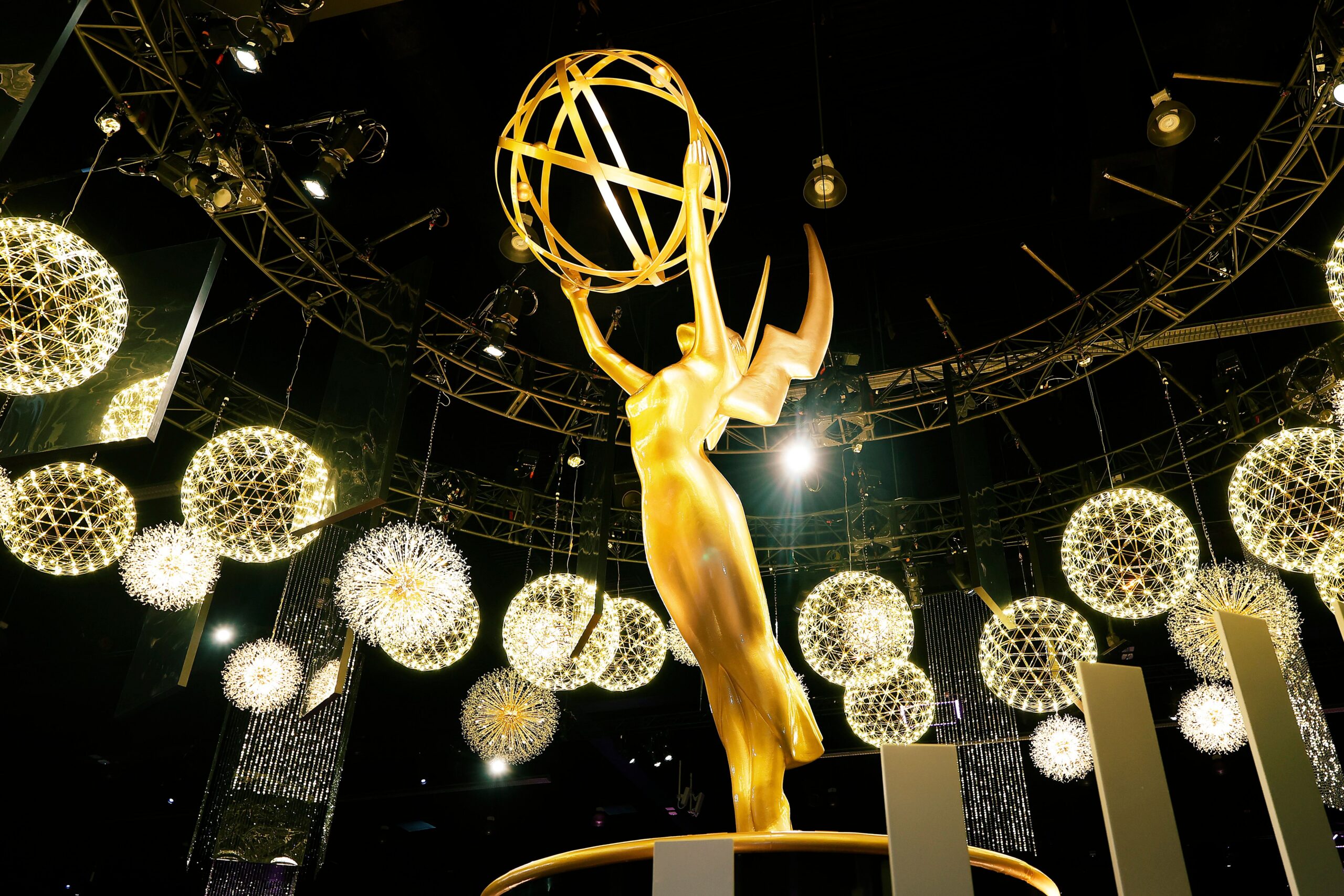
The Emmy Awards ceremony is undergoing a significant transformation. The Television Academy has decided to remove five categories from the live NBC broadcast, a move intended to streamline the show and potentially increase audience engagement. This decision reflects broader discussions within the television industry about the format and relevance of awards shows in the modern media landscape.
This strategic shift directly impacts several categories traditionally presented during the main event. It signals a notable departure from previous Emmy telecast structures. The aim is to create a more concise and compelling viewing experience for the national audience.
The Rationale Behind the Changes
The decision to move categories stems from a desire to make the Emmy telecast more dynamic. Awards shows have faced declining viewership in recent years. Broadcast networks and the Television Academy are actively seeking solutions to reverse this trend. Shorter, more focused ceremonies are often cited as a potential remedy.
NBC, as the broadcast partner, plays a crucial role in these discussions. The network’s interest lies in maximizing advertising revenue and audience reach. A streamlined show is perceived as more attractive to a wider demographic, especially younger viewers who often prefer shorter, more digestible content.
Industry analysts have pointed to the success of other awards formats that prioritize key categories. The Academy Awards, for instance, has experimented with similar category removals from its live telecast. These experiments have met with mixed reactions from the creative community but often aim for a more television-friendly runtime.
Which Categories Are Affected?
Specific details about the five categories being moved have begun to emerge. While the official announcement from the Television Academy is pending, early reports indicate a focus on supporting and limited series acting categories.
These categories often feature a large number of nominees. Presenting them individually can consume significant airtime. Consolidating their presentation, or moving them to a pre-show, allows the main telecast to focus on higher-profile awards.
The move is not a demotion of these categories. Instead, it is a reallocation of their presentation platform. They will still be awarded and recognized, likely during a pre-show event or a separate, non-televised ceremony. This ensures that all deserving artists receive their accolades.
Impact on Nominees and Winners
The primary impact will be on the experience of nominees and winners in the affected categories. Receiving an Emmy on the main stage, during a live national broadcast, is a significant moment for many. This opportunity will now be shifted for five categories.
However, the prestige of the Emmy Award itself remains unchanged. The statuette, the recognition from peers, and the career boost associated with winning will still be present. The platform of celebration will simply be different for a subset of winners.
The Television Academy faces the challenge of communicating this change effectively. They must reassure the creative community that the integrity and importance of all awards are maintained. Transparency in the decision-making process will be key to managing potential backlash.
Historical Context of Emmy Telecast Changes
The Emmys have a long history of adapting their format. Since their inception in 1949, the awards have evolved significantly. Early ceremonies were much smaller, focusing on a nascent television industry. As television grew, so did the scope and scale of the Emmys.
In the 1970s and 1980s, the telecast became a major prime-time event. The number of categories expanded alongside the proliferation of television programming. This expansion eventually led to the creation of the Creative Arts Emmy Awards, which now recognize a vast array of technical and artistic achievements in a separate ceremony.
The current move of five categories is a continuation of this historical trend. It represents another attempt to balance comprehensive recognition with broadcast viability. The goal is to keep the main show engaging for a broad audience while still honoring the full spectrum of television excellence.
The Broader Awards Show Landscape
This Emmy decision occurs within a wider context of awards show introspection. The Golden Globes, the Screen Actors Guild Awards, and the Grammy Awards have all grappled with similar challenges. Viewership declines, changing media consumption habits, and a saturated entertainment calendar contribute to the pressure for innovation.
The rise of streaming services has further complicated the landscape. With hundreds of new shows and limited series released annually, the sheer volume of eligible content for awards has exploded. This makes the task of curating a compelling awards telecast even more complex.
Awards shows also face scrutiny over their relevance and inclusivity. The movements for greater diversity and representation in Hollywood have placed additional demands on these ceremonies. They are expected to reflect the industry’s evolving values while still delivering entertainment.
Future of Emmy Broadcasts
The current changes are likely not the last for the Emmy Awards. The television industry is in a constant state of flux. Future telecasts will undoubtedly continue to experiment with format, presentation, and category structure. The goal will always be to find the optimal balance between honoring excellence and attracting a mass audience.
Technological advancements also play a role. Interactive viewing experiences, social media integration, and multi-platform content delivery are all avenues for future exploration. The Emmys may increasingly leverage digital platforms to extend their reach beyond the traditional linear broadcast.
Ultimately, the long-term success of the Emmy Awards depends on its ability to remain culturally relevant. It must continue to celebrate the best in television while adapting to how audiences consume and engage with media. The removal of five categories is a strategic maneuver in this ongoing evolution.
Awards shows evolve. Audiences shift. Television adapts.
The Emmys.