Tag: Brexit

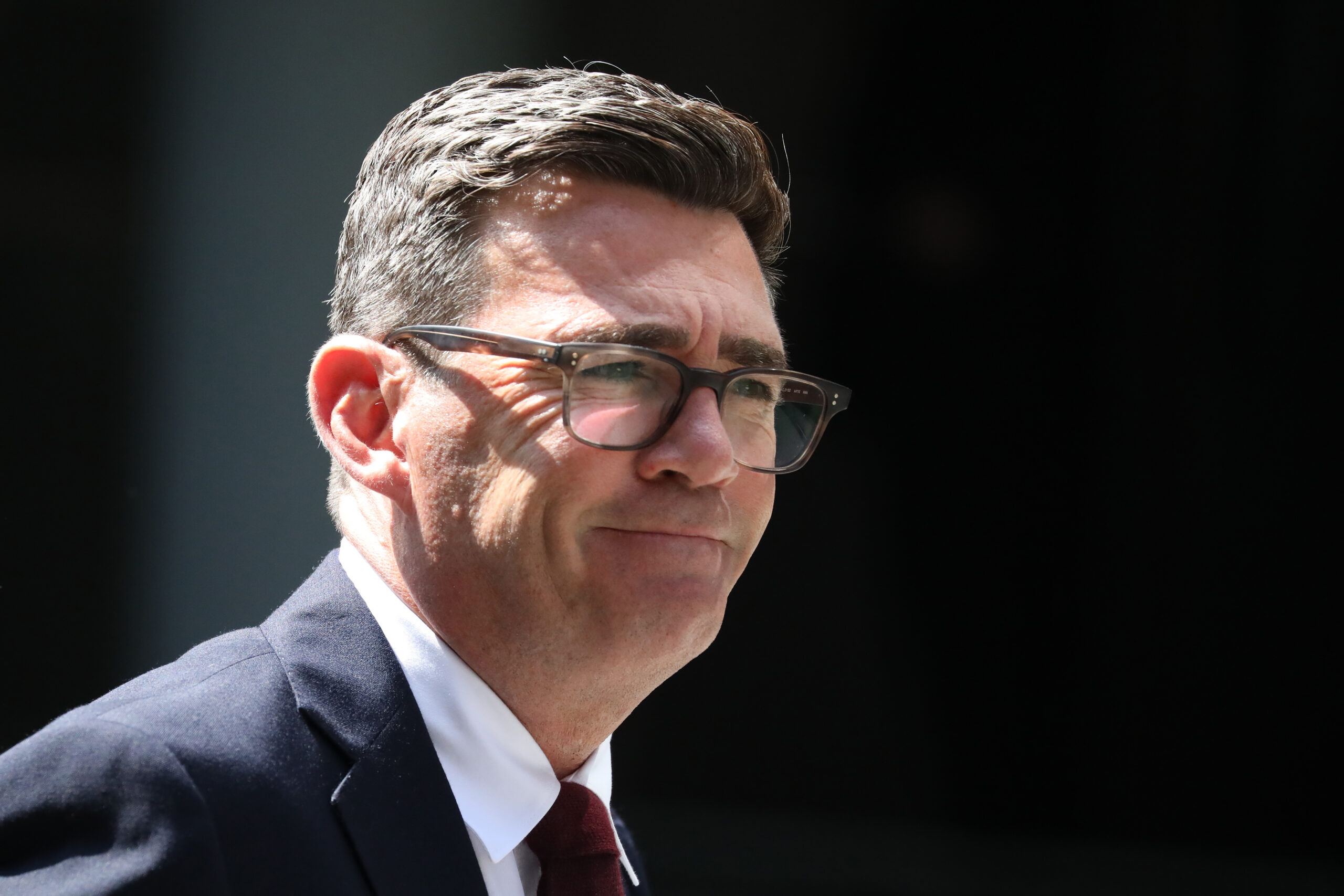
  • Andy Burnham Becomes UK Prime Minister – Sixth Leader in a Decade

    Andy Burnham Becomes UK Prime Minister – Sixth Leader in a Decade

    Andy Burnham was confirmed as the new Prime Minister of the United Kingdom on Monday, July 20, 2026. This appointment positions him at the helm of the UK government, making him the sixth individual to hold the nation’s highest political office in the last ten years. His rise to power followed a rapid leadership contest within the Labour Party, initiated by the resignation of former Prime Minister Keir Starmer on July 20, 2026.

    Starmer’s departure, citing personal reasons and a desire for new party leadership, opened the door for a swift internal election. Burnham, a prominent figure in the Labour Party, emerged as the victor, securing the necessary support from Members of Parliament and party members. What looks like a sudden shift is part of a decade-long pattern of leadership changes.

    A Decade of Political Turnover

    The United Kingdom has experienced significant political volatility over the past decade. Since July 2016, the nation has seen a succession of Prime Ministers from both major parties. This period reflects a landscape shaped by Brexit, economic shifts, and evolving public demands.

    The frequent changes in leadership highlight the pressures facing modern British governance. Each new leader has inherited a complex array of domestic and international challenges, often leading to short tenures and renewed calls for stability. Burnham’s premiership begins under similar scrutiny.

    The succession of leaders underscores a turbulent era in British politics. Theresa May assumed office in July 2016 following the Brexit referendum. Her tenure, marked by intense negotiations and parliamentary deadlocks over Brexit, concluded in July 2019.

    Boris Johnson then took the reins in July 2019, promising to ‘Get Brexit Done’. His premiership, characterized by populist policies and controversies, ended in September 2022. He was succeeded by Liz Truss, whose economic policies led to significant market instability.

    Liz Truss’s time in office was the shortest in UK history, lasting only 49 days before her resignation in October 2022. Rishi Sunak then became Prime Minister in October 2022, aiming to restore economic stability and unity to the Conservative Party.

    Sunak’s leadership continued until a general election saw a change of government. Keir Starmer became Prime Minister in the subsequent election, leading the Labour Party to power. His resignation on July 20, 2026, after a period of leadership, paved the way for Andy Burnham.

    This rapid succession of leaders, from May to Johnson, Truss, Sunak, Starmer, and now Burnham, illustrates a pattern of political instability. The average tenure of a Prime Minister during this period has been approximately 18 months, a stark contrast to historical norms.

    Factors contributing to this instability include the lingering effects of the 2016 Brexit referendum, global economic headwinds, and significant social shifts. Each leader has grappled with the challenge of uniting a divided nation and addressing complex policy issues.

    Public trust in political institutions has also faced scrutiny during this period. The constant turnover at the top has led to questions about governmental effectiveness and the long-term direction of the country.

    Burnham inherits a political environment where expectations for stability and effective governance are high. His ability to navigate these turbulent waters will define his early days in office.

    From Manchester Mayor to Downing Street

    Before becoming Prime Minister, Andy Burnham served as the Mayor of Greater Manchester. He held this prominent position from May 2017 until his recent appointment. During his tenure as Mayor, Burnham gained a reputation for advocating for regional devolution and addressing local issues.

    His focus areas as Mayor included tackling homelessness, improving public transport, and promoting economic development across the Greater Manchester region. He was often seen as a champion for the North of England, pushing for greater investment and autonomy from Westminster.

    Early Political Career and Ministerial Roles

    Burnham’s political career also includes significant roles as a Member of Parliament for Leigh. He represented the constituency from 2001 to 2017, serving for 16 years in the House of Commons before stepping down to run for Mayor.

    During his time as an MP, Burnham held various ministerial positions in previous Labour governments. These roles provided him with extensive experience in national policymaking and governmental operations.

    His ministerial appointments included:

    • Chief Secretary to the Treasury: A key role in managing public expenditure and contributing to economic policy.
    • Secretary of State for Culture, Media and Sport: Overseeing government policy for the creative industries, tourism, and national heritage.
    • Secretary of State for Health: A critical position responsible for the National Health Service (NHS) and public health policy.

    This diverse experience across both local and national government is expected to inform his approach to leadership as Prime Minister. His background suggests a leader with a deep understanding of both central government mechanisms and the practicalities of local governance.

    Burnham’s consistent presence in public life, from a backbench MP to a cabinet minister and then a powerful regional mayor, has given him a broad perspective on the challenges facing the UK. His consistent advocacy for social justice and regional equality has been a hallmark of his career.

    His mayoral platform in Manchester often highlighted issues of inequality and the need for a more balanced economy across the UK. These themes are likely to feature prominently in his national agenda.

    The transition from a regional leadership role to the national stage presents unique challenges and opportunities. Burnham’s established track record in Manchester offers a preview of his potential policy priorities and leadership style.

    The Immediate Challenges Ahead

    As Prime Minister, Andy Burnham faces numerous immediate challenges. Economic stability remains a primary concern, with ongoing inflation and cost-of-living pressures impacting households across the UK. The Bank of England has been grappling with persistently high inflation rates, affecting everything from food prices to energy bills.

    Burnham is also expected to address issues related to public services, including the National Health Service (NHS). The NHS continues to face significant pressures, including long waiting lists, staff shortages, and funding challenges. Improving healthcare provision will likely be a top priority.

    Implementing policies aimed at social welfare improvement will also be critical. This includes addressing poverty, unemployment, and housing shortages, issues that have been exacerbated by recent economic downturns and the lasting impact of the COVID-19 pandemic.

    Forming a New Cabinet and Legislative Agenda

    Burnham’s initial days in office will likely focus on forming a new cabinet. The composition of his cabinet will signal his policy direction and his approach to uniting various factions within the Labour Party. Key appointments to departments such as the Treasury, Foreign Office, and Home Office will be closely watched.

    Following the cabinet formation, he will need to outline his government’s legislative agenda. This agenda will set out the key bills and policy initiatives his administration intends to pursue in the coming months and years. Expectations are high for swift action on pressing national issues.

    His leadership will be closely watched for signs of a distinct policy direction, particularly concerning the UK’s relationship with the European Union and its global standing. The ongoing implications of Brexit continue to shape trade, diplomacy, and economic policy.

    The public and international observers will monitor how he navigates these complex issues. Global partners will be keen to understand the UK’s foreign policy under Burnham, especially regarding alliances and international trade agreements.

    Domestically, the new government will need to articulate clear strategies for economic growth, investment in infrastructure, and addressing regional disparities. The ‘levelling up’ agenda, while initially a Conservative policy, has broader appeal and could be re-envisioned under a Labour government.

    Energy security and climate change also present significant long-term challenges. Burnham’s administration will need to advance policies that balance economic needs with environmental commitments, including investments in renewable energy and carbon reduction targets.

    The ongoing cost-of-living crisis demands immediate and tangible solutions. Measures to support vulnerable households, control inflation, and stimulate wage growth will be high on the agenda. Public confidence will hinge on the government’s ability to deliver visible improvements.

    Burnham’s experience in local government, particularly his focus on community-level issues in Greater Manchester, suggests he may adopt a more localized approach to national policy implementation. This could involve empowering local authorities and devolving more decision-making power.

    The Labour Party’s New Chapter

    Burnham’s election marks a new chapter for the Labour Party. After a period of internal reflection and leadership transitions, the party now aims to consolidate its position and implement its policy platform under Burnham’s guidance. This transition comes after Keir Starmer’s resignation, which prompted the swift leadership contest.

    His mandate will be to unite various factions within the party and present a cohesive vision for the country. The Labour Party has historically faced challenges in maintaining internal unity, and Burnham’s leadership will be tested in this regard.

    The political landscape remains fluid. Public expectations are high for effective governance and tangible improvements in everyday life. The electorate will be looking for clear policy statements and concrete actions that address their daily concerns.

    Burnham’s leadership style, forged in both local and national arenas, will be tested as he endeavors to steer the United Kingdom through its current challenges. His ability to communicate effectively with the public and build cross-party consensus will be crucial.

    The Labour Party’s success under Burnham will depend on its ability to present a credible and unified front. This includes demonstrating economic competence, a clear plan for public services, and a coherent foreign policy stance.

    The party will also need to re-engage with segments of the electorate that have felt disenfranchised by politics in recent years. Burnham’s background as a ‘man of the North’ may help in connecting with voters outside of London and the South East.

    The immediate task for Burnham and his team will be to project an image of stability and competence. This involves not only effective governance but also strong communication strategies to reassure both domestic and international audiences.

    The coming months will be critical in establishing the tone and direction of the new Labour government. Policy announcements, parliamentary debates, and public appearances will all contribute to shaping perceptions of Burnham’s leadership.

    Uncertainty. Transition. Leadership.

  • Count Binface vs. Nigel Farage: The Clacton By-Election Showdown

    Count Binface vs. Nigel Farage: The Clacton By-Election Showdown

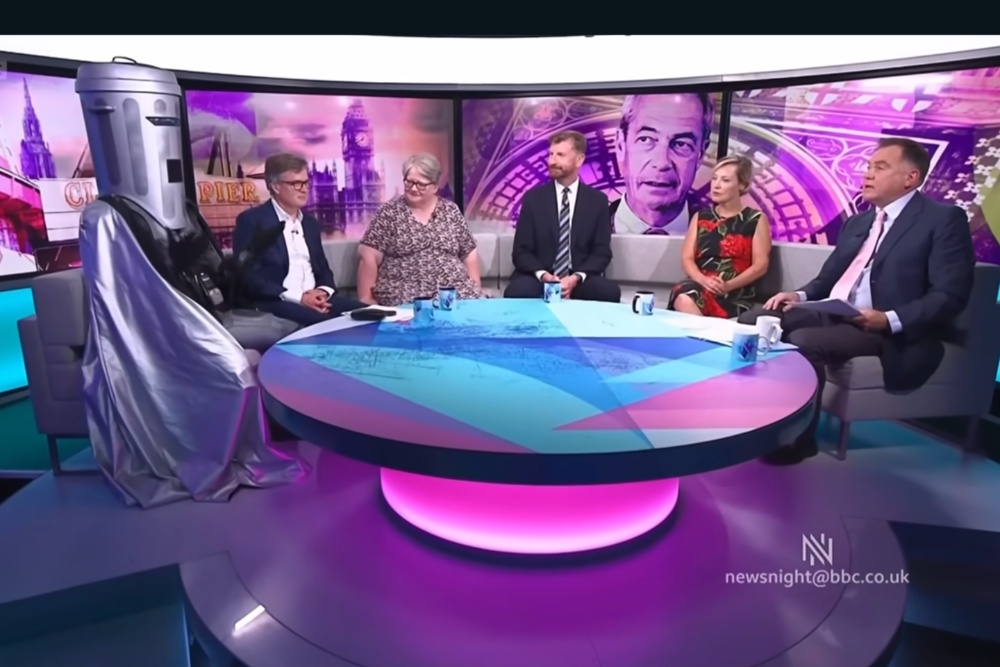
    Count Binface is a masked comedian and political satirist who is challenging Nigel Farage in the Clacton by-election, scheduled for 2026. His campaign, characterized by anti-establishment humor and surreal policy proposals, has garnered significant public attention. This unconventional approach positions him as a unique challenger to Farage’s established political presence.

    The by-election in Clacton is shaping up to be a pivotal moment in UK politics. It not only features high-profile candidates but also reflects broader voter dissatisfaction with traditional political structures. Binface’s rise underscores a trend where comedic and protest candidates can gain unexpected traction, influencing electoral outcomes.

    The Persona of Count Binface: Satire as a Political Tool

    Count Binface is the creation of comedian Jonathan Harvey. The character is instantly recognizable for wearing a dustbin on his head and campaigning on deliberately absurd, yet often pointed, policy platforms. This persona allows for sharp political satire, often highlighting perceived absurdities within mainstream politics.

    His campaigns are not simply comedic stunts. They often contain incisive critiques of government policies and political figures. The humor serves as a vehicle for expressing genuine public frustration and a desire for systemic change. This blend of comedy and commentary distinguishes his political activism.

    Binface’s appeal lies in his ability to articulate discontent in a way that resonates with voters who feel unrepresented by conventional politicians. His direct, often outlandish, proposals cut through typical political rhetoric, offering a refreshing alternative to traditional political discourse.

    A History of High-Profile Challenges

    Count Binface is no stranger to high-stakes electoral contests. He first gained national prominence during the 2017 general election. In that election, he ran against then-Prime Minister Theresa May in the Maidenhead constituency. This initial foray established his brand as a satirical disruptor in national politics.

    During the 2019 general election, Binface stood against then-Prime Minister Boris Johnson in Uxbridge and South Ruislip. Despite not securing a victory, he garnered a notable number of votes. This demonstrated a consistent, albeit niche, appeal among a segment of the electorate, building a foundation for his current challenge in Clacton.

    Each election provided Binface with a larger platform. He honed his public image and refined his satirical approach through these contests. His consistent presence in high-profile races has cemented his status as a recognizable figure in UK political commentary and a symbol of protest.

    Nigel Farage and the Clacton By-Election: A Political Barometer

    Nigel Farage is a significant figure in British politics. He is known for his leadership of the UK Independence Party (UKIP) and subsequently the Brexit Party. Farage has been a vocal proponent of Euroscepticism and national sovereignty for decades, shaping much of the UK’s political conversation on these topics.

    Farage’s decision to contest the Clacton by-election marks a significant moment in his enduring political career. Clacton, a constituency located in Essex, has a history of supporting Eurosceptic candidates. It is widely considered a stronghold for right-wing populist sentiment, making it a strategic choice for his campaign.

    The by-election arises from a recent vacancy, drawing national attention due to Farage’s involvement and his past influence in the area. His campaign focuses on core issues such as immigration, national identity, and perceived failures of the current government, echoing themes that have defined his political career.

    Why Clacton Matters in the Political Landscape

    Clacton holds considerable symbolic importance within UK politics. It was the first constituency to elect a UKIP Member of Parliament in 2014. That by-election victory signaled a significant shift in the national political landscape and the rise of populist movements. This history makes it a natural battleground for Farage and his political ideology.

    The outcome in Clacton will be widely interpreted as a barometer of public opinion. It will indicate sentiment regarding Farage’s brand of politics and the broader direction of the country. A strong showing for Farage could reassert his influence, while a robust challenge from Binface could significantly complicate this narrative, drawing attention away from a clear Farage victory.

    For Count Binface, Clacton offers another crucial opportunity to demonstrate the viability of anti-establishment candidacies. It provides a prominent stage to amplify his message to a national audience, directly confronting a figure synonymous with populist movements. This direct confrontation highlights the evolving nature of political discourse.

    The Dynamics of the Challenge: Satire Meets Populism

    The clash between Count Binface and Nigel Farage represents a collision of distinct political styles and ideologies. Farage embodies a serious, albeit often controversial, political movement focused on traditional policy concerns. Binface, conversely, operates within the realm of satire and protest, using humor to make political points.

    Binface’s strategy involves using humor to expose what he perceives as the flaws and hypocrisies of mainstream politics. His policy proposals, such as moving the Houses of Parliament to Doncaster or bringing back Ceefax, are designed to provoke both thought and laughter simultaneously. These proposals, while humorous, often highlight real-world issues through exaggeration.

    This approach can be profoundly disarming to traditional political campaigns. Voters, often weary of conventional political debates and rhetoric, may find Binface’s candid and comedic style refreshing. His ability to connect with voters on an emotional level, through shared frustration and humor, could prove to be a significant and unexpected asset in the by-election.

    The Undercurrent of Anti-Establishment Sentiment

    The rise of candidates like Count Binface is indicative of a deep-seated anti-establishment sentiment among a significant portion of the electorate. Many voters express feeling disconnected from political elites and disillusioned with the offerings of traditional political parties. This sentiment creates fertile ground for unconventional candidacies.

    Binface skillfully capitalizes on this widespread sentiment. He presents himself as an undeniable outsider, unburdened by party loyalty or conventional political ambition. His very appearance, with a bin for a head, serves as a powerful visual symbol of a rejection of the political status quo and its perceived failings.

    This anti-establishment appeal has the potential to draw votes from various segments of the population. This includes those who are politically disengaged, those who feel ignored by mainstream politicians, and those who simply wish to register a protest vote against the existing system. His candidacy becomes a vehicle for expressing broader discontent.

    Could Binface Actually Win? Assessing the Odds

    While the prospect of Count Binface winning a parliamentary seat might seem improbable to many political observers, his past performances suggest he can attract a significant protest vote. In the 2019 general election, for example, he secured 69 votes against Boris Johnson. This was a respectable showing for a satirical candidate in a high-profile constituency, demonstrating a baseline of support.

    The Clacton by-election presents a unique set of circumstances. Its specific local dynamics, combined with the high-profile nature of Farage’s candidacy, could create an environment where a protest vote for Binface gains unusual momentum. The intense media focus on Farage might inadvertently create space for other candidates to capture public imagination and support.

    A victory for Binface would be unprecedented in UK political history and would undoubtedly send shockwaves through the entire political system. Even a strong second or third-place finish would be a significant achievement. Such an outcome would solidify his status as a serious satirical force within British politics, proving the power of unconventional campaigns.

    The Amplifying Role of Media and Social Media

    The media, both traditional and social, plays a critical role in amplifying the campaigns of unconventional candidates like Count Binface. His unique visual identity and humorous policy proposals are inherently newsworthy, attracting coverage that more conventional candidates might struggle to obtain. This media attention provides invaluable exposure.

    Social media platforms are particularly crucial for Binface’s strategy. They allow his satirical messages to spread rapidly, reaching a younger, often more politically disengaged audience. Viral memes, humorous videos, and direct interactions with followers help to build a community around his candidacy, translating online engagement into real-world awareness.

    This widespread media and social media presence ensures that Binface’s challenge to Farage is not easily dismissed. It elevates his candidacy from a fringe protest to a significant talking point, influencing public discourse and potentially swaying voters who are looking for an alternative to traditional political figures.

    Looking Ahead: The Impact of the Clacton By-Election

    The Clacton by-election in 2026 will be more than just a contest for a parliamentary seat. It will serve as a bellwether for several key trends in British politics. The performance of Nigel Farage will indicate the continued strength of populist movements and his personal political influence. His campaign will test the resonance of his core messages with the electorate.

    Equally important will be the performance of Count Binface. His vote share will provide a measure of the electorate’s appetite for protest votes and satirical political challenges. A strong showing for Binface could encourage other unconventional candidates and influence how traditional parties approach future elections, forcing them to address underlying discontent.

    Regardless of the outcome, the Clacton by-election will be a compelling study in modern political campaigning. It will showcase the enduring power of established political figures alongside the disruptive potential of satirical, anti-establishment candidacies. The eyes of the nation will be on Clacton.

    Voters will head to the polls. Candidates will make their final appeals. The results will be tallied.

    Clacton will speak.

  • Nigel Farage Resigns as MP, Vows to Contest By-Election Amid Investigation

    Nigel Farage Resigns as MP, Vows to Contest By-Election Amid Investigation

    Nigel Farage, a prominent figure in British politics, announced his resignation from his parliamentary seat on 2026-07-07. He immediately declared his intention to contest the upcoming by-election for the same constituency, signaling a direct challenge to his critics and a continued commitment to his political career.

    This resignation follows a period of intense public and political scrutiny. Investigations into Farage’s conduct have been ongoing, contributing to the pressure leading to his decision.

    The Immediate Aftermath of Resignation

    Farage’s resignation triggers a by-election in his former constituency. The specific date for this electoral contest has not yet been set but is expected to occur within a few months of the declaration of the vacancy.

    His announcement to re-contest the seat transforms the by-election into a direct referendum on his recent actions and his political platform. Political analysts suggest this strategy aims to reaffirm his mandate from the electorate.

    The move has immediately generated significant media attention across the United Kingdom and internationally. News outlets have highlighted the unusual nature of an MP resigning only to seek re-election for the same position.

    Underlying Investigations and Scrutiny

    Details of the specific investigations facing Farage remain a central point of public discussion. These inquiries reportedly concern aspects of his financial dealings and his interactions with certain foreign entities.

    The nature of these investigations has not been fully disclosed to the public. However, reports from various media organizations indicate that they involve questions of transparency and adherence to parliamentary standards.

    Farage himself has largely dismissed the allegations, characterizing them as politically motivated attacks. He has maintained his innocence throughout the process.

    Parliamentary Standards and Conduct

    The UK Parliament has established clear guidelines for the conduct of its members. These rules cover financial interests, lobbying activities, and general ethical behavior.

    Committees such as the Parliamentary Commissioner for Standards are responsible for investigating alleged breaches of these rules. Their findings can lead to various sanctions, including suspension from the House of Commons.

    Public trust in political figures is often tied to adherence to these standards. Any deviation can lead to public outcry and demands for accountability.

    A History of Political Maneuvering

    Nigel Farage has a long history of impactful political actions. He rose to prominence as a leading voice for the United Kingdom’s departure from the European Union.

    He co-founded the UK Independence Party (UKIP) and later the Brexit Party. Both organizations were instrumental in shaping the political landscape of the 2010s.

    His political career has been marked by a series of resignations and re-entries into frontline politics. This pattern suggests a willingness to disrupt conventional political norms.

    Previous Resignations and Campaigns

    Farage previously resigned as leader of UKIP in 2016 following the Brexit referendum result. He cited a desire to regain his life after years of campaigning.

    However, he returned to lead the Brexit Party in 2019, playing a significant role in the European Parliament elections that year. His continued presence in the political arena has been a consistent feature of British public life.

    Each such move has been met with both strong support from his base and fierce opposition from his detractors. His current decision fits within this established pattern of strategic political gambits.

    The By-Election Battle Ahead

    The upcoming by-election is expected to be a highly competitive event. Farage’s decision to stand again ensures that the contest will attract national, if not international, attention.

    Other major political parties, including the Conservative Party, the Labour Party, and the Liberal Democrats, are expected to field their own candidates. They will aim to capitalize on any perceived vulnerability in Farage’s position.

    The campaign will likely focus on local issues, but also on the broader themes of national politics, accountability, and the ongoing investigations surrounding Farage.

    Potential Outcomes and Implications

    A victory for Farage would be interpreted as a strong endorsement from his constituents, potentially bolstering his position against the ongoing investigations. It would also reaffirm his continued relevance in British politics.

    A defeat, conversely, could significantly diminish his political capital and raise questions about his future influence. It would be seen as a rejection of his recent actions and his broader political agenda.

    The outcome will provide a snapshot of public sentiment in a specific constituency. This can offer insights into the national political mood and the effectiveness of various party strategies.

    Public and Media Reaction

    The announcement has elicited a wide range of reactions. Supporters of Farage have lauded his decision as a brave and principled stand against political persecution.

    Critics have argued that the resignation and re-election bid are an attempt to distract from the serious nature of the investigations. They suggest it is a maneuver to avoid accountability.

    Social media platforms have been particularly active, with trending hashtags and widespread debate. Traditional news media have provided extensive coverage, analyzing the political implications.

    Impact on Other Political Figures

    The by-election will also test the strength of other political parties in the region. Their ability to challenge Farage successfully will be closely watched.

    The results could influence future electoral strategies for all major parties. It might indicate shifts in voter allegiance or the impact of current national issues on local elections.

    For Prime Minister Rishi Sunak and the Conservative government, the by-election presents another challenge. They will need to demonstrate their own strength in a contested electoral environment.

    The Road Ahead for Farage

    Farage’s immediate future involves an intense by-election campaign. He will need to rally his base and persuade undecided voters to support his re-election.

    Concurrently, the investigations into his conduct are expected to continue. The findings of these inquiries could emerge during or after the by-election period.

    His political trajectory remains a subject of considerable speculation. Whether he can maintain his influence and navigate these challenges will be a key story in British politics.

    Allegations surfaced. Investigations began. Farage resigned. A by-election looms. The public watches.

    Westminster.