The summer of 1976 found its defining anthem in “Afternoon Delight,” a song by the Starland Vocal Band. This soft-rock single, with its distinctive harmonies and suggestive lyrics, became an unexpected cultural touchstone. It rose to the top of the charts during the American Bicentennial, cementing its place in music history as a quintessential one-hit wonder and the unofficial soundtrack to a nation’s celebration.
The song’s widespread appeal transcended musical genres, resonating with a diverse audience. Its success was a testament to its catchy melody and the unique vocal blend of the group. “Afternoon Delight” captured a specific moment in American popular culture, reflecting both the optimism and the evolving social norms of the mid-1970s.
The Genesis of a Bicentennial Hit
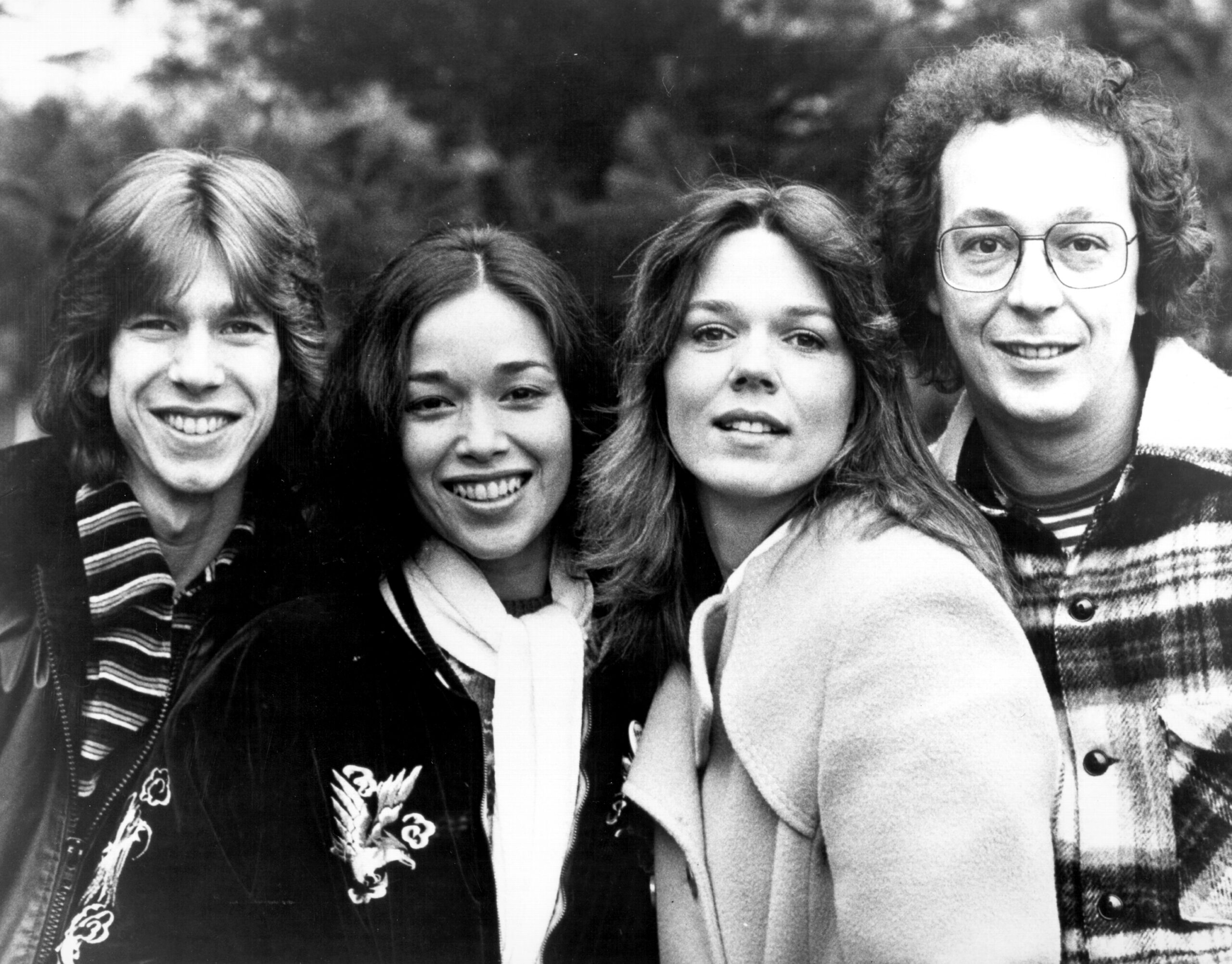
The Starland Vocal Band formed in Washington, D.C., in 1975. The group comprised two married couples: Bill Danoff and Taffy Nivert, and Jon Carroll and Margot Chapman. Danoff and Nivert were already established songwriters, known for co-writing John Denver’s hit “Take Me Home, Country Roads.” This prior success provided a foundation for their new musical venture.
The inspiration for “Afternoon Delight” reportedly came to Danoff while dining at a restaurant called Clyde’s in Georgetown. The restaurant offered an appetizer menu item called “Afternoon Delight.” The phrase sparked his imagination, leading to the creation of the song’s central theme.
The song’s lyrics, while seemingly innocent, carried a subtle double entendre. This playful ambiguity contributed to its allure. It allowed listeners to interpret the song on multiple levels, enhancing its broad appeal across different demographics.
Recording and Release
The Starland Vocal Band recorded “Afternoon Delight” for their self-titled debut album. Windsong Records released the single in the spring of 1976. The timing coincided perfectly with the growing anticipation for the United States’ 200th anniversary celebration.
The production of the song emphasized its vocal harmonies. The four members’ voices blended seamlessly, creating a smooth and polished sound. This intricate vocal arrangement became a hallmark of the Starland Vocal Band’s style and a key factor in the song’s distinctiveness.
The song’s instrumentation was characteristic of 1970s soft rock. It featured acoustic guitars, light percussion, and a gentle rhythm section. This arrangement provided a mellow backdrop for the prominent vocals.
Chart Dominance and Cultural Impact
“Afternoon Delight” quickly ascended the music charts. It entered the Billboard Hot 100 in May 1976. By July 10, 1976, it had reached the coveted number one position, holding it for two consecutive weeks.
The song’s peak coincided directly with the July 4, 1976, Bicentennial celebrations across the nation. This synchronicity was largely coincidental but proved immensely powerful. “Afternoon Delight” became intertwined with the national mood of celebration and nostalgia. It played on radios during parades, picnics, and fireworks displays, becoming an auditory symbol of the moment.
Its success was not limited to the United States. The song also achieved significant chart success internationally. It charted in Canada, Australia, and the United Kingdom, demonstrating its global appeal.
Grammy Recognition
The critical and commercial success of “Afternoon Delight” earned the Starland Vocal Band significant accolades. At the 19th Annual Grammy Awards in 1977, the group received two prestigious awards. They won Best New Artist, a testament to their sudden emergence onto the national music scene. The song itself also won a Grammy for Best Vocal Arrangement for Two or More Voices, recognizing the intricate vocal work that defined the track.
These awards solidified the song’s status as a significant musical achievement of the era. They acknowledged both the group’s talent and the song’s innovative vocal structure.
The One-Hit Wonder Phenomenon
Despite the immense success of “Afternoon Delight,” the Starland Vocal Band struggled to replicate its initial triumph. Subsequent singles and albums failed to achieve the same level of commercial penetration. This pattern cemented their status as a classic “one-hit wonder.”
The phrase “one-hit wonder” refers to an artist or group that achieves widespread popularity with a single song but fails to maintain that level of success with later releases. This phenomenon is common in the music industry, often driven by a unique sound, a timely release, or a particularly memorable melody.
For the Starland Vocal Band, “Afternoon Delight” became both their greatest achievement and their lasting identifier. It defined their career, overshadowing any other musical contributions they made.
The Legacy of “Afternoon Delight”
Decades after its release, “Afternoon Delight” continues to hold a place in popular culture. It is frequently featured on classic hits radio stations and in compilations of 1970s music. The song has also appeared in numerous films and television shows, often used to evoke the aesthetic and mood of the mid-1970s.
Its enduring presence in media highlights its timeless appeal and its ability to transport listeners back to a specific era. The song’s gentle harmonies and playful lyrics continue to resonate with new generations, even if they are unfamiliar with the Starland Vocal Band’s broader discography.
The song has also been covered by various artists, further demonstrating its lasting impact. These covers often bring new interpretations to the classic track, ensuring its continued relevance in the contemporary music landscape.
The Bicentennial Context of 1976
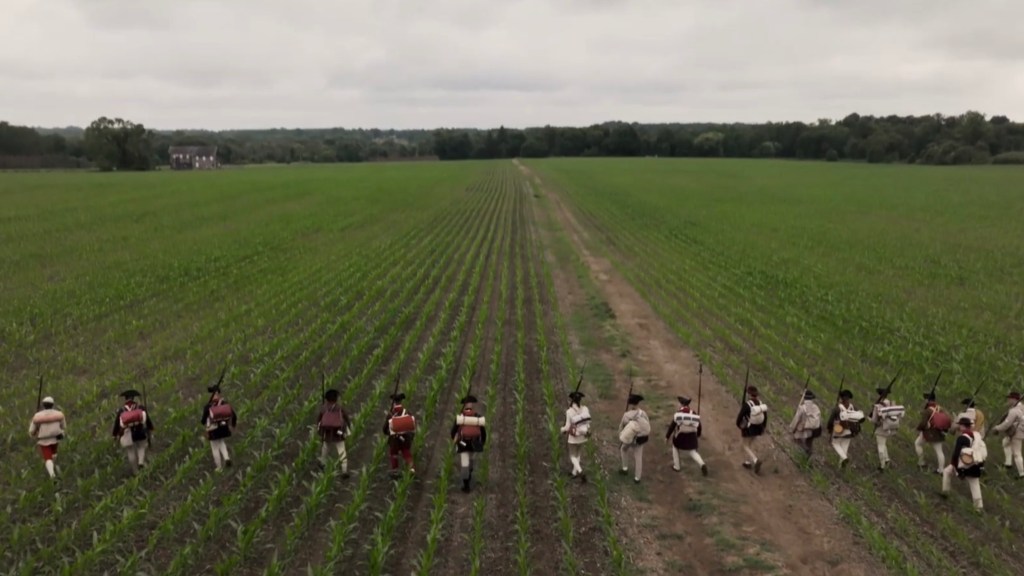
The year 1976 was a significant one for the United States. It marked the 200th anniversary of the Declaration of Independence. The nation engaged in widespread celebrations, parades, and historical commemorations. A sense of national pride and reflection permeated the cultural atmosphere.
The Bicentennial was a time of both looking back at American history and looking forward to the future. It fostered a unique cultural environment where symbols of American heritage were celebrated. This backdrop provided a fertile ground for a song like “Afternoon Delight” to flourish, embodying a sense of lighthearted celebration.
While not explicitly patriotic, the song’s lightheartedness and widespread appeal fit the celebratory mood. It offered a moment of musical escape and joy during a period of national commemoration. The song became an unofficial, yet undeniable, part of the Bicentennial experience for many Americans.
Starland Vocal Band After the Hit
Following the success of “Afternoon Delight,” the Starland Vocal Band released several more albums, including “Rear View Mirror” (1977) and “Late Nite Radio” (1978). While these albums received some critical attention, they did not achieve the commercial success of their debut. The group struggled to escape the shadow of their signature hit.
The Starland Vocal Band officially disbanded in 1981. The individual members pursued separate musical careers and other ventures. Bill Danoff and Taffy Nivert continued their songwriting partnership, contributing to various projects.
Despite their relatively short run as a mainstream act, the group left an indelible mark on music history with their single, “Afternoon Delight.” Their story serves as a classic example of the challenges and triumphs inherent in the music industry.
Melodies lingered. Harmonies soared. Memories formed.
The Bicentennial.