Tag: Benjamin Netanyahu

  • President Trump Hosts Netanyahu and Zelenskyy at White House – A Diplomatic Summit

    President Trump Hosts Netanyahu and Zelenskyy at White House – A Diplomatic Summit

    President Donald Trump convened separate meetings with Israeli Prime Minister Benjamin Netanyahu and Ukrainian President Volodymyr Zelenskyy at the White House on 2026-07-28. These high-profile diplomatic engagements addressed critical geopolitical challenges in the Middle East and Eastern Europe, underscoring the United States’ ongoing role in international affairs.

    The two leaders arrived in Washington D.C. for a series of discussions. Their presence at the White House on the same day, albeit for distinct bilateral talks, drew significant international attention. Each meeting was anticipated to yield important outcomes for their respective regions.

    The White House Diplomatic Calendar

    The White House schedule on 2026-07-28 reflected a robust diplomatic agenda. President Trump engaged in extensive talks with both Prime Minister Netanyahu and President Zelenskyy.

    These meetings were carefully orchestrated to allow for focused discussions on specific national and international priorities. The nature of these separate visits emphasized the unique challenges each nation faces.

    Security protocols were heightened around the Executive Mansion. Preparations for the arrival of two heads of state are always extensive. The diplomatic corps worked to ensure smooth proceedings for both sets of talks.

    Meeting with Prime Minister Benjamin Netanyahu

    Prime Minister Benjamin Netanyahu’s visit focused on the intricate dynamics of the Middle East. His discussions with President Trump were expected to cover a range of topics.

    These included regional security, the ongoing peace process with Palestinian authorities, and Iran’s nuclear program. The relationship between the United States and Israel remains a cornerstone of American foreign policy.

    Netanyahu has a long history of engagement with American presidents. His current tenure as Prime Minister of Israel places him at the center of critical regional decisions. The talks likely included strategies for maintaining stability in a volatile area.

    Middle East Peace Initiatives

    Discussions surrounding Middle East peace initiatives were a primary agenda item. The Trump administration has historically pursued various approaches to this long-standing conflict.

    Previous efforts by the United States have aimed to broker agreements between Israel and its Arab neighbors. The Abraham Accords, signed in 2020, represented a significant step in this direction. These accords normalized relations between Israel, the United Arab Emirates, Bahrain, Sudan, and Morocco.

    The 2026 meeting likely explored avenues for further normalization. It also addressed the complexities of the Israeli-Palestinian conflict. Any potential progress in this area would have wide-ranging implications for global stability.

    Regional Security Concerns

    Regional security concerns also featured prominently. The proliferation of advanced weaponry in the Middle East continues to be a major worry. Iran’s activities in the region are a constant point of tension.

    The United States and Israel share intelligence on various threats. These include state-sponsored terrorism and the actions of non-state actors. Protecting shipping lanes and vital infrastructure is another shared priority.

    Cybersecurity threats, increasingly sophisticated, were also likely on the agenda. Both nations have invested heavily in defensive and offensive cyber capabilities. Collaboration in this domain is essential.

    Meeting with President Volodymyr Zelenskyy

    Following the meeting with Prime Minister Netanyahu, President Trump welcomed Ukrainian President Volodymyr Zelenskyy. Their discussions centered on Ukraine’s sovereignty and territorial integrity.

    The conflict with Russia, which began in 2014 and escalated significantly in 2022, remains a critical international issue. Ukraine continues to rely on international support to defend its borders and citizens.

    President Zelenskyy’s visits to Washington D.C. have consistently sought to reinforce this support. He has advocated for continued military aid, economic assistance, and diplomatic pressure against Russia.

    Continued Support for Ukraine

    The primary focus of the meeting was the continuation of support for Ukraine. This includes military hardware, financial aid, and humanitarian assistance.

    The United States has been a leading provider of aid to Ukraine since the full-scale invasion. Billions of dollars in assistance have been allocated through various packages. This support is crucial for Ukraine’s defense capabilities.

    Discussions likely included future aid packages and the long-term commitment of the United States. Ukraine’s ability to resist aggression depends heavily on a steady flow of resources from its allies.

    Sanctions and Diplomatic Pressure

    Sanctions against Russia were another key topic. The United States and its allies have implemented extensive sanctions targeting the Russian economy, its leadership, and its military industrial complex.

    President Zelenskyy has consistently urged for stronger and more comprehensive sanctions. The goal is to further isolate Russia and diminish its capacity to wage war. Diplomatic pressure on Russia to withdraw its forces was also discussed.

    International forums, such as the United Nations and the G7, have been venues for these diplomatic efforts. The United States plays a central role in coordinating these global responses.

    The Broader Geopolitical Context of 2026

    These White House meetings occur within a complex global environment. The year 2026 presents numerous challenges and opportunities for international diplomacy.

    Economic shifts, technological advancements, and evolving alliances define the current landscape. The United States, as a global power, navigates these currents through its foreign policy.

    The convergence of leaders from two different conflict zones highlights the interconnectedness of global security. Instability in one region can have ripple effects worldwide.

    Shifting Alliances and Power Dynamics

    Global power dynamics are continually shifting. The rise of new economic and military powers influences international relations. Traditional alliances are being re-evaluated and sometimes strengthened.

    The United States maintains a network of alliances across continents. These alliances are vital for collective security and economic cooperation. The meetings with Netanyahu and Zelenskyy reinforce specific bilateral relationships.

    Multilateral organizations also play a role. NATO, for example, remains a critical defense alliance for European security. The United States’ leadership within such bodies is often central to their effectiveness.

    Economic Implications of Global Conflicts

    The economic implications of global conflicts are significant. Supply chains can be disrupted, energy prices can fluctuate, and trade routes can be threatened.

    The conflict in Ukraine, for instance, has had a profound impact on global food and energy markets. Inflationary pressures in many countries are partly attributable to these disruptions. Discussions in Washington D.C. likely touched upon these economic consequences.

    International cooperation is often sought to mitigate these effects. Economic stability is a prerequisite for political stability. Both are intertwined in the current global order.

    The Role of the United States in Global Security

    The United States maintains its position as a key player in global security. Its diplomatic efforts often aim to de-escalate conflicts and promote peaceful resolutions.

    The White House serves as a frequent venue for such high-stakes negotiations. Presidential leadership is critical in shaping international responses to crises. The meetings on 2026-07-28 exemplify this role.

    American foreign policy seeks to protect national interests while also promoting democratic values and human rights. This dual objective often guides its engagement with diverse international partners.

    Humanitarian Concerns and International Law

    Humanitarian concerns are frequently part of diplomatic discussions. Conflicts often result in significant civilian displacement and suffering. International law provides a framework for addressing these issues.

    The United States often provides substantial humanitarian aid to affected regions. This aid includes food, medical supplies, and shelter. Advocacy for compliance with international humanitarian law is also a consistent theme.

    The protection of civilians and the accountability of those who commit war crimes are important aspects of American foreign policy. These principles were likely discussed in the context of both the Middle East and Ukraine.

    Looking Ahead: Future Diplomatic Engagements

    The meetings between President Trump, Prime Minister Netanyahu, and President Zelenskyy are part of an ongoing diplomatic process. They are not isolated events but rather milestones in broader international relations.

    Follow-up discussions, technical meetings, and further diplomatic exchanges are anticipated. The outcomes of these summits will influence future policy decisions and international cooperation.

    The United States will continue to engage with its allies and partners. It will also confront adversaries where necessary. The goal remains a more secure and stable global environment.

    World leaders converged. Critical issues were debated. Alliances were reaffirmed. Washington D.C.

  • Trump and Netanyahu Convene in Washington – High-Stakes Diplomatic Summit

    Trump and Netanyahu Convene in Washington – High-Stakes Diplomatic Summit

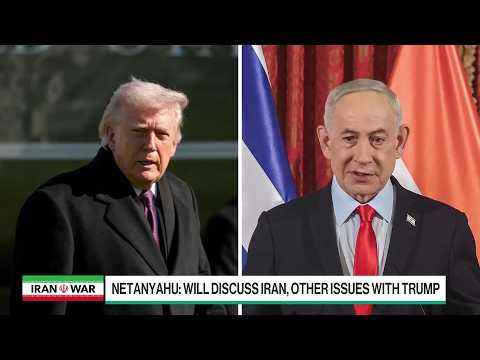
    President Donald Trump and Israeli Prime Minister Benjamin Netanyahu convened a high-stakes diplomatic summit in Washington, D.C., on July 28, 2026. This meeting was officially scheduled to address pressing regional challenges, reinforce the strategic alliance between the United States and Israel, and align their positions on key international issues impacting global security and economic stability.

    The engagement marked a significant moment for U.S.-Israel relations and Middle East policy. Both leaders sought to project a united front on critical international matters.

    The Washington Summit: A Diplomatic Nexus

    The July 28, 2026, summit in Washington brought together two central figures in international diplomacy. President Trump and Prime Minister Netanyahu met to discuss a range of critical subjects. These discussions were designed to strengthen the bilateral relationship.

    High-level communication channels are crucial for maintaining strong alliances. This summit served as a direct conduit for such exchanges. The meeting followed a long tradition of close consultation between the two nations.

    Iran: The Central Challenge

    The primary focus of the summit was Iran’s nuclear program. Both the United States and Israel consider Iran’s nuclear ambitions a significant threat. They also view Iran’s regional activities as destabilizing.

    Strategies for countering Iranian influence in the Middle East were a central theme. Discussions explored various approaches to mitigate these perceived threats. This included potential diplomatic and security measures.

    Intelligence sharing on Iran’s activities was a key component. Enhanced cooperation in this area aims to provide a clearer picture of regional dynamics. This shared intelligence informs strategic decisions.

    Regional Security and Global Implications

    Beyond Iran, regional security concerns featured prominently on the agenda. The ongoing conflict in Ukraine and its wider implications were discussed. Leaders considered how global events impact the Levant region.

    Stability in the Middle East remains a complex issue. The leaders explored avenues for enhanced intelligence sharing. Military cooperation was also a topic of discussion.

    Such cooperation aims to improve preparedness and response capabilities. It underscores the shared security interests of the U.S. and Israel. These discussions extend beyond immediate threats.

    The Ukraine Conflict and Its Ripple Effects

    The conflict in Ukraine has created global uncertainties. Its impact on energy markets, diplomatic alliances, and security postures is significant. President Trump and Prime Minister Netanyahu addressed these ripple effects.

    The discussions were not confined to bilateral interests alone. They considered how actions in one region affect others. This holistic view is characteristic of high-level diplomatic engagements.

    A coordinated stance on global issues can send clear messages. This applies to both allies and adversaries. The summit served as a platform for this unified projection.

    Economic Partnerships and Bilateral Ties

    Economic partnerships between the U.S. and Israel were another key agenda item. Trade agreements were on the table. Technological collaboration was also a significant point of discussion.

    Joint investment opportunities were explored. Strengthening these ties aims to benefit both economies. Economic cooperation complements security and diplomatic efforts.

    These partnerships foster innovation and growth. They provide a stable foundation for the broader relationship. Both nations seek mutual economic advantage.

    Technological Collaboration: A Growth Area

    Technological collaboration is a rapidly expanding area of cooperation. Israel is known for its innovation in various tech sectors. The United States offers vast markets and research capabilities.

    Discussions focused on joint ventures in cybersecurity, artificial intelligence, and defense technologies. These areas hold significant promise for mutual benefit. They also address shared challenges.

    The exchange of scientific expertise and resources was emphasized. This collaboration strengthens both nations’ competitive edge. It also contributes to global technological advancement.

    Anticipated Outcomes and Joint Statements

    The summit is expected to conclude with a joint press conference. A formal statement is also anticipated. These will outline the agreements reached.

    They will also detail the shared strategic objectives of the two nations. Policy analysts will closely scrutinize these pronouncements. They will look for shifts in diplomatic posture.

    Specific details regarding any new initiatives or commitments are anticipated. These could range from expanded security protocols. New economic incentives are also possible outcomes.

    The Significance of Public Pronouncements

    Public statements following such summits are carefully crafted. They convey the collective will and direction of the leaders. These pronouncements are critical for international understanding.

    They signal intentions to allies and rivals. They also inform domestic audiences about the progress of diplomatic efforts. The language used is often precise and deliberate.

    Any joint declaration will be analyzed for its implications. It will reflect the areas of consensus. It will also highlight the strategic priorities of both governments.

    Historical Context of U.S.-Israel Summits

    Meetings between U.S. Presidents and Israeli Prime Ministers have a long history. These gatherings are crucial for maintaining the strong bilateral relationship. They provide direct channels for high-level communication and problem-solving.

    Past summits have often led to significant agreements. These include security assistance packages. Peace initiatives and economic aid have also resulted from these meetings.

    Each meeting builds upon decades of established diplomatic precedent. The July 28, 2026, summit follows this tradition of close consultation. It reaffirms an enduring partnership.

    Decades of Diplomatic Engagement

    The relationship between the United States and Israel has been characterized by consistent engagement. From the early days of Israel’s statehood, U.S. Presidents have met with Israeli leaders. These meetings have spanned numerous administrations.

    They have addressed various geopolitical shifts and challenges. The regularity of these summits underscores their importance. They are a cornerstone of the bilateral relationship.

    This history provides a framework for current discussions. It ensures continuity in diplomatic efforts. It also highlights the depth of the strategic alliance.

    The Enduring Partnership

    The United States has consistently been Israel’s strongest ally. This relationship is underpinned by shared democratic values. Strategic interests also bind the two nations.

    The Washington summit reaffirmed this enduring partnership. It demonstrated a commitment to mutual security. It also showcased a shared vision for regional stability.

    This partnership extends beyond governmental ties. It encompasses cultural, economic, and societal connections. These multifaceted links contribute to the resilience of the alliance.

    Shared Values and Strategic Alignment

    Democratic values form a foundational element of the U.S.-Israel relationship. Both nations uphold principles of freedom, rule of law, and individual liberties. These shared ideals foster mutual respect and understanding.

    Strategically, both countries face common threats. These include terrorism, state-sponsored aggression, and regional instability. This alignment of strategic interests drives cooperation in defense and intelligence.

    The partnership is not static. It evolves with changing global dynamics. However, its core principles remain constant, guiding diplomatic interactions.

    Global Implications of the Meeting

    The outcomes of the Trump-Netanyahu summit will have ripple effects across the globe. Decisions made in Washington can influence geopolitical dynamics. This includes the Middle East, Europe, and beyond.

    International observers monitored the meeting closely. The timing of this meeting was particularly salient. It occurred amidst current global uncertainties.

    Energy markets, diplomatic alliances, and security postures could all be impacted. The discussions were not confined to bilateral interests alone. They held broader international significance.

    Monitoring by International Observers

    Diplomatic missions worldwide paid close attention to the summit’s proceedings. Analysts from various international organizations tracked the statements and outcomes. The potential for shifts in policy was a key focus.

    News agencies globally reported on the event. Their coverage reflected the perceived importance of the U.S.-Israel relationship. It also highlighted the impact of their coordinated actions on world affairs.

    The summit’s influence extends to multilateral forums. Discussions and agreements reached can shape debates in the United Nations, NATO, and other international bodies.

    A Moment of Diplomatic Weight

    This summit represented an opportunity for both leaders to project a united front. They addressed critical international issues. Their coordinated stance sent clear messages to allies and adversaries alike.

    It was a moment of significant diplomatic weight. The discussions and agreements aimed to shape future policy. They reinforced the strategic direction of both nations.

    Leaders convene. Strategies align. Policies are forged. The future is shaped.

    Washington.


  • Iran Peace Talks Collapse in Islamabad as U.S. and Iran Fail to Reach a Deal

    Iran Peace Talks Collapse in Islamabad as U.S. and Iran Fail to Reach a Deal

    Twenty-one hours of direct negotiations between the United States and Iran ended without an agreement on Sunday morning, leaving a fragile two-week ceasefire in serious doubt and raising new questions about the future of a six-week war that has reshaped the Middle East.

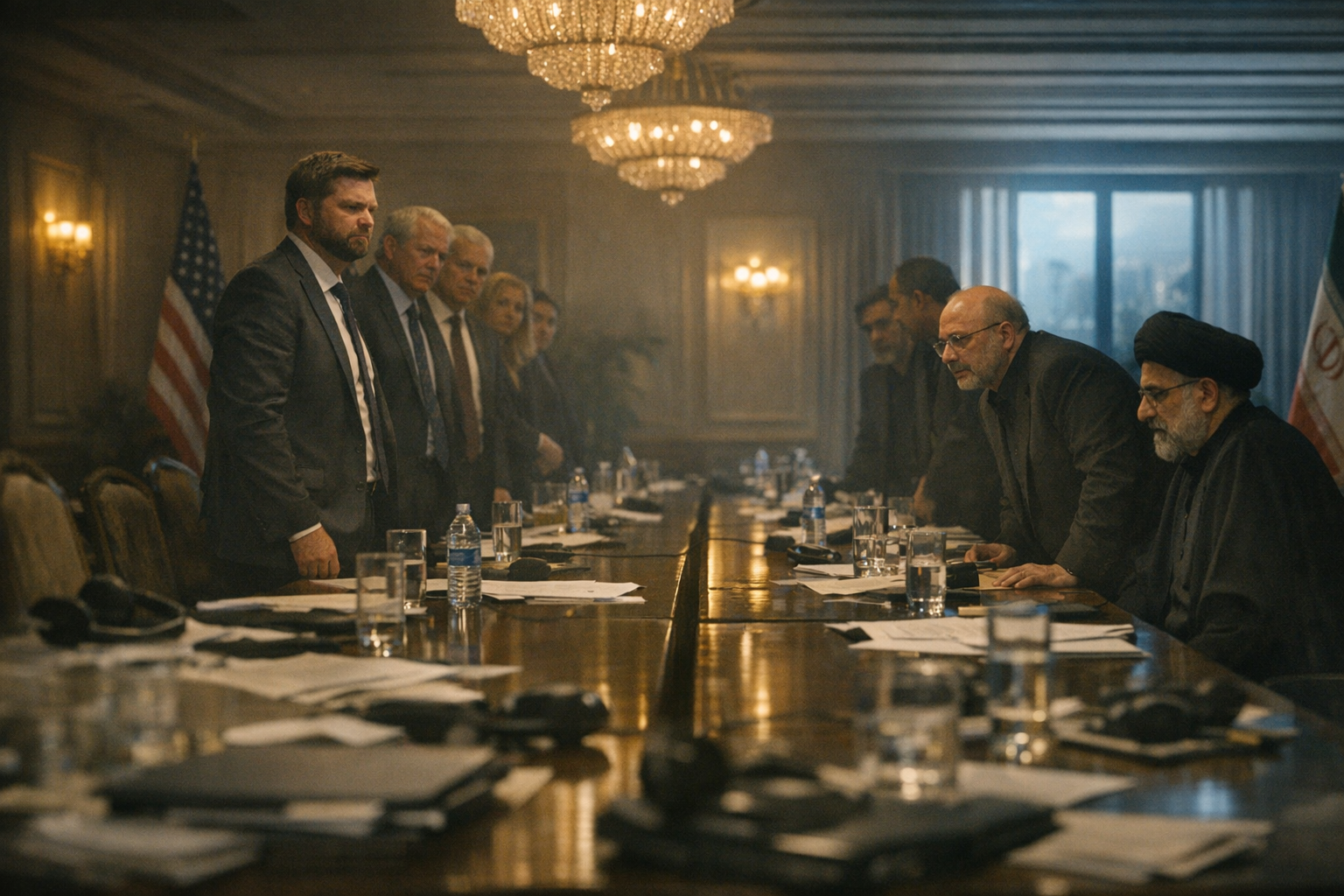
    Vice President JD Vance led the U.S. delegation into face-to-face talks at the Serena Hotel in Islamabad, Pakistan, in what became the highest-level in-person engagement between Washington and Tehran since the 1979 Islamic Revolution. The Iranian delegation, led by Parliament Speaker Mohammad Bagher Ghalibaf, arrived dressed in black in mourning for Supreme Leader Ayatollah Ali Khamenei and others killed during the conflict.

    Why the Talks Failed

    The core demand from the United States was a firm commitment from Iran not to develop nuclear weapons. Iran refused. Vance told reporters before boarding Air Force Two that the American side had made its position clear throughout the negotiations.

    Iran refused to meet that demand. Vance told reporters before boarding Air Force Two that the U.S. side had presented what he described as a final and best offer, and that it was now up to Iran to decide whether to accept it.

    Iran’s chief negotiator blamed the United States for the breakdown. Ghalibaf said his delegation raised forward-looking proposals during the talks but that the opposing side failed to gain their trust. Iran’s Foreign Ministry added that the two sides had reached a measure of understanding on some issues but that gaps remained on several major points, including control of the Strait of Hormuz, sanctions relief, and war reparations.

    The Strait of Hormuz Remains the Pressure Point

    The Strait of Hormuz sits at the center of the entire standoff. Iran has maintained a chokehold on the strait since the start of the war, blocking roughly 20 percent of the world’s oil and liquefied natural gas shipments. The resulting disruption has sent energy prices climbing globally and placed pressure on the economies of U.S. allies across Europe and Asia.

    Three supertankers passed through the strait on Saturday in what appeared to be the first vessels to exit the Gulf since the ceasefire was announced, according to shipping data. Iran has not committed to fully reopening the passage, and according to multiple reports, Iran also lost track of mines it planted in the strait, complicating any timeline for clearing it. The U.S. Navy has begun a mine-clearing operation in the area.

    Trump Threatens a Naval Blockade

    Within hours of Vance departing Islamabad, President Trump posted on social media that the United States would impose a full naval blockade on Iran. Trump stated that the talks had failed because Iran was unwilling to give up its nuclear ambitions. He had previously downplayed the importance of the negotiations, telling reporters in Washington that whether a deal was reached made no difference to him.

    The threat of a blockade marks a significant escalation in rhetoric, though it is not yet clear whether military action will follow. The two-week ceasefire is set to expire on April 22, and neither side has signaled whether it will hold beyond that date. Pakistan, which served as the primary mediator throughout the process, urged both parties to maintain the ceasefire and said it intends to continue playing a role in peace efforts.

    Where Things Stand Now

    The collapse of the Islamabad talks does not mean negotiations are permanently over. Vance left open the possibility of continued discussions before departing, and Iran’s Foreign Ministry described the current stage as critical and sensitive. What happens in the days before April 22 will determine whether diplomacy remains viable or whether the conflict resumes at full scale.

    Israel’s continued military campaign against Hezbollah in Lebanon added another layer of complication throughout the proceedings. Tehran had insisted the ceasefire included Lebanon, a position the United States and Israel both rejected. Israel killed more than 350 people in Lebanon in a single day earlier in the week, and Prime Minister Benjamin Netanyahu stated publicly that his country’s military campaign against Iran was not over.

    The war began on February 28, 2026, with a surprise joint U.S. and Israeli strike on Iran involving hundreds of coordinated attacks. The ceasefire that created space for these talks was announced on April 7. With that window closing and no agreement in hand, the coming days carry significant weight for the region and for global energy markets alike.