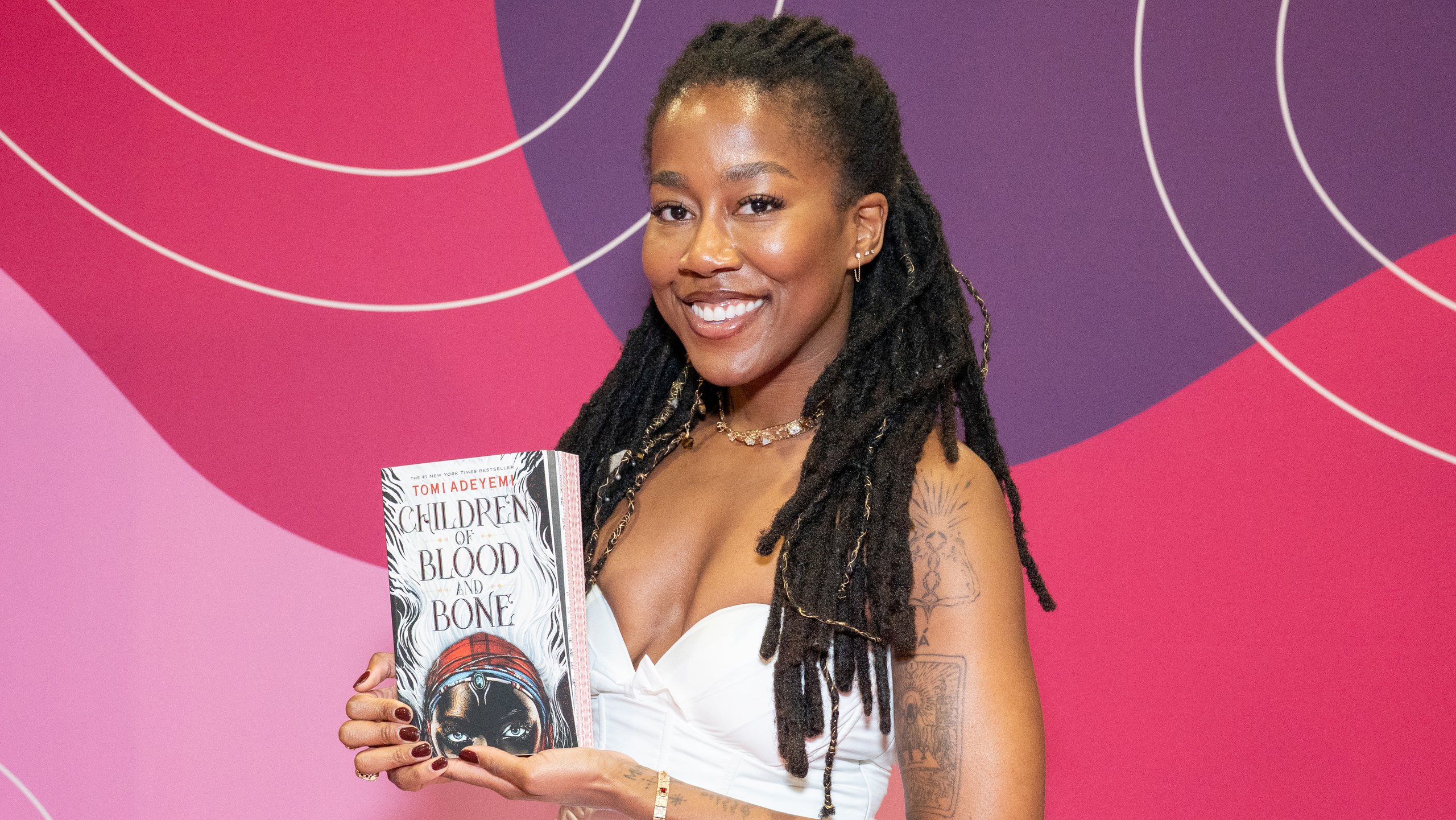
Tomi Adeyemi, the acclaimed author of the bestselling novel ‘Children of Blood & Bone,’ has publicly declared she will not watch the forthcoming film adaptation of her debut work. Adeyemi characterized her involvement and the overall experience during the film’s production as “painful.” This announcement, reported by Deadline, has initiated considerable discussion within the literary and film communities regarding authorial rights and the often-fraught process of adapting popular books for the screen.
Her statement underscores a growing sentiment among authors who feel disconnected or marginalized during the transformation of their intellectual property into visual media. The challenges of maintaining creative integrity while navigating the complexities of Hollywood production are frequently brought to the forefront by such declarations.
The Genesis of ‘Children of Blood & Bone’
Tomi Adeyemi’s novel, ‘Children of Blood & Bone,’ first published in 2018, rapidly ascended to critical and commercial success. The young adult fantasy novel introduced readers to a rich, West African-inspired world, following protagonist Zélie Adebola as she strives to restore magic to her people. The book became a New York Times bestseller and garnered numerous awards, establishing Adeyemi as a significant voice in contemporary fantasy literature.
The novel was the first in a planned trilogy, followed by ‘Children of Virtue and Vengeance’ in 2019. Its intricate world-building, compelling characters, and themes of oppression and resistance resonated with a global audience. The success of the book made a film adaptation an almost inevitable outcome, given Hollywood’s consistent interest in popular literary franchises.
The Adaptation Journey Begins
The journey to bring ‘Children of Blood & Bone’ to the big screen has been lengthy and complex. Initial reports of a film adaptation emerged shortly after the book’s release. Major studios and production companies expressed significant interest in the property, recognizing its immense potential for a blockbuster franchise. The rights to the novel were acquired, setting in motion the development process.
The adaptation was poised to be a high-profile project, given the novel’s existing fanbase and its timely themes. Expectations were high for a faithful and visually stunning rendition of Adeyemi’s vibrant world. However, the path from page to screen often involves numerous creative and logistical hurdles.
Adeyemi’s “Painful” Production Experience
Tomi Adeyemi’s public statement centered on the “painful” nature of her experience during the film’s production. While specific details regarding the sources of this pain were not explicitly outlined in the initial report, such sentiments typically arise from disagreements over creative direction, character portrayal, plot changes, or a perceived lack of respect for the original material or the author’s vision.
Authors frequently voice concerns about the degree of creative control they retain once film rights are sold. The adaptation process often involves multiple screenwriters, directors, and producers, each bringing their own interpretations and commercial considerations to the project. This can lead to significant departures from the source material, which can be disheartening for the original creator.
The tension between artistic vision and commercial viability is a recurring theme in film adaptations. Studios aim to produce films that appeal to the broadest possible audience, sometimes leading to decisions that diverge from the nuances of the original text. Authors, conversely, often prioritize fidelity to their established narratives and character arcs.
Industry Reactions and Precedents
Adeyemi’s decision to publicly disavow watching the adaptation is not unprecedented, though it remains a significant statement. Other authors have expressed similar frustrations, some more directly than others. Neil Gaiman, for instance, has been vocal about his involvement in adaptations of his work, often advocating for a more collaborative approach.
Conversely, some authors choose to distance themselves entirely from the adaptation process once rights are sold, viewing it as a separate entity. Adeyemi’s public declaration, however, positions her as an author deeply affected by the production experience, highlighting the emotional investment creators have in their works.
The incident also brings to light the power dynamics inherent in Hollywood. While authors are the originators of the intellectual property, their influence on the final film product can be limited once development is underway. This often leads to calls for stronger contractual protections for authors regarding creative input and final approval.
The Role of Authorial Control
The concept of authorial control in adaptations is a complex legal and creative issue. Standard film rights agreements typically grant the studio significant latitude in developing the screenplay and producing the film. While some contracts may include provisions for the author to serve as a consultant or executive producer, the extent of their actual influence can vary greatly.
Adeyemi’s experience serves as a reminder that even for highly successful and influential authors, navigating the film industry can be challenging. The disparity in creative control often becomes a point of contention, leading to situations where authors feel their original vision is compromised or overlooked.
This situation also prompts reflection on the expectations of fans. Readers often have strong attachments to the source material and anticipate adaptations that remain true to the books they love. When authors themselves express dissatisfaction, it can influence public perception and anticipation for the film.
Implications for Future Adaptations
The public nature of Adeyemi’s statement may have broader implications for the film industry’s approach to literary adaptations. It could encourage more authors to speak out about their experiences, potentially leading to increased scrutiny of production practices and contractual agreements. This could, in turn, foster a greater emphasis on author collaboration and respect for source material in future projects.
For studios, such public declarations represent a public relations challenge. Maintaining a positive relationship with authors is crucial, especially for properties with dedicated fanbases. Negative sentiment from the original creator can dampen enthusiasm for the film, regardless of its eventual quality.
The ‘Children of Blood & Bone’ adaptation is still expected to move forward. The film’s eventual release will likely be viewed through the lens of Adeyemi’s comments, with both critics and audiences potentially scrutinizing its fidelity to the novel and its overall quality more closely.
The Unseen Labor of Creation
Beyond the creative disagreements, the “painful” experience Adeyemi described could also encompass the emotional and psychological toll of seeing one’s creation transformed. Writing a novel is an intimate and personal endeavor. Handing it over to a large-scale production, where numerous individuals contribute and make decisions, can be an emotionally taxing process.
The labor involved in developing a film is immense, but the labor of originating the story often receives less acknowledgment in the adaptation phase. Adeyemi’s statement is a powerful reminder of the human element behind the intellectual property, emphasizing the author’s deep connection to their work.
The discussion surrounding ‘Children of Blood & Bone’ highlights the intricate dance between art and commerce, creation and adaptation. It reinforces the need for transparency, mutual respect, and clear communication throughout the entire production pipeline.
Looking Ahead
Tomi Adeyemi’s decision to not watch the film adaptation of ‘Children of Blood & Bone’ represents a significant moment in the ongoing dialogue about authorial rights and creative control in Hollywood. It serves as a potent reminder of the challenges authors face when their literary works transition to the screen. The industry continues to grapple with finding a balance that honors the original vision while also meeting the demands of large-scale film production.
Authors advocate. Fans anticipate. Studios produce. The conversation continues.