Tag: Attorney General

  • Senator Bill Cassidy Endorses Todd Blanche for Attorney General – Clearing Confirmation Path

    Senator Bill Cassidy Endorses Todd Blanche for Attorney General – Clearing Confirmation Path

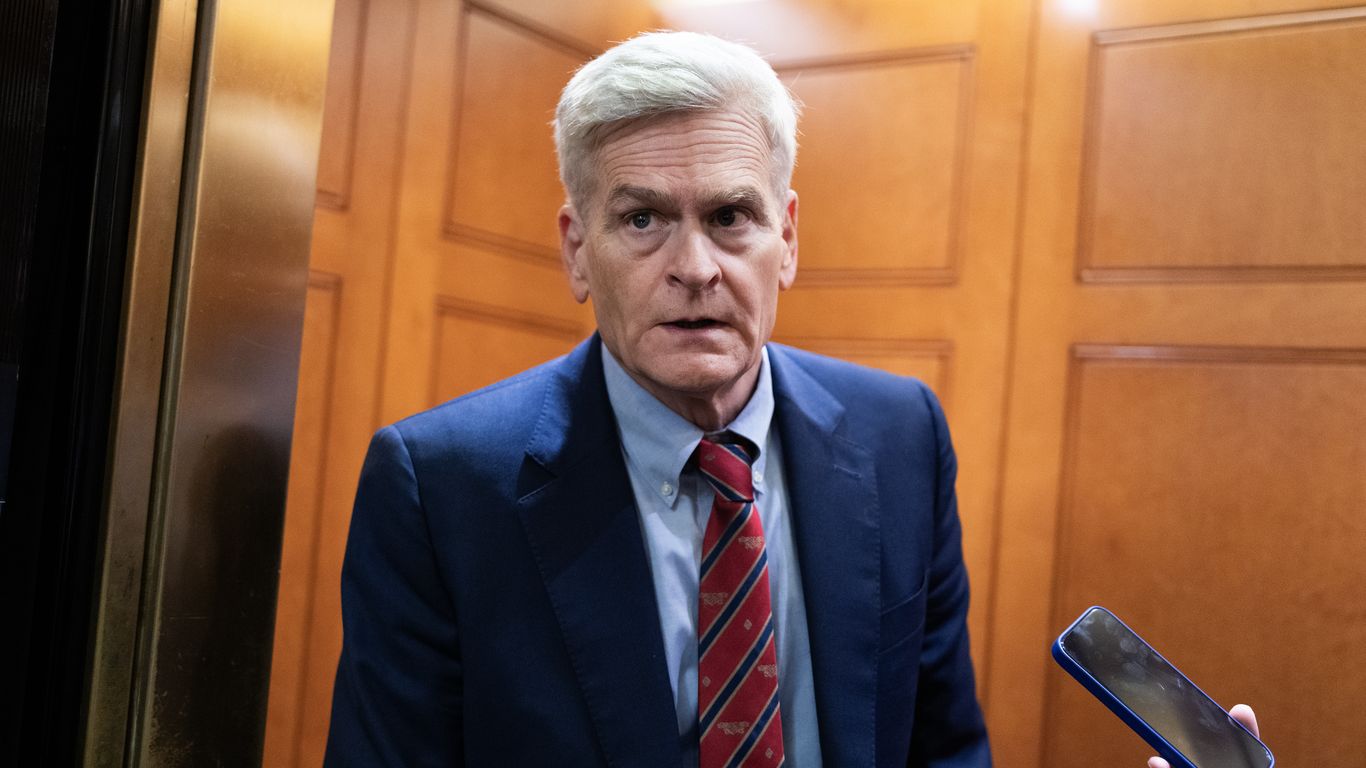
    Senator Bill Cassidy of Louisiana announced his support for Todd Blanche’s nomination for Attorney General on Friday, August 7, 2026. This endorsement marks a significant development in the confirmation process for the Department of Justice’s top role.

    Todd Blanche has been serving as the acting Attorney General. His permanent appointment requires Senate confirmation.

    Cassidy’s backing clears a crucial hurdle. It provides momentum for Blanche’s confirmation despite opposition from some Republican senators.

    The Confirmation Process for Attorney General

    The Attorney General is the chief law enforcement officer and legal advisor of the United States government. This position leads the Department of Justice.

    The President nominates the Attorney General. The Senate must then confirm the nominee by a simple majority vote.

    The confirmation process involves hearings before the Senate Judiciary Committee. Senators question the nominee on their legal philosophy, experience, and policy positions.

    Following committee approval, the nomination moves to the full Senate for a vote.

    Cassidy’s Pivotal Endorsement

    Senator Bill Cassidy’s decision to support Todd Blanche is impactful. Cassidy is a Republican senator from Louisiana.

    His endorsement signals a consolidation of support within the Republican party. This is crucial for securing the necessary votes.

    Cassidy’s backing comes despite internal party divisions. Senators Susan Collins and Lisa Murkowski, both Republicans, have expressed opposition to Blanche’s nomination.

    The Louisiana senator’s announcement on August 7, 2026, provides a clear path forward. It strengthens Blanche’s position for confirmation.

    Opposition and Support Dynamics

    The nomination of Todd Blanche has faced scrutiny. Some Republican senators have voiced concerns.

    Senators Susan Collins of Maine and Lisa Murkowski of Alaska are among those opposing the nomination. Their reasons for opposition have been varied, often centering on policy or judicial philosophy.

    Despite this dissent, Cassidy’s support indicates a broader consensus. It suggests that enough Republican votes will align with the administration’s choice.

    The Democratic caucus’s stance also plays a role. Their votes will be essential if Republican opposition remains significant.

    The Role of the Attorney General

    The Attorney General oversees federal law enforcement agencies. These include the FBI, DEA, and Bureau of Prisons.

    They also represent the U.S. government in legal matters. This includes litigation before the Supreme Court.

    The Attorney General advises the President and executive departments on legal issues. This makes the role central to the administration’s legal agenda.

    The individual in this position shapes national legal policy. They influence civil rights, antitrust, and criminal justice initiatives.

    What Cassidy’s Support Means for Blanche

    Senator Cassidy’s public endorsement provides significant political capital. It can sway undecided senators.

    It signals to the broader Senate that Blanche has substantial backing. This can accelerate the confirmation timeline.

    The path to leading the Department of Justice permanently becomes clearer. Blanche can now focus on preparing for his Senate hearings.

    The administration gains a stronger position. Their nominee is more likely to secure the required votes.

    The Road Ahead for Todd Blanche

    Blanche’s confirmation is now more probable. The Senate will proceed with the final stages of the process.

    Hearings will continue. Votes will be cast.

    The Department of Justice awaits its permanent leader. The nation awaits its chief law enforcement officer.

    Senators gathered. Journalists gathered. The public gathered. Confirmation.

  • Kansas City Sued by Missouri AG Over Alleged Anti-White Policies

    Kansas City Sued by Missouri AG Over Alleged Anti-White Policies

    Kansas City, Missouri, is currently embroiled in a significant legal battle, facing a lawsuit filed by Missouri Attorney General Catherine Hanaway. The lawsuit specifically alleges that the city has engaged in discriminatory practices, particularly against white individuals and men, in its various policies and programs. This legal challenge has prompted a strong reaction from Kansas City’s leadership, with the mayor publicly stating concerns that the lawsuit could undermine and hinder ongoing public safety efforts within the metropolitan area.

    The Allegations: Discrimination Against White Individuals and Men

    Attorney General Catherine Hanaway initiated the legal proceedings against Kansas City in 2026. Her office contends that the city’s policies and initiatives contain elements that are inherently discriminatory. The lawsuit specifically cites instances where programs or hiring practices allegedly favor certain demographic groups over others, to the detriment of white residents and men.

    The core of Hanaway’s argument rests on the principle of equal protection under the law. She asserts that any policy, regardless of its stated intent, that results in discrimination based on race or gender is unconstitutional and violates state and federal statutes. The lawsuit seeks to compel Kansas City to cease these alleged discriminatory practices and to review all current policies for compliance.

    Specific examples cited in the legal filing reportedly include criteria for city contracts, appointments to municipal boards, and certain employment pathways within Kansas City’s government. The Attorney General’s office argues these criteria are structured in a way that disadvantages white applicants and male candidates, creating an uneven playing field.

    The legal action has drawn immediate attention across Missouri and beyond. It touches on sensitive issues of equity, affirmative action, and the role of government in addressing historical disparities. The Hanaway lawsuit frames these city initiatives as unlawful reverse discrimination.

    Kansas City’s Response: Public Safety Concerns and Policy Defense

    Kansas City’s mayor has been vocal in his opposition to the lawsuit. He has publicly stated that the legal challenge is not only unfounded but also poses a direct threat to the city’s ability to implement critical public safety measures. According to the mayor, the resources and attention required to defend against the lawsuit divert focus and funding from essential urban initiatives.

    The city government maintains that its policies are designed to promote diversity, equity, and inclusion (DEI) within the community and its workforce. They argue that these initiatives are vital for fostering a representative government and ensuring equitable access to opportunities for all residents, particularly those from historically marginalized communities.

    City officials contend that the lawsuit mischaracterizes their efforts. They assert that their programs are not intended to discriminate against any group but rather to correct long-standing systemic imbalances. The mayor emphasized that Kansas City remains committed to both public safety and equitable governance.

    The city’s legal team is preparing a robust defense, likely arguing that the policies are legal and necessary. They may present data demonstrating historical disparities in Kansas City and explain how current initiatives aim to address these without violating anti-discrimination laws.

    The mayor also highlighted the potential chilling effect the lawsuit could have on other municipalities considering or implementing similar DEI programs. He suggested that such legal challenges could deter cities from pursuing policies aimed at increasing diversity, out of fear of costly litigation.

    The Broader Context: Cultural and Political Conflict

    The lawsuit filed by Attorney General Hanaway against Kansas City is not an isolated incident. It reflects a broader national trend of legal and political challenges to diversity, equity, and inclusion initiatives. These conflicts often arise from differing interpretations of equality and fairness in contemporary society.

    Conservative legal groups and political figures have increasingly targeted DEI programs, arguing that they lead to reverse discrimination. They contend that focusing on group identity over individual merit creates new forms of unfairness, particularly for white individuals and men who may be perceived as beneficiaries of historical privilege.

    Conversely, proponents of DEI argue that these programs are essential tools for achieving true equality. They emphasize that systemic inequalities persist and that proactive measures are necessary to dismantle barriers and create genuinely equitable opportunities for all members of society.

    The Role of State Attorneys General

    State Attorneys General, like Catherine Hanaway, often play a significant role in these cultural and political debates. They possess the authority to initiate legal action on behalf of the state, challenging policies they deem unlawful or unconstitutional. Their actions can shape legal precedents and influence public policy on a statewide and sometimes national level.

    Hanaway’s decision to sue Kansas City aligns with a broader strategy adopted by some Republican-led states. This strategy involves using legal channels to push back against what they perceive as progressive overreach in local governance and public institutions. This approach is often framed as defending individual rights and meritocracy against identity politics.

    The outcome of this lawsuit could have implications beyond Kansas City. A ruling in favor of the Attorney General could set a precedent that restricts how other cities in Missouri, and potentially beyond, implement diversity and inclusion policies. Conversely, a victory for Kansas City could reaffirm the legality of such programs when properly constructed.

    Impact on Public Discourse

    The legal battle also fuels public discourse on race, gender, and equity. It brings these complex issues to the forefront of local and state politics, prompting discussions among residents, policymakers, and advocacy groups. The language used in the lawsuit and the city’s defense will undoubtedly shape how these conversations unfold.

    Terms like ‘anti-white’ and ‘reverse discrimination’ are highly charged and contribute to a polarized environment. The mayor’s counter-narrative, focusing on public safety and the necessity of equity, also resonates with different segments of the population. This clash of narratives highlights the deep divisions within the public square regarding these issues.

    Legal Precedents and Future Implications

    The lawsuit against Kansas City will likely reference existing legal precedents related to affirmative action and anti-discrimination law. Landmark Supreme Court cases, such as Regents of the University of California v. Bakke (1978) and Grutter v. Bollinger (2003), have established frameworks for considering race in admissions, though these cases primarily concern higher education.

    More recently, the Supreme Court’s decisions in Students for Fair Admissions v. Harvard/UNC (2023) significantly curtailed the use of race in college admissions. While the Kansas City case involves municipal policies rather than university admissions, the legal principles regarding equal protection and the prohibition of racial discrimination will be central to the arguments.

    The lawsuit will likely examine whether Kansas City’s policies constitute a quota system, which is generally impermissible, or if they are narrowly tailored to achieve a compelling government interest without unduly burdening any racial or gender group. The city will need to demonstrate that its policies are not discriminatory and serve a legitimate public purpose.

    Should the Attorney General prevail, Kansas City could be forced to dismantle or significantly alter its current DEI programs. This would necessitate a comprehensive review of city ordinances, hiring practices, and contracting processes. The financial implications of such changes, including potential legal fees and compliance costs, could be substantial for the city.

    If Kansas City successfully defends its policies, it could provide a legal affirmation for similar municipal initiatives across the country. Such an outcome might encourage other cities to continue or expand their DEI efforts, confident in their legal standing. The case’s progression through the Missouri court system, potentially reaching the state’s highest court, will be closely watched.

    The legal process itself will be lengthy and resource-intensive for both sides. Expert witnesses, statistical analyses, and detailed policy reviews will be central to the arguments presented in court. The outcome will depend on how the judiciary interprets the city’s intent and the actual impact of its policies.

    The Intersection of Equity and Urban Governance

    The lawsuit underscores the complex intersection of equity goals and the practicalities of urban governance. Cities often face pressure to address historical injustices and ensure that all residents have an equal opportunity to thrive. This can lead to the creation of programs designed to uplift specific communities or correct past imbalances.

    However, these efforts can sometimes face legal challenges if they are perceived as overstepping legal boundaries or creating new forms of discrimination. The Kansas City case highlights the delicate balance that municipalities must strike between pursuing social equity and adhering to strict anti-discrimination laws.

    The mayor’s argument about the impact on public safety is also a crucial component of this intersection. He implies that a focus on legal battles over equity initiatives detracts from the immediate and pressing need to ensure the security and well-being of all citizens. This frames the debate not just as one of legality but also of practical governance priorities.

    Ultimately, the lawsuit will test the legal limits of municipal DEI programs in Missouri. It will force a critical examination of whether Kansas City’s policies are a legitimate means of achieving a more equitable society or if they cross into unlawful discrimination. The legal and political ramifications will be significant, shaping future policy decisions and public discourse on these contentious issues.

    City officials prepared. Legal teams strategized. Public opinion divided. Arguments mounted. Kansas City waited.

  • Todd Blanche and the DOJ: Scrutiny Over Paramount-Warner Bros. Discovery Merger

    Todd Blanche and the DOJ: Scrutiny Over Paramount-Warner Bros. Discovery Merger

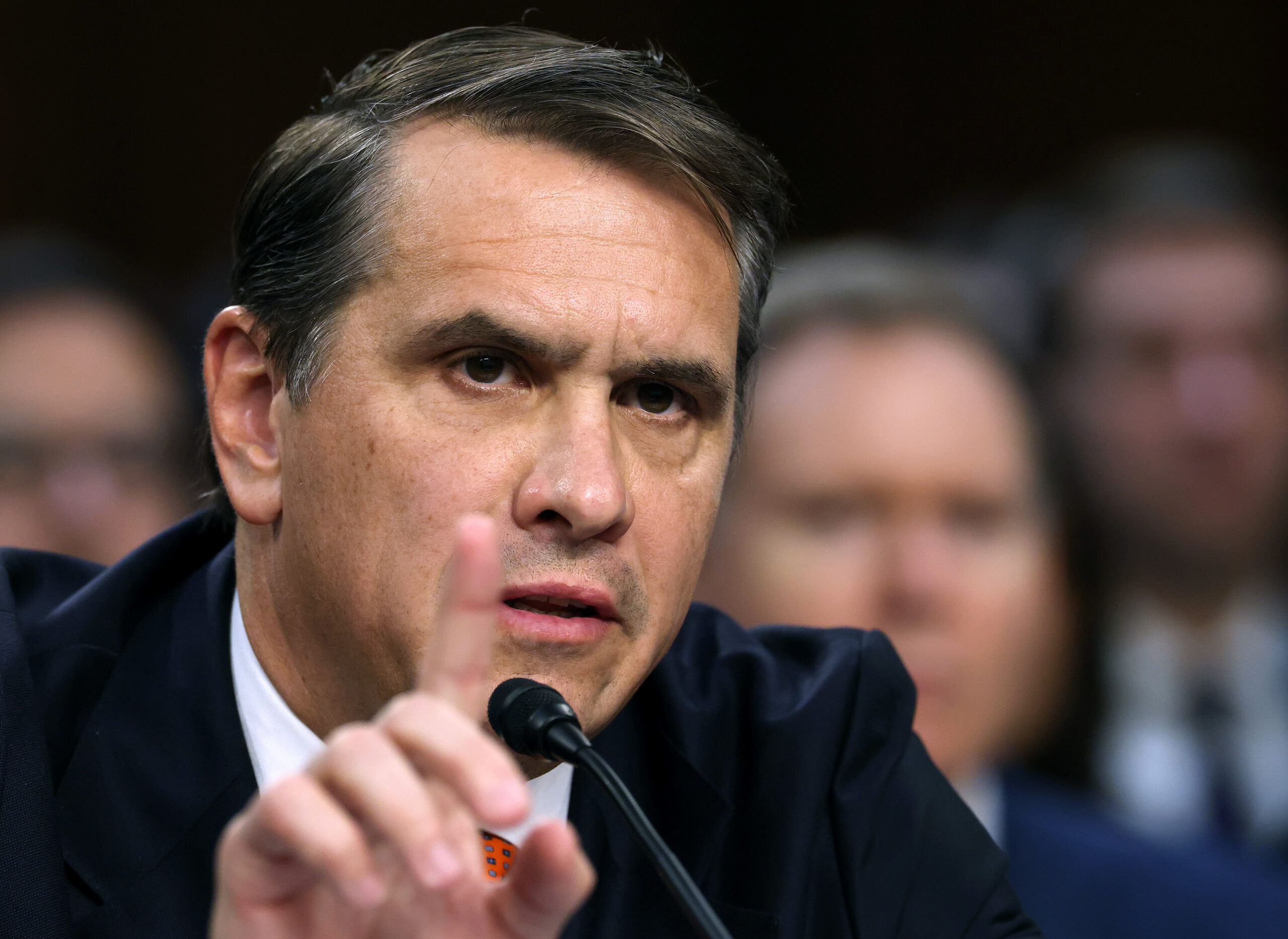
    Attorney General nominee Todd Blanche recently confirmed his direct involvement in the Department of Justice’s decision to greenlight the merger between Paramount Skydance and Warner Bros. Discovery. This admission came during his confirmation hearings, where senators questioned the potential implications of such a significant consolidation in the media industry.

    The confirmation hearings for a presidential cabinet nominee often bring past decisions into sharp focus. For Blanche, the approval of a major media merger has become a central point of inquiry.

    His statement, “I was part of that decision,” has drawn particular attention. It places his judgment and understanding of antitrust principles under intense scrutiny.

    The Context of the Merger

    The proposed merger between Paramount Skydance and Warner Bros. Discovery represents a significant consolidation within the entertainment and media landscape. Both companies control extensive libraries of content, production studios, and distribution platforms.

    Analysts have widely discussed the potential for such a merger to reshape the competitive dynamics of the industry. Concerns often revolve around reduced consumer choice and increased pricing power for the merged entity.

    The Department of Justice’s role in reviewing large mergers is to assess their potential impact on market competition. Antitrust laws aim to prevent monopolies and ensure a fair marketplace for businesses and consumers alike.

    Blanche’s Role at the DOJ

    Before his nomination for Attorney General, Todd Blanche served in various capacities within the Department of Justice. His experience included roles pertinent to antitrust enforcement and corporate regulation.

    His specific involvement in the Paramount-Warner Bros. Discovery merger decision stemmed from his position within the DOJ’s antitrust division. This division is responsible for investigating mergers and acquisitions that could harm competition.

    The decision to approve such a large transaction requires extensive review. It involves economic analysis, legal interpretation, and consideration of market precedents.

    Confirmation Hearing Scrutiny

    During his confirmation hearings, senators pressed Blanche on the specifics of the merger approval. They questioned the rationale behind the decision and its potential long-term consequences.

    One primary concern raised by lawmakers was the increasing concentration of media ownership. Critics argue that fewer, larger media companies could stifle independent voices and limit diverse content production.

    Senators also inquired about the potential impact on consumers. Questions arose about subscription prices, content availability, and the overall quality of entertainment offerings in a less competitive market.

    Questions of Market Power

    The combined entity of Paramount and Warner Bros. Discovery would possess substantial market power. This includes control over film studios, television networks, streaming services, and extensive intellectual property.

    Lawmakers expressed worries that this concentration could lead to anti-competitive practices. These might include bundling services, favoring their own content, or disadvantaging smaller competitors.

    Blanche was asked to elaborate on the safeguards, if any, that the Department of Justice put in place. The goal was to mitigate these potential negative effects following the merger’s approval.

    Implications for the Antitrust Landscape

    The debate surrounding this merger and Blanche’s involvement highlights broader discussions about antitrust enforcement in the current economic climate. Many argue for more robust antitrust measures to address the power of large corporations.

    The technology and media sectors, in particular, have seen a wave of consolidation. This trend has fueled calls for stricter regulatory oversight from both sides of the political spectrum.

    Blanche’s confirmation process offers a platform for these discussions. It allows senators to articulate their expectations for the DOJ’s approach to competition policy under his potential leadership.

    The Future of Media Competition

    The media industry is undergoing rapid transformation, driven by streaming services and changing consumption habits. Mergers like Paramount-Warner Bros. Discovery are often presented as necessary for companies to compete in this evolving landscape.

    However, critics contend that such arguments often mask a desire for increased market dominance. They argue that true innovation and consumer benefit thrive in a more fragmented and competitive environment.

    The Department of Justice’s decision in this case sets a precedent. It signals the agency’s stance on media consolidation at a critical juncture for the industry.

    Public and Industry Reaction

    The news of Blanche’s confirmation regarding his role in the merger decision has resonated within the industry. Media watchdogs and public interest groups have voiced their perspectives.

    Some industry executives argue that such mergers are essential for survival. They cite the need for scale to invest in content and technology to compete with global giants.

    Conversely, consumer advocacy groups have expressed alarm. They worry about the potential for reduced content diversity, higher prices, and a less vibrant media ecosystem.

    The public reaction, though varied, largely reflects a growing concern about corporate power. It shows a desire for government agencies to protect consumer interests.

    Looking Ahead to Blanche’s Tenure

    Should Todd Blanche be confirmed as Attorney General, his past decisions will continue to inform his future actions. His approach to antitrust enforcement will be closely watched.

    The Department of Justice plays a critical role in shaping the economic landscape. Its decisions on mergers, monopolies, and market practices have far-reaching effects on businesses and everyday citizens.

    Blanche’s confirmation hearings serve as a crucial public forum. They allow for an examination of his judicial philosophy, his understanding of complex legal issues, and his commitment to public service.

    The grilling over the Paramount-Warner Bros. Discovery merger is more than just a review of one past decision. It is an indicator of the challenges Blanche would face in leading the Department of Justice.

    Senators probed. The nominee answered. The public observed. The future of antitrust enforcement hangs in the balance.