Support Independent Media & Early Access
Read 100% ad-free and get early access to investigative documentaries and podcast episodes before they go public.
Keep reading:
Read 100% ad-free and get early access to investigative documentaries and podcast episodes before they go public.
Keep reading:
Read 100% ad-free and get early access to investigative documentaries and podcast episodes before they go public.
Keep reading:

Director Dave Green and star Lana Condor publicly discussed the extensive efforts to secure a public screening for their film, ‘Coyote vs. Acme,’ at Comic-Con 2026. This discussion followed a period of significant uncertainty regarding the film’s release, during which its distributor had considered shelving the project entirely. The Comic-Con event represented a successful outcome for the filmmakers and a dedicated fan base.
The journey of ‘Coyote vs. Acme’ to the public eye involved navigating complex studio decisions. The film, a hybrid live-action and animated feature, garnered considerable attention due to its unique premise and its initial unreleased status. Condor’s statement that the ‘fight was for a good reason’ encapsulates the sentiment of the creative team, emphasizing the value they placed on the film’s eventual public presentation.
The controversy surrounding ‘Coyote vs. Acme’ began well before its Comic-Con debut. Warner Bros. Discovery, the film’s distributor, announced in November 2023 its intention to shelve the completed movie for a tax write-off. This decision was part of a broader strategy to optimize financial assets.
The shelving was met with immediate backlash from both the creative community and the public. Directors, actors, and industry professionals voiced concerns over the precedent set by such a move. They argued that it devalued artistic work and disregarded the efforts of hundreds of crew members.
Reports indicated that the film had already completed principal photography and post-production. It featured a blend of live-action performances and classic Looney Tunes animation, a format that often requires significant investment in time and resources.
The news of the potential shelving sparked a wave of advocacy. Filmmakers like Edgar Wright and Phil Lord publicly expressed their dismay. They highlighted the film’s quality, citing early positive test screenings.
The Directors Guild of America and other industry organizations reportedly engaged in discussions with Warner Bros. Discovery. These discussions aimed to explore alternatives to outright cancellation, such as selling the film to another distributor.
Fans launched online campaigns using hashtags like #ReleaseCoyoteVsAcme. These campaigns aimed to demonstrate public demand for the film. They generated significant social media traction, drawing attention to the issue.
The ‘fight’ referenced by Condor and Green involved a multi-faceted effort to save the film. This effort extended beyond public outcry to include internal negotiations and persistent lobbying.
Sources close to the production indicated that the filmmakers themselves were actively involved. They sought to find a new home for the movie, exploring options with other studios and streaming platforms.
Warner Bros. Discovery eventually reversed its decision to permanently shelve the film in November 2023. This reversal came after intense public pressure and widespread industry criticism. The studio then allowed the filmmakers to shop the movie to other potential buyers.
Several major studios and streamers reportedly entered a bidding war for ‘Coyote vs. Acme.’ Companies like Netflix, Amazon Prime Video, and Paramount Pictures were among those interested. The film’s unique appeal and the public’s awareness of its plight made it a high-profile acquisition target.
The specific terms of the eventual acquisition and distribution deal were not immediately disclosed. However, the outcome ensured that the film would indeed see a release, rather than being permanently stored away.
This process demonstrated the commercial viability of a film, even one initially deemed expendable for tax purposes. It also highlighted the dynamic nature of content distribution in the contemporary entertainment landscape.
The decision to premiere ‘Coyote vs. Acme’ at Comic-Con 2026 was a strategic one. Comic-Con, held annually in San Diego, California, is a prominent platform for genre films and fan engagement. It provides a direct connection between creators and their most dedicated audiences.
The screening event was heavily promoted leading up to the convention. It generated significant anticipation among attendees and the broader film community. The panel discussion with director Dave Green and star Lana Condor was a central feature of the event.
During the panel, Green and Condor recounted their experiences throughout the film’s tumultuous journey. They shared anecdotes about the production and the subsequent battle for its release. Their statements resonated with an audience that had followed the story closely.
Lana Condor, known for her roles in films like ‘To All the Boys I’ve Loved Before,’ plays a significant role in ‘Coyote vs. Acme.’ Her involvement brought additional star power and fan interest to the project.
Condor articulated the emotional toll and ultimate reward of fighting for the film. She emphasized the collaborative spirit of the cast and crew. Their collective belief in the project fueled the determination to see it released.
Her comment, ‘The fight was for a good reason,’ became a key takeaway from the Comic-Con panel. It underscored the artistic integrity and passion behind the film, suggesting that the creative vision was worth defending against commercial pressures.
Director Dave Green, who previously helmed ‘Teenage Mutant Ninja Turtles: Out of the Shadows,’ brought his unique vision to ‘Coyote vs. Acme.’ His commitment to the project remained steadfast throughout its challenges.
Green discussed the intricate process of blending live-action with animation. He highlighted the technical and creative hurdles overcome during production. He also expressed gratitude for the unwavering support from his team and the fans.
His presence at Comic-Con provided an opportunity to explain the film’s narrative themes and its connection to the classic Looney Tunes universe. He detailed how the movie pays homage to the original characters while introducing new elements.
The ‘Coyote vs. Acme’ saga has broader implications for the entertainment industry. It sparked conversations about intellectual property rights, creator autonomy, and the role of streaming platforms.
The incident highlighted the power dynamics between major studios and creative talent. It underscored the financial motivations that can sometimes override artistic considerations in Hollywood.
The successful release of the film, after its initial shelving, offers a precedent. It suggests that public and industry pressure can influence corporate decisions regarding content. It also demonstrates the potential for films to find new distributors even after being deemed unviable by their original studios.
‘Coyote vs. Acme’ is a prime example of a hybrid live-action and animated film. The success of its public debut could influence future productions in this genre. It showcases the potential for innovative storytelling techniques.
The film’s narrative, centered around the iconic Wile E. Coyote, taps into a rich vein of cultural history. It explores themes of perseverance and the pursuit of justice, albeit in a comedic context. This blend of classic characters with contemporary themes holds significant appeal.
The positive reception at Comic-Con 2026 suggests a strong audience appetite for such content. This could encourage other studios to invest in similar hybrid projects, further diversifying the cinematic landscape.
The role of fan engagement in the ‘Coyote vs. Acme’ story cannot be overstated. The organized efforts by fans played a crucial part in bringing the film back from the brink of oblivion.
Online communities and social media platforms served as powerful tools for advocacy. They allowed fans to mobilize quickly and effectively, transforming individual voices into a collective force.
This case study illustrates the growing influence of fan bases in shaping industry outcomes. It reinforces the idea that passionate audiences can significantly impact the trajectory of creative projects. Their sustained interest and vocal support proved instrumental in securing the film’s eventual release.
Filmmakers gathered. Actors gathered. Fans gathered.
Comic-Con.
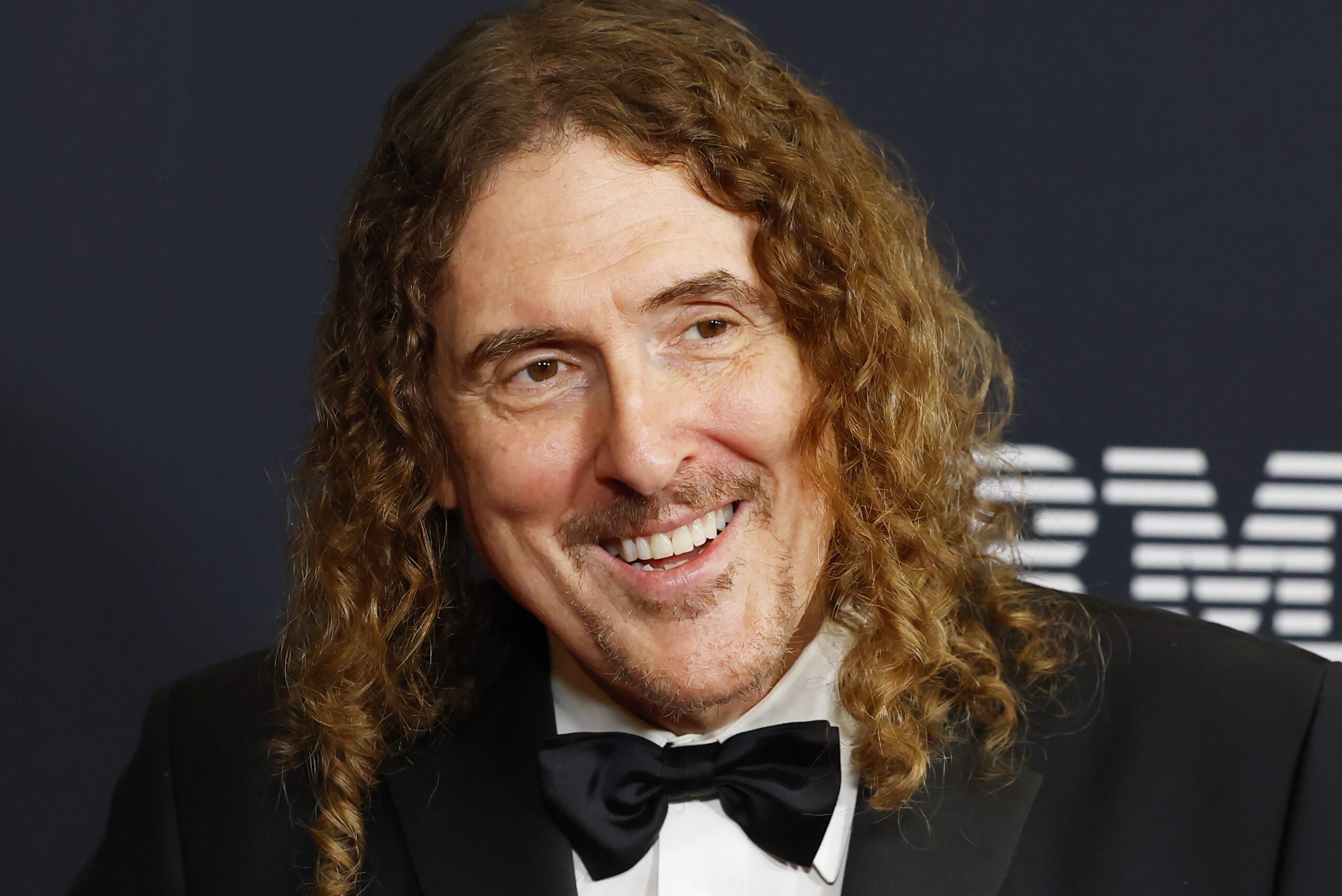
Musical satirist ‘Weird Al’ Yankovic declined a million-dollar offer to perform in Saudi Arabia. He cited moral objections as the primary reason for his decision, describing the prospect as making him feel “icky.” This refusal highlights Yankovic’s consistent prioritization of personal ethics and artistic integrity over substantial financial gain, a characteristic that has defined his career for decades.
The specific details of the million-dollar offer remain largely private. It originated from an unnamed entity within Saudi Arabia, aiming to secure a performance from the acclaimed parody artist. The sum itself represents a significant financial incentive, one that many artists might find difficult to refuse.
Yankovic, however, chose a different path. His public comments on the matter emphasized a personal discomfort. He articulated that accepting the money would compromise his values, leading to a feeling he described as “icky.” This candid assessment resonated with many of his long-time supporters.
The decision was not made lightly. The financial implications for any artist are considerable. Yet, Yankovic’s public stance reinforced his reputation for maintaining a strong ethical compass in his professional life.
Alfred Matthew “Weird Al” Yankovic began his career in the late 1970s. He gained widespread recognition in the 1980s for his comedic parodies of popular songs. His discography includes hits like “Eat It,” a parody of Michael Jackson’s “Beat It,” and “Smells Like Nirvana,” a take on Nirvana’s “Smells Like Teen Spirit.”
Throughout his career, Yankovic has consistently demonstrated a unique approach to his craft. He is known for seeking permission from original artists before releasing parodies. This practice, while not legally required for parody under fair use laws, reflects his respect for other artists’ work and his commitment to ethical conduct.
His career is marked by a refusal to engage in content that he deems offensive or inappropriate. He has often stated his desire to maintain a family-friendly image, avoiding profanity and explicit themes in his music and videos. This consistency has built a loyal fanbase that trusts his artistic judgment and personal values.
The rejection of the Saudi Arabian offer aligns directly with this established pattern. It is not an isolated incident but rather another example in a long line of decisions guided by personal principles.
Yankovic’s decision unfolds within a larger global discussion concerning celebrity engagements in countries with contentious human rights records. Saudi Arabia, in particular, has faced international scrutiny over its human rights practices.
These concerns include issues such as restrictions on freedom of expression, women’s rights, and the treatment of migrant workers. Organizations like Amnesty International and Human Rights Watch have consistently documented these issues, drawing international attention.
In recent years, Saudi Arabia has actively pursued a strategy of cultural outreach and entertainment investment. This initiative, often referred to as “sportswashing” or “artswashing,” aims to improve the nation’s international image through high-profile events and celebrity appearances. Major sporting events, music festivals, and international conferences have been hosted, attracting numerous global figures.
Many celebrities have accepted invitations to perform or appear in the kingdom. Their participation often sparks debate among fans and critics. Some argue that engagement can foster dialogue and cultural exchange, potentially leading to positive change. Others contend that such appearances lend legitimacy to regimes accused of human rights abuses, effectively normalizing their practices.
Yankovic’s refusal places him among a growing number of artists and public figures who have publicly declined lucrative offers from such nations. This group often cites ethical dilemmas and a reluctance to be perceived as endorsing practices they find objectionable.
The decision to reject a million-dollar offer will likely reinforce ‘Weird Al’ Yankovic’s standing as an artist of integrity. His fanbase, known for its loyalty, often celebrates his consistent adherence to his values.
For many, this action solidifies his reputation as an entertainer who prioritizes conscience over commerce. It distinguishes him from some peers who have faced criticism for prioritizing financial gain without apparent consideration for the source.
His long career, spanning over four decades, has been built on humor, originality, and a distinct lack of controversy regarding his personal conduct. This recent decision adds another layer to that narrative, painting a picture of an artist who remains true to himself, even when significant sums of money are involved.
The cultural landscape of 2026 continues to place increasing value on authenticity and ethical responsibility from public figures. Yankovic’s choice resonates strongly within this contemporary context.
Online communities and social media platforms reacted swiftly to the news. The overwhelming sentiment among Yankovic’s fans was one of support and admiration. Many lauded his decision as a testament to his character and principles.
Comments frequently highlighted his consistent moral compass. Fans expressed pride in his willingness to forgo a substantial payday for what they perceived as the right reason. This further cemented the bond between the artist and his audience.
Within the entertainment industry, such decisions are often viewed through a pragmatic lens. Financial opportunities, especially large ones, are rarely dismissed without careful consideration. Yankovic’s public refusal serves as a notable counter-example.
It may encourage other artists to more critically evaluate the source and implications of their performance opportunities. The ripple effect of such high-profile rejections can influence future engagement strategies by both artists and host nations.
Yankovic’s use of the term “icky” is particularly telling. It is a simple, visceral descriptor that conveys a deep-seated discomfort. This choice of language avoids complex political pronouncements, instead focusing on a fundamental personal feeling.
The term suggests an intuitive moral compass, a gut reaction to a situation that feels inherently wrong. It speaks to a personal boundary that, for Yankovic, was non-negotiable. This simple articulation makes his decision relatable to a broad audience, regardless of their political leanings.
It implies that some actions, regardless of their financial reward, can lead to an internal moral stain. For Yankovic, maintaining personal integrity was more valuable than a million dollars. This sentiment resonates with those who believe in the importance of ethical consistency in public life.
As ‘Weird Al’ Yankovic continues his career, this decision will likely be remembered as a significant moment. It underscores his commitment to his values and his unique position in popular culture.
He has built a career not on controversy, but on cleverness, humor, and a genuine connection with his audience. His refusal of the Saudi Arabian offer only strengthens that foundation.
Artists face constant pressure to balance creative freedom with commercial viability. Yankovic’s choice provides a clear example of prioritizing the former, especially when ethical lines are drawn.
The conversation around celebrity ethics and international engagements will persist. ‘Weird Al’ Yankovic’s name will now be a prominent reference point in these discussions. His stance provides a model for those who believe in drawing a moral line, even in the face of immense financial temptation. It is a testament to integrity. It is a statement of values. It is a million-dollar decision.
Principles.
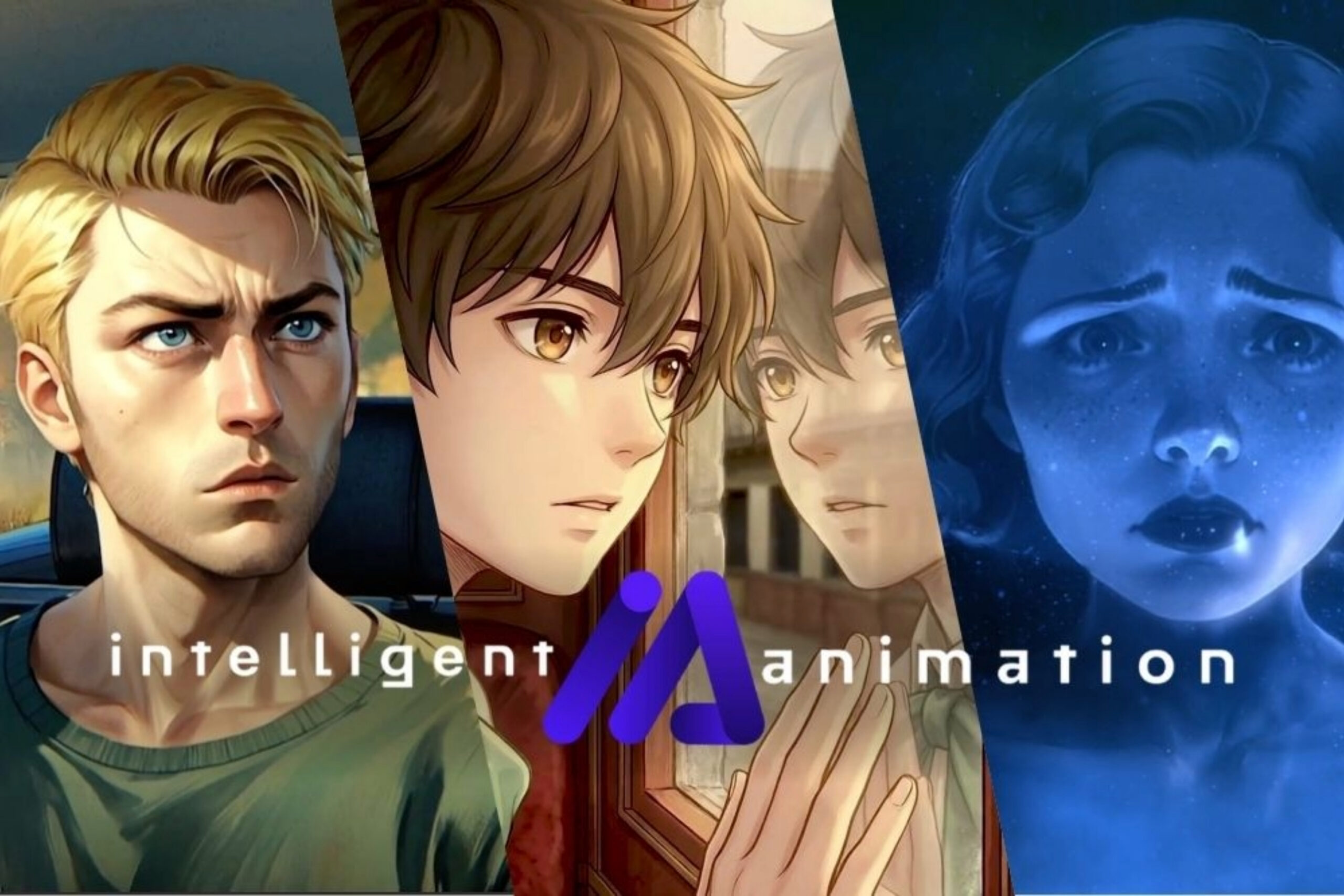
Intelligent Animation, a new studio dedicated to artificial intelligence-driven animation, has been launched by former Syfy executive Mark Stern and entertainment industry veteran Lloyd Braun. This development signifies a growing trend in the entertainment sector to integrate advanced AI technologies into the creative process, potentially revolutionizing how animated content is conceived, produced, and distributed. The studio’s formation immediately ignites widespread debate about the future of human artists, the definition of creativity, and the economic implications for traditional animation roles across the globe.
The announcement, made public on 2026-06-25, positions Stern and Braun at the forefront of a technological movement within Hollywood. Their combined experience in television production, network management, and digital media brings substantial industry weight to the new enterprise. Intelligent Animation aims to explore the efficiencies and creative possibilities unlocked by AI, venturing into territory that many traditional animators view with both curiosity and apprehension.
Mark Stern brings a significant background in genre entertainment to Intelligent Animation. During his tenure at Syfy, Stern was instrumental in developing and overseeing numerous original series, contributing to the network’s identity as a hub for science fiction and fantasy content. His experience includes working with complex visual effects and innovative storytelling techniques, which now provide a foundation for understanding the potential applications of AI in animation.
Lloyd Braun is a seasoned executive with a career spanning major networks and digital platforms. Braun’s past roles include leadership positions at ABC Entertainment and Yahoo!, where he navigated evolving media landscapes and spearheaded strategic initiatives. His business acumen and understanding of content distribution and audience engagement are critical assets for a venture like Intelligent Animation, which seeks to innovate not just in production but also in market penetration.
Their collaboration suggests a strategic alignment of creative vision and business strategy. Both executives have a history of adapting to industry shifts and embracing new technologies. Their decision to focus on AI animation reflects a belief in its transformative power for the entertainment industry.
Artificial intelligence offers several potential advantages for animation studios. One primary benefit is the acceleration of production timelines. Traditional animation is notoriously labor-intensive and time-consuming, requiring extensive resources for character design, storyboarding, modeling, rigging, animation, rendering, and post-production.
AI tools can automate many of these repetitive or data-driven tasks. For instance, AI algorithms can generate background elements, assist with in-betweening frames, or even create initial character models based on prompts. This automation could drastically reduce the time and cost associated with producing animated series and films.
Another promise of AI lies in its capacity for rapid iteration and exploration. Artists could use AI to quickly generate multiple design variations or animation sequences, allowing for more experimentation in the pre-production phase. This could lead to a broader range of creative options and more refined final products.
AI also holds potential for personalized content. Algorithms could analyze viewer preferences to create bespoke animated experiences or dynamically alter storylines. This level of customization could open new avenues for interactive entertainment and audience engagement, moving beyond traditional linear storytelling models.
The emergence of studios like Intelligent Animation, however, is not without controversy. A central point of contention is the potential impact on human jobs within the animation industry. Artists, animators, writers, and voice actors express legitimate concerns that AI could displace large segments of the workforce. If AI can perform tasks traditionally done by humans, the demand for human labor may decrease, leading to widespread unemployment in creative fields.
The concept of ‘cultural defense’ arises from these anxieties. It frames the debate as a need to protect human artistic expression and cultural heritage from technological overreach. Critics argue that relying heavily on AI could lead to a homogenization of artistic styles or a reduction in the unique, human touch that defines compelling animation.
“The question isn’t just about efficiency; it’s about the soul of the art form,” stated one anonymous animation veteran during a recent industry panel. “Can an algorithm truly capture human emotion or cultural nuance in the same way a human artist can?”
The debate extends to questions of artistic integrity and originality. If AI generates content, who holds the intellectual property rights? What constitutes authorship when a machine plays a significant role in creation? These are complex legal and philosophical questions that the industry is only beginning to address.
The economic implications of AI in animation are far-reaching. While studios may see cost savings and increased production capacity, the broader economic impact on the creative workforce could be severe. This could lead to a restructuring of the animation industry, favoring those with technical AI skills over traditional artistic talents.
From a creative standpoint, proponents of AI argue that it can free artists from tedious tasks, allowing them to focus on higher-level creative decisions. AI could become a powerful tool in the artist’s arsenal, rather than a replacement. The success of this integration will depend on how studios like Intelligent Animation choose to implement AI – as a collaborative partner or as a primary creator.
The current landscape of creative industries is already undergoing significant change due to technological advancements. Streaming wars, global production pipelines, and evolving audience consumption habits have reshaped the business model. AI represents the next frontier in this ongoing transformation, demanding new skills, new ethical considerations, and new business strategies.
Intelligent Animation faces the challenge of proving that AI can enhance, rather than diminish, the quality and originality of animated content. Their initial projects will be closely scrutinized by both industry insiders and the public. The studio will need to demonstrate not only technical proficiency but also a commitment to artistic excellence and ethical AI practices.
The reception of their work will likely influence the broader adoption of AI in animation. If Intelligent Animation produces compelling and critically acclaimed content, it could accelerate the integration of AI across the industry. Conversely, if their output is perceived as derivative or soulless, it could reinforce the arguments of cultural defense advocates.
The partnership of Stern and Braun indicates a serious intent to navigate these complexities. Their experience suggests an understanding of both the creative demands of storytelling and the business realities of content production. Intelligent Animation is poised to be a significant player in the evolving dialogue about AI and the arts.
The discussion around AI in animation extends beyond mere job displacement; it touches upon the very definition of creativity. Can a machine truly be creative, or is it merely executing complex algorithms based on existing data? This philosophical debate has profound implications for how society values artistic output and recognizes genius.
Some argue that AI, by learning from vast datasets of human-created art, is merely a sophisticated imitator. Others contend that if the output evokes emotion, tells a story, or presents novel ideas, the source of its creation becomes secondary to its impact. This redefinition of creativity is central to the cultural shift that AI is prompting across all creative sectors.
The role of the human artist may evolve from direct creator to curator, prompt engineer, or ethical overseer of AI-generated content. This shift requires a new set of skills and a different approach to artistic training and collaboration. Educational institutions and industry guilds are beginning to grapple with how to prepare the next generation of creatives for this hybrid human-AI environment.
As Intelligent Animation begins its work, it will inevitably contribute to this ongoing re-evaluation. Its projects will serve as case studies in the practical application of AI in a commercial creative setting, offering tangible examples for the philosophical and ethical discussions that continue to unfold.
Executives launched. Debates commenced. Futures considered. Animation.