Tag: Artist Recognition

  • DGA, WGA, SAG-AFTRA Protest Emmy Cuts, Unions Decry “Devaluation”

    DGA, WGA, SAG-AFTRA Protest Emmy Cuts, Unions Decry “Devaluation”

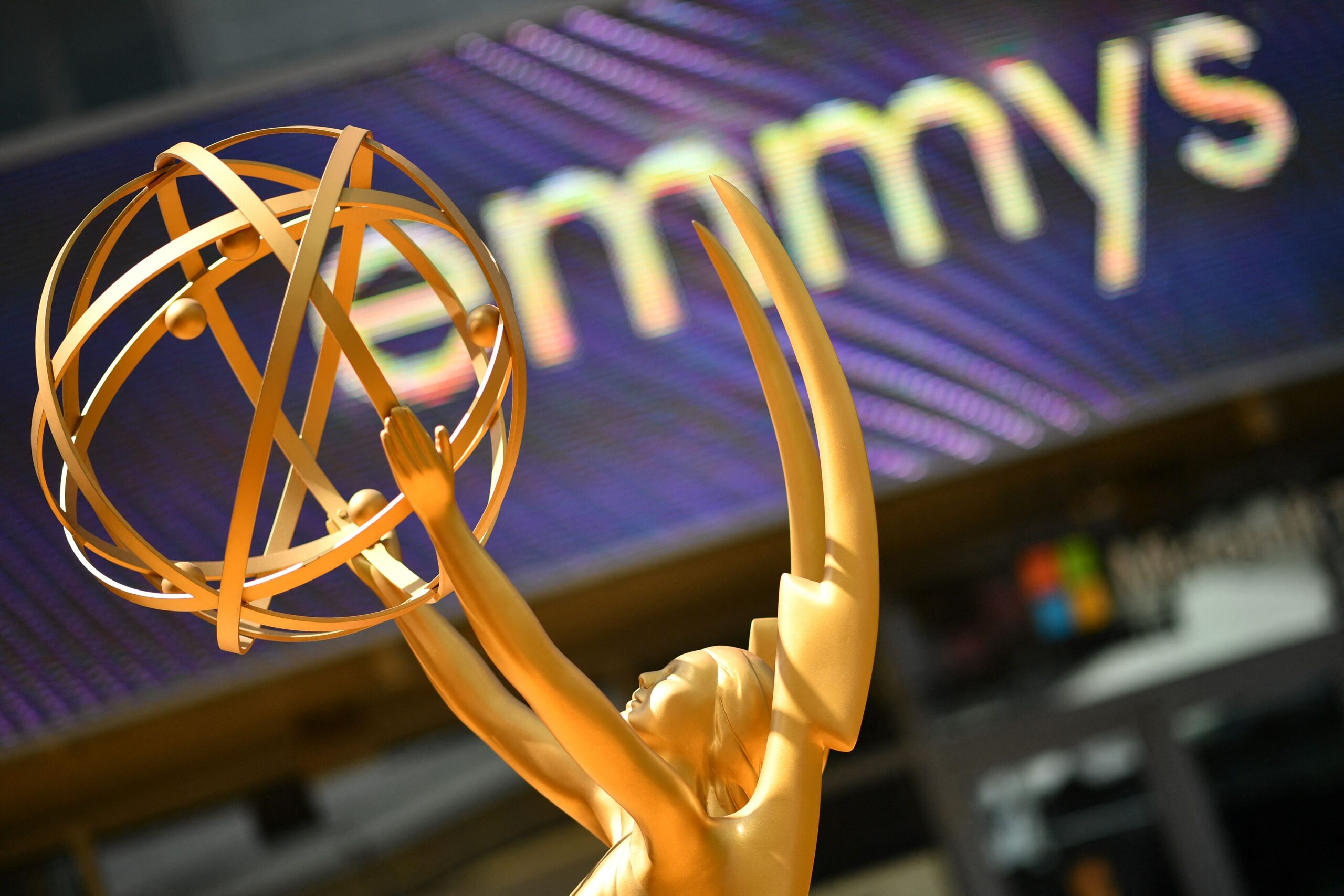
    The Directors Guild of America (DGA), the Writers Guild of America (WGA), and SAG-AFTRA have issued a collective protest against the Emmy Awards’ decision to reduce the number of categories presented during its televised ceremony. This unified stance from major Hollywood unions argues that such cuts devalue the crucial contributions of creative professionals across the television landscape.

    What appears to be a logistical choice by awards show producers is viewed by these organizations as a significant slight. It reignites long-standing debates about the visibility and respect afforded to the myriad roles that bring television productions to life.

    The Core of the Controversy: Category Cuts

    The Television Academy, the organization behind the Emmy Awards, periodically reviews its telecast format. These reviews often aim to streamline the broadcast and increase viewership appeal. A common strategy involves moving certain award presentations to non-televised ceremonies, such as the Creative Arts Emmys.

    However, the recent decision to cut categories from the main telecast has drawn sharp criticism. Specific categories, often representing vital craft and artistic achievements, are impacted. These include areas like outstanding directing for a variety series, outstanding writing for a variety series, and various technical and behind-the-scenes awards.

    The unions contend that every nominee, regardless of their specific craft, has earned their place on the broadcast stage. They argue that relegating these awards to a separate, less-viewed event diminishes their importance and public recognition.

    Union’s Joint Statement: A Unified Front

    The DGA, WGA, and SAG-AFTRA released a joint statement outlining their objections. This rare display of solidarity across three powerful guilds underscores the gravity of the issue within the industry.

    Their statement emphasized that the decision to cut categories “devalues” the contributions of the very people the Academy purports to honor. It highlights a fundamental disagreement over how artistic and technical excellence should be celebrated in a public forum.

    The guilds represent tens of thousands of professionals. These include directors, writers, actors, stunt performers, journalists, and broadcast talent. Their collective voice carries significant weight in Hollywood negotiations and industry standards.

    Historical Context of Emmy Telecast Changes

    The Emmy Awards have a long history of adapting their broadcast structure. The first Emmy Awards ceremony took place in 1949, recognizing achievements in Los Angeles-area television. As television grew, so did the number of categories.

    By the 1970s and 1980s, the telecast began to expand, leading to the creation of the Creative Arts Emmy Awards. These ceremonies were designed to honor a broader range of technical and artistic achievements that could not fit into the main primetime broadcast.

    The balance between recognizing all deserving talent and maintaining an engaging, time-constrained primetime show has always been a challenge. Over the decades, the Television Academy has faced similar criticisms from various industry segments whenever category adjustments were made.

    The Impact on Creative Professionals

    For many creative professionals, an Emmy nomination or win represents the pinnacle of their career. It provides recognition, opens doors for future opportunities, and validates years of dedication to their craft.

    When an award is presented during the main telecast, it receives national and international exposure. The winners’ speeches are heard, their work is highlighted, and their names become part of the cultural conversation.

    Moving categories to a non-televised event, or one with significantly lower viewership, reduces this exposure. It can make these achievements feel less significant to the broader public, and potentially, to the industry itself.

    This affects not only the individuals receiving the awards but also the perception of their entire department or craft. For example, a director of a variety series might feel their work is less valued if their category is not part of the main show, despite the complexity and artistry involved.

    Economic and Status Implications

    Beyond prestige, there are tangible economic and status implications. Public recognition from an Emmy win can lead to higher-profile jobs, increased negotiating power, and better compensation.

    For guilds like the DGA and WGA, ensuring their members receive appropriate recognition is part of their mission. It helps elevate the standing of their respective crafts within the entertainment hierarchy.

    SAG-AFTRA, representing a vast array of performers, also advocates for the visibility of its members’ diverse contributions. This includes not just leading actors but also supporting roles, stunt performers, and voice actors, many of whom contribute to categories often moved off the main telecast.

    The Role of the Television Academy

    The Television Academy is responsible for upholding the integrity and prestige of the Emmy Awards. Its stated mission includes recognizing excellence in the television industry.

    Decisions regarding telecast structure are often made in consultation with network partners, who are concerned with ratings and advertising revenue. The pressure to produce a fast-paced, star-studded show is immense.

    However, the unions argue that this pursuit of a commercially viable broadcast should not come at the expense of honoring the full spectrum of creative talent. They suggest that alternative solutions could be explored to balance entertainment value with comprehensive recognition.

    Previous Protests and Industry Tensions

    This is not the first time industry guilds have voiced concerns over awards show formats. Similar debates have occurred with the Academy Awards (Oscars) regarding craft categories and the Grammy Awards concerning genre-specific recognitions.

    The 2023 strikes by the WGA and SAG-AFTRA highlighted pre-existing tensions regarding fair compensation, working conditions, and the value of creative labor in the streaming era. The current protest over Emmy categories can be seen as an extension of these broader themes.

    It reflects an ongoing struggle to ensure that the economic and cultural contributions of all workers in the entertainment industry are respected and adequately compensated.

    The Path Forward: Dialogue and Resolution

    The joint protest from the DGA, WGA, and SAG-AFTRA puts pressure on the Television Academy to reconsider its decision. It opens a dialogue about the fundamental purpose of awards shows.

    Will the Academy reverse its decision? Or will it seek a compromise that addresses the unions’ concerns while maintaining its telecast objectives? The outcome will likely influence future awards show planning and industry relations.

    The unions’ unified front sends a clear message. The creative community demands to be seen and celebrated in its entirety. This is a battle for visibility. This is a fight for recognition. This is a stand for respect.

    Hollywood.

  • ACM Honors: Kacey Musgraves, Ella Langley, Leslie Fram Receive Top Accolades

    ACM Honors: Kacey Musgraves, Ella Langley, Leslie Fram Receive Top Accolades

    The Academy of Country Music Honors Celebrates Country’s Best

    The Academy of Country Music (ACM) Honors event annually recognizes exceptional achievements and contributions within the country music genre. In 2026, the event is set to celebrate a distinguished group of artists and industry professionals. Kacey Musgraves, Ella Langley, and Leslie Fram are among the notable figures slated to receive special awards, highlighting their significant impact on country music’s landscape.

    This event serves as a crucial platform for acknowledging the genre’s heritage and its future. It brings together a diverse array of talent, from chart-topping artists to influential executives. The ACM Honors ceremony reinforces the community and collaborative spirit inherent in country music.

    Kacey Musgraves: A Modern Country Icon Honored

    Kacey Musgraves has carved a unique path in country music, blending traditional sounds with progressive lyrical themes. Her artistry has earned her critical acclaim and a dedicated global fanbase. The ACM Honors recognizes her innovative approach and profound influence on the genre.

    Musgraves’s career is marked by multiple Grammy Awards and ACM Awards. Her albums, such as Golden Hour and Star-Crossed, have pushed the boundaries of country music. She has consistently challenged conventional narratives, addressing themes of self-discovery, love, and societal expectations.

    Her recognition at the ACM Honors underscores her status as a leading voice in contemporary music. It acknowledges her role in expanding country music’s appeal to broader audiences. Musgraves continues to be a defining artist of her generation.

    Ella Langley: The Ascendant Voice of Country

    Ella Langley represents the exciting new wave of talent emerging in country music. Her distinct sound and relatable songwriting have quickly garnered attention. The ACM Honors marks a significant milestone in her burgeoning career.

    Langley’s rise reflects the dynamic evolution of the genre. Her music often connects with listeners through authentic storytelling and powerful vocals. Industry observers frequently cite her as an artist to watch, predicting a substantial future impact.

    Receiving an ACM Honor at this stage of her career is a testament to her early achievements. It signals a strong endorsement from the country music establishment. Langley’s presence at the event highlights the ACM’s commitment to nurturing new talent.

    Leslie Fram: A Champion for Artists

    Leslie Fram is a revered figure in the country music industry, known for her extensive career in radio and artist advocacy. Her contributions have significantly shaped the careers of numerous artists. The ACM Honors celebrates her enduring impact behind the scenes.

    Fram has held influential positions at major media outlets, including CMT and Cumulus Media. She has been instrumental in breaking new artists and promoting country music on a national scale. Her work has consistently focused on supporting diverse voices within the genre.

    Her award at the ACM Honors acknowledges the vital role of industry executives. It recognizes the dedication required to foster talent and promote music. Fram’s career exemplifies a commitment to the growth and vitality of country music.

    The Broader Impact of ACM Honors

    The ACM Honors event is more than just an awards ceremony; it is a declaration of country music’s values and direction. It highlights the interconnectedness of artists, writers, producers, and executives. The event fosters a sense of community and shared purpose within the industry.

    By recognizing both established and emerging figures, the ACM ensures a continuous narrative of excellence. It provides a platform for celebrating the genre’s past while embracing its future. The Honors event contributes significantly to the cultural dialogue surrounding country music.

    Past Honorees and Their Legacy

    Historically, the ACM Honors has recognized a wide range of talent. Icons like Loretta Lynn, Reba McEntire, and Garth Brooks have received accolades. These recognitions underscore their foundational contributions to country music.

    The event also often honors songwriters, musicians, and producers whose work may not always be in the spotlight. Their behind-the-scenes efforts are crucial to the creation of hit songs and memorable albums. The ACM ensures these vital contributions are acknowledged.

    The Role of Media in Country Music Recognition

    Media outlets play a critical role in amplifying the stories of country music artists. Publications like Variety, which reported on this year’s honorees, help disseminate news about these awards. This coverage increases public awareness and appreciation for the genre.

    Television broadcasts and digital platforms further extend the reach of the ACM Honors. They allow fans worldwide to witness the celebrations and learn about their favorite artists. This broad exposure is essential for the continued growth of country music.

    Other Notable Figures at the 2026 Event

    While Musgraves, Langley, and Fram are prominent honorees, the 2026 ACM Honors will celebrate many other deserving individuals. These awards span various categories, recognizing excellence in songwriting, touring, and humanitarian efforts. The full list of recipients will represent a comprehensive look at country music’s current strengths.

    Each award recipient brings a unique story and set of accomplishments to the stage. Their collective achievements paint a vibrant picture of the genre’s health. The event serves as a benchmark for contemporary country music standards.

    The Importance of Industry Support

    The success of artists like Kacey Musgraves and Ella Langley relies heavily on industry support. Organizations like the ACM provide crucial infrastructure for artist development and recognition. This support includes promotional efforts, networking opportunities, and award programs.

    Industry professionals, such as Leslie Fram, dedicate their careers to fostering this environment. Their work ensures that talented artists have avenues for reaching wider audiences. This ecosystem is vital for maintaining a thriving music scene.

    Looking Ahead: The Future of Country Music

    The 2026 ACM Honors event provides a snapshot of country music’s present and a glimpse into its future. The recognition of both established stars and rising talents indicates a healthy and evolving genre. It suggests a continued willingness to embrace new sounds while respecting tradition.

    The blend of artistic innovation and industry dedication will likely continue to drive country music’s growth. Events like the ACM Honors play a pivotal role in shaping this trajectory. They inspire future generations of artists and professionals.

    Artists continue to innovate. Industry leaders continue to support. Fans continue to engage.

    Country music thrives.

    FAQ Section

    What is the ACM Honors event?
    The ACM Honors is an annual event hosted by the Academy of Country Music that celebrates special award recipients not covered by the ACM Awards telecast. It recognizes artists, musicians, and industry professionals for their outstanding achievements and contributions to country music.

    Who are the main honorees at the 2026 ACM Honors?
    For the 2026 ACM Honors, Kacey Musgraves, Ella Langley, and Leslie Fram are among the key individuals being recognized. Musgraves is honored for her artistic impact, Langley as a rising star, and Fram for her significant industry contributions.

    Why is Kacey Musgraves being honored by the ACM?
    Kacey Musgraves is being honored for her groundbreaking artistry and her ability to expand the boundaries of country music. Her work consistently receives critical acclaim and has influenced a new generation of artists and listeners.

    What role does Leslie Fram play in country music?
    Leslie Fram is a prominent media executive who has dedicated her career to promoting country music and developing artists. Her work in radio and at organizations like CMT has been instrumental in shaping the careers of many country stars.

    How does the ACM Honors event impact the country music industry?
    The ACM Honors event is vital for the country music industry as it provides a platform to acknowledge a wide range of contributions, from artistic excellence to behind-the-scenes influence. It fosters community, celebrates both heritage and innovation, and helps shape the genre’s future direction.