Tag: Animation

  • Aubrey Plaza Confirms ‘Kevin’ Cancellation, Seeks New Network Home in 2026

    Aubrey Plaza Confirms ‘Kevin’ Cancellation, Seeks New Network Home in 2026

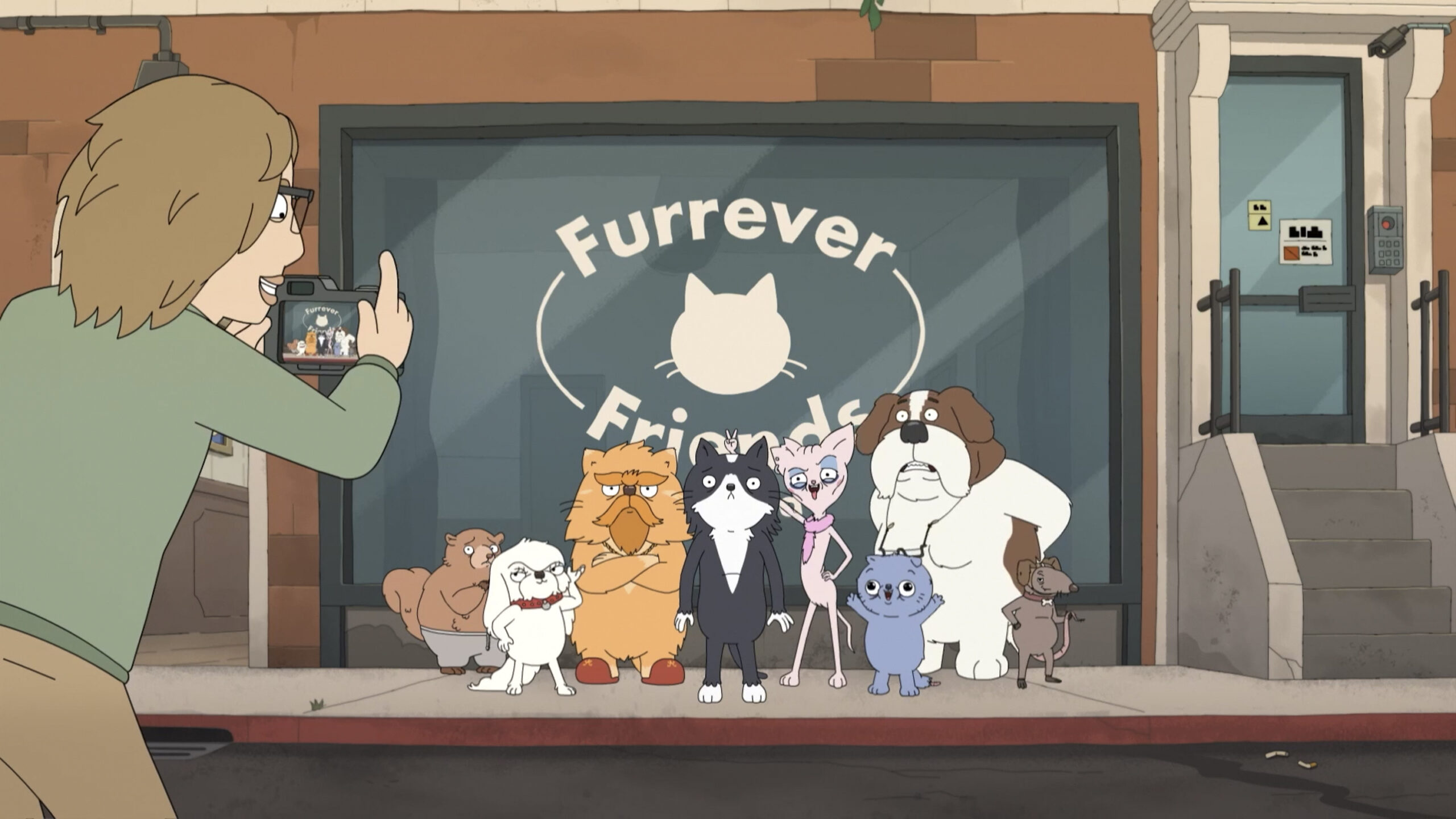
    On June 20, 2026, actress and executive producer Aubrey Plaza announced that her highly anticipated animated series Kevin had been officially canceled by its original streaming network before completing its intended run. The announcement confirmed weeks of industry speculation regarding the project’s fate. Plaza, operating through her production banner Evil Hag Productions, immediately pivoted the narrative from defeat to defiance. She stated publicly that she hopes the show will find a new owner someday. Her team is currently shopping the intellectual property to alternative networks and streaming platforms.

    The cancellation of Kevin is not just an isolated creative setback. It represents the harsh realities of the 2026 streaming ecosystem. What looks like a simple network pass is actually a symptom of a much larger financial contraction happening across Hollywood.

    The Anatomy of a Friday Cancellation

    The news arrived in the traditional Hollywood format. A quiet Friday afternoon press drop. Networks routinely utilize the end of the business week to bury unfavorable news regarding project terminations. Plaza chose to address the situation directly. Her statement cut through the standard corporate public relations language.

    She did not express gratitude for the journey. She expressed a desire for a new buyer. This approach aligns with Plaza’s established public persona. It also signals a shift in how creators handle network rejections in 2026. Silence is no longer the default strategy.

    Evil Hag Productions, founded by Plaza, has built a reputation for fiercely protecting its creative investments. The company successfully navigated the independent film market with Emily the Criminal in 2022 and expanded its footprint with My Old Ass in 2024. Kevin was intended to be the banner’s flagship entry into adult animation. The project had been in various stages of development for over three years. It featured Plaza’s signature deadpan comedic sensibilities mapped onto a surreal, animated landscape.

    Now, the project sits in legal limbo. The hard drives hold completed animatics, voice recordings, and finalized scripts. The network holds the initial broadcasting rights. Untangling that web requires capital, legal maneuvering, and a willing buyer.

    The 2026 Streaming Contraction

    To understand why Kevin was canceled, one must look at the macroeconomics of the entertainment industry in June 2026. The era of Peak TV is officially over. The industry has entered what financial analysts call Trough TV.

    Between 2019 and 2023, streaming platforms operated on a subscriber-growth model. Networks greenlit niche, creator-driven projects to build massive, diverse libraries. Wall Street rewarded subscriber acquisition above all else. That economic model fractured in late 2023 and completely shattered by 2025. Today, Wall Street demands immediate profitability. The focus has shifted from subscriber acquisition to average revenue per user and strict cost containment.

    Animation is particularly vulnerable to this shift. Animated projects require long lead times. They require significant upfront capital for storyboarding, voice talent, and rendering. When a network needs to balance its Q2 2026 earnings report, unreleased or underperforming animated projects become prime targets for the chopping block.

    The Write-Off Contagion

    The precedent was set in 2022 when Warner Bros. Discovery shelved the completed Batgirl film for a tax write-off. At the time, the industry viewed the move as a shocking anomaly. By 2026, it is standard operating procedure.

    Networks across the board, from Amazon MGM Studios to Netflix to Disney+, routinely cancel projects that do not meet strict algorithmic thresholds. If internal metrics project that a show will not drive a specific number of ad-tier impressions or retain subscribers in its first 72 hours, the project is terminated. The sunk costs are written off as tax losses. The creators are left holding the pieces.

    Kevin appears to be a casualty of this exact mathematical equation. It was a quirky, likely mid-budget animated series. It did not fit the four-quadrant, mass-appeal algorithm required by major streamers in 2026. Therefore, it became a line item on a ledger.

    The Reality of Shopping Canceled IP

    Plaza’s hope that Kevin will find a new owner is not without precedent. The industry has seen several high-profile resurrections in recent years. But the process is fraught with financial hurdles.

    When a production company shops a canceled show, they are not just pitching a creative vision. They are pitching a financial restructuring. The new buyer must typically reimburse the original network for the development costs already incurred. If the original network spent $5 million developing the animation assets, the new network must pay that $5 million just to open the door.

    This creates a massive barrier to entry. Independent platforms often lack the capital to buy out major streamers. Major streamers rarely want to buy hand-me-downs from their direct competitors.

    The Tuca & Bertie Precedent

    The most cited roadmap for Kevin is the animated series Tuca & Bertie. Netflix canceled the critically acclaimed adult animation project in 2019 after a single season. The creator, Lisa Hanawalt, and the production team successfully shopped the intellectual property to Adult Swim, which produced two additional seasons before canceling it again in 2022.

    Similarly, the animated feature Nimona was scrapped by Disney following the acquisition of Blue Sky Studios. Annapurna Pictures rescued the project, partnered with Netflix, and secured an Academy Award nomination in 2024.

    Evil Hag Productions will likely target networks with established adult animation blocks. Adult Swim remains the dominant player in this space under Warner Bros. Discovery. Hulu, despite Disney’s recent budget tightening, maintains a strong pipeline of adult animation. Independent distributors like A24 or Neon, both of which have been aggressively expanding their television footprints in 2025 and 2026, could also view Kevin as a prestige acquisition.

    Plaza’s Leverage in the Current Market

    Despite the broader industry headwinds, Plaza possesses significant individual leverage. Her career trajectory over the past five years has elevated her from a cult-comedy favorite to a mainstream, bankable star.

    Her Emmy-nominated performance in the second season of HBO’s The White Lotus proved her dramatic capabilities. Her involvement in Francis Ford Coppola’s Megalopolis and Marvel’s Agatha All Along demonstrated her viability in major franchise and auteur-driven projects. Networks want to be in business with Aubrey Plaza.

    The question is whether they want to be in business with Kevin. Evil Hag Productions will likely use Plaza’s on-screen availability as leverage. A network might agree to pick up the animated series if it also secures a first-look deal for Plaza’s future live-action projects.

    The Algorithmic Divide

    The cancellation of Kevin highlights the growing divide between creators and distributors. Creators want to build unique, challenging worlds. Distributors want predictable, measurable returns.

    Animation historically served as a safe haven for surreal, experimental storytelling. Shows like BoJack Horseman or Rick and Morty required time to find their audiences. In the 2026 streaming environment, that time no longer exists. If a show does not trend on social media and hit its completion-rate targets by its first Sunday on the platform, it is dead on arrival.

    Plaza’s refusal to let Kevin die quietly is a rejection of this new normal. It is a statement that intellectual property has value beyond its immediate algorithmic utility. It is a demand for creative sustainability.

    The coming months will determine if the industry agrees with her. Evil Hag Productions will compile the pitch decks. The agents at CAA will make the calls. The executives in Culver City and Burbank will run the numbers.

    Networks cut costs. Algorithms dictate the slate. The servers wipe the files. But creators keep the receipts. Plaza waits.

  • Daveigh Chase Dies at 35 – The Complex Legacy of a Child Star’s Dual Masterpieces

    Daveigh Chase Dies at 35 – The Complex Legacy of a Child Star’s Dual Masterpieces

    Daveigh Chase, the American actor who achieved massive global fame in 2002 for her dual breakout roles as the voice of Lilo in Walt Disney’s Lilo & Stitch and the terrifying entity Samara Morgan in DreamWorks Pictures’ The Ring, died in June 2026 at the age of 35. The news of her passing marks the tragic end of a Hollywood trajectory that began with unprecedented early brilliance. She was a performer who anchored two massive commercial franchises before she even entered high school. Her death prompts immediate reflection on the fragility of life and the often unforgiving pipeline of child stardom in Los Angeles.

    Chase was born Daveigh Elizabeth Chase-Schwallier on July 24, 1990, in Las Vegas, Nevada. She was raised in Albany, Oregon, before relocating to Southern California to pursue acting. By the time she was a teenager, she had cemented her place in cinematic history.

    Few actors define a cultural moment. Fewer still define two entirely opposite cultural moments in the exact same year. In 2002, Chase became the voice of familial healing for millions of children. Months later, she became the face of localized terror for millions of adults.

    What looks like a simple Hollywood success story actually reveals a complex narrative about the burdens of early fame. The industry demanded everything from her. She delivered. But the story does not end in the recording booths of Burbank or the soundstages of Hollywood.

    The Unprecedented Year: 2002

    Hollywood operates on momentum. For child actors, that momentum is usually tied to a specific archetype. The industry likes to categorize young performers as either the comedic relief, the dramatic prodigy, or the horror victim. Daveigh Chase shattered that categorization in 2002.

    On June 21, 2002, Walt Disney Feature Animation released Lilo & Stitch. The film was a massive critical and commercial success, grossing $273 million at the global box office. Chase provided the voice of Lilo Pelekai, a lonely, eccentric Hawaiian girl navigating life with her older sister following the death of their parents.

    On October 18, 2002, DreamWorks Pictures released The Ring. Directed by Gore Verbinski, the film was an English-language remake of Hideo Nakata’s 1998 Japanese horror film Ringu. The film grossed $249 million worldwide. Chase provided the physical performance of Samara Morgan, the vengeful spirit who crawls out of television screens to claim her victims.

    In the span of four months, a twelve-year-old girl anchored a half-billion dollars in box office revenue across two entirely disparate genres. It was a feat of versatility rarely seen in seasoned veterans, let alone a pre-teen.

    The Voice of Lilo: A Masterclass in Emotional Resonance

    Animation requires a specific type of acting. The performer is stripped of their physical tools. They cannot rely on facial expressions or body language to convey emotion to the audience. Everything must exist in the voice.

    Directors Chris Sanders and Dean DeBlois cast Chase as Lilo because she possessed a rare authenticity. The character of Lilo was not a standard Disney princess. She was an outcast. She listened to Elvis Presley. She practiced voodoo on her friends. She acted out violently due to unprocessed grief.

    Chase grounded the character. She delivered lines with a flat, realistic cadence that contrasted sharply with the heightened, cartoonish world around her. When Lilo explains the concept of “‘ohana”, the Hawaiian term for family, it resonated because Chase delivered the line without theatricality.

    Her performance earned her the Annie Award for Outstanding Voice Acting in an Animated Feature Production in 2003. She beat out veteran voice actors and adult celebrities. She would go on to reprise the role in the direct-to-video sequel Stitch! The Movie (2003) and the Disney Channel television series Lilo & Stitch: The Series from 2003 to 2006.

    Seven Days: Becoming Samara Morgan

    If Lilo & Stitch proved her vocal capabilities, The Ring proved her physical dedication. The character of Samara Morgan required intense prosthetic makeup and grueling physical contortions.

    Director Gore Verbinski needed a child who could project menace through stillness. Samara’s backstory was tragic. She was a misunderstood child with supernatural abilities, ultimately drowned in a well by her adoptive mother. Chase had to convey both the innocence of a victim and the relentless malice of a monster.

    The film’s climax features Samara crawling out of a television set. The sequence became instantly iconic. It embedded itself into the cultural consciousness of the early 2000s. The image of Chase, her face obscured by long, wet black hair, became the defining horror visual of the decade.

    At the 2003 MTV Movie Awards, Chase won the award for Best Villain. The victory was a cultural statement. The other nominees in the category included Daniel Day-Lewis for Gangs of New York, Colin Farrell for Daredevil, and Mike Myers for Austin Powers in Goldmember. A thirteen-year-old girl took the stage to accept the golden popcorn trophy, cementing her status in the pop culture pantheon.

    The Darko Universe and the HBO Years

    Chase’s career extended beyond the blockbusters of 2002. She possessed a keen eye for independent cinema and prestige television.

    In 2001, she appeared in Richard Kelly’s cult classic Donnie Darko. She played Samantha Darko, the younger sister of Jake Gyllenhaal’s titular character. Her involvement with the fictional “Sparkle Motion” dance troupe provided moments of dark comedic relief in an otherwise dense, philosophical film. She later reprised the role as the lead in the 2009 sequel S. Darko.

    Her transition into more mature roles was anchored by her work on HBO’s acclaimed drama series Big Love. The series, which ran from 2006 to 2011, explored the lives of a fundamentalist Mormon polygamist family in Utah.

    Chase played Rhonda Volmer, a manipulative, sociopathic teenager living on the Juniper Creek compound. The role was complex. Rhonda was simultaneously a victim of systemic abuse and a ruthless perpetrator of emotional violence against others. Chase acted alongside industry veterans like Bill Paxton, Jeanne Tripplehorn, and Harry Dean Stanton. She held her own. She turned Rhonda into one of the most compelling, unpredictable characters on premium cable television.

    The Burden of Early Fame and Later Struggles

    The transition from child star to adult working actor is historically fraught. The Hollywood system extracts immense value from young performers, often leaving them without the structural support necessary to navigate adulthood in the public eye.

    Following the conclusion of Big Love in 2011, Chase’s on-screen appearances became sporadic. She starred in independent thrillers like Little Red Wagon (2012) and Jack Goes Home (2016). But her focus seemingly shifted away from the rigorous demands of studio filmmaking.

    In the late 2010s, Chase became the subject of intense media scrutiny regarding her personal life. The headlines shifted from box office triumphs to legal troubles.

    In February 2017, Chase was questioned by Los Angeles Police after leaving a dying man outside the emergency room of a hospital. Authorities determined she had been spending time with the man in the hours leading up to his death. Police officially cleared her of any involvement in his death, which was ruled a suspected overdose. However, the incident cast a shadow over her public persona.

    Later that year, in November 2017, she was arrested in Los Angeles for riding in a stolen vehicle. In 2018, she faced misdemeanor charges for drug possession in Hollywood. These incidents painted a picture of a former child star battling severe personal demons. The Hollywood apparatus that once celebrated her had long since moved on, leaving her to navigate her struggles in the harsh glare of tabloid journalism.

    The Reality of Celebrity Accountability

    The discourse surrounding Chase’s later years often fell into the familiar, reductive tropes of the “troubled child star.” But this framing ignores the systemic realities of the entertainment industry.

    Child actors are placed into high-pressure corporate environments before their brains are fully developed. They are expected to carry multi-million dollar investments on their shoulders. They are praised for their compliance and their ability to access deep, often traumatic emotions on cue. When the industry inevitably transitions to a new generation of talent, the former stars are left to manage the psychological fallout alone.

    Chase’s legal issues were matters of public record. She faced the consequences of her actions within the justice system. But the public’s appetite for watching the downfall of young celebrities speaks to a broader cultural failing. The accountability rarely extends to the studios, the management teams, or the economic structures that profit off children.

    Her struggles do not erase her contributions to cinema. They contextualize them. They remind the audience that the people on screen are flesh and blood, vulnerable to the same frailties as anyone else, but amplified by the unnatural conditions of fame.

    A Legacy of Duality in American Cinema

    Daveigh Chase leaves behind a filmography that will outlast the tabloid headlines. Her work remains embedded in the cultural lexicon.

    Every Halloween, thousands of people still dress as Samara Morgan. The visual shorthand of the long black hair and the white gown requires no explanation. It is universally recognized terror.

    Every day, visitors to Disney theme parks purchase merchandise bearing the image of Lilo Pelekai. The character remains a symbol of resilience, of finding family in unconventional places, and of embracing one’s own eccentricities.

    These two characters exist on opposite ends of the emotional spectrum. Yet both required the exact same thing from the actor: absolute, unwavering commitment. Chase gave them that commitment. She immortalized them.

    The public will remember the triumphs. The public will reflect on the tragedies. The industry will continue its relentless churn.

    Audiences watched her crawl from a television screen. Audiences listened to her explain the concept of ‘ohana. Hollywood gave her its highest early praises. Hollywood moved on. The legacy remains.

    Daveigh Chase.

  • The Maker Speaks: George Lucas Joins the Cast of ‘Minions & Monsters’

    The Maker Speaks: George Lucas Joins the Cast of ‘Minions & Monsters’

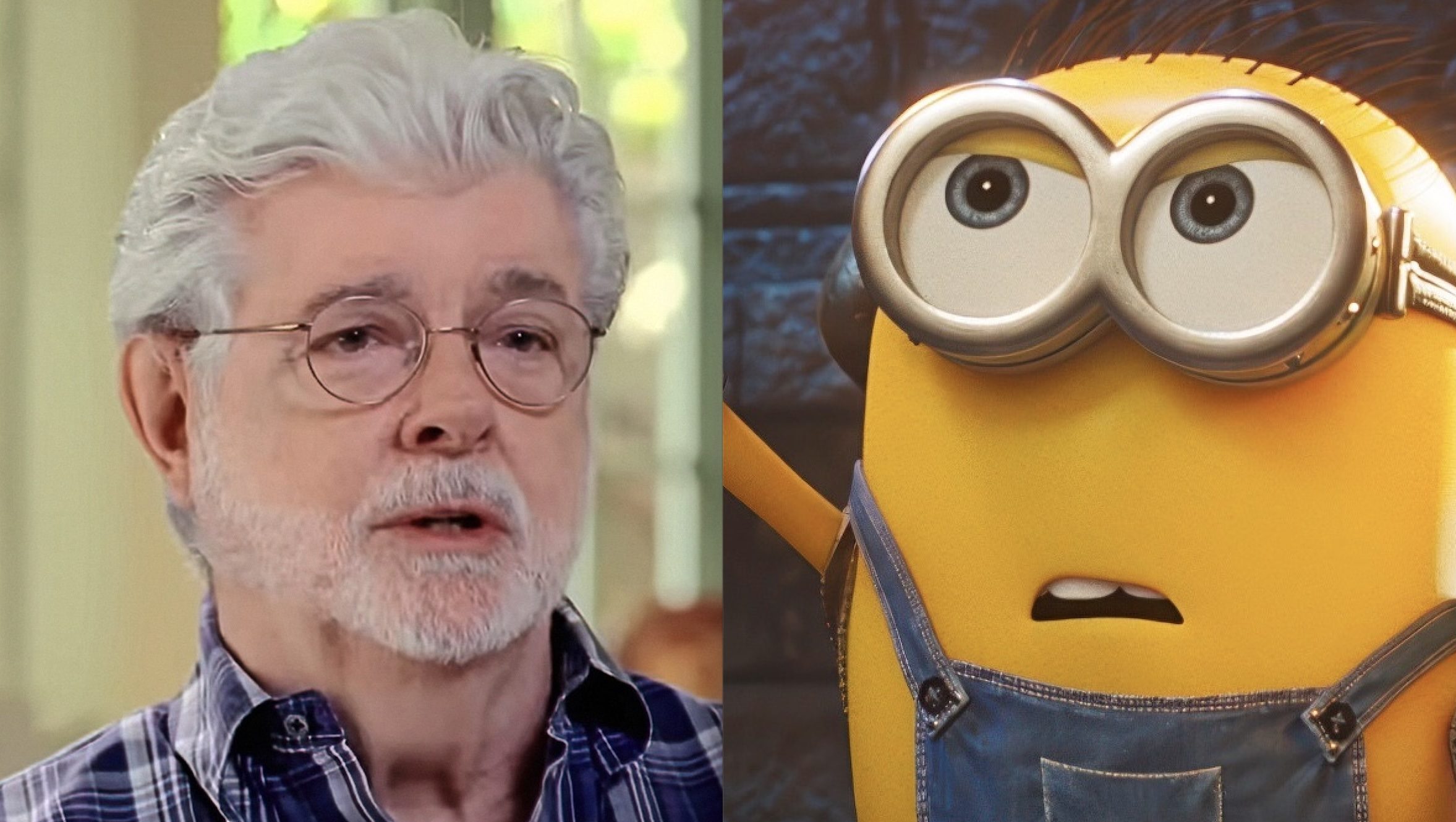
    George Lucas is returning to Hollywood in an unexpected capacity. The 82-year-old creator of Star Wars and Indiana Jones has signed on to provide voice work for the upcoming animated feature Minions & Monsters. Deadline confirmed the casting on June 21, 2026. The announcement marks Lucas’s first official billed role in a major studio project since he sold his empire to The Walt Disney Company in 2012. For a filmmaker who spent his career building cinematic universes from behind the camera, the decision to step into the vocal booth represents a fascinating late-career pivot.

    The implicit question surrounding this news is simple. Why now? Lucas has spent fourteen years entirely divorced from the machinery of the modern blockbuster. He has watched his creations evolve under the stewardship of Bob Iger and Kathleen Kennedy. He has directed his vast fortune toward philanthropy and fine art. Yet, the appeal of a lighthearted, low-stakes animated role has drawn him back into the fold.

    What looks like a simple casting announcement actually reflects a broader trend in 2026 Hollywood. Legacy filmmakers are finding new ways to interact with pop culture. They are bypassing the grueling schedules of live-action production. They are choosing projects that offer maximum cultural resonance with minimal physical strain. Minions & Monsters is the latest beneficiary of this shift.

    A Rare Return to the Studio System

    The timeline of George Lucas’s departure from Hollywood is well-documented. On October 30, 2012, Lucas sold Lucasfilm to Disney for $4.05 billion. The deal included the rights to Star Wars, Indiana Jones, and the revolutionary technology companies Industrial Light & Magic and Skywalker Sound. Lucas stepped away. He handed over his treatments for a sequel trilogy. He retreated to his home in Marin County, California.

    Since that sale, Lucas has maintained a strict distance from the day-to-day operations of the film industry. He has visited the sets of projects like The Mandalorian to offer advice to Jon Favreau and Dave Filoni. He has attended premieres. He has occasionally offered brief, diplomatic reviews of new Star Wars installments. But he has not worked for a major studio. He has not taken a paycheck to perform a service for a Hollywood conglomerate.

    This makes his involvement in Minions & Monsters highly unusual. Universal Pictures and Illumination Entertainment, the studios behind the project, have managed to secure a name that carries immense historical weight. Illumination CEO Chris Meledandri has built a billion-dollar empire on the backs of the Despicable Me franchise and the Minions. Bringing Lucas into that ecosystem bridges the gap between classic cinematic history and modern, hyper-kinetic animation.

    The Scope of Minions & Monsters

    The animation landscape in 2026 is dominated by established intellectual property. Minions & Monsters represents a continuation of Illumination’s core strategy. The studio excels at pairing its globally recognized yellow mascots with new, high-concept scenarios. While plot details remain heavily guarded, the title suggests a classic monster-movie homage filtered through the slapstick lens of the Minions universe.

    Casting Lucas in this specific environment is a masterstroke of four-quadrant marketing. The primary audience for a Minions film is Gen Alpha and younger Gen Z viewers. These demographics engage with the physical comedy and bright visuals. The secondary audience consists of the parents and grandparents buying the tickets. The name George Lucas on a marquee or a poster instantly commands the attention of Gen X and Baby Boomer audiences.

    The specific character Lucas will voice remains undisclosed. Industry analysts speculate he will portray an elder statesman, a mad scientist, or a creator figure within the monster universe. Illumination has a history of tailoring animated avatars to match the real-world personas of their celebrity voice actors. Whatever the role, the studio will likely lean into Lucas’s legacy as a world-builder.

    The Maker on the Mic: A Brief History

    This is not the first time George Lucas has recorded lines for a film. However, his previous vocal performances have been strictly relegated to the realm of Easter eggs. In 2005, Lucas made a brief on-screen cameo in Star Wars: Episode III – Revenge of the Sith. He played Baron Papanoida, a blue-skinned Pantoran dignitary standing outside the Coruscant opera house.

    Five years later, in 2010, the character of Baron Papanoida was expanded in the Star Wars: The Clone Wars animated television series. Lucas briefly provided the voice for the character in the episode “Sphere of Influence.” His performance was heavily modulated, blending into the dense audio mix of the series. He also provided uncredited breathing sounds for General Grievous in Revenge of the Sith.

    Minions & Monsters is different. This is not a hidden cameo in his own universe. This is a contracted, billed performance in a competing studio’s flagship franchise. It requires a different level of public engagement and promotional visibility.

    The $4 Billion Sabbatical

    To understand the weight of this return, one must look at what Lucas has been doing since 2012. He has not been idle. In 2013, he married Mellody Hobson, the co-CEO of Ariel Investments and former chairwoman of DreamWorks Animation. The couple welcomed a daughter later that year. Lucas shifted his focus from running a production company to managing a massive philanthropic portfolio.

    His primary endeavor has been the Lucas Museum of Narrative Art. Funded entirely by a $1 billion endowment from Lucas himself, the museum represents his ultimate legacy project. After facing zoning and political hurdles in San Francisco and Chicago, the museum finally broke ground in Los Angeles’s Exposition Park. The futuristic, Ma Yansong-designed building is dedicated to the history of visual storytelling.

    The museum’s collection houses everything from Norman Rockwell paintings to original cinematic props. It is a serious, academic institution designed to elevate narrative art to the level of fine art. The contrast between this monumental, billion-dollar cultural institution and a voice role in Minions & Monsters is stark. It suggests a man who, having secured his serious legacy, is finally allowing himself to simply have fun.

    The Philosophy of Sound

    Lucas’s pivot to voice acting is less surprising when viewed through the lens of his filmmaking philosophy. Lucas famously stated that sound is fifty percent of the moviegoing experience. He revolutionized cinematic audio in the 1970s. He hired sound designer Ben Burtt to create the organic, lived-in soundscape of the original Star Wars. He founded Skywalker Sound. He pushed the industry standard forward with the creation of the THX certification system.

    For Lucas, the audio booth is just as important as the camera lens. He spent thousands of hours in mixing rooms at Skywalker Ranch in Marin County. He understands the technical requirements of ADR (Automated Dialogue Replacement). He knows how a single vocal inflection can change the emotional trajectory of a scene.

    By stepping into the booth for Minions & Monsters, Lucas is returning to an environment where he has always felt comfortable. He does not have to worry about lighting, blocking, or weather conditions. He only has to focus on the pure delivery of narrative through sound. It is a distillation of the filmmaking process down to its most fundamental auditory elements.

    The Tradition of the Auteur Voice

    Lucas is joining a long and eccentric tradition of legendary directors taking unexpected voice acting roles. The history of animation is dotted with these bizarre, delightful crossovers. Filmmakers who spend their lives dictating the actions of others often find a strange liberation in simply reading lines for someone else.

    In 1986, Orson Welles provided the voice of the planet-eating robot Unicron in The Transformers: The Movie. It was his final film role. In 2004, Martin Scorsese voiced the hyper-active pufferfish Sykes in DreamWorks Animation’s Shark Tale. Werner Herzog, the uncompromising German auteur, has lent his distinctive, chilling cadence to episodes of Rick and Morty and The Simpsons. David Lynch voiced a recurring character on The Cleveland Show.

    Directors make excellent voice actors. They understand the mechanics of a scene. They know what the editor needs. They understand timing, rhythm, and pacing. When Universal Pictures puts George Lucas in a recording booth, they are not just getting a famous name. They are getting a master of cinematic rhythm who knows exactly how to deliver a line to make it cut together perfectly in post-production.

    The Mechanics of Modern Animation Casting

    The practical realities of voice acting in 2026 make it the ideal medium for an 82-year-old billionaire. Live-action filmmaking is a grueling physical endurance test. It requires fourteen-hour days. It demands early morning makeup calls. It involves standing in the harsh desert sun of Tunisia or the freezing snow of Norway. Lucas left that world behind for a reason.

    Voice acting requires none of that. A modern animated performance can be recorded almost anywhere. Universal Pictures can send a high-end recording rig directly to Skywalker Ranch. Lucas can record his lines in a climate-controlled studio over the course of a few afternoons. If the director needs a different read, Lucas can hop on a secure video call and record a pickup line in ten minutes.

    This ease of production is why animation continues to attract high-profile talent who would otherwise decline live-action roles. It offers the cultural impact of a major theatrical release with the time commitment of a minor hobby. For Lucas, it is the perfect balance. He gets to participate in the magic of moviemaking without the crushing responsibility of being the Maker.

    The Nostalgia Economy in 2026

    The Deadline announcement of Lucas joining Minions & Monsters immediately triggered a wave of online discourse. This reaction is the currency of the modern nostalgia economy. Studios know that casting a legacy figure generates free marketing. The news cycle sustains itself on the sheer novelty of the pairing.

    In 2026, the entertainment industry relies heavily on these cross-generational touchstones. The original Star Wars generation is aging. The prequel generation is now in their thirties and forties. To these audiences, George Lucas is more than a director. He is a mythological figure. He is the architect of their childhood imaginations.

    Hearing his voice in a new context provides a sudden, unexpected jolt of recognition. It bridges the gap between the monumental epics of the twentieth century and the fast-paced digital entertainment of the twenty-first. Minions & Monsters will benefit from this collision of eras. The film gains an immediate layer of prestige, simply by association.

    Ultimately, this casting news serves as a reminder of Lucas’s enduring presence in the cultural consciousness. He does not need to direct another film to remain relevant. He does not need to write another script. His legacy is entirely secure, housed in the archives of Lucasfilm and the halls of his Los Angeles museum. This new venture is not about building an empire. It is about enjoying the medium he helped revolutionize.

    The industry shifts. The technology evolves. The audiences change. The cameras stop rolling. The scripts are archived. The museum doors open. The Maker speaks.

  • The Return to Music Row – Why Taylor Swift’s ‘Toy Story 5’ Anthem Is an Oscar Play

    The Return to Music Row – Why Taylor Swift’s ‘Toy Story 5’ Anthem Is an Oscar Play

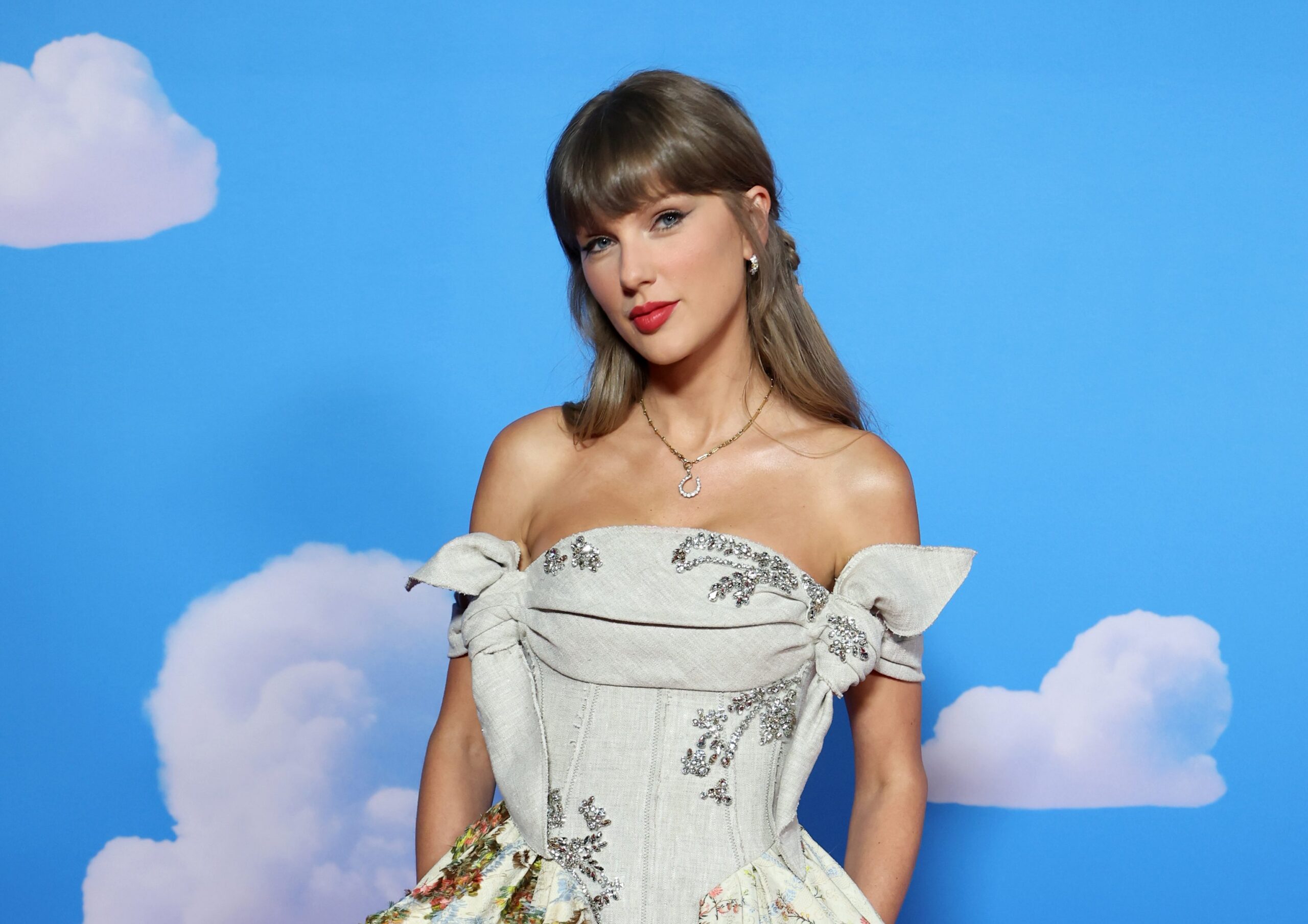
    Taylor Swift is returning to her country music roots to write and perform an original song for Pixar Animation Studios’ Toy Story 5, a move industry analysts project will finally secure her an Academy Award nomination for Best Original Song. The collaboration merges the world’s most dominant touring artist with The Walt Disney Company’s most bankable animation franchise. It signals a definitive return to the acoustic, storytelling-driven sound that launched her career in 2006. But the story does not begin there.

    What looks like a simple soundtrack credit actually represents a highly calculated pivot. Swift has conquered the recording industry. She has broken global touring records. She has dominated cinematic box offices. Yet, the Academy of Motion Picture Arts and Sciences has continually kept her outside the Dolby Theatre.

    That is about to change.

    The Missing Trophy on the Mantle

    Fourteen Grammy Awards sit in Taylor Swift’s collection. She holds the record for the most Album of the Year victories in Grammy history. She has Emmy Awards. She has MTV Video Music Awards. She does not have an Oscar.

    The pursuit of the Academy Award for Best Original Song is a well-documented trajectory for generational pop stars. Adele achieved it with “Skyfall” in 2013. Lady Gaga secured it with “Shallow” in 2019. Billie Eilish claimed two before her twenty-third birthday, winning for No Time to Die in 2022 and Barbie in 2024.

    Swift has made repeated attempts to enter this echelon. Her cinematic songwriting catalog is extensive, yet the Academy’s music branch has repeatedly passed her over. The history is written in the snubs.

    • 2012: “Safe & Sound” from The Hunger Games. A haunting acoustic ballad featuring The Civil Wars. It won a Grammy but failed to secure an Oscar nomination.
    • 2013: “Sweeter Than Fiction” from One Chance. A synth-pop track co-written with Jack Antonoff. It earned a Golden Globe nomination but was ignored by the Academy.
    • 2019: “Beautiful Ghosts” from Cats. Co-written with Andrew Lloyd Webber. The catastrophic critical reception of the film sank the song’s chances.
    • 2022: “Carolina” from Where the Crawdads Sing. A moody, Appalachian-inspired murder ballad recorded on period-accurate acoustic instruments. It made the Oscar shortlist but missed the final five nominees.

    The Academy’s music branch is notoriously insular. They favor narrative resonance. They favor songs that serve as the emotional load-bearing walls of a film. They do not nominate pop stars simply for being pop stars.

    To win the Oscar, Swift needed a vehicle with undeniable cinematic prestige. She needed a franchise that the Academy already reveres. She needed Pixar.

    The Pixar Pipeline to the Academy

    Pixar Animation Studios is an Oscar-generating machine. Since the studio’s inception, its films have been inextricably linked to the Academy Award for Best Original Song. The architecture of a Pixar film demands a specific type of musical storytelling.

    Randy Newman defined this sound. In 1995, Newman wrote “You’ve Got a Friend in Me” for the original Toy Story. The song became the emotional thesis for the entire franchise. Newman received 22 Academy Award nominations over his career, winning Best Original Song twice, both for Pixar films (Monsters, Inc. in 2002 and Toy Story 3 in 2011).

    Stepping into the Toy Story universe means stepping into Newman’s shadow. It requires a specific sonic palette. Synthesizers and heavy bass drops do not belong in Woody’s world. The assignment requires acoustic guitars, fiddles, steel guitars, and plainspoken lyrical sincerity.

    It requires traditional country music.

    A Calculated Return to Music Row

    Taylor Swift moved to Hendersonville, Tennessee, at age 14 to pursue a career on Music Row. Her self-titled 2006 debut album and her 2008 blockbuster Fearless were built on the foundations of country instrumentation. Fiddles, banjos, and acoustic guitars were her primary tools.

    She abandoned that sound entirely with 2014’s 1989, declaring it her first official pop album. While she dipped back into indie-folk with 2020’s Folklore and Evermore, a true return to the traditional country radio sound has eluded her discography for over a decade.

    The timing of the Toy Story 5 collaboration is not accidental. The music industry is currently experiencing a massive traditional country renaissance. In 2024, Beyoncé released Cowboy Carter, forcing the industry to re-examine the genre’s roots. Post Malone pivoted entirely to country. Shaboozey dominated the Billboard Hot 100 with acoustic-driven anthems. Zach Bryan proved that lo-fi, stripped-down country songwriting could fill football stadiums.

    The market is hungry for traditionalism. Nostalgia is the dominant currency of the decade.

    “The potential return of Taylor Swift to country music for ‘Toy Story 5’ will evoke strong feelings of nostalgia and hope for the future of traditional country among the audience.”

    By writing a country song for Toy Story 5, Swift accomplishes three strategic objectives simultaneously. First, she satisfies the public’s current appetite for traditional country music. Second, she taps into the deep nostalgia of the Millennial audience, a demographic that grew up watching the original Toy Story in 1995 and buying Swift’s debut album in 2006. Third, she delivers the exact acoustic, emotionally grounded sound the Academy demands from a Pixar film.

    The Disney Synergy Machine

    The business mechanics behind this collaboration are equally formidable. The Walt Disney Company and Taylor Swift have built a highly lucrative, deeply entrenched corporate partnership over the past five years.

    When Swift needed a platform to release Folklore: The Long Pond Studio Sessions during the 2020 pandemic, she went to Disney+. When she decided to release the definitive streaming version of Taylor Swift: The Eras Tour, Disney CEO Bob Iger personally negotiated the deal. Disney reportedly paid $75 million for the exclusive streaming rights to the concert film.

    Disney knows that Swift drives subscriptions. Swift knows that Disney commands the cultural zeitgeist. Placing Swift on the Toy Story 5 soundtrack is the ultimate exercise in corporate synergy.

    Disney will launch a massive For Your Consideration (FYC) campaign for the song. They will host exclusive screenings in Los Angeles and New York. They will place full-page advertisements in Variety and The Hollywood Reporter. They will ensure that every voting member of the Academy’s music branch understands the narrative.

    The Anatomy of an Oscar Campaign

    Winning an Academy Award requires more than a good song. It requires a flawless campaign narrative. The Academy votes on emotion, legacy, and industry politics.

    The narrative for Swift’s Toy Story 5 campaign writes itself. It is the story of a global superstar returning to her humble acoustic roots. It is the story of a songwriter paying homage to the legacy of Randy Newman. It is the story of bridging generational divides through music.

    To execute this campaign, Swift will likely follow a strict playbook. She will participate in the Hollywood Reporter Songwriters Roundtable. She will give exclusive interviews detailing her writing process, emphasizing the use of vintage acoustic instruments and the specific emotional beats of the Pixar script. She will likely perform the song live at the Academy Museum of Motion Pictures.

    The goal is to position the song not as a pop single attached to a movie, but as an indispensable piece of the film’s cinematic architecture.

    The Competition on the Horizon

    The path to the Dolby Theatre is never entirely clear. The Best Original Song category is highly competitive. Swift will likely face formidable opponents.

    Historically, the category features a mix of Broadway veterans, established pop stars, and legendary film composers. Diane Warren is virtually guaranteed her annual nomination. Lin-Manuel Miranda is always a threat when Disney Animation releases a musical. Billie Eilish remains an Academy favorite.

    However, none of those competitors possess the specific cultural gravity of a Taylor Swift country music revival tied to the Toy Story franchise. The sheer weight of the combined brands, Swift, Pixar, Disney, and the country music genre itself, creates an almost insurmountable campaign juggernaut.

    The Cultural Impact of the Acoustic Pivot

    Beyond the awards season politics, the musical implications of this pivot are significant. Swift’s early country records defined a generation of songwriters. Artists like Olivia Rodrigo, Conan Gray, and Sabrina Carpenter frequently cite Swift’s early country storytelling as their primary influence.

    A return to Music Row, even for a single soundtrack contribution, shifts the center of gravity in Nashville. It forces modern country radio, which has spent years leaning heavily into pop and hip-hop production elements, to reckon with the stripped-down, acoustic storytelling that originally built the genre.

    If the Toy Story 5 track features prominent fiddle, pedal steel, and a standard acoustic arrangement, it will instantly become the most-streamed traditional country song of the year. It will serve as a proof of concept that pure, unadulterated country music can still dominate global pop culture.

    The Road to the Dolby Theatre

    The timeline is set. The film will enter its final stages of animation. The marketing rollout will begin. The first teaser trailer will likely feature a few isolated acoustic guitar chords, instantly recognizable to millions of fans.

    The song will be released. The Academy will receive their screeners. The narrative will take hold.

    For fifteen years, Taylor Swift has systematically dismantled every record in the music industry. She has rewritten the rules of touring, re-recorded her own masters to reclaim her catalog, and achieved a level of ubiquity unseen since the peak of Michael Jackson. Yet, the film industry has remained the final, unconquered frontier.

    The strategy is in place. The genre has been chosen. The franchise has been secured.

    Animators drafted storyboards. Executives drafted contracts. Musicians tuned acoustic guitars in Nashville studios. The pipeline was built. The narrative was set.

    Oscar.

  • Disney+ Greenlights ‘Journey’, The Obamas’ Higher Ground Enters the Animation Wars

    Disney+ Greenlights ‘Journey’, The Obamas’ Higher Ground Enters the Animation Wars

    Disney+ has officially greenlit “Journey,” a new fantasy animated series produced by Barack and Michelle Obama’s Higher Ground Productions. The 2026 acquisition marks a significant expansion for the former First Family’s media empire, moving their storytelling footprint from Netflix into the heart of the Walt Disney Company’s family entertainment portfolio. “Journey” represents a strategic move into high-budget family fantasy. It merges Higher Ground’s focus on diverse, thematic storytelling with Disney’s global animation pipeline. The announcement arrived via Variety. It signals a definitive shift in the modern streaming landscape. The Obamas are no longer exclusive to a single platform. Their media footprint is diversifying. The cultural implications are immediate. Disney has spent the last four years navigating intense political crossfire. Higher Ground carries inherent political weight. Combining the two guarantees a cultural reaction.

    The Greenlight at Burbank

    The deal for “Journey” was struck quietly in the halls of Burbank. Disney+ needs high-retention family programming. Higher Ground needs a platform with legacy reach. The marriage makes structural sense. Fantasy animation is a highly specific genre. It requires massive upfront capital. It requires years of lead time. It requires a merchandising apparatus that only a few studios possess. Disney holds the infrastructure. Higher Ground brings the cultural cachet. The series is described as a sprawling fantasy epic. The exact plot details remain under strict embargo. The target demographic is broad family viewing. This is not a niche political documentary. This is a play for the four-quadrant audience. The global streaming market demands content that can cross borders. Fantasy animation translates perfectly. The visual language is universal. The themes of heroism, discovery, and resilience scale across international markets. Disney+ currently operates in over 150 markets. “Journey” is engineered for all of them. The production timeline suggests a rapid acceleration. Animation pipelines usually take three to four years. Higher Ground has been developing the intellectual property internally before bringing it to Disney. The greenlight means the conceptual phase is over. The rendering phase begins.

    The Architecture of Higher Ground

    To understand the Disney deal, one must look at the foundation of Higher Ground. Barack and Michelle Obama launched the production banner in 2018. They did not enter Hollywood to make campaign ads. They entered to build a legacy media brand. Their initial move was a massive, multi-year overall deal with Netflix. Industry analysts estimated the initial Netflix pact at roughly $50 million. The strategy was clear from the start. Hire top-tier executives. Acquire premium festival projects. Develop original intellectual property. Priya Swaminathan and Tonia Davis were brought in early to build the slate. The results validated the strategy. Higher Ground’s first release, “American Factory,” won the Academy Award for Best Documentary Feature in 2020. They followed it with critically acclaimed projects like “Crip Camp” and “Becoming.” But documentaries have a ceiling. Fiction scales higher. The company pivoted toward narrative features and high-end television. They produced the dystopian thriller “Leave the World Behind” with Sam Esmail and Julia Roberts. The film dominated Netflix’s global charts in late 2023. Higher Ground proved they could deliver blockbuster numbers.

    The Netflix Foundation

    The Netflix years established Higher Ground as a serious Hollywood player. Ted Sarandos championed their early slate. Los Gatos provided the capital. The Obamas provided the access. But the streaming wars evolved. Overall deals began to shift. Exclusivity became less attractive for high-profile creators who wanted to shop specific genres to the best possible buyer. Higher Ground recognized the shifting tides. When their initial Netflix deal reached its expiration phase, they opted for flexibility. They renewed ties with Netflix for specific projects but opened their doors to the wider marketplace. Disney+ emerged as the perfect home for “Journey.” Netflix has a robust animation department, but Disney is the historical king of the medium. If a production company wants to launch a generational fantasy animated property, Disney is the ultimate distributor.

    Disney’s Cultural Battlefield

    The Walt Disney Company does not make moves in a vacuum. Every greenlight carries weight. The partnership with the Obamas arrives at a complex moment for the House of Mouse. Over the past four years, Disney has found itself at the center of the American culture wars. The friction began in earnest in 2022. The company, then led by CEO Bob Chapek, clashed publicly with Florida Governor Ron DeSantis over the state’s Parental Rights in Education bill. The fallout was severe. Disney faced boycotts from conservative media. Florida moved to dissolve the Reedy Creek Improvement District, stripping Disney of its long-held self-governing status in Orlando. Bob Iger returned to the CEO chair to stabilize the ship. He has spent the last two years attempting to quiet the political noise. Iger’s mandate is shareholder value. He wants the focus back on storytelling. But the “Journey” announcement immediately reactivates the cultural defense mechanisms. Right-leaning media outlets will inevitably frame the partnership as evidence of Disney’s ideological leanings. Left-leaning outlets will celebrate the inclusion of the Obamas in the Disney ecosystem. The cultural debate is unavoidable.

    The Florida Shadow

    Tallahassee still watches Burbank. The political sentiment surrounding Disney has real financial implications. Subscriber churn is a metric closely tied to brand perception. When a brand becomes politicized, a segment of the audience inevitably unplugs. Disney has factored this into the calculus of “Journey.” The executives believe the quality of the intellectual property will outshine the political noise. History offers a mixed precedent. Some projects survive the culture war. Others sink under the weight of the discourse. The Obamas are highly polarizing figures in the political arena, but their media output has largely avoided partisan signaling. “Leave the World Behind” was a massive commercial success despite conservative criticism of its themes. Disney is betting that “Journey” will follow a similar trajectory. They are betting that parents care more about high-quality entertainment than the names listed in the executive producer credits.

    The Mechanics of Fantasy Animation

    Animation is not a monolith. “Journey” falls into the specific sub-genre of serialized fantasy. This is a highly lucrative space when executed correctly. Shows like “Avatar: The Last Airbender” and “The Dragon Prince” proved that audiences crave deep lore, complex magic systems, and long-form character arcs in animated formats. Higher Ground is not new to animation. They previously produced “Ada Twist, Scientist” for Netflix. That series was aimed at preschoolers. It was educational. It was safe. “Journey” represents a massive step up in scale and ambition. The budgets for premium fantasy animation can run between $10 million and $15 million per episode. The world-building requires armies of concept artists, riggers, and sound designers. Disney+ needs this specific type of content to bridge the gap between their Marvel and Star Wars tentpoles. Original fantasy IP is rare. If “Journey” hits, it spawns merchandise, theme park integrations, and spin-offs. The financial upside of a successful fantasy franchise dwarfs the initial production costs. Higher Ground knows this. They are building an asset with a long-tail revenue stream.

    The Economics of ‘Journey’

    The streaming industry in 2026 operates on a mandate of profitability. The era of blank checks is over. Wall Street demands positive cash flow from streaming divisions. Disney+ has aggressively restructured its content spending to meet these demands. The greenlight of “Journey” indicates that the project passed a rigorous internal financial stress test. Disney does not hand out animation budgets lightly. The deal structure likely involves significant back-end participation for Higher Ground. In the modern era, production companies of this caliber do not work for flat fees. They demand ownership stakes or lucrative licensing thresholds. The exact dollar amount of the Disney-Higher Ground pact remains undisclosed. However, industry comparables suggest a massive commitment. The marketing budget alone for a new original fantasy series will rival a theatrical release. Disney will leverage its entire corporate synergy machine to launch the show. ESPN, ABC, and the theme parks will all play a role in the promotional rollout.

    What ‘Journey’ Represents for 2026 Streaming

    The streaming landscape is consolidating. Platforms are merging. Audiences are experiencing subscription fatigue. To cut through the noise, a project needs an undeniable hook. “Journey” has two. It has the promise of a sprawling fantasy world, and it has the Obama brand attached to its marketing materials. This is the new formula for event television. Combine high-end genre storytelling with massive, out-of-market celebrity power. Higher Ground has successfully transitioned from a boutique documentary house into a full-scale Hollywood studio. They are playing the long game. Disney is playing the retention game. The intersection of these two strategies is “Journey.” The cultural debate will rage. The political sentiment will be measured. The think pieces will be drafted. But ultimately, the success of the series will rely on the basic fundamentals of storytelling. Does the world feel real? Do the characters resonate? Does the animation push the medium forward? These are the questions that will determine the legacy of the project. The executives have signed the contracts. The animators have started their renders. The culture war waits in the wings. The platforms prepare for the launch. Burbank prepares. Los Gatos watches. Tallahassee reacts. Entertainment.

  • Michael J. Fox Returns to the Microphone – Voicing the Lead in Animated Feature ‘Dragoons’

    Michael J. Fox Returns to the Microphone – Voicing the Lead in Animated Feature ‘Dragoons’

    Michael J. Fox is returning to the entertainment industry to voice the lead character in the upcoming animated feature film, Dragoons. Four years after his official retirement from on-screen acting in 2020, the 64-year-old actor has signed on to anchor the voice cast of the new fantasy adventure. The project allows Fox to utilize his iconic vocal talents while navigating the physical realities of Parkinson’s disease. The announcement broke through an exclusive report in Variety. The entertainment landscape immediately reacted. Nostalgia drives modern box office returns. Fox remains a central pillar of late twentieth-century pop culture.

    His return to the microphone signals a strategic move by the studio. They want to capture both older audiences and younger viewers. Animation offers a forgiving environment for actors managing physical health challenges. The recording booth requires no blocking. There are no marks to hit. There are no grueling fourteen-hour days under hot studio lights. The microphone only demands the voice. For Fox, whose voice carries the emotional weight of decades of beloved cinema, the medium is a perfect fit.

    The Architecture of a Voice Acting Legacy

    This is not Fox’s first time in the recording booth. His voice acting resume is as formidable as his live-action career. In 1993, Fox voiced Chance, the energetic American Bulldog in Disney’s Homeward Bound: The Incredible Journey. The film became a massive commercial success. It grossed $41.8 million domestically and spawned a 1996 sequel, Homeward Bound II: Lost in San Francisco. Fox proved that his comedic timing translated perfectly without his physical presence.

    In 1999, he took on the titular role in Stuart Little. The adaptation of the E.B. White classic required a voice that was simultaneously vulnerable and courageous. Fox delivered. The film grossed $300.1 million worldwide. He returned for Stuart Little 2 in 2002 and Stuart Little 3: Call of the Wild in 2005. Between those projects, he voiced Milo Thatch in Disney’s 2001 animated sci-fi adventure Atlantis: The Lost Empire. Milo was a fast-talking, highly intelligent linguist. The character was practically tailor-made for the cadence Fox perfected on Family Ties and Spin City.

    What We Know About Dragoons

    The details surrounding Dragoons remain tightly guarded. Industry sources indicate the film centers on a group of older, retired dragons forced back into action to save a crumbling kingdom. Fox will voice the lead dragon, a character described as possessing immense wisdom but lacking his former physical agility. The thematic parallels to Fox’s own life are impossible to ignore. The casting is deliberate. The studio is leaning into the meta-narrative of a beloved hero returning for one more ride.

    Production is currently underway. Voice recording sessions have already begun in specialized studios designed to accommodate Fox’s schedule. Modern animation pipelines allow actors to record their dialogue over months rather than days. This flexibility is crucial. It ensures Fox can work on days when his symptoms are manageable and rest when they are not.

    Recording Around the Reality of Parkinson’s

    Fox was diagnosed with young-onset Parkinson’s disease in 1991 at the age of 29. He kept the diagnosis private for seven years. In 1998, he disclosed his condition to the public. In 2000, he stepped down from his starring role on the ABC sitcom Spin City. He continued to take guest roles on shows like The Good Wife, Curb Your Enthusiasm, and Rescue Me. He earned multiple Emmy nominations for these appearances. He integrated his physical tremors into his characters. He refused to hide the reality of his body.

    In 2020, Fox published his fourth memoir, No Time Like the Future: An Optimist Considers Mortality. In the book, he officially announced his retirement from acting. He cited declining cognitive abilities, specifically his struggle to memorize lines. Memorization is the lifeblood of a live-action actor. When that faculty fades, the work becomes nearly impossible. Voice acting circumvents this obstacle. In an ADR (Automated Dialogue Replacement) booth, actors read directly from a script on a music stand or a digital tablet. The pressure of memorization vanishes. The actor can focus entirely on performance, emotion, and timing.

    The Cultural Weight of a Familiar Voice

    The 2023 release of the Apple TV+ documentary Still: A Michael J. Fox Movie brought the actor’s daily struggles back into the global spotlight. Directed by Davis Guggenheim, the film was unflinching. It showed Fox falling. It showed his physical therapy. It showed his enduring sense of humor. The documentary won four Emmy Awards. It reminded the public of exactly who Michael J. Fox is. He is not just Marty McFly. He is not just Alex P. Keaton. He is a man who took a devastating diagnosis and turned it into a global crusade for a cure.

    When audiences hear Fox’s voice in a movie theater in 2026, they will hear all of that history. They will hear the teenager who traveled back to 1955. They will hear the mouse who drove a red convertible. They will hear the man who has raised billions for medical research. A voice is not just sound. It is a vessel for memory. Studios understand this. The casting of legacy actors in animated features is a growing trend, but few carry the emotional resonance of Michael J. Fox.

    The Michael J. Fox Foundation’s Ongoing Mission

    While Fox returns to the entertainment world, his primary legacy remains rooted in science. In 2000, he launched The Michael J. Fox Foundation for Parkinson’s Research. The organization disrupted the traditional medical funding model. They prioritized speed, efficiency, and direct funding to researchers. By 2023, the foundation had raised and funded over $2 billion in global research programs. They are the largest nonprofit funder of Parkinson’s drug development in the world.

    In April 2023, the foundation announced a massive breakthrough. Researchers funded by the organization discovered a biomarker that can detect Parkinson’s disease in living patients before severe symptoms appear. The discovery of the alpha-synuclein seed amplification assay (SAA) changed the landscape of neurological medicine. Fox’s return to acting does not diminish this work. It amplifies it. Every press junket for Dragoons will inevitably highlight the foundation’s progress.

    The Animation Industry Shifts Toward Legacy Casting

    The animation industry has evolved significantly since Fox recorded Stuart Little. In the late 1990s, casting A-list celebrities in animated films was a relatively new phenomenon, popularized heavily by Robin Williams in Aladdin (1992) and Tom Hanks in Toy Story (1995). Today, it is the industry standard. However, the strategy is shifting. Studios are no longer just looking for the hottest current star. They are looking for voices that evoke specific eras of cinema.

    • Nostalgia as a Marketing Tool: Parents who grew up watching 1980s cinema are now taking their children to the movies. A familiar voice bridges the generational gap.
    • Technological Advancements: High-fidelity remote recording setups allow older actors or those with health conditions to record from home studios without sacrificing audio quality.
    • Shorter Production Commitments: A lead voice role might only require thirty to forty hours of total recording time, spread across two years.

    These factors make projects like Dragoons highly appealing to veteran actors. It provides a creative outlet without the physical toll of a traditional film set.

    The Next Chapter

    Fox has often described himself as an incurable optimist. His return to acting is a testament to that mindset. He found a door that was still open. He walked through it. The entertainment industry is notoriously unforgiving to aging bodies and chronic illness. Fox has consistently rewritten the rules of engagement. He acted with Parkinson’s on live television. He wrote best-selling memoirs about his cognitive decline. Now, he is headlining a major animated feature.

    “With gratitude and optimism, I’m ready for whatever comes next.”, Michael J. Fox, No Time Like the Future.

    The production of Dragoons will continue quietly in sound booths and animation studios over the next year. The marketing campaign will eventually launch. The trailers will drop. The posters will hit theater lobbies. But the true impact of this film has already been cemented by a single casting announcement. It is proof of endurance. It is proof of adaptation. It is proof that a great performer always finds a way to reach the audience.

    The animators sketch the frames. The sound engineers adjust the levels. The audience waits for the lights to dim. The voice remains.