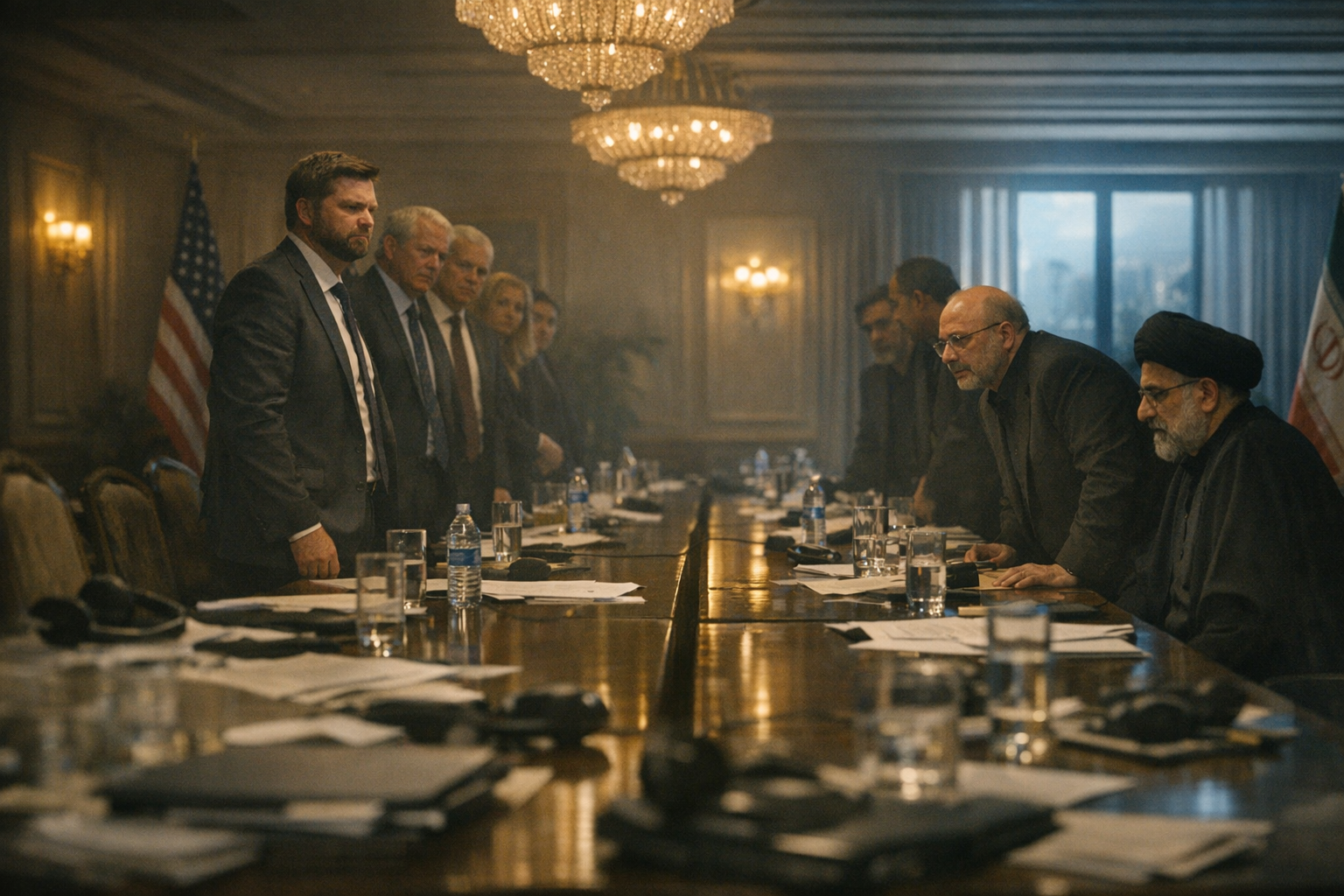
Tensions between the United States and Iran have escalated significantly in July 2026, leading to widespread fears of a return to a full-scale war. Recent reports indicate an increase in military engagements and hostile rhetoric, marking a dangerous shift in the long-standing geopolitical rivalry. This current escalation is rooted in decades of complex relations, marked by sanctions, proxy conflicts, and strategic competition for influence in the Middle East.
But the story doesn’t begin there. The current climate of apprehension is a culmination of historical grievances and recent provocations that have pushed both nations closer to direct confrontation.
Historical Context of US-Iran Relations
The relationship between the United States and Iran has been fraught with tension for decades. The 1979 Iranian Revolution marked a pivotal turning point, transforming a key US ally into an adversary. The subsequent hostage crisis at the US Embassy in Tehran solidified this animosity.
Throughout the 1980s and 1990s, relations remained strained. Iran’s pursuit of nuclear technology became a central point of contention in the early 21st century. The international community, led by the United States, imposed stringent sanctions aimed at curbing Iran’s nuclear program.
The Joint Comprehensive Plan of Action (JCPOA), signed in 2015, offered a temporary reprieve. This agreement, involving Iran, the P5+1 nations (China, France, Germany, Russia, the United Kingdom, and the United States), and the European Union, aimed to limit Iran’s nuclear activities in exchange for sanctions relief.
However, the United States withdrew from the JCPOA in May 2018 under the Trump administration. This withdrawal reimposed and expanded sanctions, leading to a renewed period of heightened tension and economic pressure on Iran. Iran responded by gradually reducing its compliance with the nuclear deal’s terms.
Recent Escalation of Attacks in 2026
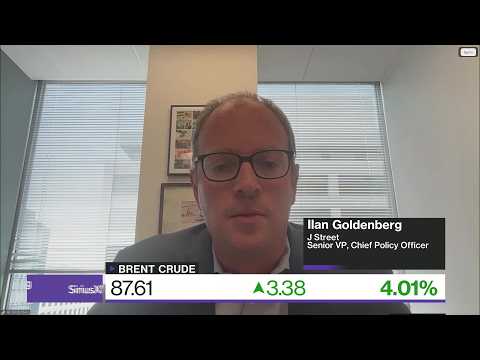
The current escalation in July 2026 follows a series of incidents that began earlier in the year. Specific details of the recent attacks remain sensitive, but reports from Bloomberg Television and other international news outlets confirm an uptick in military actions.
These actions include:
- Reported drone strikes targeting infrastructure in the region.
- Naval confrontations in the Persian Gulf and the Strait of Hormuz.
- Cyberattacks attributed to both sides, disrupting critical systems.
- Increased military deployments by both the United States and Iran in strategic areas.
The nature of these attacks suggests a move beyond proxy warfare towards more direct engagements. This shift raises alarms among international observers and allied nations.
The Strait of Hormuz: A Critical Flashpoint
The Strait of Hormuz, a narrow waterway connecting the Persian Gulf to the open ocean, remains a critical flashpoint. Approximately 20% of the world’s petroleum and other liquids consumption passes through this strait daily.
Any disruption to shipping in the Strait of Hormuz has immediate and significant global economic consequences. Both the United States and Iran have historically demonstrated their capacity to project power in this vital maritime corridor. Recent naval maneuvers and reported incidents near the Strait underscore its strategic importance in the ongoing tensions.
Geopolitical Implications and International Response
The escalating conflict carries significant geopolitical implications for the entire Middle East and beyond. Regional allies of the United States, such as Saudi Arabia and the United Arab Emirates, are closely monitoring the situation. These nations have their own complex relationships with Iran and stand to be directly impacted by a full-scale war.
International bodies, including the United Nations, have issued strong calls for de-escalation. UN Secretary-General António Guterres urged both parties to exercise maximum restraint and engage in diplomatic dialogue. European Union leaders have also expressed deep concern, advocating for a return to negotiations and the revival of the JCPOA.
The Role of Allied Nations
Key US allies in Europe and Asia are navigating a delicate balance. While expressing solidarity with the United States, many also advocate for diplomatic solutions to avoid a protracted and costly conflict. The economic fallout from a war in the Middle East, particularly its impact on global energy markets, is a major concern for these nations.
Conversely, some regional actors may view the escalation as an opportunity to further their own agendas. The involvement of non-state actors and proxy groups adds another layer of complexity to the conflict dynamics.
Economic Impact of Renewed Hostilities
A full-scale war between the United States and Iran would have severe global economic repercussions. The immediate impact would be felt in oil markets, with crude oil prices likely to surge. This would lead to higher energy costs for consumers and businesses worldwide, potentially triggering a global economic downturn.
Beyond energy, supply chains already strained by other global events would face further disruption. International trade routes, particularly those reliant on the Suez Canal and the Strait of Hormuz, would be at risk. Investment confidence would decline, leading to market volatility and uncertainty.
Humanitarian Concerns
The human cost of conflict is always paramount. A war in the region would inevitably lead to a humanitarian crisis, displacing populations and increasing the need for international aid. Civilian casualties, infrastructure damage, and long-term instability are direct consequences.
Organizations like the International Committee of the Red Cross (ICRC) and Doctors Without Borders are already preparing for potential worst-case scenarios. The focus remains on protecting civilian lives and ensuring access to essential services.
Diplomatic Pathways and Future Prospects
Despite the current escalation, diplomatic pathways remain a crucial, albeit challenging, avenue for de-escalation. Efforts to revive the JCPOA or initiate new talks are ongoing, though progress has been slow.
Mediators from various countries and international organizations continue to engage with both Washington D.C. and Tehran. These efforts aim to establish channels for communication and identify common ground for reducing tensions.
Statements from Key Leaders
President Trump has consistently maintained a firm stance on Iran, emphasizing national security interests and the need to counter Iranian influence. His administration has reiterated its commitment to protecting US personnel and assets in the region.
Iranian leadership, including Supreme Leader Ali Khamenei and President Masoud Pezeshkian, has denounced US actions as provocative and asserted Iran’s right to defend its sovereignty. They have called for the removal of sanctions as a precondition for meaningful dialogue.
The path forward is uncertain. Diplomacy requires trust and a willingness to compromise, both of which are in short supply. The international community watches, hopes, and prepares.
The Stakes for Global Security
The current situation carries immense stakes for global security. A war between the United States and Iran would not only destabilize the Middle East but also have ripple effects across the globe. It could draw in other regional powers, leading to a wider conflict with unpredictable outcomes.
Nuclear proliferation concerns would also intensify, as both sides might feel compelled to enhance their strategic capabilities. The global non-proliferation regime could be severely tested.
The world waits. Leaders deliberate. Diplomats engage.
Fear.