Tag: Aid

  • Zelenskyy Calls Trump Meeting ‘Good’ Amidst Ukraine War Diplomacy

    Zelenskyy Calls Trump Meeting ‘Good’ Amidst Ukraine War Diplomacy

    Ukrainian President Volodymyr Zelenskyy characterized his recent meeting with U.S. President Donald Trump as ‘good.’ This assessment was shared publicly amidst continuous international diplomatic efforts focused on the ongoing conflict in Ukraine. Zelenskyy’s brief but positive remark provides a glimpse into the nature of the high-level discussions.

    The interaction took place as global attention remains fixed on Eastern Europe. The United States continues to be a pivotal ally for Ukraine. The statement from Kyiv carries weight in international political circles.

    The Context of High-Stakes Diplomacy

    The meeting between President Zelenskyy and President Trump occurred during a period of intense geopolitical activity. World leaders are actively engaged in finding resolutions and managing the humanitarian consequences of the conflict. Discussions often center on military assistance, economic sanctions, and long-term security guarantees.

    President Trump’s administration has maintained a firm stance on international alliances and obligations. His approach to foreign policy has been a subject of ongoing analysis. The specific details of his conversation with President Zelenskyy were not immediately disclosed.

    Diplomatic encounters like this one are crucial for maintaining communication channels. They allow for direct exchanges between heads of state. These dialogues often shape future policy decisions and international cooperation.

    U.S. Support for Ukraine: A Continuing Narrative

    The United States has provided substantial support to Ukraine since the full-scale invasion began in February 2022. This aid has included military equipment, financial assistance, and humanitarian relief. Congressional appropriations have funded many of these initiatives.

    The nature and extent of U.S. assistance have evolved over time. Policy discussions in Washington frequently address the effectiveness of current strategies. Debates also cover the long-term implications of sustained foreign aid.

    President Trump’s perspective on foreign aid and international commitments has been a consistent theme in his political career. His interactions with allies and adversaries are closely watched. They often signal shifts in U.S. foreign policy direction.

    Zelenskyy’s Diplomatic Offensive

    President Zelenskyy has maintained an active international travel schedule. He has engaged with leaders across Europe, North America, and Asia. His objective is to secure continued support for Ukraine’s defense and reconstruction.

    His direct appeals to international bodies and national parliaments have been a hallmark of his wartime leadership. These efforts aim to keep the conflict at the forefront of global consciousness. They also seek to mobilize resources for Ukraine.

    Meetings with key figures like President Trump are strategic. They allow Zelenskyy to present Ukraine’s needs directly. They also provide opportunities to counter narratives that might undermine international solidarity.

    The Role of Presidential Meetings

    Direct meetings between presidents offer unique opportunities for diplomacy. They can bypass bureaucratic channels. They can also foster personal relationships between leaders.

    These high-level discussions often cover sensitive topics. They might include military intelligence sharing, economic sanctions enforcement, or peace negotiation frameworks. The outcomes of such meetings can have immediate and far-reaching impacts.

    The ‘good’ assessment from Zelenskyy suggests a constructive tone to the conversation. However, the specific commitments or agreements made remain unconfirmed. International media outlets are scrutinizing every available detail.

    Global Reactions and Expectations

    International observers are closely monitoring any statements regarding the meeting. European allies, in particular, watch U.S. policy towards Ukraine with keen interest. The unity of the transatlantic alliance is often tested by differing approaches to global crises.

    Russia’s government also pays close attention to these diplomatic exchanges. Statements from Washington and Kyiv are analyzed for any potential shifts in strategy. These analyses inform Moscow’s own foreign policy calculations.

    Experts in international relations often interpret such brief comments within a broader context. They consider past statements, current events, and future political calendars. The goal is to infer the true significance of the interaction.

    The Broader Geopolitical Landscape

    The conflict in Ukraine is part of a larger geopolitical struggle. It involves questions of sovereignty, international law, and the balance of power. The actions of major global players like the United States are central to this dynamic.

    China, India, and other emerging powers also play roles in this complex environment. Their diplomatic stances and economic decisions influence the global response to the conflict. The interconnectedness of the modern world means no major event occurs in isolation.

    The United Nations and various regional organizations, such as NATO and the European Union, are also deeply involved. They provide forums for debate, coordination, and the implementation of collective responses. The meeting between Zelenskyy and Trump contributes to this ongoing multilateral discourse.

    Looking Ahead: Implications for Ukraine

    Zelenskyy’s positive characterization of the meeting could signal continued, or even enhanced, U.S. support. This would be a welcome development for Kyiv. Sustained international aid is crucial for Ukraine’s defense and eventual recovery.

    Conversely, a lack of specific outcomes or a divergence in stated goals could raise concerns. The long-term trajectory of the conflict depends heavily on the consistent backing of Ukraine’s allies. The United States remains its most significant individual donor of military aid.

    The global community awaits further details. Future statements from both the White House and the Office of the President of Ukraine will be critical. They will provide more clarity on the substance and implications of their discussion.

    Economic and Humanitarian Dimensions

    Beyond military aid, economic support is vital for Ukraine’s resilience. The country’s infrastructure has suffered extensive damage. Its economy has been severely impacted by the conflict.

    International financial institutions and donor countries have pledged billions in reconstruction funds. The United States has been a major contributor to these efforts. Discussions between leaders often include strategies for economic recovery and stability.

    Humanitarian concerns also remain paramount. Millions of Ukrainians have been displaced. Access to essential services, food, and medical care is a constant challenge. Diplomatic engagements often address these urgent needs.

    The Path to Resolution

    The ultimate resolution of the conflict in Ukraine remains elusive. Various peace proposals have been put forward by different nations. However, a mutually agreeable framework has yet to emerge.

    Diplomatic meetings, even those with limited public detail, are steps in this complex process. They keep lines of communication open. They also allow for the exploration of potential pathways to de-escalation and peace.

    The ‘good’ meeting between Zelenskyy and Trump could be interpreted as a sign of continued engagement. It suggests that despite potential differences, dialogue remains possible and constructive. The world watches for the next developments.

    Leaders convene. Strategies are debated. Futures are shaped.

    Ukraine.


  • Why Beshear Demanded “Verbal Proof” from McConnell – Kentucky’s Political Showdown

    Why Beshear Demanded “Verbal Proof” from McConnell – Kentucky’s Political Showdown

    Kentucky Governor Andy Beshear recently demanded “verbal proof” from Senator Mitch McConnell, a move that placed a spotlight on inter-governmental transparency and political accountability. The Governor’s request stemmed from a desire for direct, unambiguous confirmation regarding the allocation and specifics of federal aid destined for Kentucky. This public challenge underscored the ongoing tension between state executive leadership and federal legislative representation.

    The call for “verbal proof” signified a strategic push for clarity on issues vital to Kentucky’s residents. It moved beyond the usual exchanges of press releases or indirect statements. Governor Beshear sought a personal, verifiable assurance from Senator McConnell, emphasizing a commitment to immediate and transparent information for the public.

    The Catalyst: Federal Aid and Kentucky’s Needs

    Governor Beshear’s demand for “verbal proof” from Senator McConnell did not emerge in a vacuum. It was rooted in specific concerns about federal aid to Kentucky. The state has faced multiple challenges requiring federal support, including recovery from natural disasters and significant infrastructure needs.

    Reports and discussions around federal funding often involve complex legislative language and bureaucratic processes. Governor Beshear indicated that written communications or general assurances were insufficient. He sought concrete, spoken commitments from the senior Senator.

    This demand primarily focused on ensuring that Kentucky would receive its fair share of federal resources. It also aimed to clarify the timeline and specific projects these funds would support, directly impacting the state’s recovery and development efforts.

    Specific Areas of Concern

    The Governor’s office had particular interests in several areas of federal assistance. These included funding for ongoing recovery efforts from the 2021 tornadoes and 2022 floods that devastated parts of Kentucky. Infrastructure projects, such as bridge repairs and broadband expansion, also featured prominently.

    Beshear emphasized the need for Kentuckians to understand precisely how their federal tax dollars were being leveraged. He argued that direct, verbal confirmation from Senator McConnell would provide a level of assurance that official statements sometimes lacked.

    This pressure tactic aimed to cut through perceived political ambiguities. It sought to secure a public commitment that could be directly attributed to Senator McConnell, thereby increasing accountability.

    Governor Beshear’s Stance on Transparency

    Governor Andy Beshear has consistently championed transparency as a cornerstone of his administration. His public demand of Senator McConnell aligned with this broader governing philosophy. Beshear believes that an informed public is essential for a functioning democracy.

    His administration has often made efforts to communicate directly with Kentuckians through town halls, press conferences, and digital platforms. The demand for “verbal proof” extended this philosophy to inter-governmental relations. It signaled an expectation of the same level of directness from federal partners.

    Beshear’s approach suggests that transparency is not merely about making information available. It is also about making it accessible, understandable, and verifiable. This ensures that citizens can hold their representatives accountable.

    The Role of Direct Communication

    Direct communication, particularly verbal confirmation, carries significant weight in political discourse. It often conveys a stronger sense of commitment and personal responsibility than written statements. Written documents can be subject to interpretation or attributed to staff.

    By demanding “verbal proof,” Governor Beshear aimed to elicit a personal endorsement from Senator McConnell. This would make it harder for any future discrepancies to be dismissed as misinterpretations. It placed the onus directly on the Senator.

    This strategy also served to rally public support for the Governor’s push for clarity. It framed the issue as a matter of basic public right to information, rather than a partisan squabble.

    Senator McConnell’s History and Response

    Senator Mitch McConnell, a long-serving figure in the United States Senate, is known for his strategic and often guarded communication style. His career has been marked by careful legislative maneuvering and a preference for controlled messaging. A demand for impromptu “verbal proof” challenged this established approach.

    McConnell typically communicates through official press releases, floor statements, and carefully orchestrated media appearances. These channels allow for precise language and the avoidance of unintended concessions. The Governor’s demand for a direct, spoken commitment represented a departure from this norm.

    Initial responses from Senator McConnell’s office were often through spokespersons, reiterating existing federal commitments to Kentucky. These responses did not immediately provide the specific “verbal proof” Governor Beshear had requested, highlighting the strategic differences in their communication approaches.

    Navigating Political Expectations

    The Senator’s office likely weighed the implications of such a direct, unscripted response. Providing “verbal proof” could set a precedent for similar demands from other state officials. It could also potentially box the Senator into commitments that might later prove difficult to uphold.

    McConnell’s camp emphasized the established channels of communication and the legislative process. They pointed to the Senator’s track record of securing federal funding for Kentucky through legislative means. This highlighted a difference in how each leader viewed accountability.

    The exchange became a public test of wills. It showcased the contrasting styles of a long-standing federal legislator and a state executive who prioritizes direct public engagement.

    Broader Implications for State-Federal Relations

    The public demand for “verbal proof” from a federal senator by a state governor carries significant implications for state-federal relations. It illustrates the evolving dynamics between different levels of government, particularly when both are serving the same constituents.

    Such incidents can highlight the perceived power imbalance between states and the federal government. Governors often feel constrained by federal decisions or the pace of federal aid. Demanding direct answers can be a way to assert state sovereignty and advocate for local needs.

    This interaction also serves as a reminder that federal representatives are ultimately accountable to their state electorates. While they operate on a national stage, their actions and communications are closely scrutinized by state-level leaders and citizens.

    The Public’s Role in Accountability

    The public’s expectation for transparency and accountability is a powerful force in these political exchanges. Citizens increasingly demand clear, verifiable information from all elected officials, regardless of their level of government.

    Social media and 24/7 news cycles amplify these demands. They make it easier for state leaders to publicly challenge federal counterparts. This creates a more immediate pressure for responses and clarity.

    The Governor’s demand resonated with many Kentuckians who sought direct answers on critical issues affecting their lives. This public sentiment reinforces the importance of clear communication and verifiable commitments from leaders.

    Historical Context of Political Scrutiny

    Demands for direct evidence or clarification from public officials are not new in American politics. Throughout history, leaders have faced intense scrutiny, particularly during times of crisis or significant public concern. This is a fundamental aspect of democratic governance.

    For instance, during major national events or legislative debates, presidents and congressional leaders have often been pressed to provide personal assurances or detailed explanations beyond official statements. These moments reinforce the principle that leaders must stand by their words.

    The current political climate, characterized by heightened partisan divisions and a rapid information environment, further intensifies these demands. The public’s desire for authenticity and direct engagement has grown significantly.

    Impact on Political Discourse

    The public exchange between Governor Beshear and Senator McConnell significantly impacted Kentucky’s political discourse. It generated widespread media coverage and sparked discussions among citizens about political accountability and effective representation.

    This public engagement encouraged critical thinking about how information is conveyed and received in politics. It also reinforced the idea that leaders are expected to be forthright and transparent in their dealings with the public.

    The incident highlighted the media’s role in amplifying such demands. News outlets reported extensively on the Governor’s challenge and the Senator’s subsequent responses, bringing the issue to a broader audience and underscoring the ongoing call for transparency in governance.

    The Evolving Landscape of Political Communication

    This incident reflects the evolving landscape of political communication in the 2020s. Traditional methods of official statements and press conferences are increasingly supplemented, and sometimes challenged, by more direct and immediate forms of communication.

    The rise of digital platforms means that information, and demands for it, can spread rapidly. Public figures are often expected to respond quickly and directly to concerns, bypassing traditional intermediaries. This places a premium on authenticity and directness.

    The demand for “verbal proof” can be seen as a modern manifestation of these expectations. It represents a shift towards more personal and verifiable forms of political engagement. Citizens want to hear directly from their leaders, not just their spokespersons.

    The Governor’s Office and Accountability

    As the chief executive of the state, the Governor’s office holds a unique position in demanding accountability from federal representatives. Governors are directly responsible for the welfare of their state’s residents and often serve as their primary advocates on the national stage.

    Governor Beshear’s action demonstrated a willingness to use the full weight of his office to press for answers. This assertive approach can set a precedent for how state leaders interact with federal officials, particularly when state interests are perceived to be at stake.

    The incident solidified Beshear’s image as a leader willing to challenge established norms for the sake of his constituents. It underscored the continuous struggle for clarity and accountability in the complex web of American governance. The demand echoed across Kentucky.


  • N3on and Ryan Garcia Support Families Affected by ICE at Car Wash Event

    N3on and Ryan Garcia Support Families Affected by ICE at Car Wash Event

    Influencer N3on and professional boxer Ryan Garcia recently participated in a car wash event designed to support families affected by actions from U.S. Immigration and Customs Enforcement (ICE).

    This event brought together community members and public figures to provide assistance and raise awareness for those navigating the complexities of immigration policies and enforcement in the United States.

    The Intersection of Celebrity and Social Activism

    The involvement of figures like N3on and Ryan Garcia in community support initiatives underscores a trend of public personalities leveraging their influence for social causes. N3on, known for his online presence and streaming content, commands a significant following across various digital platforms.

    Ryan Garcia, a prominent figure in professional boxing, also possesses a substantial platform, particularly among younger demographics and sports enthusiasts. Their joint appearance at the car wash event amplified its reach and message beyond local communities.

    Such collaborations draw attention to issues that might otherwise receive less mainstream media coverage. By participating directly, these individuals offer tangible support and a visible endorsement for the cause.

    The car wash event itself serves multiple purposes. It functions as a fundraiser, with proceeds often directed towards legal aid, financial assistance, or humanitarian support for affected families.

    Beyond fundraising, these events also provide a space for community gathering and solidarity. They can help reduce feelings of isolation among those directly impacted by immigration enforcement.

    The Role of Immigration and Customs Enforcement (ICE)

    U.S. Immigration and Customs Enforcement (ICE) is a federal law enforcement agency under the Department of Homeland Security (DHS). Its primary mission involves enforcing immigration laws, investigating transnational crime, and ensuring public safety.

    ICE operations include arrests, detentions, and deportations of individuals found to be in violation of U.S. immigration statutes. These actions often have significant and immediate impacts on families, leading to separations and financial hardship.

    The agency’s activities frequently become subjects of public debate, with supporters emphasizing national security and legal compliance, while critics often highlight humanitarian concerns and civil liberties.

    The car wash event specifically aimed to support families who have experienced the direct consequences of ICE enforcement. This includes families where a primary wage earner has been detained or deported, leading to economic instability and emotional distress.

    Organizations dedicated to immigrant rights and support often collaborate with community leaders and public figures to raise funds and awareness. These partnerships are crucial for sustaining support networks for vulnerable populations.

    Community Support Initiatives and Their Impact

    Community support initiatives, like the car wash involving N3on and Ryan Garcia, play a vital role in addressing immediate needs and fostering long-term resilience within affected communities. These events are often grassroots efforts, organized by local volunteers and non-profit organizations.

    The funds raised at such events can be critical for families facing sudden financial burdens. This might include legal fees for immigration proceedings, housing assistance, or basic living expenses when a family member’s income is disrupted.

    Beyond financial aid, these gatherings provide emotional and psychological support. They send a message to affected families that they are not alone and that their struggles are recognized by a wider community.

    The visibility brought by public figures also helps to destigmatize discussions around immigration. It can encourage a more empathetic public discourse regarding the challenges faced by immigrant communities.

    The Power of Digital Platforms

    N3on’s presence, in particular, highlights the evolving role of digital platforms in social activism. Livestreaming, social media posts, and viral videos can disseminate information and calls to action to millions of people instantly.

    This digital reach allows for rapid mobilization of resources and volunteers. It also enables a broader audience to witness and engage with social issues that might otherwise remain localized.

    The content generated from such events, whether it be short video clips or longer form documentaries, serves as a powerful tool for advocacy. It can humanize complex issues and provide direct testimonies from those affected.

    Ryan Garcia’s involvement also taps into a different, yet equally influential, audience. His status as a professional athlete lends credibility and a sense of mainstream appeal to the cause.

    The combination of an internet personality and a sports star creates a unique cross-platform appeal, maximizing the event’s potential for impact and awareness.

    Broader Implications for Immigration Discourse

    The car wash event, while a localized effort, contributes to a larger national conversation about immigration and border policies. The actions of ICE and other federal agencies are subjects of ongoing debate in the United States.

    Advocates for immigrant rights frequently call for reforms to immigration laws, emphasizing pathways to citizenship, family reunification, and due process protections. Conversely, proponents of stricter enforcement prioritize border security and adherence to existing legal frameworks.

    Events like the one supported by N3on and Ryan Garcia bring these often abstract policy debates into a tangible, human context. They highlight the personal stories and family impacts that are central to the immigration discussion.

    The event also serves as a reminder of the diverse coalitions that form around immigration issues. These coalitions often include religious organizations, civil rights groups, legal aid societies, and community activists.

    The participation of public figures can galvanize new segments of the population to engage with these issues, moving them from the periphery of public consciousness to a more central position.

    The Role of Media in Shaping Perceptions

    The media’s portrayal of such events is crucial in shaping public perception. When outlets like TMZ cover these initiatives, it amplifies the message and informs a broad audience about the ongoing challenges faced by immigrant families.

    Positive coverage can encourage further donations, volunteerism, and advocacy. It can also counteract negative stereotypes often associated with immigrant communities.

    The short video clip format, as seen on platforms like YouTube Shorts, allows for quick, impactful dissemination of information. These snippets can capture the essence of an event and convey its emotional weight efficiently.

    Such media exposure is a strategic component of many advocacy efforts. It transforms a local event into a national talking point, even if for a brief period.

    The sustained efforts of various organizations, coupled with the periodic involvement of high-profile individuals, contribute to a continuous push for policy changes and increased humanitarian aid.

    Looking Forward: Continued Engagement

    The car wash event is one example in a continuum of efforts to support immigrant families. Many organizations operate year-round, providing essential services and advocacy.

    These services range from legal clinics offering free or low-cost representation to educational programs designed to inform immigrants of their rights and resources.

    The engagement of public figures is not a one-time solution but rather a catalyst that can inspire ongoing support and participation from their followers and the broader public.

    As immigration remains a complex and often contentious issue in the United States, the need for community support and advocacy will likely persist. Events like this car wash illustrate the human-centered approach many take to address the issue.

    The collective efforts of influencers, athletes, community organizers, and everyday citizens contribute to a network of support that aims to alleviate the challenges faced by families affected by immigration enforcement.

    Advocates continue to push for comprehensive immigration reform that balances national security concerns with humanitarian principles. The stories highlighted by these events often serve as powerful arguments in that ongoing debate.

    The car wash. The community. The families. The support. The solidarity.

    Hope.


  • Celebrities Unite: Nicola Coughlan, Paapa Essiedu Fundraise for Gaza Students

    Celebrities Unite: Nicola Coughlan, Paapa Essiedu Fundraise for Gaza Students

    A celebrity auction featuring figures such as Nicola Coughlan and Paapa Essiedu is underway to raise money for students in Gaza. This effort seeks to provide crucial financial support for educational initiatives within the Gaza Strip, addressing the significant challenges faced by young people in the region.

    The involvement of prominent actors like Coughlan, known for her roles in popular series, and Essiedu, a respected stage and screen performer, brings considerable public attention to the cause. Their participation underscores a broader trend of celebrities utilizing their platforms for humanitarian advocacy.

    The Genesis of the Gaza Student Aid Initiative

    The concept for this celebrity-driven auction emerged from a desire to address specific educational needs in Gaza. Organizers identified a gap in funding and resources for students pursuing various levels of education, from primary schooling to higher learning. The ongoing geopolitical situation in the region has consistently impacted educational infrastructure and access, making external support vital.

    Initial discussions among a small group of philanthropists and cultural figures led to the idea of a high-profile auction. The aim was to create an event that would not only raise substantial funds but also generate global awareness about the educational plight of Gaza’s youth. The organizers recognized the power of celebrity endorsement in achieving these goals.

    Identifying Key Participants

    Securing participation from recognizable names was a critical step. Outreach efforts focused on individuals known for their philanthropic inclinations and those with a history of supporting humanitarian causes. Nicola Coughlan, with her significant following from series like ‘Bridgerton’ and ‘Derry Girls’, quickly emerged as a desirable participant.

    Paapa Essiedu, celebrated for his work in ‘I May Destroy You’ and numerous Royal Shakespeare Company productions, also joined the initiative. His involvement signaled a commitment from the theater and dramatic arts community. Other public figures from various sectors, including music, literature, and visual arts, were subsequently invited, creating a diverse roster of contributors.

    Auction Mechanics and Offerings

    The celebrity auction is being conducted primarily online, allowing for global participation. A dedicated digital platform hosts the various items and experiences donated by the celebrities. This online format maximizes reach and accessibility, circumventing geographical limitations that traditional in-person auctions might face.

    Items up for bid range from signed memorabilia and exclusive merchandise to personalized video messages and unique experiences. For example, some participants have offered virtual meet-and-greets, acting workshops, or even a chance to observe a day on a film set. These bespoke offerings are designed to attract significant bids from fans and collectors alike.

    The Role of Technology in Fundraising

    The digital infrastructure supporting the auction is robust, ensuring secure bidding and transaction processes. Social media platforms are being heavily utilized to promote the event, with celebrities sharing links and encouraging their followers to participate. Hashtags and viral campaigns are integral to the outreach strategy.

    Live streaming elements, featuring some of the participating celebrities, have also been incorporated to generate excitement and provide real-time updates on the auction’s progress. These digital tools are proving instrumental in reaching a wide audience and maximizing fundraising potential.

    The Broader Context of Aid for Gaza

    Efforts to provide humanitarian aid to Gaza are complex and often fraught with political sensitivities. The region has experienced significant challenges, impacting its infrastructure, economy, and social services, including education. International and non-governmental organizations regularly work to deliver assistance, but needs often outstrip available resources.

    Educational institutions in Gaza have faced numerous disruptions, from damage to facilities to shortages of teaching materials and qualified staff. Students frequently encounter obstacles that hinder their ability to learn and progress academically. Initiatives like this celebrity auction aim to alleviate some of these specific pressures.

    Impact on Student Lives

    The funds raised through this auction are earmarked for direct support to students. This could include scholarships for tuition fees, provision of textbooks and school supplies, funding for educational technology, or support for mental health and psychosocial services for students affected by conflict. The specific allocation of funds will be managed by a designated charitable organization with a proven track record in the region.

    The goal is not only to provide immediate relief but also to foster long-term educational stability. By investing in the human capital of Gaza, the initiative hopes to contribute to future development and resilience within the community. Education is often seen as a cornerstone for rebuilding and fostering peace.

    Celebrity Activism and Global Causes

    The involvement of celebrities in humanitarian causes is a well-established practice. Their public profiles offer unparalleled reach, allowing them to draw attention to issues that might otherwise receive less mainstream coverage. This auction for Gaza students is another example of this phenomenon.

    From advocating for environmental protection to supporting disaster relief efforts, public figures frequently lend their voices and resources to various global challenges. Their engagement can mobilize public opinion, encourage donations, and pressure political leaders to act. However, celebrity activism can also attract scrutiny and debate, particularly on politically charged topics.

    Navigating Political Sensitivities

    Raising funds for Gaza students inevitably touches upon the broader Israeli-Palestinian conflict, a deeply sensitive and complex issue. Organizers of such initiatives often need to carefully navigate political landscapes to ensure their humanitarian objectives are not overshadowed or misinterpreted. The focus remains squarely on the educational welfare of students, rather than partisan political stances.

    The messaging surrounding the auction emphasizes the universal right to education and the humanitarian imperative to support young people in crisis zones. This approach seeks to appeal to a broad base of supporters, transcending political divides where possible, to achieve its charitable aims.

    Future Implications and Long-Term Goals

    Should this auction prove successful, it could serve as a model for future celebrity-led fundraising efforts targeting similar educational needs globally. The efficacy of the online format combined with high-profile endorsements offers a template for rapid and widespread resource mobilization.

    Beyond the immediate financial gains, the organizers hope to inspire a sustained interest in the educational challenges faced by students in conflict-affected areas. The long-term goal extends to creating more robust and reliable funding mechanisms that can support educational continuity, even in the face of adversity. This auction is seen as a significant step in that direction.

    Actors participated. Musicians participated. Writers participated. Activists participated. Supporters participated. Education continues.


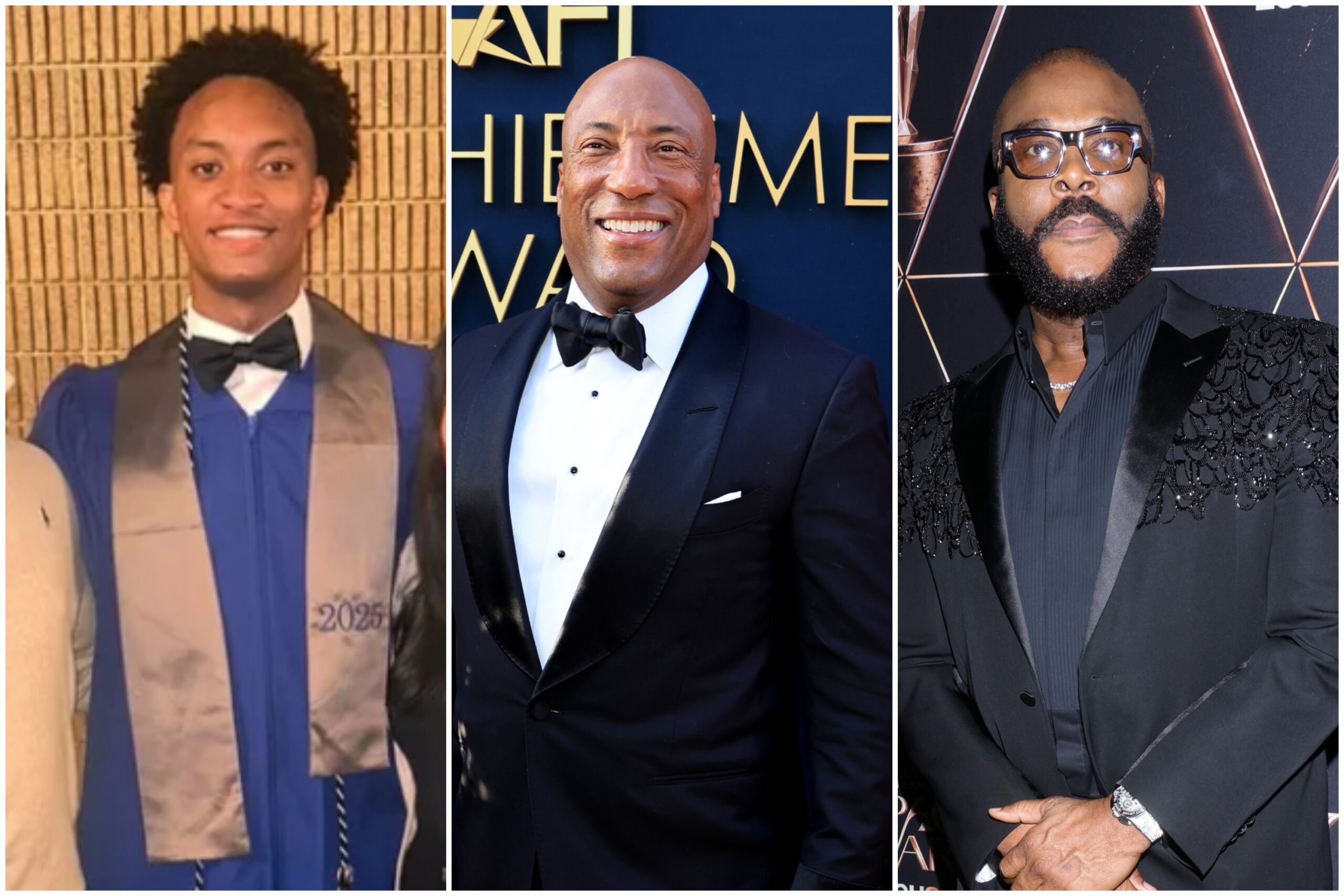
  • Byron Allen Donates $100,000 to Nolan Wells Family GoFundMe; Tyler Perry Covers Funeral

    Byron Allen Donates $100,000 to Nolan Wells Family GoFundMe; Tyler Perry Covers Funeral

    Media mogul Byron Allen has made a substantial donation of $100,000 to the GoFundMe campaign established to support the family of Nolan Wells. This significant contribution follows the announcement that acclaimed filmmaker and entrepreneur Tyler Perry will cover all funeral expenses for Wells. The combined actions of Allen and Perry provide crucial financial and emotional support to the Wells family during a period of profound loss.

    The outpouring of assistance from these prominent figures underscores a broader theme of community and responsibility within the entertainment industry. Their involvement brings much-needed attention and resources to the Wells family’s situation, offering a measure of relief amidst their grief.

    The Generosity of Byron Allen

    Byron Allen, Chairman and CEO of Allen Media Group, is known for his extensive media empire. His donation of $100,000 to the Nolan Wells family GoFundMe campaign represents a significant personal commitment.

    This contribution directly aids the family in addressing immediate financial needs beyond funeral costs. GoFundMe campaigns often cover a range of expenses, including living costs, medical bills, and support for dependents.

    Allen’s involvement highlights the potential for public figures to make a tangible difference in individual lives. His action quickly garnered attention, drawing more eyes to the Wells family’s plight.

    The donation was processed through the official GoFundMe platform. This ensures transparency and direct allocation of funds to the intended beneficiaries.

    Such acts of philanthropy from industry leaders often inspire others to contribute, creating a ripple effect of generosity.

    Tyler Perry’s Commitment to Funeral Costs

    Tyler Perry, a celebrated writer, director, and producer, has stepped forward to cover all funeral expenses for Nolan Wells. Perry’s history of private and public philanthropy is well-documented.

    His commitment alleviates a major financial burden that often accompanies unexpected loss. Funeral costs can range from several thousands to tens of thousands of dollars, depending on the arrangements.

    Perry’s gesture allows the Wells family to focus on grieving and healing, rather than the immediate financial strain of memorial services. This type of support is invaluable in times of crisis.

    The specifics of the arrangements, such as the funeral home and service details, are being handled directly by Perry’s representatives in coordination with the Wells family.

    This act of kindness aligns with Perry’s established reputation for assisting individuals and communities in need.

    The Impact on the Wells Family GoFundMe

    The GoFundMe campaign for the Nolan Wells family received a substantial boost from Byron Allen’s $100,000 donation. This dramatically increased the total funds raised.

    Before Allen’s contribution, the campaign’s progress would have been steady but perhaps slower. His donation provided a significant surge.

    The purpose of the GoFundMe is to provide ongoing support for the family, addressing needs that extend beyond immediate crisis relief. This includes future living expenses, educational costs for any children, and long-term stability.

    The visibility brought by these celebrity contributions also encourages smaller donations from the public. This creates a broader base of support for the family.

    The campaign’s organizers expressed profound gratitude for the generosity shown by both Allen and Perry. Their statements highlighted the emotional and practical relief provided.

    Celebrity Philanthropy in Action

    The actions of Byron Allen and Tyler Perry are examples of celebrity philanthropy. This involves public figures using their resources and platforms to support charitable causes or individuals.

    Such acts often draw media attention, which can then amplify the cause being supported. This increased visibility is a crucial aspect of their impact.

    In this instance, the focus is on direct, immediate relief for a family in distress. This differs from larger, institutional charitable donations, though both are important.

    The entertainment industry has a history of its members stepping up to assist those in need, whether through organized charities or individual acts of kindness.

    These instances often resonate deeply with the public, fostering a sense of shared humanity and collective care.

    Broader Implications of Community Support

    The support for the Nolan Wells family illustrates the powerful role of community, even when that community extends into the public sphere. It demonstrates that empathy can transcend traditional boundaries.

    The combined efforts of a media executive and a film mogul create a powerful narrative of compassion. This narrative can inspire similar actions from others, both public figures and private citizens.

    In an era of widespread digital communication, GoFundMe and similar platforms have become crucial tools for mobilizing support quickly and efficiently. They allow for direct financial aid in times of crisis.

    The story serves as a reminder of the human element behind headlines. It focuses on the direct impact of loss and the collective response to alleviate suffering.

    Such stories often foster a sense of connection, reminding audiences that even prominent individuals are part of a larger social fabric.

    The Continued Need for Support

    While the donations from Byron Allen and Tyler Perry are substantial, the long-term needs of a grieving family can be extensive. The GoFundMe campaign remains a vital resource.

    Ongoing support helps ensure stability and provides resources for the family’s future. This includes counseling, educational funds, and daily living expenses.

    The initial surge of attention and donations is critical. However, sustained contributions, regardless of size, continue to make a difference over time.

    The Wells family will navigate a challenging period of adjustment. Financial security allows them to focus on emotional recovery.

    The generosity of Allen and Perry sets a precedent for continued community engagement and support for the family’s journey ahead.

    A Collective Response to Tragedy

    The news of Byron Allen’s donation and Tyler Perry’s commitment to funeral costs quickly spread across social media and news outlets. This amplified the story’s reach.

    Public reactions highlighted appreciation for the celebrities’ generosity. Many expressed admiration for their willingness to use their platforms for good.

    The story resonates because it taps into universal themes of loss and the human desire to help. It shows a tangible response to a personal tragedy.

    This collective response, from individual donors to high-profile figures, demonstrates the power of solidarity.

    It underlines the idea that even in times of profound sadness, acts of kindness can offer comfort and hope.

    Families grieve. Communities rally. Support emerges.

    Hope.

  • Ebola in 2026: ‘America First’ Challenges Global Health Security

    Ebola in 2026: ‘America First’ Challenges Global Health Security

    The 2026 Ebola outbreak in Africa has reignited the global debate surrounding the ‘America First’ health strategy. This policy framework prioritizes domestic interests and national sovereignty in the face of international health crises. The approach gained prominence during the 2017-2021 Trump administration. It emphasizes securing U.S. borders and resources while often scaling back engagement with multilateral health organizations and foreign aid. The current Ebola crisis provides a significant real-world test for the effectiveness and implications of such a nationalistic stance on global public health.

    Public health officials and policymakers have been prompted to re-evaluate the balance between national security and international collaboration in pandemic preparedness. The ‘America First’ doctrine posits that a strong domestic health infrastructure and secure borders are the primary defense against global health threats. This perspective often translates into a focus on internal resource allocation rather than extensive contributions to international disease surveillance and response mechanisms.

    The current Ebola situation in Africa underscores the interconnectedness of global health. No nation, including the United States, can remain entirely insulated from infectious disease outbreaks originating elsewhere. The policy debate now centers on whether a unilateral ‘America First’ approach adequately protects U.S. citizens in a globally integrated world.

    Origins of “America First” in Health Policy

    The ‘America First’ health strategy emerged as a distinct policy during the 2017-2021 Trump administration. Its core tenets involved a re-evaluation of the United States’ role in global institutions, including those dedicated to public health. The administration advocated for a reduction in financial contributions to organizations like the World Health Organization (WHO).

    This shift was often framed as an effort to ensure U.S. taxpayer dollars were spent more efficiently and directly on American citizens. The underlying philosophy suggested that other nations should bear a greater share of the burden for global health initiatives. This approach marked a departure from decades of U.S. leadership in international health diplomacy and funding.

    Key policy actions included proposed budget cuts to the Centers for Disease Control and Prevention (CDC) global health programs and a general skepticism towards international treaties and agreements. The administration’s rhetoric frequently highlighted the importance of national sovereignty in health decision-making. This included decisions regarding vaccine development, pharmaceutical supply chains, and border health controls. The administration also initiated the withdrawal of the United States from the WHO in July 2020, though this decision was later reversed by the Biden administration in January 2021.

    Defining “America First” Health Principles

    The ‘America First’ health strategy was characterized by several key principles. These included prioritizing domestic public health infrastructure, securing national borders against disease transmission, and re-evaluating the financial contributions to international health bodies.

    Another principle was the emphasis on bilateral agreements over multilateral ones, allowing the U.S. to negotiate terms directly with individual nations. This approach aimed to maximize perceived national benefit and control over health aid distribution. The focus remained on what was deemed immediately beneficial to U.S. health and economic interests.

    The strategy also promoted U.S. pharmaceutical innovation and domestic manufacturing capabilities. This was intended to reduce reliance on foreign supply chains for essential medicines and medical equipment. The goal was to ensure American access to critical health resources, especially during a global crisis.

    The Ebola Threat: A 2026 Perspective

    The 2026 Ebola outbreak, centered in a specific region of Africa, presents a critical challenge to global health systems. Ebola virus disease, known for its high fatality rate and rapid spread, requires swift and coordinated international action to contain. The current strain has shown characteristics that necessitate a robust, multi-national response.

    Epidemiologists and infectious disease specialists have underscored the need for rapid diagnostic deployment, contact tracing, and vaccine distribution. The geographical location of the outbreak, coupled with existing healthcare infrastructure challenges in affected areas, complicates containment efforts. International aid organizations and national health agencies are mobilizing resources.

    The World Health Organization has issued urgent calls for global solidarity and financial support. These calls are directed at member states to bolster their contributions to the global response fund. The outbreak’s trajectory remains a subject of intense monitoring by health authorities worldwide.

    Specifics of the 2026 Outbreak

    The 2026 Ebola outbreak was first identified in the Democratic Republic of Congo in March 2026. Initial cases were confirmed in the North Kivu province, a region with a history of Ebola outbreaks and ongoing humanitarian challenges. The specific variant of the Ebola virus detected is still under analysis, but early reports indicate a high transmissibility rate.

    As of June 2026, the outbreak has resulted in over 300 confirmed cases and 150 reported fatalities. Efforts to vaccinate at-risk populations are underway, utilizing the rVSV-ZEBOV vaccine, which has proven effective in previous outbreaks. However, logistical challenges, including cold chain maintenance and community engagement, persist.

    Neighboring countries, including Uganda and Rwanda, have increased border surveillance and preparedness measures. The African Centres for Disease Control and Prevention (Africa CDC) is coordinating regional response efforts, emphasizing cross-border collaboration and data sharing. The international community’s response capacity is being tested by this rapidly evolving situation.

    Impact on Global Health Initiatives

    The ‘America First’ health strategy has demonstrably altered the landscape of global health initiatives. Reduced U.S. financial contributions and diplomatic engagement have created funding gaps for various programs. These programs include disease surveillance, vaccine research, and healthcare infrastructure development in vulnerable nations.

    Organizations dependent on U.S. funding have been forced to seek alternative sources or scale back operations. This has impacted efforts to combat diseases such as HIV/AIDS, tuberculosis, and malaria, in addition to emerging infectious threats. The strategy has also fostered an environment where other nations may be less inclined to commit significant resources, perceiving a retreat from shared responsibility.

    Critics argue that a weakened global health infrastructure ultimately poses a risk to the United States itself. Pathogens do not respect national borders. A robust international surveillance and response system is considered essential for early detection and containment, preventing diseases from reaching American shores. This interconnectedness forms the basis of arguments for sustained U.S. leadership in global health.

    Funding Reductions and Their Consequences

    Specific examples of funding reductions under the ‘America First’ framework included proposed cuts to the President’s Emergency Plan for AIDS Relief (PEPFAR) during the 2017-2021 period. Reduced allocations to the Global Fund to Fight AIDS, Tuberculosis and Malaria were also considered. While some cuts were mitigated by congressional action, the intent to reduce international health spending was clear.

    These reductions have direct consequences for frontline health workers and vulnerable populations. Essential medicines, diagnostic tests, and public health campaigns become harder to sustain. The capacity of local health systems to respond to routine health challenges, let alone an Ebola outbreak, is diminished.

    The long-term effects of such disinvestment can include a resurgence of preventable diseases and a decreased ability to train and retain skilled health professionals in low-income countries. This creates a cycle of vulnerability that is difficult to break. For example, a 2018 report by the Kaiser Family Foundation noted that proposed cuts could impact over 14 million people receiving HIV treatment through PEPFAR.

    “America First” vs. Global Health Security

    The fundamental tension lies between the ‘America First’ emphasis on national health security and the concept of global health security. National health security prioritizes the protection of a nation’s own population through domestic measures. This includes robust healthcare systems, biodefense capabilities, and strict border controls.

    Global health security, conversely, posits that no nation is truly secure from health threats unless all nations are secure. It advocates for cooperative international efforts to prevent, detect, and respond to infectious diseases wherever they emerge. This approach views global health as a shared responsibility requiring coordinated investment and collaboration.

    The debate is not merely philosophical. It has practical implications for how resources are allocated, how international partnerships are formed, and how quickly the world can react to novel pathogens. The 2026 Ebola outbreak serves as a stark reminder of these divergent philosophies in action.

    The Argument for Global Health Security

    Proponents of global health security emphasize that infectious diseases do not recognize national borders. An outbreak in one part of the world can quickly become a threat to another, as demonstrated by the COVID-19 pandemic. Investing in global health initiatives is seen as a proactive measure to protect domestic populations.

    This perspective argues that strong surveillance systems in developing countries can act as an early warning system for new pathogens. Funding for research and development of vaccines and treatments benefits everyone, regardless of where the research takes place. Collaborative efforts also build trust and diplomatic ties, which are crucial during international crises.

    Organizations like the World Health Organization and the Global Fund are critical components of this global health security architecture. Their work involves coordinating responses, setting international health standards, and providing technical assistance to low-resource settings. Reduced engagement with these bodies can create dangerous gaps in the global defense against disease.

    The Argument for “America First” Health Security

    Advocates for the ‘America First’ approach argue that a nation’s primary responsibility is to its own citizens. They contend that domestic investments in healthcare, border security, and biodefense are the most direct and effective ways to protect national health. This strategy aims to ensure self-sufficiency and reduce reliance on potentially unreliable international partners.

    This perspective often highlights concerns about the efficiency and accountability of international organizations. It suggests that funds allocated to global health initiatives might be better spent strengthening U.S. hospitals, laboratories, and emergency response systems. The focus is on building a resilient national capacity that can withstand external shocks.

    Furthermore, proponents argue that a strong U.S. economy, fostered by prioritizing domestic interests, ultimately provides more resources for health security. They believe that by leading through example and focusing on national strength, the U.S. can still contribute to global health indirectly, without extensive financial outlays to multilateral bodies. They emphasize the importance of national sovereignty in making health decisions, especially during times of crisis.

    Future Implications for U.S. Policy

    The 2026 Ebola outbreak will likely continue to shape U.S. health policy debates. The ongoing crisis provides real-time data on the efficacy of various response strategies. Policymakers will be forced to confront the consequences of past decisions regarding international engagement and funding.

    The balance between national interest and global responsibility remains a central theme. Future administrations will need to articulate a clear vision for the U.S. role in global health. This vision will either reaffirm an ‘America First’ stance or pivot towards a more internationally collaborative approach.

    Decisions made today will determine the world’s ability to prevent and respond to future pandemics. The Ebola outbreak serves as a critical case study for these ongoing policy deliberations. The health of the nation, and indeed the world, hangs in the balance.

    Epidemiologists warn. Public health officials collaborate. Governments convene. The world watches.

    Ebola.

  • Jennifer Bassey of ‘All My Children’ Faces Health Crisis, Seeks Aid

    Jennifer Bassey of ‘All My Children’ Faces Health Crisis, Seeks Aid

    Jennifer Bassey’s Health Battle and Public Appeal

    Jennifer Bassey, a veteran actress widely recognized for her role as Marian Colby on the long-running ABC soap opera ‘All My Children’, has publicly revealed a serious health issue. Bassey, 81, has initiated an appeal for financial assistance to help manage the substantial costs associated with her undisclosed medical condition and ongoing living expenses. The call for support underscores the financial precarity that can affect even established actors, particularly after decades in the demanding entertainment industry.

    The announcement of Bassey’s health struggles circulated on June 23, 2026, drawing immediate attention from her loyal fanbase and the wider daytime television community. Bassey’s career spans over five decades, with her most iconic role being the socialite Marian Colby, a character she portrayed intermittently from 1983 until the show’s cancellation in 2011, and briefly in its 2013 online revival.

    Who is Jennifer Bassey? A Career in Daytime Drama

    Jennifer Bassey was born in Chicago, Illinois, on July 22, 1942. Her acting career began in the late 1960s, with early roles in television series such as ‘Love Is a Many Splendored Thing’ and ‘The Doctors’. She also appeared in various stage productions before finding her signature role in daytime television.

    Bassey joined the cast of ‘All My Children’ in 1983 as Marian Colby, the snobbish, often comedic, and always dramatic mother of Liza Colby. Her character was known for her sharp wit, complicated relationships, and frequent escapades. Bassey’s performance earned her a Daytime Emmy Award nomination for Outstanding Supporting Actress in a Drama Series in 1999.

    Beyond ‘All My Children’, Bassey has made guest appearances on numerous primetime television shows, including ‘L.A. Law’, ‘Grey’s Anatomy’, and ‘Law & Order’. She has also appeared in films such as ‘The Anniversary Party’ (2001) and ’27 Dresses’ (2008). Her extensive career highlights her dedication to acting across multiple genres and platforms.

    The Role of Marian Colby and ‘All My Children’s’ Legacy

    ‘All My Children’ premiered on January 5, 1970, on ABC, created by Agnes Nixon. The series was set in the fictional suburban town of Pine Valley, Pennsylvania, and explored complex social issues alongside traditional soap opera narratives. It became a cultural touchstone, known for its progressive storylines and enduring characters.

    Marian Colby, as portrayed by Bassey, was integral to many key storylines. Her character’s tumultuous relationships, including her on-again, off-again romance with Tad Martin, provided both comedic relief and dramatic tension. Bassey’s ability to imbue Marian with both vulnerability and strength made her a fan favorite, even when her character was at her most conniving.

    The show’s final broadcast on ABC was on September 23, 2011, after 41 years on the air. A brief online revival produced by Prospect Park aired in 2013, with Bassey reprising her role. The cancellation of ‘All My Children’, like other long-running daytime dramas, marked a significant shift in the television landscape, impacting the careers and financial stability of many actors who had found long-term employment on the series.

    The Financial Realities for Veteran Actors

    The entertainment industry, particularly for actors, can be characterized by periods of high income interspersed with significant gaps in employment. Even for established performers like Jennifer Bassey, a steady income stream is not guaranteed after a long-running show concludes. Residuals from past work can diminish over time, and securing new, consistent roles becomes more challenging with age.

    Health insurance and retirement planning are often complex for actors. Many rely on union-sponsored plans, which require a certain number of workdays or earnings to maintain eligibility. A reduction in acting roles can lead to lapses in coverage or increased out-of-pocket expenses for premiums and medical care.

    The costs of living in major entertainment hubs like Los Angeles or New York City are substantial. For older actors, maintaining a comfortable standard of living while facing reduced income and potentially rising healthcare costs can become a significant financial burden. Bassey’s public appeal highlights these underlying economic realities that often go unseen by the public.

    Details of the Undisclosed Health Issue

    Jennifer Bassey has chosen to keep the specific details of her medical condition private. This decision is common among public figures who wish to maintain a degree of dignity and control over their personal narrative during a vulnerable time. The term “health issue” is broad, encompassing a spectrum of conditions from chronic illnesses requiring long-term management to acute, life-threatening diagnoses.

    The urgency of her financial appeal suggests a condition that is either severely debilitating, requires expensive treatments not fully covered by insurance, or has led to a significant loss of income due to inability to work. Medical expenses in the United States are among the highest globally. Even with insurance, deductibles, co-pays, and out-of-network costs can rapidly accumulate, leading to financial hardship for many individuals and families.

    The privacy surrounding the diagnosis should not diminish the gravity of the situation. Instead, it emphasizes the personal nature of health struggles and the actress’s right to control the dissemination of her private medical information, even as she seeks public support for its financial ramifications.

    The Mechanism of the Financial Appeal

    Jennifer Bassey’s appeal for financial assistance has been disseminated through various channels, including social media and reports from entertainment news outlets. While specific details on the platform, such as a GoFundMe page, have not been widely publicized, the public nature of the request indicates a need to reach a broad audience.

    Crowdfunding platforms have become a prevalent method for individuals to raise funds for medical emergencies, living expenses, and other critical needs. These campaigns often rely on personal testimonials, updates from trusted sources, and widespread sharing within social networks to gain traction. The emotional connection fans have with actors often translates into direct financial contributions in such situations.

    Additionally, organizations like The Actors Fund (now Entertainment Community Fund) provide a crucial safety net for performing arts and entertainment professionals. These organizations offer a range of services, including emergency financial assistance, health insurance counseling, and support for housing and career development. It is common for actors facing health crises to seek assistance from both public appeals and industry-specific benevolent funds.

    Fan Response and Industry Support

    The news of Jennifer Bassey’s health crisis has elicited a significant outpouring of support from her dedicated fanbase and former colleagues. ‘All My Children’ maintained a highly loyal viewership throughout its decades-long run, and many fans continue to follow the careers and personal lives of its stars. Social media platforms, particularly X (formerly Twitter) and Facebook, have become central to this community response.

    Messages of encouragement, prayers, and pledges of financial support have been shared widely. This collective goodwill demonstrates the deep emotional connection viewers form with characters and the actors who bring them to life. The longevity of ‘All My Children’ fostered a sense of extended family among its cast and audience, leading to a strong desire to assist one of their own in a time of need.

    Former cast members and industry peers have also voiced their support, amplifying Bassey’s appeal and encouraging their own followers to contribute. This network of solidarity within the entertainment industry often mobilizes quickly when a member faces hardship, showcasing the tight-knit nature of the community despite its competitive facade.

    Life After Pine Valley: Challenges and Transitions

    For many actors, leaving a long-running soap opera like ‘All My Children’ presents unique challenges. While it can open doors to new opportunities, it also means stepping away from a stable, albeit demanding, work environment. The transition often involves navigating a less predictable income stream, adapting to new audition processes, and sometimes battling typecasting from a signature role.

    Actors like Bassey, who spent decades embodying a single character, can find it difficult to secure roles that showcase their versatility outside of the soap opera genre. The financial security provided by a steady contract on a hit show can evaporate, making long-term financial planning and unexpected crises, such as a serious health issue, particularly challenging to manage.

    The public’s perception of actors often does not reflect their financial realities. While some achieve immense wealth, many working actors, even those with long and distinguished careers, operate without the extensive financial cushions that might be assumed. Bassey’s situation serves as a stark reminder of these realities within the entertainment profession.

    Fans gathered. Colleagues rallied. Support flowed.

    Hope.

  • Amy Adams’ Unexpected Heroism: Saving a Life with Canceled Medical Drama Skills

    Amy Adams’ Unexpected Heroism: Saving a Life with Canceled Medical Drama Skills

    Actress Amy Adams provided crucial first aid to a stabbing victim in Los Angeles on Monday, June 22, 2026, applying medical knowledge and techniques she acquired while filming a short-lived CBS medical drama. The incident occurred near the Santa Monica Pier during a charity event for the ‘Heal LA’ foundation. Adams’ quick thinking and direct intervention were credited with stabilizing the individual, a 34-year-old male, until emergency medical services could arrive and take over.

    In many ways, this act of heroism transcends the typical celebrity narrative. It offers a tangible example of how skills developed for fictional portrayals can have profound, life-saving consequences in the real world.

    The Incident Unfolds

    The evening of June 22, 2026, began as a high-profile fundraiser. Numerous celebrities and philanthropists gathered at an exclusive venue overlooking the Pacific Ocean. The ‘Heal LA’ foundation, dedicated to providing mental health services to underserved communities in Southern California, was the beneficiary of the event.

    Around 9:45 PM Pacific Daylight Time, an altercation erupted outside the event perimeter, approximately 200 feet from the main entrance. Initial reports from the Los Angeles Police Department (LAPD) indicated a dispute between two individuals escalated rapidly. One individual, later identified as Marcus Thorne, sustained multiple stab wounds.

    Witnesses described a chaotic scene. Security personnel from the event were the first to respond, quickly apprehending the assailant. However, Mr. Thorne was bleeding profusely, and immediate medical attention was critical. It was at this moment that Amy Adams, having heard the commotion, emerged from the event.

    Adams, known for her roles in films such as ‘Arrival’ (2016) and ‘American Hustle’ (2013), did not hesitate. She reportedly assessed the situation rapidly, instructing bystanders to call 911 and to retrieve any clean cloths available. She then knelt beside Mr. Thorne.

    Skills from ‘The Critical Hour’

    The medical techniques employed by Amy Adams were not from prior medical training. They were acquired during her work on ‘The Critical Hour’, a CBS medical drama that aired briefly in 2023. The series, which focused on the high-stakes environment of an emergency trauma center in New York City, was canceled after just five episodes due to low ratings.

    During the production of ‘The Critical Hour’, Adams underwent extensive training. This included consultations with real emergency room physicians, hands-on workshops with medical equipment, and detailed instruction on basic and advanced first aid procedures. Dr. Evelyn Reed, a trauma surgeon who served as a medical consultant for the series, confirmed Adams’ dedication to accurately portraying her character.

    Dr. Reed, speaking to Variety on June 24, 2026, stated, “Amy was incredibly diligent. She wanted to understand not just the lines, but the ‘why’ behind every medical action. We spent hours on wound packing, tourniquet application, and maintaining airway patency. It’s astonishing to see that commitment pay off in such a profound way.”

    Adams reportedly used techniques such as direct pressure application to the wounds and elevating Mr. Thorne’s legs to prevent shock. She also continuously spoke to him, attempting to keep him conscious and calm. Her actions were precise and confident, according to several eyewitness accounts provided to the LAPD.

    Paramedics Arrive

    Los Angeles Fire Department (LAFD) paramedics arrived on the scene approximately seven minutes after the 911 call was placed. They found Mr. Thorne in a stable condition, largely due to Adams’ intervention. Paramedic Supervisor John Rodriguez praised Adams’ actions.

    “When we got there, the patient had significant blood loss,” Rodriguez told reporters on June 23, 2026. “However, the bleeding was largely controlled, and the patient was conscious and responsive. The individual who provided first aid clearly knew what they were doing. Their actions saved critical time and undoubtedly improved the patient’s prognosis.”

    Mr. Thorne was transported to Cedars-Sinai Medical Center, where he underwent emergency surgery. As of June 25, 2026, he remains in stable condition and is expected to make a full recovery. The assailant, whose name has not yet been released by authorities, is in LAPD custody, facing charges related to assault with a deadly weapon.

    The Unseen Impact of Fictional Roles

    This incident offers a unique perspective on the intersection of entertainment and real-world utility. Actors often immerse themselves deeply in their roles, learning specialized skills that typically remain within the confines of a film set or stage. From learning a new language to mastering a musical instrument, these skills are usually for artistic expression.

    However, instances like Amy Adams’ intervention demonstrate that some of these learned proficiencies can have a tangible, life-altering impact. It raises questions about the broader, often unacknowledged, benefits of rigorous preparation for fictional roles.

    The cancellation of ‘The Critical Hour’ in 2023 was a disappointment for its cast and crew. Yet, the training provided for that series proved to be invaluable years later. It highlights that even projects deemed commercially unsuccessful can leave behind a lasting, positive legacy.

    Celebrity Philanthropy and Public Service

    Amy Adams has a history of involvement with various charitable organizations. Her participation in the ‘Heal LA’ foundation event was consistent with her public image as a supporter of mental health initiatives and community welfare. Her decision to act directly in an emergency aligns with a growing trend of celebrities using their platforms and resources for direct public service, beyond mere donations or endorsements.

    Other examples include actor George Clooney’s advocacy for Darfur, Angelina Jolie’s work as a UNHCR Special Envoy, and Leonardo DiCaprio’s extensive environmental activism. These figures leverage their visibility and influence to draw attention to critical issues and, in Adams’ case, to directly intervene in crisis situations.

    The public reaction to Adams’ actions has been overwhelmingly positive. Social media platforms, including X (formerly Twitter) and Instagram, saw a surge of praise for the actress. Commentators lauded her courage, quick thinking, and the practical application of her skills.

    Beyond the Headlines

    The story of Amy Adams and Marcus Thorne is more than a celebrity anecdote. It is a testament to preparedness, even if that preparedness comes from unexpected sources. It underscores the importance of basic first aid knowledge for everyone, regardless of profession.

    It also serves as a reminder that the skills we cultivate, whether for work or personal interest, can manifest in unforeseen ways. The dedication Adams showed to her craft, even for a short-lived television series, ultimately led to a life being saved.

    Bystanders looked on. Paramedics arrived. A life was saved. Amy Adams.

    FAQ

    What did Amy Adams do to help the stabbing victim?

    Amy Adams provided crucial first aid to a stabbing victim, Marcus Thorne, in Los Angeles on June 22, 2026. She applied direct pressure to his wounds, elevated his legs to prevent shock, and kept him conscious and calm until paramedics arrived. Her actions were credited with stabilizing the victim and controlling significant blood loss.

    Where did Amy Adams learn her medical skills?

    Amy Adams learned the medical skills she used during her role in ‘The Critical Hour’, a CBS medical drama that aired for five episodes in 2023. She received extensive training from medical consultants, including trauma surgeon Dr. Evelyn Reed, to accurately portray her character on the show.

    When and where did this incident involving Amy Adams occur?

    The incident took place on Monday, June 22, 2026, around 9:45 PM Pacific Daylight Time, near the Santa Monica Pier in Los Angeles. It occurred outside a charity event for the ‘Heal LA’ foundation, where Adams was an attendee.

    What was the outcome for the stabbing victim?

    The stabbing victim, Marcus Thorne, was transported to Cedars-Sinai Medical Center after Amy Adams’ intervention. He underwent emergency surgery and, as of June 25, 2026, is in stable condition and expected to make a full recovery. His prognosis was significantly improved by Adams’ quick first aid.

    Has Amy Adams commented on her act of heroism?

    As of June 25, 2026, Amy Adams has not issued a public statement regarding the incident. Her representatives have confirmed her involvement but have indicated she wishes to maintain privacy for all parties involved, particularly the victim and his family.

  • Venezuela Earthquake: Tragic Toll Rises Amidst Humanitarian Challenges

    Venezuela Earthquake: Tragic Toll Rises Amidst Humanitarian Challenges

    The Devastation Unfolds

    A catastrophic earthquake struck Venezuela in 2026, resulting in a confirmed death toll of at least 164 individuals. The seismic event has triggered a profound humanitarian crisis, challenging the nation’s capacity for immediate response and long-term recovery. This natural disaster has drawn significant global attention, prompting international aid organizations and several countries to mobilize resources and assistance.

    The earthquake’s magnitude and epicenter details were initially reported by various seismological agencies. The United States Geological Survey (USGS) recorded the tremor at a significant magnitude, with its epicenter located approximately 50 kilometers off the Venezuelan coast, near the city of Cumaná in Sucre state. The depth was estimated at around 70 kilometers, contributing to widespread ground shaking across a large area of northern Venezuela and parts of neighboring countries.

    Initial reports from the Venezuelan National Institute of Seismology (FUNVISIS) confirmed the intensity and broad impact of the quake. The tremor was felt strongly in the capital, Caracas, and in major cities such as Maracaibo, Valencia, and Barquisimeto. Buildings swayed, and widespread panic ensued, with residents evacuating structures and seeking open spaces.

    Rising Casualties and Ongoing Search Efforts

    The death toll of at least 164 individuals represents a preliminary count, with authorities warning that the number is likely to increase as search and rescue operations continue. The most heavily affected areas include coastal towns in Sucre and Miranda states, where many structures, particularly older buildings, collapsed. Landslides were reported in mountainous regions, further complicating access for emergency responders.

    Teams from the Venezuelan Civil Protection and Disaster Management agency, supported by the National Bolivarian Armed Forces (FANB), were immediately deployed. These teams initiated search efforts in collapsed buildings, focusing on areas where residents were believed to be trapped. Specialized equipment, including thermal cameras and canine units, was utilized to detect signs of life beneath the rubble.

    Medical facilities in the affected regions quickly became overwhelmed. Hospitals in Cumaná, Carúpano, and even Caracas reported a surge in patients with injuries ranging from minor cuts and bruises to severe trauma, including fractures and crush injuries. The Ministry of Health rapidly mobilized additional medical personnel and supplies, establishing field hospitals in areas where existing infrastructure was compromised.

    Infrastructure Damage and Displacement

    The earthquake caused extensive damage to critical infrastructure across several states. Residential buildings, particularly those constructed before modern seismic codes were implemented, suffered significant structural failures. Thousands of homes were rendered uninhabitable, leading to a massive displacement of populations.

    Transportation networks were severely disrupted. Major highways experienced cracks and collapses, making it challenging for aid convoys to reach affected communities. Bridges, vital for connecting remote areas, were also compromised. Ports along the Caribbean coast, crucial for both trade and humanitarian aid, reported damage to docking facilities and warehouses, temporarily hindering relief efforts.

    Essential services, including electricity and water, were interrupted in many areas. Power outages affected millions, complicating rescue operations during the night and impacting communication systems. Water supply lines were fractured, raising concerns about sanitation and the potential spread of waterborne diseases in temporary shelters.

    International Response and Humanitarian Aid

    The international community swiftly responded to Venezuela’s appeal for assistance. The United Nations Office for the Coordination of Humanitarian Affairs (OCHA) launched an emergency appeal for funding and resources. Several countries, including Cuba, China, Russia, and neighboring Colombia and Brazil, immediately offered support.

    Cuba dispatched medical brigades, including doctors and nurses, experienced in disaster response. China provided emergency relief supplies, including tents, blankets, and medical equipment. Russia sent specialized rescue teams and heavy machinery for debris removal. The United States, through its Agency for International Development (USAID), also offered humanitarian assistance, emphasizing a focus on non-political aid provision.

    Non-governmental organizations (NGOs) such as the Red Cross and Doctors Without Borders established a presence in the affected zones. These organizations provided immediate medical care, distributed food and water, and set up temporary shelters for the displaced. The coordination of these diverse international efforts became a priority for the Venezuelan government, working closely with UN agencies.

    Challenges in Relief Distribution

    Despite the international outpouring of aid, the distribution of relief supplies faced significant challenges. Damaged infrastructure made logistics difficult, with many roads impassable. Security concerns in certain regions also complicated the movement of aid convoys, requiring military escorts for some deliveries.

    The existing economic situation in Venezuela, marked by hyperinflation and shortages of basic goods, further exacerbated the crisis. Local resources for emergency response were already strained, making international assistance even more critical. Fuel shortages impacted the operation of rescue vehicles and generators, adding another layer of complexity to the relief efforts.

    The Venezuelan government established command centers in the most affected states to coordinate the response. President Nicolás Maduro declared a state of emergency in the impacted regions, authorizing additional resources and military deployment for disaster relief. He called for national unity in the face of the tragedy, urging all sectors of society to contribute to recovery efforts.

    Long-Term Recovery and Resilience Building

    Beyond the immediate emergency response, the earthquake highlighted the need for long-term recovery and resilience-building strategies. Reconstruction efforts are projected to be extensive and costly. Experts from the United Nations Development Programme (UNDP) began assessments for sustainable recovery, focusing on rebuilding infrastructure to be more resilient to future seismic events.

    The event also brought to the forefront discussions about urban planning and building codes in Venezuela. Seismologists and engineers emphasized the importance of adhering to modern construction standards, particularly in a country located in an active seismic zone. Educational campaigns on earthquake preparedness for the public were also identified as a crucial component of future resilience.

    The psychological impact on survivors and emergency responders is also a significant concern. Mental health professionals began offering support services to individuals who experienced trauma, loss, and displacement. The collective effort to rebuild lives and communities will require sustained national and international commitment over the coming years.

    Looking Ahead: A Nation Rebuilds

    The 2026 Venezuela earthquake represents a monumental challenge for the nation. The immediate focus remains on humanitarian aid, search and rescue, and providing shelter and medical care to those affected. The long-term trajectory involves rebuilding homes, restoring livelihoods, and strengthening infrastructure against future natural disasters.

    International cooperation, national resilience, and community solidarity will be paramount in overcoming the devastation. The path to recovery will be arduous, requiring significant resources and coordinated efforts from all stakeholders. The memory of those lost and the determination to rebuild will shape the nation’s future response to similar catastrophes.

    What Caused the Venezuela Earthquake?

    The 2026 Venezuela earthquake was caused by the movement of tectonic plates along the Caribbean Plate boundary. Venezuela is situated in an active seismic zone where the South American Plate subducts beneath the Caribbean Plate. This geological interaction leads to frequent seismic activity, including powerful earthquakes, as stress accumulates and is released along fault lines.

    How Did the Venezuelan Government Respond to the Earthquake?

    The Venezuelan government, led by President Nicolás Maduro, declared a state of emergency in affected regions following the 2026 earthquake. It mobilized the Civil Protection and Disaster Management agency, the National Bolivarian Armed Forces (FANB), and the Ministry of Health for search and rescue operations, medical aid, and relief distribution. Command centers were established to coordinate national and international assistance.

    What International Aid Did Venezuela Receive After the Earthquake?

    Venezuela received significant international aid following the 2026 earthquake. Countries such as Cuba, China, Russia, Colombia, and Brazil provided medical brigades, emergency supplies, rescue teams, and financial assistance. The United Nations Office for the Coordination of Humanitarian Affairs (OCHA) launched an appeal, and NGOs like the Red Cross and Doctors Without Borders offered on-the-ground support.

    Which Regions of Venezuela Were Most Affected by the Earthquake?

    The regions most affected by the 2026 Venezuela earthquake included coastal areas in Sucre and Miranda states, particularly cities like Cumaná and Carúpano, which were close to the epicenter. The capital city of Caracas also experienced strong tremors and damage, as did other major urban centers such as Maracaibo, Valencia, and Barquisimeto, due to the widespread nature of the seismic event.

    What Are the Long-Term Consequences of the Earthquake for Venezuela?

    The long-term consequences of the 2026 Venezuela earthquake include extensive reconstruction needs for damaged infrastructure and housing, significant economic costs for recovery, and potential public health challenges. The event also underscores the necessity for improved urban planning, stricter building codes, and enhanced public preparedness for future seismic activity in the seismically active region.