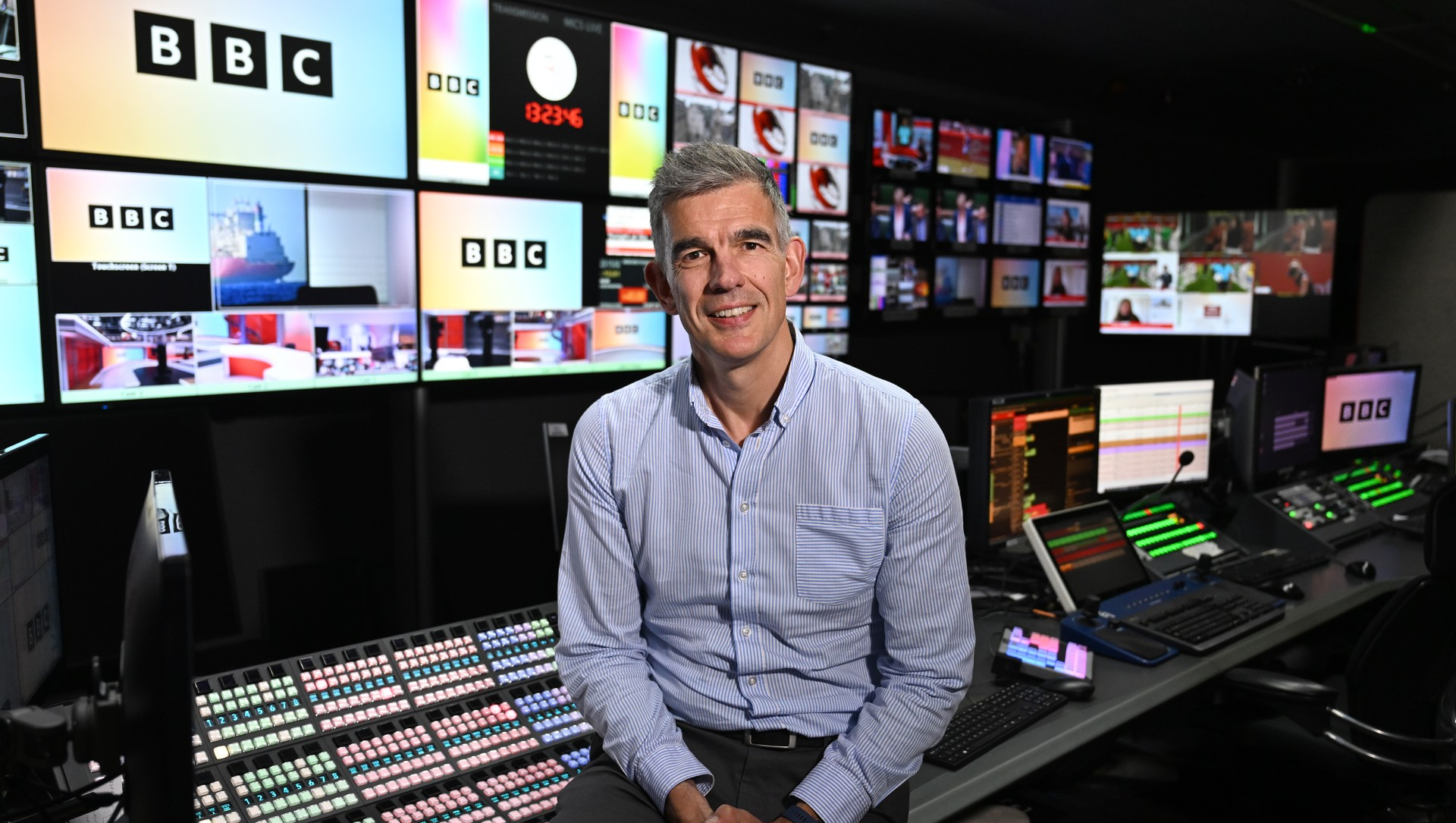
BBC staff are currently in a state of internal revolt, expressing significant anger and frustration over a 1% pay rise, ongoing job cuts across various departments, and a recent advertising campaign featuring comedian Romesh Ranganathan. This widespread discontent surfaced prominently during a series of town hall meetings, where employees directly challenged management on issues of compensation, resource allocation, and the perceived hypocrisy of the corporation’s spending priorities.
The confluence of these factors has created a tense atmosphere within the public broadcaster. Staff members view the modest pay increase and job reductions as a direct contradiction to the expenditure on high-profile advertising, particularly featuring a well-known personality like Ranganathan.
The Genesis of Discontent: Pay and Cuts
The 1% pay increase offered to BBC staff has been a primary catalyst for the current unrest. This figure is widely regarded as insufficient, especially in the context of broader economic pressures and the rising cost of living in 2026. Employees argue that such a minimal adjustment fails to acknowledge their dedication and the increasing demands placed upon them.
Compounding the frustration are the continuing job cuts that have affected various divisions of the BBC. These reductions have led to increased workloads for remaining staff and a pervasive sense of job insecurity. The cuts are part of a broader strategy by BBC management to achieve financial efficiencies, often justified by evolving media consumption habits and budget constraints.
The impact of these cuts extends beyond individual employees. Departments face reduced capacity, potentially affecting program quality and output. This creates a cycle where staff feel undervalued and overworked, leading to a decline in morale across the organization.
Financial Pressures and Public Service Mandate
The BBC operates under a unique public service mandate, funded primarily by the licence fee. This model places it under constant scrutiny regarding its financial management and its responsibility to licence fee payers. In recent years, the corporation has faced intense pressure to demonstrate fiscal prudence.
Decisions regarding pay and staffing levels are often framed within this context of financial responsibility. However, staff argue that these decisions disproportionately affect the workforce while other expenditures, such as marketing and external talent, appear less constrained.
The tension lies in balancing the public service mission with the realities of modern media economics. Employees often feel caught in the middle, bearing the brunt of cost-saving measures while the organization seeks to maintain its competitive edge and public profile.
The Romesh Ranganathan Ad Campaign Controversy
The advertising campaign featuring Romesh Ranganathan has become a flashpoint for staff anger. While the campaign’s specific content and purpose are intended to promote BBC content or values, its timing and perceived cost have ignited a significant backlash internally.
Staff members have openly questioned the allocation of funds to such a campaign when internal resources are being cut and employee compensation remains stagnant. The contrast between external marketing spend and internal austerity measures is seen as a profound insult.
Romesh Ranganathan, a prominent comedian and television personality, has a well-established career in British media. His involvement in the campaign, while likely intended to attract wider audiences, has inadvertently become a symbol of what many staff perceive as misaligned priorities within the BBC.
“It’s insulting to see money spent on lavish ad campaigns while we are told there’s no budget for a decent pay rise or to prevent job losses,” one staff member reportedly stated during a town hall meeting. This sentiment encapsulates the core grievance.
The advertising spend is not just a financial issue; it is a symbolic one. It represents a perceived disconnect between the leadership’s strategic vision and the everyday realities faced by the BBC’s workforce. The campaign, rather than bolstering the BBC’s image, has inadvertently become a focal point for internal resentment.
The Symbolism of External Talent
The use of external talent, particularly well-known figures like Ranganathan, is a common practice in media promotion. However, in the current climate of internal cuts, it takes on a different meaning. For many BBC employees, it highlights a perceived two-tier system.
Internal staff, who often work long hours and contribute to the core output of the BBC, feel their value is being diminished. Meanwhile, external personalities are seen as receiving lucrative contracts for promotional work. This fuels a narrative of inequity and a lack of appreciation for the existing workforce.
The debate is not necessarily about Ranganathan himself, but rather what his presence in the campaign represents in the context of the BBC’s internal financial decisions. It underscores a broader discussion about how public funds are allocated and where the true priorities of the organization lie.
Town Hall Meetings: A Forum for Frustration
The recent town hall meetings provided a crucial platform for BBC staff to articulate their grievances directly to senior management. These forums, intended for open communication, quickly became arenas for expressing deep-seated anger and disillusionment.
Employees used these opportunities to challenge executives on the rationale behind the 1% pay rise, the necessity of the job cuts, and the justification for the advertising campaign. The atmosphere was reportedly tense, with staff members not shying away from direct and pointed questions.
The very act of staff revolting in a town hall setting is significant. It demonstrates a breakdown in trust and communication between the workforce and leadership. It suggests that traditional channels for feedback and negotiation may have been insufficient or ignored.
The Role of Leadership in Crisis
The response of BBC leadership to this internal revolt will be critical in determining the future direction of employee relations. Addressing the concerns raised in the town halls requires more than just acknowledging the discontent; it demands concrete actions and transparent explanations.
Leadership faces the challenge of justifying their financial decisions while simultaneously attempting to rebuild morale and trust. This involves clear communication about the BBC’s financial health, the strategic necessity of cuts, and the perceived value of marketing campaigns.
Failure to adequately address these issues could lead to further industrial action, increased staff turnover, and a continued erosion of employee loyalty. The BBC’s ability to deliver its public service mandate relies heavily on a motivated and engaged workforce.
Broader Implications for Public Broadcasters
The situation at the BBC is not isolated. Public broadcasters globally often grapple with similar challenges: securing funding, justifying expenditures, and managing staff expectations amidst evolving media landscapes. The BBC’s current struggles offer a case study in these complex dynamics.
The tension between financial austerity and maintaining program quality, employee welfare, and public engagement is a constant balancing act. The digital age has brought new competitors and shifted audience habits, forcing traditional broadcasters to adapt rapidly.
The debate over the Romesh Ranganathan ad campaign and staff pay reflects a larger societal conversation about corporate responsibility, fair compensation, and the ethical use of resources, especially within publicly funded institutions.
The Future of BBC Workforce Relations
The immediate future for BBC workforce relations appears challenging. The current revolt signals a clear demand from staff for greater transparency, fairer compensation, and a re-evaluation of organizational priorities. Resolving these issues will require genuine engagement from management.
Potential outcomes include renewed negotiations on pay, a re-evaluation of current job cut strategies, or a more detailed explanation of marketing expenditures. The alternative is continued unrest, which could impact the BBC’s operational efficiency and public image.
The events of 2026 highlight the ongoing struggle for public broadcasters to remain relevant and solvent while upholding their commitments to both their workforce and the public they serve.
Staff gathered. Voices rose. Frustration mounted.
Unrest.