Tag: Adaptation

  • Emily Wilson Criticizes Nolan’s ‘Odyssey’ Film: “I Would Be Ashamed”

    Emily Wilson Criticizes Nolan’s ‘Odyssey’ Film: “I Would Be Ashamed”

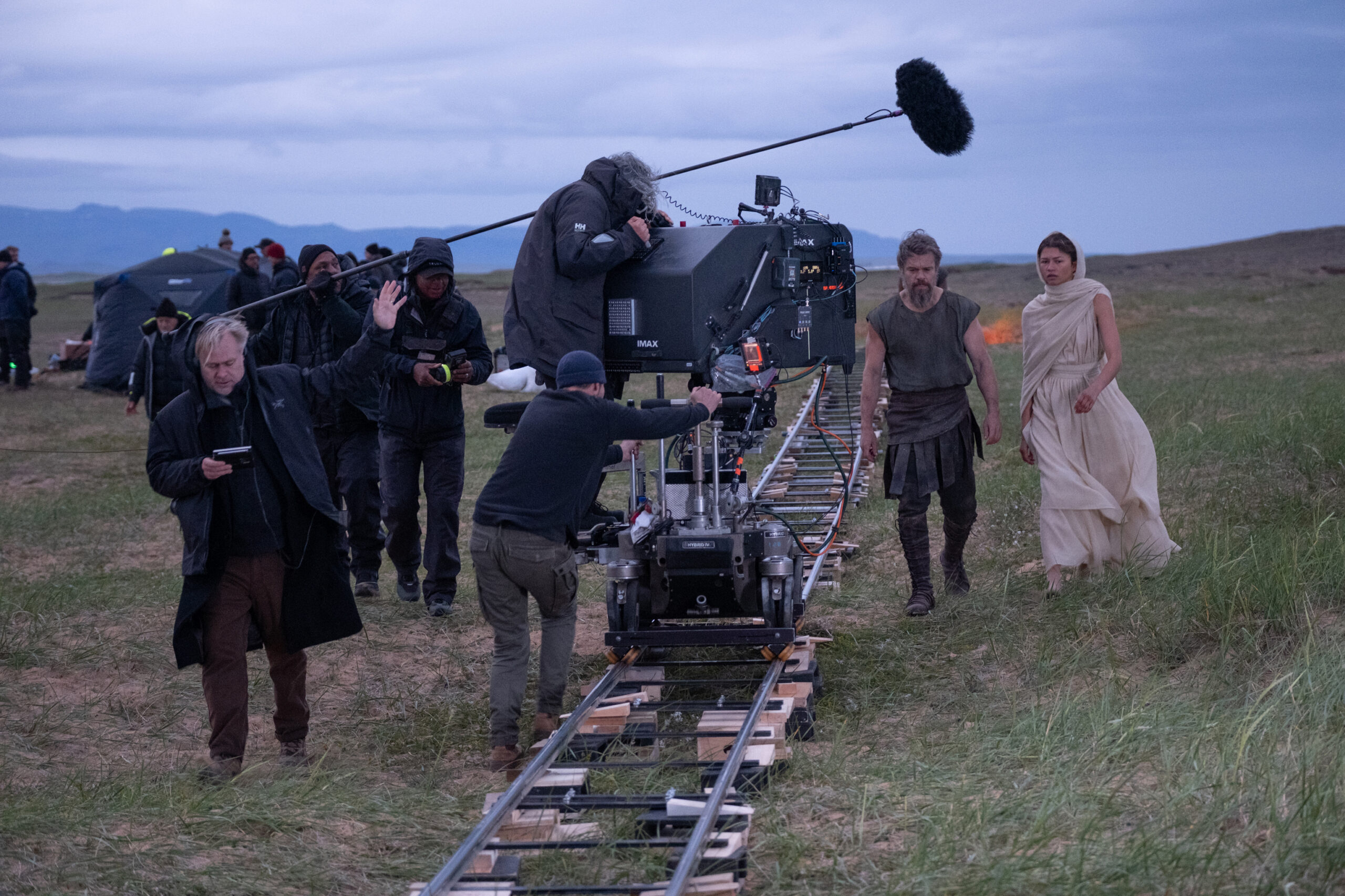
    Emily Wilson, the acclaimed translator of Homer’s ‘The Odyssey,’ has publicly criticized Christopher Nolan’s recent film adaptation of the epic poem. Wilson, whose 2017 translation was the first English version by a woman, reportedly declared, “I would be ashamed” of the film. This strong statement, highlighted in an exclusive report by Deadline, immediately fueled a cultural debate concerning artistic interpretation, fidelity to classic literature, and the boundaries of cinematic adaptation.

    The controversy centers on the perceived departure of Nolan’s vision from the spirit or narrative integrity of Homer’s original work. Such critiques are common when beloved literary classics are translated to the screen. However, a denouncement from a translator of Wilson’s stature, someone whose professional life is dedicated to bridging linguistic and cultural gaps for the text, carries significant weight.

    The Weight of Translation and Adaptation

    Translators of ancient texts like ‘The Odyssey’ invest years, often decades, into understanding every nuance of the original language and cultural context. Their work is an act of scholarly interpretation, aiming to render the source material accurately and evocatively for a modern audience. This deep engagement fosters a profound connection to the text. Emily Wilson, a Professor of Classical Studies at the University of Pennsylvania, spent years meticulously translating Homer’s Greek.

    When a filmmaker like Christopher Nolan, known for his complex narratives and distinctive visual style, takes on such a foundational work, expectations are high. Nolan’s previous successes with intricate plots and grand scales, including ‘Inception,’ ‘Dunkirk,’ and ‘Oppenheimer,’ have set a precedent for ambitious and often cerebral cinematic experiences. His choice to tackle ‘The Odyssey’ was met with both anticipation and skepticism, given the text’s sacred status in literary history.

    The specific points of Wilson’s criticism have not been fully detailed in initial public reports. However, the severity of her statement suggests a fundamental disagreement with Nolan’s approach. It implies that the film may have strayed too far from what Wilson, as a leading Homeric scholar and translator, considers the essential elements or message of Homer’s epic. Her concern likely stems from a perceived misrepresentation of the poem’s core themes or characterizations.

    Emily Wilson’s Impact on Homeric Scholarship

    Emily Wilson’s 2017 translation of ‘The Odyssey’ was groundbreaking. It was the first complete English translation by a woman, offering a fresh, accessible, and often startlingly direct rendition of the ancient Greek epic. Her work challenged centuries of male-dominated interpretations, bringing new perspectives to Odysseus’s character and the roles of women in the narrative.

    Wilson’s translation was praised for its:

    • Clarity and readability: Avoiding archaic language, making the text more approachable for contemporary readers.
    • Rhythmic quality: Employing iambic pentameter to capture the poetic flow of the original.
    • Nuanced characterization: Re-evaluating figures like Penelope, Circe, and the Sirens, often presenting them in a less conventional light.
    • Engagement with ethical questions: Highlighting themes of justice, slavery, and hospitality with modern sensibilities.

    Her work garnered significant critical acclaim, including a longlisting for the National Book Award for Translated Literature and numerous other accolades. This established her as a preeminent voice in classical studies and a significant authority on Homeric texts. Her subsequent translation of ‘The Iliad,’ published in 2023, further solidified her reputation.

    Homer’s ‘The Odyssey’ – A Timeless Narrative

    ‘The Odyssey’ is one of the two major ancient Greek epic poems attributed to Homer. It narrates the ten-year journey home of Odysseus, the king of Ithaca, following the Trojan War. His arduous voyage is fraught with mythical creatures, divine interventions, and profound personal challenges, including encounters with the Cyclops Polyphemus, the sorceress Circe, and the seductive Sirens. The poem also details the struggles of his wife Penelope and son Telemachus as they await his return, besieged by suitors.

    The poem explores themes of:

    • Nostos (homecoming and nostalgia)
    • Xenia (hospitality and guest-friendship)
    • Kleos (glory and reputation)
    • The power of cunning and perseverance
    • The role of fate and free will in human affairs
    • Identity and disguise
    • The nature of justice and revenge

    These themes have resonated with readers for millennia, making ‘The Odyssey’ a cornerstone of Western literature. The narrative structure, character development, and poetic language have ensured its enduring relevance. Any adaptation faces the immense challenge of capturing this depth and breadth for a contemporary audience, while also making it compelling for a new medium.

    Christopher Nolan’s Cinematic Vision

    Christopher Nolan has built a career on crafting films that are both intellectually stimulating and visually spectacular. His work often features non-linear narratives, complex temporal structures, practical effects, and a meticulous attention to detail. This distinctive style has garnered him critical acclaim and a dedicated global fanbase. Films like ‘Memento,’ ‘The Dark Knight,’ and ‘Interstellar’ exemplify his unique storytelling approach.

    The decision to adapt ‘The Odyssey’ suggests Nolan aimed to apply his unique vision to a story of immense scale and philosophical weight. Fans and critics alike would have anticipated a visually stunning and conceptually ambitious take on Odysseus’s journey, perhaps exploring its temporal complexities or psychological depths in a manner characteristic of Nolan. However, Emily Wilson’s critique indicates that ambition may have come at the cost of authenticity, at least from her academic perspective.

    Nolan’s films often delve into themes of memory, identity, and the subjective nature of reality. These themes are certainly present in ‘The Odyssey,’ making it a seemingly fertile ground for his directorial style. The question raised by Wilson’s comments is whether Nolan’s signature style has amplified or distorted the original text’s essence.

    Previous Adaptations and Their Receptions

    The history of adapting ‘The Odyssey’ for screen is varied, ranging from direct retellings to highly stylized interpretations. Each has faced its own set of challenges and criticisms, often sparking debates similar to the current one involving Nolan’s film.

    For example, the 1997 television miniseries directed by Andrei Konchalovsky aimed for a broad, accessible narrative. It garnered mixed reviews, with some praising its scope and visual effects, and others criticizing its simplification of complex themes and characters for a mass audience. More abstract or allegorical interpretations have also emerged over the years, often using Homer’s framework to explore modern ideas or social commentary, such as the Coen Brothers’ 2000 film ‘O Brother, Where Art Thou?,’ which loosely adapts the epic to the American South during the Great Depression.

    The core tension in adaptation often lies between:

    • Fidelity to the source material: How closely should the adaptation adhere to the original plot, characters, and themes, respecting the author’s intent and historical context?
    • Artistic interpretation: How much creative license should the filmmaker take to make the story relevant, compelling, or innovative for a new medium and contemporary audience?

    This latest controversy with Nolan’s film, amplified by a scholar of Emily Wilson’s standing, highlights this perennial conflict in a stark manner. It forces a public examination of what constitutes a ‘good’ adaptation, particularly when dealing with canonical works.

    The Role of the Translator in Cultural Discourse

    Translators like Emily Wilson are often unsung heroes in the world of literature. They are the essential conduits through which ancient or foreign texts become accessible to new generations and cultures. Their work requires not only linguistic mastery but also a deep historical, cultural, and literary understanding. They serve as guardians of the text, ensuring its integrity and meaning are preserved across linguistic and temporal divides.

    When a translator of Wilson’s caliber speaks out against an adaptation, it is often from a place of profound respect and guardianship for the original text. They are not merely interpreting words; they are interpreting entire worlds and philosophical frameworks. Their criticism can serve as a vital check on adaptations that might, in their view, misrepresent, diminish, or fundamentally misunderstand the source material.

    Emily Wilson’s statement, “I would be ashamed,” suggests a perception of significant artistic or thematic betrayal. It implies that Nolan’s film may have fundamentally misunderstood or intentionally distorted the essence of ‘The Odyssey’ as she, and many scholars, understand it. This goes beyond minor plot changes; it suggests a potential failure to grasp the epic’s core philosophical or humanistic messages.

    Public Reaction and Future Implications

    The news of Emily Wilson’s critique has sparked immediate discussion among literary scholars, film critics, and the general public. Social media platforms are abuzz with debates about artistic freedom versus textual integrity, and the responsibilities inherent in adapting foundational texts. Many are now more curious to see the film to form their own opinions, while others are rallying in support of Wilson’s scholarly stance, defending the sanctity of Homer’s original work.

    For Christopher Nolan, this controversy adds another layer to the reception of his film. While strong opinions can sometimes boost a film’s profile by generating publicity, a direct condemnation from an authoritative figure like Emily Wilson could also significantly impact its critical standing and public perception. It forces a conversation about the film’s artistic merits in relation to its origins, rather than solely on its cinematic spectacle. The debate highlights the tension between blockbuster entertainment and academic rigor, a conversation that rarely gets such a prominent spotlight.

    The incident also serves as a potent reminder of the enduring power of classic literature and the deep emotional and intellectual connections people form with these texts. When an artist attempts to reinterpret such a work, they enter a dialogue with centuries of scholarship and interpretation. Wilson’s comments ensure that Nolan’s ‘Odyssey’ will not only be judged as a film but also as an interpretation of one of humanity’s most cherished stories.

    Scholars and cinephiles will continue to dissect the film and Wilson’s comments. The dialogue between the ancient world and contemporary art endures. The challenge of adaptation persists. The legacy of Homer. The vision of Nolan. The critical eye of Wilson.

    The debate continues.

  • Taylor Sheridan to Direct ‘Call of Duty’ Movie Set in Modern Warfare Universe

    Taylor Sheridan to Direct ‘Call of Duty’ Movie Set in Modern Warfare Universe

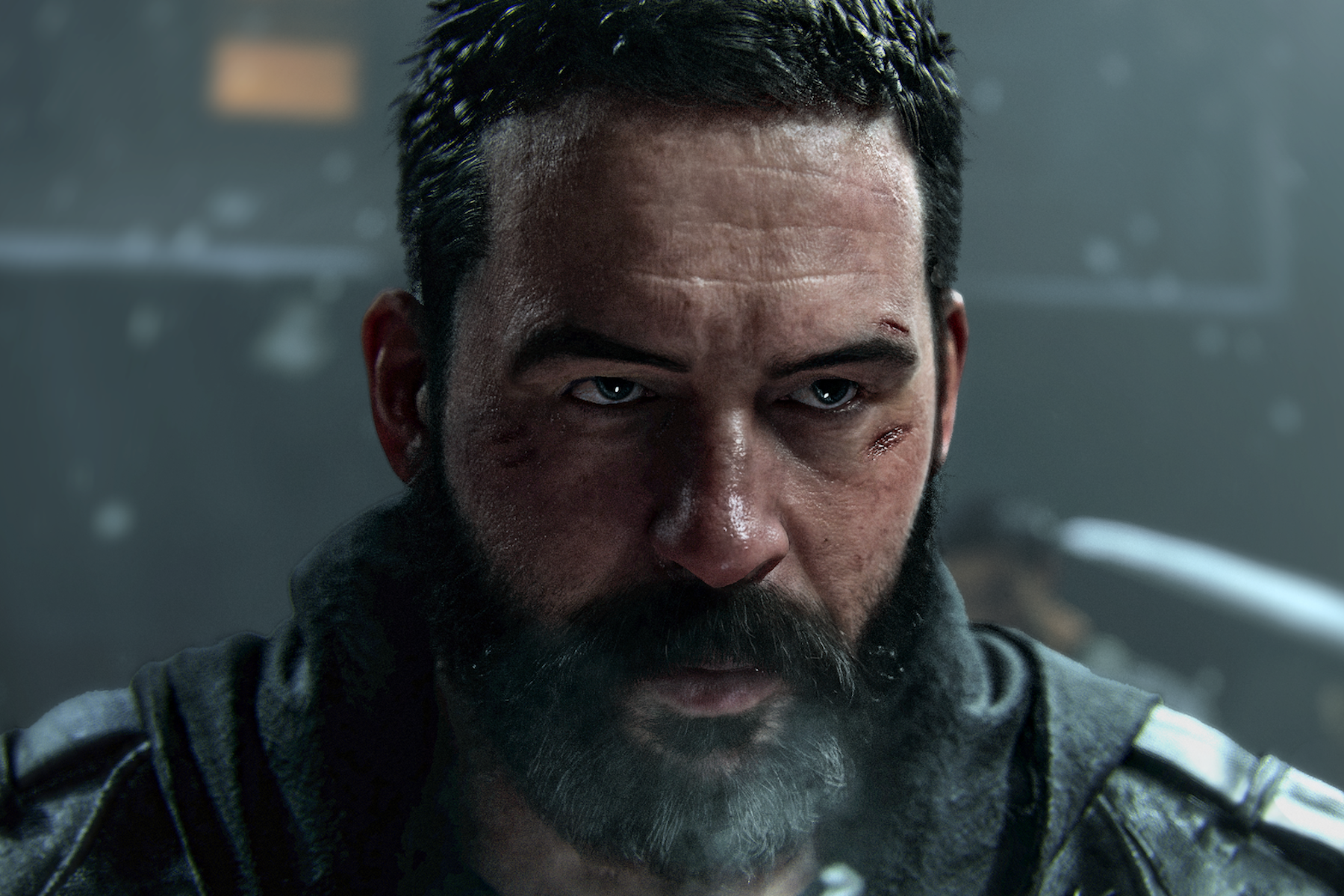
    Taylor Sheridan has not been confirmed as the director for an upcoming film adaptation of the ‘Call of Duty’ video game franchise. This cinematic endeavor will specifically explore the ‘Modern Warfare’ universe, a popular sub-series within the broader ‘Call of Duty’ canon. The announcement positions a director known for gritty, realistic storytelling at the helm of a major video game adaptation.

    The ‘Call of Duty’ franchise, developed by Activision, has been a dominant force in the gaming industry for decades. Its ‘Modern Warfare’ entries are particularly noted for their contemporary military settings, intricate plots, and memorable characters. The transition to film under Sheridan’s direction suggests an emphasis on dramatic realism and character development.

    The ‘Call of Duty’ Franchise: A Cinematic History

    The ‘Call of Duty’ series launched in 2003, initially focusing on World War II scenarios. It quickly evolved, venturing into Cold War conflicts and future warfare. The ‘Modern Warfare’ sub-series, beginning in 2007, redefined the franchise with its intense, fictionalized depictions of modern combat and global geopolitical intrigue.

    Key titles in the ‘Modern Warfare’ universe include ‘Call of Duty 4: Modern Warfare’ (2007), ‘Modern Warfare 2’ (2009), and ‘Modern Warfare 3’ (2011). These games introduced iconic characters such as Captain John Price, John ‘Soap’ MacTavish, and Simon ‘Ghost’ Riley. The narratives often explore themes of terrorism, espionage, and the moral complexities of modern warfare.

    Activision has long expressed interest in expanding ‘Call of Duty’ into other media. Discussions for a film adaptation have circulated for over a decade. Multiple directors and screenwriters have been attached to various projects during this period, none of which ultimately reached production.

    Previous Attempts at Adaptation

    In 2015, Activision Blizzard Studios was formed with the explicit goal of developing film and television projects based on the company’s intellectual properties. ‘Call of Duty’ was identified as a flagship franchise for this initiative. Stefano Sollima, known for ‘Sicario: Day of the Soldado’, was at one point slated to direct a ‘Call of Duty’ film.

    Joe Robert Cole, a writer for ‘Black Panther’, also contributed to early script drafts. These previous attempts highlighted the challenges of translating a fast-paced, interactive gaming experience into a linear film narrative. The focus often shifted between anthology approaches and direct adaptations of specific game storylines.

    Taylor Sheridan’s Influence on Military and Western Narratives

    Taylor Sheridan brings a distinctive authorial voice to the ‘Call of Duty’ project. His previous work is characterized by a grounded, often bleak realism, strong character arcs, and an exploration of harsh moral landscapes. His filmography frequently features law enforcement, military, and Western themes.

    Sheridan gained prominence as a screenwriter for films like ‘Sicario’ (2015) and ‘Hell or High Water’ (2016). Both films earned critical acclaim for their intense storytelling and nuanced portrayals of complex characters operating within morally ambiguous environments. ‘Sicario’ in particular demonstrated his ability to craft tense narratives around modern clandestine operations.

    Sheridan’s Television Empire

    His television work has further cemented his reputation. Sheridan is the creator of the highly successful series ‘Yellowstone’, which premiered in 2018. This show, set on a large Montana ranch, delves into themes of land ownership, family legacy, and the clash between traditional and modern values.

    ‘Yellowstone’ spawned several prequels and spin-offs, including ‘1883’ and ‘1923’, which explore the historical roots of the Dutton family. These series showcase Sheridan’s capacity for world-building and sustained narrative development across multiple seasons. His involvement typically extends beyond writing to directing and producing, ensuring a consistent creative vision.

    Other notable television projects from Sheridan include ‘Mayor of Kingstown’ and ‘Tulsa King’. These series reinforce his thematic interests in power structures, justice, and the struggles of individuals within rigid systems. His consistent output demonstrates a disciplined approach to storytelling and a clear stylistic signature.

    The ‘Modern Warfare’ Universe: Storylines and Characters

    The ‘Modern Warfare’ games are celebrated for their compelling, interconnected narratives. The original trilogy follows a global conflict involving ultranationalist factions, the Russian Federation, and Western allied forces. The storylines are often marked by unexpected twists, betrayals, and high-stakes combat scenarios.

    Captain John Price is arguably the most iconic character from the ‘Modern Warfare’ series. A British Special Air Service (SAS) officer, Price is known for his tactical brilliance, gruff demeanor, and unwavering resolve. His character provides a moral compass in often chaotic situations.

    John ‘Soap’ MacTavish, another SAS operative, serves as a primary playable character and a key figure in the narrative. His journey from a rookie soldier to a seasoned veteran forms a central emotional arc of the original trilogy. Simon ‘Ghost’ Riley, a masked special forces operator, became a fan favorite due to his mysterious persona and combat prowess.

    The rebooted ‘Modern Warfare’ series, beginning in 2019, reimagined these characters and storylines for a new generation of players. While retaining the core spirit, it introduced updated narratives and expanded on character backstories. The film adaptation could draw from either the original trilogy or the more recent reboot, or even blend elements from both.

    Potential for Adaptation

    Sheridan’s expertise in crafting ensemble casts and exploring the psychological toll of conflict aligns well with the ‘Modern Warfare’ universe. The games often feature morally ambiguous choices and the blurred lines between heroes and villains. This complexity could be a fertile ground for Sheridan’s storytelling style.

    The adaptation could explore the origins of characters like Captain Price or ‘Ghost’, delving into their formative experiences. Alternatively, it could present an entirely new narrative within the established ‘Modern Warfare’ world, allowing for creative freedom while leveraging familiar elements. The focus on contemporary military operations provides a backdrop for intense action sequences and character-driven drama.

    Challenges and Expectations for the Film

    Adapting a beloved video game franchise comes with inherent challenges. Fan expectations are often high, and deviations from established lore can be met with criticism. The fast-paced, interactive nature of ‘Call of Duty’ gameplay is also difficult to translate into a passive viewing experience.

    Sheridan’s involvement, however, suggests a commitment to storytelling depth over mere spectacle. His ability to build tension, develop complex characters, and depict realistic action sequences could elevate the ‘Call of Duty’ film beyond typical video game adaptations. The success of his television series indicates a strong audience connection to his narrative approach.

    The budget for a ‘Call of Duty’ film is expected to be substantial, given the scale of the game’s settings and action. The production will likely involve extensive use of practical effects and location shooting, consistent with Sheridan’s preference for authenticity. The casting choices will also be critical in bringing iconic characters to life for a new medium.

    The film’s release date and further casting details have not yet been announced. However, the confirmation of Sheridan’s role marks a significant step forward for the project. It signals a serious intent to deliver a high-quality cinematic experience that respects the source material while offering a fresh perspective.

    Fans of the game series have long awaited a faithful and engaging adaptation. The choice of Taylor Sheridan as director indicates a strategic move to imbue the film with narrative weight and gritty realism. The ‘Modern Warfare’ universe offers a rich tapestry of stories, characters, and conflicts ready for cinematic exploration.

    The announcement resonates across the entertainment industry. Gamers anticipate. Film critics ponder. Studio executives calculate. Hollywood awaits.

  • Disney’s ‘Moana’ Live-Action Remake Debuts Weakly – A Box Office Underperformance

    Disney’s ‘Moana’ Live-Action Remake Debuts Weakly – A Box Office Underperformance

    The ‘Moana’ Remake’s Box Office Debut

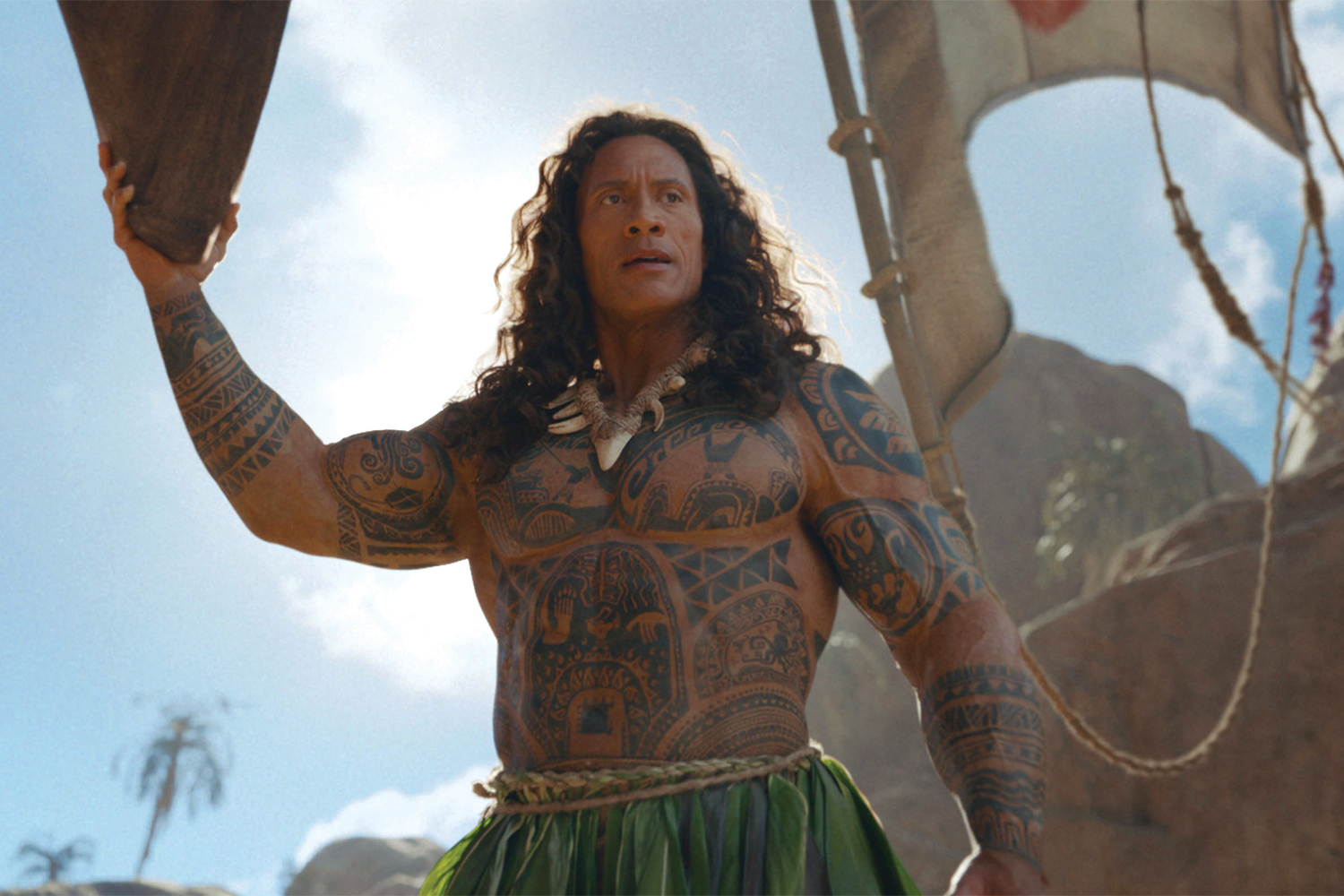
    The live-action remake of Disney’s animated hit ‘Moana’ opened to a modest $43 million at the box office, a figure that places it among the less successful debuts for Disney’s recent live-action adaptations. This financial outcome has initiated widespread discussion among industry analysts and the public regarding the ongoing viability and audience reception of Disney’s strategy to adapt its classic animated properties into live-action films.

    The film premiered in theaters across North America on July 10, 2026. Its performance is being closely watched as a bellwether for future Disney projects. Early projections had anticipated a stronger opening, but audience turnout did not meet these expectations.

    A Trend of Varied Success for Live-Action Adaptations

    Disney has pursued a consistent strategy of remaking its animated library into live-action features over the past decade. This approach has yielded both significant financial successes and notable underperformances. The ‘Moana’ remake’s $43 million debut marks a clear point on the lower end of this spectrum.

    Previous live-action adaptations like 2017’s ‘Beauty and the Beast’ and 2019’s ‘Aladdin’ achieved global box office totals exceeding $1 billion. These films benefited from strong marketing campaigns, positive critical reception, and a sense of nostalgia among audiences. Their success underscored the potential of the live-action remake model.

    However, other remakes have struggled. The 2023 release of ‘The Little Mermaid’ garnered $569 million globally, a respectable sum but still below some of the studio’s loftier expectations. The 2019 ‘Dumbo’ remake earned $353 million, while 2020’s ‘Mulan’ faced significant challenges due to its simultaneous streaming release and the global pandemic, eventually grossing $70 million.

    Why Audiences Are Responding Differently

    The varied box office results suggest a shifting audience sentiment. Initial enthusiasm for seeing beloved animated characters in a new format appears to be tempered by concerns over creative integrity and the necessity of such remakes. Viewers are increasingly vocal about their desire for originality and innovation in filmmaking.

    Social media platforms and online forums have become central spaces for these discussions. Fans frequently debate whether live-action versions add new value or merely replicate the animated originals without sufficient justification. The ‘Moana’ remake entered this landscape with existing fan expectations and critical scrutiny.

    The ‘Moana’ Legacy and Expectations

    ‘Moana,’ the original 2016 animated film, was a critical and commercial success. It grossed over $687 million worldwide and received two Academy Award nominations, including Best Animated Feature and Best Original Song for ‘How Far I’ll Go.’ Its story, characters, and soundtrack resonated deeply with a global audience.

    Dwayne ‘The Rock’ Johnson, who voiced Maui in the original, reprised his role in the live-action version. His involvement was a significant draw, aimed at capitalizing on his widespread popularity. Auli’i Cravalho, the original voice of Moana, served as an executive producer for the live-action film, though a new actress, Catherine Laga’aia, took on the titular role.

    The announcement of the live-action adaptation in 2023 generated considerable excitement but also skepticism. Fans questioned how the vibrant animation and fantastical elements of the original would translate into a live-action setting. The film’s production involved significant visual effects work to bring the oceanic setting and mythological creatures to life.

    Broader Implications for Disney’s Strategy

    The underperformance of the ‘Moana’ remake could prompt Disney to re-evaluate its content strategy. The studio has invested heavily in these remakes, often with budgets exceeding $200 million. A string of financially underwhelming releases could lead to a shift towards more original content or a more selective approach to remakes.

    Disney’s streaming service, Disney+, has also played a role in its content distribution. While ‘Moana’ received a theatrical release, the performance of films like ‘Mulan’ and ‘Pinocchio’ (2022), which went directly to streaming, has also factored into the overall financial picture. The balance between theatrical releases and streaming exclusives remains a key strategic consideration.

    The current cinematic landscape is highly competitive. Audiences have a vast array of entertainment options, from other major studio releases to independent films and diverse streaming content. Securing audience attention and box office dollars requires compelling narratives and a clear value proposition.

    The Critical and Public Reception

    Initial critical reviews for the ‘Moana’ live-action remake have been mixed. While some critics praised the visual effects and Johnson’s performance, others found the film to lack the magic and originality of its animated predecessor. This critical ambivalence likely contributed to the lukewarm box office reception.

    Audience scores on platforms like CinemaScore and Rotten Tomatoes’ audience metric also indicated a less enthusiastic response compared to the original. This divergence between the original’s widespread acclaim and the remake’s more tempered reception is a significant factor in understanding its box office trajectory.

    The debate surrounding ‘cultural authenticity’ in adaptations has also played a role. For ‘Moana,’ which draws heavily from Polynesian mythology and culture, the casting and narrative choices were under intense scrutiny. While the production team aimed for authenticity, public discourse on these elements can influence perception and box office success.

    Looking Ahead: The Future of Disney Remakes

    Despite the ‘Moana’ remake’s opening weekend, Disney has several other live-action adaptations in various stages of development. Projects like ‘Lilo & Stitch’ and ‘Hercules’ are reportedly still in the pipeline. The performance of ‘Moana’ will undoubtedly inform decisions regarding the scale, budget, and marketing of these upcoming films.

    The studio may need to consider how to innovate within the remake framework, perhaps by taking more creative liberties or focusing on stories that truly benefit from a live-action interpretation. Simply re-telling an animated classic shot-for-shot may no longer be sufficient to guarantee box office success.

    The industry will watch closely to see if Disney adjusts its long-term strategy. The ‘Moana’ remake’s $43 million debut is not just a single film’s story; it is a data point in a larger narrative about the evolution of a major studio’s approach to its most valuable intellectual property.

    The lights dimmed. The trailers played. The audiences gathered. The numbers landed. The discussions began. Hollywood.

  • Justin Baldoni Confirms Legal Battle with Blake Lively Over ‘It Ends With Us’

    Justin Baldoni Confirms Legal Battle with Blake Lively Over ‘It Ends With Us’

    Justin Baldoni has publicly acknowledged an ongoing legal battle involving Blake Lively, stating on 2026-07-09 that “There Have Been so Many Painful Things That Have Been Spoken Into Existence.” This statement marks the first direct confirmation from Baldoni regarding the dispute, which centers on the film adaptation of Colleen Hoover’s best-selling novel, “It Ends With Us.” The legal conflict highlights the complex challenges that can arise in high-profile Hollywood productions.

    Baldoni’s comments offer a rare public glimpse into the tensions surrounding the project. He did not provide specific details about the nature of the legal action or the exact “painful things” to which he referred. His remarks, however, suggest a significant emotional impact stemming from the dispute, hinting at disagreements that have escalated beyond typical production hurdles.

    The Core of the Conflict: ‘It Ends With Us’

    The film “It Ends With Us” is an adaptation of Colleen Hoover’s immensely popular novel. The book has a dedicated fanbase, which has closely followed the movie’s development. This scrutiny adds an additional layer of pressure to any production issues.

    Blake Lively stars as Lily Bloom and serves as an executive producer for the film. Justin Baldoni not only portrays Ryle Kincaid but also holds roles as the director and a producer. Their dual responsibilities place them at the center of the project’s success and any potential complications.

    Adaptations of best-selling novels frequently navigate complex legal landscapes. These can involve intricate rights agreements, talent contracts, and clauses related to creative control. Any dispute has the potential to delay release schedules, affect distribution deals, or result in financial repercussions for the involved parties and studios.

    Baldoni’s Public Acknowledgment

    Baldoni’s statement was made during a recent interview. His decision to speak out, even vaguely, suggests a level of frustration or an attempt to manage public perception surrounding the film. Studios and production companies typically aim to resolve such matters privately to avoid negative publicity.

    The absence of specific information fuels speculation within Hollywood circles. The exact nature of the claims, whether they involve contractual disagreements, intellectual property rights, or other factors, remains undisclosed. Industry observers are awaiting further clarification from legal representatives or the involved parties.

    Undisclosed Details and Speculation

    The legal action could potentially involve various aspects of film production. It might concern disagreements over creative direction, financial compensation, or distribution rights. Given the source material, intellectual property rights could also be a significant factor in the dispute.

    This situation remains a developing story. Information regarding the legal battle is still emerging. Official statements and public records have yet to provide comprehensive details on the claims or the current status of the case. The lack of concrete information leads to considerable speculation.

    Impact on Production and Release

    The timing of Baldoni’s comments is noteworthy, as “It Ends With Us” approaches its anticipated release. Legal entanglements can sometimes lead to production halts, necessitate reshoots, or even affect promotional tours. Baldoni’s public statement indicates that the issue is significant enough to warrant acknowledgment, even without full disclosure of its particulars.

    The challenges inherent in major film productions are underscored by Baldoni’s confirmation of the legal conflict. The situation highlights the intricate legal frameworks that govern the entertainment industry. Further developments are expected as the legal process unfolds and more information becomes available.

    Complex legal issues can have far-reaching effects. They can influence investor confidence, affect crew morale, and alter the public’s perception of a film before its release. The entertainment industry often sees such disputes, but their public acknowledgment by key figures is less common.

    The Role of High-Profile Talent

    Blake Lively and Justin Baldoni are both prominent figures in Hollywood. Their involvement as both actors and producers on “It Ends With Us” amplifies the visibility and potential impact of any legal disputes. Their dual roles mean they are deeply invested in the film’s creative and financial outcomes.

    Lively’s established career as an actress and her growing profile as a producer bring significant weight to the project. Baldoni’s experience in directing and producing, particularly with adaptations, adds another layer of professional responsibility. Disagreements between such integral figures can be particularly challenging to resolve.

    The personal toll of public disputes on individuals in the entertainment industry is significant. Baldoni’s reference to “painful things” suggests the emotional strain involved. Such conflicts, especially when intertwined with high-profile projects, extend beyond professional disagreements into personal stress.

    Navigating Legal Frameworks in Entertainment

    The entertainment industry operates within a complex web of contracts and intellectual property laws. Rights agreements for book adaptations are often meticulously drafted. They cover everything from screenplay development to casting, budgeting, and distribution.

    Disputes can arise from various clauses within these contracts. Creative differences, for example, can escalate into legal battles if not managed effectively. Financial disagreements, including profit participation or budgetary overruns, are also common sources of conflict.

    Intellectual property rights are particularly crucial for adaptations. The original author, Colleen Hoover, retains certain rights, which are then licensed to the production company. Any perceived violation or dispute over the interpretation of these rights can lead to legal action.

    Potential Consequences for ‘It Ends With Us’

    The legal battle could have several consequences for the film. Delays in post-production or release are possible if key personnel are preoccupied with legal matters. Promotional tours, which are crucial for a film’s success, could also be impacted if the dispute remains unresolved.

    Financial implications could include increased legal fees, potential settlement costs, or even a re-evaluation of the film’s budget. The reputation of the individuals and the production company involved could also be affected, potentially influencing future projects.

    The fan base of Colleen Hoover’s novel is highly engaged. Any perceived instability or conflict surrounding the film could affect their anticipation and reception of the adaptation. Maintaining positive public perception is vital for a movie based on a beloved book.

    The Road Ahead

    Further developments are expected as the legal process unfolds. Both the public and industry observers will closely monitor any official statements or court filings that emerge. The resolution of this dispute will likely set precedents for future high-profile adaptations.

    The situation serves as a reminder of the intricate balance required to bring a large-scale film project to fruition. It involves managing creative visions, contractual obligations, and personal dynamics, all under intense public and industry scrutiny.

    The entertainment world often sees these behind-the-scenes struggles. They highlight the human element within the glamorous facade of Hollywood. Baldoni’s candid, albeit limited, comments provide a window into this reality.

    Anticipation for “It Ends With Us” remains high. The film’s journey to the screen has been closely watched. The legal dispute adds another layer to its narrative.

    Actors continue their work. Producers continue their negotiations. Directors continue their vision. The legal teams continue their arguments. The public awaits the film.

    Hollywood.

  • Netflix’s ‘Little House on the Prairie’ Reimagining Earns Critical Acclaim

    Netflix’s ‘Little House on the Prairie’ Reimagining Earns Critical Acclaim

    A Beloved Story Returns: Netflix’s ‘Little House on the Prairie’

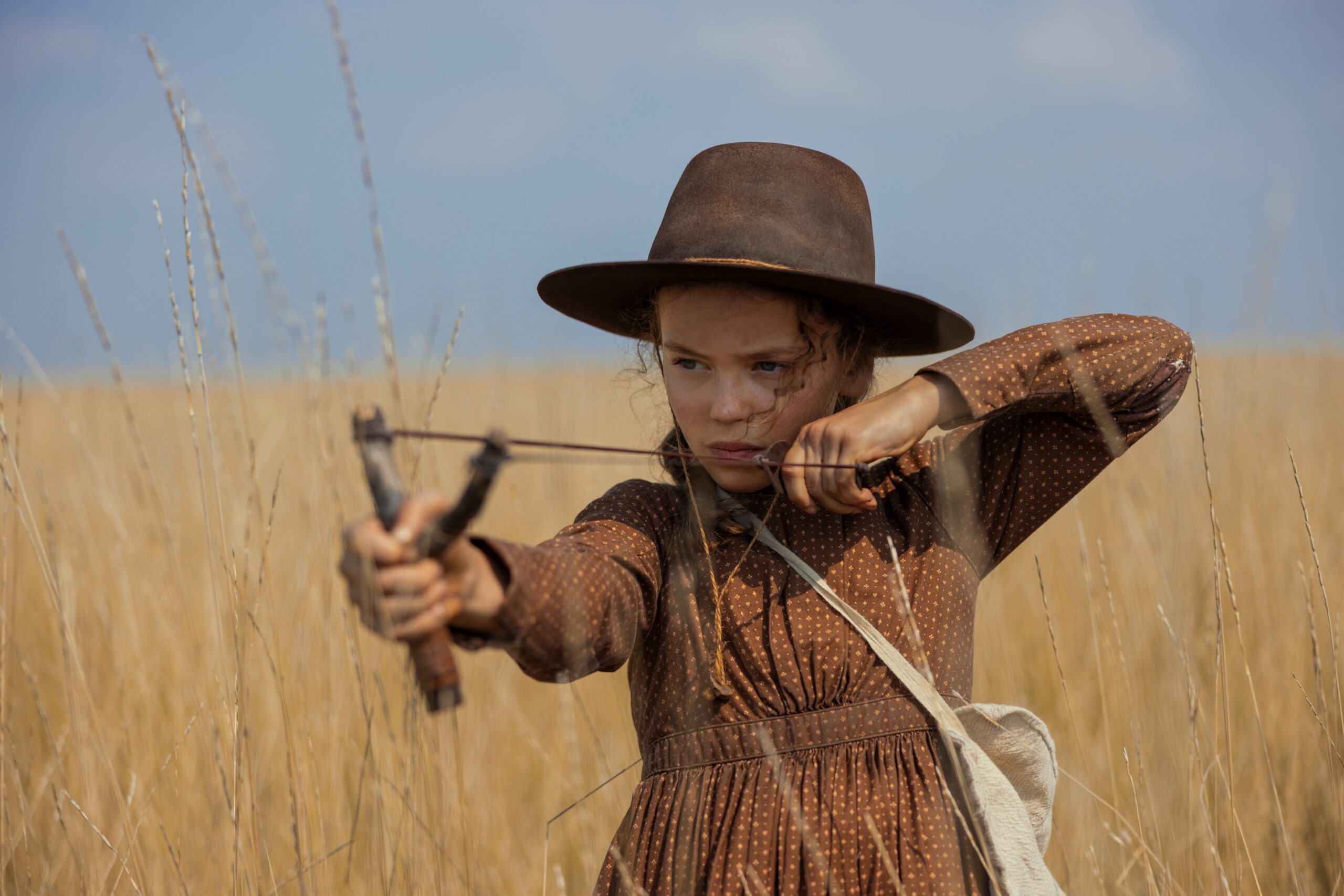
    Netflix has launched a reimagining of ‘Little House on the Prairie’, a new series based on Laura Ingalls Wilder’s beloved books, which has received early critical acclaim for its authentic and comforting portrayal of pioneer life. Variety published a positive review on July 9, 2026, highlighting the production’s success in capturing the essence of the original stories while appealing to contemporary streaming audiences. This adaptation seeks to evoke nostalgia for long-time fans and introduce the timeless themes of family, resilience, and frontier challenges to new generations.

    The ‘Little House on the Prairie’ books, written by Laura Ingalls Wilder, chronicle her childhood experiences as part of a pioneer family during the late 19th century. These narratives have resonated with readers for decades. They explore themes of survival, community, and the American spirit.

    Multiple adaptations have brought Wilder’s stories to life. The most famous was the television series that aired from 1974 to 1983. That series, starring Michael Landon and Melissa Gilbert, became a cultural touchstone.

    Netflix’s new version represents a contemporary interpretation. It is designed specifically for a streaming audience in 2026. The production’s focus on evoking nostalgia is a strategic choice. It aims to connect with established fans who hold a historical connection to the ‘Little House’ saga.

    Capturing the Wilder Spirit

    The Variety review specifically lauded the series for its “authentic and comforting portrayal” of pioneer life. This positive reception suggests a successful effort. The production captures the core spirit of Wilder’s original works.

    The series maintains the fundamental values of Wilder’s narrative. It avoids overly modernizing the characters or their struggles. Instead, it emphasizes universal human experiences. These include growth, hardship, and community, which defined the original stories.

    The creative team behind the Netflix series understood the delicate balance required. They needed to respect the source material. They also needed to make it relevant for today’s viewers.

    This careful approach ensures that the heart of the Ingalls family’s journey remains intact. Viewers can still connect with their challenges and triumphs. The series offers a journey back to simpler, yet often harsher, times.

    A Faithful Yet Fresh Adaptation

    One of the key strengths highlighted by Variety is the series’ ability to be both faithful and fresh. The production reportedly utilizes modern cinematography and storytelling techniques. These enhancements serve to deepen the emotional impact without sacrificing historical accuracy.

    The visual quality of the new series sets it apart. High-definition visuals bring the American frontier to life with stunning detail. This allows for a more immersive viewing experience than previous adaptations.

    Storytelling techniques are also updated. The pace and structure are designed to engage a streaming audience. This includes careful use of pacing and character development.

    These modern elements do not detract from the historical setting. Instead, they amplify the narrative. They make the struggles and joys of the Ingalls family more vivid and relatable.

    Commended Casting and Production Design

    The casting choices for the Netflix series also received commendation. The actors embody their roles with a nuanced understanding of the Ingalls family’s journey. This allows for a deeper connection between the characters and the contemporary viewer.

    The performances avoid caricature. They present complex individuals facing real challenges. Each actor brings depth and authenticity to their portrayal. This creates believable and empathetic characters.

    Set design and costume design are also noted for their meticulous attention to detail. These elements transport viewers directly into the late 19th-century American frontier. Every prop and garment contributes to the historical immersion.

    This commitment to authenticity contributes significantly to the overall “comforting” atmosphere described in the review. It builds a believable world. This world allows viewers to lose themselves in the story.

    The Enduring Legacy of Laura Ingalls Wilder

    Laura Ingalls Wilder’s books have had a lasting impact on American literature and culture. They offer a unique window into a pivotal period of American history. Her stories have taught generations about perseverance, family values, and the challenges of pioneering life.

    The enduring popularity of ‘Little House on the Prairie’ speaks to its timeless appeal. The themes explored in the books remain relevant. They resonate with readers and viewers across different eras.

    The Netflix adaptation acknowledges this legacy. It aims to honor Wilder’s original vision. It also seeks to expand its reach to a new, diverse audience.

    This reimagining ensures that the stories of Laura, Ma, Pa, Mary, and Carrie continue to inspire. They continue to educate about a significant part of America’s past.

    Anticipating Broader Critical Reception

    The initial review from Variety provides the first glimpse into how this reimagining is being received. Further critical responses are anticipated in the coming days and weeks. The early indicators are highly positive for Netflix’s venture into this iconic American literary landscape.

    The success of this adaptation could pave the way for further re-imaginings of classic literary works. It demonstrates a viable path for balancing beloved source material with the expectations of a modern streaming audience. This approach suggests a new trend in content creation for streaming platforms.

    The series promises to be a significant addition to Netflix’s growing library of acclaimed productions. It reinforces Netflix’s commitment to diverse and high-quality content. It also highlights the power of nostalgia in attracting viewers.

    The cultural conversation around ‘Little House on the Prairie’ is reignited. Old fans revisit cherished memories. New viewers discover a classic for the first time. The prairie beckons. The family gathers. The story continues.