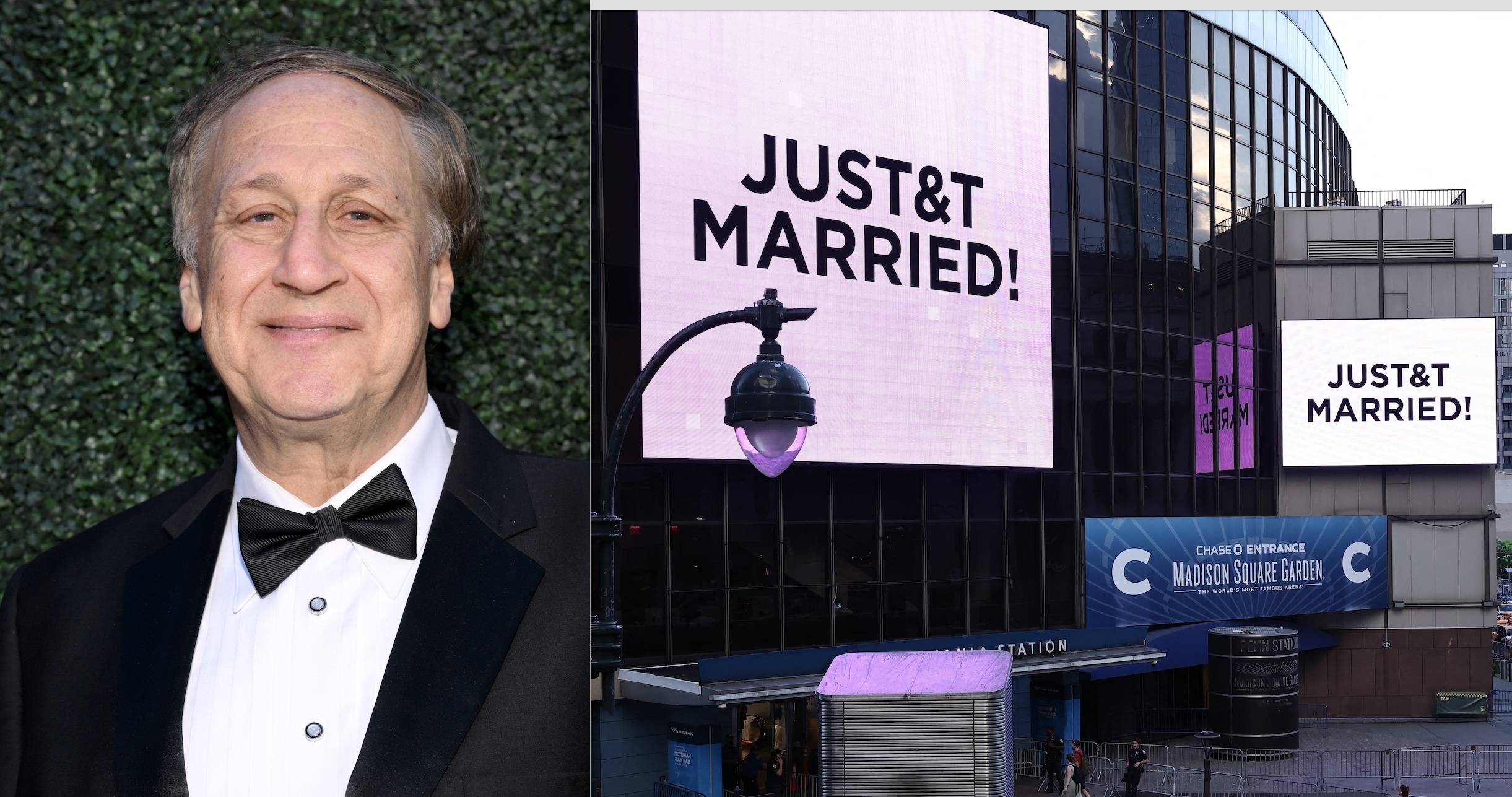
The Swift Deletion: Adam Aron and the Celebrity Wedding
On July 3, 2026, Adam Aron, the Chief Executive Officer of AMC Entertainment, posted a detailed, insider account of the wedding ceremony between global pop sensation Taylor Swift and National Football League tight end Travis Kelce. This public sharing of a private event, which quickly went viral, was deleted from Aron’s official social media account shortly after its appearance. The swift removal of the post, rather than its initial content, became the primary driver of public discussion and media analysis.
The deletion immediately fueled intense speculation across social media platforms. Screenshots and discussions of the original message proliferated, ensuring its content remained accessible despite its official removal. This incident quickly became a focal point for debates regarding celebrity privacy, the responsibilities of corporate executives on social media, and the enduring power of digital footprints.
The Nuptials of Swift and Kelce: A Private Affair
Taylor Swift and Travis Kelce’s relationship had been a subject of extensive public and media fascination since its emergence in late 2023. Their high-profile romance captivated audiences globally, generating significant media coverage and fan engagement. The couple’s decision to marry was met with widespread public interest, though details remained closely guarded.
The wedding ceremony itself was understood to be a highly private affair. Leading up to the event, details were scarce, and both Swift and Kelce maintained a deliberate silence regarding their plans. This commitment to privacy amplified the impact of Aron’s unexpected social media disclosure, offering what appeared to be an unauthorized, firsthand account of the proceedings.
The Public’s Fascination with Celebrity Unions
Celebrity weddings consistently draw immense public attention. From royal ceremonies to Hollywood unions, these events often become cultural touchstones. The desire for intimate details, however, frequently clashes with the couple’s desire for personal space.
The Swift-Kelce nuptials were no exception. As two of the most recognizable figures in their respective fields, their union represented a significant moment in popular culture. The public’s appetite for information about their wedding was substantial, creating a high-pressure environment for any potential leaks or disclosures.
Adam Aron’s Digital Persona: A CEO on Social Media
Adam Aron is widely recognized for his active and often direct engagement on social media platforms. As the CEO of AMC Entertainment, Aron has frequently utilized these channels to communicate with shareholders, fans of the cinema chain, and the broader public. His social media presence is characterized by a conversational tone and a willingness to share insights and opinions.
This established pattern of direct digital communication forms the backdrop for the July 3, 2026, incident. Aron’s previous posts have covered topics ranging from AMC’s financial performance to personal observations and interactions with the company’s retail investor base, often referred to as “Apes.” His use of social media has been a distinctive aspect of his leadership style at AMC, fostering a direct line of communication with stakeholders.
Navigating the Public Eye as a Corporate Leader
For corporate leaders like Aron, social media presents a double-edged sword. It offers unparalleled opportunities for direct engagement and brand building. However, it also carries significant risks, as personal and professional boundaries can easily blur. Every post, even those intended as personal, can reflect upon the company they lead.
Aron’s active presence has made him a unique figure among Fortune 500 CEOs. His willingness to engage directly, sometimes controversially, has garnered both praise and criticism. This history of outspokenness set the stage for the intense reaction to his wedding post.
The Content of the Deleted Message: An Intimate Glimpse
While the exact wording of Aron’s deleted post has been widely circulated through screenshots, its essence conveyed an intimate perspective on the Swift-Kelce wedding. The post reportedly included the phrase, “I Wish You All Could Have Been There With Me.” This particular sentiment suggested a personal presence at the event and a desire to share the experience with his followers, implying a close relationship with the newlyweds.
The detailed nature of the account, combined with the personal tone, led many to believe Aron was indeed an invited guest. The content provided specific observations about the ceremony’s atmosphere, the couple’s demeanor, and other elements typically reserved for close friends and family. This level of detail contributed significantly to the post’s rapid dissemination and the subsequent public reaction, as it offered a rare peek behind the carefully constructed curtain of celebrity privacy.
The Power of Unofficial Information
In an age where official channels are meticulously managed, unofficial disclosures often carry significant weight. Aron’s post, despite its brevity, provided a narrative that felt authentic and unvarnished, precisely because it was not part of a planned media release. This perceived authenticity magnified its impact, even as its legitimacy was questioned by some.
The post’s content, detailing specific moments and emotions, painted a vivid picture for those who had eagerly awaited news of the wedding. This vividness, however, also raised concerns about the appropriateness of sharing such private moments without explicit consent from the individuals involved.
Why the Deletion? Unraveling the Motives
The swift removal of Aron’s post immediately raised questions about the reasons behind the action. Speculation ranged from a direct request by the newlyweds or their representatives to a self-correction by Aron or his social media team after realizing the breach of privacy. The private nature of the wedding strongly suggests that any public disclosure, especially one with such specific details, would be contrary to the couple’s wishes.
Public relations experts and social media strategists often advise caution when high-profile individuals share information about private events without explicit consent. The potential for reputational damage or a breach of trust is significant. The deletion indicated an acknowledgment, either internal or external, that the post had overstepped boundaries or was otherwise inappropriate for public consumption.
The Ethics of Disclosure and Celebrity Privacy
The incident sparked a broader conversation about the ethics of disclosure. When an individual, even a public figure, shares details about another person’s private event, it raises questions about consent, trust, and the boundaries of personal relationships in the public sphere. The act of deletion, in this context, can be interpreted as an attempt to rectify an ethical misstep.
The pressure on public figures to maintain a curated image is immense. Any deviation from this, especially by an associate, can have far-reaching consequences. The quick removal of the post suggests an understanding of these dynamics, whether proactively or reactively.
Celebrity Privacy in the Digital Age: A Constant Battle
The incident involving Aron’s post highlights the persistent challenges of maintaining privacy for celebrities in an era of ubiquitous digital communication. Public figures like Taylor Swift and Travis Kelce navigate a landscape where every interaction, every event, and every personal moment holds potential for public exposure. Social media platforms, while offering direct connection with fans, also present avenues for unintended or unauthorized disclosures, making privacy a constant battle.
The expectation of privacy for personal events, even for global icons, remains a complex issue. While fans often crave details about their favorite celebrities’ lives, there is a recognized boundary around private milestones such as weddings. Aron’s post inadvertently breached this boundary, triggering a broader conversation about digital etiquette and the responsibilities of those with large public platforms.
The Impact of Screenshots and Viral Content
The speed at which Aron’s post was screenshotted and shared demonstrates the irreversible nature of digital information. Once something is posted online, even for a moment, it can be captured and disseminated indefinitely. This reality makes managing one’s digital footprint, especially for public figures, an increasingly difficult task.
The viral spread of the content, despite its deletion, underscores a fundamental truth of the internet: deletion does not equate to erasure. This permanence adds another layer of complexity to social media engagement for anyone in the public eye.
The Role of Corporate Leadership in Social Media: A Case Study
Adam Aron’s position as a prominent CEO adds another layer to this discussion. Corporate leaders are increasingly expected to have a public presence, often leveraging social media for branding, investor relations, and direct engagement. However, this visibility comes with inherent risks, particularly when personal and professional boundaries blur, as demonstrated by the Swift-Kelce wedding post.
The incident serves as a significant case study for corporate communication in the digital age. It underscores the need for clear guidelines and careful consideration when executives engage on platforms where their personal opinions or shared experiences can quickly impact public perception of their company. Aron’s post, while personal in nature, was made by an individual inextricably linked to a major public corporation, making the distinction between personal and professional difficult for the public to discern.
Establishing Boundaries in Executive Communications
The event prompted many organizations to re-evaluate their social media policies for executives. The line between sharing personal experiences and maintaining corporate decorum is fine. An executive’s personal posts can easily be misinterpreted or seen as reflecting the company’s stance or values.
This incident highlighted the importance of anticipating public reaction and understanding the potential ripple effects of seemingly innocuous posts. For CEOs, every public statement carries weight, whether it’s about business strategy or a celebrity wedding.
Public Reaction and Media Fallout: A Trending Topic
The public reaction to Aron’s deleted post was immediate and varied. Many social media users expressed surprise at the disclosure, while others criticized what they perceived as a breach of privacy. The incident generated numerous memes, discussions, and news articles across entertainment and business media outlets. The story quickly trended, demonstrating the immense public interest in the lives of Swift and Kelce and the controversy surrounding the post.
Media outlets covered the story extensively, analyzing the implications for celebrity privacy and the conduct of corporate executives on social media. The brief, unauthorized glimpse into the wedding became a talking point, overshadowing other news of the day and dominating online conversations. The rapid dissemination of the story illustrated the power of social media to amplify even fleeting moments into major news events.
The Aftermath: Lingering Questions and Lessons Learned
The fallout from the deleted post continued for days, with commentators dissecting every aspect of the incident. Questions arose about who requested the deletion, whether Aron faced any repercussions, and what lessons could be drawn by other public figures and corporate leaders.
Ultimately, the incident served as a potent reminder of the complexities of operating in a hyper-connected world, where privacy is increasingly elusive and digital actions have lasting consequences. The wedding, intended as a private celebration, became a public spectacle, not through its own design, but through an unexpected social media misstep.
The post was shared. The details were read. The post was deleted. The conversation continued. The digital age leaves no room for true secrets.