
Tag: Actual Malice

  • The Price of Retrospection – Why Tyra Banks is Suing Netflix Over ‘Reality Check’

    The Price of Retrospection – Why Tyra Banks is Suing Netflix Over ‘Reality Check’

    On June 12, 2026, television producer and former supermodel Tyra Banks filed a $50 million defamation lawsuit against Netflix in Los Angeles Superior Court. The filing claims the platform’s docuseries Reality Check maliciously edited archival footage to create a false narrative about her tenure as executive producer of America’s Next Top Model. The lawsuit marks a sharp escalation in the ongoing cultural reckoning over 2000s reality television.

    For years, the internet has debated the ethics of the era. Video essays and social media retrospectives have routinely dissected the power dynamics of early unscripted television. Now, the arguments are moving into the courtroom.

    But the story does not begin with a single documentary. It begins with a fundamental shift in how streaming platforms mine the past for modern content, and the legal liabilities that arise when nostalgia collides with accountability.

    The Los Angeles Superior Court Filing

    The 54-page complaint was filed by Banks’ legal team in downtown Los Angeles. It names Netflix, Inc. and the independent production company behind the docuseries as co-defendants. The core of the lawsuit hinges on Episode 3 of Reality Check, titled “The Top Model Factory.”

    The plaintiffs allege a systemic pattern of misrepresentation. The suit claims the documentary producers did not merely compile existing footage, but actively manipulated it. They allege the use of deceptive editing techniques designed to cast Banks not as a demanding executive producer, but as an abusive antagonist.

    “This was not a journalistic endeavor or a historical retrospective. It was a deliberate and calculated assassination of character, engineered to generate subscriber engagement through manufactured outrage,” the complaint reads.

    Banks is seeking $50 million in compensatory and punitive damages. Her company, Bankable Productions, is also listed as a plaintiff, citing severe reputational harm and the loss of future syndication revenue.

    The Premise of ‘Reality Check’

    Netflix released Reality Check globally on May 28, 2026. The six-part docuseries promised an unflinching look behind the scenes of the most dominant reality franchises of the early 2000s. It hit number one in 42 countries within 72 hours of its release.

    The series capitalized on a growing audience appetite for media deconstruction. Viewers who grew up watching these shows were now adults, ready to reevaluate the media of their youth through a modern lens. Netflix provided the platform. The documentary provided the thesis.

    Episode 3 focused exclusively on America’s Next Top Model. The show, co-created by Banks and Ken Mok, ran for 24 cycles between 2003 and 2018. It aired on UPN, transitioned to The CW, and finished its run on VH1. It was a global juggernaut. It was also a product of its time.

    The Mechanics of the Alleged Defamation

    Defamation in the context of a documentary is notoriously difficult to prove. The plaintiff must establish that the editing fundamentally altered the truth of the events, rather than simply presenting an unflattering opinion.

    Reality television relies heavily on a post-production technique known as “frankenbiting.” Editors splice disparate audio clips to create cohesive sentences or alter the context of a reaction shot. It is an industry standard. Banks’ legal team argues Reality Check weaponized this standard to cross the line into defamation.

    The lawsuit details 14 specific instances where audio from one season was allegedly laid over video from another. It claims these edits were designed to make Banks appear callous or cruel during sensitive moments with contestants.

    The Cycle 4 Incident

    A significant portion of the lawsuit focuses on the documentary’s portrayal of the infamous Cycle 4 elimination of contestant Tiffany Richardson in 2005. The moment, known for Banks shouting, “We were all rooting for you,” is a cornerstone of internet meme culture.

    The Netflix docuseries featured interviews with former crew members and overlaid them with previously unseen B-roll footage. Banks’ attorneys argue the documentary selectively omitted crucial context. They claim the producers possessed raw, unedited tapes that demonstrated Banks’ concern for the contestant’s well-being, but intentionally buried them to serve a predetermined “villain” narrative.

    The omission of exculpatory evidence is a central pillar of the plaintiff’s argument. If a producer has footage that contradicts their narrative and chooses to hide it, the legal argument for malice grows stronger.

    The Legal Standard for Public Figures

    Tyra Banks is a global celebrity. In the eyes of the law, she is a “public figure.” This designation drastically alters the legal battlefield.

    Under the precedent established by the 1964 Supreme Court case New York Times Co. v. Sullivan, public figures cannot win a defamation suit simply by proving a statement is false. They must prove “actual malice.”

    Actual malice does not mean ill will. It is a specific legal standard. Banks must prove that Netflix and the documentary producers either knew the narrative they were broadcasting was false, or that they acted with “reckless disregard” for the truth.

    The Burden of Proof

    Proving reckless disregard requires internal documentation. Banks’ legal team has already filed motions for discovery, seeking access to the documentary producers’ emails, text messages, and editing bay logs.

    They are looking for the smoking gun. They need a producer explicitly stating a desire to manipulate the footage to make Banks look worse. Without internal communications demonstrating a willful disregard for the truth, the First Amendment provides broad protection for documentary filmmakers.

    Netflix’s legal strategy will likely rely heavily on these First Amendment protections. The platform has a history of aggressively defending its true-crime and documentary properties against similar litigation.

    Precedents in Streaming Litigation

    The Reality Check lawsuit does not exist in a vacuum. It is part of a growing wave of litigation targeting streaming platforms over their unscripted content.

    In 2024, Netflix faced a massive defamation lawsuit over the hit series Baby Reindeer. The platform was sued by a woman claiming to be the real-life inspiration for the show’s stalker character. That case centered on the legal definition of the phrase “This is a true story.”

    Similarly, the subjects of true-crime documentaries like Making a Murderer and Tiger King have frequently threatened or pursued legal action over their portrayals. The platforms have historically argued that documentaries are protected speech, representing the filmmakers’ interpretation of events.

    The Banks lawsuit differs in its focus on archival manipulation. It challenges the specific editorial assembly of historical footage, rather than the dramatic reenactment of events.

    The Cultural Reckoning of the 2000s

    Beyond the courtroom, the lawsuit highlights a broader cultural shift. The 2000s were a notoriously brutal era for celebrity media. Tabloid culture was ruthless. Reality television thrived on exploitation.

    In recent years, audiences have begun to reevaluate the media they consumed during that decade. Documentaries reexamining the treatment of figures like Britney Spears and Janet Jackson have drawn massive viewership. There is a lucrative market for retroactive empathy.

    However, that empathy often requires a new villain. In the rush to reevaluate the past, streaming platforms are incentivized to find clear antagonists. The lawsuit alleges that Reality Check simply swapped one form of exploitation for another.

    The Shift in Audience Empathy

    The public reaction to the lawsuit has been fractured. Social media users remain divided on Banks’ legacy. Some view her as a pioneer who broke barriers in the fashion industry and provided unprecedented opportunities for young women.

    Others view her through the lens of modern sensibilities, criticizing the often harsh challenges and critiques featured on America’s Next Top Model. The Netflix documentary tapped directly into this existing polarization.

    The courtroom will not decide if Banks was a good producer. It will only decide if Netflix lied about her.

    The Business Impact on Netflix

    For Netflix, the lawsuit represents a calculated risk. The platform invests heavily in unscripted retrospectives because they are relatively cheap to produce and generate massive subscriber engagement.

    The budget for a series like Reality Check is a fraction of the cost of a scripted drama. The return on investment is astronomical. The legal fees associated with defending a defamation suit are often viewed as a cost of doing business.

    However, a $50 million judgment would alter the math. If Banks successfully proves actual malice and secures a massive payout, it could chill the entire documentary industry. Production companies would be forced to adopt far stricter legal vetting processes for archival footage.

    The Future of Unscripted Retrospectives

    The syndication market is also watching the case closely. America’s Next Top Model remains a valuable property in international syndication and on ad-supported streaming platforms. Bankable Productions claims the Netflix documentary has actively damaged the show’s market value.

    If a documentary can successfully devalue a legacy property, rights holders will become increasingly litigious to protect their assets.

    The lawsuit is in its infancy. Discovery will take months. A trial, if it happens, is likely years away. But the lines have been drawn.

    The court will decide the legal boundaries of a documentary. The public has already decided the cultural boundaries of the 2000s. Lawyers filed the briefs. Executives read the PR statements. Audiences queued up the next episode.

    Streaming.
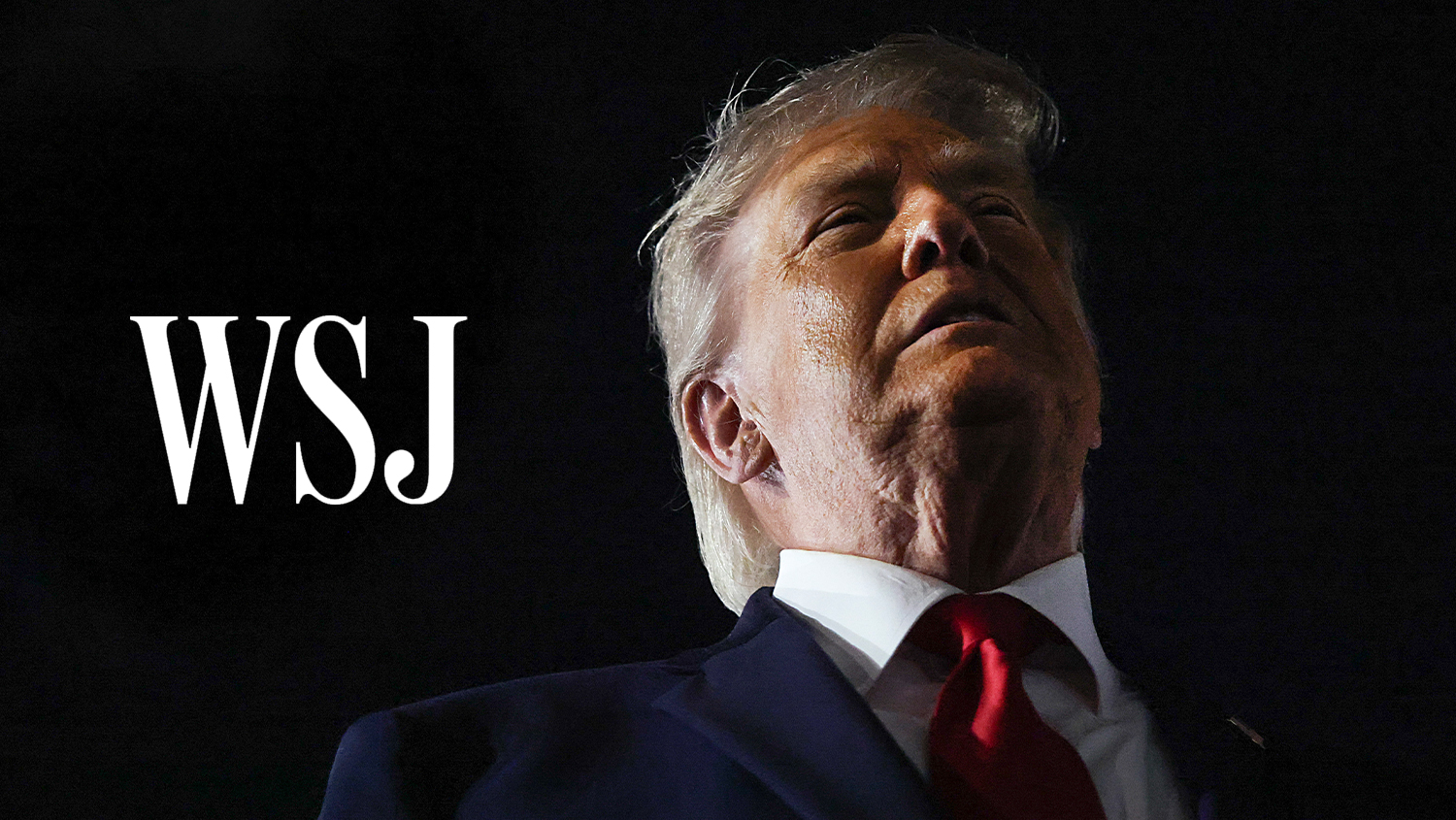
  • The First Amendment Shield – The Wall Street Journal Moves to Dismiss Trump’s Revised Epstein Letter Lawsuit

    The First Amendment Shield – The Wall Street Journal Moves to Dismiss Trump’s Revised Epstein Letter Lawsuit

    Former President Donald Trump’s revised defamation lawsuit against The Wall Street Journal faces a decisive legal hurdle as the publication formally asks a federal judge to dismiss the case. The dispute centers on a published story concerning a letter linked to the late financier Jeffrey Epstein. The Journal’s legal team argues the revised complaint fails to meet the stringent actual malice standard required under the First Amendment, asserting the reporting was fundamentally accurate and constitutes protected speech.

    The conflict represents a collision between a high-profile political figure and a legacy media institution. Court dockets show a pattern of similar litigation over the past decade. The legal mechanics remain consistent. A story is published. A retraction is demanded. A lawsuit is filed. The publisher moves to dismiss.

    The Anatomy of a Revised Complaint

    Civil litigation follows a strict procedural rhythm in federal court. When an initial complaint is filed, the defense often responds with a motion to dismiss. If the judge finds the initial complaint lacking, the plaintiff is typically granted leave to amend. This results in a revised complaint.

    Trump’s legal team filed this revised complaint in an attempt to cure the legal deficiencies of their first filing. They needed to demonstrate that The Wall Street Journal not only published something false, but did so with a specific, legally defined state of mind. The revised document attempts to map out this alleged intent, claiming the publication deliberately framed the narrative to inflict reputational damage.

    The Wall Street Journal, published by Dow Jones & Company, a division of News Corp, rejects the premise entirely. Their renewed motion to dismiss targets the structural foundations of the revised lawsuit. They argue that rewriting the complaint did not change the underlying facts. The story remains protected. The First Amendment remains intact.

    The Epstein Factor and Defamation by Implication

    Jeffrey Epstein remains one of the most legally radioactive names in modern history. The late financier’s extensive network of high-profile associates has fueled years of investigative journalism. Any connection to Epstein, no matter how tangential, carries immense reputational weight.

    The disputed Wall Street Journal article examined a specific letter. The reporting detailed the origins, routing, and implications of this document. Trump’s lawsuit alleges that the framing of this narrative was designed to create a false and defamatory association.

    This brings the case into the complex territory of defamation by implication. This legal concept occurs when a publisher reports technically true facts but arranges them in a way that creates a false and defamatory impression. It is a notoriously difficult claim to win in federal court. The plaintiff must prove the publisher intended to create the false implication, not merely that a reader might infer it.

    The Shield of Sullivan: The Actual Malice Standard

    American defamation law hinges on a single Supreme Court precedent. In 1964, the Court decided New York Times Co. v. Sullivan. The landmark ruling fundamentally altered how public figures can sue the press.

    To win a defamation suit, a private citizen generally only needs to prove negligence. A public figure must prove actual malice. This legal term of art does not mean ill will or spite. It means the publisher either knew the statement was false before publication or acted with a reckless disregard for the truth.

    Donald Trump is arguably the most recognizable public figure in the world. The actual malice standard applies to him in its absolute strictest form.

    The Wall Street Journal’s motion to dismiss leans heavily on Sullivan. The legal brief argues that Trump’s revised complaint fails to plead facts showing the Journal’s reporters or editors harbored serious doubts about the truth of the Epstein letter story. Without concrete evidence of actual malice, the lawsuit cannot survive a motion to dismiss.

    The Burden of Proof in the Newsroom

    Establishing reckless disregard requires looking inside the editorial process. It requires proving a systemic failure. The Wall Street Journal employs layers of editors, fact-checkers, and legal counsel. Stories involving figures like Trump and Epstein undergo rigorous pre-publication review.

    The motion to dismiss essentially tells the court that the plaintiff has provided no evidence of a breakdown in this process. A disagreement over editorial framing or the selection of facts does not constitute actual malice under federal law.

    The Cultural Defense Strategy

    This lawsuit does not exist in a vacuum. It is part of a broader cultural and legal strategy. For years, conservative figures have utilized defamation lawsuits as a tool to push back against legacy media narratives.

    These lawsuits serve a dual purpose. They seek financial damages in court. They also serve as a public declaration of defiance. The act of suing a major newspaper signals to a political base that the figure is fighting back against perceived media bias.

    Legal scholars note that even when these suits are dismissed, they achieve a secondary goal. They force media companies to expend significant resources on legal defense. They keep the narrative of a hostile press alive in the public consciousness. This dynamic transforms the federal docket into a theater for cultural defense.

    Rule 12(b)(6) and the Federal Docket

    The immediate battleground is a Rule 12(b)(6) motion. This is a vital provision in the Federal Rules of Civil Procedure. It allows a defendant to ask the judge to dismiss a case for failure to state a claim upon which relief can be granted.

    When evaluating a 12(b)(6) motion, the judge must accept all factual allegations in the plaintiff’s complaint as true. However, the judge does not have to accept legal conclusions disguised as facts.

    The Wall Street Journal argues that even if everything in Trump’s revised complaint is taken as true, it still does not add up to defamation under the law. They are asking the judge to stop the lawsuit before it reaches the costly and intrusive phase of discovery.

    The Threat of Discovery

    If the judge denies the motion to dismiss, the case enters discovery. This is the phase where both sides can demand internal documents, emails, and sworn depositions.

    For a media company, discovery is a significant threat. It exposes the internal workings of the newsroom. It reveals source communications. It drains financial resources. The Wall Street Journal’s legal strategy is explicitly designed to prevent the case from ever reaching this point.

    The Economics of Defamation Defense

    Defending a defamation lawsuit in federal court is an expensive endeavor. Even a baseless lawsuit requires a sophisticated legal defense. Media companies retain specialized First Amendment attorneys who bill at premium rates.

    Drafting a motion to dismiss requires extensive legal research. Reviewing a revised complaint requires meticulous analysis. The financial burden falls entirely on the publisher unless the jurisdiction has strong Anti-SLAPP (Strategic Lawsuits Against Public Participation) laws that allow for the recovery of legal fees.

    This economic reality is a known factor in high-profile litigation. Plaintiffs with significant financial resources can afford to keep lawsuits alive through multiple revisions and appeals, effectively taxing the media organization regardless of the final verdict.

    The Libel-Proof Doctrine and Reputational Harm

    A core element of any defamation claim is proving reputational damage. The plaintiff must show that the published statements caused tangible harm to their standing in the community.

    In extreme cases, courts have applied the libel-proof plaintiff doctrine. This theory suggests that an individual’s reputation is already so established or so tarnished in a specific area that further negative reporting cannot cause additional, measurable harm.

    While courts are generally hesitant to apply this doctrine to major political figures, defense attorneys often argue a variation of it. They argue that a figure as universally known and constantly scrutinized as Donald Trump cannot plausibly claim that a single news article fundamentally altered his public standing.

    The Precedent of Prior Dismissals

    The historical record of similar lawsuits is heavily weighted in favor of the press. Trump has previously filed defamation suits against CNN, The New York Times, and the Pulitzer Prize Board. The vast majority of these cases have been dismissed at the motion stage.

    Judges routinely cite the First Amendment protections afforded to political reporting. They frequently rule that rhetorical hyperbole, opinion, and fair reporting on matters of public interest cannot serve as the basis for a defamation claim.

    The Wall Street Journal’s legal team is operating from this established playbook. Their motion to dismiss is built on a foundation of prior rulings that have consistently protected legacy media organizations from similar legal challenges brought by public officials.

    What Happens Next in the Docket

    The timeline now belongs to the federal judge. The plaintiff has filed the revised complaint. The defendant has filed the motion to dismiss. The plaintiff will likely file a brief in opposition. The defendant will file a final reply brief.

    Then, the court goes quiet. The judge reviews the briefings. The judge reviews the precedents. A written order will eventually be issued.

    If the judge grants the motion, the case will likely be dismissed with prejudice. This means it cannot be refiled. The legal battle over this specific story will end. If the judge denies the motion, the doors to discovery will open, fundamentally changing the trajectory of the litigation.

    The stakes extend beyond a single article. The outcome will reaffirm or test the boundaries of the First Amendment in an era of intense political polarization. It will signal how federal courts intend to handle the ongoing collision between political figures and the press.

    The filings are submitted. The arguments are framed. The precedents are clear.

    The docket waits.

    Ruling.