Tag: Acting

  • Child Actors and AI Voice Cloning: The Hasbro Controversy and Open Letter

    Child Actors and AI Voice Cloning: The Hasbro Controversy and Open Letter

    The Growing Concern Over AI and Child Actors

    In mid-2026, a significant ethical debate intensified within the entertainment industry concerning the use of artificial intelligence (AI) to replicate the voices of child actors. This controversy culminated in an open letter signed by nearly 1,000 actors, agents, and other industry professionals, which specifically targeted a major studio, reportedly Hasbro. The letter condemned the alleged demands that child performers consent to the perpetual use of their voices for AI-generated content.

    This collective action underscores a critical intersection of technological advancement, labor rights, and the protection of vulnerable individuals in creative fields. The dispute highlights the urgent need for clear ethical guidelines and contractual safeguards as AI capabilities continue to expand into voice synthesis and character generation.

    The Hasbro Allegations

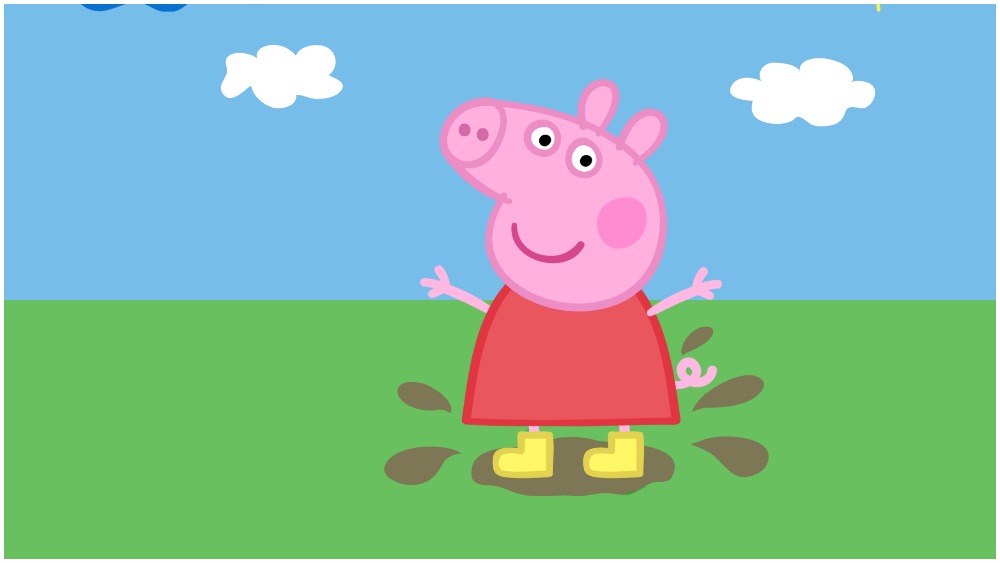
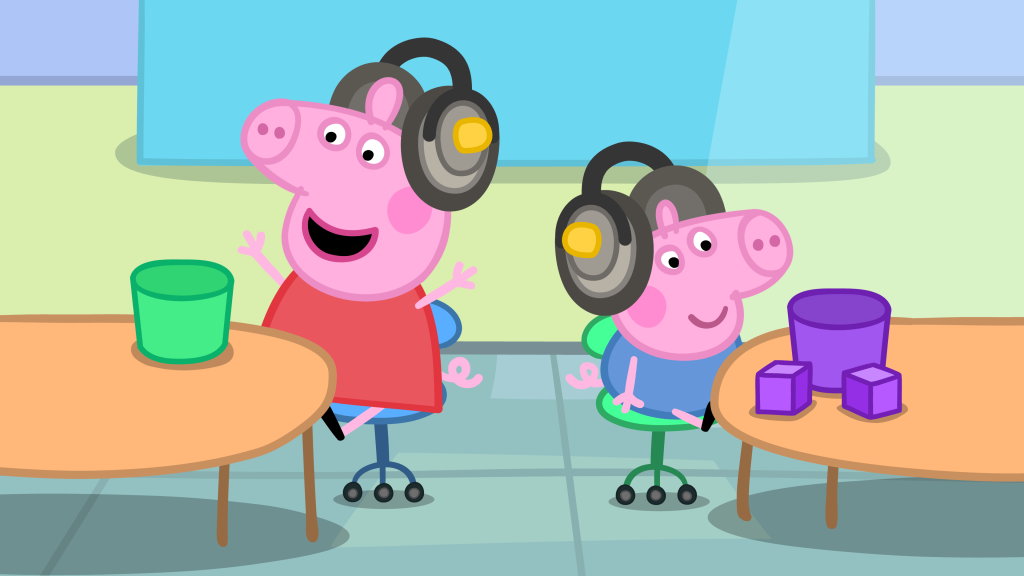
    The open letter, widely reported by sources such as Variety in June 2026, did not explicitly name the studio in its initial public release. However, subsequent reports and industry whispers quickly identified Hasbro as the primary target. The allegations centered on Hasbro’s supposed attempts to secure broad, often perpetual, rights to use child actors’ voices for AI replication, particularly for popular animated series like ‘Peppa Pig’.

    Hasbro, a global play and entertainment company, owns Entertainment One (eOne), which produces ‘Peppa Pig’. The company’s alleged practices raised immediate alarms among performers’ unions, talent agencies, and child advocacy groups. Concerns included the potential for child actors’ voices to be used without additional compensation, future consent, or clear limitations on how the AI-generated voice might be employed.

    The ‘Peppa Pig’ Context

    ‘Peppa Pig’ is a globally recognized animated television series, primarily aimed at preschool children. The voice actors for characters like Peppa and George are often young children themselves. The nature of these roles means that child actors are frequently replaced as their voices mature. This turnover, combined with the long-term commercial value of such franchises, creates an incentive for studios to seek methods of vocal continuity.

    AI voice replication offers a potential solution to this challenge, allowing a character’s voice to remain consistent even as the original child actor grows older. However, this technological solution introduces a complex array of ethical and labor considerations, particularly when applied to minors who may not fully comprehend the long-term implications of such agreements.

    The Open Letter: A Call for Protection

    The open letter represented a unified stance from a broad coalition of entertainment professionals. Signatories included prominent actors, voice artists, talent agents, and legal experts specializing in entertainment law. The letter articulated several key demands and concerns:

    • Informed Consent: The letter emphasized that consent for AI voice usage, particularly from minors, must be fully informed, specific, and revocable.
    • Fair Compensation: It argued for fair and ongoing compensation for any use of an AI-replicated voice, extending beyond the initial recording session.
    • Usage Limitations: Demands included clear limitations on the scope, duration, and context in which an AI-generated voice could be used, preventing its deployment in new projects or scenarios without explicit approval.
    • Child Protection: A central theme was the protection of child actors, who are often more susceptible to exploitative contractual clauses due to their age and lack of comprehensive legal understanding.

    The letter served as a powerful declaration that the industry would not tolerate what it perceived as an attempt to bypass traditional labor agreements and exploit emerging technologies at the expense of young talent.

    The Role of Unions and Agencies

    Talent agencies and actors’ unions, such as SAG-AFTRA in the United States and Equity in the UK, played a significant role in organizing and amplifying the open letter. These organizations have been at the forefront of negotiating new terms for AI usage across the entertainment industry, particularly following major strikes in 2023 that addressed AI concerns.

    The open letter can be seen as a direct extension of these ongoing efforts, signaling that the issue of AI rights for child actors is a non-negotiable point. Agencies expressed concerns that broad AI clauses could significantly devalue the future earning potential of their young clients, making it harder for them to secure new roles if their voice can be endlessly replicated.

    Ethical Dimensions of AI Voice Replication

    The debate extends beyond mere contractual terms into deeper ethical considerations. The replication of a human voice, especially a child’s, raises questions about identity, ownership, and the very essence of performance.

    Loss of Control and Identity

    When a child’s voice is replicated by AI, the child effectively loses control over a fundamental aspect of their identity and artistic expression. The AI-generated voice could be used in contexts the child or their guardians did not approve of, or even in perpetuity, long after the child has moved on from acting.

    Exploitation of Minors

    Minors are legally recognized as having limited capacity to enter into contracts, necessitating adult supervision and protection. Critics argue that demanding broad AI rights from child actors constitutes a form of exploitation, as these young performers may not fully grasp the implications of signing away perpetual rights to their vocal identity.

    Impact on Future Careers

    If a studio can generate a child’s voice using AI, the need for new child actors to voice subsequent seasons, spin-offs, or related media could diminish. This could severely limit career opportunities for aspiring young performers, creating a bottleneck in an already competitive industry.

    Broader Industry Implications

    The controversy surrounding Hasbro and child actors’ AI voice rights is not an isolated incident. It reflects a much broader industry-wide struggle to define the boundaries and ethical parameters of AI in creative content creation.

    The 2023 Strikes and AI

    The Writers Guild of America (WGA) and SAG-AFTRA strikes of 2023 prominently featured AI as a central point of contention. Writers fought for protections against AI generating scripts based on their work, while actors sought safeguards against AI replicating their likenesses and voices without consent or fair compensation.

    The resolutions of these strikes established some precedents for AI usage, but the specifics regarding child actors and voice replication remain a rapidly evolving area. The open letter indicates that existing protections may not be sufficient or are being circumvented by certain studios.

    The Future of Voice Acting

    The rise of sophisticated AI voice synthesis technology presents an existential challenge to the voice acting profession. While AI can create highly realistic voices, the human element of performance, nuance, emotion, and unique interpretation, remains invaluable. The concern is that studios might prioritize cost savings through AI over the artistic contributions of human performers.

    The Need for New Legislation and Guild Agreements

    Industry stakeholders, including unions, legal experts, and ethical AI advocates, are increasingly calling for new legislation and updated collective bargaining agreements to address AI’s impact. These frameworks would aim to:

    • Establish clear definitions of AI-generated content.
    • Mandate explicit, time-limited consent for AI usage.
    • Ensure fair and residual compensation for AI-replicated performances.
    • Provide mechanisms for dispute resolution and enforcement.
    • Protect the rights and intellectual property of performers, especially minors.

    The Path Forward

    The open letter to Hasbro represents a critical moment in the ongoing dialogue about AI and the entertainment industry. It forces a public confrontation over practices that many view as unethical and exploitative.

    Studio Accountability

    The pressure from nearly 1,000 industry professionals will likely compel Hasbro, and other studios contemplating similar practices, to re-evaluate their strategies. The reputational risk associated with being perceived as exploiting child actors or undermining creative labor is substantial.

    Empowering Child Actors and Guardians

    The controversy also serves to educate and empower child actors and their guardians. It highlights the importance of scrutinizing contractual clauses related to AI and seeking independent legal advice before agreeing to broad terms.

    Shaping Industry Standards

    Ultimately, this dispute will contribute to shaping new industry standards for AI usage. It reinforces the principle that technological advancement should not come at the expense of human dignity, fair labor practices, or the protection of vulnerable individuals. The entertainment world watches as this critical issue unfolds.

    Parents gathered. Agents gathered. Performers gathered.

    Protection.

    FAQ

    What is the controversy regarding child actors and AI voice cloning?

    The controversy involves allegations that a major studio, reportedly Hasbro, demanded child actors consent to the perpetual use of their voices for AI replication, particularly for shows like ‘Peppa Pig’. This raised ethical concerns about consent, compensation, and the long-term impact on young performers.

    Which studio was targeted by the open letter against AI voice usage for child actors?

    While the open letter did not explicitly name the studio, subsequent reports indicated that Hasbro was the primary target. The company allegedly sought broad AI voice rights for child performers involved in its productions, including the popular ‘Peppa Pig’ series.

    Why are entertainment professionals concerned about AI voice replication for minors?

    Professionals are concerned about the ethical implications, including lack of informed consent from minors, insufficient compensation for future AI voice usage, potential loss of control over a child’s identity, and the negative impact on future job opportunities for young actors if their voices can be endlessly generated by AI.

    What protections are being sought for child actors regarding AI voice cloning?

    The open letter and industry advocates are calling for robust protections such as fully informed and revocable consent, fair and ongoing compensation for any AI-generated voice usage, clear limitations on how and where an AI voice can be used, and stronger child protection clauses in contracts.

    How does this issue relate to the broader AI debates in the entertainment industry?

    This issue is part of the larger industry-wide debate sparked by the 2023 WGA and SAG-AFTRA strikes, which highlighted concerns about AI’s impact on creative labor. It underscores the need for comprehensive contractual and legislative frameworks to govern AI’s role in content creation, ensuring fair practices and protecting human talent.
  • The Peppa Pig AI Controversy – Hasbro Faces Backlash Over Child Voice Rights

    The Peppa Pig AI Controversy – Hasbro Faces Backlash Over Child Voice Rights

    The ‘Peppa Pig’ AI Controversy

    Hasbro, the multinational toy and entertainment company, has encountered substantial criticism for its alleged contractual demands regarding child voice actors on the popular animated series ‘Peppa Pig.’ Reports in June 2026 indicate that Hasbro has asked these young performers to sign agreements that would grant the company perpetual rights to their voices for use in artificial intelligence applications. This request has sparked a widespread ethical debate, focusing on the potential for exploitation of minors within the entertainment industry’s evolving relationship with AI technology.

    The controversy centers on the long-term implications of such agreements. Critics argue that these contracts could strip child actors of control over their vocal likenesses for the entirety of their lives, and potentially beyond. The ethical considerations extend to issues of consent, fair compensation, and the protection of vulnerable individuals in an increasingly digital and AI-driven creative landscape.

    The Nature of the Contractual Demands

    The specific clauses within the proposed contracts have not been fully disclosed publicly. However, sources close to the production and industry observers suggest that the agreements seek broad and enduring rights. These rights would allow Hasbro to utilize the recorded voices of child actors to train artificial intelligence models. Subsequently, these AI models could generate new dialogue, songs, or other vocal performances mimicking the original actor’s voice, without requiring the original actor’s further involvement or compensation.

    Such perpetual rights contrast sharply with traditional voice acting contracts. These typically outline specific usage terms, durations, and payment structures for each project or campaign. The shift towards perpetual AI rights represents a fundamental change in how performer contributions are valued and controlled.

    Industry Reaction and Concerns

    The entertainment industry has reacted swiftly to the news. Organizations representing actors, voice artists, and child performers have expressed alarm. The Screen Actors Guild – American Federation of Television and Radio Artists (SAG-AFTRA) has been particularly vocal, emphasizing the need for robust protections for all performers, especially minors, against unchecked AI exploitation.

    Industry professionals point to the potential for significant job displacement if AI-generated voices become standard. They also highlight the moral implications of using a child’s voice for commercial purposes without ongoing consent or fair remuneration once they reach adulthood. The ‘Peppa Pig’ case is seen by many as a bellwether for future disputes over AI and intellectual property in creative fields.

    Protecting Child Performers in the Digital Age

    Child labor laws and entertainment industry regulations have historically focused on working conditions, education, and financial protections for minors. However, these existing frameworks often predate the widespread adoption of advanced artificial intelligence. The ‘Peppa Pig’ situation reveals a critical gap in these protections.

    Advocacy groups for children’s rights are calling for updated legislation. They argue that children cannot fully comprehend the long-term implications of signing away perpetual AI rights. Therefore, robust legal safeguards are required to ensure that such agreements are not exploitative. These safeguards might include independent legal counsel, limited terms for AI usage, and provisions for renegotiation or rescission of rights once a performer reaches majority.

    The Role of Hasbro and ‘Peppa Pig’

    ‘Peppa Pig’ is a globally recognized animated series, first broadcast in 2004. It has achieved immense popularity, particularly among preschool children, and generated billions in merchandise sales for its owners. Hasbro acquired Entertainment One (eOne), the company behind ‘Peppa Pig,’ in 2019 for approximately $3.8 billion. This acquisition brought the lucrative franchise under Hasbro’s extensive portfolio of brands.

    The decision to pursue AI voice rights for ‘Peppa Pig’ actors aligns with a broader industry trend. Major studios and content creators are exploring generative AI for cost savings and expanded content creation. However, Hasbro’s approach with child actors has drawn particular scrutiny due to the vulnerability of the performers involved.

    The Broader AI and Voice Rights Debate

    The controversy surrounding ‘Peppa Pig’ is not an isolated incident. The broader entertainment industry has been grappling with the implications of artificial intelligence for several years. Discussions around AI and voice rights have been a central point of contention, particularly during recent labor negotiations.

    Actors and voice artists have expressed concerns about their voices being cloned and used without consent or additional payment. The issue gained prominence during the 2023 SAG-AFTRA strike, where AI protections were a key demand. While some progress has been made in establishing guardrails for adult performers, the specific protections for child actors remain largely undefined in many jurisdictions.

    Ethical Considerations of AI in Children’s Media

    The use of AI in media targeted at children introduces unique ethical dilemmas. Children are particularly susceptible to influence and may not distinguish between human and AI-generated content. The potential for AI to create endless new ‘Peppa Pig’ content using cloned voices raises questions about authenticity, creative control, and the impact on young audiences.

    Critics also highlight the potential for psychological effects on child performers. The idea of an AI version of their voice being used indefinitely, possibly in contexts they did not approve or understand as children, raises concerns about their future identity and sense of self. The industry faces a challenge to balance technological advancement with responsible content creation, especially when children are involved.

    Looking Ahead: Legal and Industry Responses

    The ‘Peppa Pig’ AI voice rights controversy is expected to catalyze further discussions and potentially new regulatory actions. Lawmakers in various countries are beginning to address the rapid advancements in AI and their impact on intellectual property and human rights. The European Union, for example, has been at the forefront of AI regulation with its AI Act, which aims to establish a comprehensive legal framework for AI.

    In the United States, discussions are ongoing within Congress and state legislatures about how to update copyright law and performer rights in the AI era. The outcome of the ‘Peppa Pig’ dispute could set a precedent for how child actors’ rights are managed in future AI-related contracts across the global entertainment industry. The focus will likely shift towards ensuring that any AI usage of a child’s likeness or voice is transparent, time-limited, and subject to ongoing parental and independent oversight.

    The Stakes for Future Generations of Performers

    The decisions made today regarding AI and child performers will have lasting consequences. The entertainment industry must navigate the benefits of AI technology with a strong ethical compass. The ‘Peppa Pig’ case serves as a stark reminder of the need for proactive measures to protect the most vulnerable participants in the creative economy. Without clear regulations and industry standards, the digital identities of child actors could become commodities, diminishing their agency and future earning potential.

    The Call for Clearer Regulation

    The controversy surrounding Hasbro’s requests for AI voice rights from child actors in ‘Peppa Pig’ has illuminated a significant regulatory gap. Existing child labor laws, while robust in many areas, were not designed to address the complexities of generative artificial intelligence and the perpetual licensing of digital likenesses. Legal scholars and child advocacy groups are now urgently calling for new legislation tailored to the digital age.

    These proposed regulations aim to establish clear boundaries for the use of AI in relation to minors. They suggest mechanisms for independent review of contracts, mandatory expiration clauses for AI rights, and provisions for additional compensation if AI-generated content proves commercially successful. The goal is to prevent a scenario where a child’s voice, captured at a young age, could be exploited for decades without their adult consent or fair remuneration.

    Parental Consent and Informed Decision-Making

    A core tenet of child protection is the concept of parental consent. However, in the context of advanced AI, even parents may not fully grasp the long-term implications of signing away perpetual rights. The technology is new, its capabilities are rapidly expanding, and its future applications are largely unpredictable.

    This uncertainty underscores the need for enhanced informed consent processes. Some proposals include requiring independent legal counsel for families, providing clear and understandable explanations of AI technology, and mandating regular reviews of AI usage agreements as the child grows. The aim is to ensure that consent, when given, is truly informed and serves the best interests of the child.

    The Economic Impact on Voice Acting

    Beyond the ethical considerations, the widespread adoption of AI voice cloning poses a direct economic threat to the voice acting profession. If companies can generate endless content using AI-cloned voices, the demand for human voice actors could diminish significantly. This concern is particularly acute for entry-level and emerging artists, including child performers, who rely on early career opportunities to build their portfolios and experience.

    The ‘Peppa Pig’ scenario, therefore, is not just about one show or one company. It represents a microcosm of a larger industry-wide challenge. The balance between technological innovation and the preservation of human artistry and livelihoods is at stake. Solutions may involve collective bargaining agreements that establish minimum rates for AI usage, or legislative mandates that require human oversight and compensation for AI-generated content derived from human performances.

    Global Implications and Standards

    The ‘Peppa Pig’ franchise is global, with viewership in over 180 territories. This international reach means that any contractual demands made by Hasbro have global implications. Differing legal standards across countries for child labor, intellectual property, and AI regulation create a complex legal landscape.

    There is a growing call for international cooperation to establish common standards for AI usage, especially concerning minors. A patchwork of national laws could lead to regulatory arbitrage, where companies seek to operate in jurisdictions with the weakest protections. Harmonized international guidelines could provide a more consistent and robust framework for safeguarding child performers worldwide.

    The Terminal Drop

    Parents worried. Actors organized. Legislators debated.

    The future.

    FAQ Section

    1. What is the controversy surrounding ‘Peppa Pig’ and AI?

      Hasbro, the owner of ‘Peppa Pig,’ has reportedly asked child voice actors to sign contracts granting the company perpetual rights to use their voices for artificial intelligence applications. This has raised concerns about child exploitation and the ethical use of AI in entertainment.

    2. Why are perpetual AI voice rights for child actors controversial?

      Critics argue that perpetual rights strip child actors of control over their vocal likenesses indefinitely, potentially without ongoing compensation or consent once they reach adulthood. This is seen as exploitative due to children’s limited capacity to understand long-term implications.

    3. Which organizations are speaking out against Hasbro’s alleged demands?

      Various industry organizations, including the Screen Actors Guild – American Federation of Television and Radio Artists (SAG-AFTRA), along with child advocacy groups, have voiced strong opposition, calling for greater protections for child performers in the age of AI.

    4. How might this ‘Peppa Pig’ situation impact the entertainment industry?

      This controversy could set a precedent for how child actors’ rights are managed in AI-related contracts. It highlights the need for updated legal frameworks and industry standards to address AI’s impact on performer rights, intellectual property, and potential job displacement.

    5. What are the ethical concerns regarding AI in children’s media?

      Ethical concerns include the authenticity of content, potential psychological effects on child performers whose voices are used indefinitely by AI, and the broader issue of exploiting vulnerable individuals for commercial gain through advanced technology.

  • The Digital Voice – How Michael Caine’s AI Clone Narrated ‘The Odyssey’

    The Digital Voice – How Michael Caine’s AI Clone Narrated ‘The Odyssey’

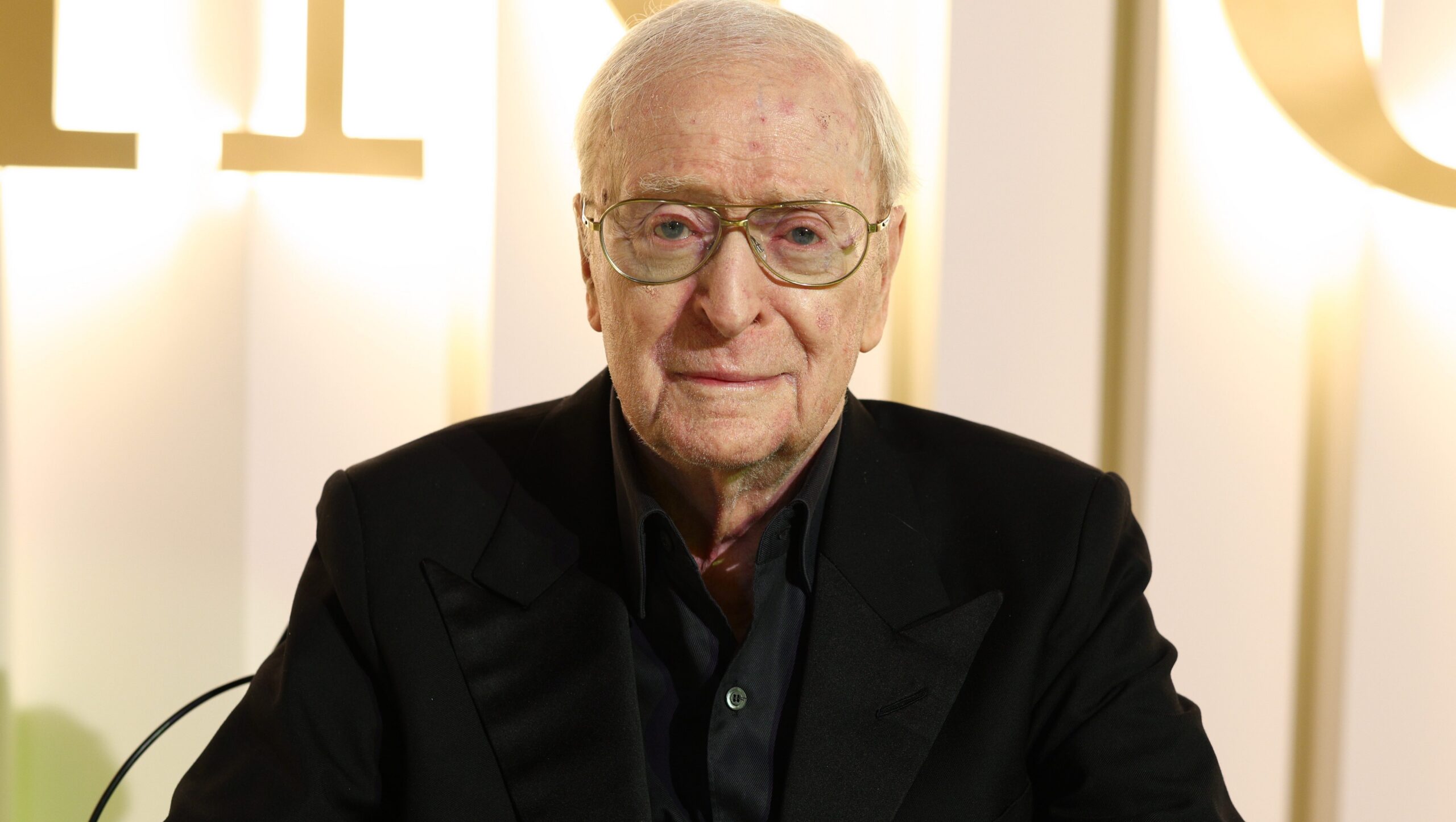
    In June 2026, AI audio company ElevenLabs released a full-length audiobook of Homer’s The Odyssey narrated entirely by an officially licensed artificial intelligence clone of retired British actor Michael Caine. The project marks a watershed moment in digital legacy management, merging one of cinema’s most recognizable voices with ancient literature through advanced neural voice synthesis. The release was not a leak or a deepfake, but a sanctioned commercial venture engineered by one of the leading firms in generative audio.

    The announcement immediately fractured public opinion. The technology demonstrated flawless execution, capturing the signature cadence, breath control, and subtle Cockney-inflected gravitas that defined Caine’s decades-long film career. Yet, the pristine nature of the output triggered profound anxieties about technological authenticity.

    The industry is now forced to confront a reality that has been looming for years. An actor can retire. An actor can age out of the grueling demands of a soundbooth. But an actor’s voice, once digitized and licensed, can work in perpetuity. What looks like a modern technological novelty actually represents a fundamental shift in how human legacy will be managed, commodified, and preserved.

    The Architecture of a Digital Voice

    Creating a digital clone of a globally recognized voice requires more than simply feeding audio clips into an algorithm. The ElevenLabs architecture relies on deep neural networks that map the microscopic variables of human speech. The system does not just mimic the sound of Michael Caine; it predicts how Michael Caine would approach a specific sentence.

    Engineers analyze thousands of hours of source material. They isolate the timbre, the natural vocal fry, the pacing, and the unique phonetic pronunciations. Caine’s voice is distinct. It carries a specific rhythm, a measured, deliberate pacing that forces the listener to lean in. The AI model must replicate the pauses. It must replicate the intake of breath before a complex stanza.

    When the ElevenLabs software processes the text of The Odyssey, it applies these learned vocal parameters to the written word. The result is a synthetic performance. The software decides where to place emotional emphasis based on the context of the sentence, utilizing a vast database of human emotional inflection. The output is a flawless, continuous audio stream that sounds indistinguishable from a human sitting in a London recording studio.

    Why Homer’s Epic?

    The choice of material is highly deliberate. The Odyssey is foundational to Western literature. It is an epic poem concerning a long, arduous journey home. Having a voice associated with elder-statesman wisdom narrate the trials of Odysseus provides a built-in thematic resonance.

    There is also a profound historical irony at play. Homer’s epics began as oral traditions. They were not written down for centuries; they were memorized and spoken aloud by bards. The story survived through the human voice. Now, thousands of years later, the same story is being carried forward by a voice that is entirely artificial, devoid of human breath or biological memory.

    This juxtaposition highlights the technological leap. A computer program is now participating in the oldest form of human storytelling. It is translating ancient Greek mythology into English, delivered through the synthesized vocal cords of a British cinema icon.

    The Crisis of Authenticity

    The release of the Caine-voiced audiobook taps directly into modern anxieties about authenticity. The public is increasingly concerned about the future of celebrity legacies and the erosion of human artistry. When a machine can replicate a master’s performance, the definition of a “performance” becomes unstable.

    Critics argue that acting, even voice acting, is fundamentally a series of human choices. An actor reads a line and makes a conscious decision about anger, sorrow, or exhaustion. An AI algorithm makes a statistical calculation based on probability. It determines that a specific word is usually followed by a specific inflection in 98 percent of similar contexts.

    “The machine does not feel the weight of the words. It only calculates the acoustic properties of the syllables.”

    This statistical mimicry creates a philosophical divide. For the listener, the end product may sound identical to a genuine human performance. The ear cannot detect the mathematical origin of the sound. But for cultural critics and labor advocates, the absence of human intent strips the art of its soul. The anxiety stems from the realization that perfection can be manufactured without lived experience.

    The Business of Disembodied Stardom

    Beyond the philosophical debates, the ElevenLabs project represents a massive shift in entertainment economics. The licensing of digital likeness and voice rights has become a primary revenue stream for legacy talent in 2026.

    Passive Creative Income

    For decades, an actor’s earning potential was tied directly to their physical presence. They had to travel to a set, sit in a makeup chair, or stand in a soundproof booth. When the physical ability to work diminished, the income slowed. AI voice cloning severs the tie between physical labor and creative output.

    By licensing his voice to ElevenLabs, Caine’s estate and management create a scalable, passive revenue model. The AI can read audiobooks, narrate documentaries, voice navigation systems, or participate in animated films simultaneously. The digital clone does not require union-mandated breaks. It does not demand a trailer. It does not suffer from vocal fatigue.

    The Legal Guardrails of 2026

    The legal framework surrounding artificial intelligence in entertainment has hardened significantly following the labor strikes of the early 2020s. The current landscape requires explicit, ironclad contracts regarding Name, Image, Likeness, and Voice (NILV).

    The ElevenLabs contract for The Odyssey is a sanctioned agreement. It prevents the company from using the voice model for unapproved content. The AI cannot be used to generate political endorsements, hate speech, or unauthorized commercial advertisements. The technology is fenced in by copyright law and strict licensing parameters. However, the existence of this sanctioned model paves the way for estates to continue monetizing deceased actors long after they are gone, raising ethical questions about posthumous agency.

    The Ripple Effect on the Audiobook Industry

    The traditional audiobook industry is watching the ElevenLabs project with acute concern. Voice acting is a specialized profession. Thousands of working-class actors rely on audiobook narration to pay their rent and maintain their union health insurance.

    If major publishers can license the AI clones of A-list celebrities for a fraction of the cost and time it takes to record a human, the middle class of voice actors faces an existential threat. A standard 15-hour audiobook requires weeks of recording, editing, and mastering when performed by a human. An AI model can generate the entire 15-hour file in a matter of minutes, requiring only a post-production audio engineer to review the output for statistical anomalies.

    The market will soon dictate the standard. If consumers prove willing to pay a premium for an AI-generated celebrity voice over a human working-class actor, publishers will follow the profit margin. The Caine project is the proof of concept. It proves that the technology works at scale, and it proves that the public is curious enough to listen.

    The Future of the Digital Echo

    The technology will not regress. The algorithms will only become more sophisticated, the emotional mapping more precise, and the synthetic breath more convincing. The Michael Caine narration of The Odyssey will be remembered as the moment the dam finally broke.

    We are entering an era where the greatest voices of the 20th and 21st centuries will never truly go silent. They will be archived, mapped, and redeployed for future generations. They will read new novels. They will star in new games. They will speak words written decades after their physical bodies have faded.

    The studio is empty. The microphone is unplugged. The script is digital. The voice speaks.

  • The Maker Speaks: George Lucas Joins the Cast of ‘Minions & Monsters’

    The Maker Speaks: George Lucas Joins the Cast of ‘Minions & Monsters’

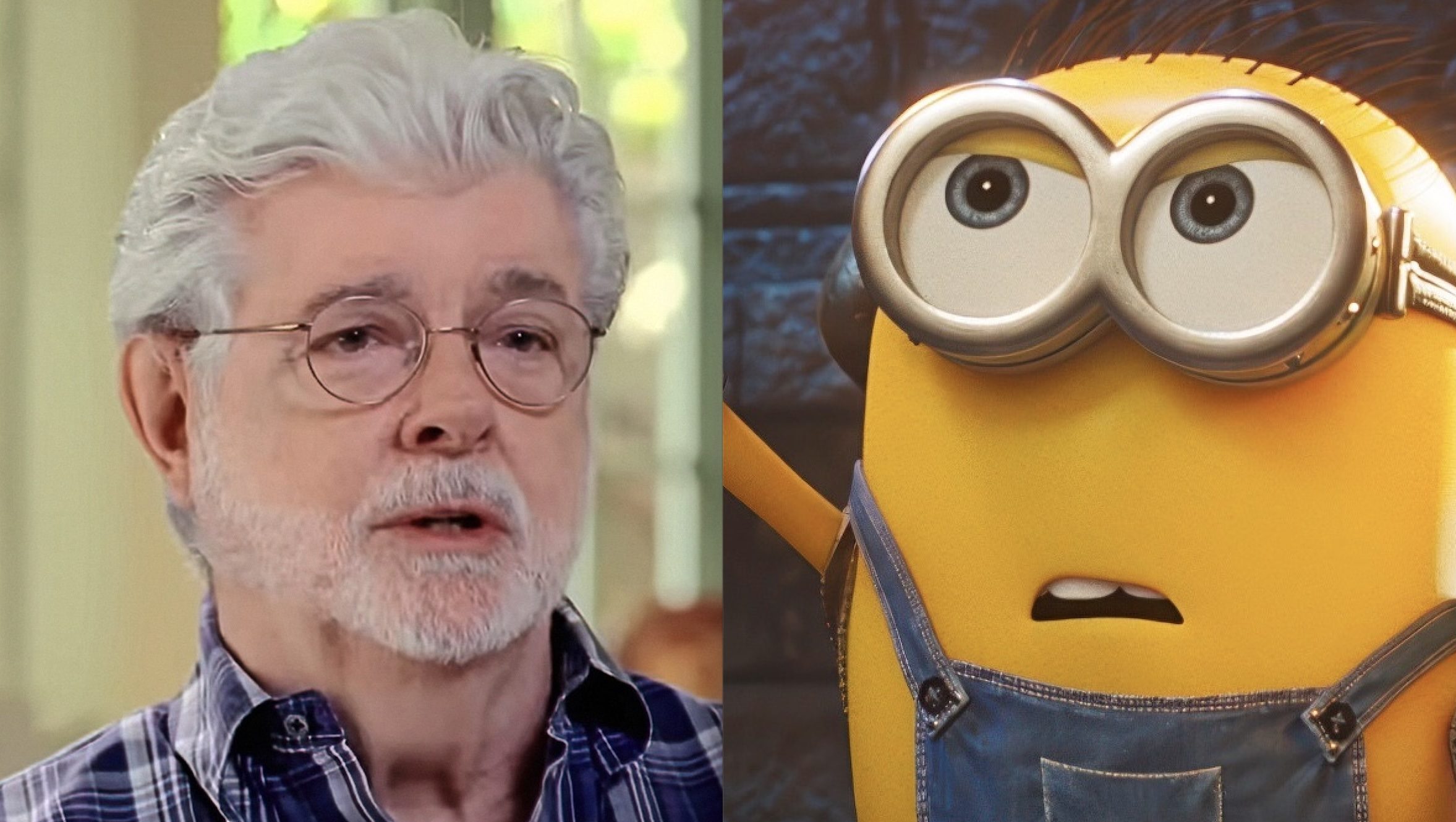
    George Lucas is returning to Hollywood in an unexpected capacity. The 82-year-old creator of Star Wars and Indiana Jones has signed on to provide voice work for the upcoming animated feature Minions & Monsters. Deadline confirmed the casting on June 21, 2026. The announcement marks Lucas’s first official billed role in a major studio project since he sold his empire to The Walt Disney Company in 2012. For a filmmaker who spent his career building cinematic universes from behind the camera, the decision to step into the vocal booth represents a fascinating late-career pivot.

    The implicit question surrounding this news is simple. Why now? Lucas has spent fourteen years entirely divorced from the machinery of the modern blockbuster. He has watched his creations evolve under the stewardship of Bob Iger and Kathleen Kennedy. He has directed his vast fortune toward philanthropy and fine art. Yet, the appeal of a lighthearted, low-stakes animated role has drawn him back into the fold.

    What looks like a simple casting announcement actually reflects a broader trend in 2026 Hollywood. Legacy filmmakers are finding new ways to interact with pop culture. They are bypassing the grueling schedules of live-action production. They are choosing projects that offer maximum cultural resonance with minimal physical strain. Minions & Monsters is the latest beneficiary of this shift.

    A Rare Return to the Studio System

    The timeline of George Lucas’s departure from Hollywood is well-documented. On October 30, 2012, Lucas sold Lucasfilm to Disney for $4.05 billion. The deal included the rights to Star Wars, Indiana Jones, and the revolutionary technology companies Industrial Light & Magic and Skywalker Sound. Lucas stepped away. He handed over his treatments for a sequel trilogy. He retreated to his home in Marin County, California.

    Since that sale, Lucas has maintained a strict distance from the day-to-day operations of the film industry. He has visited the sets of projects like The Mandalorian to offer advice to Jon Favreau and Dave Filoni. He has attended premieres. He has occasionally offered brief, diplomatic reviews of new Star Wars installments. But he has not worked for a major studio. He has not taken a paycheck to perform a service for a Hollywood conglomerate.

    This makes his involvement in Minions & Monsters highly unusual. Universal Pictures and Illumination Entertainment, the studios behind the project, have managed to secure a name that carries immense historical weight. Illumination CEO Chris Meledandri has built a billion-dollar empire on the backs of the Despicable Me franchise and the Minions. Bringing Lucas into that ecosystem bridges the gap between classic cinematic history and modern, hyper-kinetic animation.

    The Scope of Minions & Monsters

    The animation landscape in 2026 is dominated by established intellectual property. Minions & Monsters represents a continuation of Illumination’s core strategy. The studio excels at pairing its globally recognized yellow mascots with new, high-concept scenarios. While plot details remain heavily guarded, the title suggests a classic monster-movie homage filtered through the slapstick lens of the Minions universe.

    Casting Lucas in this specific environment is a masterstroke of four-quadrant marketing. The primary audience for a Minions film is Gen Alpha and younger Gen Z viewers. These demographics engage with the physical comedy and bright visuals. The secondary audience consists of the parents and grandparents buying the tickets. The name George Lucas on a marquee or a poster instantly commands the attention of Gen X and Baby Boomer audiences.

    The specific character Lucas will voice remains undisclosed. Industry analysts speculate he will portray an elder statesman, a mad scientist, or a creator figure within the monster universe. Illumination has a history of tailoring animated avatars to match the real-world personas of their celebrity voice actors. Whatever the role, the studio will likely lean into Lucas’s legacy as a world-builder.

    The Maker on the Mic: A Brief History

    This is not the first time George Lucas has recorded lines for a film. However, his previous vocal performances have been strictly relegated to the realm of Easter eggs. In 2005, Lucas made a brief on-screen cameo in Star Wars: Episode III – Revenge of the Sith. He played Baron Papanoida, a blue-skinned Pantoran dignitary standing outside the Coruscant opera house.

    Five years later, in 2010, the character of Baron Papanoida was expanded in the Star Wars: The Clone Wars animated television series. Lucas briefly provided the voice for the character in the episode “Sphere of Influence.” His performance was heavily modulated, blending into the dense audio mix of the series. He also provided uncredited breathing sounds for General Grievous in Revenge of the Sith.

    Minions & Monsters is different. This is not a hidden cameo in his own universe. This is a contracted, billed performance in a competing studio’s flagship franchise. It requires a different level of public engagement and promotional visibility.

    The $4 Billion Sabbatical

    To understand the weight of this return, one must look at what Lucas has been doing since 2012. He has not been idle. In 2013, he married Mellody Hobson, the co-CEO of Ariel Investments and former chairwoman of DreamWorks Animation. The couple welcomed a daughter later that year. Lucas shifted his focus from running a production company to managing a massive philanthropic portfolio.

    His primary endeavor has been the Lucas Museum of Narrative Art. Funded entirely by a $1 billion endowment from Lucas himself, the museum represents his ultimate legacy project. After facing zoning and political hurdles in San Francisco and Chicago, the museum finally broke ground in Los Angeles’s Exposition Park. The futuristic, Ma Yansong-designed building is dedicated to the history of visual storytelling.

    The museum’s collection houses everything from Norman Rockwell paintings to original cinematic props. It is a serious, academic institution designed to elevate narrative art to the level of fine art. The contrast between this monumental, billion-dollar cultural institution and a voice role in Minions & Monsters is stark. It suggests a man who, having secured his serious legacy, is finally allowing himself to simply have fun.

    The Philosophy of Sound

    Lucas’s pivot to voice acting is less surprising when viewed through the lens of his filmmaking philosophy. Lucas famously stated that sound is fifty percent of the moviegoing experience. He revolutionized cinematic audio in the 1970s. He hired sound designer Ben Burtt to create the organic, lived-in soundscape of the original Star Wars. He founded Skywalker Sound. He pushed the industry standard forward with the creation of the THX certification system.

    For Lucas, the audio booth is just as important as the camera lens. He spent thousands of hours in mixing rooms at Skywalker Ranch in Marin County. He understands the technical requirements of ADR (Automated Dialogue Replacement). He knows how a single vocal inflection can change the emotional trajectory of a scene.

    By stepping into the booth for Minions & Monsters, Lucas is returning to an environment where he has always felt comfortable. He does not have to worry about lighting, blocking, or weather conditions. He only has to focus on the pure delivery of narrative through sound. It is a distillation of the filmmaking process down to its most fundamental auditory elements.

    The Tradition of the Auteur Voice

    Lucas is joining a long and eccentric tradition of legendary directors taking unexpected voice acting roles. The history of animation is dotted with these bizarre, delightful crossovers. Filmmakers who spend their lives dictating the actions of others often find a strange liberation in simply reading lines for someone else.

    In 1986, Orson Welles provided the voice of the planet-eating robot Unicron in The Transformers: The Movie. It was his final film role. In 2004, Martin Scorsese voiced the hyper-active pufferfish Sykes in DreamWorks Animation’s Shark Tale. Werner Herzog, the uncompromising German auteur, has lent his distinctive, chilling cadence to episodes of Rick and Morty and The Simpsons. David Lynch voiced a recurring character on The Cleveland Show.

    Directors make excellent voice actors. They understand the mechanics of a scene. They know what the editor needs. They understand timing, rhythm, and pacing. When Universal Pictures puts George Lucas in a recording booth, they are not just getting a famous name. They are getting a master of cinematic rhythm who knows exactly how to deliver a line to make it cut together perfectly in post-production.

    The Mechanics of Modern Animation Casting

    The practical realities of voice acting in 2026 make it the ideal medium for an 82-year-old billionaire. Live-action filmmaking is a grueling physical endurance test. It requires fourteen-hour days. It demands early morning makeup calls. It involves standing in the harsh desert sun of Tunisia or the freezing snow of Norway. Lucas left that world behind for a reason.

    Voice acting requires none of that. A modern animated performance can be recorded almost anywhere. Universal Pictures can send a high-end recording rig directly to Skywalker Ranch. Lucas can record his lines in a climate-controlled studio over the course of a few afternoons. If the director needs a different read, Lucas can hop on a secure video call and record a pickup line in ten minutes.

    This ease of production is why animation continues to attract high-profile talent who would otherwise decline live-action roles. It offers the cultural impact of a major theatrical release with the time commitment of a minor hobby. For Lucas, it is the perfect balance. He gets to participate in the magic of moviemaking without the crushing responsibility of being the Maker.

    The Nostalgia Economy in 2026

    The Deadline announcement of Lucas joining Minions & Monsters immediately triggered a wave of online discourse. This reaction is the currency of the modern nostalgia economy. Studios know that casting a legacy figure generates free marketing. The news cycle sustains itself on the sheer novelty of the pairing.

    In 2026, the entertainment industry relies heavily on these cross-generational touchstones. The original Star Wars generation is aging. The prequel generation is now in their thirties and forties. To these audiences, George Lucas is more than a director. He is a mythological figure. He is the architect of their childhood imaginations.

    Hearing his voice in a new context provides a sudden, unexpected jolt of recognition. It bridges the gap between the monumental epics of the twentieth century and the fast-paced digital entertainment of the twenty-first. Minions & Monsters will benefit from this collision of eras. The film gains an immediate layer of prestige, simply by association.

    Ultimately, this casting news serves as a reminder of Lucas’s enduring presence in the cultural consciousness. He does not need to direct another film to remain relevant. He does not need to write another script. His legacy is entirely secure, housed in the archives of Lucasfilm and the halls of his Los Angeles museum. This new venture is not about building an empire. It is about enjoying the medium he helped revolutionize.

    The industry shifts. The technology evolves. The audiences change. The cameras stop rolling. The scripts are archived. The museum doors open. The Maker speaks.

  • The Four-Year Silence, Why Elisha Cuthbert Walked Away Before ‘Every Year After’

    The Four-Year Silence, Why Elisha Cuthbert Walked Away Before ‘Every Year After’

    Elisha Cuthbert stepped away from Hollywood in 2022 because she reached a point of absolute professional exhaustion, telling representatives and producers that she simply “didn’t want to be on set.” For four years, the actress who defined early 2000s television on Fox’s 24 and found a second life in cult-classic comedy on ABC’s Happy Endings refused all incoming scripts. She retreated to her home in Canada to raise her children alongside her husband, former NHL star Dion Phaneuf. Now, in June 2026, Cuthbert is breaking her silence on the hiatus as she promotes her return to the screen in the upcoming film Every Year After.

    The entertainment industry rarely forgives absence. Hollywood operates on a principle of constant visibility. Actors who step away often find their seats filled by the time they decide to return. Cuthbert understood the risk. She took the break anyway.

    What looks like a sudden disappearance was actually decades in the making. The modern celebrity ecosystem demands relentless output. Cuthbert chose a different metric for success: the ability to say no.

    The 2022 Breaking Point

    By the time 2022 arrived, Elisha Cuthbert had been working in front of cameras for twenty-five years. She began as a child model in Montreal before landing a co-hosting gig on Popular Mechanics for Kids in 1997. She moved to Los Angeles at seventeen. She was cast as Kim Bauer on 24 alongside Kiefer Sutherland in 2001. From that moment, the machine never stopped.

    The tail end of her recent run was grueling. She spent four years shooting the Netflix multi-cam comedy The Ranch, which wrapped in 2020. She immediately rolled into pandemic-era productions. She shot the horror film The Cellar in Ireland. She filmed the crime thriller Bandit alongside Josh Duhamel and Mel Gibson in Georgia. Both films were released in 2022.

    Then, the engine cut out.

    “I didn’t want to be on set. I looked at the call sheets, I looked at the travel schedules, and I realized the joy was entirely gone. I was operating on muscle memory.”

    Burnout in Hollywood is rarely discussed with clinical honesty. The industry prefers narratives of gratitude. Actors are expected to express constant enthusiasm for the privilege of working. Cuthbert’s blunt admission shatters that expectation. She did not frame her departure as a “creative pivot” or a “search for new challenges.” She framed it as exhaustion.

    A film set is a factory. It requires fourteen-hour days. It demands early morning makeup calls, night shoots in freezing rain, and weeks spent in sterile hotel rooms away from family. For a twenty-year-old trying to build a name, the sacrifice feels necessary. For a forty-year-old mother with millions in the bank, the math changes.

    The Economics of Walking Away

    The ability to take a four-year hiatus is a luxury. Most working actors cannot afford to miss a pilot season. Cuthbert’s situation was fundamentally different, insulated by two massive financial moats.

    First, her own career residuals. 24 was a global phenomenon that sold into international syndication and streaming. Happy Endings, despite lasting only three seasons on ABC, became a streaming staple on Hulu, generating consistent residual income. The Ranch spanned 80 episodes on Netflix, a highly lucrative contract for a series regular.

    Second, her marital estate. In 2013, Cuthbert married Dion Phaneuf. Phaneuf was a premier NHL defenseman who served as the captain of the Toronto Maple Leafs. During his hockey career, Phaneuf signed multiple massive contracts, including a seven-year, $49 million extension in 2014. He officially retired from professional hockey in 2021.

    When Phaneuf retired, the couple faced a choice. They could continue living the split-city lifestyle, juggling Los Angeles casting calls with Canadian summers. Or they could consolidate their lives.

    They chose consolidation. The financial leverage allowed Cuthbert to look at incoming offers, guest spots on streaming dramas, leads in basic cable thrillers, supporting roles in studio comedies, and pass. She did not need the paycheck. She did not need the fame. The leverage of “no” is the most powerful currency in the entertainment business.

    A Life Built in Canada

    Los Angeles is a company town. Every conversation at every dinner party eventually turns to box office returns, agency packaging, and streaming data. To truly escape the industry, an actor must physically leave the blast radius of Hollywood.

    Cuthbert and Phaneuf established their primary base in Canada, splitting time between Toronto and their sprawling summer estate in Prince Edward Island. The PEI property, situated on the waterfront, became a sanctuary. It is a place where paparazzi do not exist. It is a place where industry status holds no weight.

    During the 2022 to 2026 window, Cuthbert lived the life of a private citizen. She raised her two children. She managed the logistics of a post-NHL family life. She allowed her nervous system to reset after a quarter-century of hitting marks and learning dialogue.

    This geographical distance provided psychological distance. When an actor lives in Los Angeles, a hiatus feels like a failure. When an actor lives in Prince Edward Island, a hiatus feels like a vacation.

    The Legacy of the Early 2000s “It Girl”

    To understand the weight of Cuthbert’s burnout, one must look at the specific era in which she became famous. The early 2000s were a notoriously toxic time for young actresses. The tabloid culture was vicious. The male gaze in cinema was absolute.

    Cuthbert was thrust into the center of this maelstrom. After the breakout success of 24, she was cast in The Girl Next Door (2004) and House of Wax (2005). She was a fixture on the covers of Maxim and FHM. The media treated her less as an artist and more as a commodity. The pressure to maintain a specific physical standard was immense.

    The Comedy Pivot

    Cuthbert survived the “It Girl” era by actively dismantling it. In 2011, she accepted the role of Alex Kerkovich on Happy Endings. The character was a revelation. Alex was messy, dim-witted, fiercely loyal, and aggressively uncool. Cuthbert threw herself into the physical comedy, eating ribs obsessively, wearing ridiculous costumes, and proving she had elite comedic timing.

    The pivot saved her career. It transitioned her from a pin-up to a respected comedic actress. But the effort required to make that pivot, to constantly prove her worth to executives who only remembered her from 2004 magazine covers, took a toll. By the time 2022 arrived, she had fought the battle for reinvention. She had won. And she was tired.

    The Catalyst for Return: Every Year After

    A hiatus only ends when a script demands it. For four years, the answer was an automatic no. In late 2025, the answer finally became yes.

    Every Year After broke the stalemate. The specifics of the 2026 project offered exactly what Cuthbert required to return to a set. It was not a grueling 24-episode network grind. It was not a physically punishing action thriller. It was a contained narrative that respected her time and utilized her specific dramatic and comedic skill sets.

    Furthermore, the industry itself had shifted during her absence. The 2023 WGA and SAG-AFTRA strikes fundamentally altered the landscape of Hollywood production. Sets in 2025 and 2026 operate under new guidelines. The era of the unchecked, abusive showrunner has largely ended. Production hours are more strictly monitored. The environment Cuthbert returned to was inherently healthier than the one she left.

    She also returned with a different mindset. She was no longer acting to build a career. She was acting because she found a piece of art she wanted to help create. The desperation was gone. The obligation was gone.

    She walked onto the set of Every Year After not as a Hollywood employee, but as an independent contractor who chose to be there.

    The Reality of the Modern Career Arc

    The traditional Hollywood narrative demands constant escalation. An actor must move from television to film, from supporting to lead, from actor to producer, until they either win an Oscar or fade into obscurity. Elisha Cuthbert rejected the premise.

    She proved that an actor can simply stop. She proved that a career does not have to be a straight line. It can have gaps. It can have silence. It can be paused for four years while a person lives a quiet life on the Canadian coast.

    The industry demands everything. The smartest players know when to stop giving.

    Scripts arrived. Agents called. Offers expired. The industry moved forward.

    Cuthbert stayed home.

  • The Price of a Sith Lord: Why Darth Maul’s Voice Actor Questioned George Lucas Over Pay

    The Price of a Sith Lord: Why Darth Maul’s Voice Actor Questioned George Lucas Over Pay

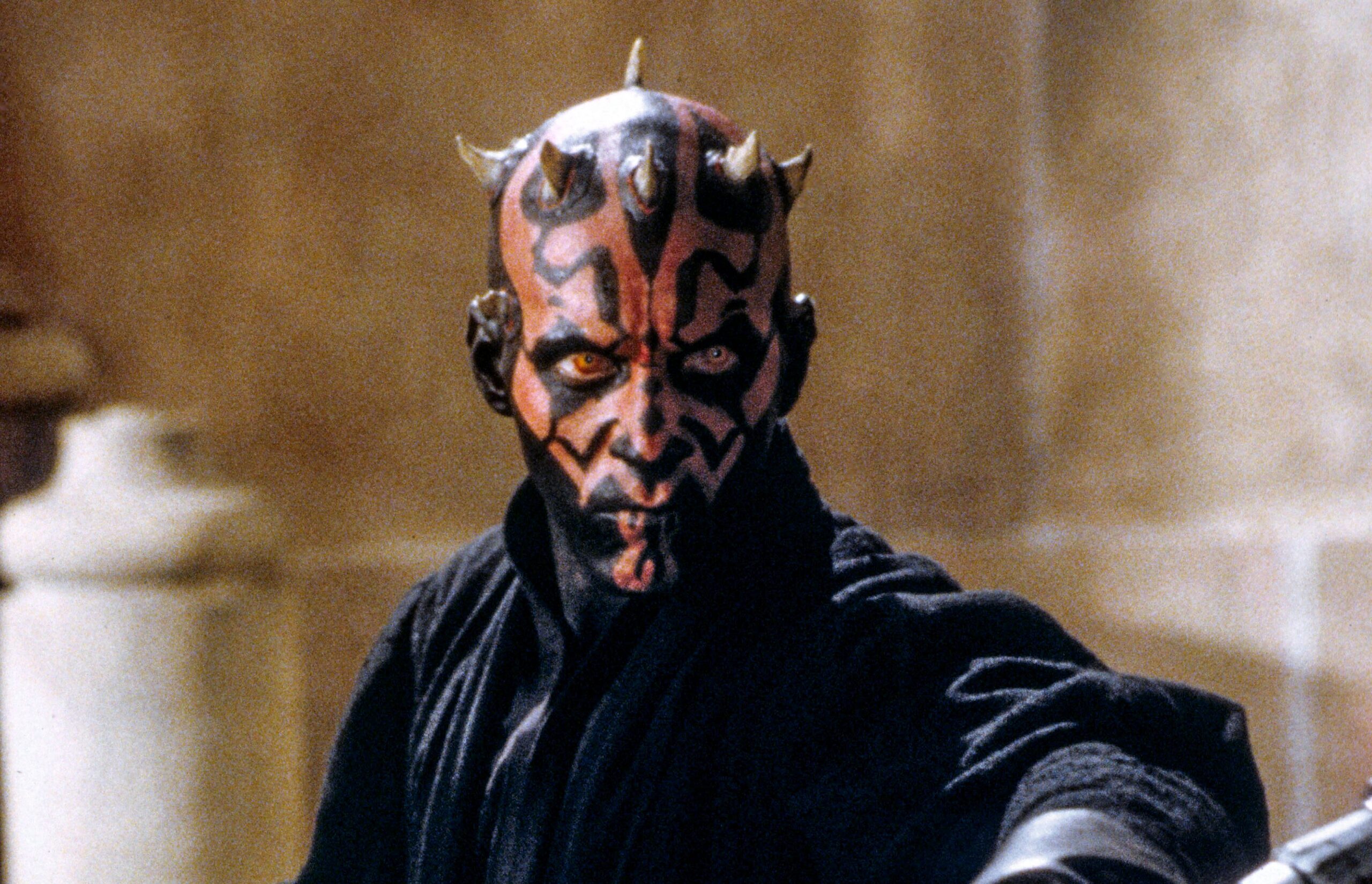
    When Peter Serafinowicz entered the recording booth to give voice to Darth Maul in the 1999 blockbuster Star Wars: Episode I – The Phantom Menace, the expectation was clear. He was told, directly, that he was the “new James Earl Jones.” The comparison was monumental. It promised a legacy. It suggested a permanent place in the pantheon of cinematic villains. But the reality of the compensation offered by George Lucas and Lucasfilm told a starkly different story. Serafinowicz’s subsequent reaction, “Then why are you paying me such shit money, George Lucas?”, captures a fundamental tension at the heart of franchise filmmaking. The cultural value of a character rarely matches the initial financial investment in the actor who creates it.

    The gap between the promise of a role and the reality of the paycheck is a recurring theme in Hollywood. It is particularly acute in the realm of voice acting and physical performance splits. The Darth Maul situation is a textbook example. It reveals the mechanics of how value is assigned, and withheld, in the creation of global intellectual property.

    The Anatomy of a Sith Lord

    Darth Maul was engineered to be an icon. The visual design, featuring red and black facial tattoos and a crown of horns, was instantly arresting. The physical performance, executed by martial artist Ray Park, brought a kinetic energy previously unseen in Star Wars lightsaber duels. But the character needed a voice. It needed a vocal presence that could carry the weight of the dark side.

    Peter Serafinowicz, a British actor and comedian, was brought in to provide that voice. The task was specific. He needed to deliver a few lines, but those lines had to resonate. They had to establish Maul not just as a physical threat, but as a menacing intelligence.

    The recording process was brief. The lines were few. But the context provided to Serafinowicz was immense. Being compared to James Earl Jones, the voice of Darth Vader, arguably the most famous cinematic villain of the 20th century, set an expectation of value. It framed the contribution not as a minor voice-over gig, but as a foundational element of the new Star Wars trilogy.

    The Reality of the Paycheck

    The disconnect occurred when the compensation was finalized. While specific dollar amounts have not been publicly detailed in this recent revelation, Serafinowicz’s blunt assessment makes the scale clear. The pay was, in his words, “shit money.”

    This discrepancy is not unique to Serafinowicz or to Lucasfilm. It is a structural feature of how studios manage risk and control costs, particularly with actors who are not yet established box office draws. The studio holds the leverage. The intellectual property, the Star Wars brand, is the primary draw. The actors, especially in roles where the face is hidden or the performance is split, are often treated as replaceable components.

    George Lucas built an empire by maintaining tight control over the Star Wars property. This included aggressive management of production budgets and merchandising rights. The strategy was highly effective for Lucasfilm, maximizing profitability. But it often left the individual contributors feeling undervalued, especially when the characters they helped create generated billions in revenue.

    The Franchise Machine and the Value of Voice

    The Serafinowicz revelation highlights a specific vulnerability for voice actors. Their contribution is essential, yet it is often invisible. When a character becomes a global phenomenon, the financial rewards flow to the studio, the producers, and the merchandising partners. The voice actor, typically paid a flat fee or scale, rarely sees a proportional share of the ongoing profits.

    Darth Maul is a prime example of this dynamic. The character was ostensibly killed off at the end of The Phantom Menace. Yet, the striking visual design and the menacing presence ensured Maul’s survival in the broader Star Wars ecosystem. Maul returned in animated series like The Clone Wars and Rebels, in comic books, in video games, and eventually in a live-action cameo in Solo: A Star Wars Story.

    • Merchandising Power: Darth Maul action figures, lightsabers, and apparel have generated massive revenue since 1999.
    • Expanded Universe: The character’s lore was expanded significantly in novels and comics, driving further sales.
    • Animated Revival: The return of Maul in The Clone Wars (voiced by Sam Witwer) solidified the character’s enduring popularity.

    The initial investment in the character, including the payments to Park and Serafinowicz, was a fraction of the value Maul eventually generated. This is the business model of franchise filmmaking. It relies on acquiring talent at a low cost before the value of the specific character is proven in the marketplace.

    The James Earl Jones Precedent

    The comparison to James Earl Jones is particularly telling. Jones famously requested to be left uncredited for his work as Darth Vader in the original 1977 Star Wars film. He viewed his contribution as merely “special effects” and was paid a relatively small sum, reportedly $7,000, for his time.

    It was only later, as Darth Vader became a cultural monolith, that Jones’s contribution was fully recognized and compensated. The promise made to Serafinowicz, that he was the “new James Earl Jones”, carried the implicit suggestion of that massive cultural weight. But it did not carry the financial weight that Jones eventually commanded.

    The studio system often uses the promise of exposure and the prestige of a franchise as a substitute for upfront compensation. The opportunity to be part of Star Wars is presented as a reward in itself. For many actors, this is a compelling argument. But when the dust settles, and the merchandise sales are tallied, the initial flat fee can feel profoundly inadequate.

    The Evolution of Actor Leverage

    The landscape of actor compensation in franchise films has shifted since 1999. The rise of the Marvel Cinematic Universe and the continued expansion of Star Wars under Disney have formalized the process of locking actors into multi-picture deals. These deals often include escalating pay scales and, for top-tier stars, backend participation.

    However, the dynamic remains challenging for actors in secondary roles, voice-over positions, or physical performance suits. The leverage still heavily favors the studio. The intellectual property is the star. The actor is the vessel.

    The recent strikes by the Screen Actors Guild (SAG-AFTRA) highlighted these ongoing tensions. The core issues included residual payments for streaming and the protection of actors’ likenesses and voices from artificial intelligence. The underlying theme is the same: the struggle for fair compensation in an industry where the value of a performance can be endlessly replicated and monetized by the studio.

    Serafinowicz’s story is a historical footnote, but it is a resonant one. It strips away the mythology of the filmmaking process and exposes the raw economics of the franchise machine. It is a reminder that behind every iconic character, there is a negotiation. And in those negotiations, the house usually wins.

    “Then why are you paying me such shit money, George Lucas?”

    The question is rhetorical, but the answer is embedded in the business model of Hollywood. The pay was low because the studio had the power to set the price. The character was essential; the specific actor was deemed replaceable until proven otherwise. The legacy of Darth Maul is undeniable. The legacy of the compensation is a stark reminder of where the power truly lies in the creation of modern myths.

    The recording booth. The promise of legacy. The reality of the ledger. The franchise.

  • Cher and Bob Geldof in Talks for Animated Film ‘FlySquad – First Strike!’

    Cher and Bob Geldof in Talks for Animated Film ‘FlySquad – First Strike!’

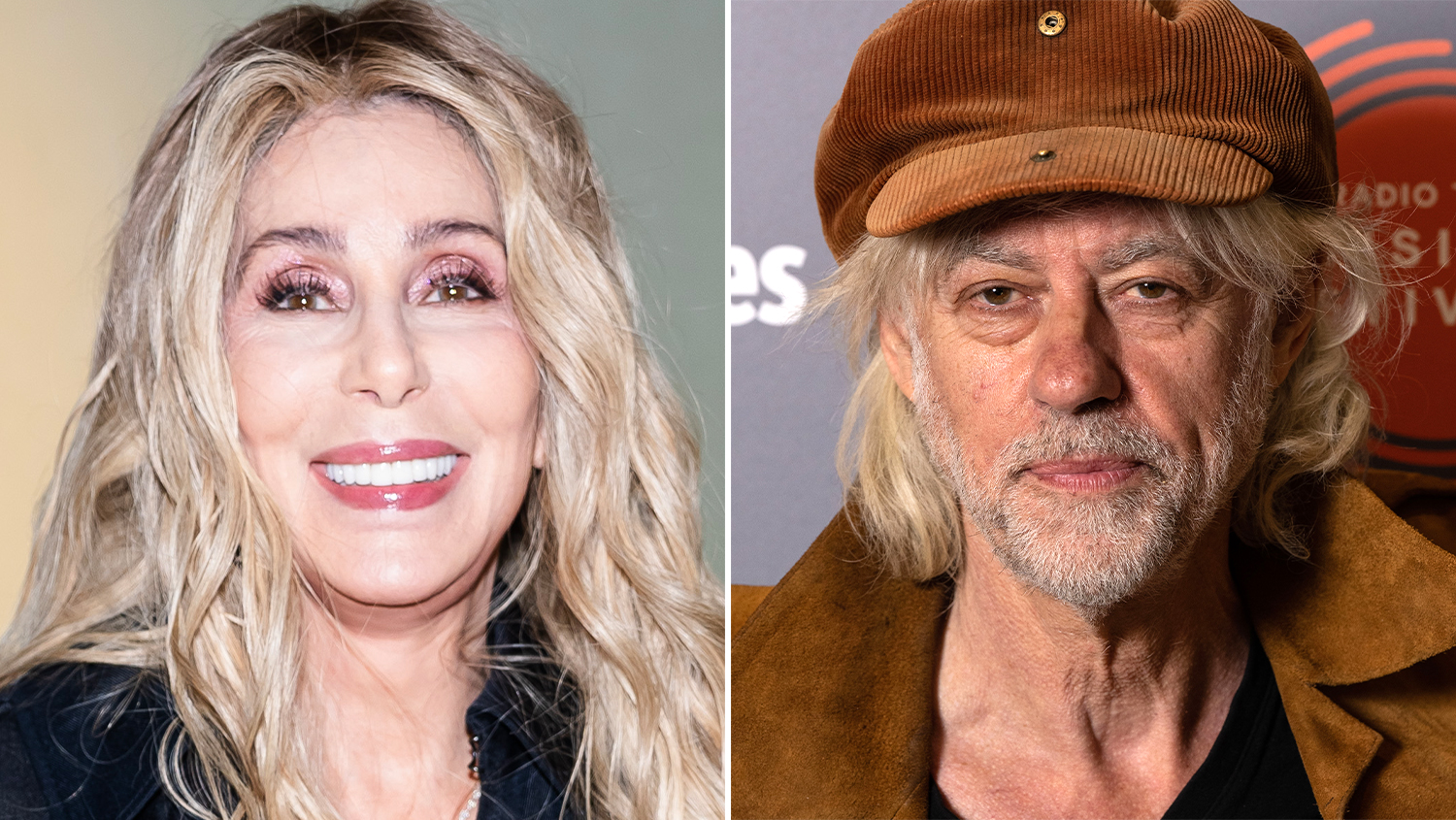
    Cher and Bob Geldof are currently in active negotiations to star in the upcoming animated feature film FlySquad – First Strike!. The development, first reported in June 2026, pairs the Goddess of Pop with the architect of Live Aid in a voice-acting capacity. If deals close, the project will unite two of the most recognizable vocal timbres in modern music history within a single animated universe.

    The announcement arrives without a designated release date or an attached animation studio. The plot remains classified. The character designs are locked in pre-production vaults. Yet, the mere attachment of these two names signals a specific type of Hollywood packaging. Studios do not pursue Cher and Bob Geldof for background texture. They pursue them for marquee gravity.

    What looks like a sudden casting quirk actually reflects a calculated shift in how the animation industry leverages legacy talent. The modern animated feature relies heavily on multi-generational appeal. Parents buy the tickets; children consume the merchandise. Casting figures who dominated the cultural conversation in the 1980s and 1990s secures the parental demographic immediately.

    The Economics of the Recognizable Voice

    Animation casting changed permanently in 1992. When Robin Williams voiced the Genie in Disney’s Aladdin, the industry realized that an A-list celebrity could drive box office returns just as effectively from a recording booth as they could on a live-action set. Aladdin grossed $504 million worldwide. The precedent was set.

    Today, the economics are even more refined. Voice acting requires a fraction of the time commitment of a live-action shoot. There are no 4:00 AM makeup calls. There are no grueling location shoots in adverse weather. Actors can record their lines in isolated studios in Los Angeles, London, or even from their own homes via high-fidelity ISDN lines.

    For legacy musicians, this presents an ideal scenario. They retain their artistic output without the physical toll of a global concert tour or a demanding film set. The compensation structure for high-profile voice work often includes significant backend participation. If FlySquad – First Strike! launches a franchise, the financial upside for its vocal stars is substantial.

    Cher and Geldof possess something studios cannot synthesize: vocal distinctiveness. Cher’s deep, resonant contralto has been a fixture on global radio since 1965. Geldof’s gritty, urgent Irish rasp defined the punk and new wave eras. In animation, where visual cues must be matched by immediate auditory recognition, these distinct sonic signatures are highly commodified assets.

    Cher’s Enduring Hollywood Footprint

    Cher does not need to act. Her status as a mononymous cultural pillar was cemented decades ago. Yet, her selective filmography reveals a highly strategic approach to Hollywood.

    She pivoted from television variety shows to serious cinema in the early 1980s. Her performance in Mike Nichols’ Silkwood (1983) earned her an Academy Award nomination for Best Supporting Actress. Four years later, on April 11, 1988, she won the Academy Award for Best Actress for her role as Loretta Castorini in Norman Jewison’s Moonstruck. That film grossed over $80 million against a $15 million budget.

    In the decades since, her screen appearances have been carefully curated events. She starred alongside Christina Aguilera in Burlesque (2010), a film that grossed $90 million globally and generated a highly successful soundtrack. In 2018, she appeared in Mamma Mia! Here We Go Again, stealing the third act and subsequently releasing an album of ABBA covers that charted worldwide.

    Voice acting is not entirely new territory for her. She provided the voice of Janet the Lioness in the 2011 comedy Zookeeper. However, a top-billed role in an action-oriented animated feature like FlySquad – First Strike! represents a different tier of engagement. It suggests a character built specifically around her persona. Cher brings an inherent theatricality to a recording booth. The animators will likely tailor her character’s micro-expressions to match her real-world cadence.

    The Geldof Equation: A Rare Cinematic Return

    Bob Geldof’s relationship with cinema is far more adversarial. The former frontman of the Boomtown Rats is globally recognized for his philanthropy, most notably organizing the Live Aid concerts on July 13, 1985, which raised an estimated $127 million for famine relief in Ethiopia.

    His acting resume is brief but legendary. In 1982, Geldof starred as Pink in Alan Parker’s film adaptation of Pink Floyd – The Wall. The performance was visceral, demanding, and largely dialogue-free, relying instead on Geldof’s intense physical presence and emotional volatility. The film became a cult classic, grossing $22 million in the United States and cementing Geldof’s image as a brooding, serious artist.

    Since The Wall, Geldof has largely avoided acting. He has focused on his music, his business ventures, including the television production company Planet 24, which he co-founded in 1992, and his ongoing activist work. He was granted an honorary knighthood by Queen Elizabeth II in 1986.

    His potential involvement in FlySquad – First Strike! is the anomaly of this announcement. Why would a famously uncompromising activist and musician choose a mainstream animated feature as his return to acting? The answer likely lies in the script. Geldof has historically leveraged media to amplify a message. If the narrative of FlySquad contains a satirical edge, an environmental message, or a subversive take on modern society, it aligns with his historical sensibilities.

    The Mechanics of Modern Voice Production

    If the deals close, the production of FlySquad – First Strike! will follow the rigorous protocols of modern animation. The voices are recorded first. This is a critical distinction from live-action dubbing.

    Cher and Geldof will stand in isolated booths. A director will guide them through the script, often asking for dozens of variations of a single line. They will provide “efforts”, the grunts, sighs, and exhalations required when an animated character jumps, falls, or fights. This audio is then handed over to the animation department.

    Animators spend months matching the digital or hand-drawn lip movements to the recorded audio tracks. They study video footage of the actors in the recording booth, integrating the actors’ natural facial tics and hand gestures into the animated characters. This process, known as reference animation, ensures that the final product feels organic rather than robotic.

    What the Title Implies: The Franchise Strategy

    The title FlySquad – First Strike! carries the unmistakable cadence of an intellectual property launch. The inclusion of a subtitle, ”First Strike!”, indicates that the studio envisions a sequel before the first frame is even rendered.

    In the current theatrical landscape, original animated properties face immense pressure. They must compete against established behemoths from Pixar, Illumination, and DreamWorks. To mitigate risk, independent or emerging animation studios rely on stunt casting. A poster featuring the names “Cher” and “Bob Geldof” guarantees immediate press coverage across entertainment, music, and mainstream news verticals.

    The word “FlySquad” suggests an ensemble piece, likely in the action-comedy genre. It evokes imagery of an elite team, possibly anthropomorphic animals or futuristic pilots. The contrast between Cher’s polished, commanding delivery and Geldof’s raw, cynical tone provides a natural comedic friction. This is the buddy-cop dynamic translated into vocal frequencies.

    The Broader Industry Trend

    This casting news does not exist in a vacuum. It is part of a wider movement of legacy musicians finding new avenues for expression and revenue in the streaming era.

    • Snoop Dogg has built a massive secondary career in voice acting and commercial endorsements.
    • Pharrell Williams recently saw his life story adapted into a feature-length animated film using LEGO bricks.
    • Elton John leveraged his catalog and persona into the highly successful fantasy-musical biopic Rocketman (2019).

    For artists of this caliber, the traditional album-and-tour cycle is no longer the sole metric of success. Cultural omnipresence is the new goal. An animated feature places their voices in front of millions of children who have never heard “If I Could Turn Back Time” or “I Don’t Like Mondays.” It is an exercise in legacy preservation.

    The negotiations are ongoing. The ink is not yet dry. Hollywood is littered with announced projects that never escape development hell. But the alignment of these two specific icons for this specific medium indicates a serious intent. The studios understand the value of the asset. The artists understand the leverage they hold.

    The contracts are drafted. The recording booths are prepped. The legacy artists review the scripts. FlySquad.

  • Sean Penn to Direct January 6th Film – Bradley Cooper Eyed for Lead Role

    Sean Penn to Direct January 6th Film – Bradley Cooper Eyed for Lead Role

    Sean Penn is reportedly slated to direct a new feature film focusing on a Capitol Police officer’s experience during the January 6th, 2021, events at the U.S. Capitol. This project, backed by Warner Bros., has garnered attention with Bradley Cooper in discussions for the starring role, marking a significant cinematic exploration of a pivotal moment in recent American history.

    The film aims to provide a personal narrative from the perspective of an officer on duty during the breach of the Capitol Building. Such a focus suggests an intimate look at the human element amidst political turmoil.

    The Director: Sean Penn’s Cinematic History

    Sean Penn brings a formidable resume to the director’s chair. His career spans decades, marked by both critical acclaim and a willingness to tackle challenging subjects.

    Penn has directed several notable films. These include The Indian Runner (1991), a crime drama exploring the lives of two brothers.

    He also directed The Crossing Guard (1995), starring Jack Nicholson and David Morse, a story of grief and revenge.

    His work on Into the Wild (2007) received widespread critical praise. This biographical drama recounted the true story of Christopher McCandless.

    Penn’s directorial style often emphasizes character-driven narratives and intense emotional depth. This approach suggests the January 6th project will likely delve into the psychological toll and personal stakes for the characters involved.

    The Potential Star: Bradley Cooper’s Range

    Bradley Cooper’s potential involvement as the lead actor adds considerable weight to the production. Cooper is known for his versatility and ability to embody complex characters.

    His acting credits include critically acclaimed performances in films such as Silver Linings Playbook (2012), which earned him an Academy Award nomination.

    Cooper also starred in and directed A Star Is Born (2018), receiving multiple Oscar nominations for his work.

    His dramatic range has been demonstrated across various genres. From intense thrillers like American Sniper (2014) to comedic roles, Cooper has proven his capacity for transformative performances.

    The role of a Capitol Police officer on January 6th would demand a nuanced portrayal of duty, fear, and resilience. Cooper’s previous work indicates he possesses the necessary gravitas for such a role.

    The Setting: January 6th, 2021

    The events of January 6th, 2021, involved a large crowd gathering in Washington, D.C. Supporters of then-President Donald Trump marched to the U.S. Capitol Building.

    The crowd breached security barriers. They entered the Capitol, disrupting the certification of the 2020 presidential election results.

    The incident led to evacuations of lawmakers and staff. It resulted in multiple deaths and numerous injuries.

    Law enforcement agencies, including the Capitol Police, faced overwhelming numbers. Officers engaged in direct confrontations with rioters.

    The events were widely documented. Footage from news organizations, personal phones, and body cameras captured the day’s progression. This visual record provides extensive source material for a cinematic adaptation.

    “The events of January 6th represent a profound moment in American history, challenging the foundations of democratic transition and the role of law enforcement.” – Historical Analyst, Dr. Eleanor Vance, May 2024.

    The aftermath saw extensive investigations. The House Select Committee investigated the attack. Hundreds of individuals were arrested and charged.

    Warner Bros.’ Involvement: Studio Backing

    Warner Bros.’ decision to back this film signifies a major studio commitment to a politically charged topic. Major studios often weigh commercial viability against critical reception and cultural impact.

    Warner Bros. has a history of producing films that engage with contemporary issues. Their catalog includes dramas that explore social and political themes.

    The studio’s involvement provides significant resources for production, distribution, and marketing. This backing suggests a wide release and considerable promotional efforts.

    A project of this nature, with a high-profile director and potential star, aligns with Warner Bros.’ strategy of attracting both critical attention and broad audiences.

    The Narrative Focus: A Capitol Police Officer’s Story

    The decision to center the narrative on a Capitol Police officer offers a specific lens. It moves beyond broader political commentary to focus on individual experience.

    Capitol Police officers were on the front lines of the attack. They faced direct threats and violence.

    Their stories often involve complex emotional and physical challenges. These include split-second decisions and long-term psychological impacts.

    Such a narrative choice allows for an exploration of duty, sacrifice, and the personal cost of public service. It humanizes the event through individual perspective.

    Previous films have explored similar themes. Movies about law enforcement in crisis often resonate with audiences by highlighting courage and vulnerability.

    Timeliness and Cultural Impact

    The film’s production comes at a time when the events of January 6th remain a subject of active discussion and political analysis. Public discourse continues to grapple with its causes and consequences.

    Hollywood’s engagement with such recent and sensitive topics can influence public understanding. Films can shape perceptions and foster empathy.

    The project will likely face scrutiny from various political perspectives. Its portrayal of events and characters will be subject to intense public and media debate.

    Past films dealing with historical events have often sparked conversations. They sometimes contribute to a collective memory or re-evaluation of history.

    This film is poised to be a significant cultural artifact. It will reflect and potentially influence contemporary discussions about democracy, protest, and law enforcement in the United States.

    Production Timeline and Release

    Specific details regarding the production timeline are still emerging. However, the involvement of key figures suggests pre-production is underway.

    Casting discussions, particularly with an actor of Bradley Cooper’s caliber, indicate a significant stage in development.

    Filming locations would likely include Washington, D.C., or sets meticulously designed to replicate the U.S. Capitol. Authenticity will be a key consideration.

    Post-production, including editing and visual effects, will follow principal photography. The goal will be to create a compelling and accurate depiction.

    A release date has not been announced. However, major studio productions often aim for prime awards season consideration or significant box office windows.

    The Intersection of Art and Politics

    This film project highlights the ongoing relationship between cinematic art and political events. Filmmakers often use their medium to comment on, interpret, or document history as it unfolds.

    Sean Penn himself has a history of political activism and engagement. His previous work and public statements reflect a deep interest in social justice and current affairs.

    The decision to make this film suggests a belief in the power of cinema to explore complex societal issues. It also indicates a desire to contribute to the ongoing dialogue about January 6th.

    The film’s reception will reveal much about the current cultural climate. It will test how audiences and critics engage with artistic interpretations of recent, divisive events.

    This production stands as a testament to Hollywood’s continued role. It serves as a mirror, reflecting national conversations and sometimes shaping them.

    Future Implications for Historical Dramas

    The success and impact of this film could set a precedent. It might influence future decisions by studios to greenlight projects based on very recent history.

    Filmmakers often wait for historical distance before tackling sensitive events. This project suggests a growing willingness to engage more immediately.

    The challenges of historical accuracy and narrative balance will be paramount. These factors often determine the long-term legacy of such films.

    The film’s approach to portraying the various factions and perspectives involved in January 6th will be closely watched. It will be a critical element of its overall message and impact.

    This production represents a bold move. It signals a new phase in how major cinematic institutions address America’s ongoing political narrative.

    The Weight of Expectation

    The expectations for this film are considerable. Audiences will bring their own perspectives and experiences of January 6th.

    Critics will evaluate its artistic merit and historical fidelity. Political commentators will analyze its message and implications.

    The cast and crew face the challenge of crafting a story that resonates. It must do so without alienating significant portions of the audience.

    This project is more than just a movie. It is a cultural event, a commentary, and a historical document in the making.

    It will be watched. It will be discussed. It will be remembered. Warner Bros. will release. Sean Penn will direct. Bradley Cooper will act. The story will unfold.