Tag: Abuse

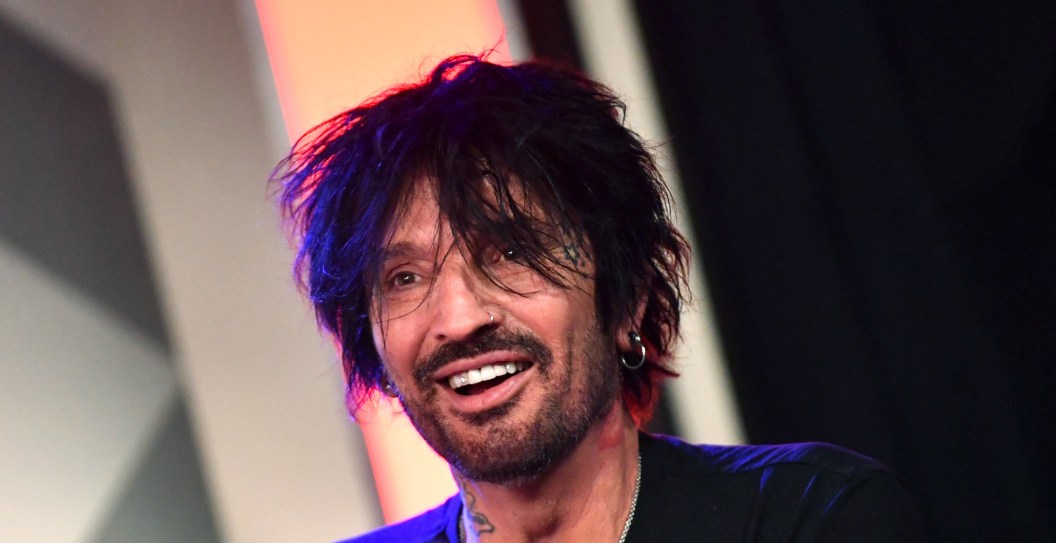
  • Tommy Lee on Motley Crue’s Addiction Struggles – A Legacy of Redemption and Survival

    Tommy Lee on Motley Crue’s Addiction Struggles – A Legacy of Redemption and Survival

    Tommy Lee, the renowned drummer for the influential rock band Motley Crue, has openly discussed the extensive addiction struggles that have characterized much of the band’s four-decade-long career. These candid reflections provide a deeper understanding of the challenges faced by Lee and his bandmates, focusing on themes of redemption and survival within the demanding music industry. His remarks highlight how deeply substance abuse was interwoven with the band’s identity and creative process, offering a perspective on their enduring legacy.

    Motley Crue formed in Los Angeles in January 1981. The original lineup included Tommy Lee on drums, Nikki Sixx on bass, Mick Mars on guitar, and Vince Neil on vocals. From their inception, the band cultivated an image synonymous with excess and hard-partying rock and roll. This lifestyle, while central to their public persona, also fueled significant personal battles with addiction among the members.

    The Early Years: A Culture of Excess

    The 1980s were a period of meteoric rise for Motley Crue. Albums like Shout at the Devil (1983), Theatre of Pain (1985), and Dr. Feelgood (1989) solidified their status as global rock superstars. Alongside their commercial success, stories of their offstage antics became legendary. These tales often involved heavy alcohol consumption, drug use, and a general disregard for conventional boundaries.

    Nikki Sixx, the band’s primary songwriter and bassist, famously battled heroin addiction. His struggles were particularly well-documented, including a near-fatal overdose in 1987 where he was pronounced clinically dead for several minutes before being revived by paramedics. This event, later recounted in detail, became a stark illustration of the band’s perilous lifestyle.

    Vince Neil, the band’s charismatic frontman, also faced significant issues with alcohol. In 1984, he was involved in a drunk driving accident that resulted in the death of his passenger, Nicholas “Razzle” Dingley, drummer for the band Hanoi Rocks. Neil served a short jail sentence and paid restitution, but the tragedy cast a long shadow over his life and the band’s reputation.

    Tommy Lee himself, while often known for his wild behavior, was not immune to the pervasive substance abuse. His autobiography and various interviews have touched upon his own struggles with alcohol and prescription drugs, particularly during the band’s peak touring years. The constant pressure, easy access, and lack of boundaries created an environment where addiction could thrive unchecked.

    “The Dirt”: A Raw Account of Rock and Roll Life

    The band’s collective experiences with addiction were extensively chronicled in their 2001 autobiography, The Dirt: Confessions of the World’s Most Notorious Rock Band. Written with Neil Strauss, the book offered an unfiltered and often shocking look into their lives. It detailed the depths of their substance abuse, their tumultuous relationships, and the internal conflicts that arose from their hedonistic lifestyle.

    The Dirt became a best-seller, resonating with fans and critics alike for its brutal honesty. It did not shy away from the darker aspects of their journey, including the consequences of their addictions. The book served as a testament to the band’s resilience, showcasing how they repeatedly confronted and, in some cases, overcame their personal demons. In 2019, the book was adapted into a successful Netflix film, bringing their story to an even wider audience and reigniting discussions about their legacy.

    Navigating Recovery and Relapse

    The path to sobriety was not linear for Motley Crue members. Like many individuals struggling with addiction, they experienced periods of recovery followed by relapses. The constant demands of touring, recording, and maintaining a public image often made sustained sobriety challenging. The band’s internal dynamics, marked by strong personalities and a history of conflict, further complicated individual recovery efforts.

    Nikki Sixx, in particular, became a vocal advocate for sobriety after achieving long-term recovery from heroin. He has spoken extensively about his journey, emphasizing the importance of therapy, support systems, and a commitment to a clean lifestyle. His transformation from a near-fatal addict to a clean and sober musician and author has inspired many.

    Tommy Lee’s own journey has involved various attempts at sobriety and periods of struggle. His recent openness about these challenges reflects a broader trend among public figures to address mental health and addiction with greater transparency. This shift in discourse helps destigmatize addiction, encouraging others to seek help.

    The Impact on Music and Performance

    The addiction struggles within Motley Crue inevitably influenced their music and live performances. While the energy and raw power of their early work often drew from their chaotic lifestyle, the later years saw periods where substance abuse affected their consistency and creative output. Fans and critics sometimes noted the impact on their stage presence and the quality of their new material.

    However, the band’s ability to endure despite these internal battles is also a part of their narrative. Their music often contained themes of rebellion, escapism, and the darker side of life, which resonated deeply with their audience. The authenticity of their struggles, as documented in their songs and public statements, created a powerful connection with fans who saw reflections of their own battles or simply appreciated the raw honesty.

    Redemption and Survival in the Modern Era

    In 2026, Motley Crue remains an active and influential force in rock music. Their ability to survive decades of internal strife, lineup changes, and the pervasive shadow of addiction speaks volumes about their resilience. The themes of redemption and survival, which Tommy Lee highlighted, are central to their enduring appeal. The band has successfully navigated the pitfalls that have claimed many of their contemporaries.

    Their reunion tours, particularly the highly successful “The Stadium Tour” which commenced in 2022, demonstrated their continued relevance and drawing power. These tours showcase a band that has, in many ways, come full circle. While the wild excesses of their youth are largely behind them, the energy and showmanship remain. The members, now older and with more perspective, often reflect on their past with a mix of regret and gratitude for having survived.

    Tommy Lee’s continued willingness to speak about the band’s addiction struggles serves a dual purpose. It provides valuable insight into the realities of life in a successful rock band, dispelling some of the romanticized notions of excess. It also reinforces the idea that recovery is possible, and that individuals can emerge from periods of intense struggle with a renewed sense of purpose. His comments contribute to an ongoing conversation about the long-term effects of addiction and the journey toward healing.

    The cultural impact of Motley Crue extends beyond their music. They represent a specific era of rock and roll, one defined by spectacle, rebellion, and profound personal challenges. Their story, as told by members like Tommy Lee, serves as a cautionary tale and an inspiring narrative of perseverance. The band’s legacy is not just about their hit songs, but also about their human story, a story of falling down and finding ways to get back up, again and again.

    The band’s journey through the 1980s, the 1990s, and into the 21st century has been a roller coaster of highs and lows. Their discography, filled with anthems that defined a generation, stands as a testament to their musical prowess. Their personal histories, marked by the harrowing realities of addiction, stand as a testament to their human struggles.

    Tommy Lee’s recent statements add another layer to this complex narrative. They remind audiences that behind the larger-than-life stage personas are individuals who have faced profound personal battles. His openness contributes to a more nuanced understanding of Motley Crue, moving beyond mere sensationalism to explore the deeper implications of their experiences.

    The conversation around Motley Crue’s addiction struggles is not new, but it remains relevant. It continues to resonate with fans who have followed their career for decades and with new generations discovering their music and their story. The band’s ability to maintain its cultural footprint, even after years of turmoil, underscores the power of their music and the compelling nature of their personal sagas.

    Musicians gathered. Fans gathered. Critics gathered.

    Motley Crue.


  • Maduka Okoye’s Baby Mama Alleges Cheating, Abuse in Explosive Post

    Maduka Okoye’s Baby Mama Alleges Cheating, Abuse in Explosive Post

    The Allegations Surface

    Nigerian professional footballer Maduka Okoye is currently embroiled in a significant public controversy. His baby mama has publicly accused him of cheating and abuse. These serious allegations have rapidly gained traction across social media platforms, drawing widespread attention from fans, media outlets, and the general public.

    The claims, which surfaced recently, detail a pattern of alleged misconduct. The accuser has presented her narrative through online posts, sparking immediate and intense discussion.

    Who is Maduka Okoye?

    Maduka Emilio Okoye is a prominent figure in international football. Born in Düsseldorf, Germany, to a Nigerian father and a German mother, Okoye chose to represent Nigeria on the international stage. He serves as a goalkeeper for the Nigerian national team, known as the Super Eagles.

    Okoye began his professional career in Germany. He then moved to England, signing with one club. His performances have earned him recognition as a talented shot-stopper and a key player for his national team. His status as a public figure amplifies the impact of the current allegations.

    The Nature of the Claims

    The baby mama’s allegations are comprehensive. They include claims of infidelity, detailing specific instances of alleged cheating. Beyond infidelity, the accusations extend to alleged emotional and potentially physical abuse. These are serious charges that carry significant social and reputational weight.

    The accuser has reportedly provided details and context to support her claims. The public nature of these allegations ensures that they are being discussed openly, often with strong opinions from various sides.

    Social Media as the Platform

    The platform for these accusations is primarily social media. This is a common trend in contemporary celebrity disputes. Social media allows for direct communication, bypassing traditional media filters. It also enables rapid dissemination of information, reaching a vast audience almost instantly.

    The use of social media in such sensitive matters often leads to immediate public judgment. It creates a space where narratives can be shaped quickly, sometimes before official statements are made or investigations are conducted.

    Impact on Okoye’s Career and Image

    Allegations of this nature can have a profound impact on a public figure’s career. For a professional athlete like Maduka Okoye, image and public perception are crucial. Sponsorship deals, club contracts, and fan support can all be affected by such controversies.

    The Super Eagles, Nigeria’s national team, also faces potential scrutiny. The conduct of its players, both on and off the field, reflects on the team’s image. This situation places both Okoye and the organizations he represents under a spotlight.

    Public and Fan Reaction

    The public reaction to the allegations has been varied. Many fans express disappointment and concern. Some call for swift action and accountability. Others counsel caution, urging people to await further information or official statements.

    The debate often centers on the principle of innocent until proven guilty versus the immediate impact of such serious claims. Social media comments sections and online forums reflect these diverse perspectives, creating a complex tapestry of public opinion.

    The Broader Conversation on Accountability

    This incident contributes to a larger ongoing conversation about celebrity accountability. In an era of increased transparency and immediate information sharing, public figures are held to higher standards. Their private lives are often scrutinized as intensely as their professional achievements.

    The concept of ‘cancel culture’ also plays a role here. While not always leading to career termination, public allegations can significantly damage reputations and lead to calls for individuals to be deplatformed or ostracized. This case underscores the delicate balance between privacy and public expectation for those in the limelight.

    The Role of Media and Reporting

    Media outlets, including those focused on celebrity news like TMZ, play a critical role in disseminating these stories. Their reporting shapes public understanding and often sets the tone for discussion. The initial report from TMZ highlighted the core allegations, bringing them to a wider audience.

    Responsible reporting in such cases involves presenting facts, acknowledging the nature of allegations, and avoiding premature conclusions. The challenge lies in balancing public interest with the need for fairness and due process.

    Legal and Personal Implications

    Beyond public opinion, allegations of abuse can carry significant legal implications. While the current situation primarily involves public accusations, these can escalate to formal complaints or legal proceedings. Such developments would introduce a new layer of complexity to the situation.

    On a personal level, all parties involved face immense stress. The accuser, Okoye, and their respective families are navigating a highly public and emotionally charged situation. The long-term personal consequences for everyone involved are substantial.

    Previous Instances of Celebrity Scandals

    The sports and entertainment worlds have seen numerous instances of similar scandals. High-profile athletes and celebrities have faced allegations ranging from infidelity to more serious charges of abuse. These cases often follow a similar trajectory: initial allegations, public outcry, media coverage, and sometimes, formal investigations or legal battles.

    Each case, while unique in its specifics, adds to the collective understanding of how society grapples with the personal conduct of public figures. They also highlight the evolving expectations placed upon those who live under constant public observation.

    The Path Forward

    As of July 20, 2026, Maduka Okoye has not issued a public statement regarding the allegations. His silence, whether strategic or due to ongoing legal advice, contributes to the current uncertainty. The absence of a direct response leaves the allegations largely unchallenged in the public sphere.

    The next steps could include a formal statement from Okoye or his representatives, a legal response, or further details emerging from the accuser. The situation remains fluid, with public interest continuing to be high.

    The Digital Age and Public Scrutiny

    The digital age has fundamentally altered the landscape of public scrutiny. Every public figure’s actions, both online and offline, are subject to immediate and widespread examination. The line between private and public life has become increasingly blurred, especially for celebrities and athletes.

    This increased visibility brings with it a heightened demand for ethical conduct and accountability. Stories like Maduka Okoye’s serve as reminders of the constant pressure and intense observation faced by individuals in the public eye.

    Allegations surfaced. Public opinion formed. Media reported. Accountability demanded. Silence.

    Okoye.


  • E. Jean Carroll Receives $5.63 Million Payment from Donald Trump

    E. Jean Carroll Receives $5.63 Million Payment from Donald Trump

    E. Jean Carroll received a payment of $5.63 million from Donald Trump on July 15, 2026, fulfilling a judgment from her successful defamation and sexual abuse lawsuit against the President. This financial transaction marks a significant development in a protracted legal dispute that has spanned several years and involved multiple civil proceedings in the United States District Court for the Southern District of New York.

    The Genesis of the Lawsuit

    The legal saga began in June 2019. E. Jean Carroll, a prominent advice columnist and author, publicly accused Donald Trump of sexually assaulting her in a Bergdorf Goodman dressing room in the mid-1990s. Carroll detailed her account in an excerpt published in New York Magazine from her memoir, What Do We Need Men For? A Modest Proposal.

    Following her public allegations, then-President Trump denied the accusations. He stated that Carroll was “not my type” and accused her of fabricating the story to promote her book. These denials formed the basis of Carroll’s initial defamation lawsuit.

    Initial Legal Filings and Delays

    Carroll filed her first defamation lawsuit against Trump in November 2019 in New York state court. The legal process encountered several delays, largely due to questions surrounding whether Trump’s statements were made in his official capacity as President. The Department of Justice, under both the Trump and Biden administrations, initially sought to substitute the United States as the defendant, which would have effectively ended Carroll’s lawsuit.

    The Second Circuit Court of Appeals ultimately ruled in 2022 on procedural aspects related to the Westfall Act, certifying the question of whether Trump acted within the scope of his employment to the D.C. Court of Appeals. The Department of Justice later recanted its position that Trump’s statements were made in his official capacity, allowing the lawsuit to proceed against him directly. This decision cleared the way for the first civil trial.

    First Civil Trial: Sexual Abuse and Defamation

    The first civil trial, Carroll v. Trump (II), commenced in April 2023 in the Southern District of New York. This trial addressed claims of sexual battery under New York’s Adult Survivors Act, a temporary law that allowed adult survivors of sexual assault to file civil lawsuits even if the statute of limitations had expired. It also addressed a defamation claim related to Trump’s 2022 statements.

    On May 9, 2023, a jury found Donald Trump liable for sexually abusing E. Jean Carroll and for defaming her with his 2022 statements. The jury awarded Carroll $5 million in damages. This total included $2 million for the sexual abuse claim and $3 million for the defamation claim.

    Trump’s Response and Appeals

    President Trump vehemently denied the verdict and announced his intention to appeal. He characterized the trial as a political attack. Despite the ongoing appeals, the legal judgment required Trump to post a bond or pay the awarded sum to secure the judgment during the appellate process.

    The $5.63 million payment received by Carroll on July 15, 2026, directly corresponds to this initial $5 million judgment plus accrued interest. This payment ensures the judgment is secured while appellate proceedings continue, preventing Carroll from immediately executing on the judgment.

    Second Civil Trial: Further Defamation

    A second civil trial, Carroll v. Trump (I), focused solely on the defamation claims stemming from Trump’s 2019 statements. This trial took place in January 2024. During this trial, U.S. District Judge Lewis Kaplan ruled that Trump had already been found liable for sexual abuse in the first trial. The second trial’s jury was tasked only with determining the amount of damages for the 2019 defamation.

    On January 26, 2024, the jury in the second trial awarded E. Jean Carroll a total of $83.3 million in damages. This sum included $18.3 million in compensatory damages and $65 million in punitive damages. The large punitive damages component reflected the jury’s finding that Trump had acted with malice in defaming Carroll.

    Consolidation and Total Judgments

    The total judgments against Donald Trump from both civil trials amount to approximately $88.3 million, not including ongoing interest. The first judgment of $5 million (plus interest, totaling $5.63 million) has now been secured with the recent payment. The second, larger judgment of $83.3 million is also subject to appeal, and Trump has similarly posted a bond to cover this amount during the appellate process.

    These judgments represent a significant financial liability for President Trump. They also mark a rare instance of a former, and now sitting, President being held civilly liable for personal conduct.

    Implications for Future Legal Challenges

    The successful outcomes for E. Jean Carroll in these civil cases have broader implications. They demonstrate the potential for individuals to pursue legal recourse against powerful figures, even those holding high office.

    • Precedent for Defamation: The large punitive damages awarded in the second trial could set a precedent for future defamation cases, particularly those involving public figures.
    • Adult Survivors Act: The Adult Survivors Act, which enabled Carroll’s sexual abuse claim, proved to be a critical legal tool. Other survivors in New York may be encouraged to come forward.
    • Presidential Immunity: The rulings have further clarified the limitations of presidential immunity, particularly for actions taken before or outside of official duties.

    The legal battles have also kept the allegations against President Trump in the public consciousness throughout his 2024 presidential campaign and into his second term.

    The Path Forward: Appeals and Finality

    Donald Trump’s legal team is actively appealing both judgments. The appellate process can be lengthy and complex, involving multiple levels of review up to the Supreme Court of the United States. The payment made on July 15, 2026, secures the first judgment, preventing immediate collection by Carroll while the appeals are heard.

    Until the appeals are exhausted, the finality of these judgments remains subject to judicial review. However, the current financial transfers underscore the immediate legal obligations stemming from the jury verdicts.

    Allegations surfaced. Denials followed. Lawsuits were filed. Trials ensued. Judgments were rendered. Payments made.

    The legal process continues.

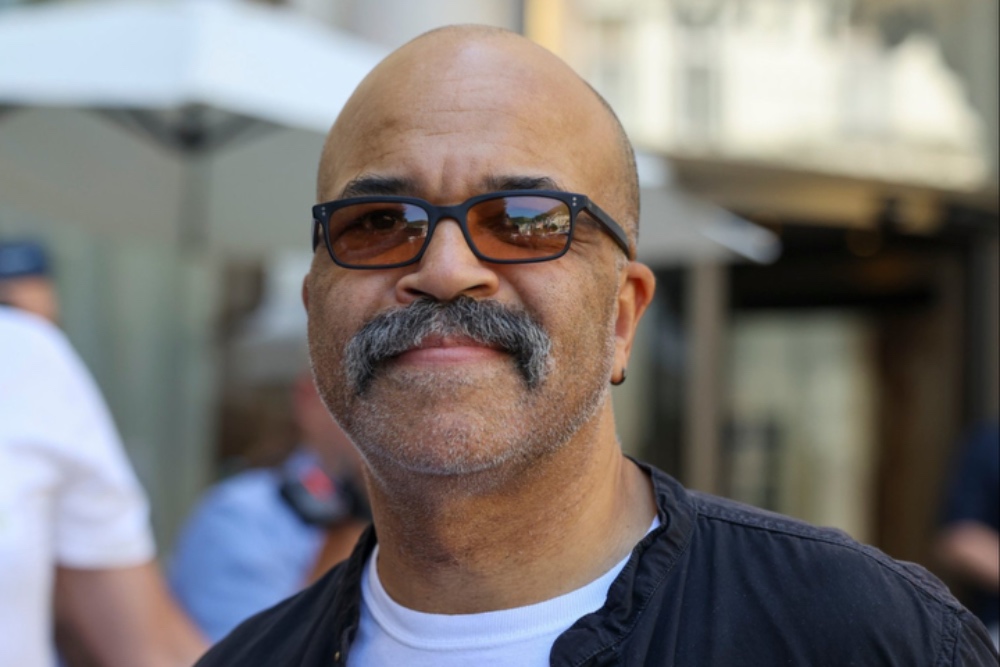
  • Jeffrey Wright on Race and Power: ‘Being Black Is a Political Term’

    Jeffrey Wright on Race and Power: ‘Being Black Is a Political Term’

    Jeffrey Wright, an actor recognized for his extensive career in film and television, recently articulated a nuanced perspective on race, positing that “being Black” operates as a “political term.” This statement emerged during a discussion concerning the racist abuse targeting French soccer star Kylian Mbappé, underscoring Wright’s view on the strategic nature of racial prejudice.

    Wright’s commentary, published by Variety, delves into the motivations behind such attacks. He characterized the abuse against Mbappé as a deliberate effort to undermine the athlete’s significant influence and accomplishments. This interpretation frames racism not just as individual hatred, but as a calculated mechanism to diminish powerful Black figures on a global stage.

    The Political Dimension of Race

    Wright’s assertion that being Black is a political term extends beyond simple identity. It suggests that racial identity, particularly for Black individuals, is inherently linked to power dynamics and societal structures. This perspective aligns with critical race theory, which examines how race and racism have shaped legal systems and social norms.

    The actor’s statement implies that racial categorization often carries implications for social standing, economic opportunity, and political representation. It highlights how racial identity can be weaponized or leveraged within political discourse and societal power struggles.

    This understanding of race as a political construct provides a framework for analyzing incidents of racial discrimination. It moves the conversation beyond individual prejudice to systemic issues that impact collective groups.

    Historical Context of Race as a Political Tool

    Historically, race has been a significant political tool. In the United States, for instance, racial classifications were central to slavery, Jim Crow laws, and immigration policies. These policies were designed to maintain specific power structures and control over certain populations.

    Globally, colonialism often relied on racial hierarchies to justify conquest and exploitation. The categorization of people into distinct racial groups served to rationalize unequal treatment and resource distribution.

    Even in contemporary society, discussions around affirmative action, voting rights, and criminal justice reform frequently intersect with racial identity. These debates demonstrate the ongoing political salience of race.

    Kylian Mbappé and Targeted Abuse

    Kylian Mbappé, a prominent figure in international soccer, has been a frequent target of racist abuse. Such incidents often occur in connection with his performances on the field or his public persona. These attacks underscore the pervasive nature of racism in sports.

    Wright specifically addressed these instances, framing them as attempts to diminish Mbappé’s power and influence. Mbappé’s status as a world-renowned athlete grants him significant cultural and economic power, which, according to Wright, becomes a target for those seeking to uphold racial hierarchies.

    The actor’s remarks suggest that the abuse is not merely a reaction to Mbappé’s race, but a response to his success and visibility as a Black man. His achievements challenge racist narratives that seek to limit the potential of Black individuals.

    The Impact of Racist Abuse on Athletes

    Racist abuse in sports has a profound impact beyond the individual athlete. It sends a message to other aspiring athletes and fans from marginalized communities, suggesting that their achievements will always be met with hostility.

    Organizations like FIFA and UEFA have faced criticism for their handling of racist incidents. Critics argue that penalties are often insufficient, failing to deter repeat offenses or address the systemic roots of the problem.

    The public outcry following such incidents, while important, often highlights the need for more proactive measures from sports governing bodies and societal institutions. Wright’s comments contribute to this broader conversation, demanding a deeper analysis of the motives behind the abuse.

    Wright’s Broader Commentary on Identity and Resilience

    Wright’s insights extend beyond Mbappé to a broader commentary on identity and resilience in the face of racism. His career, marked by diverse roles and critical acclaim, positions him as an observer of cultural dynamics.

    Roles in projects such as “Basquiat,” where he portrayed the influential Black artist Jean-Michel Basquiat, and “American Fiction,” which satirizes the commodification of Black stories, reflect his engagement with themes of race, art, and representation.

    His public statements often reflect a commitment to challenging simplistic narratives about Black identity. He consistently advocates for a more complex and nuanced understanding of the Black experience, both in his work and in his public discourse.

    The Role of Public Figures in Addressing Racism

    Public figures like Jeffrey Wright play a crucial role in shaping public discourse around sensitive topics like race. Their platforms allow them to bring attention to issues that might otherwise be ignored or downplayed.

    By directly addressing racist abuse and interpreting its underlying motivations, Wright helps to educate the public. He encourages a more critical examination of such incidents, moving beyond superficial condemnations to a deeper understanding of systemic racism.

    His willingness to label “being Black” as a “political term” challenges individuals to consider the broader implications of racial identity in a world still grappling with historical injustices and ongoing discrimination.

    The Interplay of Power, Race, and Stupidity

    Wright’s powerful phrase, “They think they can diminish how powerful he is with their stupidity,” encapsulates his argument. He suggests that racist acts, while appearing irrational, are often attempts to exert power and control.

    The “stupidity” he references may not be a lack of intelligence, but rather a willful ignorance or a misguided belief in racial superiority. This “stupidity” serves as a tool to perpetuate systems of oppression and to undermine those who challenge them.

    This interpretation reframes racist acts as strategic, albeit flawed, maneuvers within a larger power struggle. It emphasizes that the targets of racism, like Mbappé, possess inherent power that racists aim to suppress.

    Challenging the Narrative of Diminishment

    The act of calling out racist behavior as an attempt to diminish power is a form of resistance. It reclaims agency for the target and exposes the weakness inherent in the aggressor’s tactics.

    Wright’s statement encourages a re-evaluation of how society responds to racist incidents. It suggests that simply condemning the act is not enough; understanding its strategic intent is critical to dismantling its power.

    By highlighting the “power” of Mbappé, Wright affirms the strength and resilience of Black individuals who achieve greatness despite facing systemic barriers and overt hostility.

    Looking Ahead: Continuing Conversations

    Wright’s comments contribute to an ongoing global conversation about race, identity, and justice. These discussions are critical for fostering greater understanding and for challenging entrenched prejudices.

    The intersection of sports, entertainment, and social commentary continues to provide platforms for these important dialogues. Public figures are increasingly using their voices to advocate for change and challenge discriminatory practices.

    The impact of such statements resonates widely. They provoke thought. They inspire action. They demand accountability.

    Activists continue their work. Advocates press for change. Artists create their visions. Journalists report the news. Athletes perform their feats. Citizens engage in discourse. The world observes.

    Justice.

  • Judge Orders Release of $5.8 Million to E. Jean Carroll After Trump’s Supreme Court Appeal Declined

    Judge Orders Release of $5.8 Million to E. Jean Carroll After Trump’s Supreme Court Appeal Declined

    A federal judge has ordered the release of $5.8 million to E. Jean Carroll. This decision came after the Supreme Court declined to hear President Donald Trump’s appeal in the civil sex abuse and defamation case. The judicial order clears the path for Carroll to receive the substantial sum awarded to her.

    The legal process has involved multiple court levels. Each stage brought new arguments and rulings, drawing significant public and media attention.

    The Supreme Court’s Refusal to Hear Appeal

    The Supreme Court’s refusal to hear President Trump’s appeal was a critical turning point. This action effectively exhausted President Trump’s primary legal avenues for delaying the payment of the judgment. The Supreme Court did not provide a reason for its decision, a common practice in such matters.

    This refusal meant that the lower court rulings against President Trump would stand. The damages awarded to Carroll were thus affirmed.

    Background of the Case: E. Jean Carroll vs. Donald Trump

    E. Jean Carroll, a former magazine columnist, first accused Donald Trump of sexual assault in a 2019 book. She alleged the incident occurred in a Bergdorf Goodman dressing room in the mid-1990s. President Trump denied the allegations, stating he had never met Carroll and that her claims were politically motivated.

    Carroll subsequently filed a defamation lawsuit against President Trump. She argued that his denials and derogatory statements damaged her reputation.

    The legal battle intensified over the following years. Discovery processes and motions took place in federal court.

    First Civil Trial and Verdict

    In May 2023, a jury in New York found President Trump liable for sexually abusing E. Jean Carroll. The jury also found him liable for defaming her. They awarded Carroll $5 million in damages. This verdict did not find President Trump liable for rape, but for sexual abuse.

    The jury’s decision was a significant victory for Carroll. It established a legal precedent for her claims.

    Second Defamation Trial and Increased Damages

    Following the first trial, Carroll filed another defamation lawsuit. This new suit concerned statements President Trump made after the initial verdict. In January 2024, a second jury awarded Carroll an additional $83.3 million in damages. This sum included $7.3 million for emotional harm, $11 million for reputational repair, and $65 million in punitive damages.

    This second verdict brought the total damages awarded to Carroll to over $88 million. President Trump vowed to appeal both judgments.

    President Trump’s Appeals Process

    President Trump’s legal team mounted a series of appeals. They sought to overturn the verdicts and reduce the damages. These appeals moved through various levels of the federal court system.

    His lawyers argued that the trials were unfair and that the damages were excessive. They also challenged the legal interpretations applied in the cases.

    Appeals to the Second Circuit

    President Trump appealed the initial $5 million judgment to the U.S. Court of Appeals for the Second Circuit. He also appealed the subsequent $83.3 million judgment to the same court. The Second Circuit largely upheld the lower court’s findings. They affirmed the liability for both sexual abuse and defamation.

    The appeals court did not find sufficient grounds to overturn the jury’s decisions. This left President Trump with limited options.

    The Supreme Court’s Final Say

    After exhausting options at the Second Circuit, President Trump petitioned the Supreme Court. He requested that they review the case. His petition focused on constitutional questions and the scope of presidential immunity, among other arguments.

    The Supreme Court, however, declined to take up the case. This decision was made public in late June 2026. The refusal marked the end of President Trump’s attempts to challenge the verdicts in federal court.

    The Release of Funds

    With the Supreme Court’s decision, the legal obstacles to Carroll receiving her awarded funds were removed. A federal judge then issued the order for the release of $5.8 million. This specific amount likely pertains to the initial $5 million judgment plus accrued interest, or a portion of the total sum that was previously secured.

    The funds had been held in an escrow account, or a similar financial mechanism, pending the outcome of the appeals. This is standard practice in cases involving large judgments that are under appeal.

    Implications of the Fund Release

    The release of these funds represents a tangible consequence of the legal proceedings. It signifies a definitive step in the execution of the court’s judgment. For E. Jean Carroll, it marks the culmination of a multi-year legal battle.

    For President Trump, it means the financial impact of the verdicts is now being realized. His legal team continues to navigate other ongoing cases and appeals.

    Public and Political Reactions

    The legal saga between E. Jean Carroll and President Trump has consistently drawn significant public attention. Reactions have often divided along political lines. Supporters of Carroll viewed the verdicts as a triumph of justice. They cited the accountability of powerful figures.

    Supporters of President Trump, conversely, often characterized the lawsuits as politically motivated. They argued that the legal system was being used to target him.

    Media coverage has been extensive, detailing each development. The cases have contributed to broader discussions about sexual assault, defamation, and the legal responsibilities of public figures.

    What Happens Next?

    The release of the $5.8 million is one step. The full $88.3 million judgment remains in focus. President Trump’s legal team may explore other avenues regarding the remaining portion of the judgment, though the Supreme Court’s decision severely limits options within the federal judiciary.

    E. Jean Carroll’s legal team has consistently expressed confidence in the verdicts. They have pursued all available legal means to ensure the judgments are satisfied.

    The case continues to be a landmark example in defamation law. It also highlights the complexities of civil litigation against high-profile individuals.

    The Long Shadow of Legal Battles

    The legal confrontations involving President Trump are numerous. They range from civil suits to criminal indictments. The E. Jean Carroll case is one of several significant legal challenges he has faced.

    These cases have drawn considerable resources. They have also shaped public perception. The outcomes often carry implications beyond the immediate parties involved.

    The legal system processes these disputes. The courts make their determinations. The public observes.

    Allegations surfaced. Lawsuits filed. Appeals heard. Funds released. Justice served.

    Frequently Asked Questions About the E. Jean Carroll Case

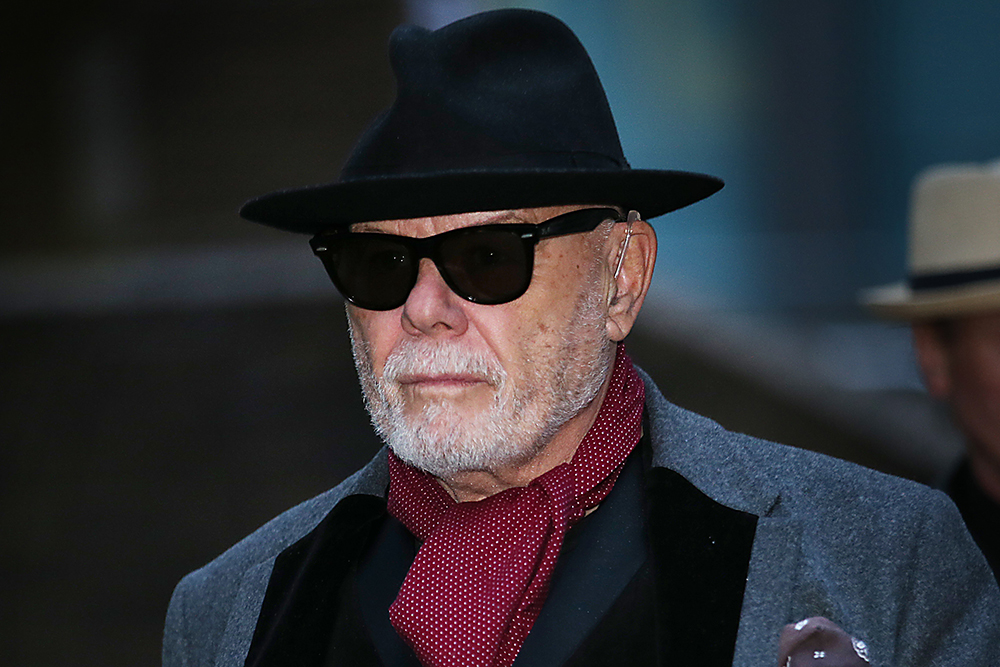
  • Gary Glitter Charged with Historic Sexual Offenses – The UK Legal Battle Continues

    Gary Glitter Charged with Historic Sexual Offenses – The UK Legal Battle Continues

    Gary Glitter, born Paul Gadd, has been charged with ‘historic’ sexual offenses in the United Kingdom, including an allegation of sexual intercourse with a girl under the age of 13. These charges were announced on July 2, 2026. The development marks a significant new phase in the musician’s extensive legal history concerning sexual misconduct.

    The charges stem from an ongoing investigation into allegations of past actions. Glitter has faced numerous accusations and convictions related to sexual offenses over several decades. His legal troubles have spanned multiple continents, leading to significant prison sentences.

    The Nature of ‘Historic’ Charges

    The term ‘historic’ offenses refers to crimes alleged to have occurred many years in the past. These types of cases often present unique challenges for prosecution and defense. Evidence can be more difficult to obtain or verify due to the passage of time.

    Witness memories may have faded, and physical evidence might no longer exist. Despite these difficulties, legal systems in the UK and other countries are equipped to handle such cases. They rely on detailed witness testimony, corroborating evidence, and forensic analysis where possible.

    The current charges against Glitter are being processed through the UK legal system. Specific details regarding the alleged dates and locations of the offenses have not been publicly disclosed. Legal proceedings will determine the course of these new allegations.

    A History of Convictions and Legal Battles

    Gary Glitter’s history with sexual offense charges began in the late 1990s. He was first convicted in the United Kingdom in 1999 for possession of child pornography. This conviction led to a prison sentence and significant public outcry.

    Following his release, Glitter moved out of the UK. He spent time in Cuba and then Vietnam. His activities abroad continued to attract attention from law enforcement and media.

    In 2006, Glitter was arrested in Vietnam. He was subsequently convicted of obscene acts with minors. A Vietnamese court sentenced him to three years in prison for these offenses. He served his sentence in a Vietnamese correctional facility.

    Upon his release from prison in Vietnam in 2008, Glitter was deported back to the United Kingdom. His return sparked protests and renewed calls for his monitoring. UK authorities placed him on the sex offenders register and imposed strict conditions on his release.

    Further charges emerged in the UK during the early 2010s. These were part of a broader investigation into historical sexual abuse cases involving public figures. Operation Yewtree, launched in the wake of the Jimmy Savile scandal, led to several high-profile arrests and prosecutions.

    In 2015, Glitter was convicted of multiple sexual offenses, including attempted rape and indecent assault. These crimes involved four victims, with offenses dating back to the 1970s and 1980s. He received a 16-year prison sentence for these crimes.

    The Impact on Public Perception and the Music Industry

    Gary Glitter’s legal troubles have profoundly impacted his public image and legacy. Once a prominent figure in the glam rock era, his music has largely been disavowed. Radio stations and music licensing bodies ceased playing his songs following his convictions.

    His fall from grace serves as a stark reminder of accountability within the entertainment industry. The widespread condemnation of his actions reflects a societal shift in how such allegations are addressed. Victims of sexual abuse are increasingly empowered to come forward.

    The financial implications for Glitter have also been significant. Royalties from his music, once a source of considerable income, have been frozen or redirected. Legal battles over these assets have been ongoing, with some funds potentially used for victim compensation.

    The charges against Glitter continue to provoke strong emotional responses. Outrage and a desire for accountability are common reactions from the public. These sentiments highlight the enduring severity of the crimes he stands accused of.

    Legal Process for ‘Historic’ Offenses

    The legal process for ‘historic’ sexual offenses in the UK involves several stages. An investigation by law enforcement agencies, typically the police, is the initial step. This investigation gathers evidence, interviews witnesses, and assesses the credibility of allegations.

    Once sufficient evidence is collected, a file is passed to the Crown Prosecution Service (CPS). The CPS then decides whether there is enough evidence to provide a realistic prospect of conviction. They also consider if a prosecution is in the public interest.

    If the CPS decides to proceed, charges are formally brought. The accused is then required to appear in court. The case will typically go through magistrates’ court for preliminary hearings before being sent to the Crown Court for trial. This is particularly true for serious offenses such as those involving sexual intercourse with a minor.

    During a Crown Court trial, a jury hears the evidence and determines guilt or innocence. Both the prosecution and defense present their cases. If convicted, sentencing follows, taking into account the severity of the crimes and any previous convictions.

    The Broader Context of Celebrity Accountability

    The case of Gary Glitter is one among many high-profile instances of celebrities facing charges for sexual offenses. These cases have contributed to a broader conversation about accountability for individuals in positions of power or influence. The MeToo movement, among others, has amplified these discussions.

    Increased scrutiny is now applied to past conduct, regardless of a person’s fame or status. Legal systems are adapting to better handle sensitive cases involving sexual abuse. Support for victims has also expanded, with more resources available for those who come forward.

    The charges against Glitter on July 2, 2026, underscore that investigations into historic allegations continue. The legal system aims to provide justice for victims, even decades after the alleged events occurred. This commitment reflects evolving societal values.

    The path forward for these new charges will involve rigorous legal proceedings. The outcomes will be closely watched by the public and legal observers alike. The pursuit of justice for alleged victims remains a central focus.

    Investigations continued. Allegations surfaced. Charges were brought. Accountability sought.

    Justice.

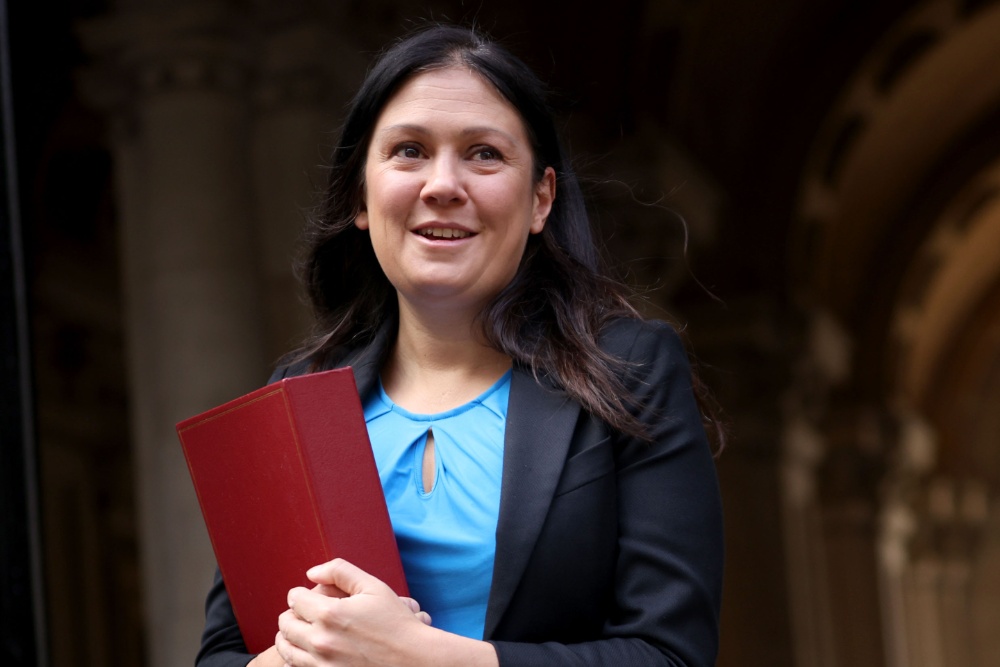
  • UK Culture Secretary Lisa Nandy Quits X Over ‘Abuse and Misinformation’

    UK Culture Secretary Lisa Nandy Quits X Over ‘Abuse and Misinformation’

    UK Culture Secretary Lisa Nandy announced her departure from the social media platform X, formerly Twitter, citing pervasive ‘abuse and misinformation’ as the primary reasons for her decision. This move by a high-profile government official brings renewed attention to the ongoing challenges faced by social media platforms regarding content moderation and the spread of harmful narratives.

    Nandy’s public statement outlined her concerns, emphasizing the detrimental impact of unmoderated content on public discourse and individual well-being. Her exit signals a significant stance against the current operational policies of X under Elon Musk’s ownership.

    The Stated Reasons for Departure

    Lisa Nandy’s decision was not made in isolation. It followed a period of increasing scrutiny over the content policies and enforcement mechanisms on X. Her public statements highlighted a perception of escalating issues on the platform.

    The terms ‘abuse’ and ‘misinformation’ were central to her explanation. These categories encompass a broad range of content, from personal attacks and harassment to the deliberate propagation of false or misleading information.

    Nandy’s role as Secretary of State for Culture, Media and Sport places her at the forefront of discussions surrounding online safety, media regulation, and the digital landscape within the United Kingdom. Her actions carry institutional weight.

    A Broader Context of Platform Scrutiny

    The departure of a UK Cabinet minister from a major social media platform is a notable event. It reflects a wider trend of political figures, public institutions, and advocacy groups expressing dissatisfaction with the governance of online spaces.

    Since its acquisition by Elon Musk in October 2022, X has undergone significant operational changes. These changes have included alterations to content moderation teams and policies, leading to varying reactions from users and regulators alike.

    Critics have often pointed to a perceived increase in hate speech, harassment, and the proliferation of unverified claims on the platform. These concerns have been voiced by a diverse array of stakeholders, including civil society organizations, advertisers, and former employees.

    Impact on Online Safety Debates

    Nandy’s exit contributes to the ongoing debate surrounding online safety legislation, particularly in the UK. The Online Safety Act, which received Royal Assent in October 2023, aims to make the UK the safest place in the world to be online.

    The Act imposes new duties of care on social media companies to protect users from illegal and harmful content. Nandy, in her capacity, is directly involved in the implementation and oversight of this landmark legislation.

    Her personal experience with the platform underscores the practical challenges of enforcing these new regulations and ensuring platforms adhere to their responsibilities.

    The Role of Elon Musk and X’s Evolution

    Elon Musk’s tenure as owner of X has been characterized by a philosophy of ‘free speech absolutism.’ This approach has often been interpreted as a relaxation of previous content moderation standards.

    Musk’s stated goal has been to create a global town square where all voices can be heard. However, critics argue that this approach has inadvertently fostered an environment where harmful content can thrive.

    The platform has seen significant changes in its verification system, API access, and advertising policies. These shifts have contributed to a complex and evolving user experience.

    Challenges for Advertisers and Brands

    The concerns raised by Lisa Nandy echo those of numerous advertisers and brands. Many companies have paused or significantly reduced their advertising spending on X due to brand safety concerns.

    The presence of ‘abuse and misinformation’ can create an environment that is deemed unsuitable for brand association. This has had financial implications for the platform.

    The balance between free expression and brand safety remains a critical challenge for X and other social media companies.

    Political Implications of Nandy’s Stance

    As a senior member of the current UK government, Lisa Nandy’s public disengagement from X carries political weight. It can be seen as a signal of the government’s stance on platform accountability.

    Her decision may encourage other political figures or public servants to re-evaluate their own presence on the platform. It could also influence public perception of X’s reliability as a source of information.

    The Labour Party, to which Nandy belongs, has historically advocated for stronger regulation of tech companies and greater protections for online users. Her actions align with these broader party principles.

    Precedent and Future Actions

    Nandy’s departure sets a precedent for how high-ranking officials might interact with social media platforms that they believe are failing to uphold standards of safety and accuracy.

    It raises questions about whether this move will be followed by further governmental action or policy shifts directed at X or the wider tech industry.

    The incident contributes to an ongoing international dialogue about digital governance and the responsibilities of global technology companies operating within national jurisdictions.

    The Broader Landscape of Social Media

    Nandy’s concerns are not unique to X. Other social media platforms also grapple with issues of misinformation, hate speech, and online harassment. However, the specific policy shifts at X have drawn particular attention.

    The incident highlights the fragmentation of the online public square. As individuals and institutions choose to leave certain platforms, the digital landscape becomes more diverse and potentially siloed.

    The search for alternative platforms that better align with individual values or moderation preferences continues for many users.

    User Experience and Trust

    The user experience on social media platforms is heavily influenced by the presence or absence of harmful content. A prevalence of ‘abuse and misinformation’ can erode user trust and engagement.

    For some users, the decision to leave a platform like X is a personal one, driven by a desire to avoid negative online interactions. For public figures like Nandy, it also becomes a professional statement.

    Platforms that fail to address these concerns risk losing significant portions of their user base, particularly those who value safety and factual accuracy.

    Looking Ahead: The Future of X and Content Moderation

    The departure of Lisa Nandy adds another voice to the chorus of those calling for more robust content moderation on X. Whether this will lead to significant policy changes on the platform remains to be seen.

    The company continues to assert its commitment to free speech while also attempting to address concerns about illegal content and platform manipulation. This balance is a continuous challenge.

    The incident serves as a reminder that the relationship between governments, social media platforms, and the public is constantly evolving, shaped by technological advancements, regulatory pressures, and user expectations.

    Governments monitor. Regulators scrutinize. Public figures depart.

    X.