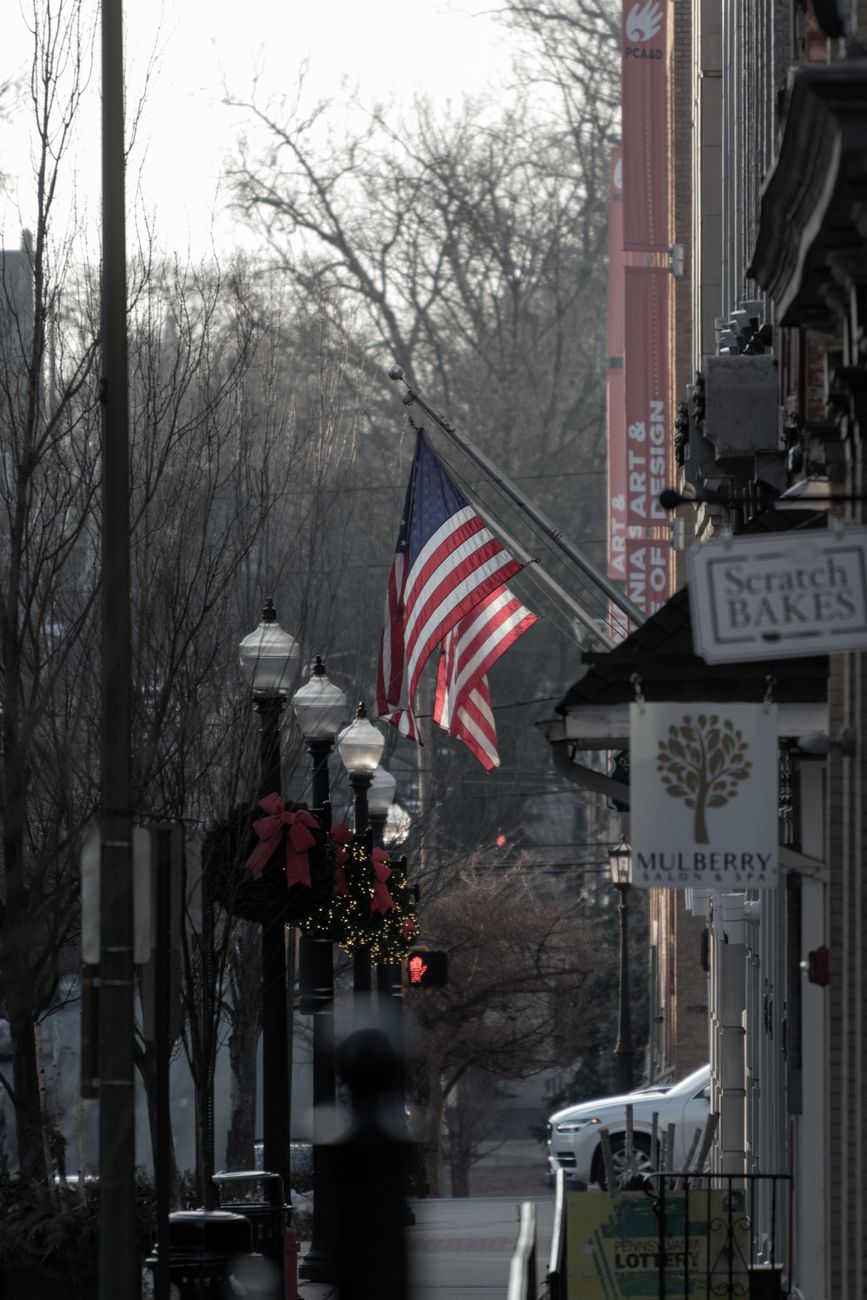
The first week of July 2026 presented a unique confluence of major anniversaries. The United States celebrated its 250th year of independence. This national milestone coincided with a significant cultural anniversary for recording artist Taylor Swift, who marked two decades since the beginning of her professional music career. President Donald Trump played a visible role in the national commemorations, underscoring the political dimension of the Semiquincentennial events. The convergence of these observances created a distinct moment in the public consciousness, blending celebrity culture with national history.
Taylor Swift: Two Decades of Global Impact
Taylor Swift’s professional music career officially began in 2006. Her self-titled debut album, Taylor Swift, was released that year. This marked the formal launch of a journey that would transform her from a country music prodigy into a global pop icon. The 20-year span has been characterized by consistent artistic evolution and unprecedented commercial success.
Her extensive discography includes numerous chart-topping albums. These include critical and commercial juggernauts such as Fearless, 1989, and Midnights. Swift has garnered widespread acclaim for her songwriting and performance. Her concert tours, most notably The Eras Tour, have set new benchmarks for attendance and revenue worldwide, demonstrating her immense global appeal.
Swift’s influence extends significantly beyond the music industry. She has made substantial impacts on popular culture, economic trends, and even political discourse. Her career trajectory is frequently cited as a prime example of modern artistry, strategic brand management, and direct fan engagement. The two-decade mark represents a monumental achievement in contemporary entertainment, solidifying her status as one of the most influential figures of her generation.
Evolution of Swift’s Musical Style
Swift’s career can be clearly segmented into distinct musical eras. Each period is defined by a specific genre, sonic aesthetic, and public persona. Her early work firmly established her roots in country music, earning her a dedicated fanbase and critical recognition within the genre. Subsequent albums saw her boldly explore and successfully transition into pop, alternative, and folk genres, demonstrating her versatility as an artist.
A notable undertaking in her recent career has been the re-recording of her first six studio albums. This ambitious project, collectively known as “Taylor’s Version,” commenced in 2021. The primary aim was to regain ownership of her master recordings, a move that resonated deeply within the music industry and with her fanbase. This initiative has proven to be both a significant commercial success and an artistic triumph, empowering artists to control their creative legacy.
A consistent element across all of Swift’s musical eras is her exceptional songwriting prowess. She is renowned for her narrative lyrics, which often draw from personal experiences and observational storytelling. This deeply personal and relatable approach has cultivated an extraordinarily loyal and vast global fanbase. The 20-year anniversary served to highlight her enduring artistic impact and her ability to connect with diverse audiences worldwide.
Economic and Cultural Impact
Taylor Swift’s influence extends into significant economic and cultural spheres. Her tours have generated billions in revenue, boosting local economies in every city they visit through increased tourism, hospitality, and retail spending. Economists have coined the term “Swiftonomics” to describe the measurable financial impact associated with her activities.
Culturally, Swift has become a powerful voice for artist rights and intellectual property. Her re-recording project sparked industry-wide conversations about ownership and control for musicians. She has also been a prominent figure in discussions surrounding fan engagement, utilizing social media and direct communication to foster an unparalleled connection with her audience.
Her public statements and endorsements, particularly concerning political participation, have demonstrated her capacity to mobilize large segments of the population. This level of influence makes her a unique figure, capable of shaping conversations beyond entertainment. The two-decade milestone reinforces her status as a cultural phenomenon with far-reaching implications.
America’s Semiquincentennial: 250 Years of Nationhood
July 4, 2026, marked the 250th anniversary of the signing of the Declaration of Independence. This pivotal document formally declared the American colonies’ separation from Great Britain. The act in 1776 laid the fundamental groundwork for the establishment of the United States as a sovereign and independent nation. This milestone is often referred to as the Semiquincentennial.
The Semiquincentennial represents a rare national observance, occurring only once every quarter-millennium. Such an occasion inherently prompts widespread reflection on the nation’s past achievements, its current challenges, and its future aspirations. Commemorations held across the country consistently focused on pivotal historical events, the enduring principles of democratic governance, and the continuous pursuit of societal progress.
Extensive planning for the 250th anniversary began many years prior to 2026. Various federal and state commissions were established to coordinate efforts. Their primary objective was to organize a diverse range of events designed to engage the public at large. These events included meticulously planned historical reenactments, comprehensive educational programs, and widespread public celebrations in communities nationwide.
The Founding Ideals of 1776
The year 1776 holds a central and foundational place in American identity. The Declaration of Independence articulated a set of revolutionary ideals that continue to define the nation. These core tenets include liberty, equality, and the right to self-governance. Thomas Jefferson drafted the seminal document, which was subsequently approved by the Continental Congress in Philadelphia, Pennsylvania.
The signing of the Declaration of Independence served as the formal catalyst for the American Revolutionary War. This protracted conflict lasted until 1783, eventually securing the nation’s hard-won independence from British rule. The principles first outlined in 1776 have profoundly shaped American political thought, legal frameworks, and institutional structures throughout history.
The 250th anniversary provided a significant opportunity for renewed historical scholarship and public discourse. New perspectives on the American Revolution and its complex aftermath emerged from academic and public forums. Public discussions often centered on the evolving interpretation of American history, including its successes and its shortcomings. The observances were designed to both inform citizens and foster a sense of national unity.
Commemorations Across the Nation
Celebrations for the Semiquincentennial were diverse and widespread. Cities and towns across all 50 states hosted events ranging from parades and fireworks displays to historical lectures and community gatherings. Major national institutions, such as the Smithsonian museums and the National Archives, organized special exhibits and educational programs.
State-level commissions focused on local histories and contributions to the founding of the nation. These regional events highlighted the diverse experiences and sacrifices made by different communities during the Revolutionary period and in the subsequent development of the United States. The goal was to ensure that the anniversary felt personally relevant to all Americans.
Educational initiatives were a key component, with schools and universities developing curricula focused on the Declaration of Independence, the Constitution, and the development of American democracy. These efforts aimed to instill a deeper understanding of civic responsibility and national heritage in younger generations. The nationwide commemorations fostered both celebration and critical reflection.
President Trump’s Engagement in National Celebrations
President Donald Trump actively participated in the nation’s 250th anniversary events. His involvement included numerous public appearances, formal addresses, and ceremonial duties. These engagements consistently highlighted his administration’s emphasis on national pride, historical recognition, and the reinforcement of traditional American values.
President Trump’s presence at commemorative events garnered significant media attention. His speeches frequently emphasized themes of American strength, exceptionalism, and a call for renewed national unity. The administration strategically utilized the anniversary to reinforce its patriotic agenda, aligning with his consistent political messaging and overarching vision for the country.
President Trump’s visible engagement in the Semiquincentennial events was a prominent feature of the July 2026 celebrations. His remarks often drew direct connections between historical narratives and contemporary policy goals, framing current challenges within the context of past American triumphs. This integration of past and present was a hallmark of his public addresses throughout the anniversary period.
Presidential Rhetoric and Public Response
Presidential involvement in national anniversaries is a deeply ingrained tradition in American politics. Such occasions are frequently used as opportunities to address the nation, providing a platform for presidents to articulate their vision and priorities for the country. President Trump’s approach to the Semiquincentennial was no exception.
President Trump’s participation and rhetoric generated diverse public reactions. Supporters praised his robust emphasis on national heritage and his calls for patriotism. Critics, however, debated the political framing of the anniversary and the specific interpretations of American history presented. These discussions reflected broader ideological divisions within the American populace regarding national identity and historical legacy.
The Semiquincentennial became a significant stage for both expressions of national unity and vigorous public debate. The President’s prominent role ensured that the celebrations remained a topic of widespread interest and commentary. His addresses and public appearances were extensively covered by news outlets, generating considerable analysis and discussion across various media platforms.
Intersections of Culture and Politics in July 2026
The convergence of Taylor Swift’s 20th anniversary and America’s 250th created a unique cultural and political moment. Both events commanded significant public attention, albeit for distinct reasons. They represent different, yet sometimes overlapping, facets of American life and global influence, showcasing the nation’s cultural dynamism alongside its historical depth.
Swift’s career has consistently demonstrated the profound power of popular culture to shape narratives, influence public opinion, and even drive economic activity. Her artistic journey mirrors broader shifts and innovations within media, entertainment, and digital engagement. The sheer scale of her impact is a testament to her enduring appeal, strategic acumen, and ability to connect with a vast, diverse audience.
The national anniversary, concurrently, served as a crucial focal point for civic engagement and historical reflection. It encouraged a widespread re-examination of American values, foundational principles, and historical trajectories, prompting citizens to consider the nation’s past and its path forward. The active participation of political leadership, including President Trump, further amplified these discussions, bringing historical context into contemporary political discourse.
The Blending of National and Pop Culture Narratives
The simultaneous observation of these two milestones highlighted how national identity can be expressed through both traditional civic ceremonies and contemporary pop culture phenomena. While seemingly disparate, both events contributed to the ongoing narrative of what it means to be American in the 21st century. One celebrated a foundational past, the other, a vibrant present and future of cultural influence.
Public discourse often drew parallels between Swift’s impact on her industry and the broader American spirit of innovation and self-determination. Her story of independent success and artistic control resonated with themes of individual liberty and the pursuit of dreams, concepts deeply embedded in the American ethos. This blending of narratives allowed for a richer, more multifaceted understanding of national celebration.
The media landscape of July 2026 reflected this dual focus. News channels covered presidential speeches and historical reenactments. Entertainment outlets documented Swift’s career retrospectives and fan celebrations. This dual coverage underscored the capacity of American society to hold multiple, significant narratives simultaneously, each contributing to the collective public consciousness.
Looking Forward: Legacies and Future Narratives
The 20-year mark for Taylor Swift ensures her legacy will continue to be evaluated within the context of music history and cultural impact. Her consistent innovation and ability to adapt to changing industry landscapes suggest continued relevance. Future analyses will likely focus on her sustained influence on artist rights and direct-to-fan engagement models.
America’s 250th anniversary provided a moment for collective introspection. It prompted questions about national purpose and the challenges of a diverse democracy. The discussions initiated during the Semiquincentennial will likely shape future policy debates and educational priorities. The emphasis on historical understanding and civic responsibility will continue to be relevant.
The confluence of these anniversaries in July 2026 offered a snapshot of American life. It showcased a nation grappling with its history while celebrating its cultural icons. The events provided platforms for both celebration and critical dialogue. These discussions will continue to shape the ongoing narratives of American identity and influence.
Performers gathered. Historians gathered. Citizens gathered. America.