Tag: 2020

  • Christopher Krebs: No Evidence of 2020 Election Tampering

    Christopher Krebs: No Evidence of 2020 Election Tampering

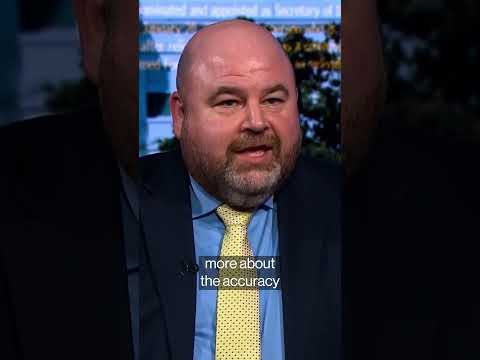
    Christopher Krebs, the former Director of the Cybersecurity and Infrastructure Security Agency (CISA), has publicly stated that there was no evidence of widespread voter fraud or tampering that would have altered the outcome of the 2020 presidential election. Krebs, who was terminated from his position by then-President Donald Trump on November 17, 2020, has consistently maintained this position. His affirmation aligns with the findings of numerous state and federal investigations, audits, and recounts conducted in the wake of the election. Krebs’ testimony contributes to the body of evidence supporting the integrity and security of the 2020 electoral process.

    The 2020 Presidential Election and Its Aftermath

    The 2020 presidential election concluded on November 3, 2020. Joseph R. Biden Jr. emerged as the winner, defeating then-President Donald Trump. Following the election, allegations of widespread voter fraud and irregularities surfaced from various sources, primarily from the Trump campaign and its allies.

    These allegations spurred significant legal challenges and calls for investigations across several states. Recounts were conducted in key battleground jurisdictions, including Georgia and Arizona. Audits were initiated to examine voting machines, ballots, and election procedures in detail.

    The period following the election was characterized by intense public debate and political polarization. Election officials nationwide faced unprecedented scrutiny and pressure regarding the administration of the vote. Many officials, including Christopher Krebs, became central figures in the discourse surrounding election integrity and security.

    Christopher Krebs’ Role at CISA

    Christopher Krebs was appointed as the first director of CISA in November 2018. CISA operates within the Department of Homeland Security. Its mission is to protect the nation’s critical infrastructure from physical and cyber threats. This includes safeguarding election infrastructure.

    Under Krebs’ leadership, CISA played a crucial role in securing the 2020 election. The agency worked with state and local election officials to identify and mitigate cyber threats. CISA also provided information to the public to counter misinformation about election processes.

    On November 12, 2020, CISA released a joint statement with the Election Infrastructure Government Coordinating Council (EIS-GCC) and the Election Infrastructure Sector Coordinating Council (EIS-SCC). This statement famously declared the 2020 election to be “the most secure in American history.” It asserted there was “no evidence that any voting system deleted or lost votes, changed votes, or was in any way compromised.”

    Official Investigations and Findings

    Numerous governmental bodies and independent organizations investigated the claims of election fraud. Their findings consistently supported the integrity of the 2020 election.

    Department of Justice Investigations

    Attorney General William Barr, serving under then-President Trump, stated on December 1, 2020, that the Justice Department had not found evidence of widespread fraud that would change the outcome of the election. This declaration came after the department had pursued and investigated various allegations across multiple states.

    Barr’s statement was a significant blow to the efforts to overturn the election results. He elaborated that the Department of Justice had looked into claims of voting machine manipulation and other forms of fraud. These investigations did not yield evidence of systemic issues.

    State-Level Audits and Recounts

    Individual states conducted their own extensive audits and recounts. These processes were often mandated by law or initiated in response to specific challenges.

    • Georgia: A statewide hand recount of nearly 5 million ballots confirmed Biden’s victory. A subsequent machine recount also upheld these results. Secretary of State Brad Raffensperger, a Republican, publicly defended the integrity of Georgia’s election.
    • Arizona: Maricopa County, Arizona’s largest county, conducted a comprehensive audit following the election. This audit, often referred to as the “forensic audit,” was led by a private firm. It ultimately affirmed the accuracy of the county’s election results and found no evidence of widespread fraud.
    • Wisconsin: Recounts in Milwaukee and Dane counties, requested by the Trump campaign, confirmed Biden’s victory with only minor changes in vote totals.
    • Michigan: State election officials and a bipartisan state Senate committee investigated claims of fraud. They found no evidence of widespread irregularities that would have impacted the outcome.

    Legal Challenges and Court Rulings

    The Trump campaign and its allies filed more than 60 lawsuits challenging the election results in various state and federal courts. These lawsuits alleged a range of issues, from procedural irregularities to outright fraud. The vast majority of these cases were unsuccessful.

    Judicial Dismissals

    Judges, including many appointed by then-President Trump, repeatedly dismissed these cases. They cited a lack of compelling and credible evidence to support the claims of fraud or significant irregularities. In many instances, the courts found that the plaintiffs failed to demonstrate any actual harm or widespread fraud that would warrant overturning election results.

    For example, in Donald J. Trump for President, Inc. v. Boockvar, a federal judge dismissed a lawsuit seeking to block certification of Pennsylvania’s results. The judge stated that the campaign presented “strained legal arguments without merit and speculative accusations.”

    Supreme Court’s Stance

    The Supreme Court of the United States declined to hear several high-profile cases challenging the election results. This included a lawsuit filed by the state of Texas against Pennsylvania, Georgia, Michigan, and Wisconsin. The Court’s refusal to intervene effectively ended the legal avenues for challenging the election outcome at the highest level.

    The Role and Pressure on Election Officials

    Election officials at all levels played a critical role in the 2020 election. They were responsible for administering the vote, ensuring accuracy, and addressing any issues that arose. Many of these officials, both Republican and Democrat, publicly defended the integrity of the election process.

    Pressure and Threats Faced by Officials

    These officials often faced significant pressure, harassment, and even threats for upholding election laws and certifying results. Figures like Georgia Secretary of State Brad Raffensperger and Arizona Secretary of State Katie Hobbs received national attention for their steadfast defense of election procedures.

    Christopher Krebs’ termination from CISA exemplifies the professional repercussions faced by some officials. His adherence to established procedures and commitment to accurate vote counts were central to the democratic process. His continued public statements reinforce the findings of his agency and other investigative bodies.

    Consequences for Christopher Krebs

    President Trump announced Krebs’ termination via Twitter on November 17, 2020. This occurred shortly after CISA issued its statement on election security. Trump cited Krebs’ statement as “highly inaccurate.” Krebs, however, stood by his agency’s assessment. He stated he was “honored to serve” and to “defend the 2020 election from attack.”

    Since his termination, Krebs has continued to be an outspoken advocate for election integrity and security. He co-founded a consulting firm, Krebs Stamos Group, focused on cybersecurity. He has also testified before Congress and appeared in media to reiterate his findings regarding the 2020 election. His consistent message has been that the 2020 election was secure, and its results were accurate.

    The Broader Impact on Election Integrity Discourse

    The discussions surrounding the 2020 election have had a lasting impact on the discourse regarding election integrity. Public confidence in electoral processes became a significant point of contention. Efforts to reform election laws and procedures have continued into 2026, with states implementing various changes.

    These changes range from new voting machine requirements to updated voter registration protocols. They often aim to address perceived vulnerabilities or enhance public trust. However, the fundamental findings regarding the 2020 election’s security have remained consistent across official reviews and expert analysis.

    The continued affirmation by election professionals, including those who faced personal and professional consequences like Christopher Krebs, reinforces the official narrative. Their consistent testimonies underline the resilience of the American electoral system against unsubstantiated claims of widespread malfeasance. The focus now shifts to future elections and the ongoing efforts to ensure their security and public confidence.

    Election integrity remains a priority. Transparency in voting processes is paramount. Trust in institutions is essential. The consistent message from election officials, including Christopher Krebs, has been clear. The 2020 election was secure. The results were accurate. The system withstood the pressure. Democracy prevailed.

  • President Trump’s Election Integrity Claims – Examining Doubts in US Elections

    President Trump’s Election Integrity Claims – Examining Doubts in US Elections

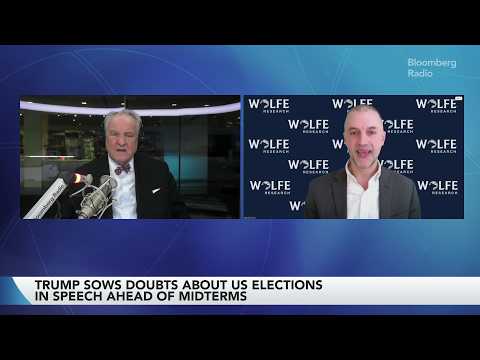
    President Donald Trump has consistently voiced concerns about the integrity of the United States election system. His statements frequently highlight issues such as mail-in ballots, the enforcement of voter identification laws, and the operational security of electronic voting machines. These claims have generated significant public discussion and scrutiny regarding electoral processes across the nation.

    The discourse surrounding election integrity has been a prominent feature of American political commentary, particularly since the 2020 presidential election. President Trump’s continued focus on these issues aims to galvanize support for what he describes as necessary reforms to safeguard future elections.

    The Genesis of Election Doubts

    The foundation of many contemporary election integrity claims traces back to the aftermath of closely contested elections. Historically, candidates from various political affiliations have questioned electoral outcomes. However, the scale and persistence of these claims have intensified in recent years.

    President Trump’s concerns often center on the expansion of voting methods, particularly mail-in voting. During the 2020 election cycle, many states expanded access to mail-in ballots due to the COVID-19 pandemic. This expansion became a focal point for claims of potential vulnerabilities.

    Concerns were also raised about the perceived lack of uniform voter identification requirements across all states. Proponents of stricter ID laws argue that they are essential to prevent in-person voter impersonation. Opponents contend that such laws disproportionately disenfranchise eligible voters, particularly minority groups and low-income individuals.

    Mail-In Ballots: A Central Point of Contention

    Mail-in voting, also known as absentee voting, has been a method used in the United States for decades, primarily for military personnel, overseas citizens, and those with valid excuses for absence on Election Day. The 2020 election saw an unprecedented surge in its use, with millions of Americans casting their ballots by mail.

    President Trump and his supporters have frequently characterized widespread mail-in voting as susceptible to fraud. Arguments often include the potential for ballot harvesting, signature mismatches, and the lack of secure ballot drop-off locations.

    Election officials, including those from both major political parties, have generally affirmed the security protocols in place for mail-in ballots. These protocols often include signature verification, barcode tracking, and chain-of-custody procedures. Studies by various non-partisan organizations have consistently found that instances of widespread mail-in ballot fraud are exceedingly rare.

    Voter Identification Laws and Their Impact

    Voter identification laws vary significantly from state to state. Some states require photo identification, while others accept non-photo ID or allow voters to sign an affidavit. The debate over these laws is deeply entrenched in American politics.

    Advocates for strict voter ID laws argue that they are a common-sense measure to ensure that only eligible citizens cast ballots. They often point to the requirement for ID in other aspects of daily life, such as purchasing alcohol or boarding an airplane. The premise is that such laws enhance public confidence in the legitimacy of election results.

    Conversely, opponents argue that strict voter ID laws place an undue burden on certain populations. These groups may include the elderly, students, low-income individuals, and minority voters who may not have easy access to the required forms of identification. Critics suggest these laws are often designed to suppress voter turnout among demographics less likely to support the party advocating for them.

    Electronic Voting Machines: Technology and Trust

    The reliability and security of electronic voting machines have also been a recurring theme in discussions about election integrity. Modern voting systems often combine electronic components with paper trails, but the perceived vulnerability of software and hardware remains a concern for some.

    President Trump has frequently highlighted the potential for tampering or errors with electronic voting systems. Claims of manipulated software or compromised machines have circulated widely, particularly following the 2020 election.

    Election technology companies and cybersecurity experts often emphasize the rigorous testing and certification processes that voting machines undergo. These processes involve federal and state-level scrutiny to ensure accuracy and resistance to unauthorized access. Many systems now incorporate auditable paper records to allow for manual recounts and verification.

    The Role of Election Audits and Recounts

    To address concerns about election integrity, many states have established procedures for post-election audits and recounts. These processes are designed to verify the accuracy of election results and to identify any discrepancies or errors.

    Various types of audits exist, including risk-limiting audits (RLAs), which statistically verify the accuracy of election outcomes by comparing paper ballots to machine counts. These audits provide a high level of confidence in the reported results and can detect anomalies.

    Recounts are typically triggered when the margin of victory is very narrow or when a candidate formally requests one. They involve a re-tabulation of all ballots, either manually or by machine, to confirm the original count. These mechanisms are integral to ensuring transparency and accountability in the electoral process.

    Impact on Public Trust and Political Discourse

    The ongoing discussion about election integrity, fueled by President Trump’s statements, has had a profound impact on public trust in democratic institutions. Polling data often indicates a partisan divide in perceptions of election fairness and security.

    A significant portion of the electorate, particularly those who support President Trump, express doubts about the legitimacy of recent election outcomes. This skepticism can lead to decreased civic engagement and a deepening of political polarization.

    Conversely, many voters and election experts maintain high confidence in the integrity of US elections. They point to the decentralized nature of election administration, involving thousands of local officials, as a safeguard against widespread fraud or manipulation. They also highlight the dedication of election workers and the robust legal frameworks in place.

    Calls for Reform and Future Outlook

    The debates surrounding election integrity have led to numerous calls for reform. These proposed changes often include:

    • Standardized Voter ID Laws: Implementing uniform photo ID requirements across all states.
    • Enhanced Mail-In Ballot Security: Strengthening signature verification processes, ensuring secure drop boxes, and prohibiting ballot harvesting.
    • Auditable Voting Machines: Mandating paper trails for all electronic voting systems and implementing more frequent and robust risk-limiting audits.
    • Election Transparency: Increasing public access to election data and observation of polling places and vote tabulation centers.

    These proposals are debated at both the state and federal levels. The future of election administration in the United States will likely continue to be shaped by these discussions, as policymakers seek to balance access to voting with the perceived need for enhanced security measures.

    The role of state election officials, from Secretaries of State to local county clerks, remains critical. These individuals are responsible for implementing election laws, managing voting infrastructure, and ensuring the smooth and fair conduct of elections. Their efforts often occur amidst intense public scrutiny and political pressure.

    President Trump’s consistent articulation of concerns about election integrity underscores a significant segment of public opinion. These concerns demand ongoing attention and transparent responses from election administrators and policymakers.

    Voters gathered. Officials gathered. Experts gathered. Discussion continues. Scrutiny continues. America.

  • Iger’s Silence on Chapek – Disney’s Succession Narratives Unpacked

    Iger’s Silence on Chapek – Disney’s Succession Narratives Unpacked

    The Public Narrative of Disney Succession

    Robert A. Iger, the current Chief Executive Officer of The Walt Disney Company, has reportedly made a practice of not referring to his direct successor and predecessor, Robert “Bob” Chapek, by name in public comments. This reported avoidance occurs when discussing the period of Disney leadership between Iger’s initial departure and his return. Iger has also addressed claims of his undermining Chapek’s leadership, dismissing them as “a misperception.”

    This pattern of communication highlights the complex and often contentious nature of executive transitions at major corporations. The Walt Disney Company, a global entertainment conglomerate, has experienced significant leadership shifts over the past four years.

    Iger’s Tenure and Chapek’s Appointment

    Robert Iger served as CEO of The Walt Disney Company for 15 years, from 2005 to 2020. During his initial tenure, Iger oversaw major acquisitions, including Pixar in 2006, Marvel Entertainment in 2009, Lucasfilm in 2012, and 21st Century Fox’s entertainment assets in 2019. These strategic moves significantly expanded Disney’s intellectual property portfolio and global reach.

    In February 2020, Iger transitioned from CEO to Executive Chairman, naming Bob Chapek as his successor. Chapek had a long history with Disney, having joined the company in 1993. Prior to becoming CEO, Chapek held leadership roles, including Chairman of Parks, Experiences and Products, and President of Disney Consumer Products.

    The Chapek Era: Challenges and Controversies

    Bob Chapek’s tenure as CEO, from February 2020 to November 2022, coincided with unprecedented global challenges. The onset of the COVID-19 pandemic in early 2020 severely impacted Disney’s core businesses, particularly its theme parks, cruise lines, and theatrical releases. Chapek navigated the company through significant shutdowns and operational adjustments.

    Under Chapek, Disney made strategic shifts towards streaming, accelerating the growth of Disney+. The company also faced public controversies, including a highly publicized dispute with Florida Governor Ron DeSantis over the state’s Parental Rights in Education Act, often referred to as the “Don’t Say Gay” bill. This political entanglement led to the dissolution of the Reedy Creek Improvement District, which had granted Disney significant self-governing authority for decades.

    Internally, reports emerged of friction within Disney’s executive ranks and dissatisfaction among creative talent. Chapek’s leadership style and strategic decisions were subject to increasing scrutiny from investors and industry observers.

    The Return of Robert Iger

    In November 2022, The Walt Disney Company’s board of directors announced Chapek’s immediate departure as CEO. Robert Iger was reinstated as CEO, initially for a two-year term, with a mandate to restore stability, improve creative output, and identify a long-term successor. Iger’s return was widely seen as an attempt to reassure investors and employees amidst declining stock performance and perceived leadership instability.

    Upon his return, Iger initiated a significant corporate restructuring. This included the consolidation of media and entertainment divisions, a renewed focus on creative decision-making, and a commitment to cost-cutting measures. The company announced plans for approximately 7,000 job cuts and a target of $5.5 billion in annualized cost savings.

    “A Misperception” – Iger’s Response to Undermining Claims

    The report indicating Iger’s reluctance to name Chapek also details Iger’s response to claims that he undermined Chapek’s authority during his time as Executive Chairman. Iger has stated that such claims are “a misperception.” This denial seeks to clarify the nature of his involvement and influence during Chapek’s leadership period.

    The role of an Executive Chairman, particularly following a long and successful CEO tenure, can be ambiguous. The degree of influence retained by a former CEO, even in an advisory capacity, can be a source of tension in succession planning. These dynamics are not uncommon in large, complex organizations with strong, long-serving leaders.

    Succession Planning in Corporate America

    Effective CEO succession planning is a critical challenge for corporate boards. The Disney situation serves as a high-profile example of the complexities involved. A smooth transition requires clear roles, consistent communication, and alignment on strategic vision between the outgoing and incoming leaders.

    The reported narrative surrounding Iger and Chapek underscores the importance of not just identifying a successor, but also managing the transition period. This includes the departing CEO’s role, the incoming CEO’s autonomy, and the communication strategy to internal and external stakeholders.

    The Path Forward for Disney

    As of 2026, Robert Iger continues to lead The Walt Disney Company. His focus remains on navigating the evolving media landscape, strengthening Disney’s streaming services, and optimizing its traditional businesses. The company is actively working on identifying a new long-term CEO successor, aiming to avoid a repeat of the past succession challenges.

    The company’s performance and strategic direction under Iger’s renewed leadership are closely watched by shareholders, analysts, and the broader entertainment industry. The narratives surrounding past leadership, including the reported dynamics between Iger and Chapek, continue to inform perceptions of Disney’s corporate culture and governance.

    The company seeks to regain its footing in a competitive market. It aims to innovate its content creation. It seeks to solidify its financial performance.

    Disney.