Tag: 1989

  • Clint Black Hospitalized with Serious Infection – July 3rd Concert Canceled

    Clint Black Hospitalized with Serious Infection – July 3rd Concert Canceled

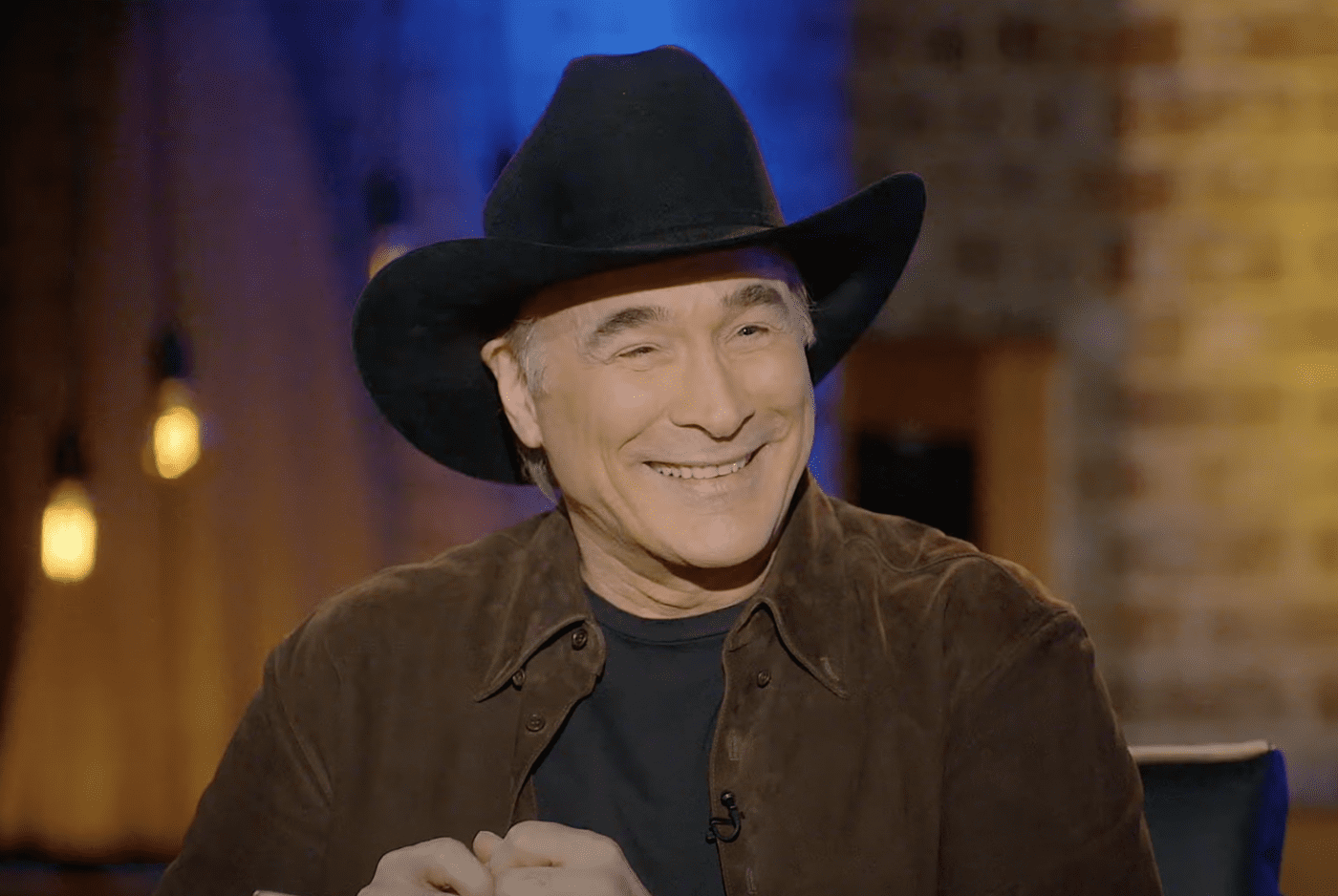
    Country music legend Clint Black was hospitalized with a serious infection, leading to the cancellation of his scheduled July 3, 2026, concert. The news, confirmed by his management, sparked immediate concern among his dedicated fanbase and the broader country music community. Details surrounding the nature of the infection and Black’s current prognosis remain private as of July 2, 2026.

    The announcement arrived on July 1, 2026, just two days before his anticipated performance. This unexpected health development has placed a spotlight on the fragility of even the most seasoned performers’ careers.

    The Immediate Impact: Concert Cancellation and Fan Reaction

    Clint Black’s July 3, 2026, concert was scheduled to take place at a prominent venue. The cancellation, communicated via official channels, cited his hospitalization as the direct cause. Ticketholders received notifications regarding refunds or rescheduling options.

    The news quickly disseminated across social media platforms. Fans expressed an outpouring of support for the singer. Many shared well wishes and prayers for his swift recovery.

    This sentiment reflects Black’s enduring appeal and the personal connection many listeners feel with his music. His career spans decades, marked by numerous chart-topping hits and a consistent touring schedule.

    A Career Defined by Consistency and Authenticity

    Clint Black rose to prominence in 1989 with the release of his debut album, Killin’ Time. This album produced four number-one singles on the Billboard Hot Country Singles & Tracks chart. These hits included the title track, “A Better Man,” “Nobody’s Home,” and “Walkin’ Away.”

    His sound was characterized by a blend of traditional country sensibilities with a contemporary edge. This approach helped define the new traditionalist movement of the late 1980s and early 1990s. He quickly became one of country music’s most bankable stars.

    Throughout the 1990s, Black continued to release successful albums and singles. His discography includes more than a dozen studio albums. He has sold over 20 million albums worldwide.

    Black’s songwriting often features introspective lyrics and memorable melodies. He has penned or co-penned the vast majority of his recorded material. This commitment to artistic control has earned him respect within the industry.

    Major Milestones in Black’s Career

    • 1989: Releases debut album Killin’ Time, achieving instant stardom.
    • 1990: Wins the Country Music Association’s Horizon Award (now New Artist of the Year).
    • 1991: Marries actress Lisa Hartman Black.
    • 1993: Releases No Time to Kill, featuring more chart-topping hits.
    • 1996: Inducted into the Grand Ole Opry.
    • 1999: Celebrates 10 years in country music with a greatest hits album.
    • 2001: Welcomes daughter Lily Pearl Black.
    • 2004: Stars in the film Flicka.
    • 2015: Releases On Purpose, his first album of new material in a decade.
    • 2020: Releases Out of Sane, continuing his prolific output.

    These milestones illustrate a career marked by sustained success and critical acclaim. Black has remained a relevant figure in country music for over three decades.

    The Nature of Infections: A General Overview

    The specific type of infection Clint Black is battling has not been disclosed. However, serious infections can manifest in various forms. They can range from bacterial to viral or fungal in origin.

    Bacterial infections, such as pneumonia or sepsis, often require aggressive antibiotic treatment. Viral infections, like severe influenza or certain gastrointestinal viruses, are typically managed with supportive care.

    Fungal infections are less common but can be severe, especially in immunocompromised individuals. Hospitalization is usually reserved for cases where an infection poses a significant threat to a patient’s vital functions or requires intensive medical intervention.

    Symptoms of serious infections can include high fever, severe pain, organ dysfunction, and general malaise. Rapid diagnosis and treatment are crucial for positive outcomes.

    The Demands of Touring and Performer Health

    The life of a touring musician is physically demanding. Long travel days, irregular sleep schedules, and constant exposure to new environments can take a toll on an artist’s immune system.

    Performing live requires immense stamina and vocal prowess. Even a minor illness can significantly impact a show. A serious infection can halt a tour entirely.

    Many artists maintain rigorous health routines to counteract these pressures. However, even the most disciplined individuals can fall victim to unforeseen health crises.

    Clint Black has maintained a consistent touring schedule for many years. His commitment to live performances is a hallmark of his career. This recent hospitalization underscores the inherent risks associated with such a lifestyle.

    The Broader Impact on the Country Music Community

    News of Clint Black’s hospitalization reverberated throughout the country music industry. Fellow artists, producers, and executives offered their well wishes. Many acknowledged Black’s significant contributions to the genre.

    The incident serves as a reminder of the human element behind the music. Artists, despite their public personas, are susceptible to health challenges like anyone else.

    Concert cancellations due to illness are not uncommon in the music world. However, they always carry a sense of disappointment for fans and financial implications for promoters and venues.

    The well-being of performers is a paramount concern for their teams and the industry at large. Ensuring adequate rest and medical care is an ongoing challenge in the fast-paced entertainment business.

    Looking Ahead: Black’s Road to Recovery

    As of July 2, 2026, no official timeline for Clint Black’s recovery has been released. The focus remains on his immediate health and treatment. His management team has requested privacy during this time.

    Fans will eagerly await updates regarding his condition. The hope is for a full and speedy recovery. His return to the stage will be a moment of celebration for many.

    The country music community stands united in support of one of its most respected figures. Black’s legacy is secure, and his health is currently the primary concern.

    Musicians often draw strength from their audience. In this instance, the flow of support is directed back to the artist. The outpouring of care for Clint Black is palpable.

    Hit songs echoed. Fans expressed concern. A legend faced a challenge. Recovery.
  • The 1989 Rock Revival – 4 Classic Anthems That Outlived Their Era

    The 1989 Rock Revival – 4 Classic Anthems That Outlived Their Era

    Four classic rock songs released in 1989, Tom Petty’s “Free Fallin’,” Aerosmith’s “Love in an Elevator,” Neil Young’s “Rockin’ in the Free World,” and Mötley Crüe’s “Kickstart My Heart”, have transcended their late-eighties origins to become enduring rock anthems that sound more vital today than upon their initial release.

    The year 1989 sat at a precarious cultural intersection. Pop music dominated the MTV airwaves. Hip-hop was entering its golden age in New York and Los Angeles. In the Pacific Northwest, the foundational architects of grunge were quietly pressing independent singles. Yet, amid this shifting landscape, established rock veterans entered recording studios across North America and captured lightning in a bottle.

    They abandoned the synthetic drum machines of the mid-eighties. They returned to analog tape. They recorded tracks that anchored themselves in raw instrumentation and visceral storytelling. These four specific tracks did not just survive the decade. They defined it.

    Tom Petty and the Resurgence of the Singer-Songwriter

    Tom Petty entered Rumbo Recorders in Canoga Park, California, in 1988. He partnered with producer Jeff Lynne of Electric Light Orchestra. Together, they began crafting what would become Petty’s debut solo album, Full Moon Fever. The process was fast. The results were undeniable. Yet, the music industry initially disagreed.

    MCA Records executives rejected the finished album in 1988. They claimed they heard no hit singles. Petty placed the project on hold and joined George Harrison, Bob Dylan, Roy Orbison, and Jeff Lynne to form the Traveling Wilburys. Months later, a management shakeup at MCA brought new executives into power. They heard the album and immediately scheduled it for release in April 1989.

    The crown jewel of those sessions was “Free Fallin’.” Petty and Lynne wrote the song in two days. Petty sat in the studio playing a keyboard. He struck a simple three-chord progression. Lynne told him to sing some words over it. Petty improvised the lyrics about Ventura Boulevard and Reseda on the spot.

    Guitarist Mike Campbell added the definitive acoustic guitar layers. The track was released as a single in October 1989. It steadily climbed the charts. By January 1990, “Free Fallin’” peaked at No. 7 on the Billboard Hot 100. Today, the song’s dry, acoustic-driven production sounds entirely modern. It lacks the heavy reverb and gated drums that instantly date other late-eighties hits.

    Aerosmith Finds a Second Peak in Vancouver

    Aerosmith spent the mid-eighties rebuilding their career. A successful collaboration with Run-DMC in 1986 put them back in the public eye. Their 1987 album Permanent Vacation proved they could still write hits. But 1989 was the year they solidified their rock supremacy. The band traveled to Little Mountain Sound Studios in Vancouver, British Columbia.

    They teamed up with producer Bruce Fairbairn to record the album Pump. The band members were newly sober. Their focus was absolute. The album’s lead single, “Love in an Elevator,” was released in August 1989. Lead singer Steven Tyler wrote the lyrics based on a real experience at a hotel in the late seventies. The production, however, was strictly forward-looking.

    Fairbairn layered the track with massive, punchy horns arranged by John Webster. Guitarists Joe Perry and Brad Whitford delivered razor-sharp riffs that cut through the mix. The song opens with a brief prelude titled “Going Down,” featuring a spoken-word performance by recording engineer Catherine Epps. The track hit No. 5 on the Billboard Hot 100.

    The sonic footprint of “Love in an Elevator” remains massive. The analog recording techniques used at Little Mountain Sound Studios captured a physical weight that digital plugins still struggle to replicate. The bass frequencies hit hard. The guitars sound dangerous. Aerosmith proved that veteran acts could outplay the younger bands dominating the Sunset Strip.

    Neil Young Channels Global Anxiety

    Neil Young spent much of the 1980s experimenting with synthesizers and rockabilly. His label, Geffen Records, famously sued him for producing uncharacteristic music. By 1989, Young returned to Reprise Records. He returned to his roots. He released Freedom on October 2, 1989.

    The album is bookended by two versions of “Rockin’ in the Free World.” One is a live acoustic recording. The other is a blistering electric studio track. Young wrote the song in February 1989. He was preparing for a cultural exchange tour in the Soviet Union. The tour was canceled. Young channeled his frustration into the lyrics.

    The song directly references the sociopolitical climate of the late eighties. Young quotes newly elected President George H.W. Bush’s campaign promise of a “kinder, gentler nation” and his phrase “thousand points of light.” He contrasts these political slogans with stark imagery of drug addiction and poverty on American streets.

    On September 30, 1989, Young performed the song on Saturday Night Live. He wore a faded Elvis Presley t-shirt. He was backed by Frank Sampedro on guitar, Steve Jordan on drums, and Charley Drayton on bass. The performance was ferocious. It remains one of the greatest live television performances in rock history.

    Weeks later, in November 1989, the Berlin Wall fell. The song instantly transformed into a global anthem for democracy and liberation. Decades later, the distorted crunch of Young’s guitar and the cynical bite of his lyrics continue to resonate. The track bridges the gap between classic rock and the impending grunge revolution.

    Mötley Crüe Survives the Sunset Strip

    Mötley Crüe pushed the limits of excess throughout the 1980s. That lifestyle caught up with them on December 23, 1987. Bassist and primary songwriter Nikki Sixx suffered a heroin overdose in Los Angeles. He was pronounced clinically dead for two minutes. Paramedics revived him with two syringes of adrenaline to the heart.

    Sixx survived. The band entered rehab. In 1989, a newly sober Mötley Crüe traveled to Little Mountain Sound Studios in Vancouver. They hired producer Bob Rock to record their fifth studio album, Dr. Feelgood. Rock enforced strict discipline. He made the band members record their parts separately to avoid infighting.

    Sixx channeled his near-death experience into “Kickstart My Heart.” Released on November 20, 1989, the song is an adrenaline-fueled hard rock masterpiece. Guitarist Mick Mars opens the track using a talk box. He mimics the sound of a shifting motorcycle engine. The rhythm section of Sixx and drummer Tommy Lee drives the song at a relentless pace.

    The track peaked at No. 27 on the Billboard Hot 100. The production by Bob Rock set a new standard for hard rock. The drums sound like cannons. The guitars are thick and heavily layered. “Kickstart My Heart” remains a staple in sports arenas and action movies today. It captures the sheer kinetic energy of rock music at its most primal.

    The Legacy of the 1989 Sound

    The production techniques of 1989 represent the final peak of the analog era. Within a few years, digital audio workstations like Pro Tools would begin to dominate the recording industry. Music would become perfectly quantified. Drum beats would be snapped perfectly to a grid. Vocal pitches would be digitally corrected.

    But in 1989, music was still captured on two-inch magnetic tape. The performances had to be real. The producers had to capture the physical movement of air inside a sound room. The human imperfection was left on the record. This analog warmth is exactly why these four songs retain their sonic punch decades later.

    Tom Petty’s acoustic strums sound like they are happening in the room with the listener. Aerosmith’s horn section carries genuine breath and brass resonance. Neil Young’s guitar distortion is jagged and unpredictable. Mötley Crüe’s drum tracks push the physical limits of the recording console.

    These songs bypassed the synthetic trends of their own decade. They relied on traditional songwriting structures. They focused on musicianship. As a result, they never aged. They simply became the standard by which modern rock is still measured.

    Tapes rolled. Guitars amplified. Voices echoed. 1989.