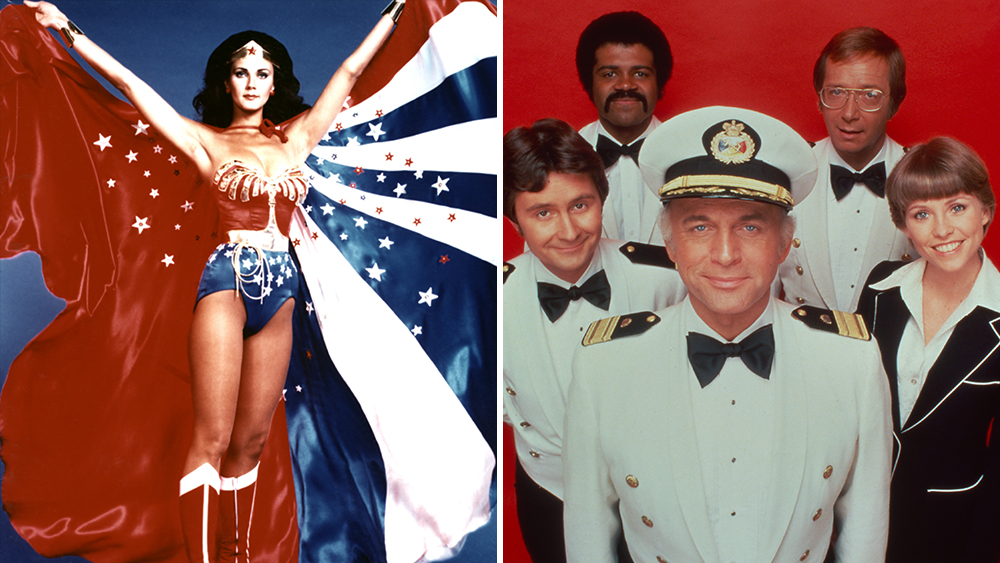
Wilford Lloyd Baumes, a television producer recognized for his contributions to seminal 1970s and 1980s series including Wonder Woman and The Love Boat, died on July 1, 2026, at the age of 86. His passing marks the end of an era for a figure who helped define the golden age of episodic television through his production work.
Baumes’s career spanned several decades, influencing the creation and execution of programs that became household names. His involvement with these shows ensured their quality and cultural resonance for millions of viewers.
Early Life and Career Beginnings
Wilford Lloyd Baumes began his journey in the television industry during a period of significant growth and innovation. Details of his early life and initial forays into media production are foundational to understanding his later successes.
The burgeoning television landscape of the mid-20th century provided fertile ground for new talent. Baumes navigated this environment, learning the intricacies of production from the ground up.
His early roles likely involved various aspects of television creation, building a comprehensive understanding of the craft. This foundational experience would prove crucial for his later executive responsibilities.
The era demanded versatility and a keen eye for engaging content. Baumes developed these skills, positioning himself for more prominent roles as the industry matured.
He established a reputation for dedication and an understanding of audience appeal. These qualities would become hallmarks of his work on some of television’s most memorable shows.
Producing Wonder Woman (1975-1979)
Wilford Lloyd Baumes served as a producer for the iconic Wonder Woman television series, which aired from 1975 to 1979. This show, starring Lynda Carter as the Amazonian princess Diana Prince, became a cultural phenomenon.
The series initially debuted on ABC for its first season before moving to CBS for its subsequent two seasons. Baumes’s role was critical in managing the complex production of a superhero narrative for a primetime audience.
Wonder Woman required intricate stunt work, special effects for its time, and a careful balance of action and character development. Baumes helped ensure these elements coalesced into a cohesive and entertaining program.
His efforts contributed to the show’s lasting legacy, making Lynda Carter’s portrayal of Wonder Woman a definitive interpretation for generations. The series remains a touchstone of 1970s television.
The production team, including Baumes, navigated the challenges of adapting a beloved comic book character for a mainstream audience. Their success laid groundwork for future superhero adaptations.
The Phenomenon of The Love Boat (1977-1987)
Another significant credit in Wilford Lloyd Baumes’s career was his role as a producer for The Love Boat. This romantic comedy-drama series premiered in 1977 and became a staple of ABC’s Saturday night lineup, running for ten seasons until 1987.
The Love Boat depicted the comedic and romantic adventures of passengers and crew aboard a luxury cruise ship, the Pacific Princess. Baumes was instrumental in bringing this anthology-style show to air each week.
The series was known for its rotating cast of guest stars, often prominent actors from film and television. Managing this extensive ensemble and multiple storylines presented a unique production challenge.
Baumes’s work on The Love Boat contributed to its status as a ratings success and a cultural touchstone. The show’s theme song and format are instantly recognizable to millions.
His production oversight helped maintain the show’s lighthearted tone and consistent quality over its long run. The Love Boat became synonymous with escapist television entertainment.
Impact on 1970s and 1980s Television
Wilford Lloyd Baumes’s work on Wonder Woman and The Love Boat placed him at the heart of popular television production during the 1970s and 1980s. These decades were transformative for the medium.
He contributed to shows that captivated diverse audiences, from superhero enthusiasts to viewers seeking romantic comedy. His ability to work across genres demonstrated his versatility as a producer.
The success of these programs helped solidify the episodic format that dominated network television. Baumes’s production skills were vital in delivering consistent content to demanding broadcast schedules.
His influence extended to the practical aspects of television making, from budgeting and scheduling to creative decisions that shaped the final product. Producers like Baumes were the unsung heroes behind the scenes.
The cultural footprint of shows like Wonder Woman and The Love Boat endures, largely due to the dedicated efforts of individuals like Wilford Lloyd Baumes. They crafted entertainment that resonated deeply with the viewing public.
The Role of a Television Producer
The role of a television producer, as exemplified by Wilford Lloyd Baumes, is multifaceted and crucial. Producers are responsible for overseeing all aspects of a show’s creation, from concept to final broadcast.
This includes financial management, ensuring the project stays within budget. It also involves logistical coordination, such as scheduling filming and managing crew and cast.
Creatively, producers often work closely with writers, directors, and actors to shape the narrative and artistic vision of a series. They act as a central hub, ensuring all departments work in harmony.
Baumes’s longevity in the industry suggests a mastery of these various responsibilities. His success on high-profile shows underscores his effectiveness in this demanding role.
A producer’s impact can often be seen in the overall quality and consistency of a television series. Baumes’s credits reflect a career dedicated to delivering engaging and memorable content.
Legacy in Classic Television
Wilford Lloyd Baumes leaves behind a significant legacy within the realm of classic American television. His contributions are etched into the history of programs that continue to be celebrated and rewatched.
The enduring popularity of Wonder Woman, with its themes of empowerment and justice, speaks to the quality of its original production. Baumes played a key role in bringing this vision to life.
Similarly, The Love Boat remains a beloved series, synonymous with feel-good entertainment and the glamour of cruise travel. Its unique format and guest star roster were expertly managed under his oversight.
His work helped establish the benchmarks for episodic storytelling and character development in primetime television. These shows provided comfort and escape for millions of viewers across the globe.
Baumes’s career serves as a testament to the dedication and skill required to produce successful and impactful television. His influence helped shape an entire generation’s viewing habits.
The Enduring Appeal of Nostalgia
The passing of figures like Wilford Lloyd Baumes often triggers a wave of nostalgia for the eras they helped define. His work is deeply embedded in the collective memory of those who grew up watching 1970s and 1980s television.
Shows like Wonder Woman and The Love Boat offered a particular brand of entertainment. They provided escapism and often explored themes of heroism, romance, and human connection in accessible ways.
This nostalgic appeal ensures that Baumes’s work continues to be relevant. Reruns, streaming services, and fan communities keep these classic series alive for new and old audiences alike.
The ability of these shows to transport viewers back to a simpler time is a powerful aspect of their enduring charm. Baumes was a key architect of this televised comfort.
His passing reminds audiences of the creators behind the magic. It prompts reflection on the impact these programs had on their lives and the broader cultural landscape.
The Evolution of Television Production
Wilford Lloyd Baumes’s career spanned a period of significant evolution in television production. From the network-dominated era to the early days of cable, he witnessed and adapted to changes.
The methods and technologies used in television production have transformed dramatically since his early days. Yet, the core principles of storytelling and audience engagement remain constant.
Producers like Baumes were foundational in developing the practices that still influence modern television. Their experience laid the groundwork for today’s complex productions.
His ability to consistently deliver high-quality content across different series speaks to his adaptability and understanding of the medium’s demands. Television production is a constantly moving target.
The legacy of producers from this era, including Baumes, continues to inform contemporary approaches to episodic storytelling and show management. Their contributions are fundamental.
Wilford Lloyd Baumes was a craftsman. A storyteller. A manager. A producer. An architect of televised dreams.