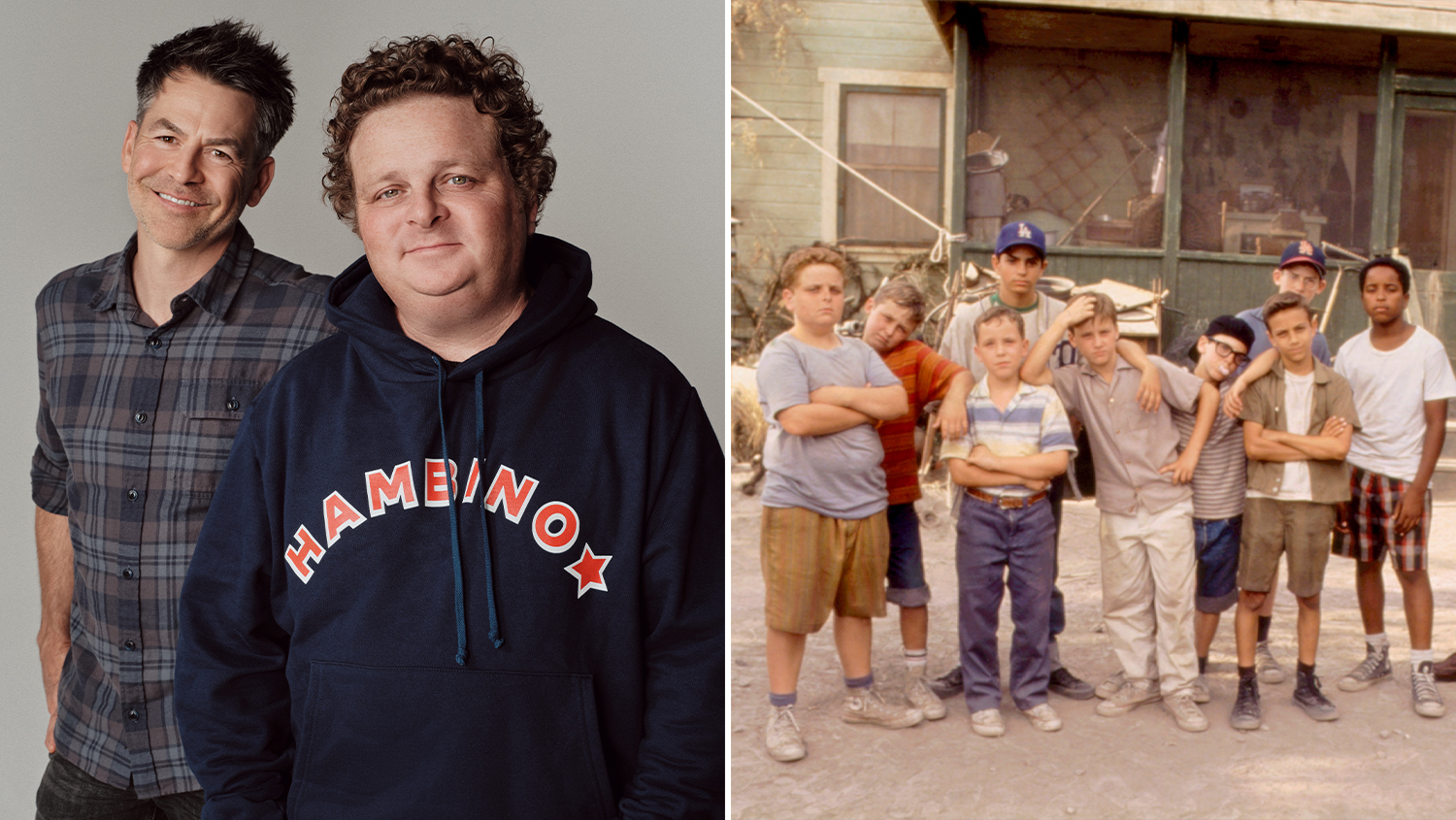
The Boys of Summer Return as Fathers
Patrick Renna and the original cast members of the 1993 coming-of-age film The Sandlot are reuniting for a new television comedy series titled Dugout Dads. The project, announced in June 2026, focuses on the former childhood friends as they navigate the complexities of middle-aged fatherhood and the hyper-competitive world of modern youth sports. The actors who once defined unstructured summer play are now stepping into the roles of stressed, sideline-pacing parents.
What looks like a simple television revival actually represents a massive cultural pivot. In 1993, the boys of The Sandlot played baseball in the dirt without adult supervision. Today, those same characters are being thrust into a $19.2 billion youth sports industry defined by travel teams, private coaches, and weekend tournaments. The comedy writes itself. The nostalgia fuels the engine.
Generations of viewers grew up watching Hamilton “Ham” Porter, Scotty Smalls, and Michael “Squints” Palledorous face down the mythical Beast. Now, the actors who brought them to life are returning to the diamond. The PF Flyers have been traded for orthopedic coaching shoes. The stakes have shifted from retrieving a Babe Ruth baseball to securing a spot on an elite 12-and-under travel roster.
The 1993 Phenomenon That Never Faded
The story of The Sandlot did not begin as a blockbuster. Released by 20th Century Fox on April 7, 1993, the film was a modest success. Directed and co-written by David Mickey Evans, it grossed $34.3 million at the domestic box office. It was a respectable return on a $7 million budget, but it hardly signaled the birth of a cultural monolith.
The true phenomenon happened in living rooms. Throughout the mid-1990s, The Sandlot dominated Blockbuster Video rental shelves and heavy rotation on cable television networks like HBO and TBS. It became the definitive summer movie for an entire generation of millennials. The dialogue embedded itself into the American lexicon.
“You’re killing me, Smalls.”
That single line, delivered by Renna in the role of the loud-mouthed catcher Ham Porter, transcended the film. It became a permanent fixture of pop culture, printed on millions of t-shirts, referenced in professional baseball broadcasts, and echoed across real-world sandlots for three decades. The film succeeded because it bottled the essence of 1962, the year the story takes place, and sold it to kids in 1993. Now, Dugout Dads aims to bottle the essence of 1993 and sell it to adults in 2026.
From the Sandlot to the Suburbs: The Premise of Dugout Dads
The narrative engine of Dugout Dads relies on a stark generational contrast. The characters who once organized their own games, patched their own baseballs, and governed their own disputes are now forced to operate within the rigid, hyper-organized structure of modern youth sports.
The comedy series will explore how the former sandlot crew handles the modern realities of raising child athletes. The unstructured freedom of their youth clashes violently with the reality of Perfect Game tournaments, $400 composite bats, and aggressive rival parents. It is a premise that directly targets the lived experience of the film’s original millennial fanbase, who are now navigating these exact parenting challenges.
Industry insiders point to the thematic brilliance of the setup. The original film was about the magic of baseball when adults stayed out of the way. The new series is about the chaos of baseball when adults are entirely in charge.
Reassembling the Bunting Roster
Gathering an ensemble cast more than thirty years after their original collaboration is a logistical feat. For The Sandlot, the chemistry between the young actors was the film’s primary asset. Recreating that dynamic requires securing the core group.
Patrick Renna has been the most visible ambassador for the film’s legacy over the past three decades. His presence on social media and frequent appearances at Major League Baseball stadiums kept the spirit of Ham Porter alive. His involvement in Dugout Dads serves as the anchor for the project.
The original roster included a diverse group of young talent who took very different paths after 1993:
- Tom Guiry (Scotty Smalls): The new kid in town who brought the ill-fated Babe Ruth baseball to the field.
- Chauncey Leopardi (Michael “Squints” Palledorous): The fast-talking instigator who famously faked drowning to kiss lifeguard Wendy Peffercorn.
- Marty York (Alan “Yeah-Yeah” McClennan): The energetic infielder known for his trademark affirmative stutter.
- Brandon Quintin Adams (Kenny DeNunez): The team’s ace pitcher with a devastating heater.
- Victor DiMattia and Shane Obedzinski (The Timmons Brothers): The repeating duo who anchored the outfield.
- Grant Gelt (Bertram Grover Weeks): The tobacco-chewing second baseman who, according to the film’s epilogue, “got really into the 60s, and no one ever saw him again.”
Bringing these specific faces back to the screen triggers immediate audience recognition. The casting is not just a reunion; it is a visual representation of the passage of time. Seeing the boys of summer with graying hair and coaching clipboards forces the audience to confront their own aging.
The Economics of Millennial Nostalgia
The greenlighting of Dugout Dads is not an isolated event. It is a calculated move within the broader Hollywood ecosystem. The entertainment industry in 2026 is heavily reliant on established intellectual property. Studios and streaming platforms are aggressively mining the 1990s for content that comes with a built-in, emotionally invested audience.
The blueprint for this strategy was established by Cobra Kai, the massive hit series that revived the 1984 film The Karate Kid. By shifting the perspective, aging the characters, and leaning into the comedic elements of middle age, that series proved that legacy sequels could thrive on television. Dugout Dads is attempting to execute the exact same playbook.
The financial math is straightforward. Marketing a new television series is prohibitively expensive. Marketing a television series featuring the cast of The Sandlot costs a fraction of the price because the cultural awareness already exists. A single promotional photo of Patrick Renna in a catcher’s mask generates more organic social media traction than a multimillion-dollar advertising campaign for an unknown property.
The Evolution of the Sports Sitcom
Television comedy has a long history of utilizing sports as a backdrop, from Coach to Ted Lasso. But youth sports offer a unique comedic landscape. The stakes are incredibly low, yet the participants treat them as if they are life and death.
Dugout Dads will likely lean heavily into the archetypes of modern parenting. There is the parent who believes their ten-year-old is bound for the major leagues. There is the parent who is just trying to survive the weekend tournament schedule. There is the parent who treats the snack schedule with military precision. By filtering these modern anxieties through the beloved characters of The Sandlot, the series bridges the gap between past and present.
The original film ended with a voiceover from a grown-up Scotty Smalls, working as a broadcaster for the Los Angeles Dodgers, watching his childhood friend Benny “The Jet” Rodriguez steal home. It was a perfect, tidy conclusion. Dugout Dads reopens the book, suggesting that happily-ever-after is just the beginning of a much more complicated, heavily scheduled chapter.
A Legacy Measured in Summer Days
Nostalgia is a powerful, dangerous currency. If handled poorly, a revival can tarnish the memory of the original work. If handled correctly, it can deepen the audience’s connection to the characters.
The Sandlot endures because it captured a universal feeling. It was never really about baseball. It was about the fleeting nature of childhood, the bonds of early friendship, and the endless possibilities of a summer day. Dugout Dads will test whether that magic can survive the transition into adulthood.
The boys who played in the dirt under the hot summer sun are gone. The world they inhabited, free of smartphones, travel ball rankings, and hyper-vigilant parenting, has vanished. But the diamond remains. The game remains.
The actors gathered. The scripts were written. The cameras rolled.
Play ball.