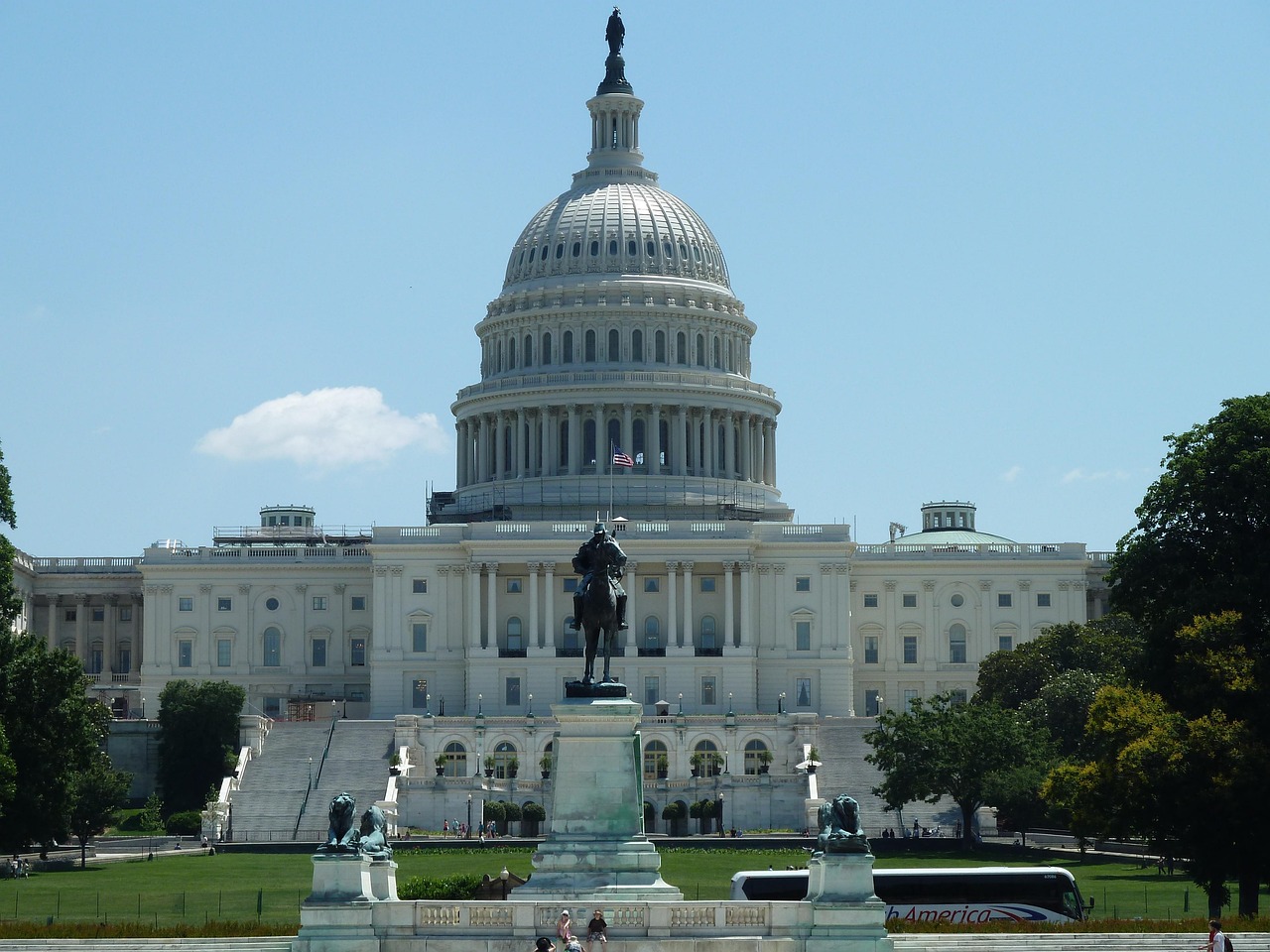
- Congress faces a September 30 deadline to avoid a government shutdown, with stopgap measures likely.
- Both parties are leveraging funding debates for 2026 midterm campaign messaging, prioritizing political optics over fiscal stability.
- Public sentiment indicates growing frustration with Washington’s inability to govern effectively, impacting trust in democratic institutions.
- The cycle of short-term fixes perpetuates instability, hindering long-term policy and exacerbating national challenges.
The August Recess Illusion and the Looming September 30 Cliff
The August Congressional recess, traditionally a period for lawmakers to reconnect with constituents and recharge, has concluded. Yet, for many, it served less as a respite and more as a prelude to an inevitable fiscal confrontation. As of August 18, 2026, the federal government is just 43 days away from the September 30 deadline, when current appropriations expire. The familiar specter of a government shutdown looms large, a recurring narrative that has become less a warning and more a predictable seasonal event in American politics.
Behind the scenes, the mechanics are already in motion. Committee work on the 12 annual appropriations bills remains largely stalled, a consequence of deep partisan divides over spending priorities, debt ceilings, and the very role of federal intervention. The House, narrowly controlled by one party, and the Senate, with its razor-thin majority for the other, are locked in a legislative stalemate. This dynamic ensures that comprehensive, long-term funding solutions are politically unpalatable, if not impossible, in the current climate. Consequently, the most probable outcome is another Continuing Resolution (CR) a stopgap measure designed to keep the government funded at existing levels for a short period, typically until December. This tactical retreat avoids immediate catastrophe but postpones genuine resolution, kicking the fiscal can down the road with increasing velocity.
The Appropriations Chessboard and Midterm Campaign Pressures
The impending September 30 deadline is not merely a bureaucratic hurdle; it is a critical battleground for the 2026 midterm elections. Both major parties are acutely aware that their handling of the budget crisis will be scrutinized by voters and weaponized by opponents. For the party in power, a shutdown represents a failure of governance, a potent attack line for the opposition. For the minority party, it is an opportunity to highlight perceived fiscal irresponsibility or overreach by the majority, even if their own obstruction contributes to the impasse.
“Every dollar debated, every amendment proposed, every procedural vote taken, is being filtered through the lens of November 2026. The actual impact on federal agencies or public services often becomes secondary to the political optics.”
Key policy riders, often unrelated to the core function of government funding, are being strategically inserted into appropriations bills. These riders, addressing everything from environmental regulations to social issues, serve as litmus tests for ideological purity and provide fodder for campaign ads. The goal is not necessarily to pass these measures, but to force opponents into politically uncomfortable votes. This appropriations chessboard, where every move is calculated for its electoral impact, further entrenches gridlock. The incentive structure rewards confrontation over compromise, ensuring that the ‘crisis’ itself becomes a valuable political commodity.
The Mirror Turn: Public Fatigue and the Price of Governance by Crisis
While Washington engages in its perennial fiscal drama, a significant shift is occurring in the public consciousness. Polling data consistently indicates a growing exhaustion with institutional gridlock. Voters, regardless of their political affiliation, express frustration with a system that appears incapable of performing its most basic function: funding the government without resorting to last-minute, high-stakes maneuvers. This fatigue is not merely about specific policies; it is about a deeper erosion of trust in the efficacy and legitimacy of democratic institutions.
The constant cycle of crisis governance has tangible consequences. Federal agencies operate under perpetual uncertainty, hindering long-term planning and recruitment. Essential services face potential disruptions. But perhaps more insidious is the psychological toll on the electorate. When the political system consistently prioritizes partisan skirmishes over stable governance, it fosters cynicism and disengagement. This ‘mirror turn’ reflects a public that is increasingly viewing Washington’s theatrics not as high drama, but as a repetitive, self-serving spectacle.
The price of this governance by crisis is steep. It diminishes the public’s belief in collective problem-solving and reinforces the perception that political leaders are more interested in power than progress. As the September 30 deadline approaches, the question is not just whether a shutdown will be averted, but what further damage this predictable, yet avoidable, crisis will inflict on the already fragile trust between the governed and their governors. The clock ticks, not just on appropriations, but on the patience of a weary public.
The Capitol dome, bathed in the late afternoon sun, stands silent.
Frequently Asked Questions
A stopgap funding showdown refers to the annual or semi-annual legislative battle in the U.S. Congress to pass temporary spending measures, known as Continuing Resolutions (CRs), when the 12 regular appropriations bills are not enacted by the September 30 deadline. These showdowns often involve intense partisan negotiations and the threat of a government shutdown.
Midterm elections significantly amplify the political stakes of funding battles. Both parties use the budget process to position themselves favorably for the upcoming elections, often prioritizing messaging and politically advantageous votes over bipartisan compromise. This can lead to increased gridlock as each side seeks to highlight the perceived failures of the other.
Perpetual governance by crisis erodes public trust in institutions, hinders effective long-term policy planning for federal agencies, and can lead to economic instability. It also fosters political cynicism, making it harder to address complex national challenges and potentially contributing to voter disengagement.
Keep reading: